
September
Many native plants are starting to wind down for the season, sending their resources back into underground storage in their roots and letting their leaves and stems wither. Don’t worry if your plants look a little sad—it is to be expected at this time. Other plants are just coming into peak bloom. If you are on the Monarch butterfly’s migration route, check that you have native plants flowering at this time to support their migration. If not, research and plan what to add next year. Especially in the north, begin to think about how your outdoor space can sustain birds and wildlife over the winter. This cooler time, after birds have finished breeding, is a great time to start removing non-native invasive plants. You can also begin to think about adding some additional natives as fall planting means warm soil and cooler days.
Garden Checklist
Preparing for Cooler Garden Days
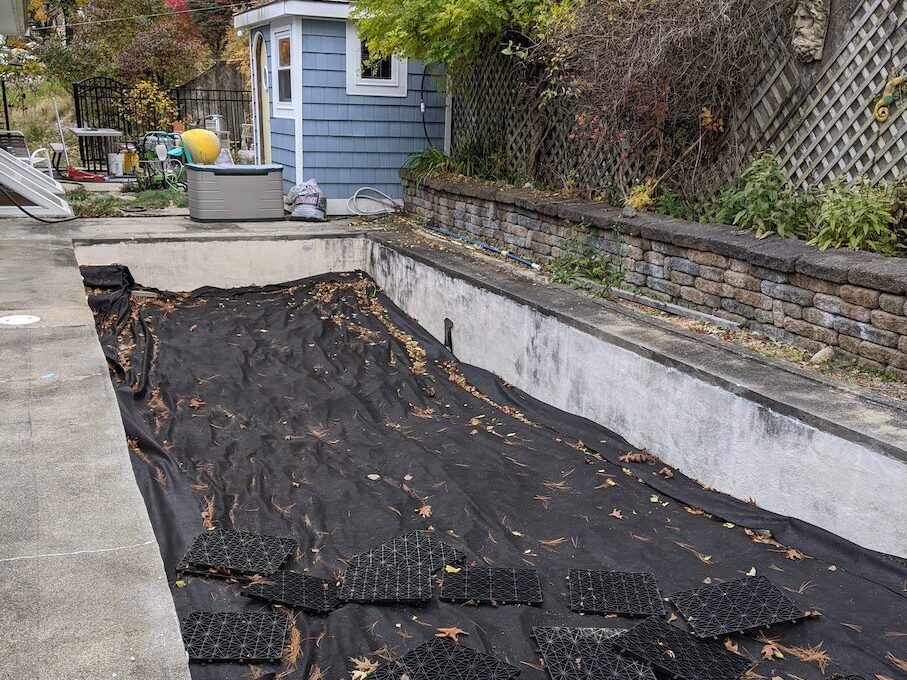
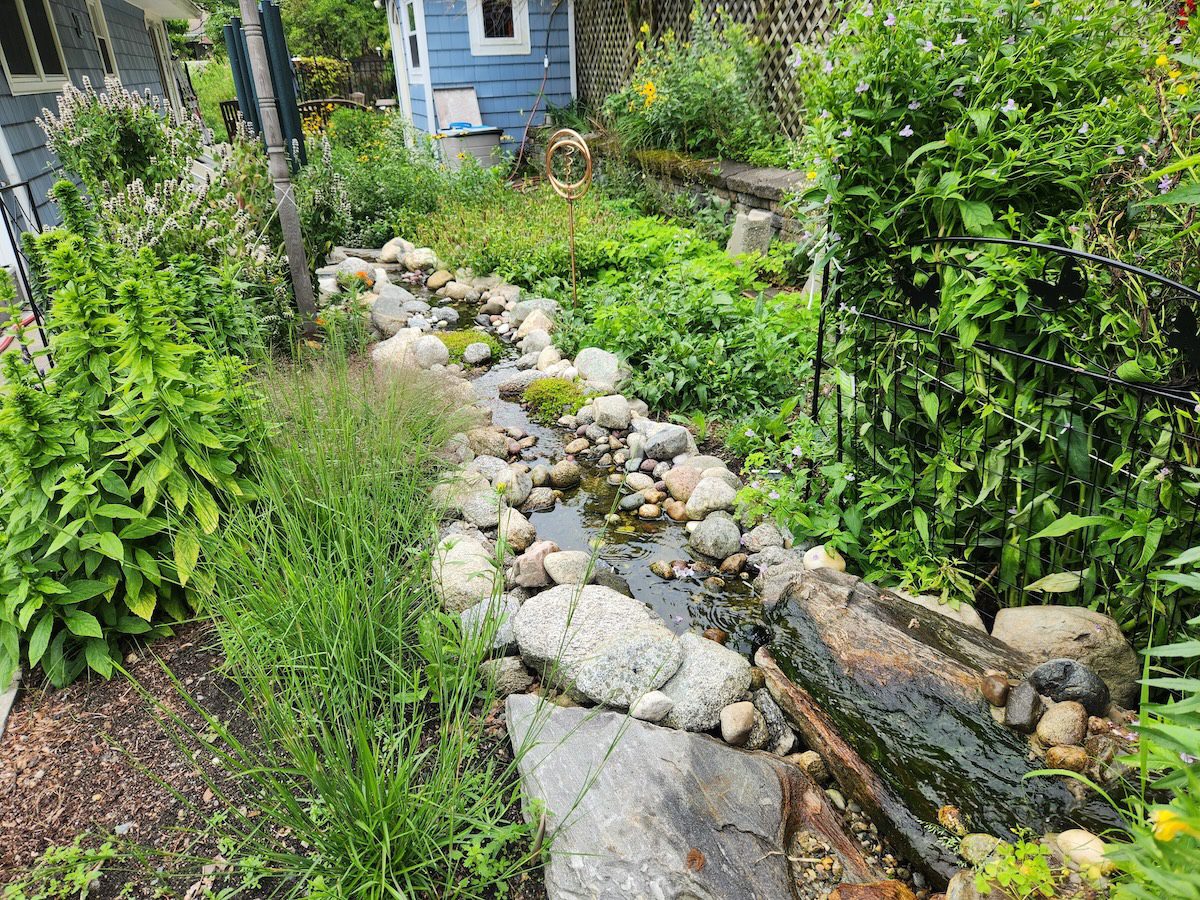
- Take an after picture of your garden and share it with us!
- We’ll be collecting pictures through October. See all our categories.
- All photo submitters will be entered to win a variety of prizes, including binoculars.
- See the incredible before and after photos already submitted.
- Plan to leaf it and leave your deadhead flowers this fall.
- Whatever you have growing in your gardens, commit to leaving it for wildlife to forage on and use all winter.
- Explore resources to understand the importance of leaving our garden resources on site along with some frequently asked questinos about fall gardens.
- Register for fall gardens webinars with Max Ferlauto and Dudley Edmondson.

In the Garden
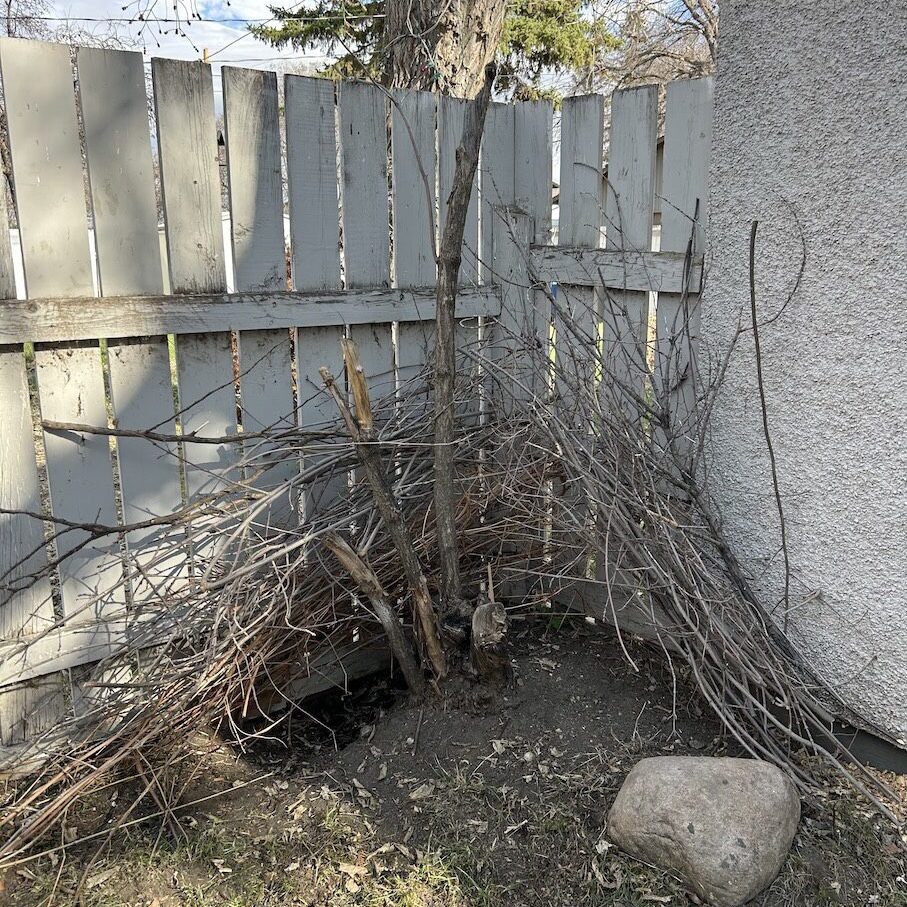
- Use fallen branches to build a brush pile
- Brush piles provide cover for birds and other wildlife while adding a “natural sculpture” to your landscape. Collect, pile, and see birds enjoying them!
- Already have a brush pile? Share a picture on our bird-friendly photos page to inspire others.
- Add rock piles, too!
- These features can be added in any garden, but if you live in more arid regions, integrating rock piles not only adds character, but important shade and shelter for local wildlife in hot climates.
- Begin to prune, if necessary, shrubs and plants—mid-September or later.
- Most birds are done nesting, there are a few species that may still be wrapping up.
- Now is a good time to begin to prune back shrubs or trees, check for late nesters before cutting.
- Plant more natives. End of season sales!
- Visit your local native plant nurseries where sales are common at the end of summer and you may find new ideas for plants to add this fall for a jump on spring.
- If there are soil-gaps in your garden, you have space to add more.
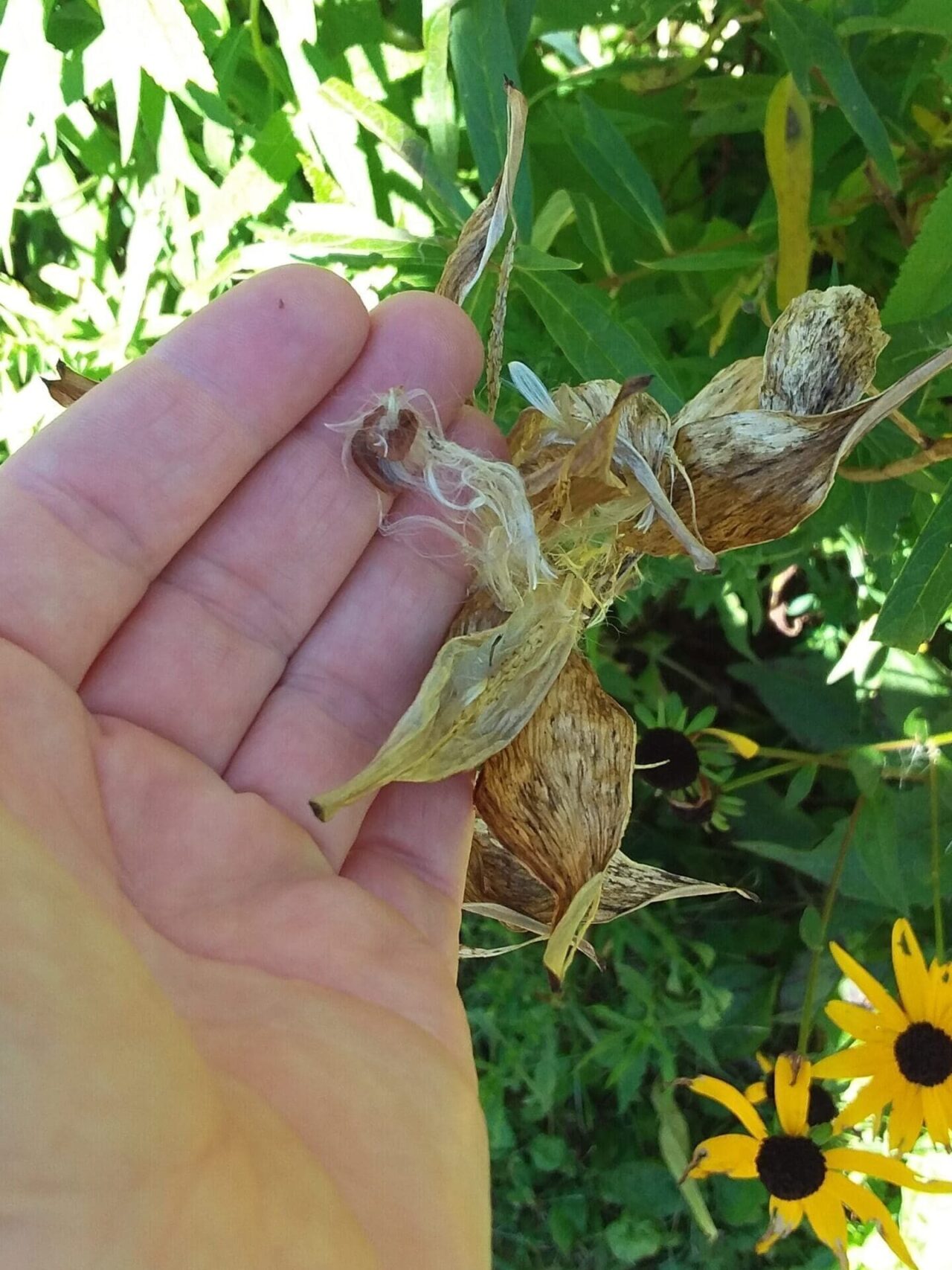
- Save or scatter seeds from your drying seed heads.
- You can save seeds for starting new plants.
- See this article to learn more about saving and germinating.
- Prepare new garden sites now for easy spring planting.
- You can get a jump start on planting next year. Fall soil can be easier to work with. Add something new to your landscape before winter.
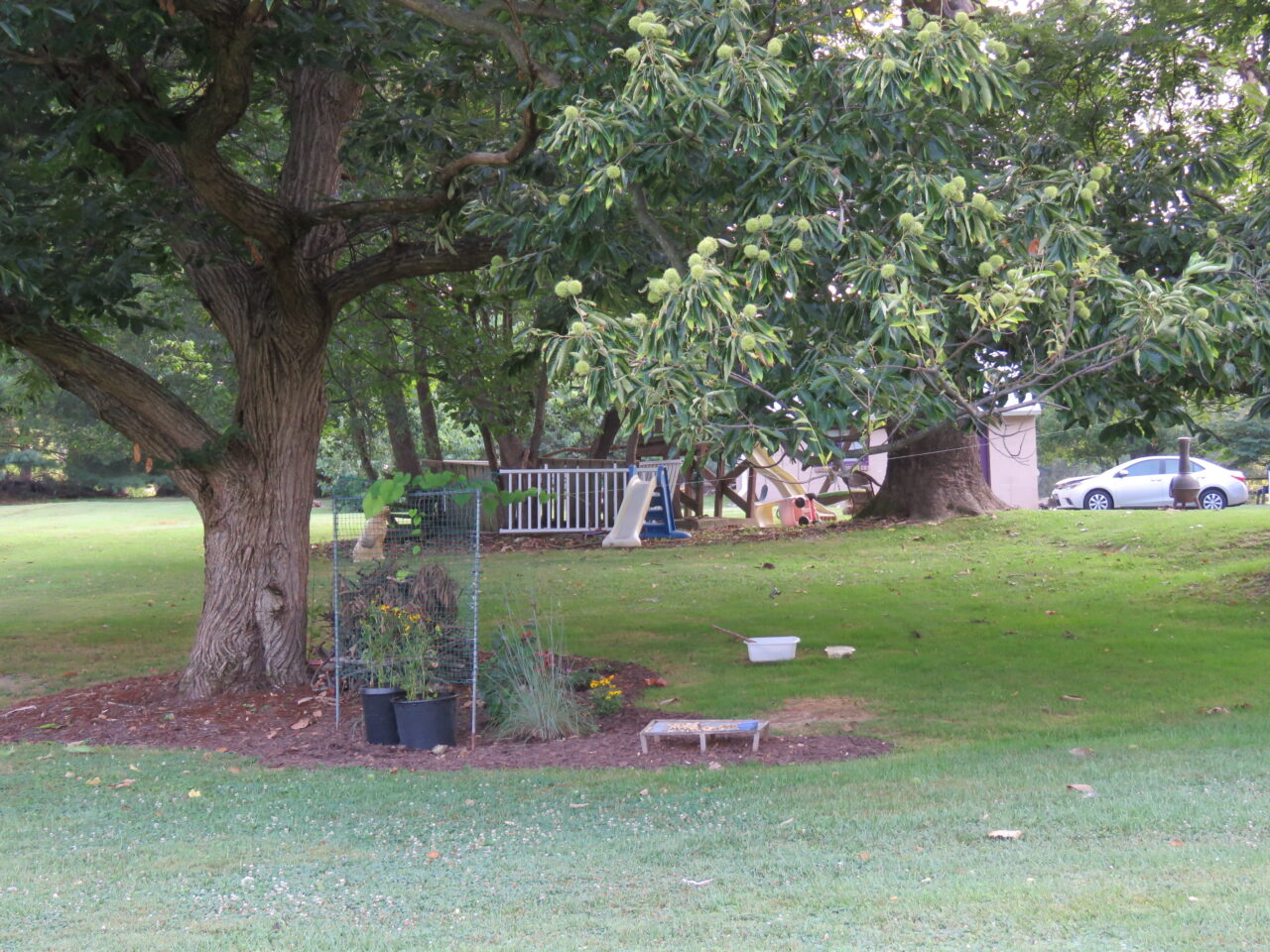
- Make soft landings if you have trees or large shrubs in your landscape.
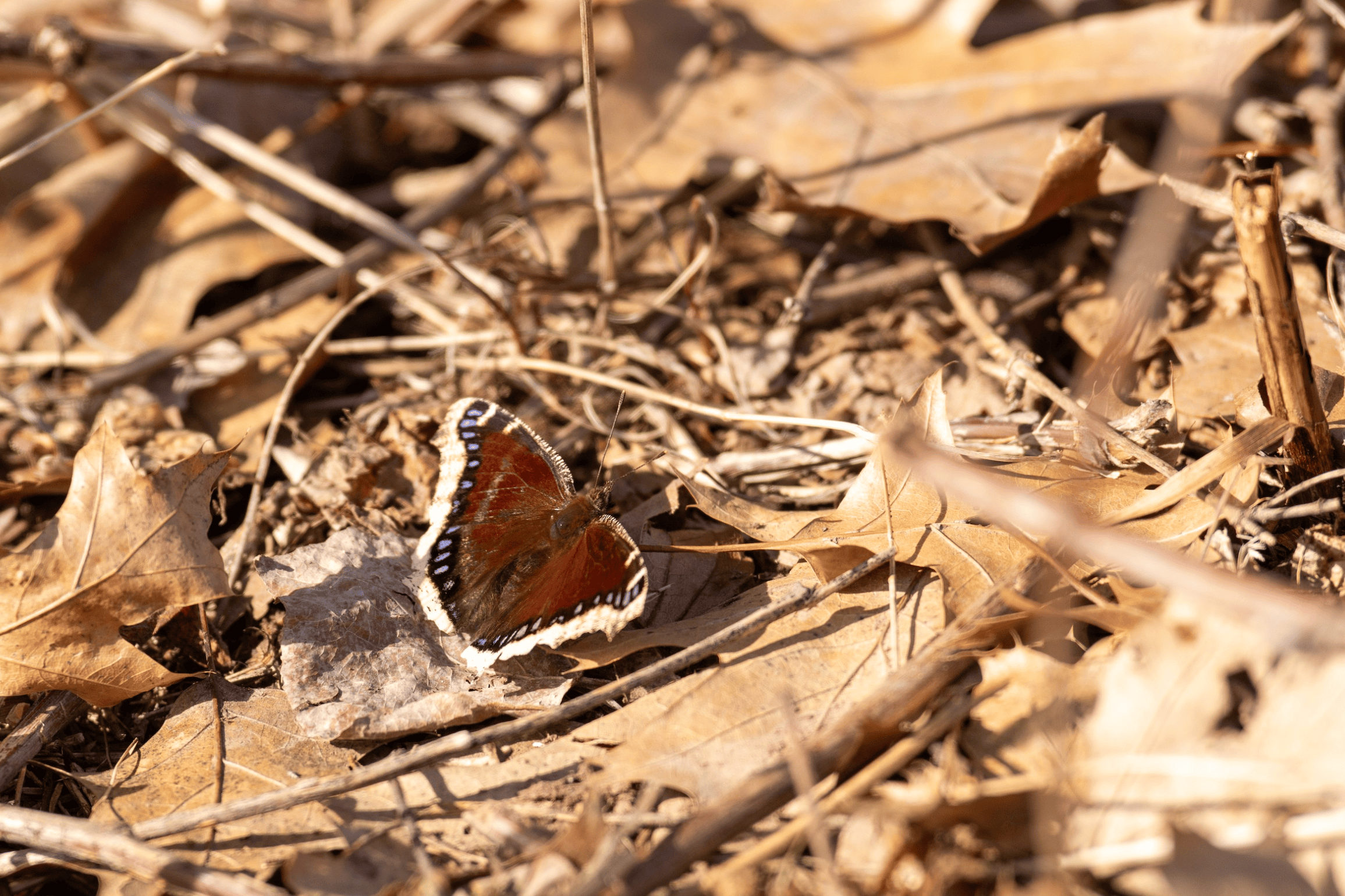
- Do you have places around your trees where overwintering pupae can land and burrow for winter? If not, consider raking your leaves under your trees this year as the foundation for a new spring garden.
- These spots are favorite foraging place for birds all season long!
- Do you have places around your trees where overwintering pupae can land and burrow for winter? If not, consider raking your leaves under your trees this year as the foundation for a new spring garden.
- Operation invasive plant removal!
- Deciduous shrubs and small trees can be effectively controlled at this time, and with breeding bird season winding down rapidly in many areas, you can do so with minimal impacts.
- Search for “best management practices ____ (plant name)” online and find the right technique for your space for the species in question.
- Wildr Places App may be a helpful tool!


Indoor Garden Activities for September
- Read two NEW informative articles about…
- How our gardens have their own soundtrack.
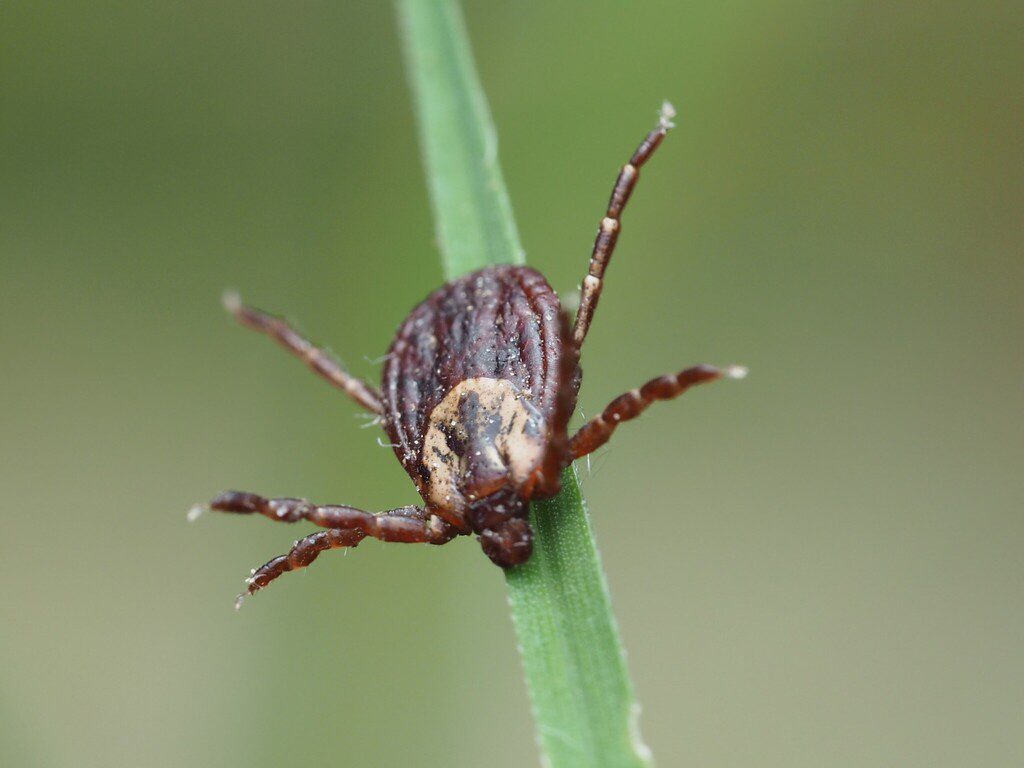
- Or how to manage our gardens to minimize certain visitors—such as ticks and mosquitos!
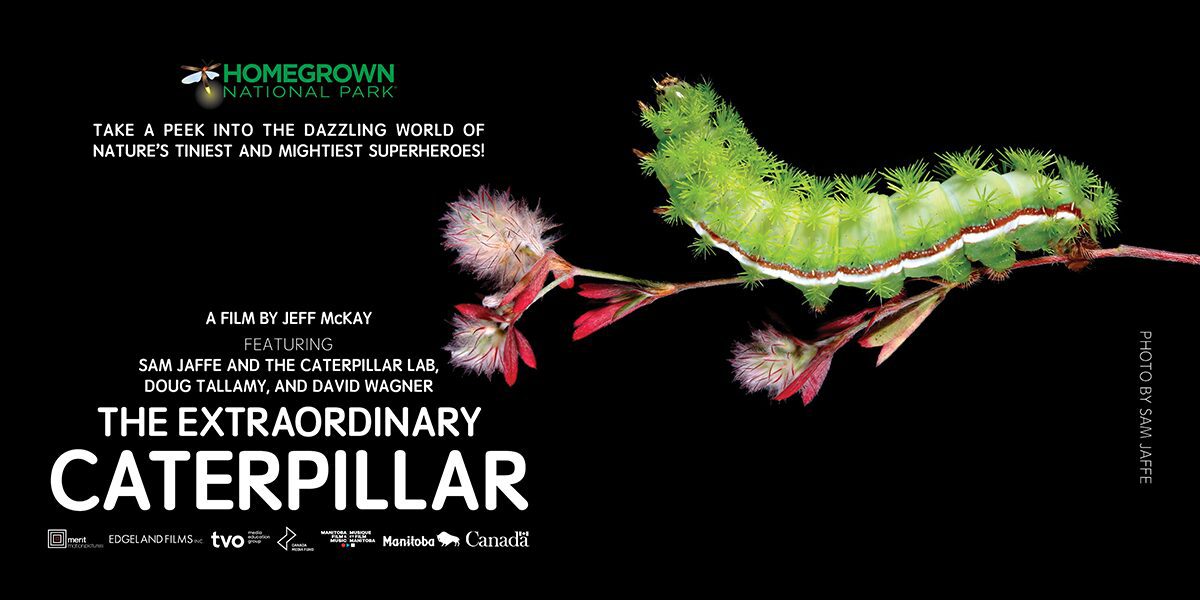
- Watch The Extraordinary Caterpillar!
- Homegrown National Park is making viewing FREE and easy September 14 to October 16.
- Sign-up to watch this beautiful film and inspire you to do all you can in your fall gardens to support butterflies and moths next spring.
- Meet the Tiny Superheroes Behind Every Backyard Food Web: Free Limited-Release Film + Live Webinar
Bird Safety Tips
- Leave your nest boxes up for cold weather protection. Birds and other small mammals may shelter in them during wet, cold, or snowy weather.
- Make windows visible. Migration is starting to pick up: if you haven’t made your windows visible, consider doing so.
- See this powerful short 3-minute film about how window protection has saved hundreds if not thousands of birds in Chicago.
- Turn off your lights at night! Birds are on the move.
- An inspiring 30-minute film about the importance of turning lights off featuring the successes from Lights Out Texas.

Featured Plant & Bird
Common Name: Red Osier Dogwood
Scientific Name: Cornus sericea
Native to: AK , AZ , CA , CO , CT , DE , IA , ID , IL , IN , MA , MD , ME , MI , MN , MT , ND , NE , NH , NJ , NM , NV , NY , OH , OR, PA , RI , SD , UT , VA , VT , WA , WI , WV , WY
Canada: AB , BC , MB , NB , NS , ON, PE , QC, SK
Plant characteristics: Deciduous shrub with bright red branches in the fall, winter, and spring, deepening to green in the summer. White spring and summer flowers that turn into to white juicy fruit. Beautiful fall color.
Growing conditions: Tolerates most soil and light conditions, but prefers moist part-shade sites. Grows vigorously to about 12 feet at maturity.
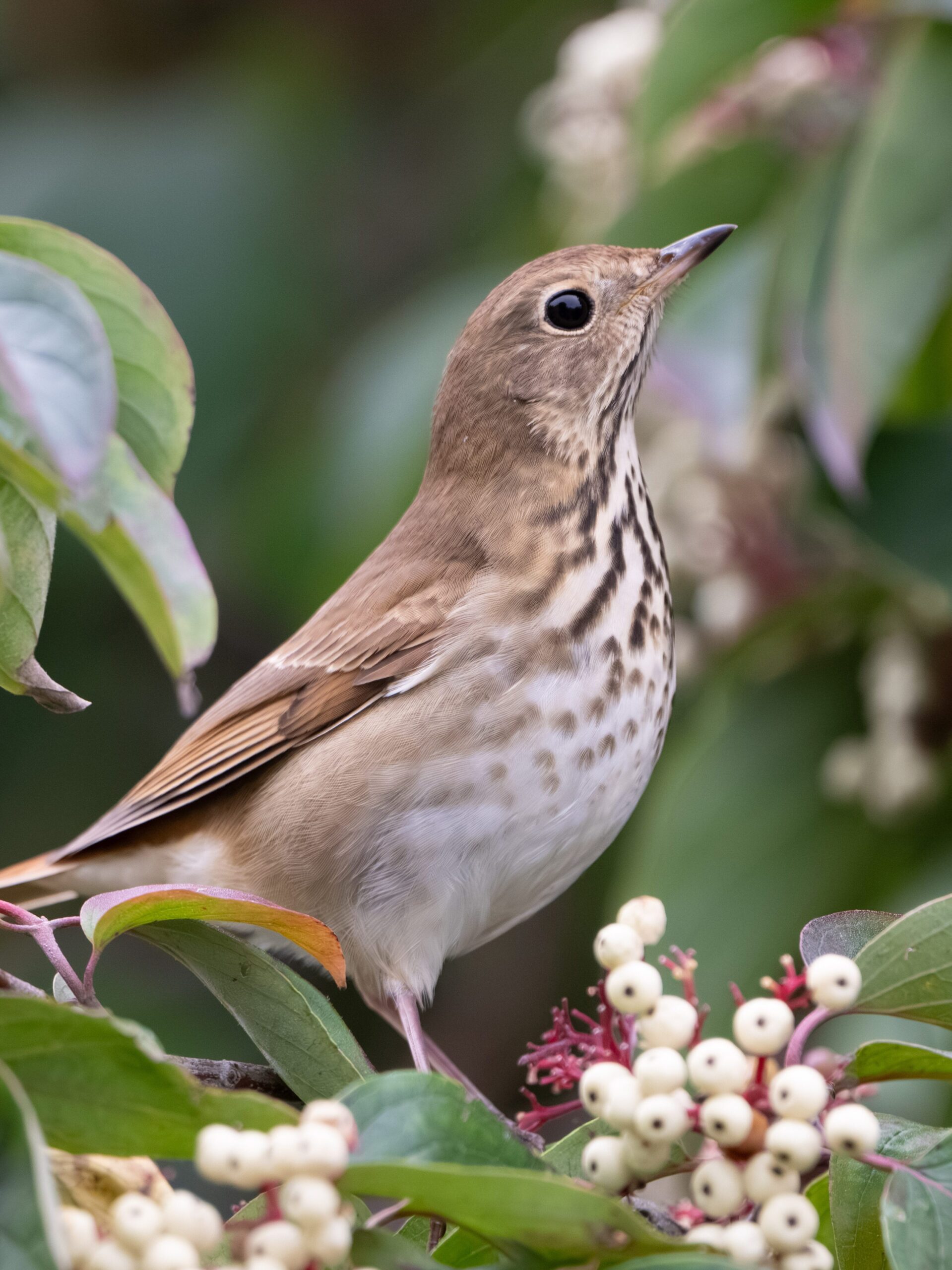
Benefits to Birds & Biodiversity: Larval host for Spring Azure butterfly. Flowers are beloved by bees, moths, and butterflies. Waterfowl, marshbirds, shorebirds, and songbirds strip plants of fruit. Large and small mammals will enjoy what is left.
Additional Resources
- See what birds people are seeing in their gardens on our Garden for Birds eBird Project Page.
- Learn to save seeds from your flowering plants for next years garden(s).
- Review our resources pages for topics of interest from the beginning gardener to experienced.
Stay Connected
By subscribing to stay connected to Garden for Birds, you agree to receive communications from the Cornell Lab. You may unsubscribe from the communications at any time.