
The Garden’s Natural Soundtrack
Sound is an invisible superhighway of information in the natural world. Countless orders of animal life compete over shared soundwaves in your garden: insects generate a dull roar of chirps and buzzes, frogs inflate their vocal sacs to bellow to each other, and nocturnal mammals chitter and screech deep into the night.
Some of the most complex vocalizations in the garden are produced by songbirds (oscines or Passeri), who use their two-forked vocal organ, the syrinx, to construct complicated melodies. Among the chaotic natural soundscape, these tunes are recognizable and agreeable to the human ear; they also serve vital purposes in bird ecology. Bird song passes through your garden like encrypted parcels of information over a wireless network, communicating specific information recognizable only to specific species. Birds may communicate to defend territory, attract mates, warn of predators, or announce their presence, among other functions.
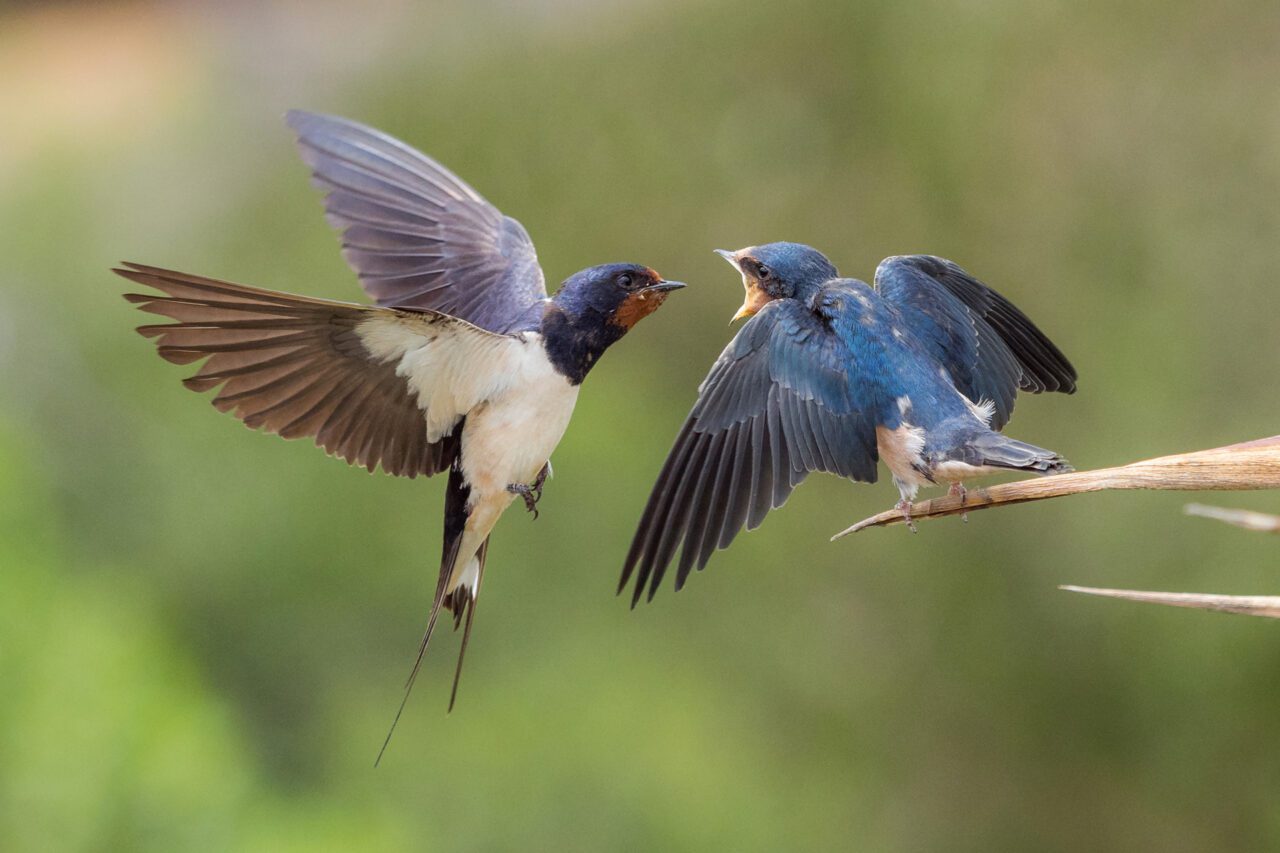
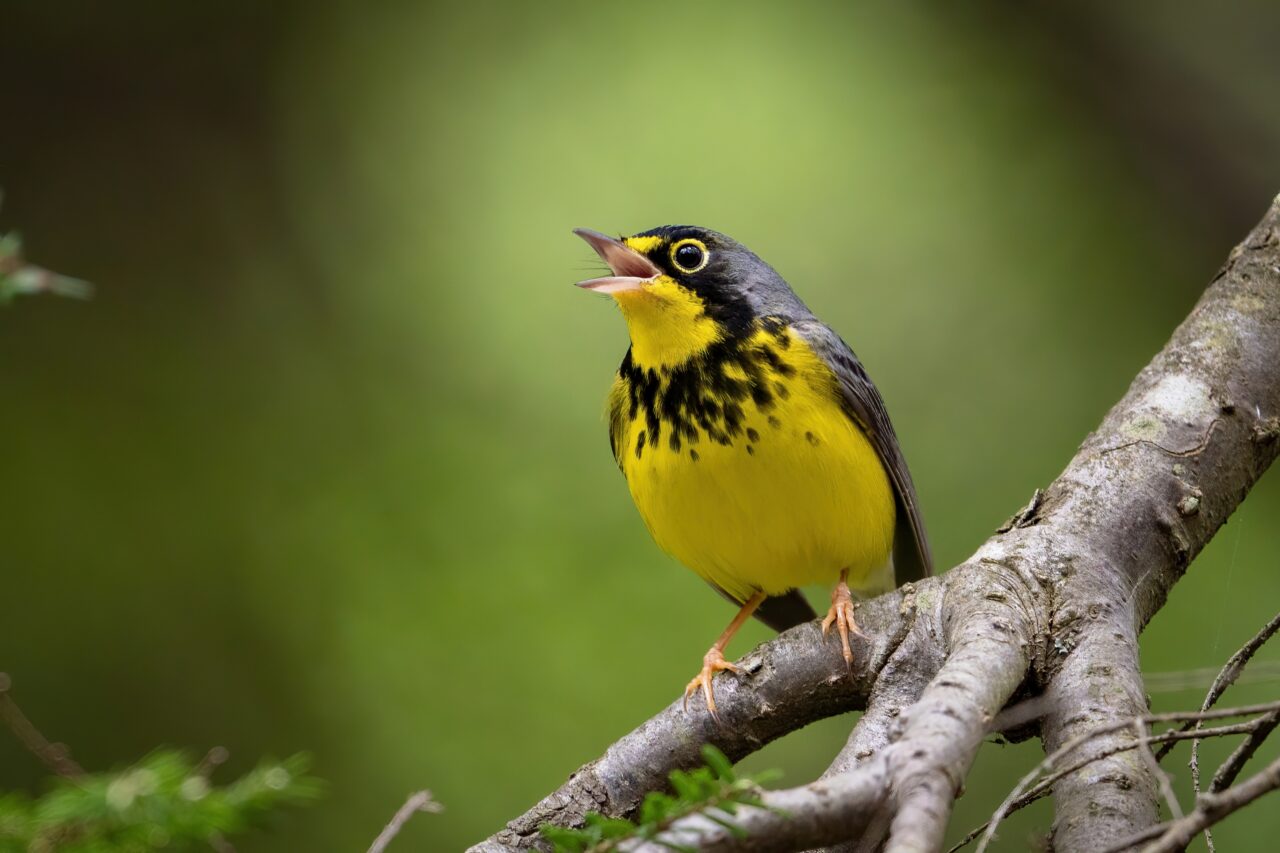
Songbirds learn their songs similarly to how human babies learn to talk. They listen to and mimic the adults around them through trial-and-error babbling. In this sense, bird song is an orally-transmitted culture, a social tradition passed down through generations. Birds of the same species even develop regional accents in different areas. When you listen to songbirds chatter throughout your garden in the morning, you are bearing witness to a rich, non-human culture!
By making our gardens hospitable to bird song, we can preserve these vibrant acoustic traditions, as well as support the health of the local ecosystem. You may also enjoy hearing and learning the diverse soundscape of your garden birds.
Interested in knowing more about bird accents? Check out this article by the Audubon Society for tips on learning local dialects!
Take a listen!
These clips demonstrate song variation from the same subspecies of White-crowned Sparrows, recorded in different areas around the San Francisco Bay. The first sings three distinct phrases of the same note, before trilling rapidly into a short buzz. The second sings two phrases of different notes, then transitions to a shorter trill.
How does bird song move through the world?
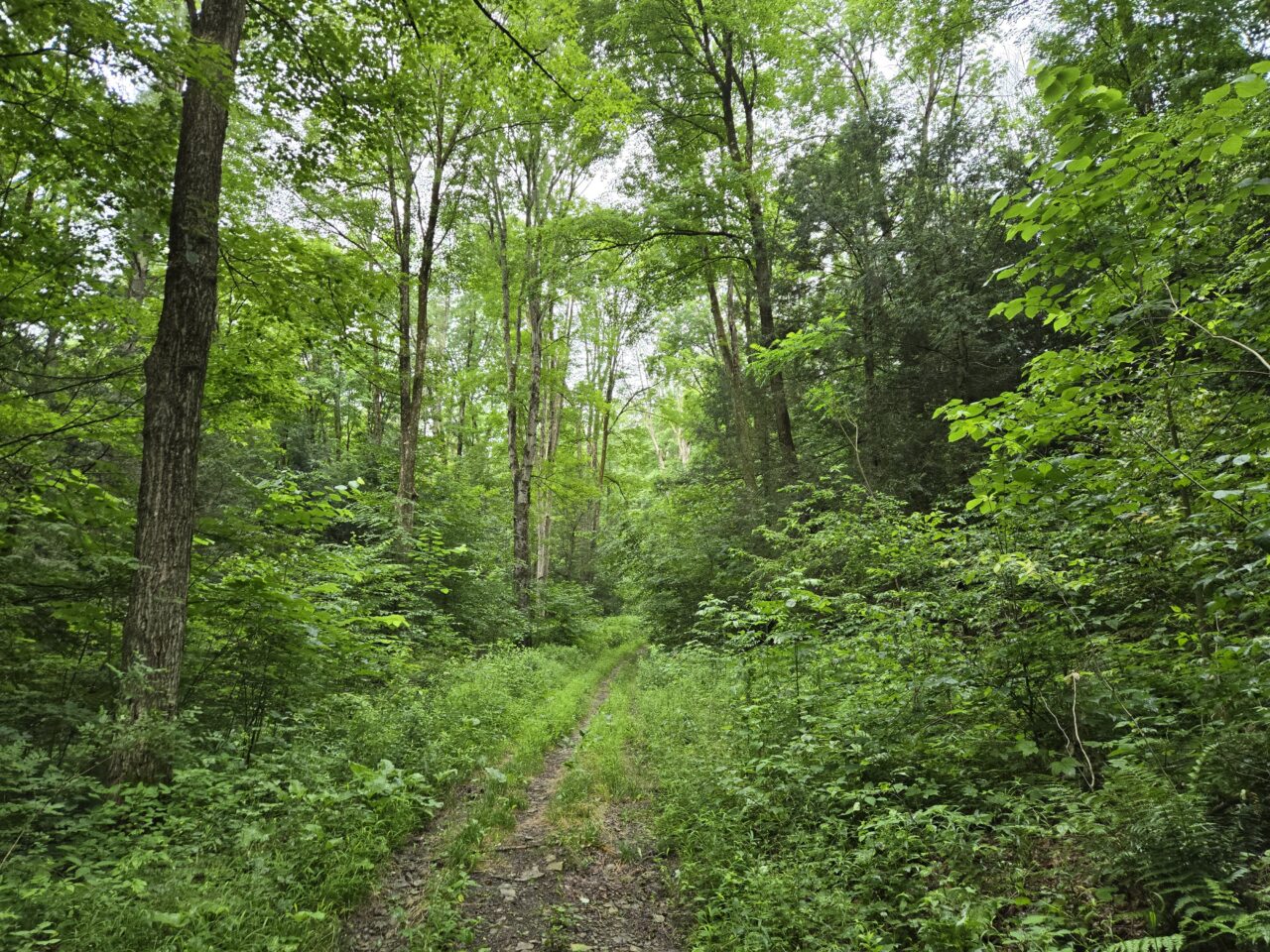
Bird song is partially defined by the environment in which it is transmitted. Different habitats form different “acoustic filters”. Natural selection favors bird song that can travel most efficiently through these filters. For example, in a busy forest, dense vegetation scatters sound and absorbs high frequencies of soundwaves. Therefore, forest birds often sing at lower frequencies and produce simpler melodies with longer notes (though exceptions are common). These adaptations allow their songs to be transmitted through the complex environment. This is known as the acoustic adaptation hypothesis, or AAH.
The AAH does not explain all characteristics of bird song; habitat is just one of many influential factors driving bird song evolution. Myriad evolutionary pressures help to explain the types of songs we hear.
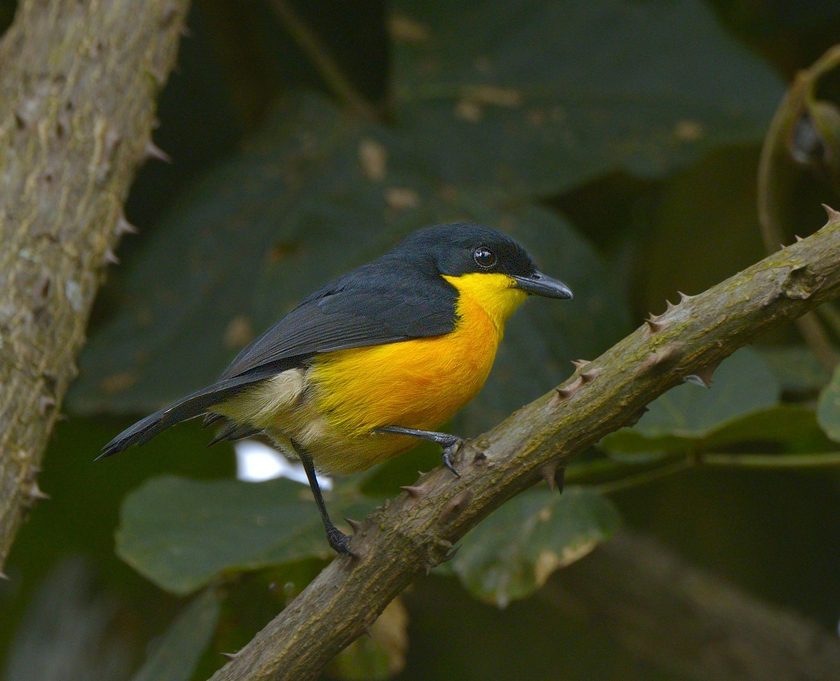
If a bird’s habitat is disrupted, the transmission of its song can be disrupted as well. In a 2022 study, it was found that Yellow-breasted Boubous (Laniarius atroflavus) have a much easier time propagating their songs in untouched forest habitat than in adjacent disturbed, post-burn shrubland. The post-burn habitat is filled with opportunistic shrubs, which transmit sound differently than the continuous forests within which Yellow-breasted Boubous are familiar. Human deforestation and habitat alteration can similarly disrupt bird song transmission.
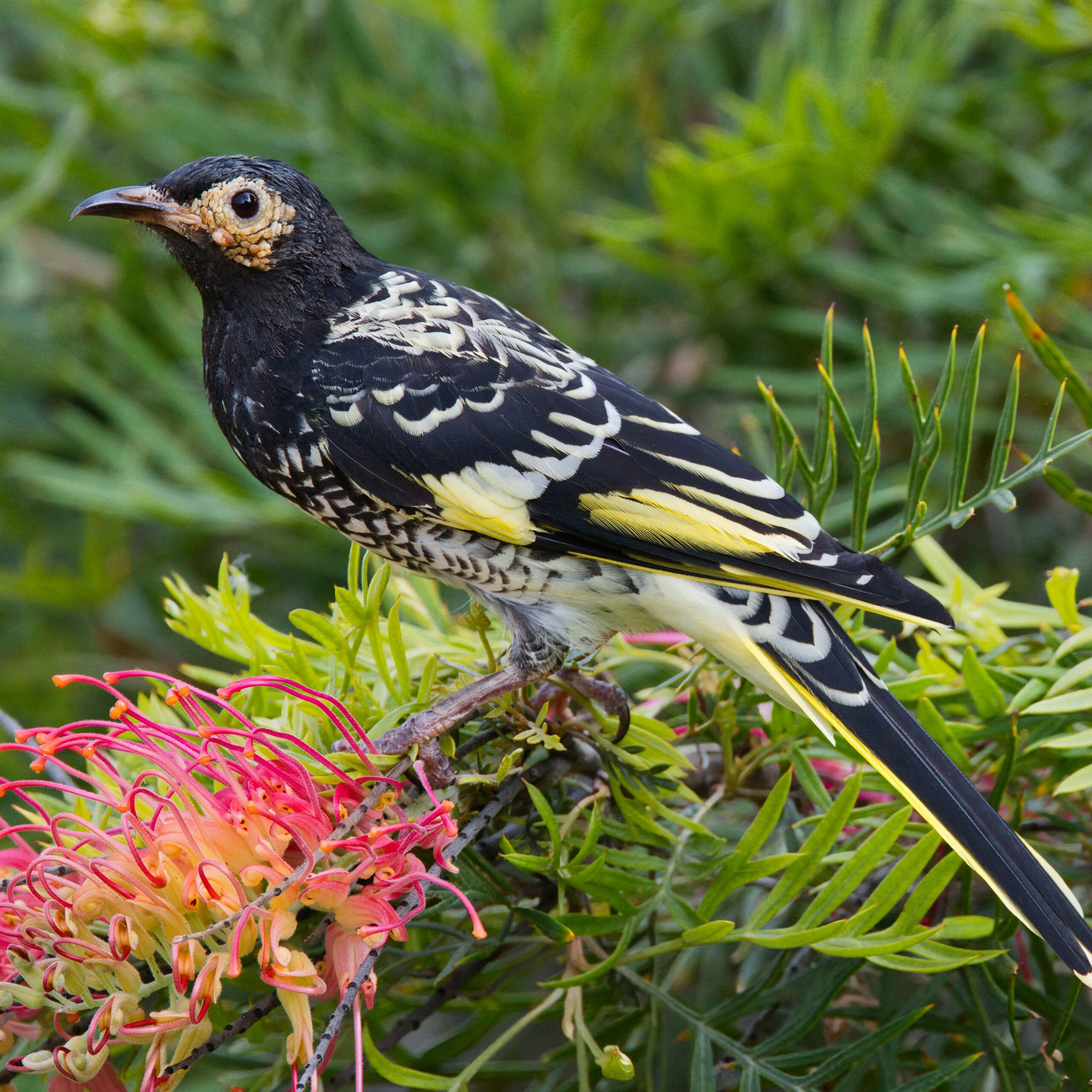
Regardless, all is not lost. Reforestation in Angola is bringing song back to the once-lush slopes of Mount Moco. Researchers in Australia are helping endangered Regent Honeyeaters relearn traditional songs. Across the globe, ornithologists are working to return forgotten bird song to its singers.
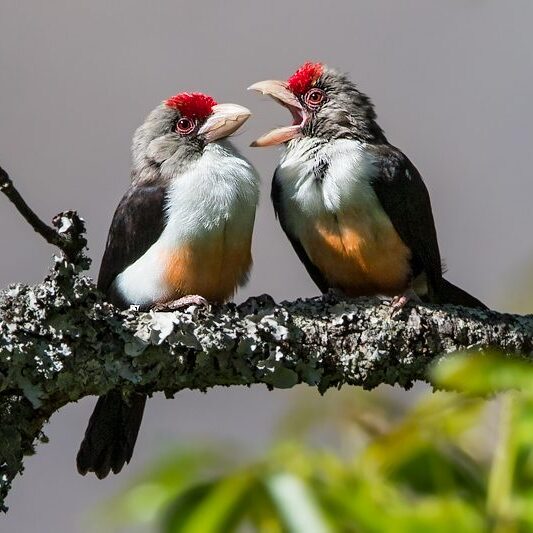
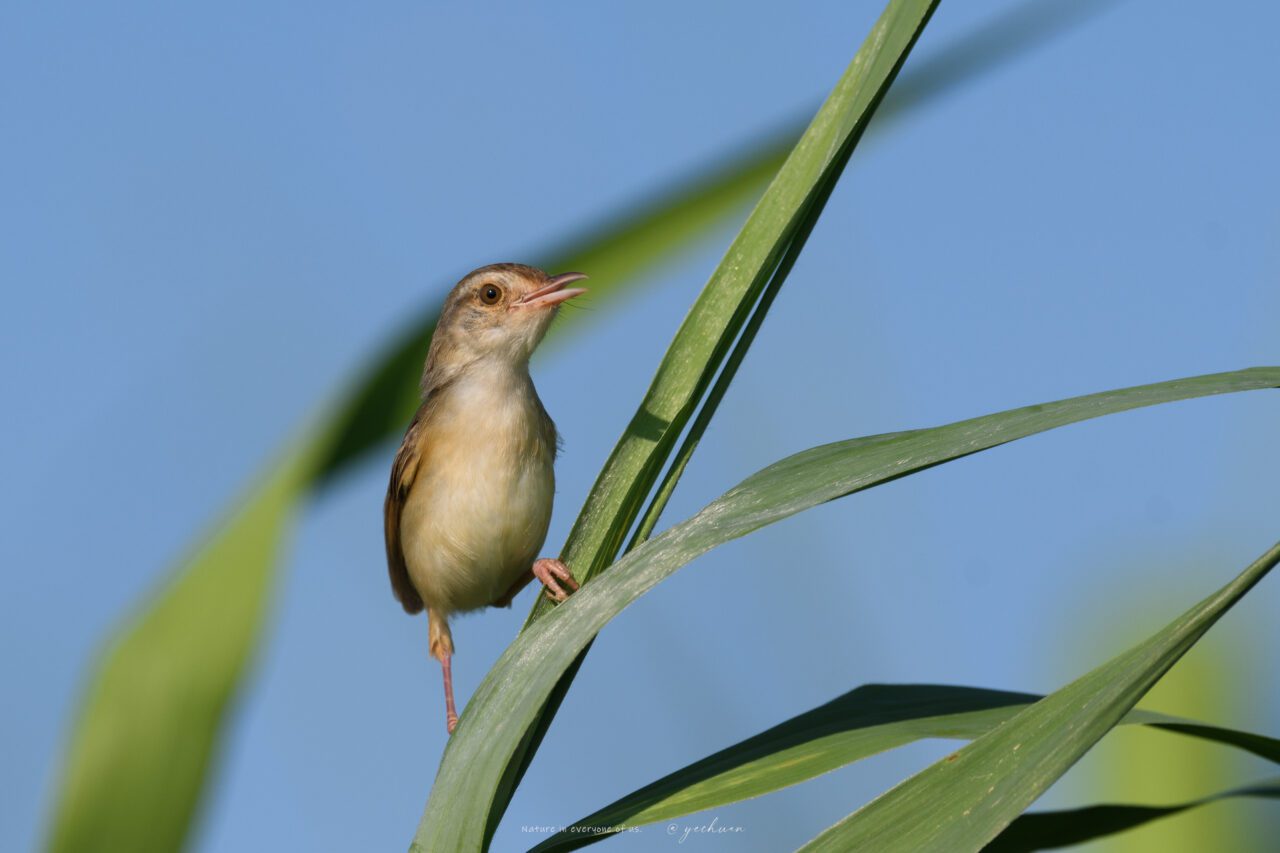
Invasive species complicate bird song’s passage through space. Smooth cordgrass (Spartina alterniflora) was introduced to China to stabilize tidal mudflats for development, but has since invaded much of the country’s eastern coast. Local populations of Plain Prinias (Prinia inornata) were found to sing shorter and less diverse songs in wetlands invaded by cordgrass. Researchers suggested that birds are responding to the invasion by changing their song structure to transmit through the dense cordgrass.
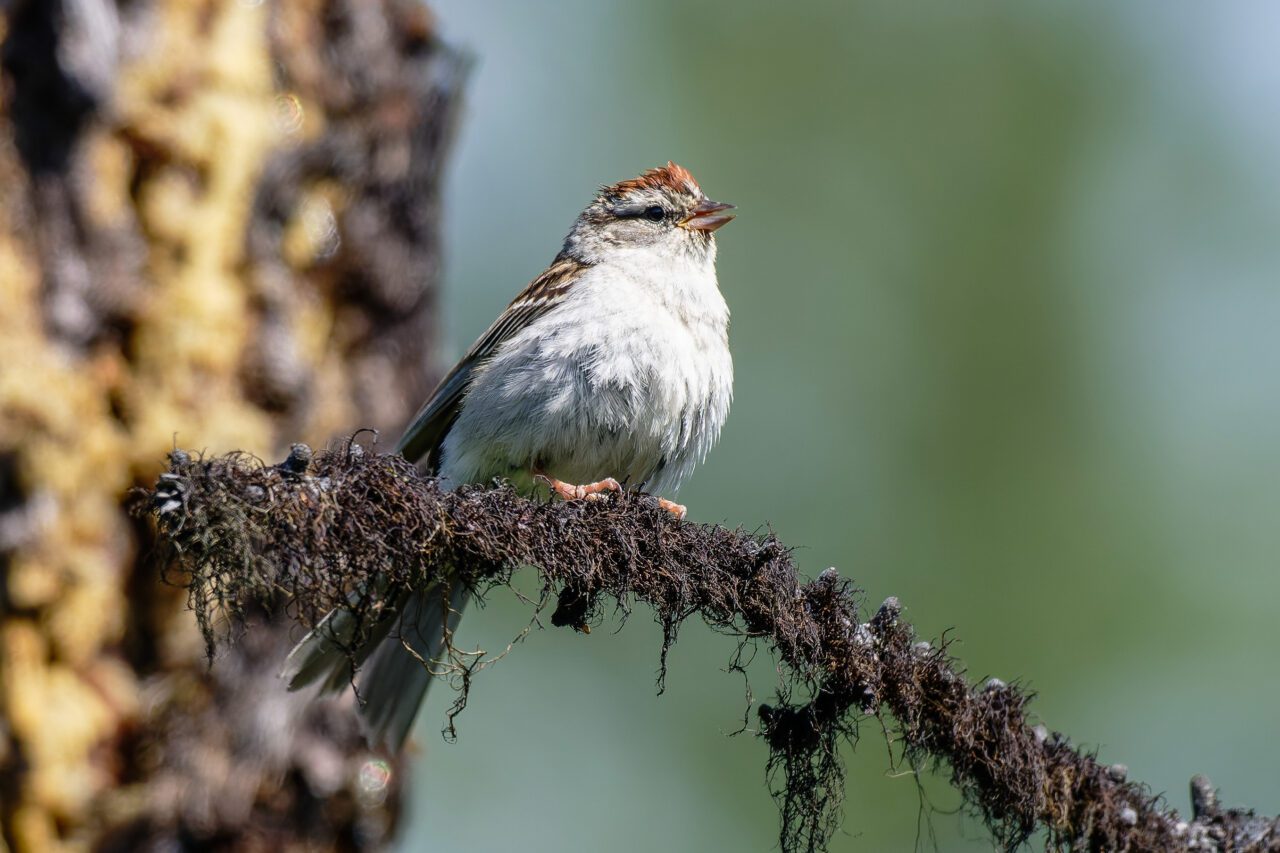
Bird song disruptions also occur culturally, when the teaching of songs from adults to children is interrupted. A 2014 study found that song diversity is reduced among Chipping Sparrows (Spizella passerina) in savannah invaded by spotted knapweed (Centaurea stoebe), an invasive species introduced to North America in the 1890s. The invaded habitat supports fewer food resources. Fewer older birds choose to live in these inhospitable areas, and therefore the younger birds have fewer musical “tutors” to learn from. Young birds copy a more limited set of songs from the limited adults available.
These cases underscore the importance of preserving natural habitats. When humans dramatically alter the landscape, such as by planting invasive species, or removing trees and forest undergrowth, we may unwittingly alter the soundscape of our environment. An acoustically diverse garden mimics the structure of the surrounding habitat; as a gardener, using native plants to maintain local habitat conditions may help preserve the acoustic culture of nearby birds.
The Human Impact

Fascinatingly, during the Covid-19 pandemic, White-crowned Sparrows adjusted to the reduced San Francisco traffic by singing at lower volumes and frequencies. These types of songs are more appealing to female sparrows, so male sparrows could have an easier time attracting a mate in the quiet city. In a silent spring, songbirds reclaimed the soundscape.
In your own garden, birds may struggle with the noise of your car, lawnmower, tractor, or power tools. Some of these noises are inevitable, but careful product selection and mindful use can mitigate the clamor. Electric motors are a quieter alternative to internal combustion engines, when possible. Careful timing of loud lawn care equipment can also make your garden more hospitable to bird song. The least disruptive time to use equipment is the middle of the day, since songbirds are particularly active around dawn and dusk.
Conversely, gardens can serve as acoustic refuges for wildlife. In particularly noisy areas, perhaps deep in a busy city, an urban garden blocks out some of the surrounding din.
Human-generated noise regularly drowns out bird song. Our shrieking cars and clamorous machines clog the soundwaves that carry essential acoustic communication; even in suburban or rural areas, bird song competes with the enormous uproar of human civilization.
These disruptions, when not completely muffling, can alter the characteristics of bird song. The songs of White-crowned Sparrows in San Francisco were found to have significantly increased in frequency from 1980 to 2010, likely because high-frequency songs are more easily heard over the low-frequency urban clamor. Younger birds were able to hear high-frequency bird song more easily, and learned and propagated these songs throughout the species.

Shrubs can absorb and scatter sound, and tightly-packed foliage creates modestly quieter microhabitats. Dense vegetation can partially filter out traffic noise and support soundscape diversity in urban parks.
Urban garden spaces are essential havens for the natural world — they provide shelter and food, and support a diverse variety of urban wildlife. The acoustic richness of these areas reflects their vibrant ecology. Urban gardens may treat you to a symphony of musical biodiversity.



Your own garden can be an acoustic refuge if you consider the major sources of noise pollution near you. The clamor of a busy road near your house or the outdoor condensing unit for your air conditioning can be mitigated with a wall of shrubs; or, more effectively, with a solid barrier such as a berm. Keep in mind that the soundscape often changes seasonally; deciduous trees will provide less noise cover in the winter.
Did you know that bird song improves mental health?
It’s true! While noise pollution is linked to numerous health troubles, including depression and anxiety, listening to natural sounds can reduce stress and improve one’s mood. Hearing bird song may help us feel safe from an evolutionary perspective, as it communicates that life is already present in an area; conversely, bird song may act as a cognitive break, since it is a simple, pleasant sound to focus on. Building spaces for birds to sing creates spaces for humans to listen. Learn more in this article by the Natural History Museum, London.

Bird song is a uniquely meaningful phenomenon, a striking example of animal intelligence and culture. We can protect this culture like any human equivalent—by creating spaces where it can be preserved and transmitted to the next generations. Your garden may become one of these cultural landscapes, if you design intentionally and mindfully.
As you finish reading this article, we encourage you to take a moment and step outside. You may hear birds singing and bugs chirping, or leaves rustling in the wind, or water gurgling. You will probably also hear the dull roar of human civilization, perhaps laughter and chatter, music, car engines, sirens, motorcycles, planes rushing overhead. We share our acoustic reality with the animal kingdom. Our sound is just as much a part of their world as it is ours; let’s be mindful of our share.
Stay Connected
By subscribing to stay connected to Garden for Birds, you agree to receive communications from the Cornell Lab. You may unsubscribe from the communications at any time.