See how people all over the United States and Canada have added bird-friendly features such as; windows treated to be more visible, catios or cats safely exploring the outdoors, brush piles, and more!
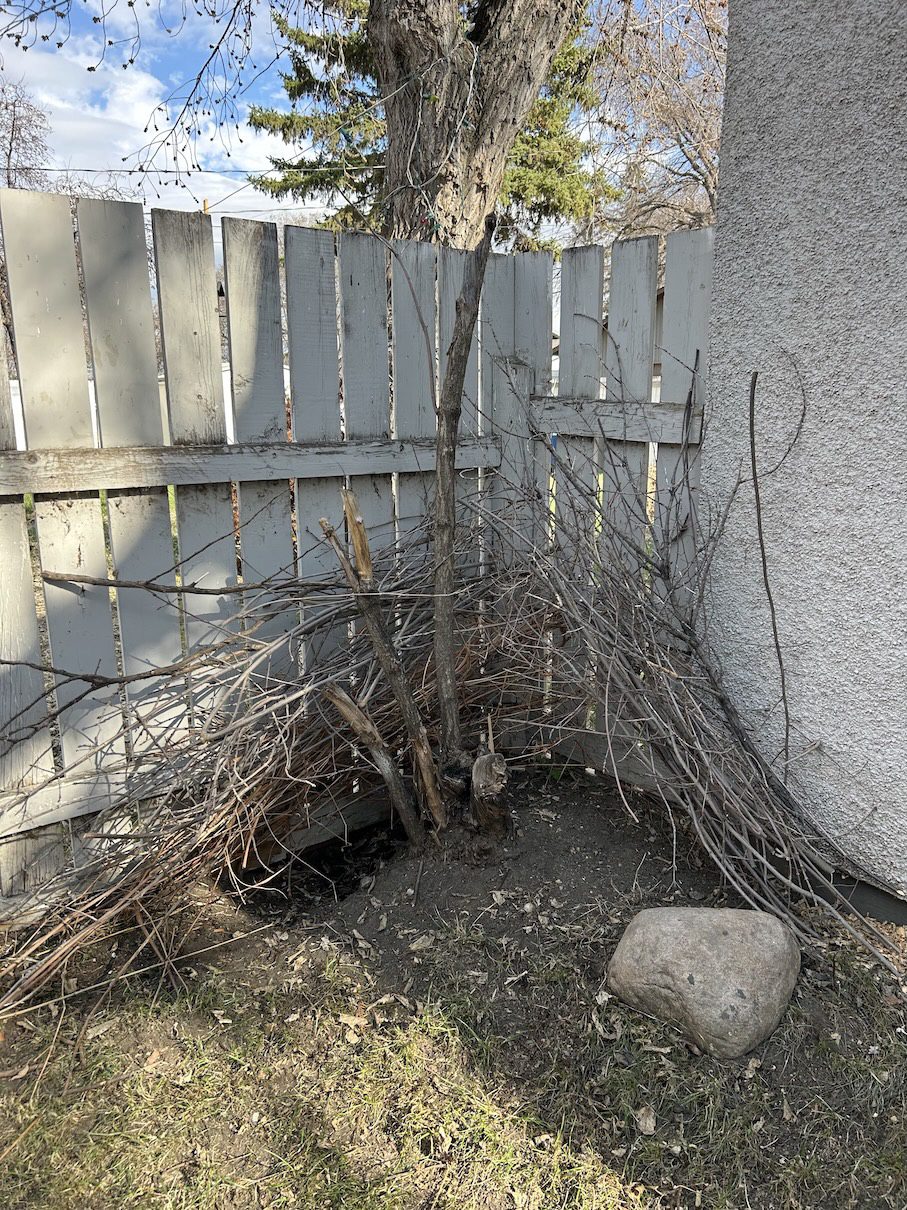
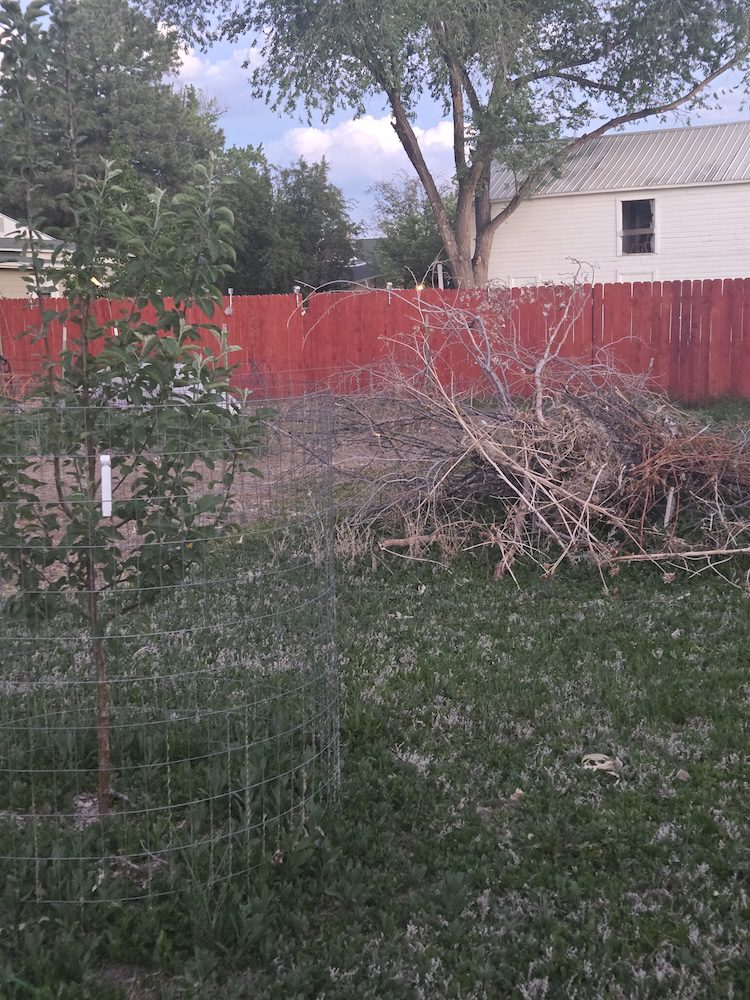
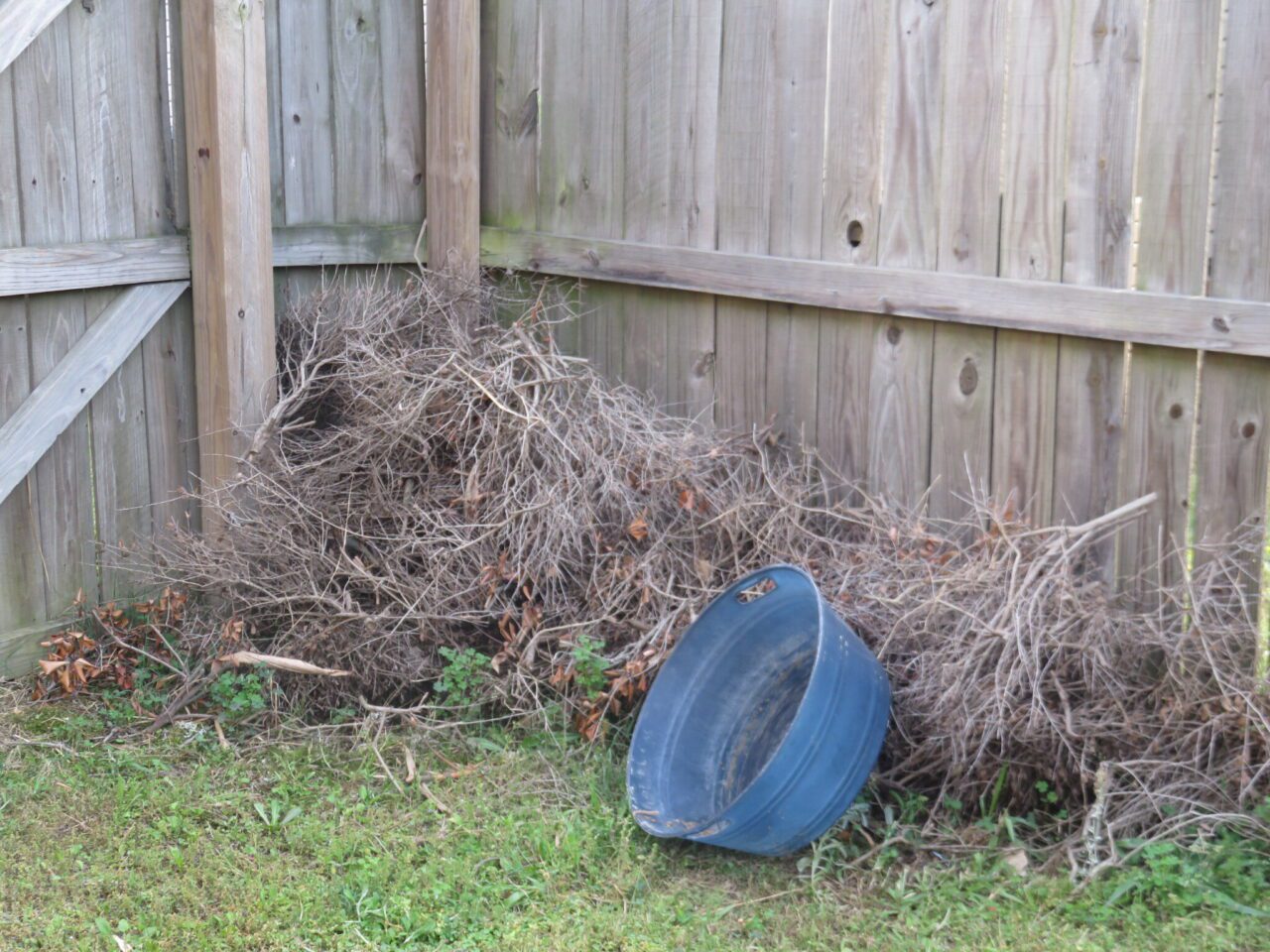
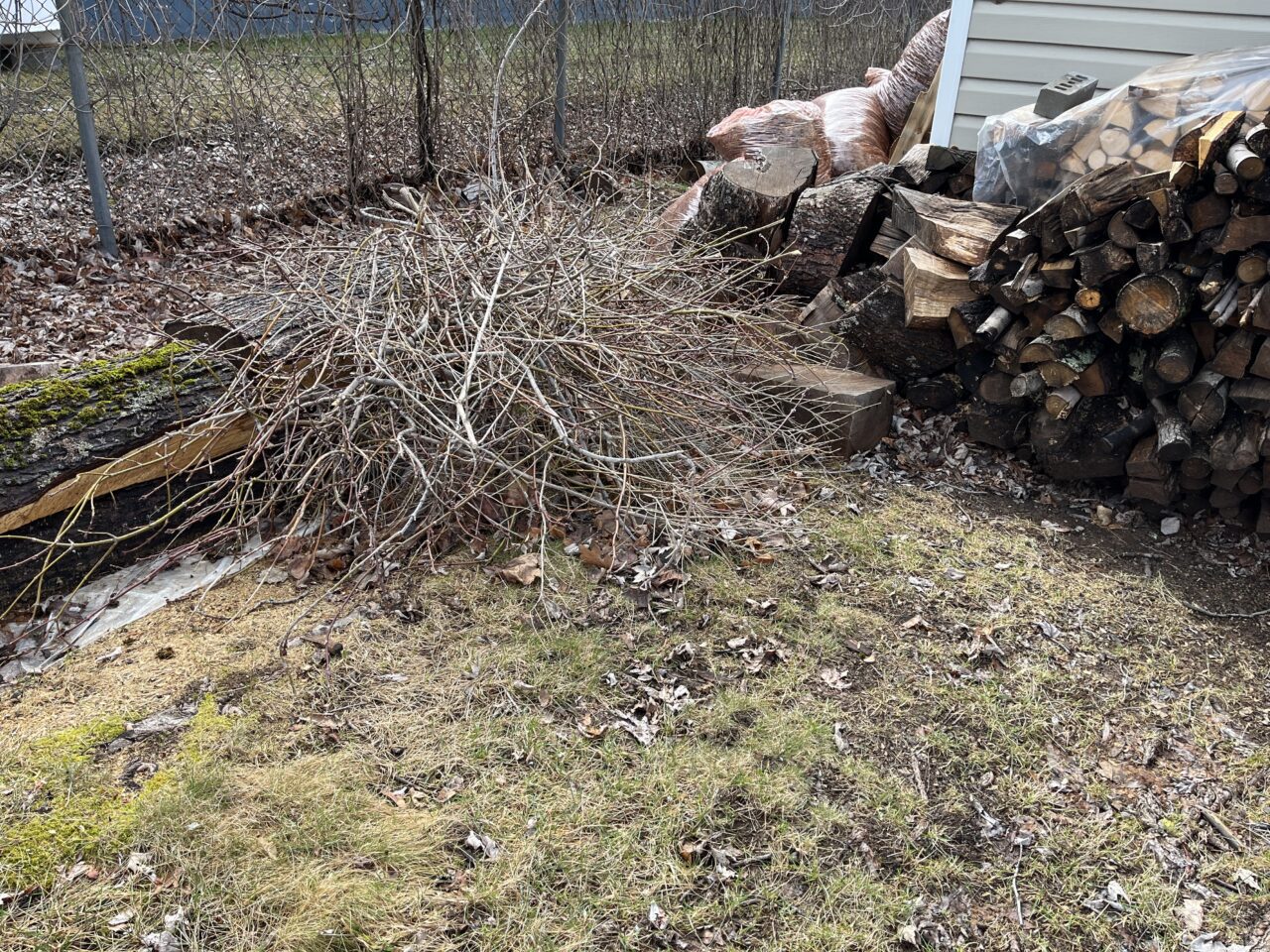
Saskatchewan. One of several brush piles I am leaving for wildlife, this one is meant act as a form to attract jackrabbits, but the birds love it too! Photo by Leanne Grieves.
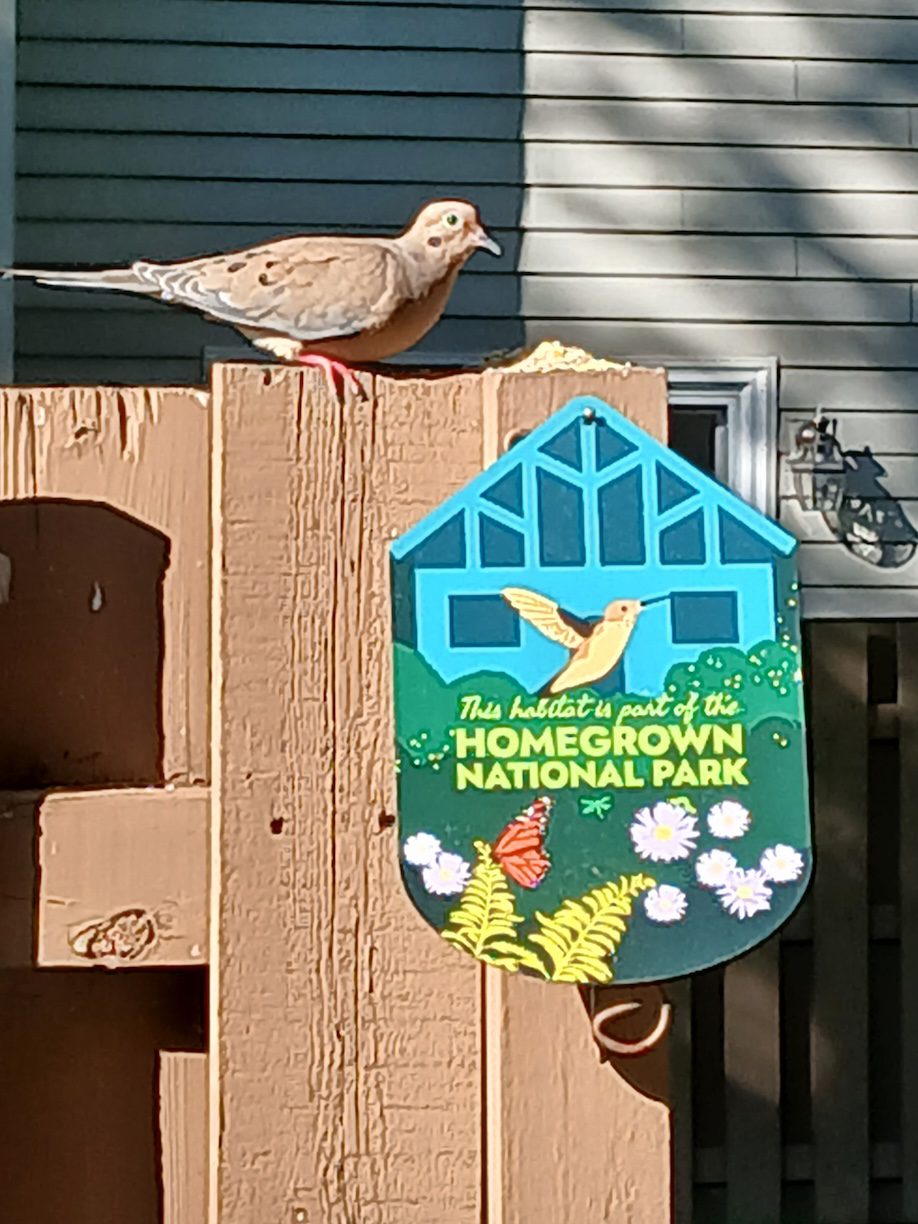
Pennsylvania. Seeds for birds available here! Photo by Karen Flam.
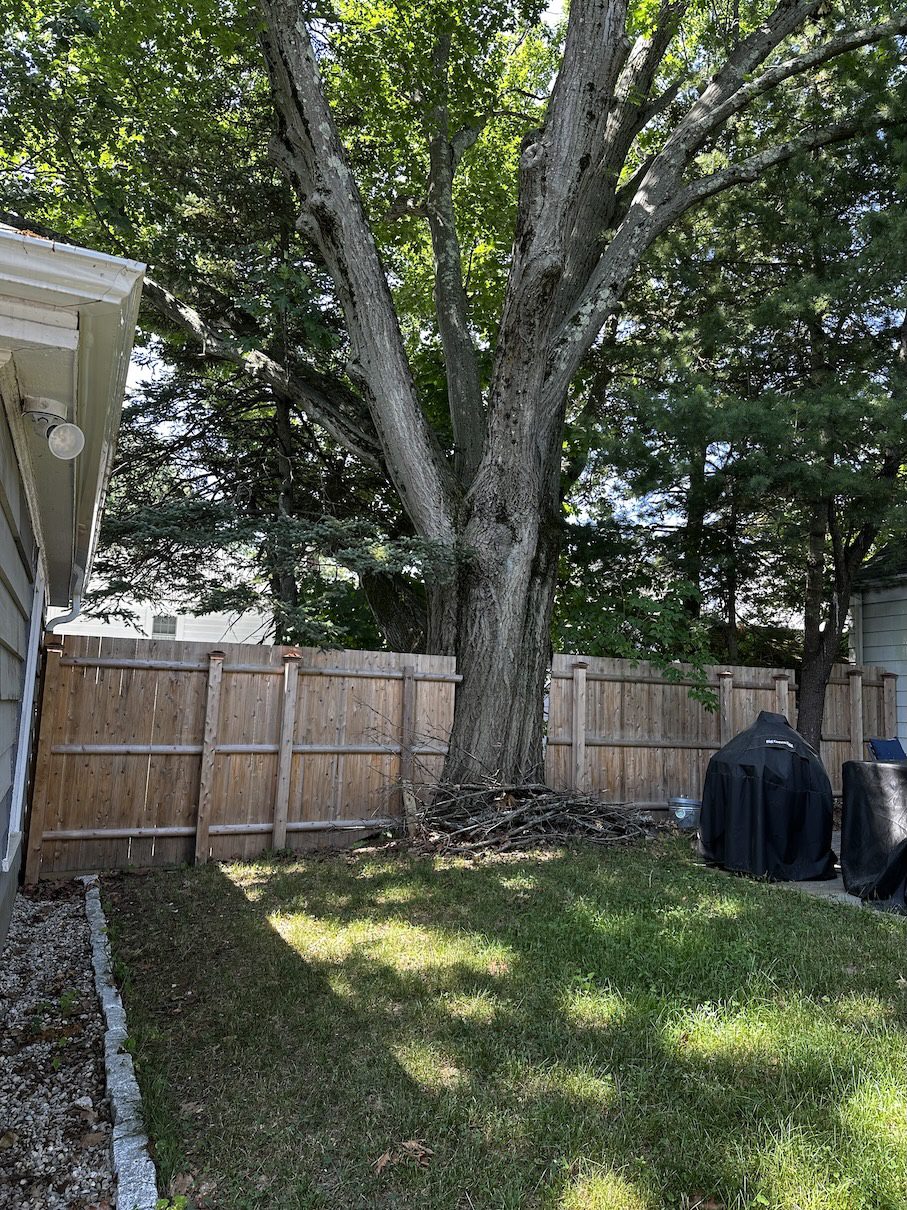
Rhode Island. We’ve made a brush pile of downed branches from this beautiful old oak tree that borders our backyard.
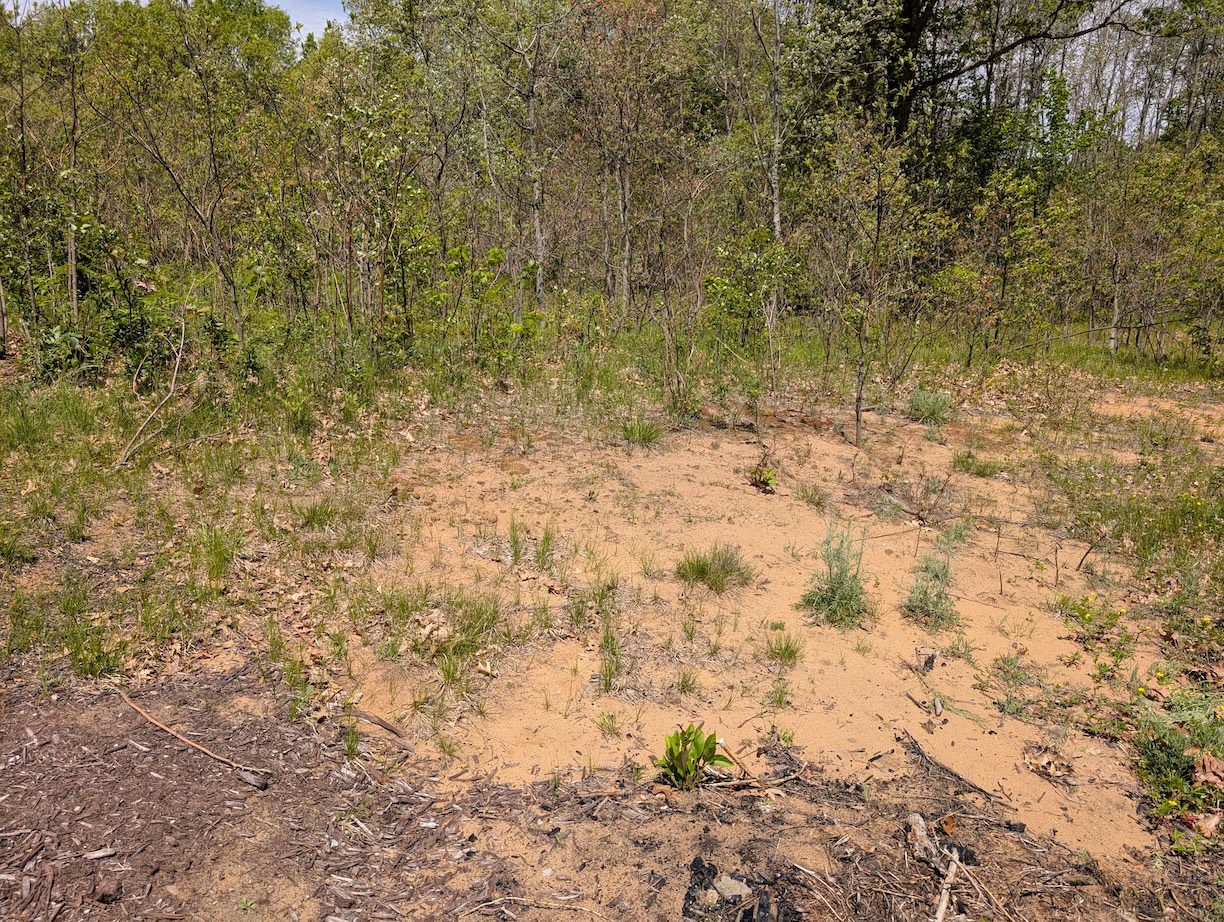
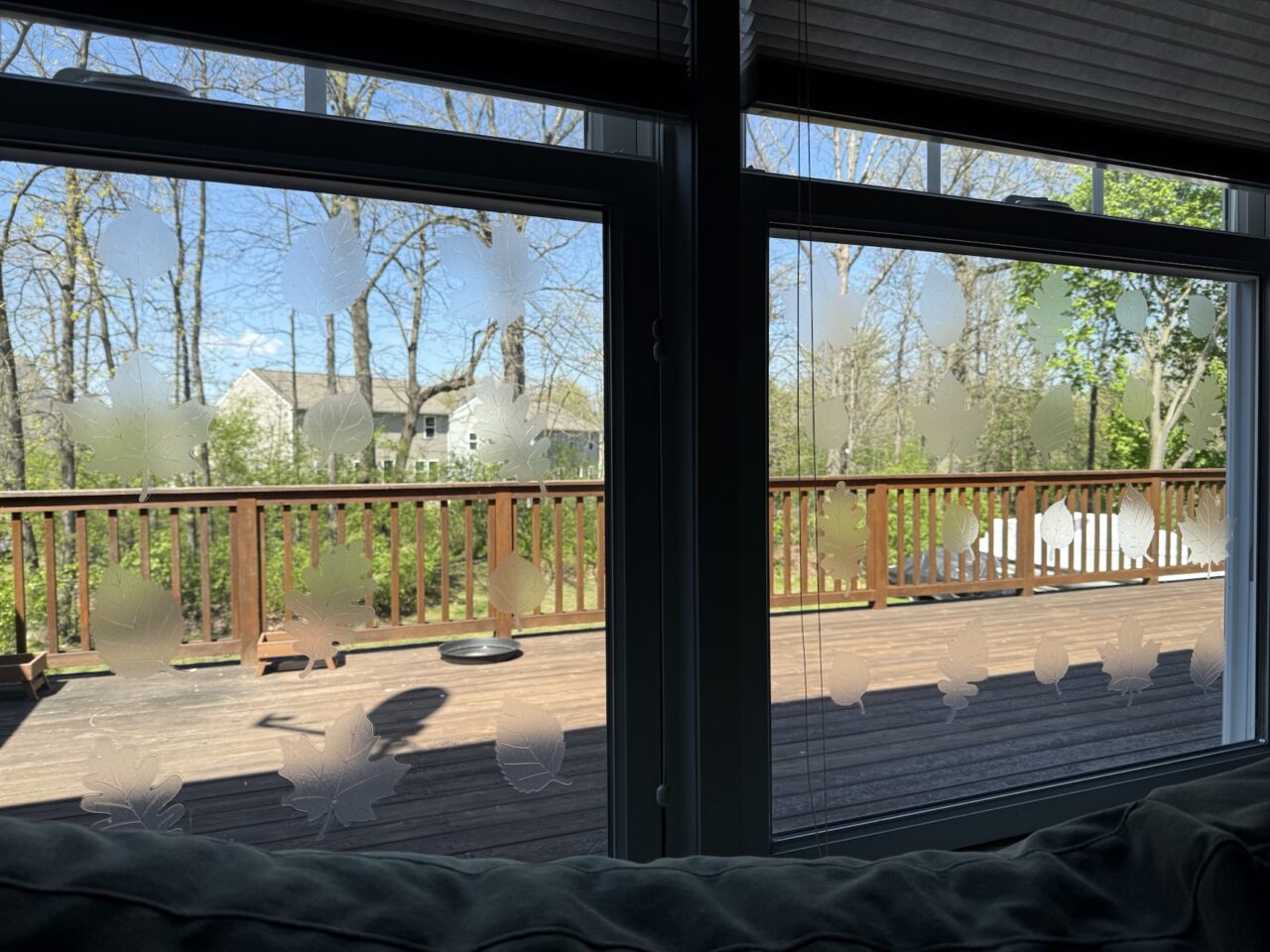
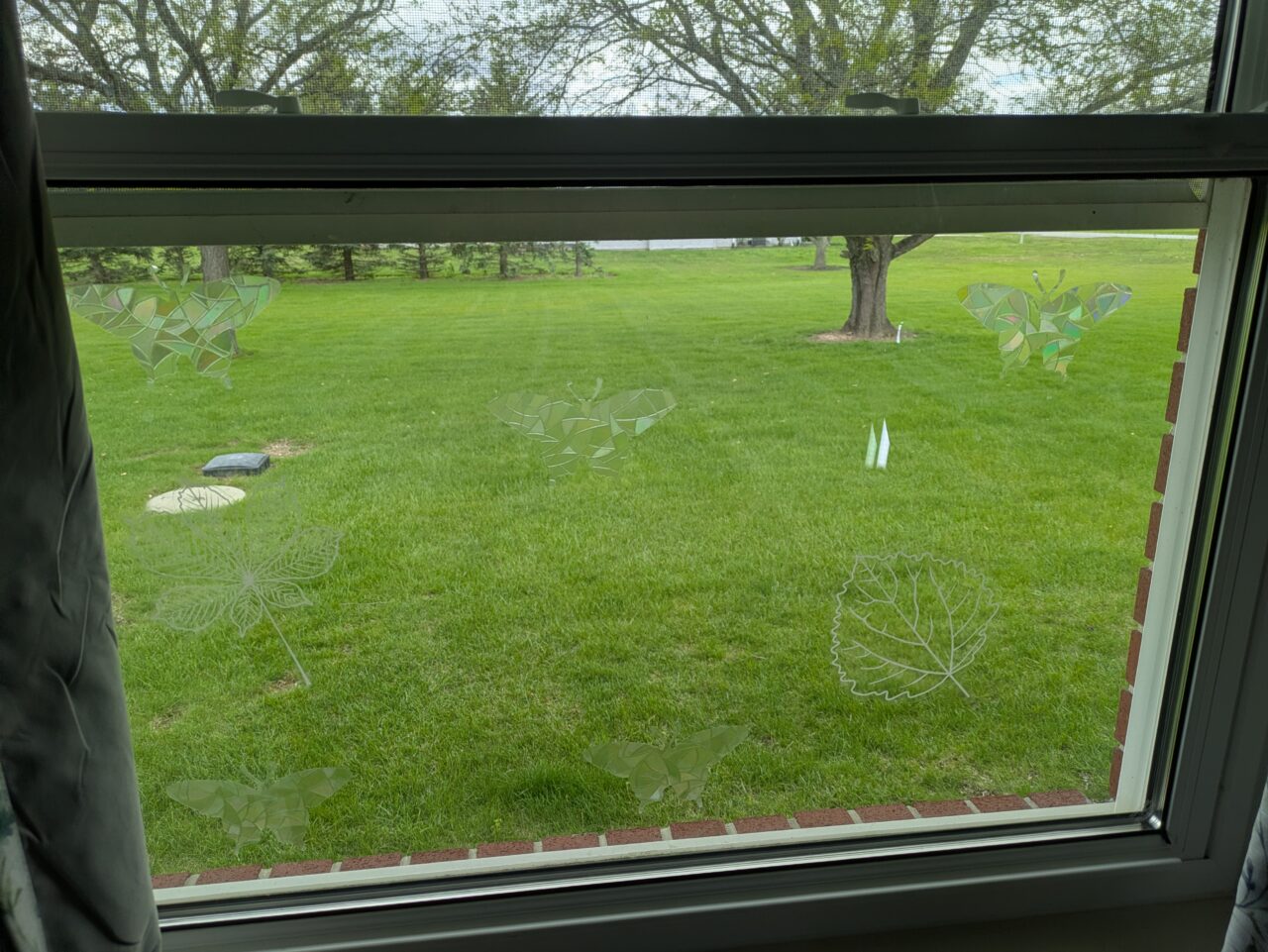
Michigan. I have added Michigan wildflower mix and put stickers on the windows to prevent collisions as well as a second bird bath with rocks for smaller birds( not pictured.) Photo by April Lankford.
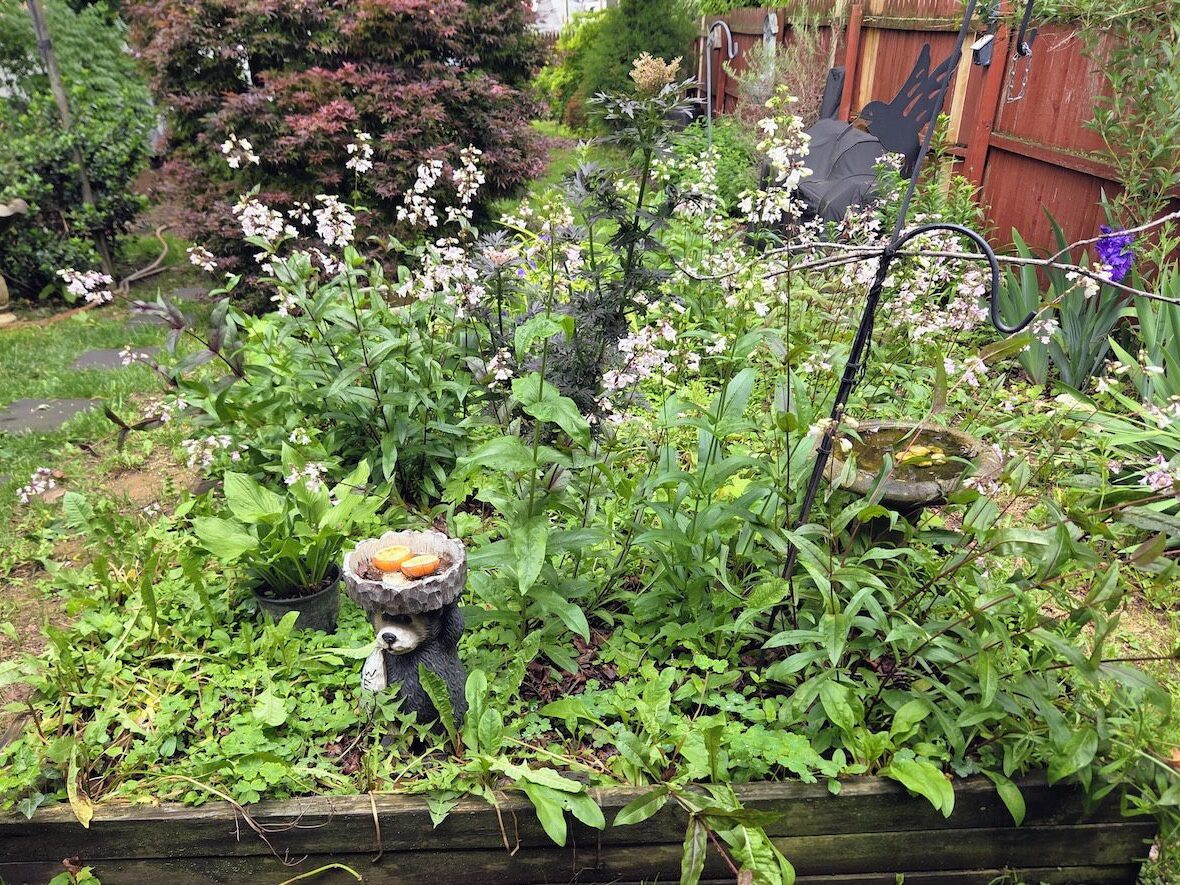
Pennsylvania. We provide the 5 essentials for birds in our backyard space! Seen here are the native plants, bird baths, food, and shrubs! Photo by Lisa Lunny
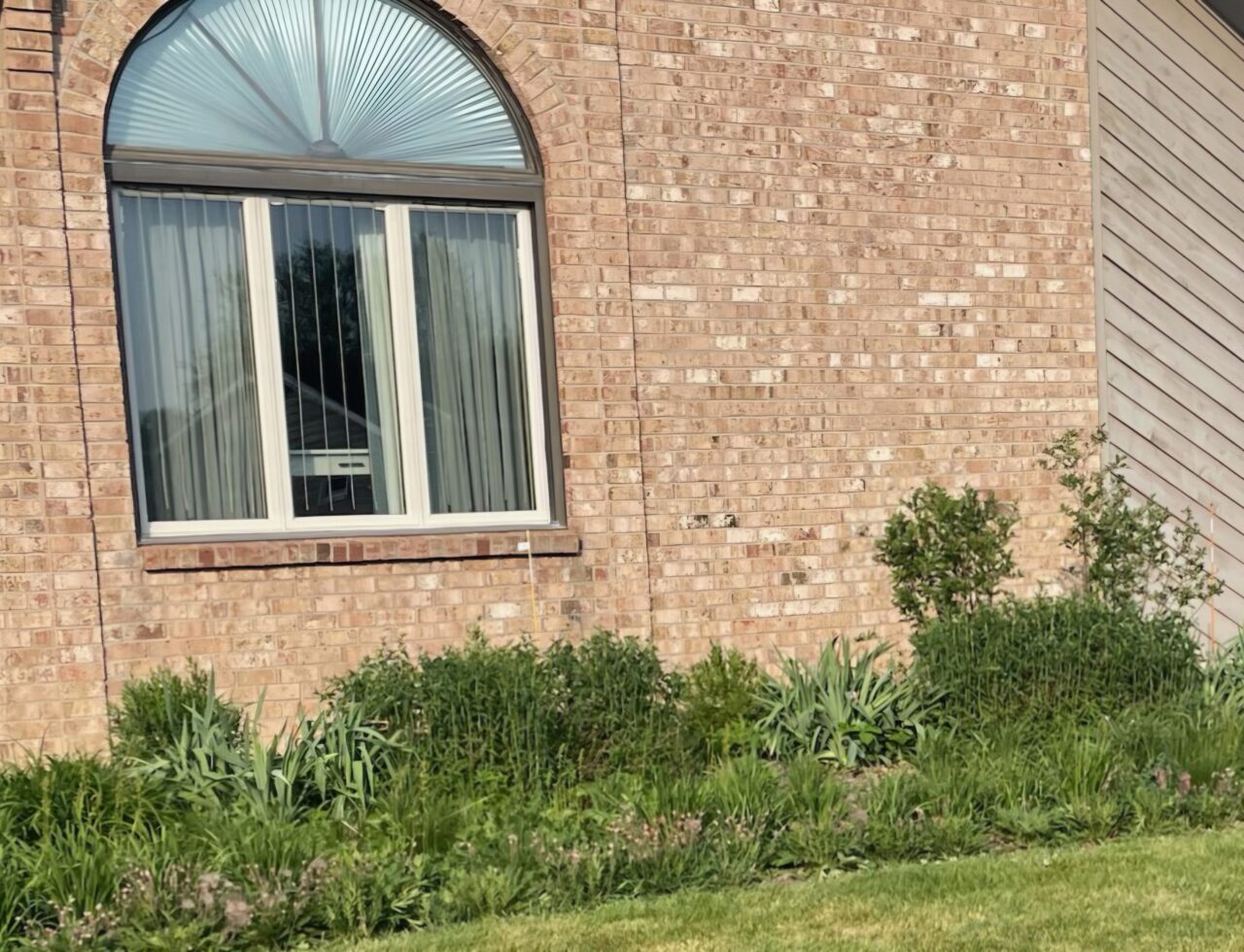
Ohio. Added Acopian BirdSavers to windows before planting native plants in beds around the house. Photo by Andy Burnham.
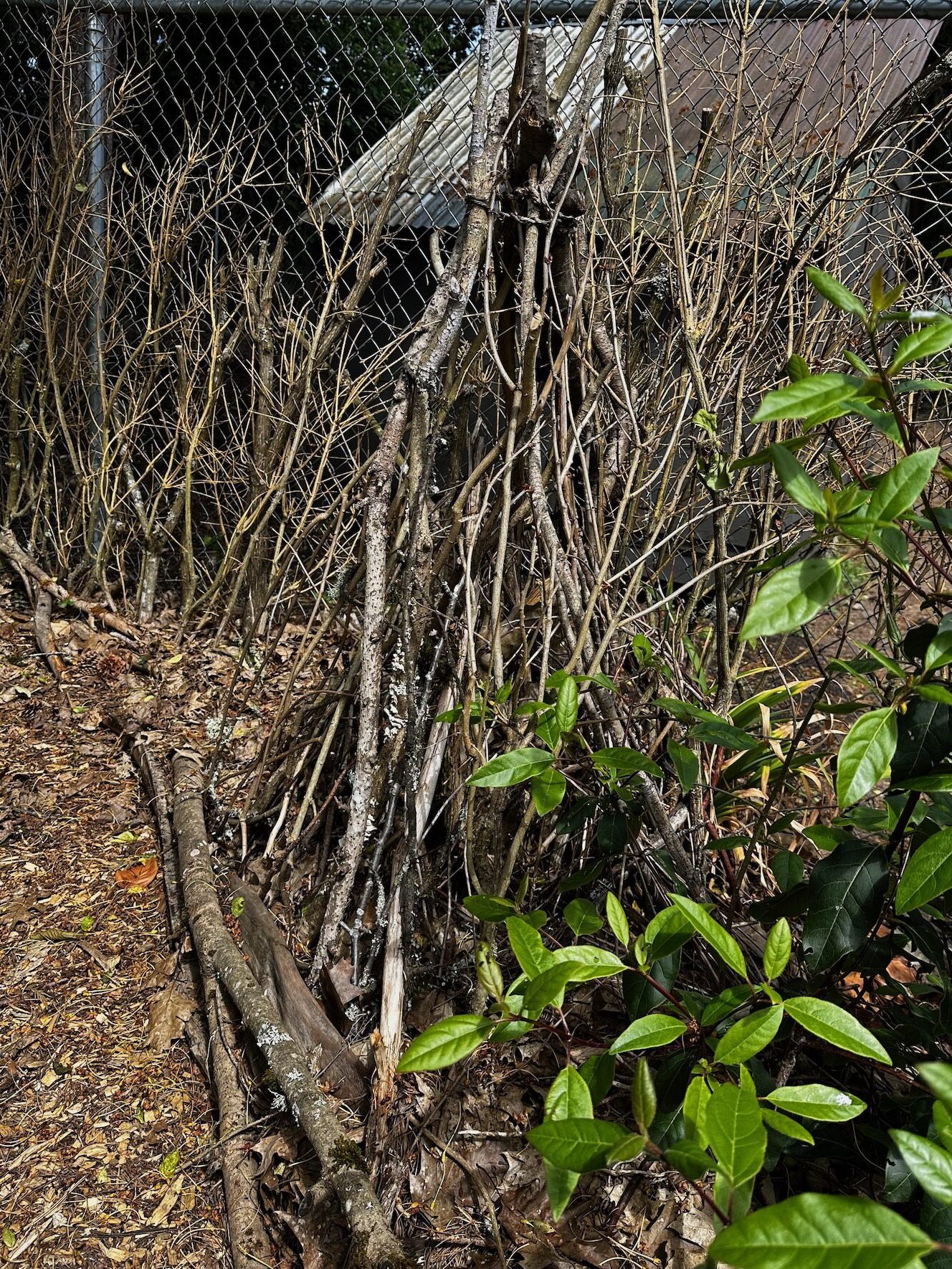
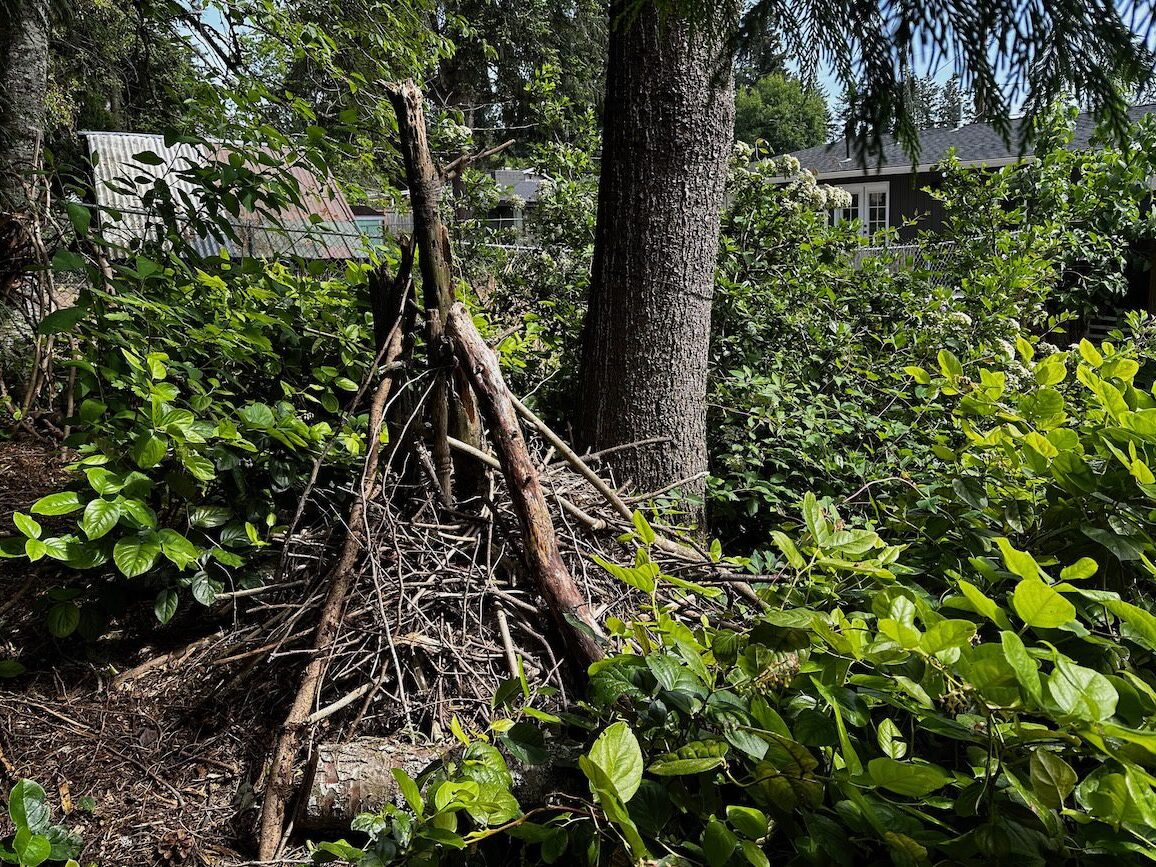
Washington. Piled up prunings form a Towhee Teepee (inspired by Edwina Von Gal’s Wren Tent). Photo by Katherine Wimble Fox.
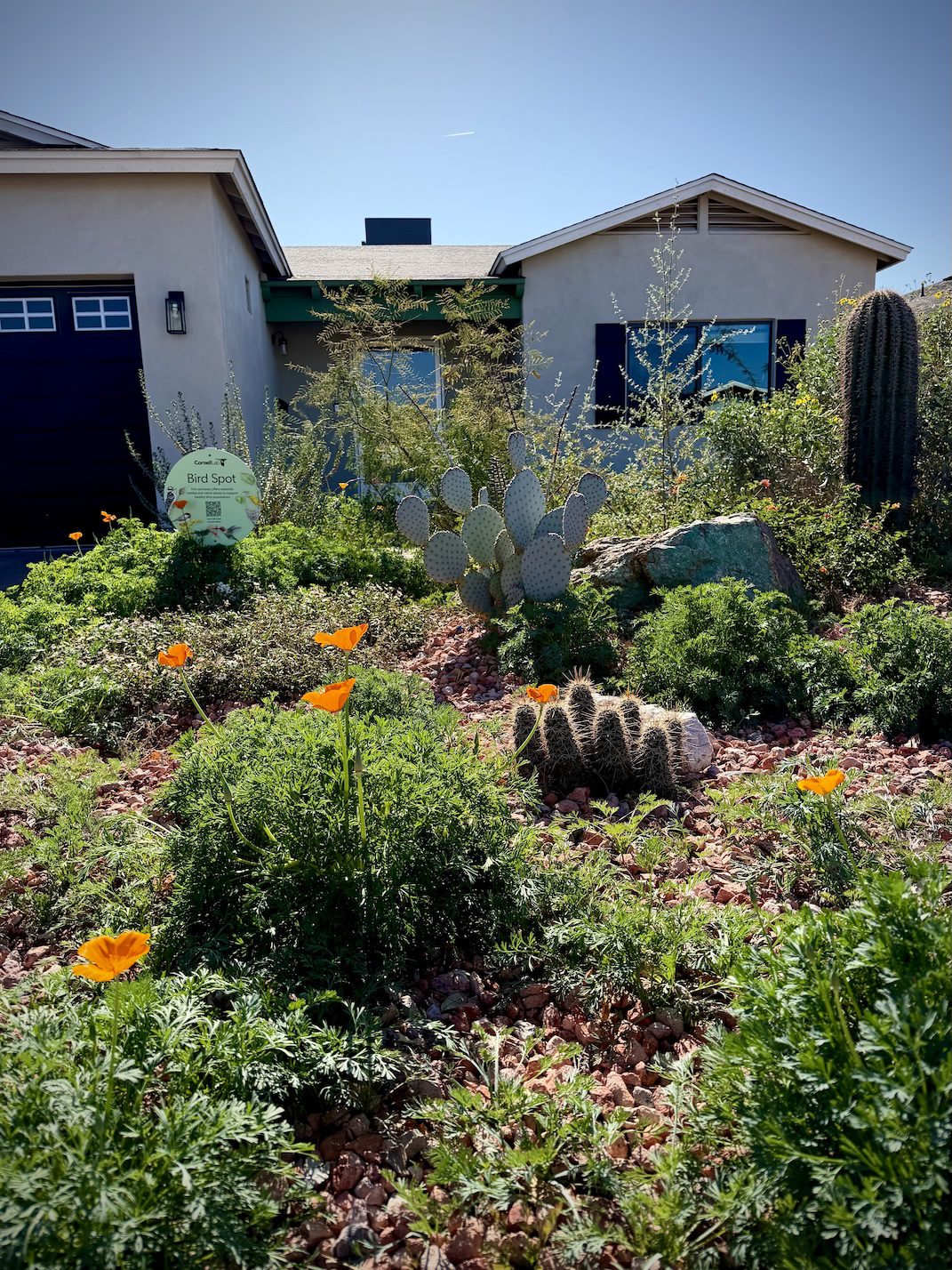
Arizona. We now have an annual and perennial diversity of native desert-adapted plants, including nectar plants for hummingbirds. We leave the annuals in place after they go out, as the seeds and debris provide important food sources and habitat. Photo by Rachel Smith.
Colorado. I have 2 large brush piles that will have to wait to be burned once we are out of a drought. The sparrows and finches in my neighborhood love to use these sights for perching, hiding and hopefully nests. Photo by Sharyn Coffey.
Michigan. I have WindowAlert Anti-Collision Decals on my windows where my bird feeders are. These have successfully reduced the number of collisions! Photo by Brittany Baker.
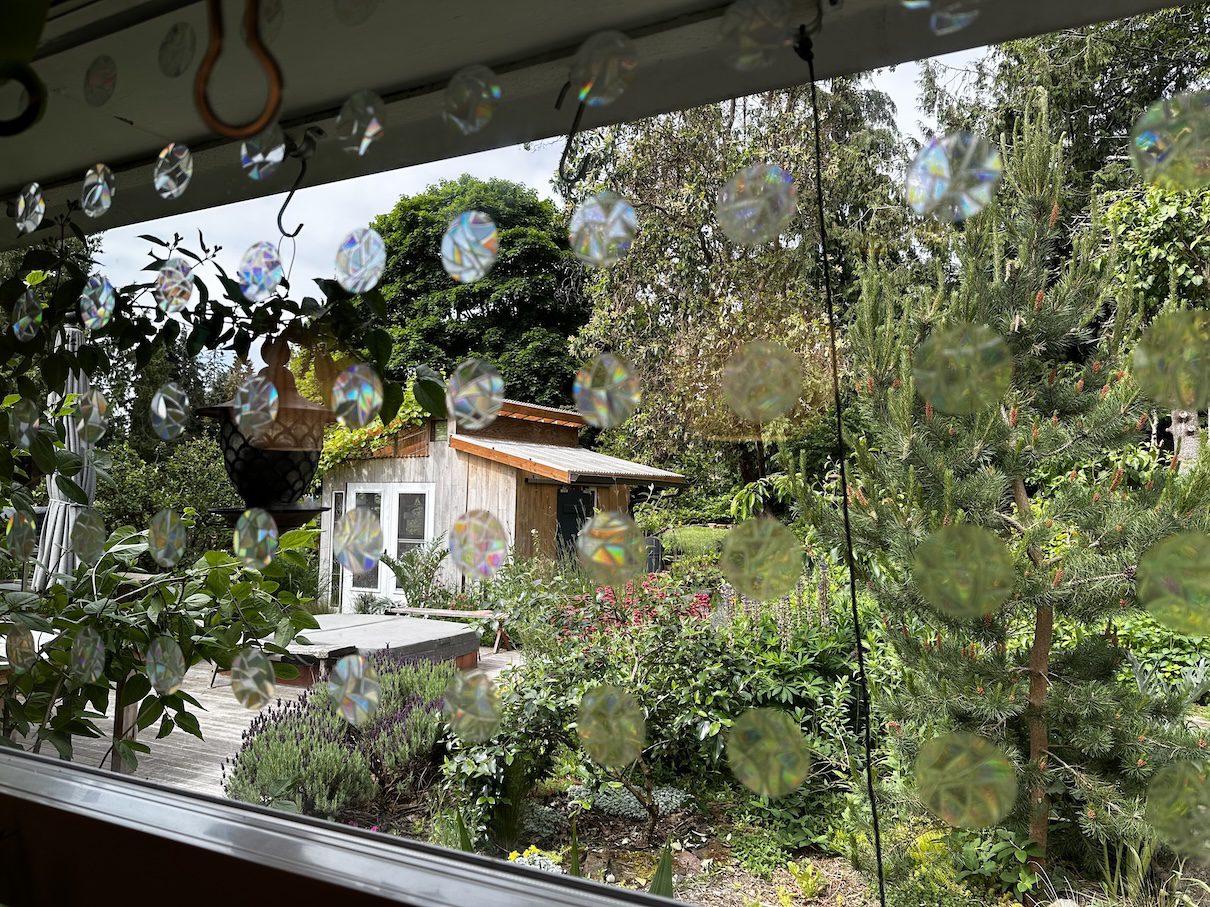
Washington. These window cling decals, spaced 2″ apart on center, prevent collisions on this picture window on my garden. Photo by Katherine Wimble Fox.
Washington. This bug hut also serves as a shelter and perching spot for birds. Photo by Katherine Wimble Fox.
Vermont. My husband made me a template of dots at 2” intervals that I then used a white, oil-based paint pen to fill in and cover the windows. We used to get a few bird kills a year—we haven’t had a single strike on the treated windows since! And I’ve watched birds approach and then turn and fly away. Photo by Anna Kovaliv.
Arkansas. This year, I’ve added a brush pile. Photo by Lisbeth Lopez
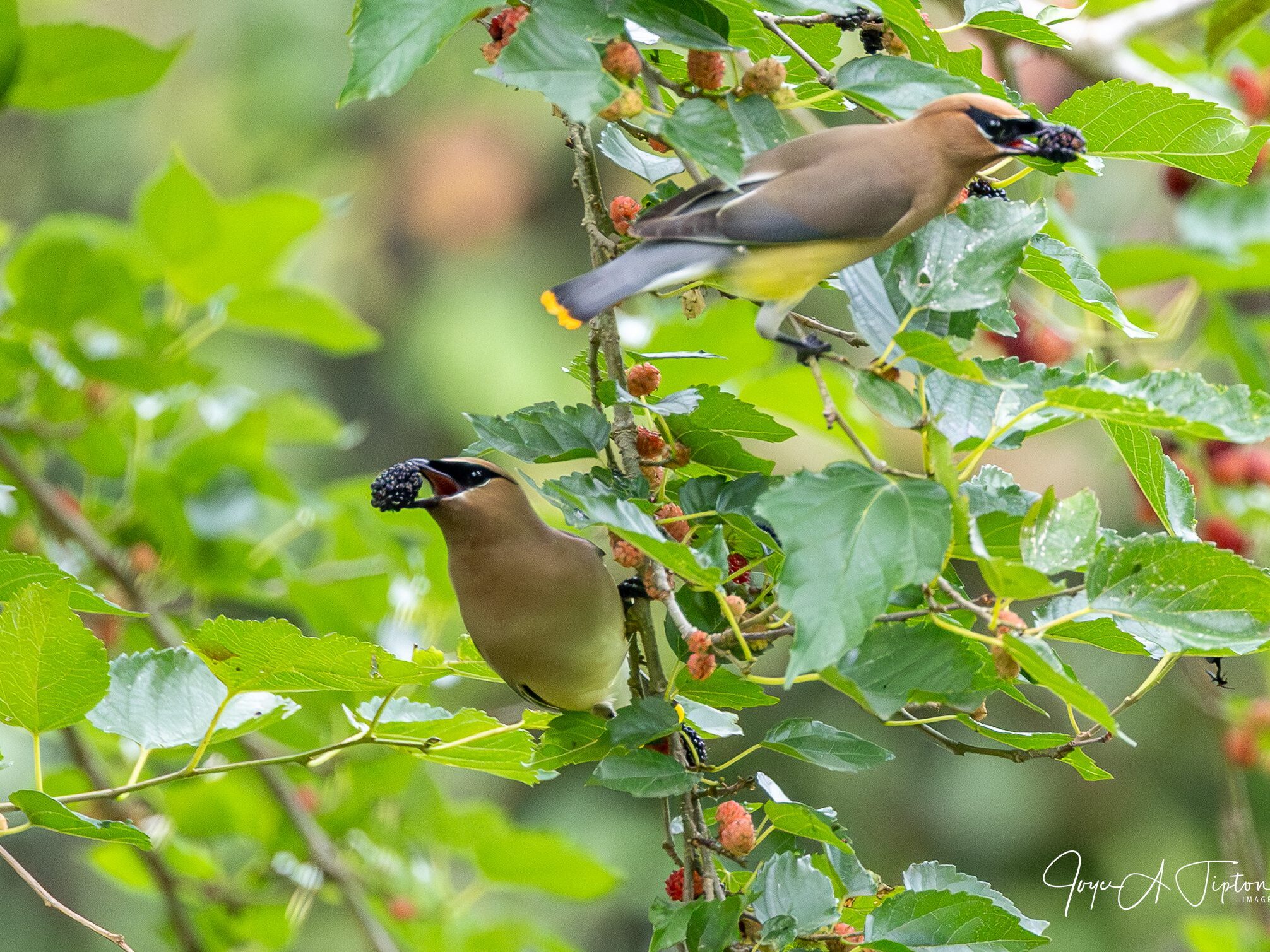
Texas. We added a “dwarf” mulberry tree (it’s about 20ft tall now) has provided for our migrant and resident birds this spring. Photo by Joyce Tipton.
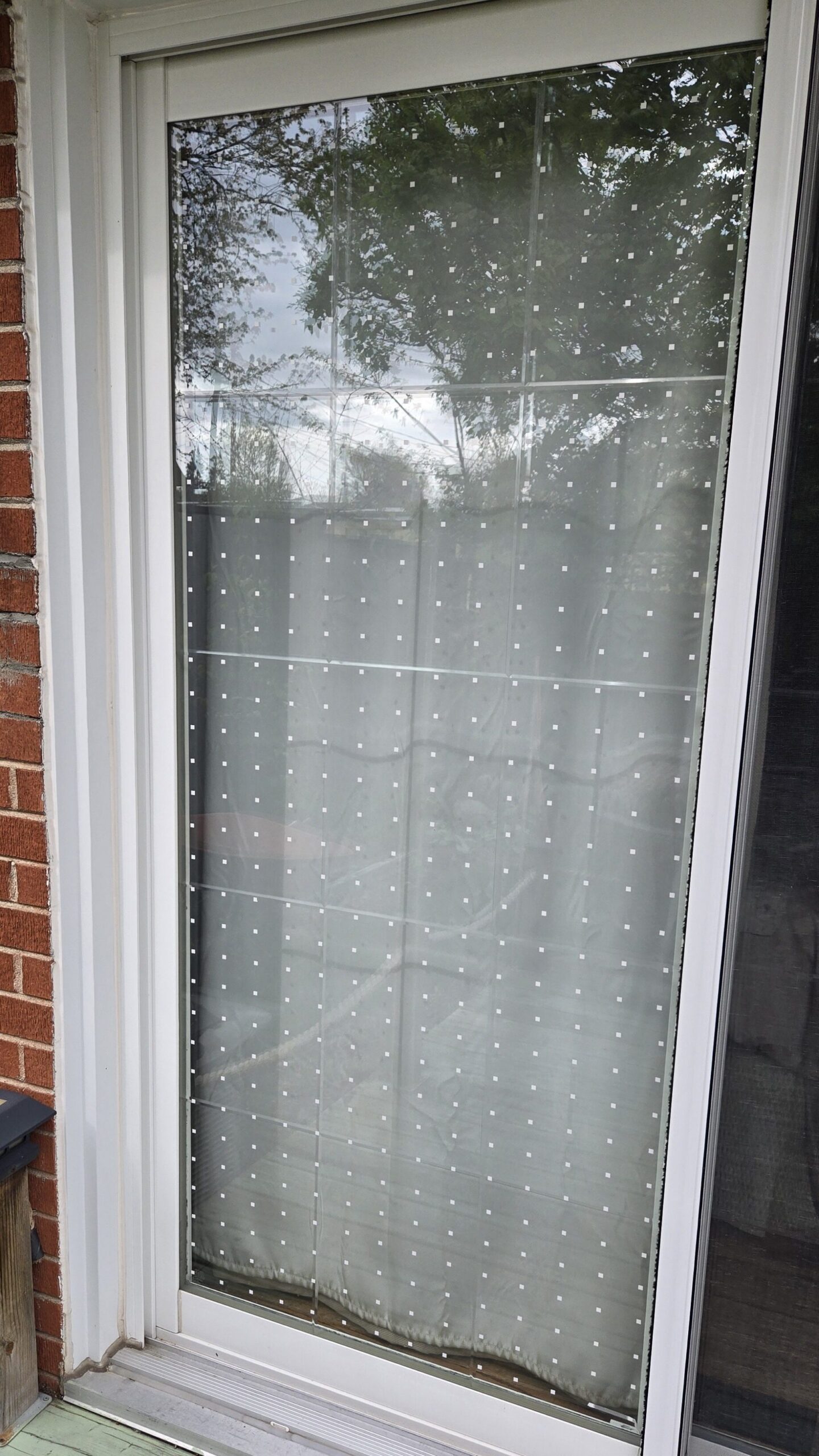
Ontario. This patio door has been converted to a “bird friendly” window.
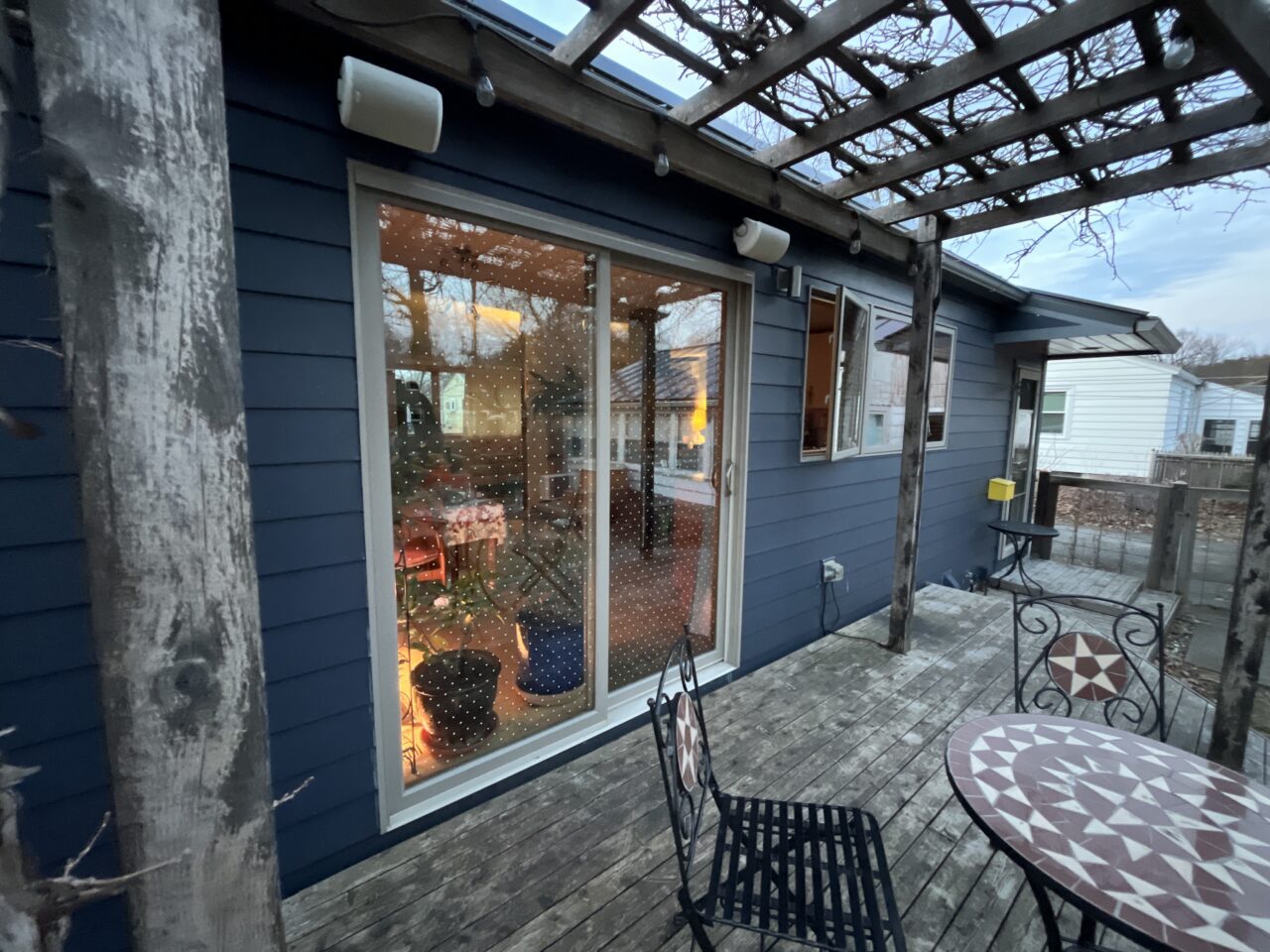
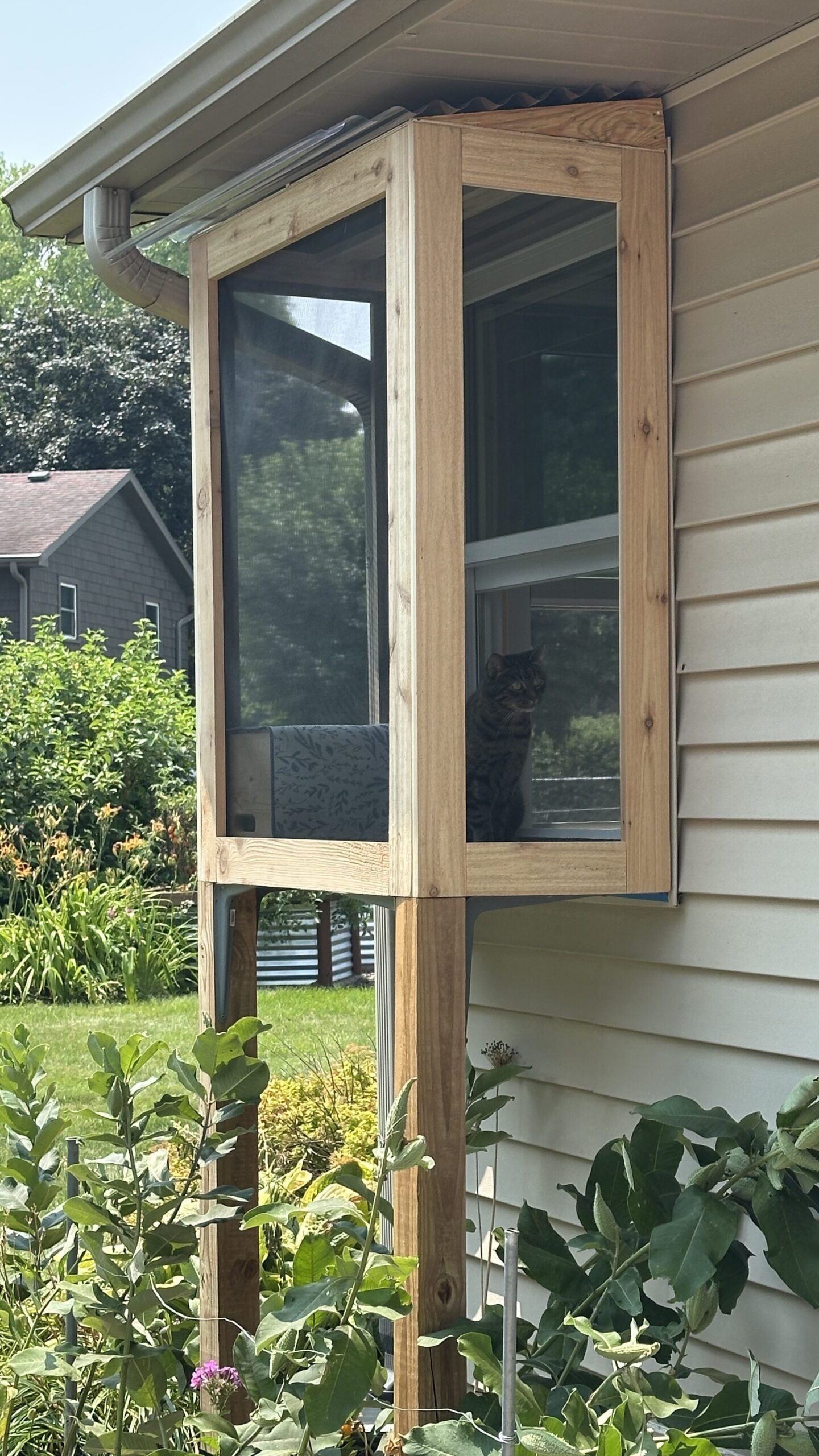
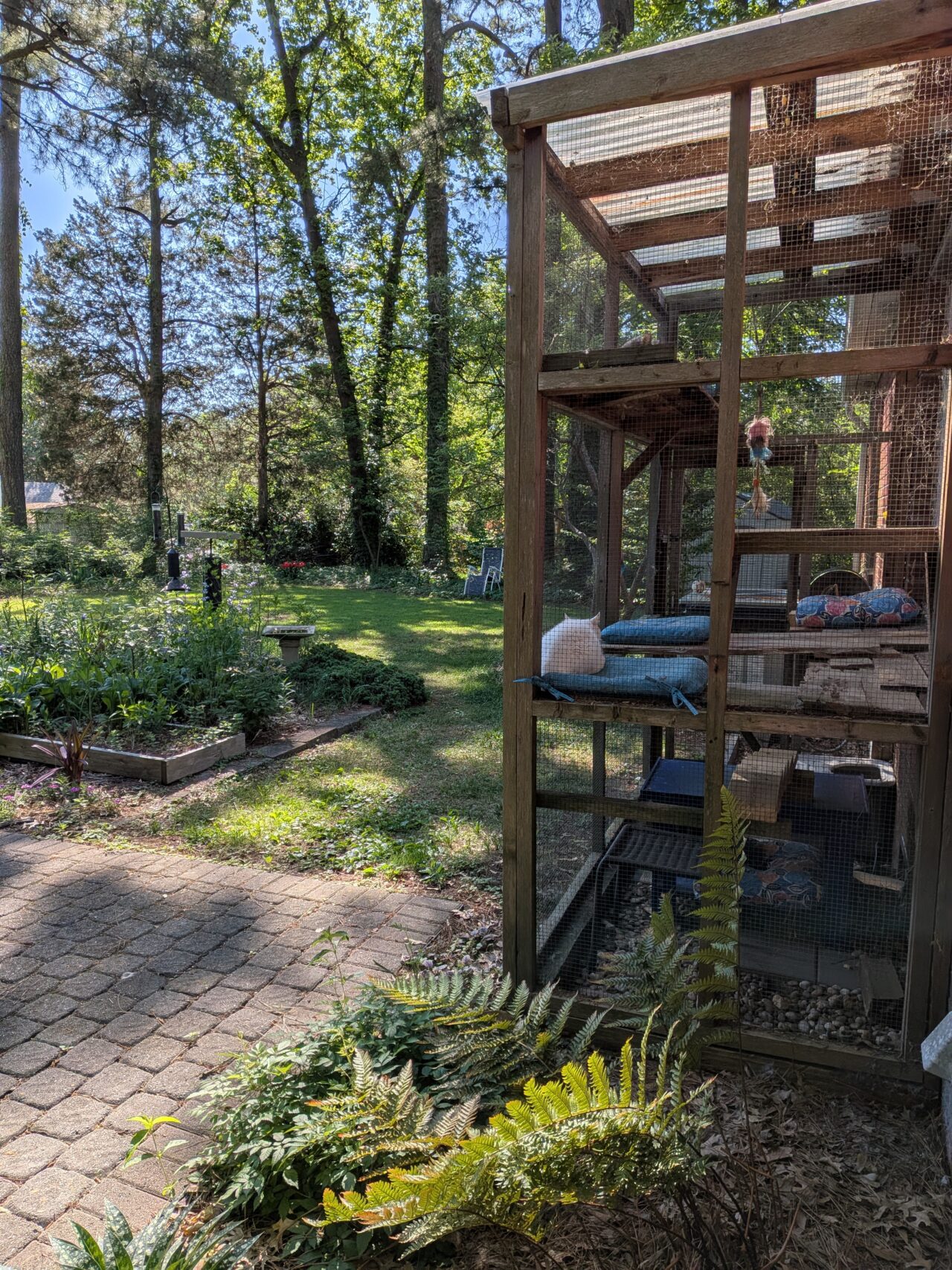
Wisconsin. To allow our cats to “join us” in a bird-friendly way when we spend time on the patio, my husband built this catio.
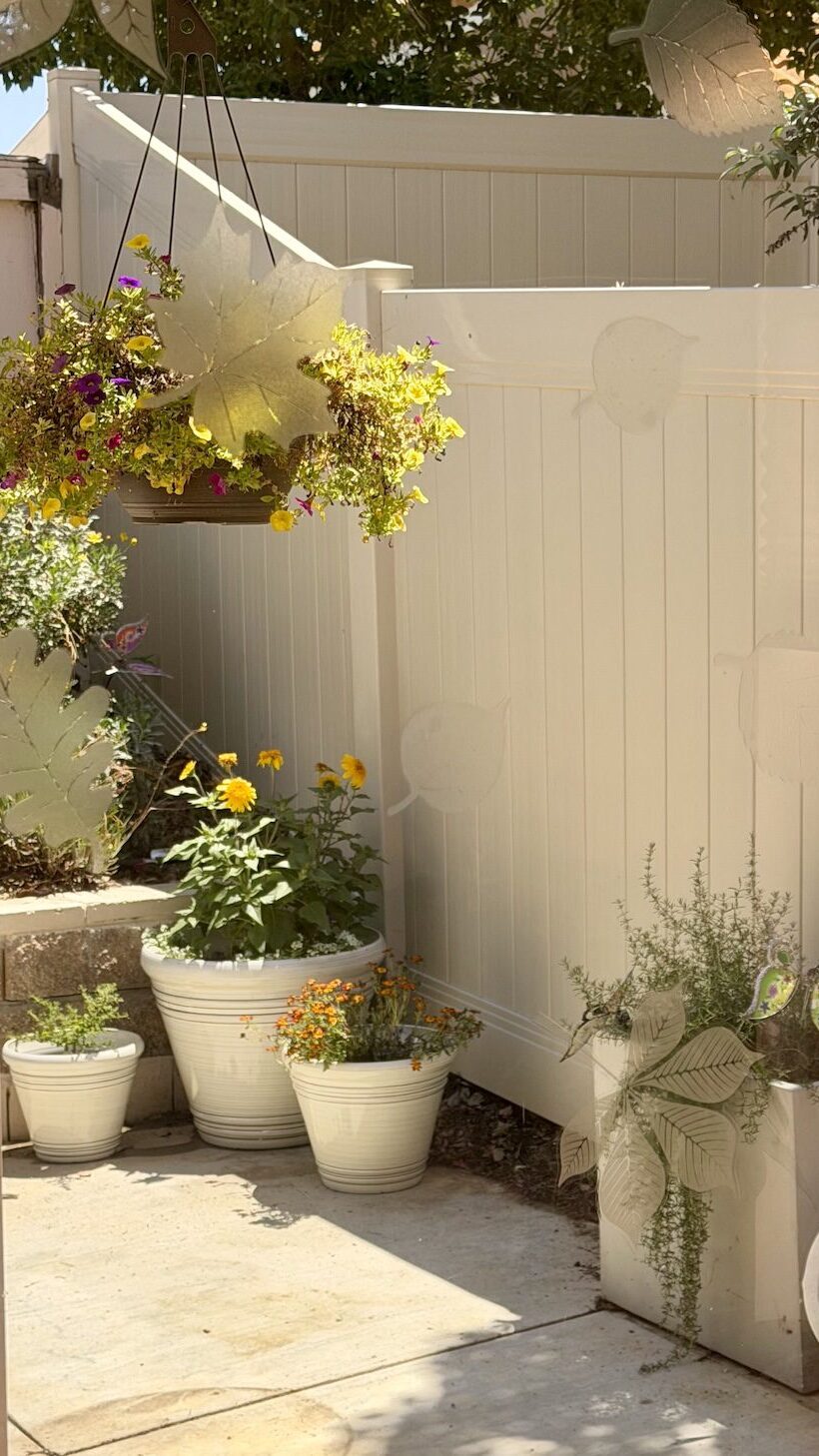
California. My window has anti bird strike stickers to keep birds from getting hurt. Additionally, birds enjoy the plants I have in my pollinator garden (only a tiny portion is visible here). Photo by Pamela Wright.
Quebec. Created a woodstack for our dark-eyed juncos! They have adopted it as their shelter. Is conveniently located near a birdbath. Photo by Julie Lamontagne.
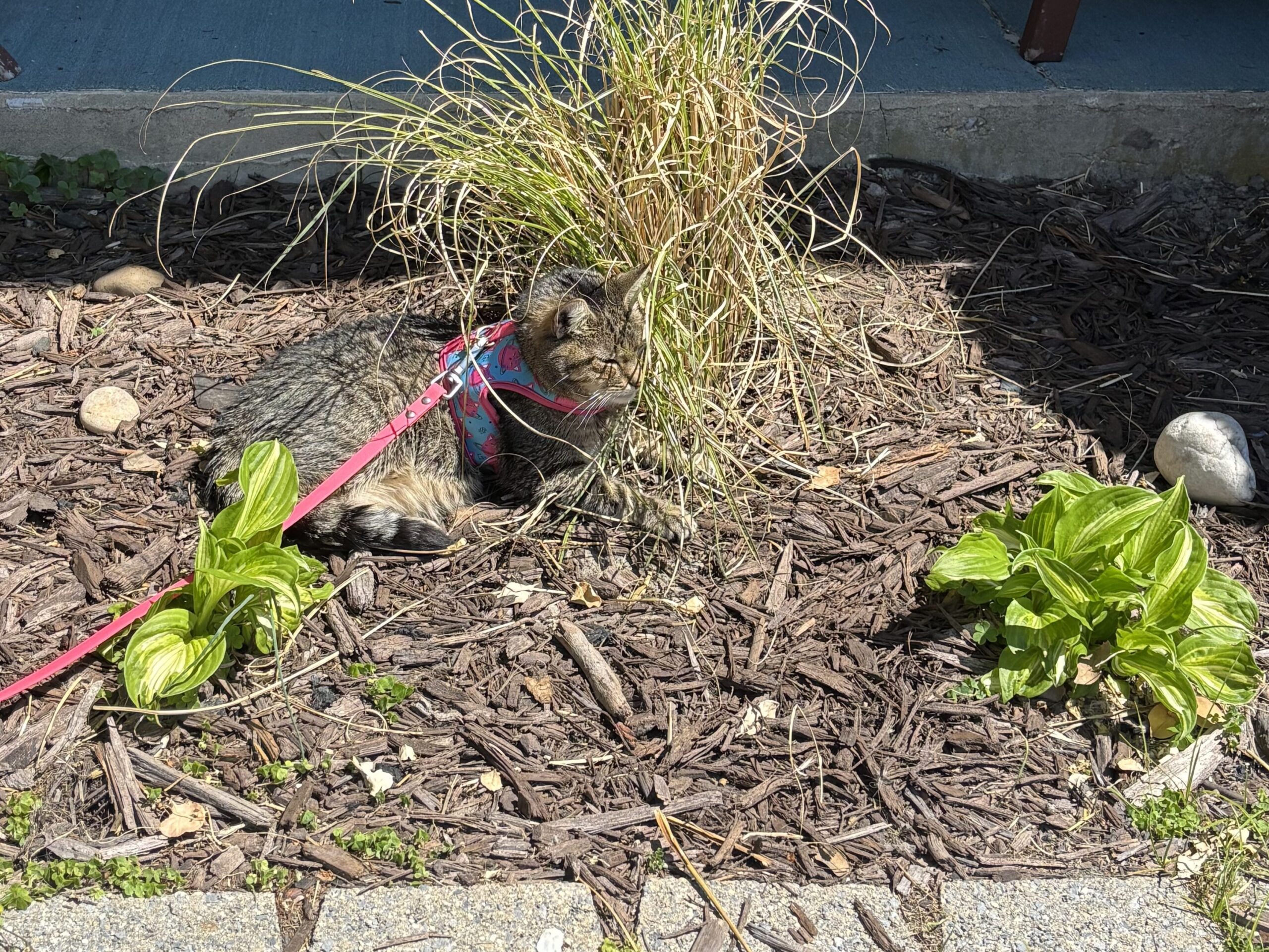
Maryland. My cat LOVES to go outside. So I got her a harness and long leash! She loves to sit in this garden bed on our porch and watch the birds come to the feeder and bird bath. Photo by Pamela Kurowski.
Ohio. Bird strike decals on outside of window to break up the reflection birds see. Photo by Michelle Reichenbach.
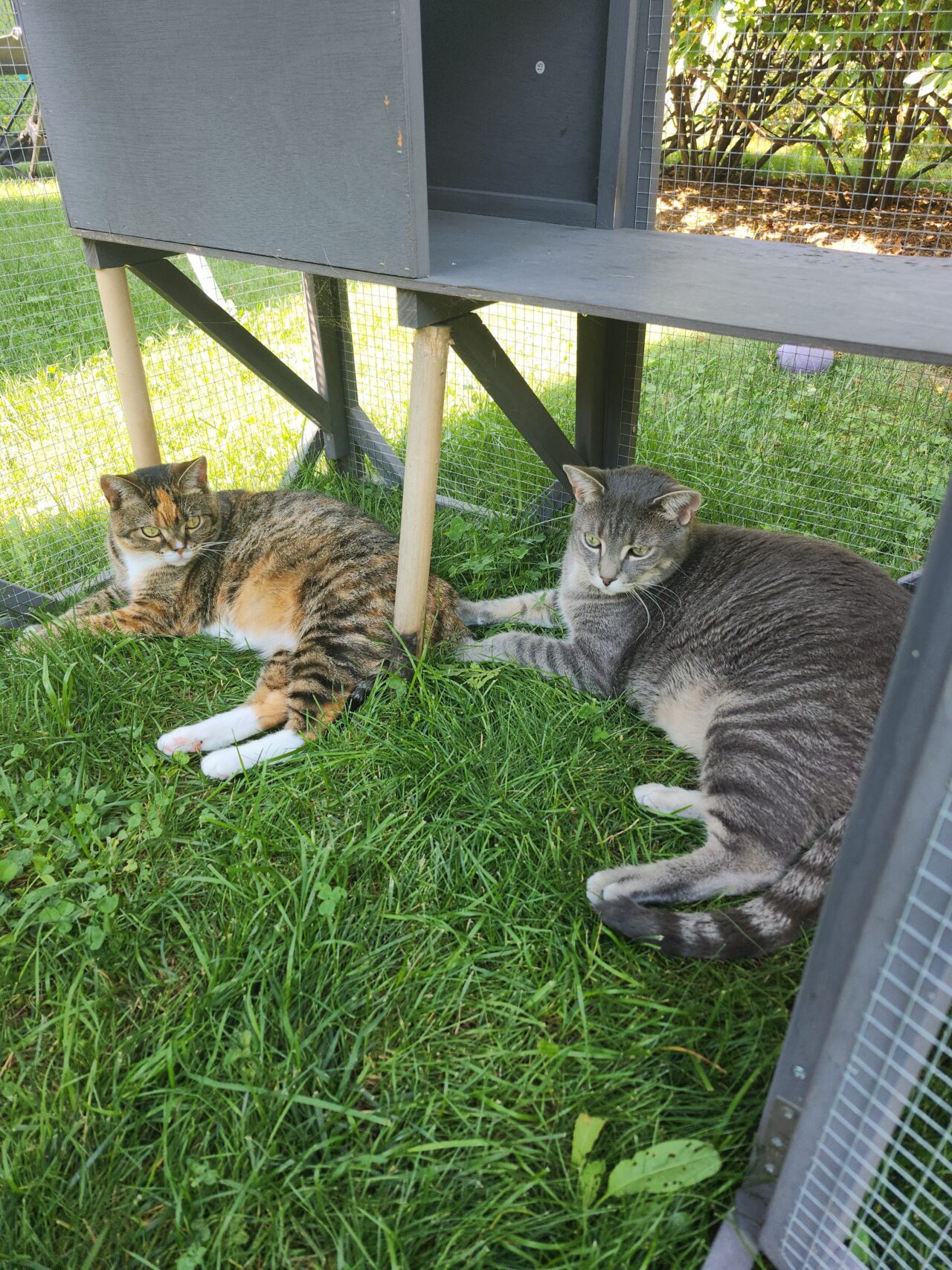
Tennessee. My catio allows my four cats to watch wildlife without any negative interactions. Photo by Lisa Fritz.
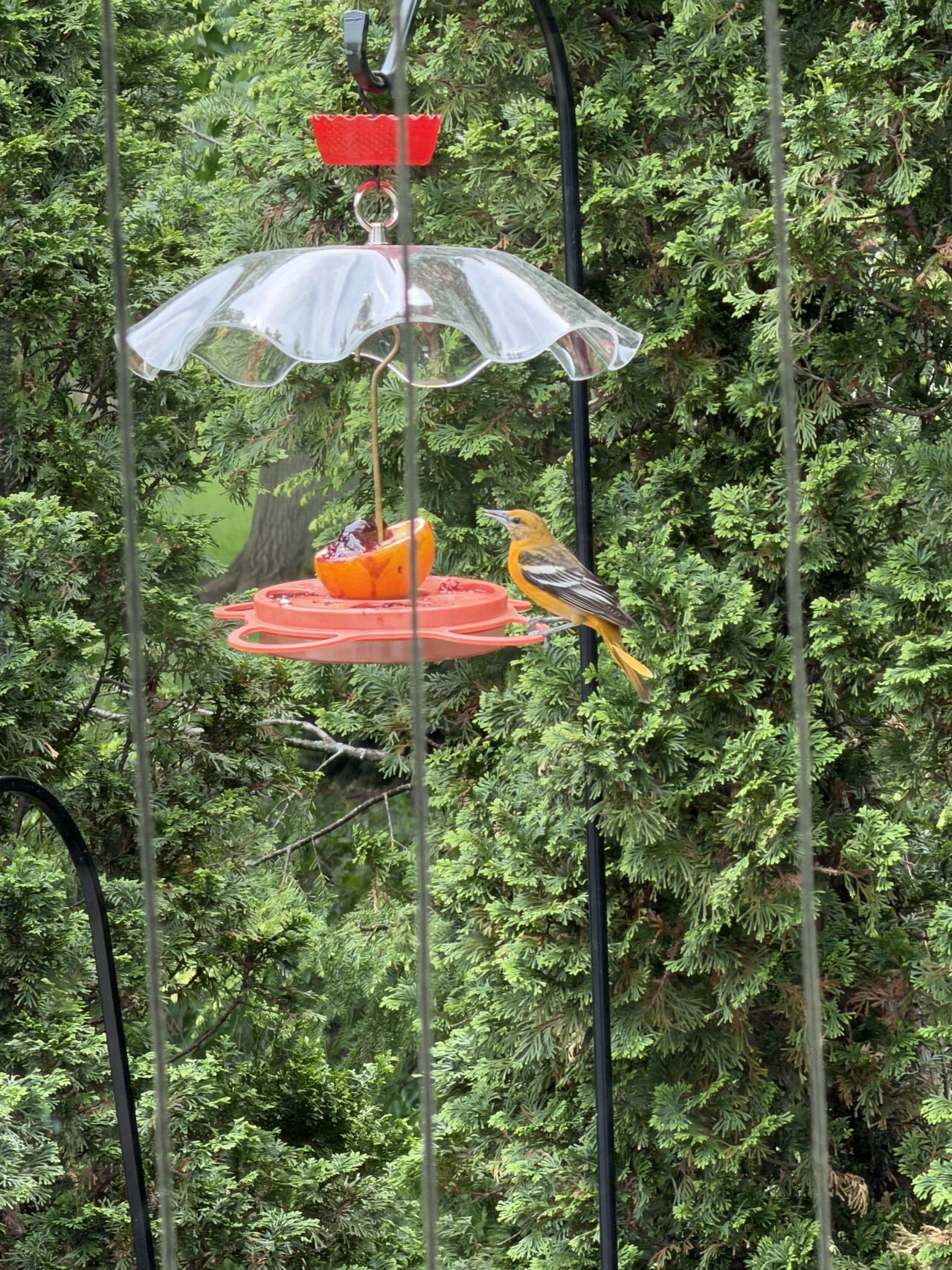
Kansas. We have added acopian blinds on our largest window which also overlooks our feeders (including oriole feeders!). Photo by Lauren Wolf.
Ontario. My cats enjoying the great outdoors, safe in their catio, while the birds are safe from them. Photo by Karen Krywko
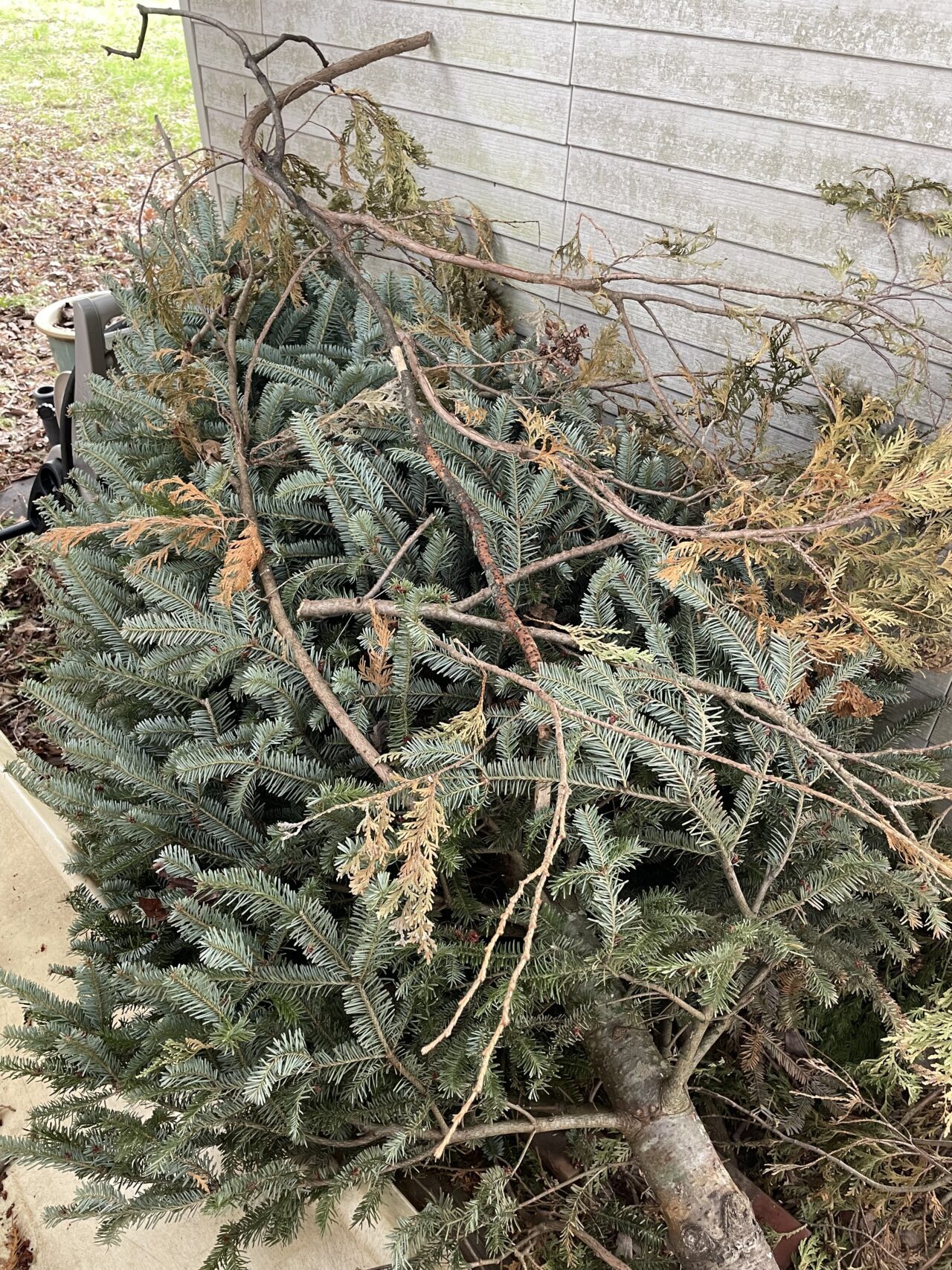
Vermont. Instead of throwing out my Christmas tree, this year, I put it behind the shed along with other sticks to create habitat for insects, mammals, and birds. Photo by William Custer.
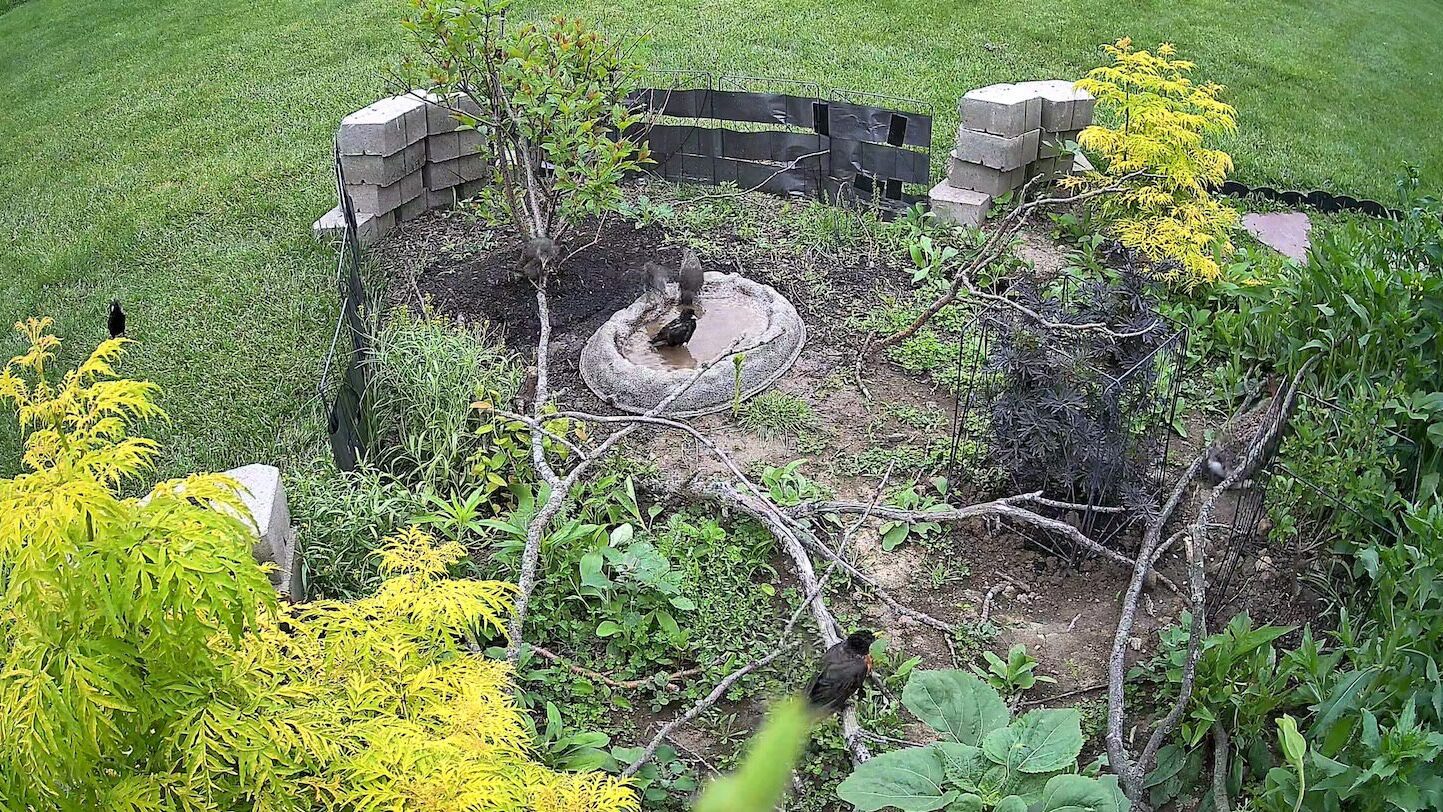
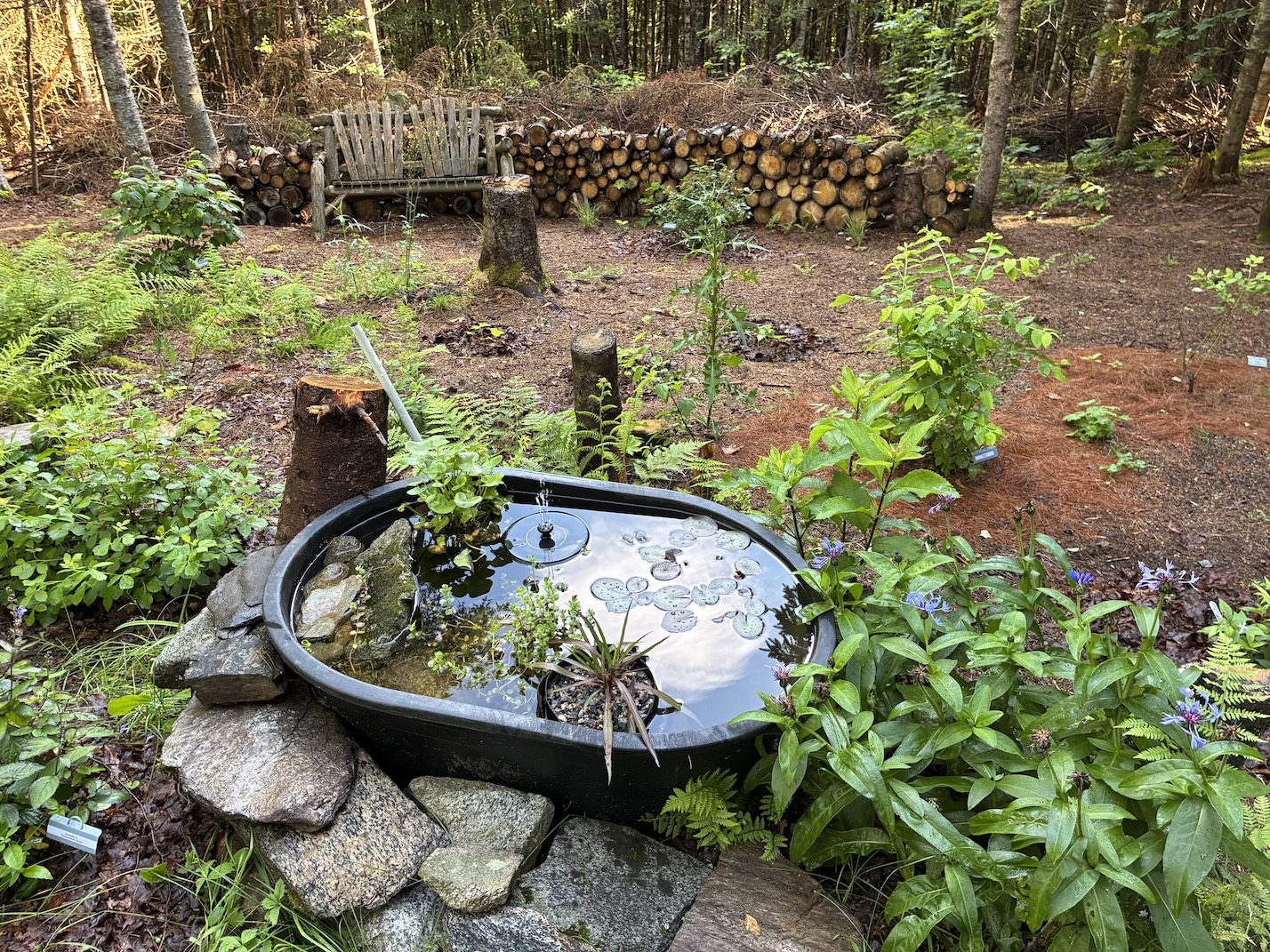
New York. Fountain, frogpond, dogwood, brushpile, and hunting posts help give birds water, food and shelter. Photo by Kim LaCelle.
Michigan. I purchased this bird bath last year. Photo by Beth Toftey.
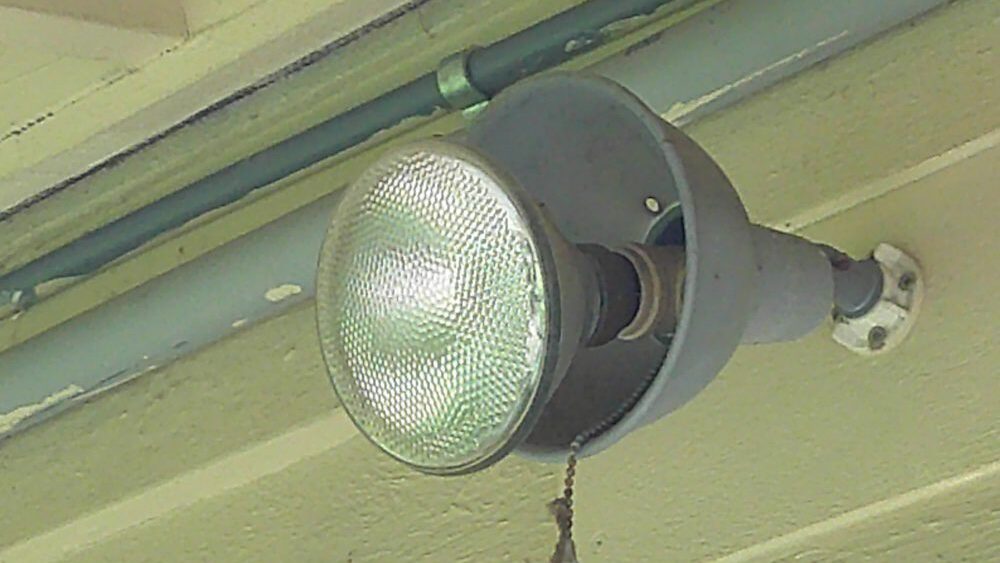
Washington. This light exists, but we never turn it on. Photo by Louise Iwasyk.
Ohio. Added lots of branches and twigs for perches. Birds love them and sit one them all the time! Photo by Michelle Reichenbach.
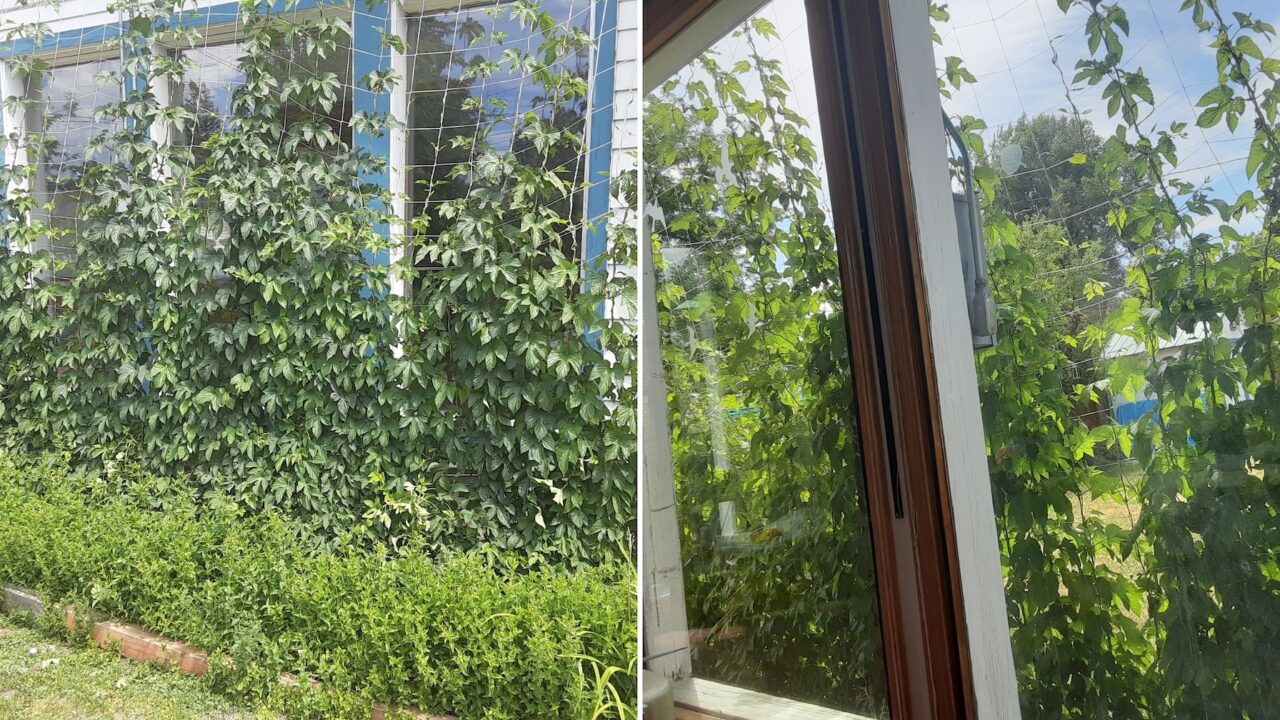
Wyoming. Hops growing on trellis protecting birds from window strikes.
New Hampshire. In an area of the garden where trees were taken down, I added brush piles for habitat, a log wall for insects, a small pond, and native plants (Amelanchier canadensis, Hamamelis virginiana, highbush blueberries, little bluestem grass, and Gallenia trifoliata.)
We are delighted to see people taking concrete actions to help birds move through our landscapes by making windows visible. Please note, however, that while the science is still mounting, it is clear there are products and approaches that are more effective at helping to minimize collisions.
Important criteria to consider for window treatments are:
Window protections should be applied to the outside for maximum effectiveness.
2″x2″ spacing of dots, lines, original art, etc. is the gold standard for being the most effective.
4″x4″ spacing is considered acceptable for Acopian BirdSavers or paracord.
For more hints and ideas for making your windows safer for birds, please explore the Bird Collision Prevention Alliance, a joint partnership with the Cornell Lab and a multitude of organizations invested in minimizing and eliminating window strikes.
By subscribing to stay connected to Garden for Birds, you agree to receive communications from the Cornell Lab. You may unsubscribe from the communications at any time.