
Managing Your Space for Human-Wildlife Interactions
A garden can be a wonderful refuge for birds and other wildlife. However, it is also a refuge for you—to create, to experiment, and to unwind. Sometimes we are less enthusiastic to invite certain wildlife into this space, particularly those who carry disease or could otherwise threaten human health. So, how can we create a garden that harbors the wildlife we want to attract, and limits contact with those we don’t?
Historical and sometimes traditional methods of landscaping aim to maximize control. Gardeners sometimes take an aggressive approach—installing swathes of lawn to be cut and tamed with mowers, loading the yard with chemical pesticides, or tearing out undergrowth and leaf cover—to keep the garden meticulously managed against pests. These tactics often constrain the ecosystem as a whole and contribute to the imbalance between humans and nature that furthers many of these issues.

For example, animals can proliferate as they develop resistance to pesticides, or as their natural predators are inadvertently suppressed. Moreover, exacting such control upon your yard will likely make it inhospitable for birds and pollinators, and otherwise restrict some of the wildlife that you would like to see in your garden.
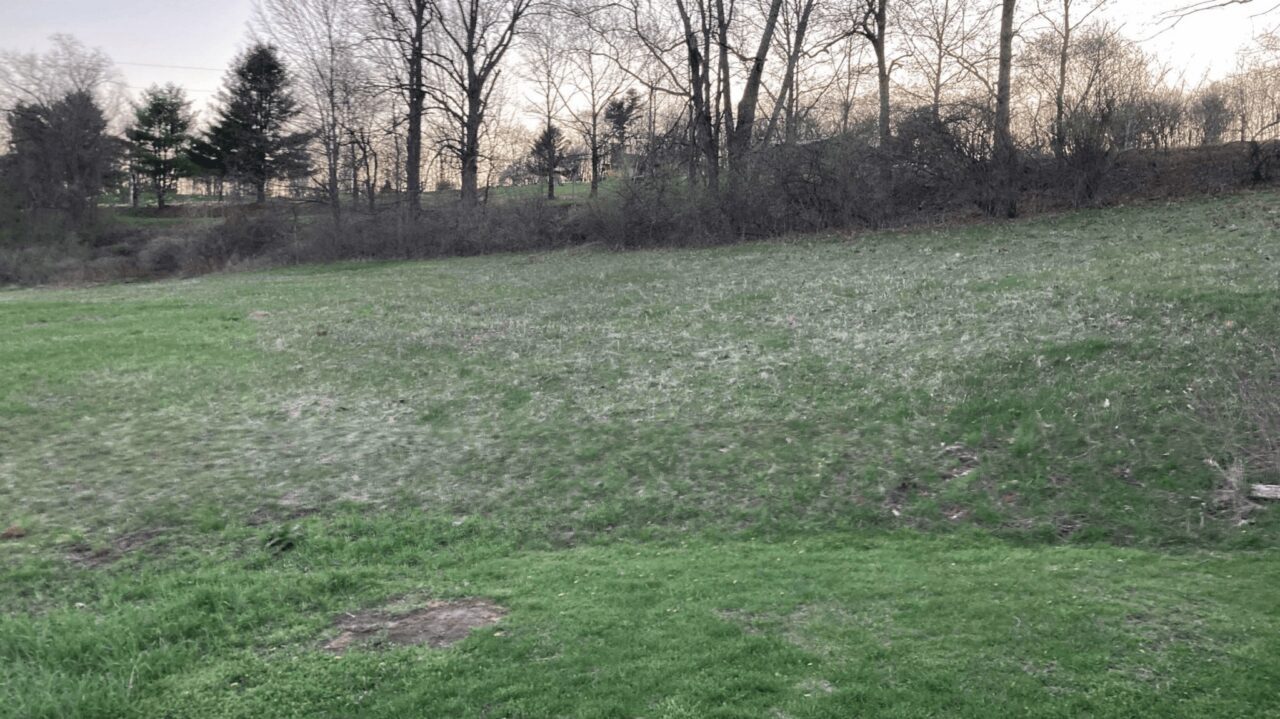
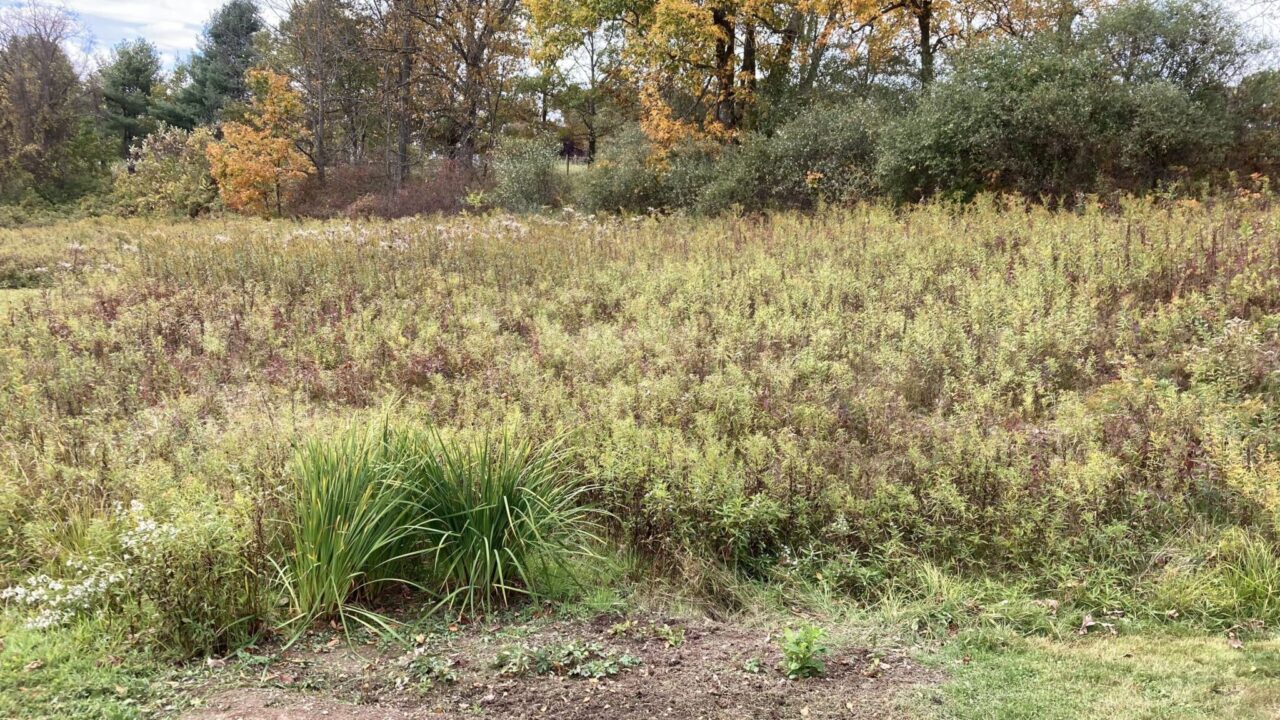
To help with this challenge, you can organize your landscape as a gradient from intensively managed human-use areas near the home to increasingly natural habitat toward the edge of the property. The human-use area is in a high-traffic area close to your home; it may have seating space or play space, or highly-maintained vegetation (like a vegetable garden!). The space is kept clean and tame to dissuade ticks and other undesired animals. This could look like a garden with short-cut grass, lots of sun, and minimal overgrowth.
As you transition towards the edge of your property, you may “buffer” with wide walking pathways and managed litter, while leaving the space increasingly wild to support birds and insects. At the property edge, shrubs, native meadow plantings, and woodland vegetation can provide food and shelter for birds, pollinators, and other wildlife. Leaf litter and overgrowth is left in abundance, supporting insects, amphibians, and small mammals that make use of it. Humans should traverse this area with necessary precautions. Be mindful of your pets—those that roam the wilder areas freely could transport ticks indoors, and should be checked frequently and carefully.
This landscape structure will look different for everyone, depending on your space and resources. We do not want to eliminate wild areas in our garden; rather, we can structure the garden such that we minimize contact with less desired wildlife.
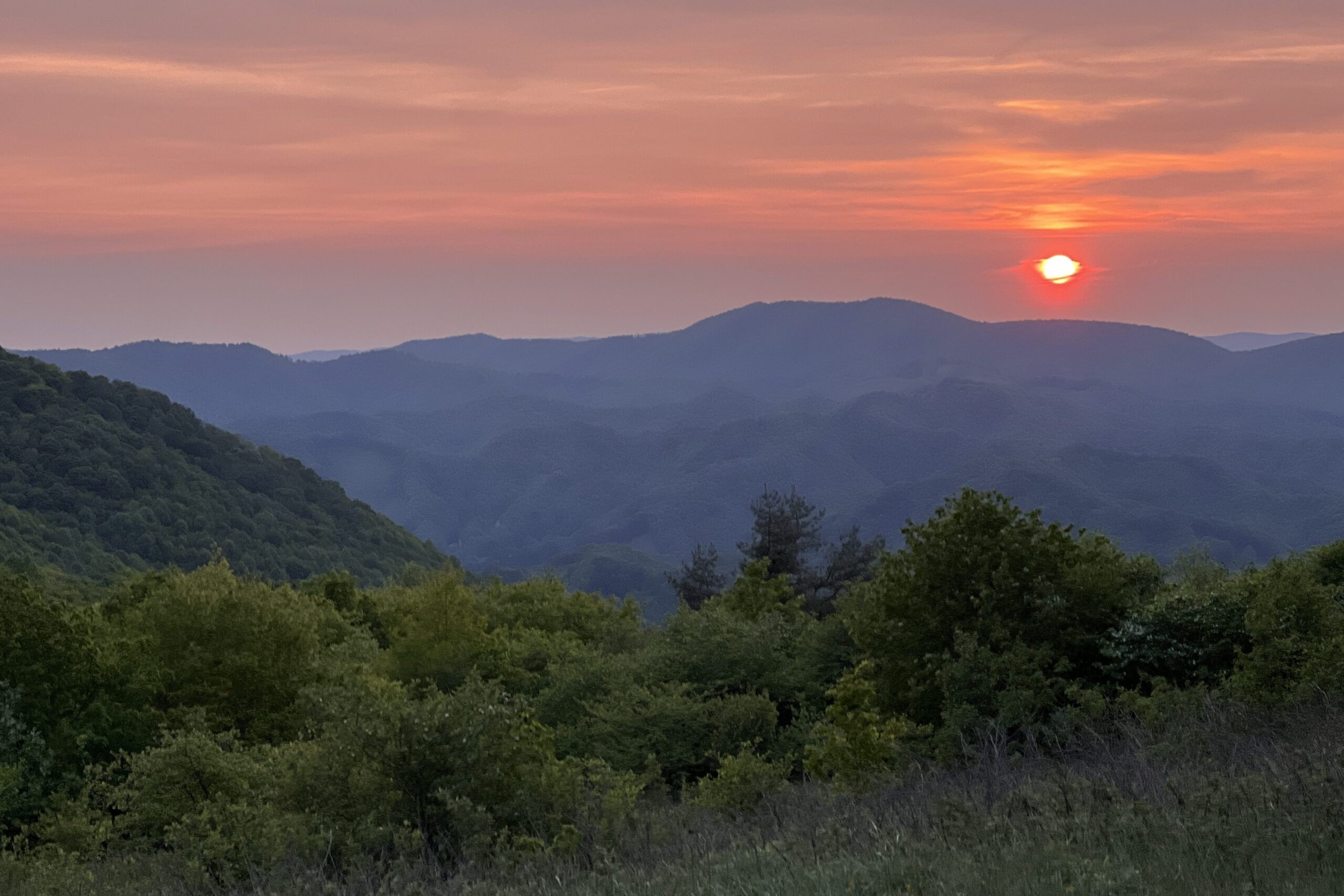
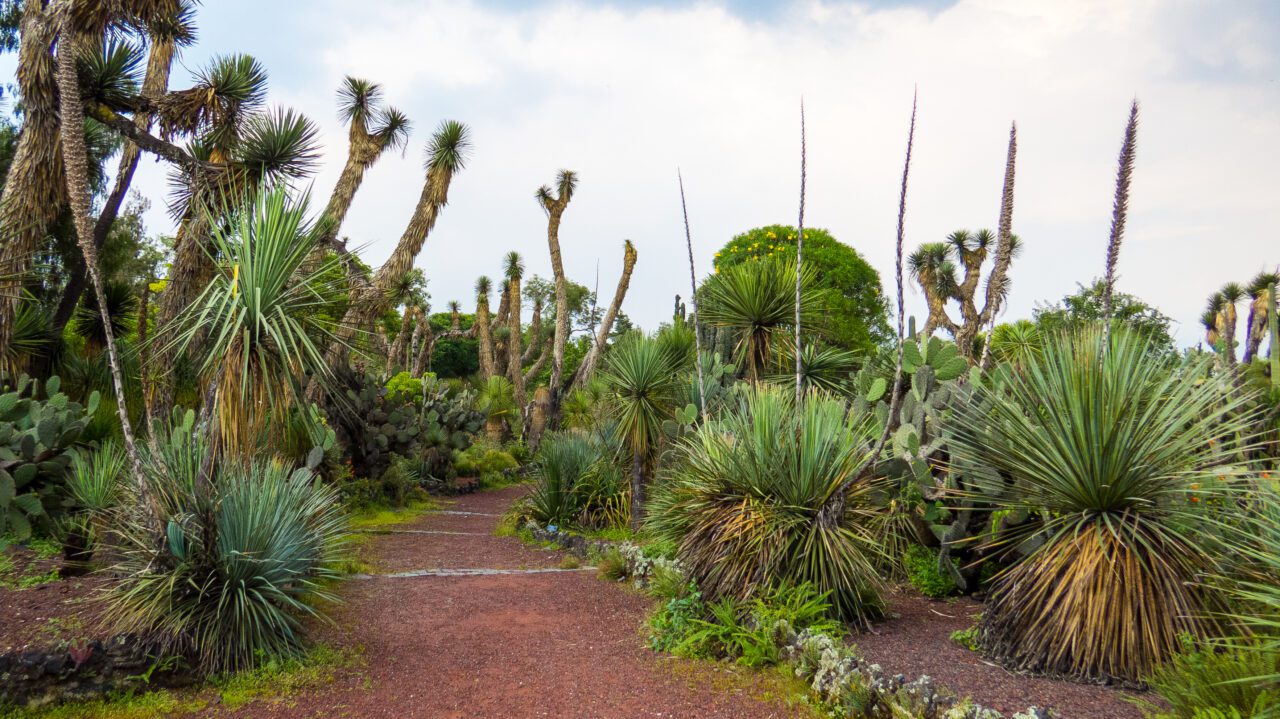
Learn more about enhancing wildlife habitat, or look to these garden designs for creating a space hospitable to humans and nature.
Furthermore, remember that we have power to control our behavior, far more than we do to control the natural environment. At dusk, when mosquitoes are most active, you may simply want to cover up, apply bug spray or stay inside. You should take precautions, including wearing long pants and repellent, in areas that you suspect could contain ticks. After traversing a place where ticks may be present, you can remove all clothes and put them in the dryer for twenty minutes to kill tick passengers. Seek medical advice if you are bitten, scratched, or otherwise make contact with wildlife. You can control your body and your choices more than you can control the natural world.
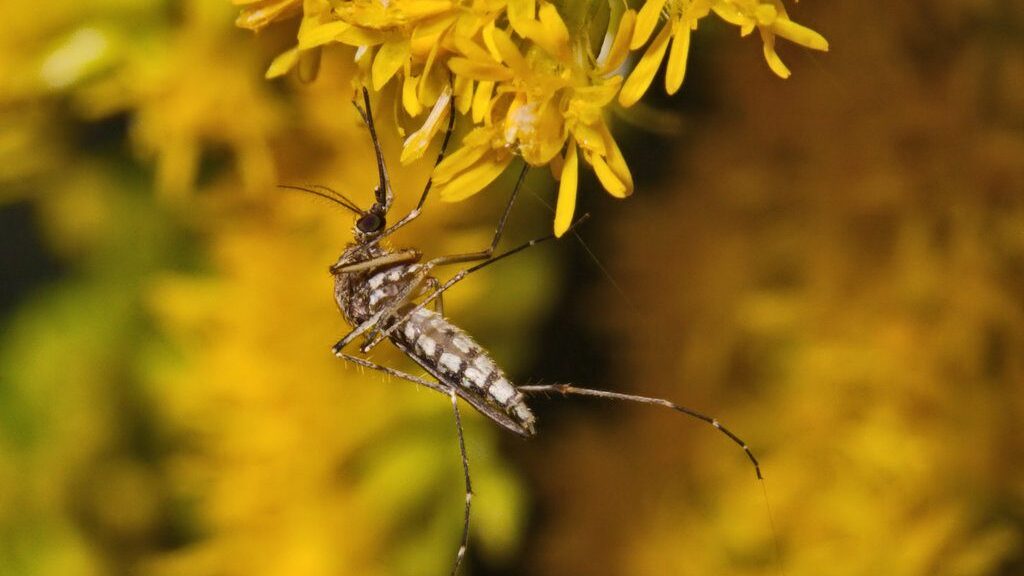
Mosquitoes are bloodsucking insects with the potential to transmit disease, including West Nile Virus and Dengue fever. Female mosquitoes lay their eggs in standing water, and will take advantage of any opportunity to reproduce. When a mosquito goes to feed, it will land on the skin of an organism and feed for up to several minutes, after which an irritating, itchy bump will develop on the skin. These bumps typically go away without treatment.
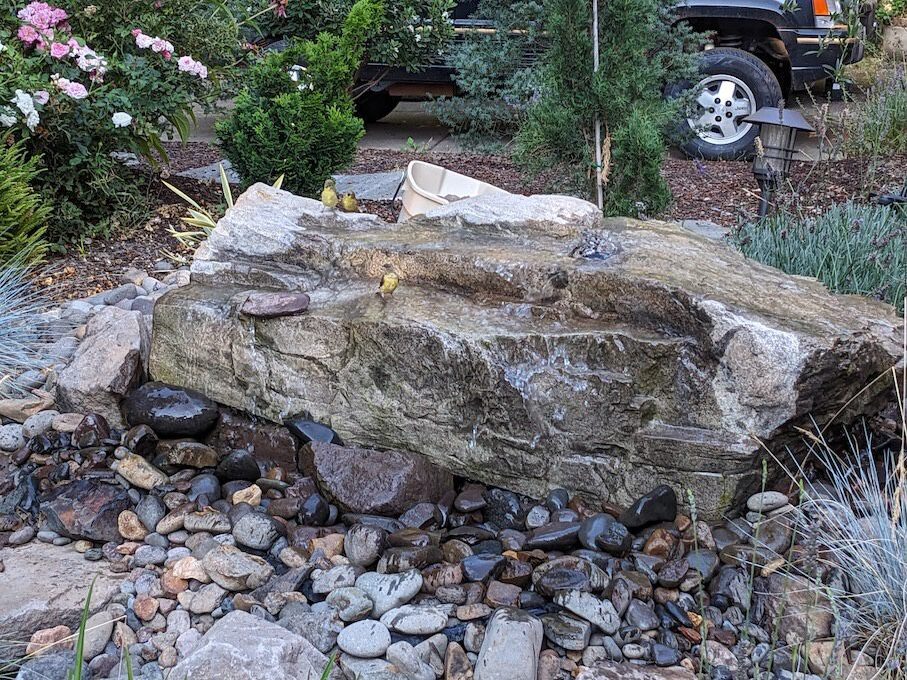
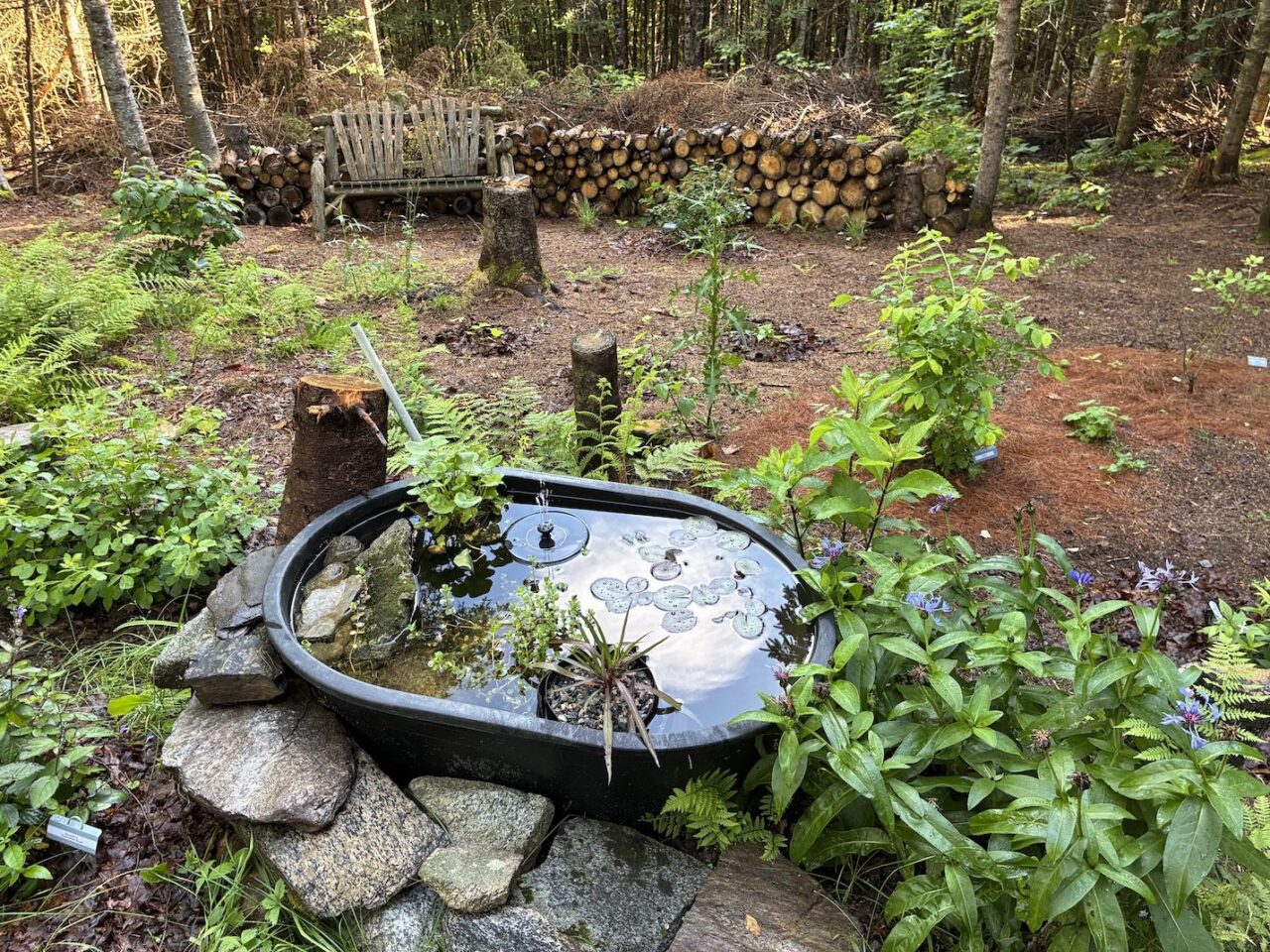
A great way to manage mosquitoes is to limit standing water in your garden. Keep in mind, however, that water features are wonderful resources for birds and other wildlife. Creating motion, through waterfalls, aerators, or bubblers, reduces mosquito risk. Moreover, a mindfully-managed water feature can become a haven for all kinds of creatures, including mosquito predators. Focus your mosquito management efforts on unintentional water pooling.
Create your own pond!
A small pond can sometimes help regulate mosquitoes, if managed intentionally. The trick is building a healthy, balanced pond ecosystem with an active predator community. Many pond-dwellers (like dragonflies, damselflies, and diving beetles) are voracious mosquito eaters. Follow this guide or this webinar to learn about constructing a healthy pond.
Ponds also provide crucial habitat for salamanders, frogs, and other amphibians, which face population declines in part due to reduced habitat. Installing a pond is a great way to provide them with a home, and many amphibians consume mosquitoes and other insects as part of their diets.
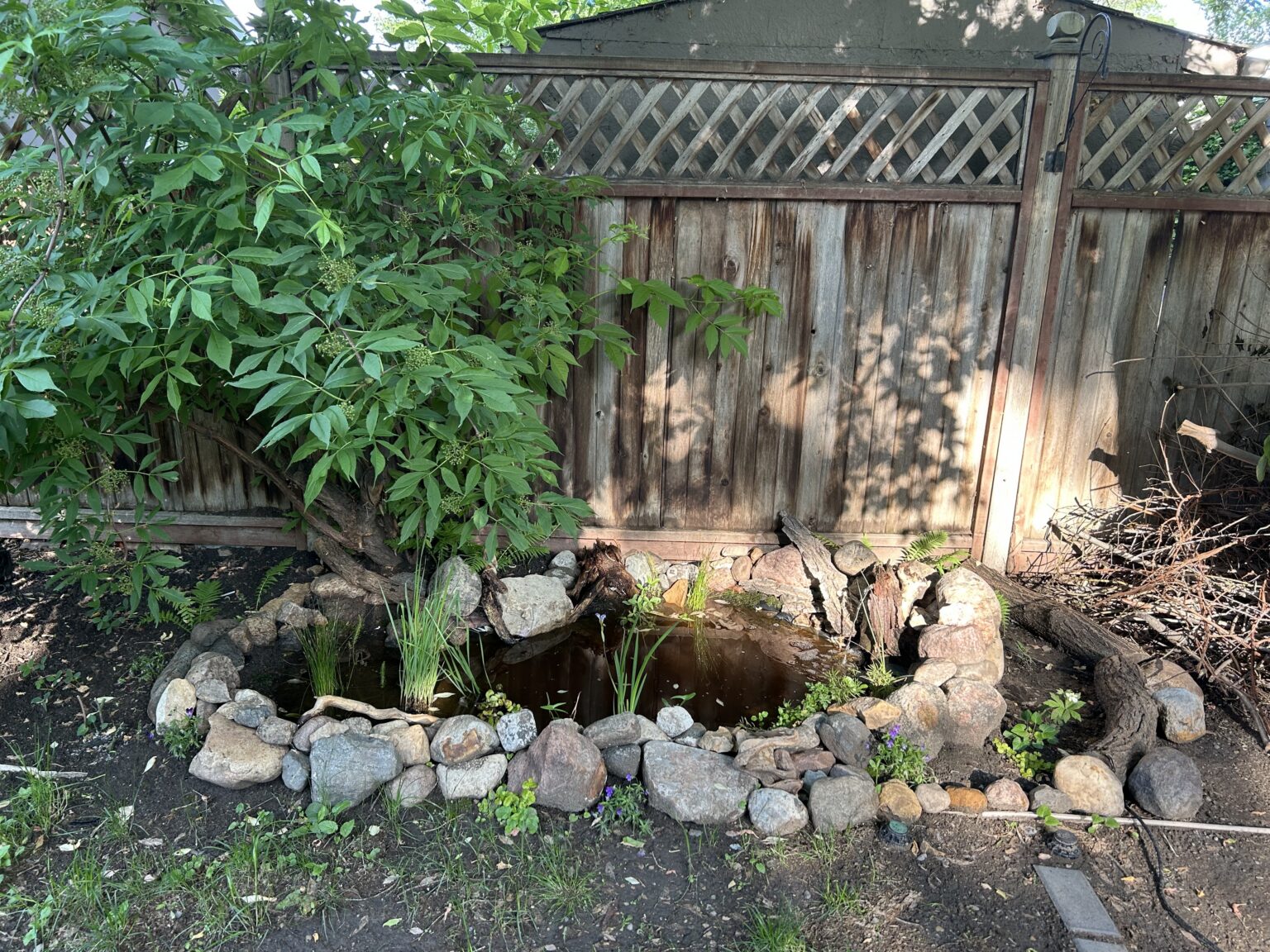
Check out more of our bird-friendly water features!
Check your yard regularly for places where rainwater may collect, including folds in tarps, clogged rain gutters, buckets, unmanaged birdbaths, old tires, planters, pet dishes, kiddy pools, cans, or bottles. Many mosquitoes need only one to two weeks to complete their life cycle.
If you have a rain barrel on your property, make sure it is completely covered. If it is an open-top model, cover it with a fine, taut mesh top to prevent the mosquitoes from laying their eggs.
If you are supporting local birds with a birdbath, make sure to change the water every few days to disrupt the mosquito’s lifecycle. When cleaning, scrub the birdbath so the eggs and larvae are unable to survive. Having a birdbath with a moving fountain feature will also discourage mosquitoes from laying their eggs.
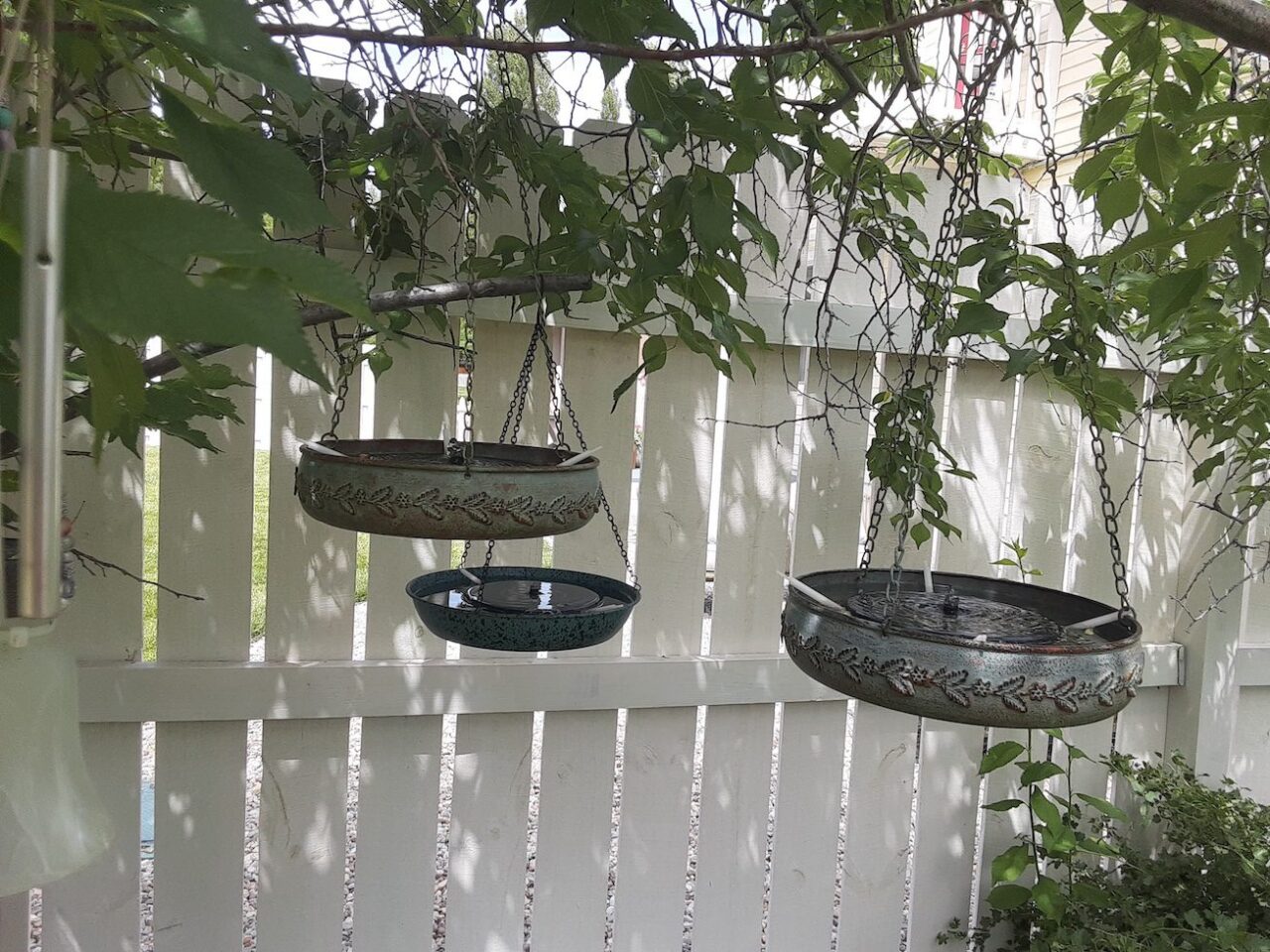
Moreover, you can work with your local community to regulate mosquito populations. Mosquitoes can travel anywhere from 300 feet to several miles depending on the species. Sharing information with your neighbors and running local campaigns to remove areas of standing water might be an extremely effective way to minimize mosquitoes in your yard and community.
Mosquito fogs and sprays kill many beneficial non-target insects, including pollinators and helpful predators, and have limited long-term effectiveness. Similarly, bug zappers are fairly ineffective at targeting mosquitoes. These strategies are best to be avoided.
On wetlands?
Wetland destruction has sometimes been justified as a means of mosquito management. However, wetlands are essential to local ecosystems as they provide habitat for wildlife, purify polluted water, and regulate floods. Healthy wetlands can support a variety of mosquito predators, thereby regulating mosquito populations; degraded wetlands may have increased mosquito problems due to stagnant, shallow water. Certainly, some healthy wetlands will produce abundant and irritating mosquito populations, but wetland destruction is an enormous loss for the environment.
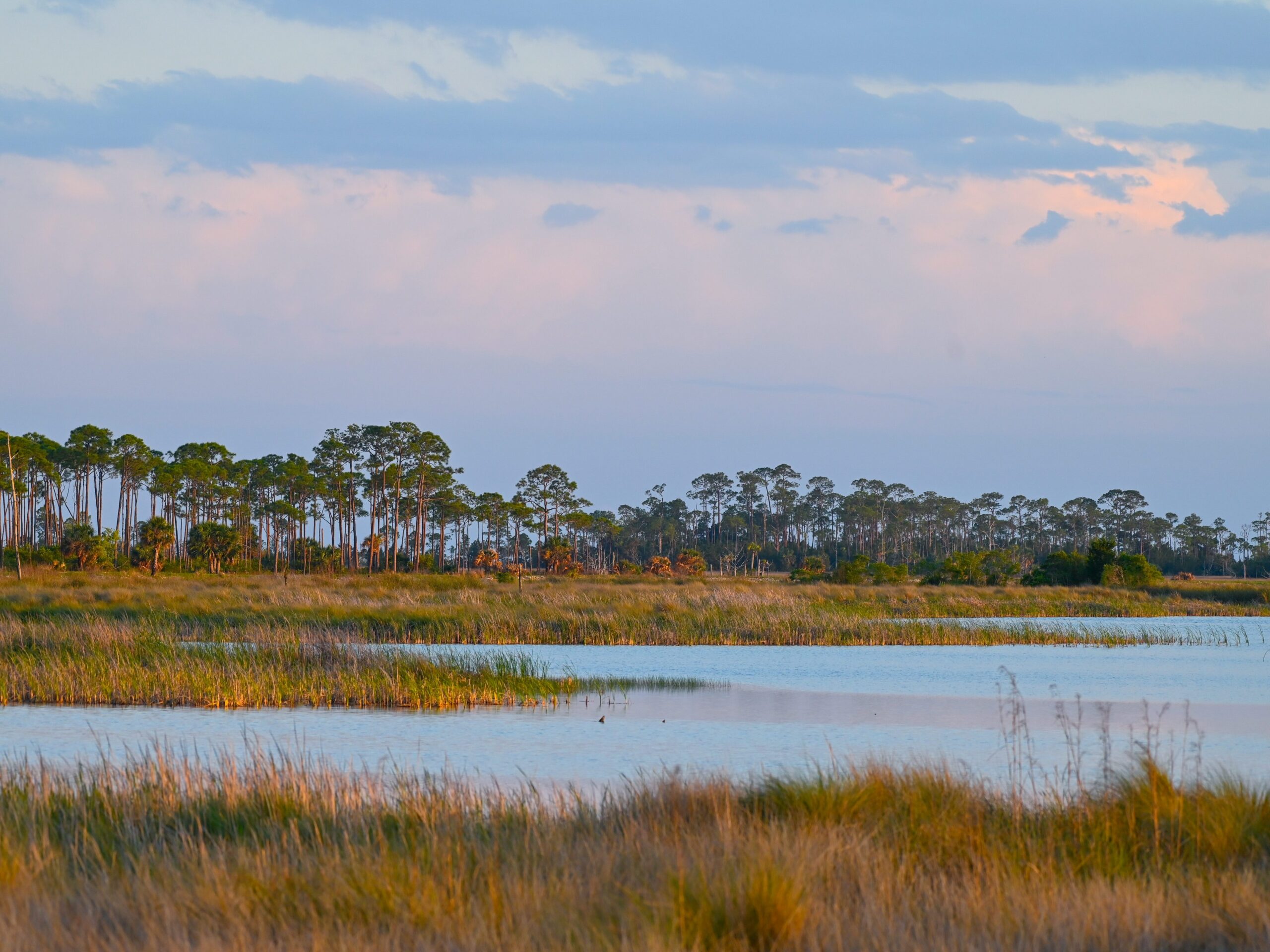
Learn more about wetland management!
- Ecologically Sound Mosquito Management in Wetlands, The Xerces Society for Invertebrate Conservation
- Why are Wetlands Important?, U.S. Environmental Protection Agency
- Indiana Wetlands Conservation Plan Fact Sheet, Indiana Department of Natural Resources
Mosquito Management Resources
- Mosquito Control, Iowa State University Extension and Outreach
- Preventing Mosquito Bites, U.S. Center for Disease Control
- Mosquito-borne Diseases, U.S. Occupational Safety and Health Administration
- Mosquito Control, U.S. Environmental Protection Agency
Ticks are bloodsucking arachnid parasites that can transmit a slew of undesirable diseases, including Lyme disease, alpha-gal syndrome, and more. When “questing”, or searching for a host, ticks often wait at the tips of grass or shrubs and attach to a passing organism. A tick host could be a mammal, bird, reptile, or amphibian. Once attached, a tick may cling to the host for several days. The time required for disease transmission varies considerably among pathogens, so prompt tick removal is always recommended.
Ticks thrive in thick leaf litter, dense vegetation, and moist ground, benefitting from access to blood meals in birds and mammals. A garden with ubiquitous closely-cut lawn and diligent leaf disposal will reduce tick habitat; however, that space will not support tick predators or other friendly wildlife. You can manage this issue by dividing your space.
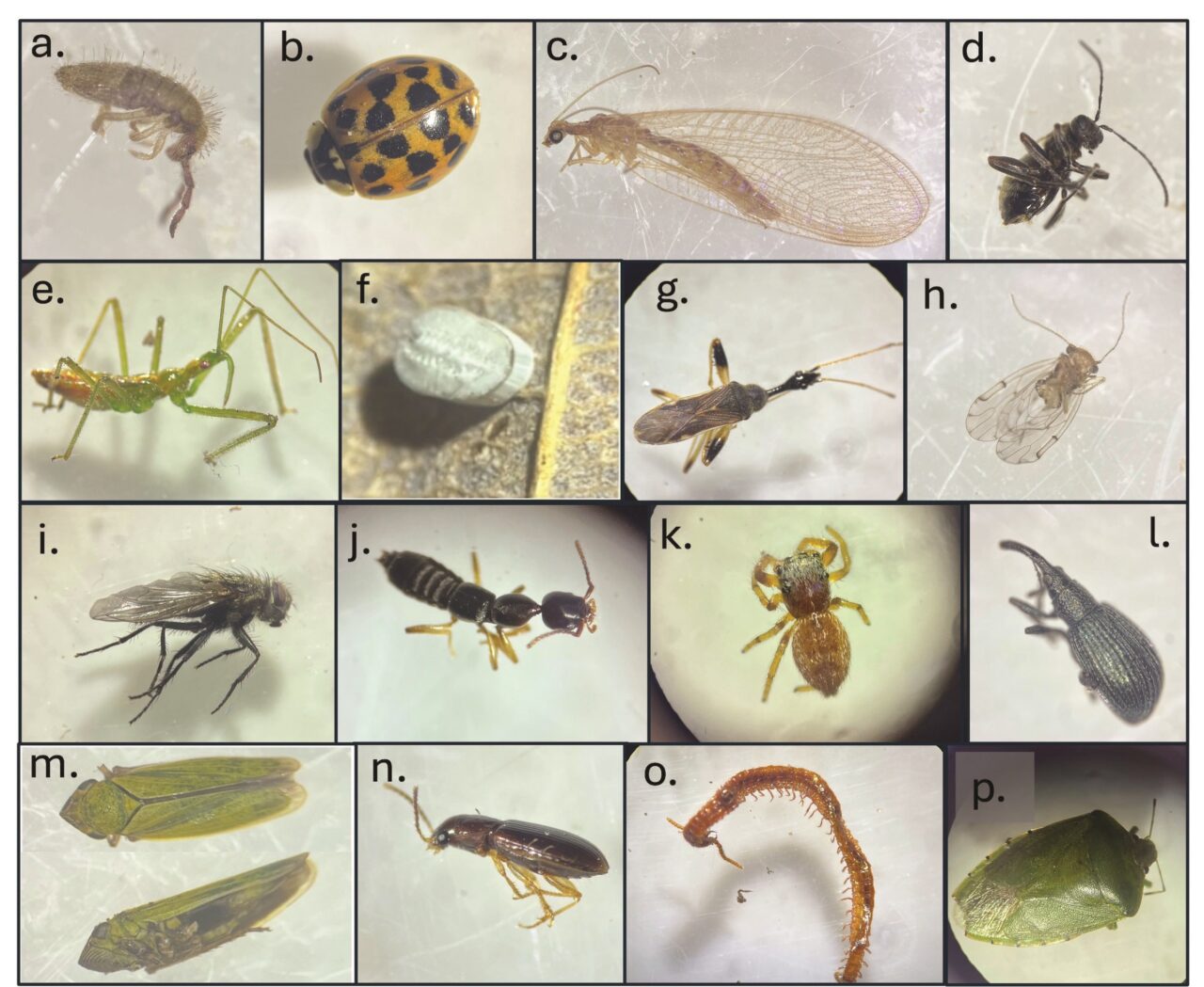
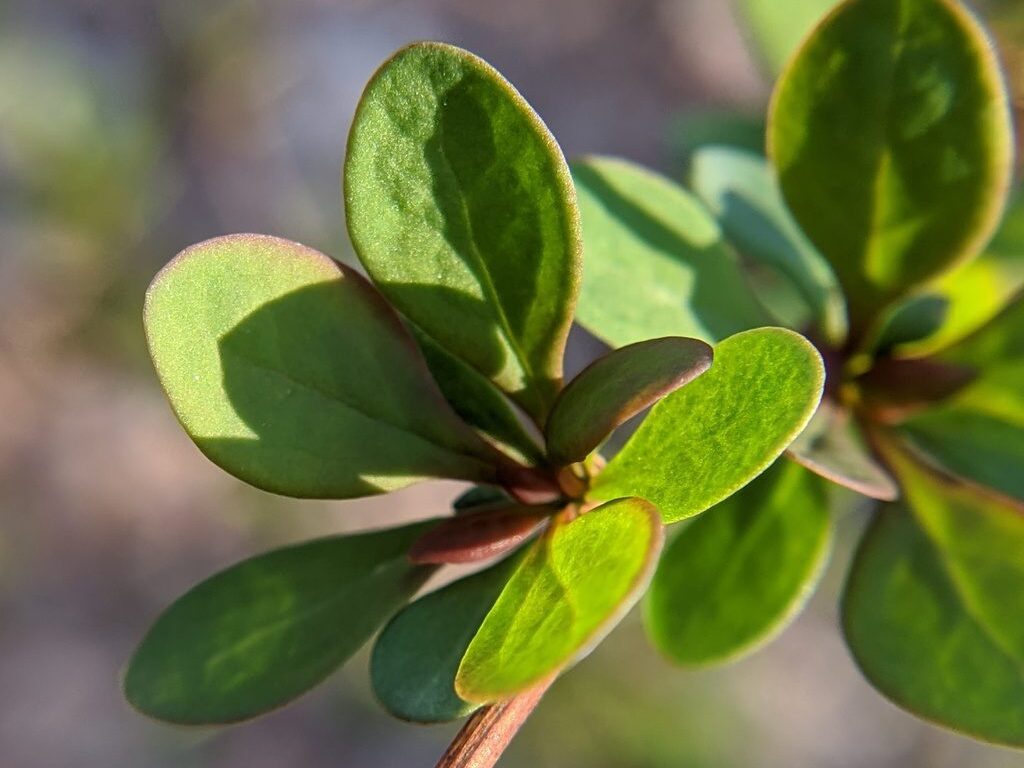
Non-native, invasive plant control can help mitigate ticks. Ticks are known to thrive among invasive honeysuckles and barberries, most famously Japanese barberry (Berberis thunbergii). In the Southeast, some invasive grasses such as cogongrass (Imperata cylindrica) have been associated with lone star tick abundance. These invasive species can create cool and humid microclimates ideal for ticks.
An important aspect of tick management is managing their wild hosts, particularly deer and mice. These animals can carry and spread ticks over long distances. Read on to the next sections to learn more about limiting these specific critters.
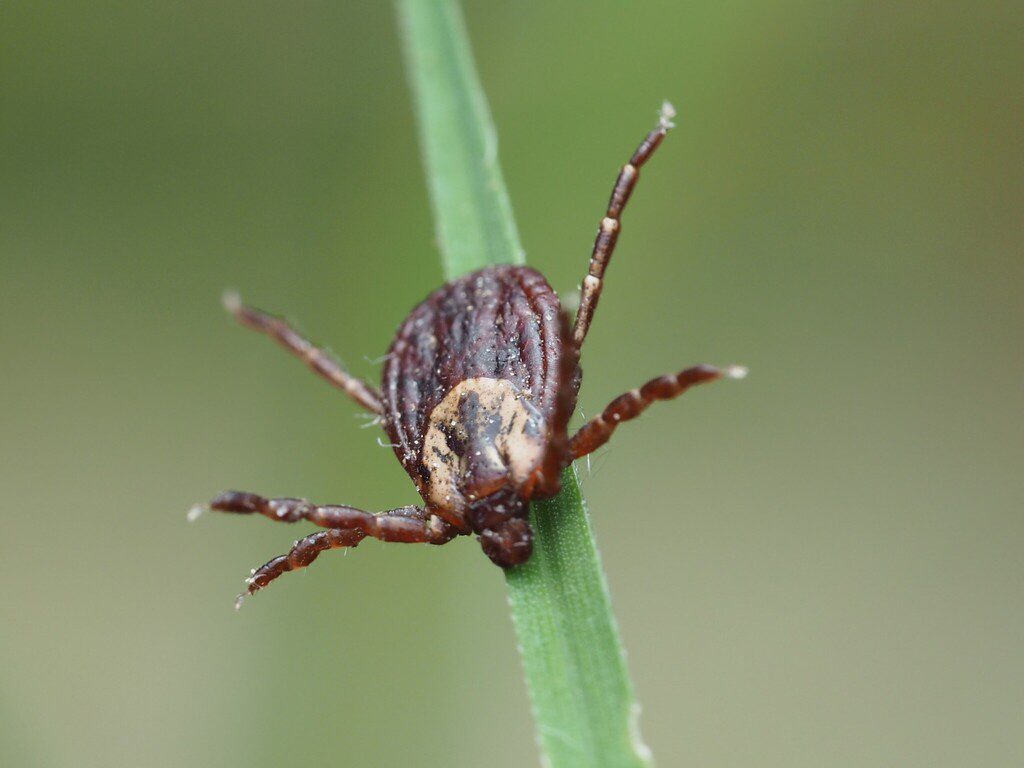
Are you worried about the lone star tick and alpha-gal? Lone star ticks may engage in active pursuit of potential hosts when “questing”, as opposed to the traditional sit-and-wait strategy. Read more about this tick in this article.
Your human-use area can be maintained by cutting grass short, moving leaf litter and yard debris, and creating three-foot (one meter) wide dry barriers (woodchips or bark mulch) around wilder areas. Wide, short-cut paths through wilder areas can prevent humans from brushing up against tall vegetation.
Leaf litter can be moved to the edge of your yard, where it can support other organisms, such as the larvae of butterflies and moths, or beneficial tick predators. Tall grass and thick shrubbery can be contained to this area as well. The further from the human-use area, the better; maintaining a buffer between frequently used spaces and dense vegetation can reduce human contact with questing ticks.
Tick Management Resources
- Protecting Your Yard, Harvard University Lyme Wellness Initiative
- Preventing Tick Bites, U.S. Center for Disease Control
- Tick Bite: What To Do, U.S. Center for Disease Control
- About Ticks and Tickborne Disease, U.S. Center for Disease Control
Rodents are crucial critters in many mainland ecosystems, particularly as a source of food for birds of prey, snakes, and carnivorous mammals. Nevertheless, some rodent species can carry diseases transmissible to humans, and may serve as hosts for ticks or reservoirs for tick-borne pathogens. You can keep rodents out of your space through focused, intentional planning; minimize attractive food sources, and minimize possible spots for rodents to shelter.


Maintain a one to three-foot vegetation-free buffer around buildings and frequently used areas to reduce shelter opportunities for rodents. Clutter, like garden debris, brush piles, or wood and rock piles, should be kept far from the house, as these are ideal homes for small mammals. Keep in mind that this “clutter” can provide wonderful sanctuary for birds and other wildlife, so prioritize intentional placement rather than elimination. Make sure any small gaps in your walls are sealed. These measures are important to discourage unwelcome furry visitors, and can also make your house better insulated and safer from wildfire and water encroachment.
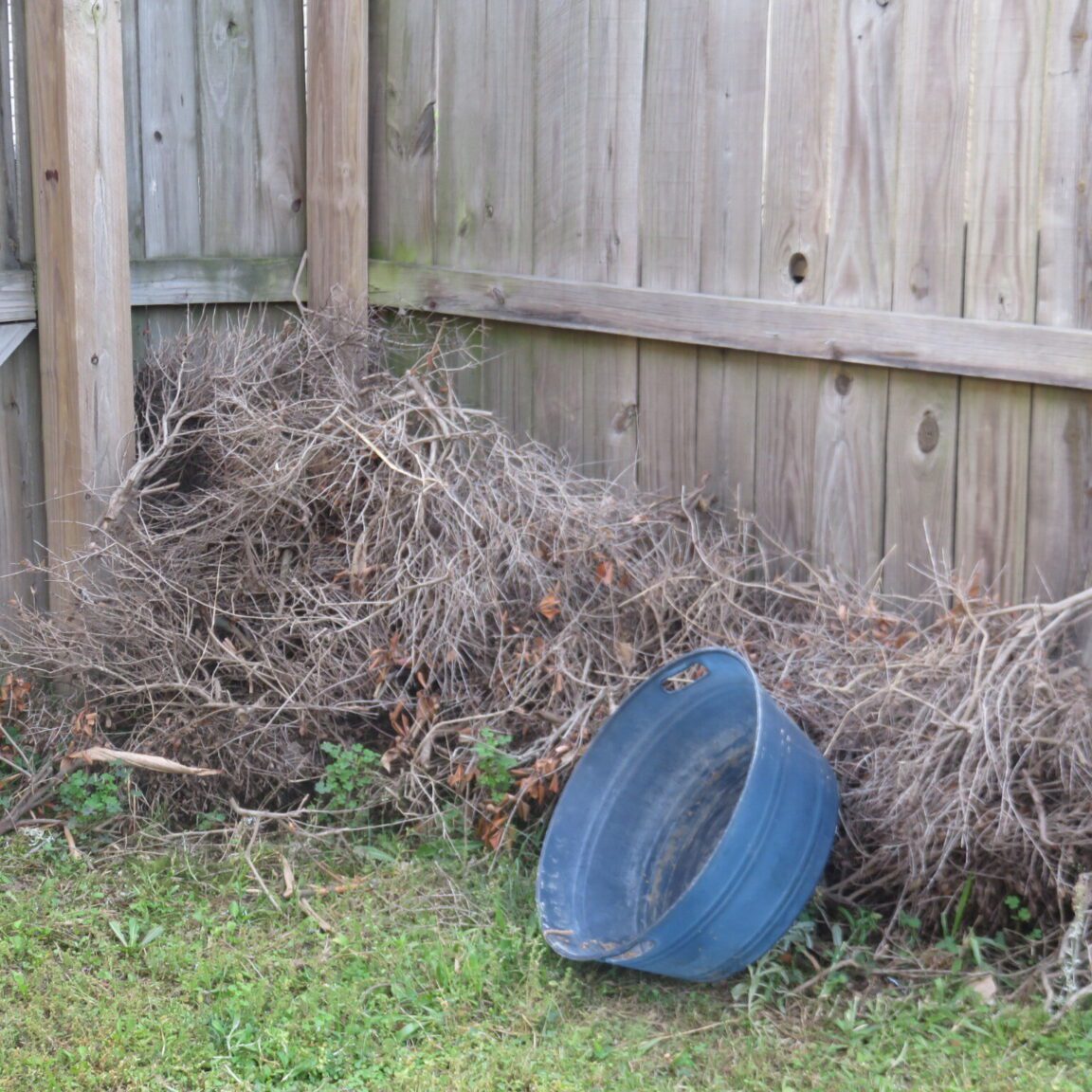
Supporting native predators such as snakes (as outlined in this article) and birds of prey (as outlined in this article) can also contribute to natural rodent predation. Building habitat that can support apex predators will help create a more ecologically balanced landscape. Outdoor cats will prey on rodents, but are also a significant threat to birds and reptiles. We do not recommend using an outdoor cat as a form of rodent management. Consider keeping your cat on a leash or building a “catio”.
Keep your compost stored in containers with secure lids to prevent scavengers, or place your compost heap some distance away from your house. Trash and other waste should be similarly sealed in containers that rodents cannot access or chew through. If you grow fruits or vegetables, harvest ripe produce quickly; you may want to use properly-installed netting or covers to protect your crops from opportunists. If you have pet food or birdseed, make sure it is securely sealed. Remove fallen fruits and nuts from human-use areas.
Water management can also help limit rodents. Repair leaking water sources, particularly near buildings, to avoid attracting rodents.
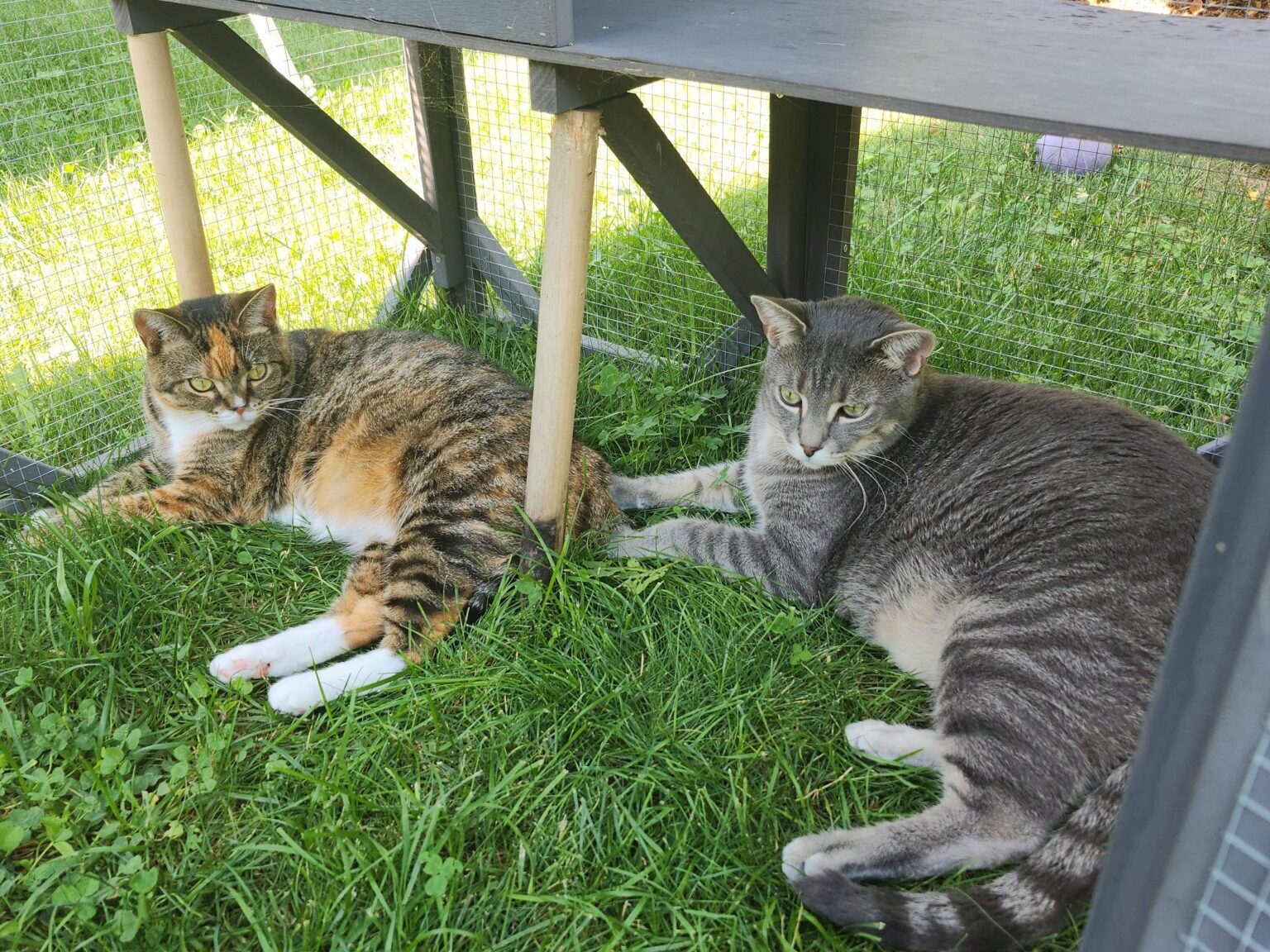
Glue traps and rodenticides affect many non-target animals and cause significant suffering; we strongly discourage their use. When all else fails, consult with a professional who is thoughtful in their management recommendations.
Rodent Management Resources
- How to keep rats away from your home and yard, Oregon State University Extension Service
- Controlling Wild Rodent Infestations, U.S. Center for Disease Control
- How to Clean Up After Rodents, U.S. Center for Disease Control
- Rodent-Proof Construction, University of Nebraska-Lincoln Extension
- Rodent-borne Diseases, U.S. National Park Service
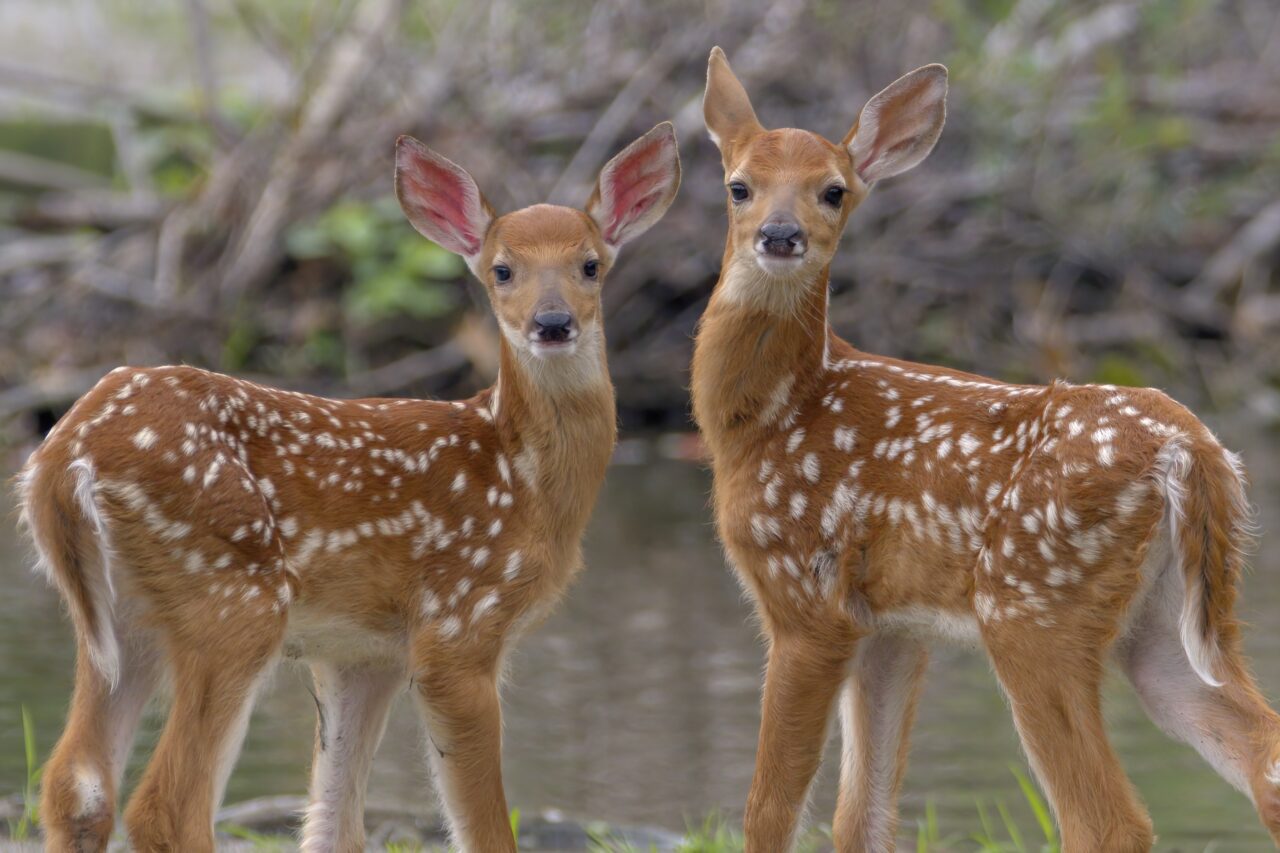
Deer are abundant in many parts of North America, at once beloved for their cervid elegance and decried for their vigorous herbivory. Moreover, deer are common mobile tick hosts; managing their populations can make your garden a safer space for human beings.
One of the most effective ways to protect spaces from deer is by installing an eight foot high fence, constructed with strong material. A smaller double fence with a gap in-between can also be effective, as deer prefer to have a clear landing zone. Visible electric fences are also an option. Make sure any fencing you construct doesn’t pose an entrapment risk for wildlife – including deer. High-visibility fences are best to avoid bird collisions, and barbed or spiky tops should always be avoided; read more about wildlife-friendly fencing to avoid hurting local creatures.
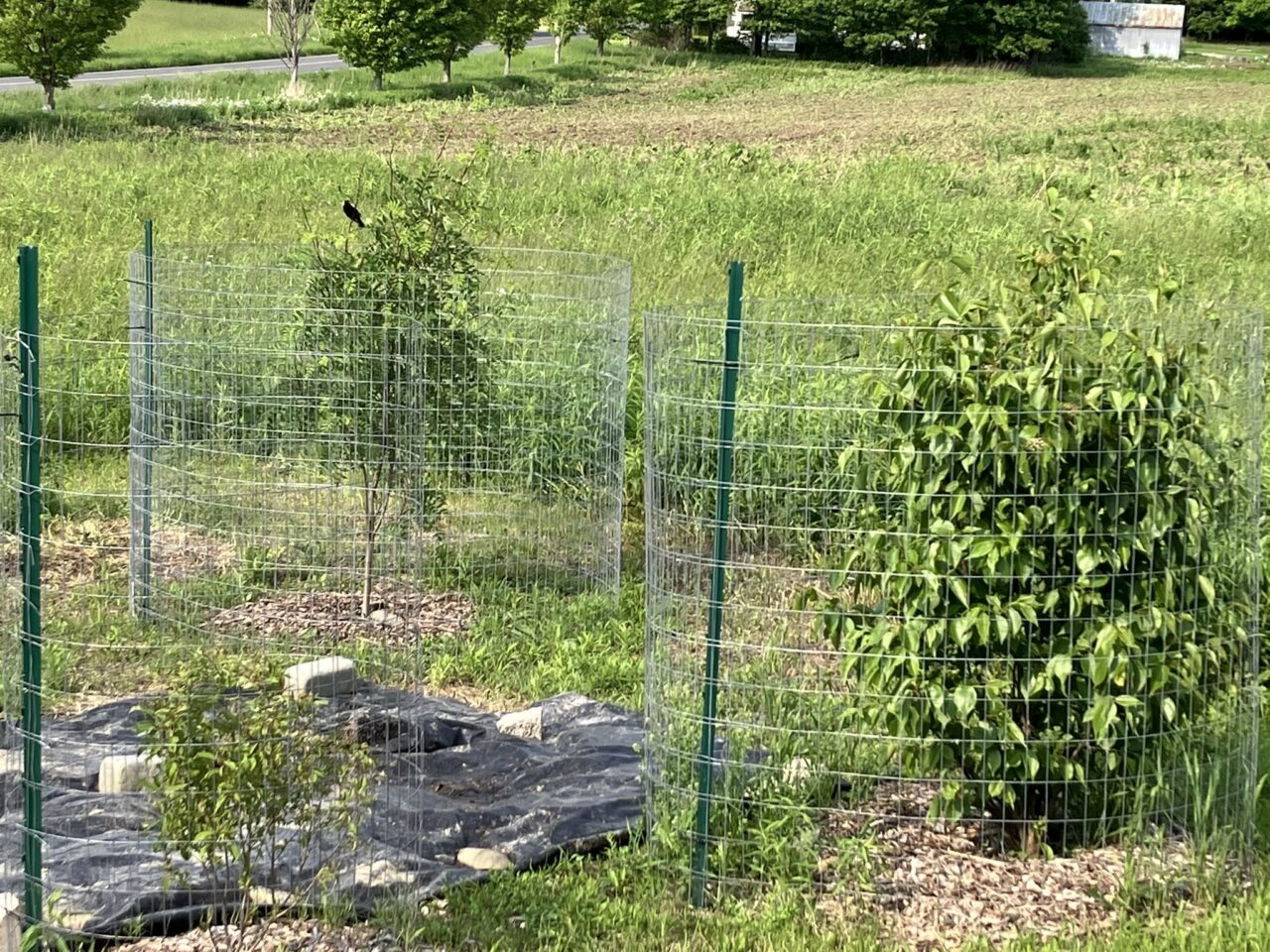
That being said, fences can be costly and laborious; another option is to use scare devices, such as auditory, olfactory, and visual deterrents, though these solutions are often only temporary. Be mindful of the effect that lights and noise can have on other wildlife. Use of deer repellents can also be somewhat effective, or applying an artificial smell or taste that deer find unpleasant to vulnerable plants. A spray of 20% egg and 80% water may reduce deer pressure on specific plants.
Plants can be protected by fencing closer to the house, including fencing or netting around individual, vulnerable plants, while native plants that are less palatable to deer can be used further into the yard. Keep in mind that a hungry deer will eat just about anything, so no plant is truly deer-resistant.
In some areas of the U.S. and Canada, deer are becoming problematically overabundant. Learn more in this article by the Audubon Society.
Deer Management Resources
- White-tailed Deer Impacts and Forest Management, U.S. Department of Agriculture Natural Resources Conservation Service
- Non-Chemical Deer Control, Montana State University Extension
- Deer, Cornell University Integrated Pest Management
- How to Protect Gardens from Deer, Iowa State University Extension and Outreach
Bears are unique creatures with outsized and meaningful impact on their ecological community; through intensive foraging and predation, bears influence prey populations, disperse seeds, and help cycle nutrients throughout the environment. Despite this, bears are probably not your ideal garden guests.
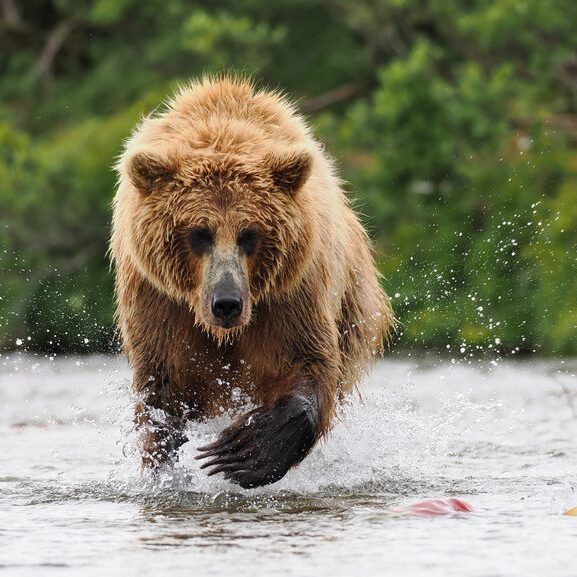
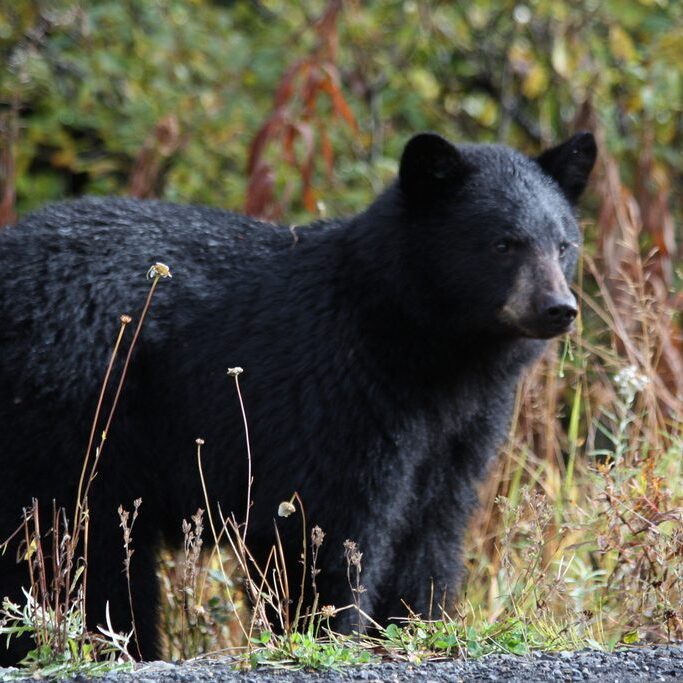
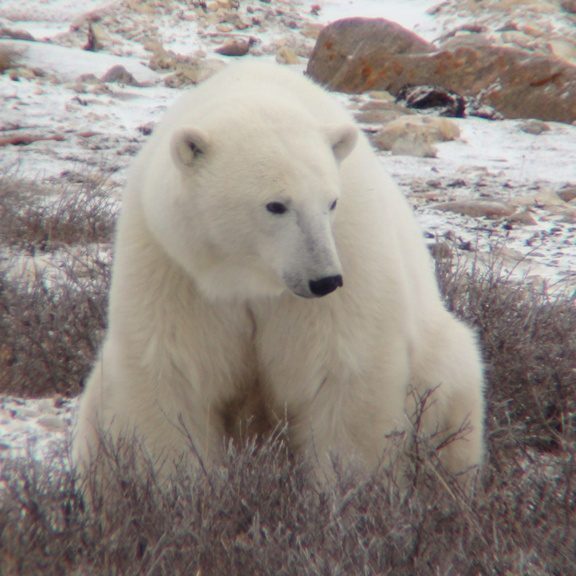
In regions where you share space with bears, bear management mirrors some principles of rodent management: eliminate attractive food sources, and bears are less likely to approach. Secure garbage, compost, pet food, and birdseed, aiming to reduce buildup of odors that will attract bears. Store these odorous materials in a secure building whenever possible. Manage produce in your gardens by picking it when it is ripe and removing dropped fruits and vegetables.
Clean and cover your grill. If you have livestock, keep young and small animals close to barns or within enclosures. Remove bird feeders from your yard when bears are active, and bringing them inside at night can be prudent as well. Never intentionally feed a bear, as this can lead to ongoing human – bear conflicts which may result in the bear being euthanized.
A great way to deter bears is to install an electric fence around vulnerable parts of the garden, particularly around orchards, beehives, compost piles, and vegetable gardens. Be aware of wildlife-friendly fencing techniques. Just as in managing deer, scare devices can be temporarily effective, if used while being mindful of other affected wildlife.

Bear Management Resources
- Understanding & Managing Bears, U.S. National Park Service
- Bears of North America, Be Bear Aware Campaign
- Be BearWise, New York State Department of Environmental Conservation
- Living in Black Bear Country, American Bear Association
- Bear Deterrents, Get Bear Smart
What’s the big idea?
Consider seasonal variation in wildlife management. Many animal movements and environmental conditions change from month to month. You may alter your strategies based on the time of year, depending on the ecological circumstances at that time. For example, as winter approaches, you may want to make sure any gaps in your home’s exterior are sealed and vegetation is cut back from your home, to prevent rodents from overwintering inside.
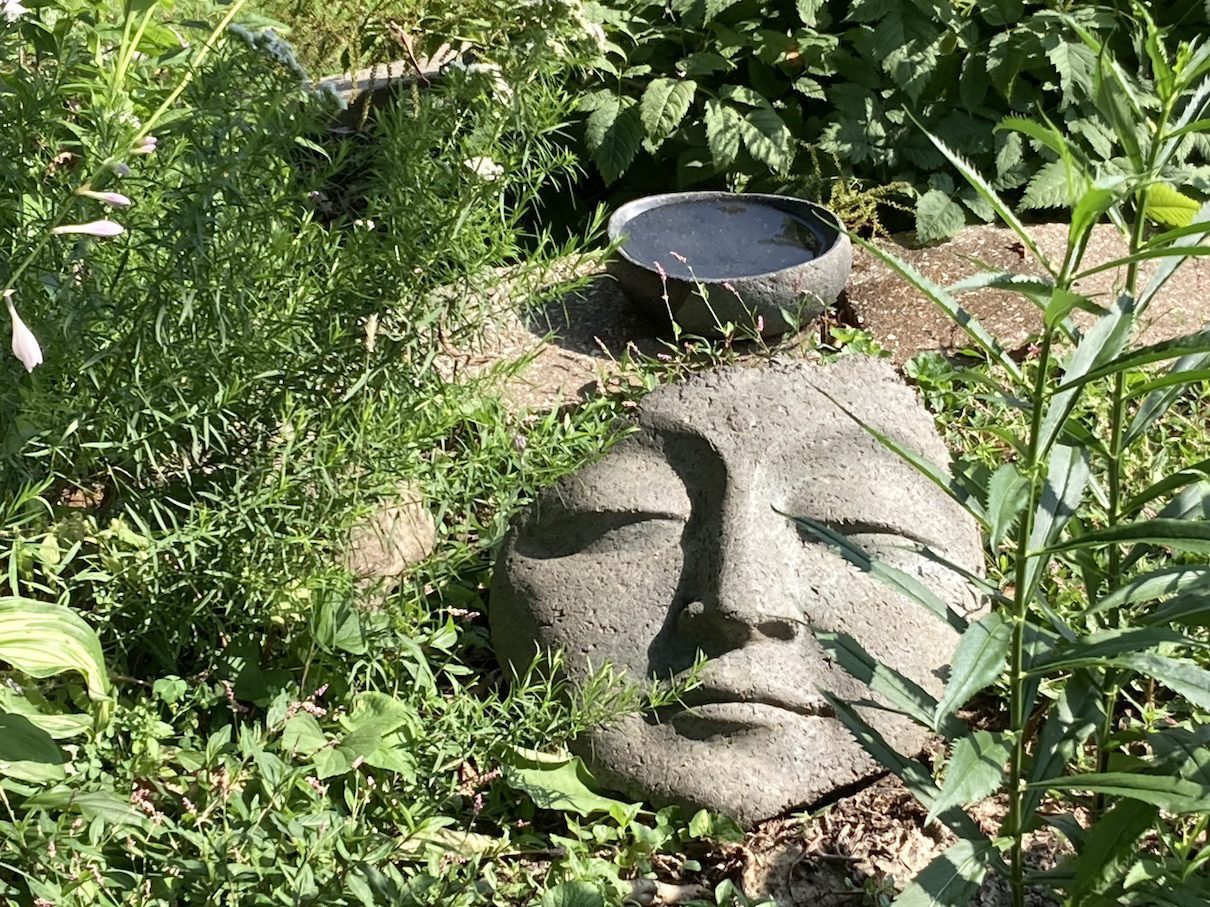
Many of these practices fall under the umbrella of integrated pest management (IPM), a science-based synthesis of strategies to manage unwanted species in the garden. The tactics espoused here emphasize prevention of wildlife conflicts in the first place, as well as habitat modification and physical exclusion to deter certain wildlife. Monitoring is also an important part of IPM, or keeping track of the organisms in your garden so you can make appropriate decisions on how to handle them. Moreover, if wildlife becomes a significant problem in your garden, you may want to use more intensive, targeted strategies than those suggested here.
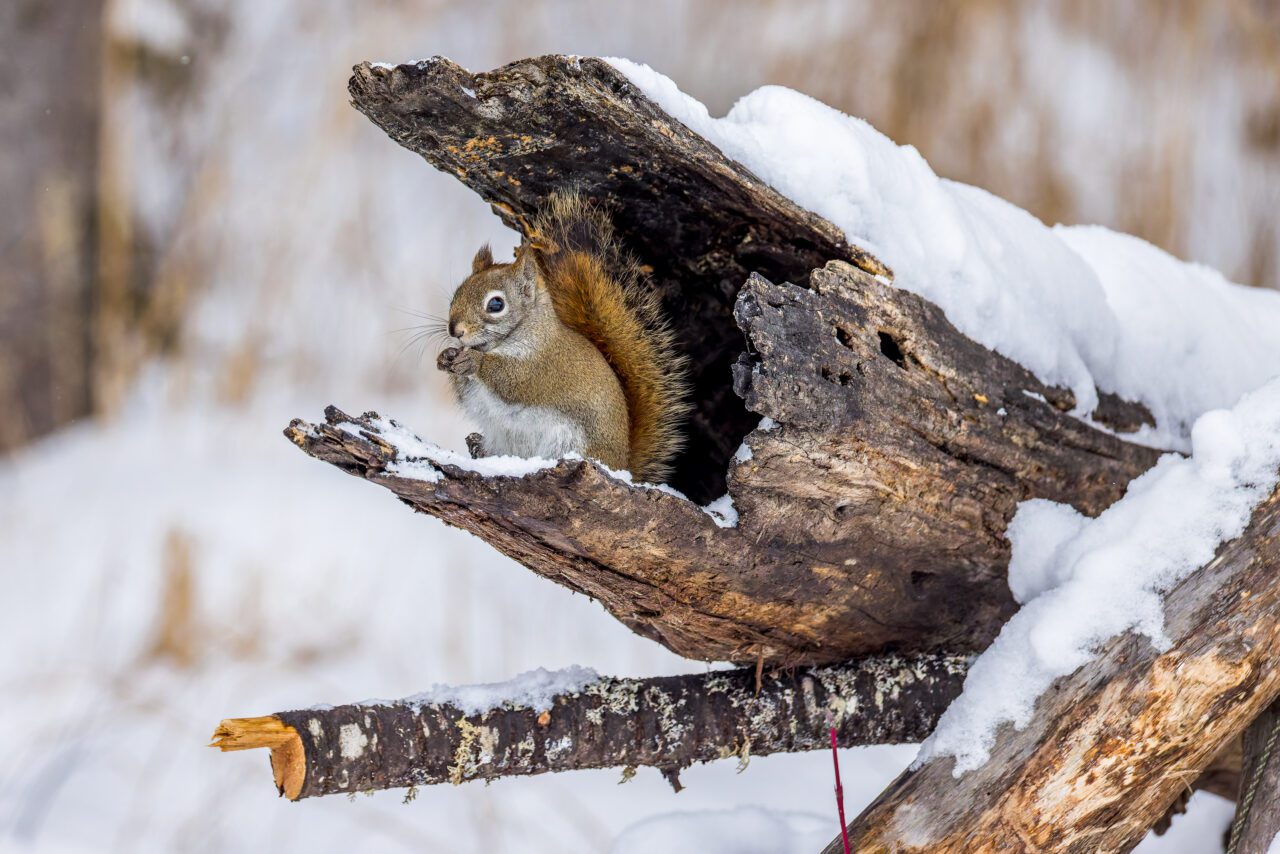
It is impossible to control every creature that wanders through your garden, and attempting to do so will significantly interrupt the local ecosystem. Rather, look at your yard as a nexus through which you can direct the flow of ecological systems, some of which you want to limit contact with more than others. Your body and behavior is a part of this nexus. There can be places within which you are comfortable, and places within which the rich natural community is comfortable. Keep yourself safe, and keep working towards an ecologically vibrant future.
Stay Connected
By subscribing to stay connected to Garden for Birds, you agree to receive communications from the Cornell Lab. You may unsubscribe from the communications at any time.