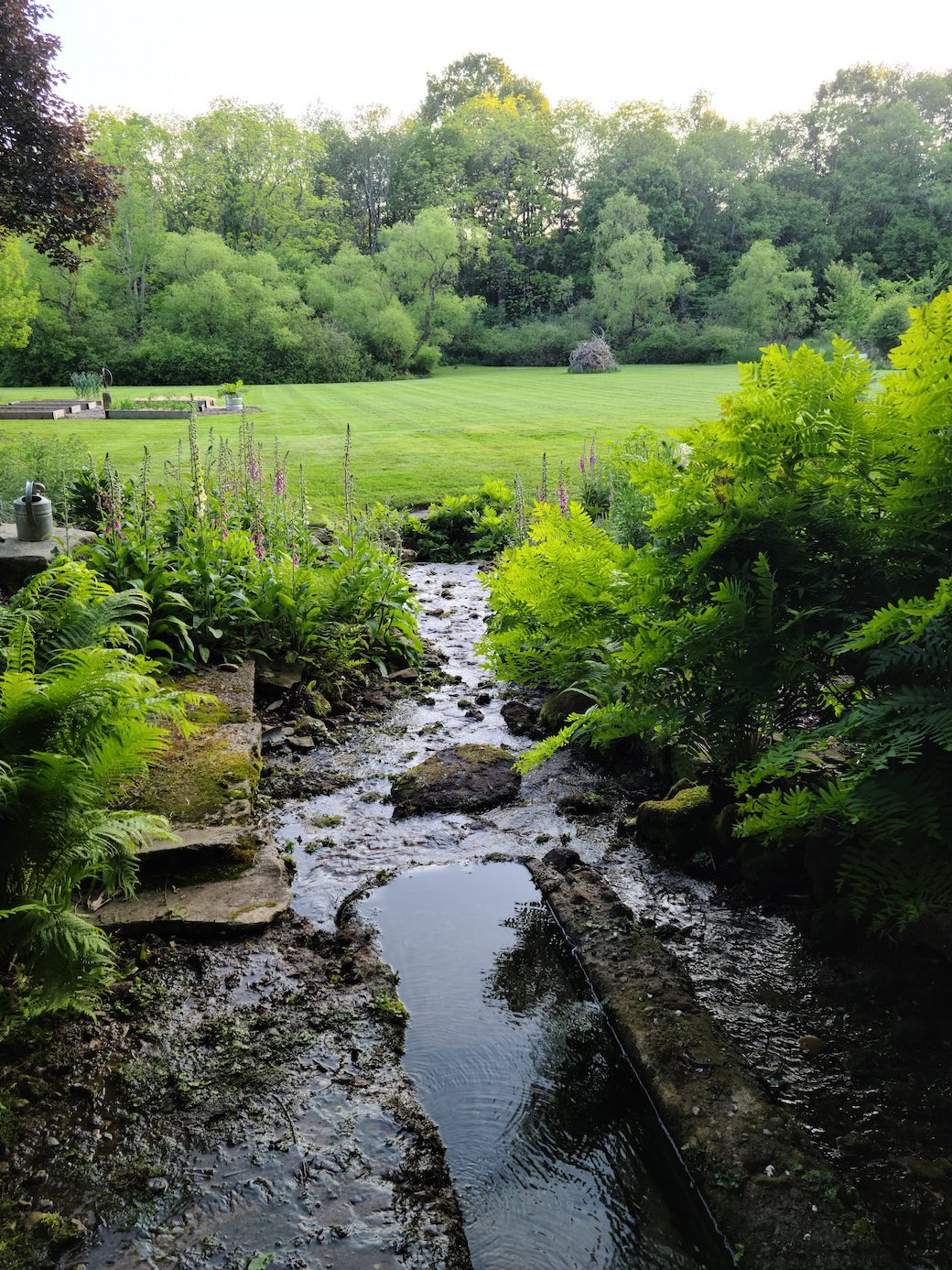
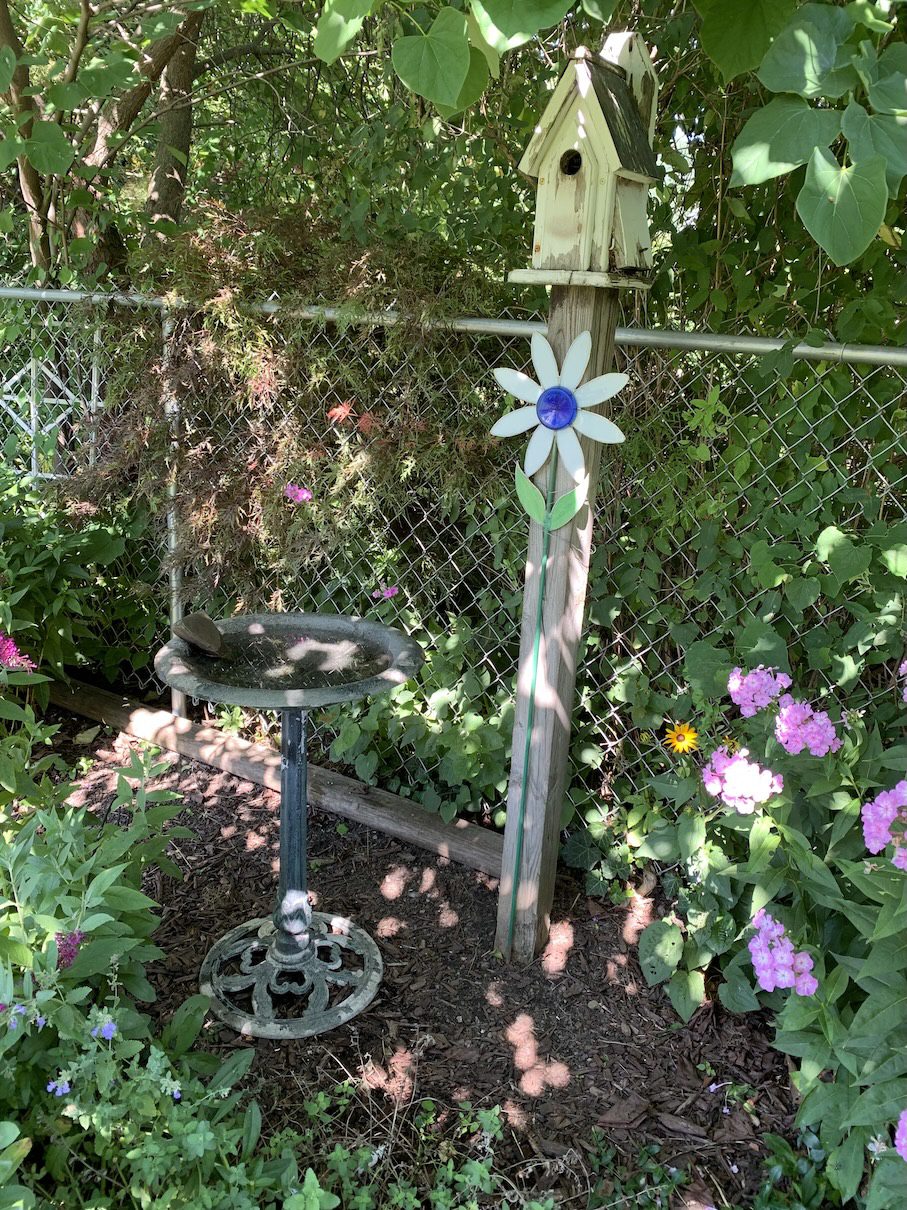
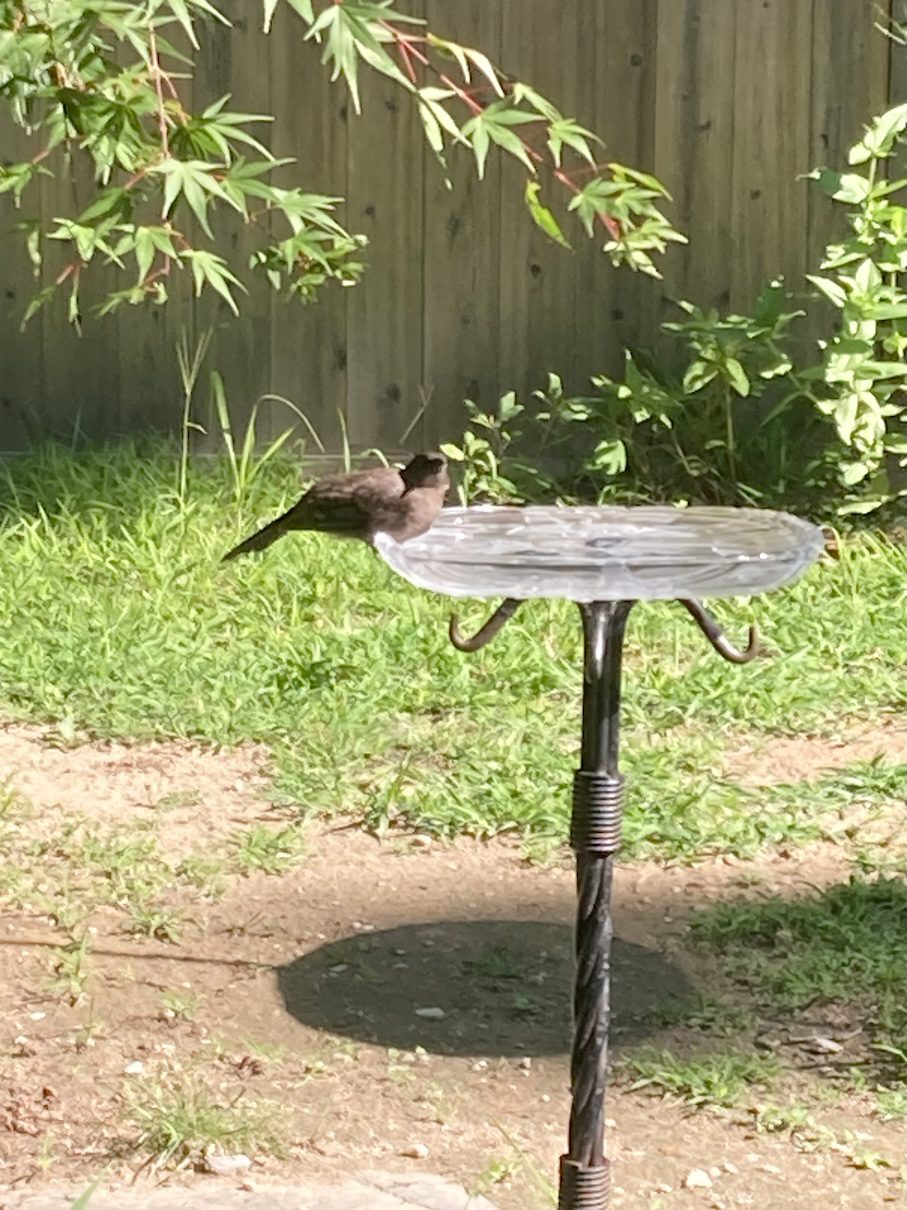
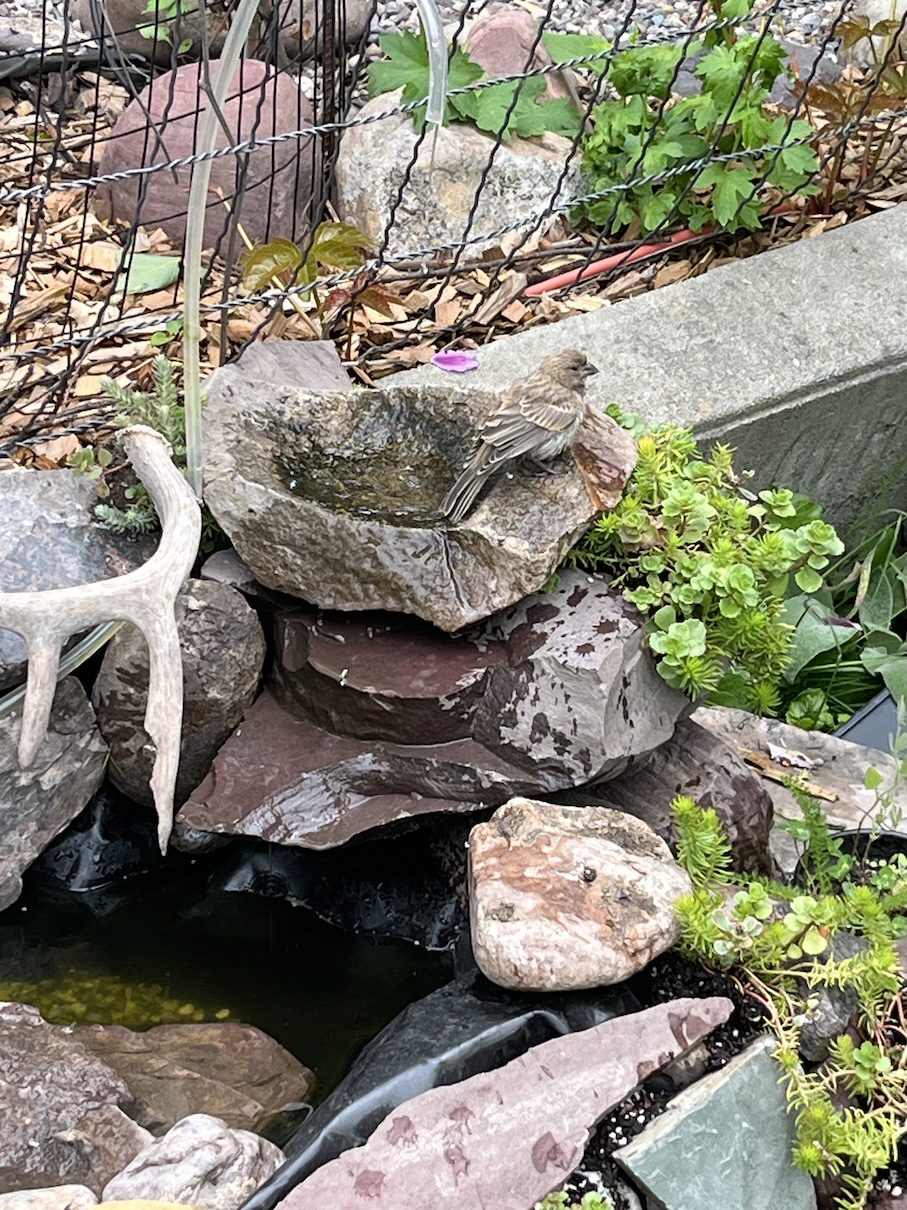
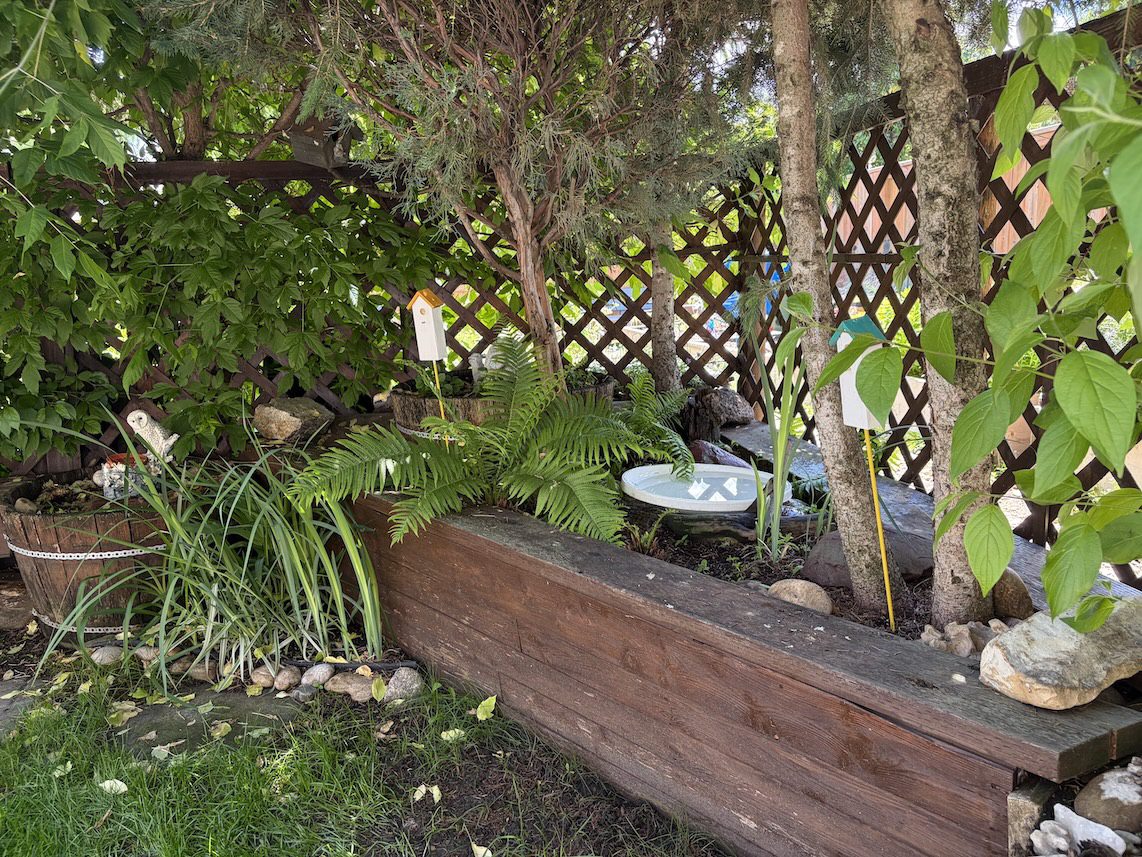
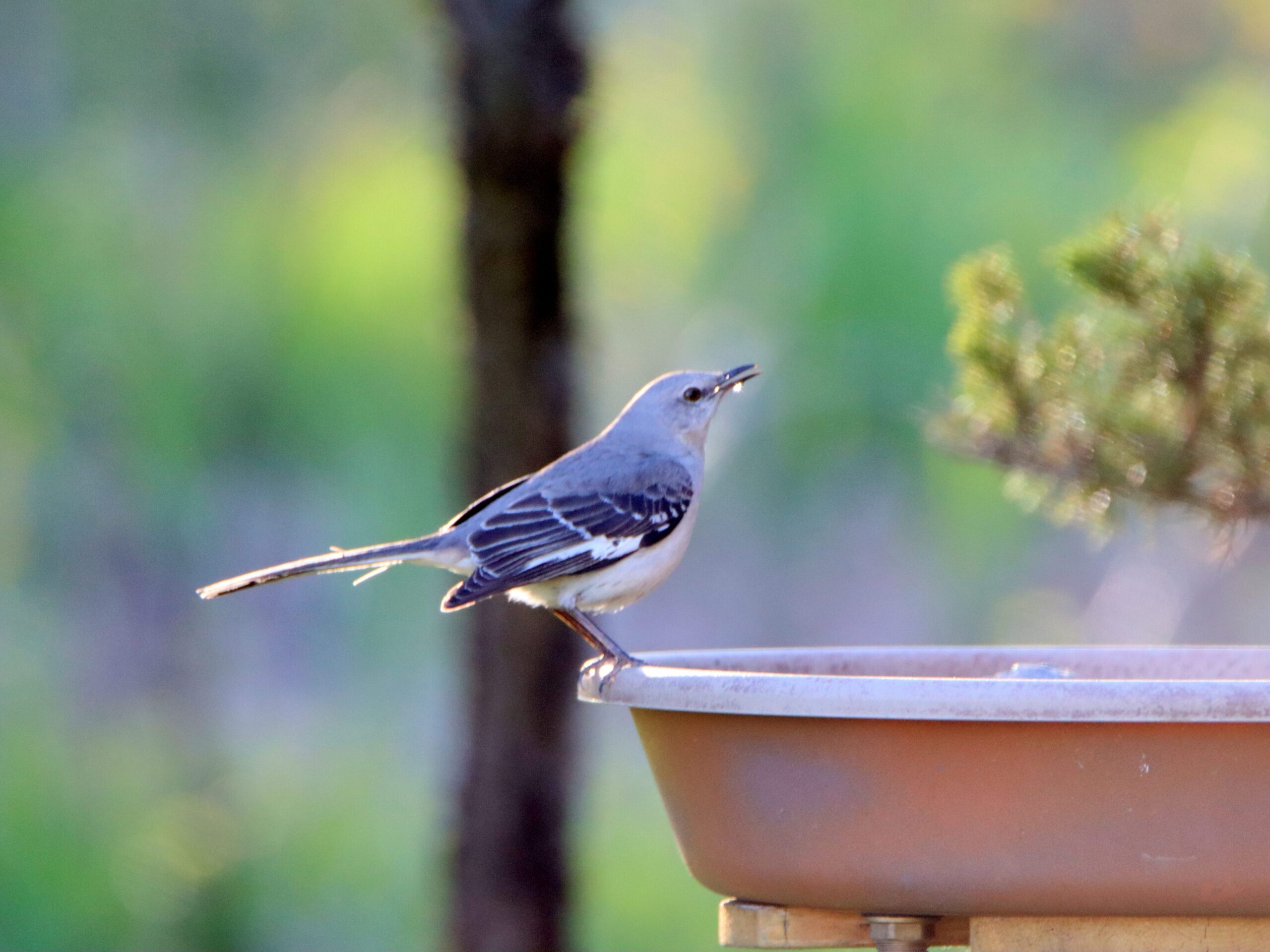
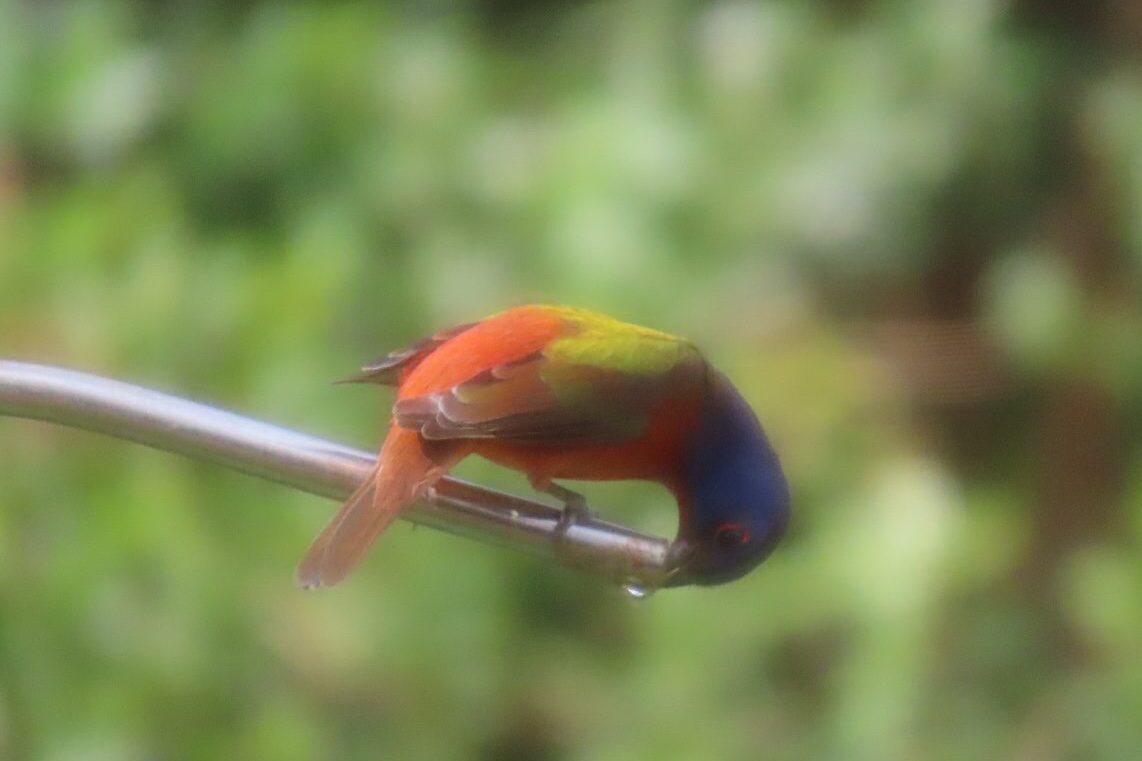
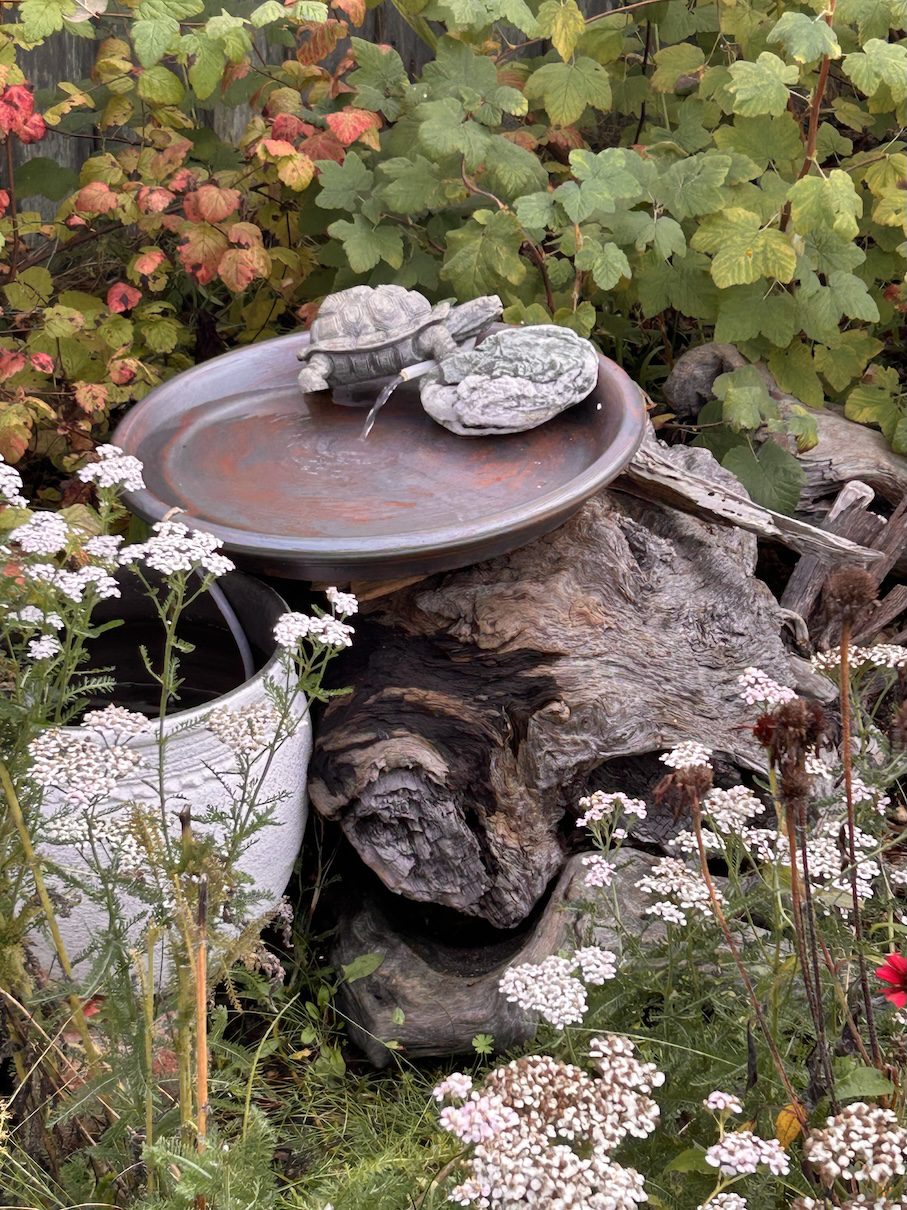
Ohio. We have a natural spring in our backyard that once ran through a spring house. The shallow water in the run is a favorite spot for local wildlife. Photo by Merabeth Steffen.
New York. The smaller birds go down the rock “ramp” to get a drink and bathe. In winter I add a heating element for fresh water available all year round. Photo by Susan Moore.
New York. This shallow, thrifted dish was glued to an old fireplace tool holder and is enjoyed by birds of all sizes.
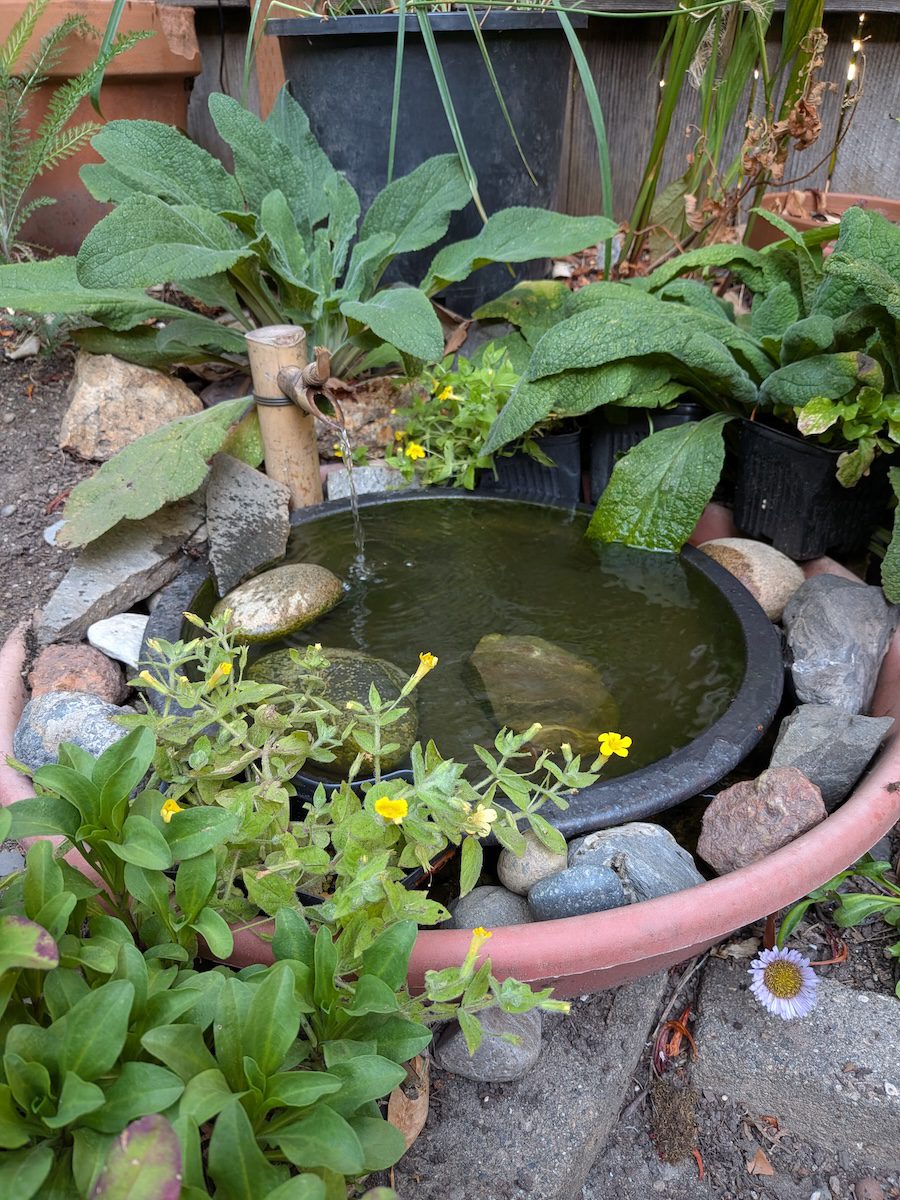
Montana. We built this little waterfall to support the young birds that were just leaving the nest and may not be able to find water in the middle of town. Photo by Dottie Herring.
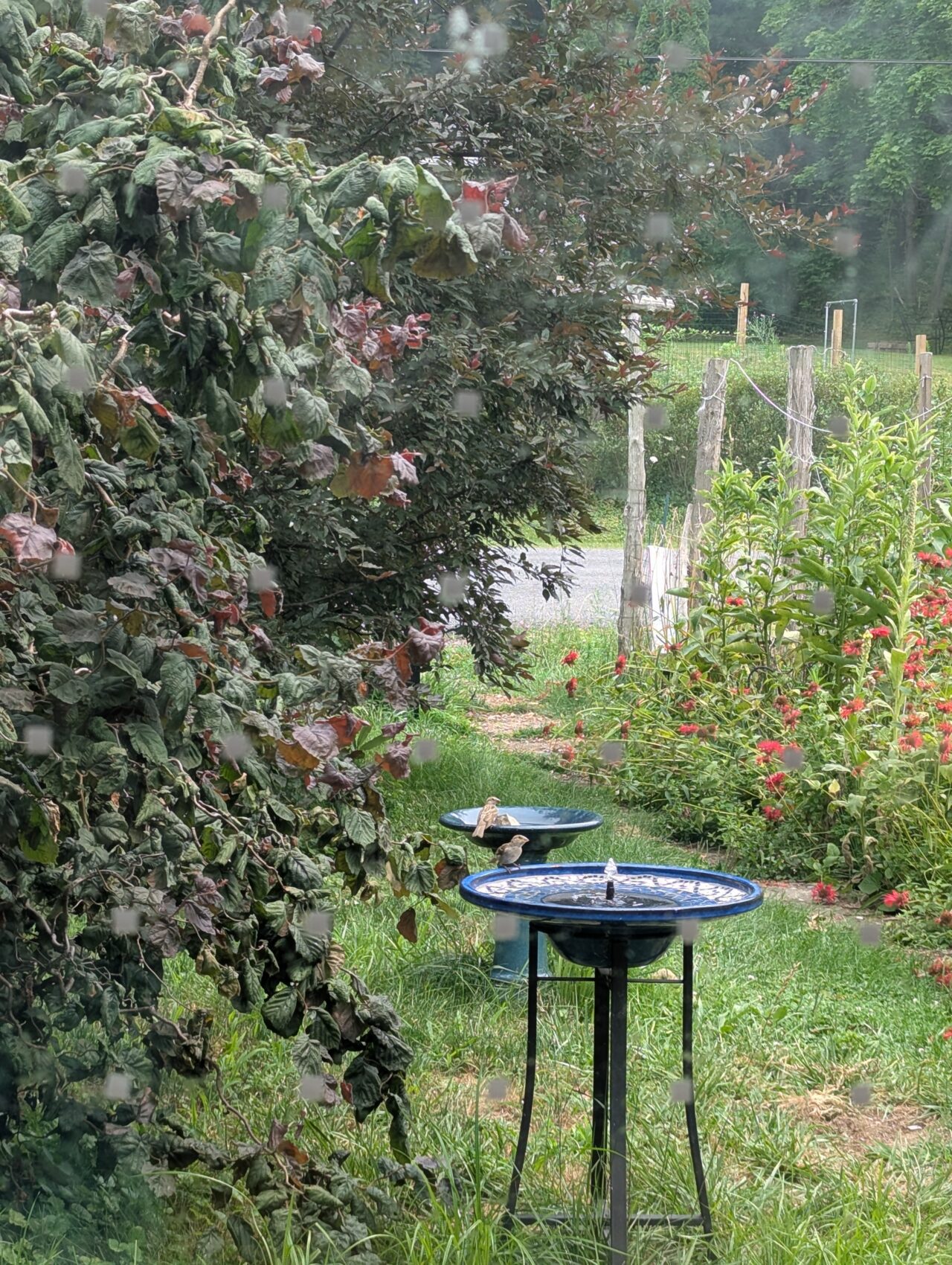
New York. We have a birdbath with moving water and one that is still. This picture is taken from the window (excuse the dots). Photo by Rachel Markowitz.
Washington. No electricity, no water, no problem. Recirculating solar bird bath and bee station. We all love it.
Wyoming. Bubbling water pans under sloe.
Montana. This mud-puddling station has three elements: wet gravel, wet mud, and fermented sugar water and supports butterflies, bees, which in turn feed the avifauna in our neighborhood. Photo by Dottie Herring.
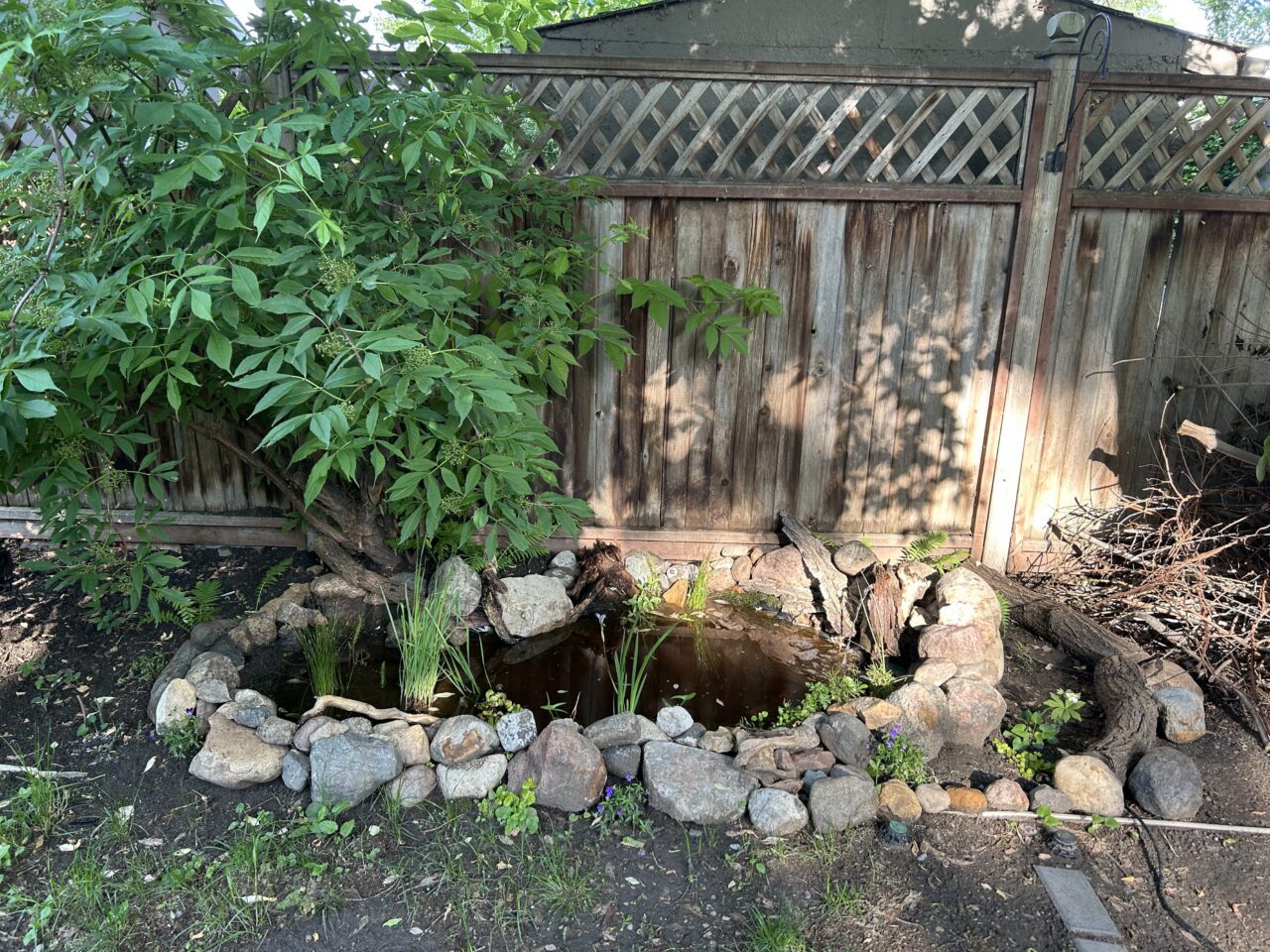
Saskatchewan. I build a small wildlife pond with a drip to attract birds and other taxa and included native aquatic plants sold by a local business. Photo by Leanne Grieves.
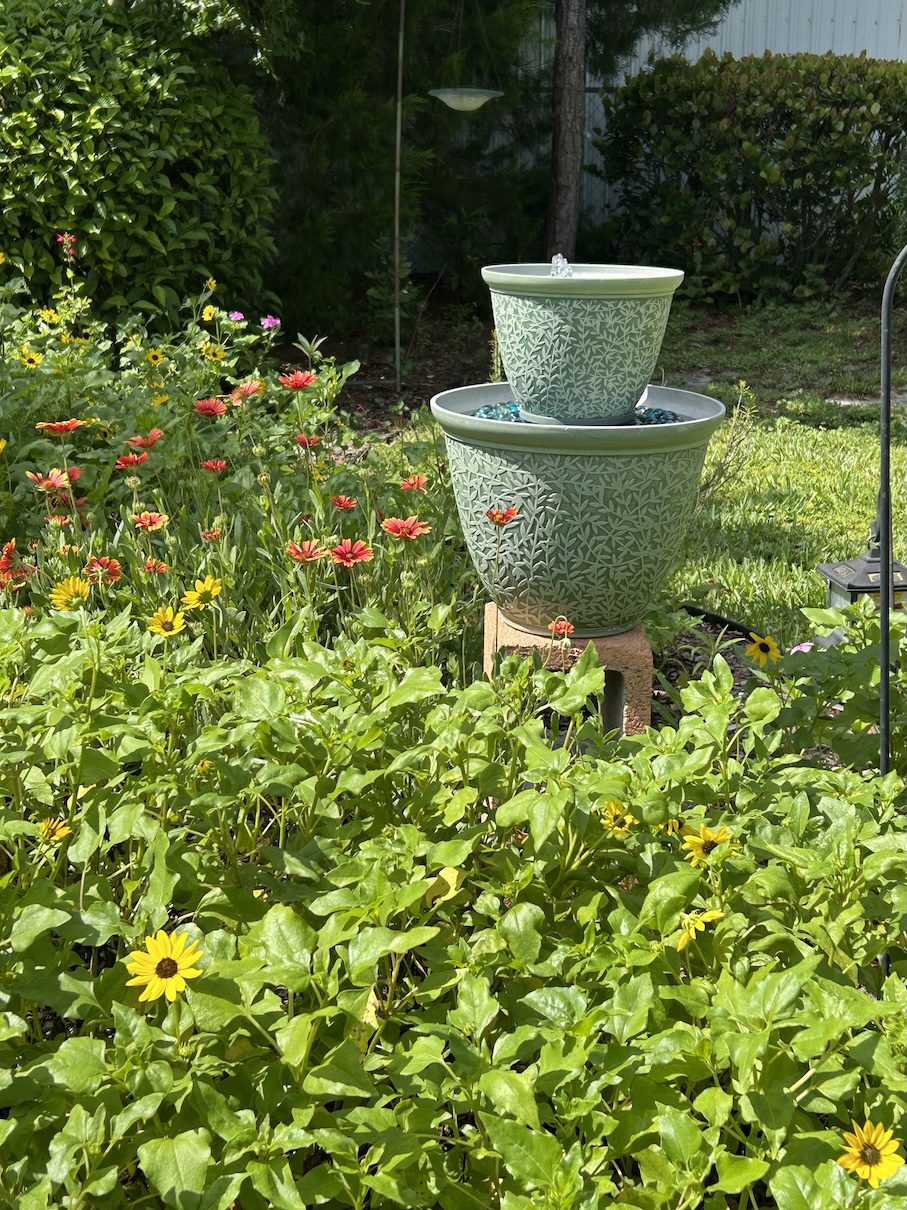
Florida. Florida native wildflower garden with a solar fountain providing plenty of opportunities for wildlife!
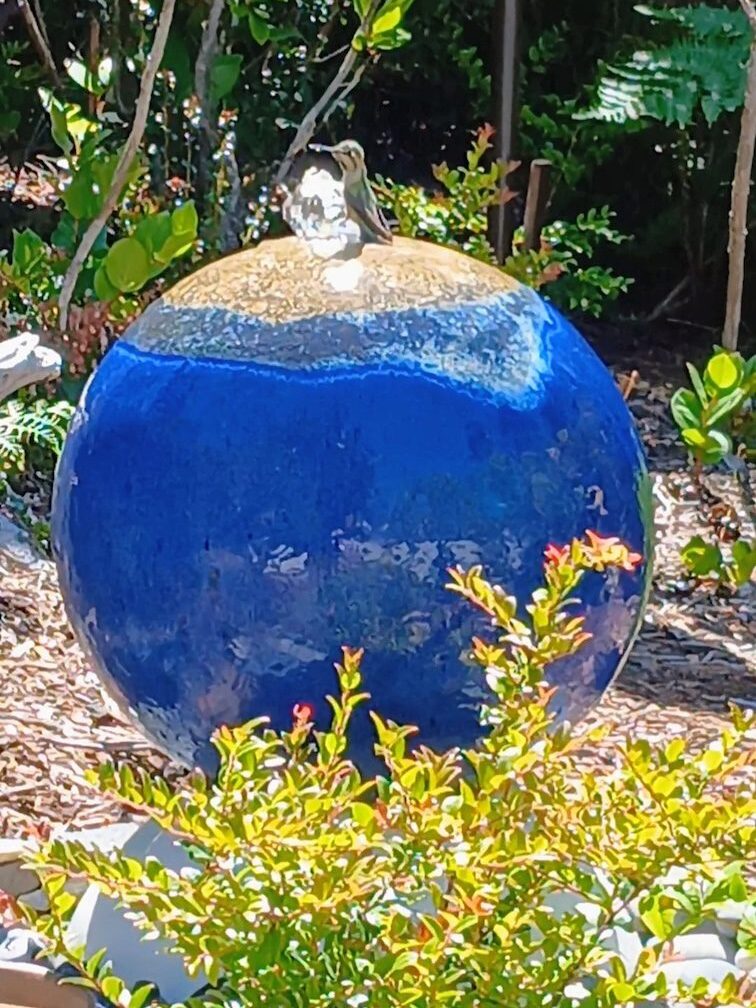
Oregon. Hand made fountain that provides drinking water and serves as a birdbath. Hummingbirds love it!
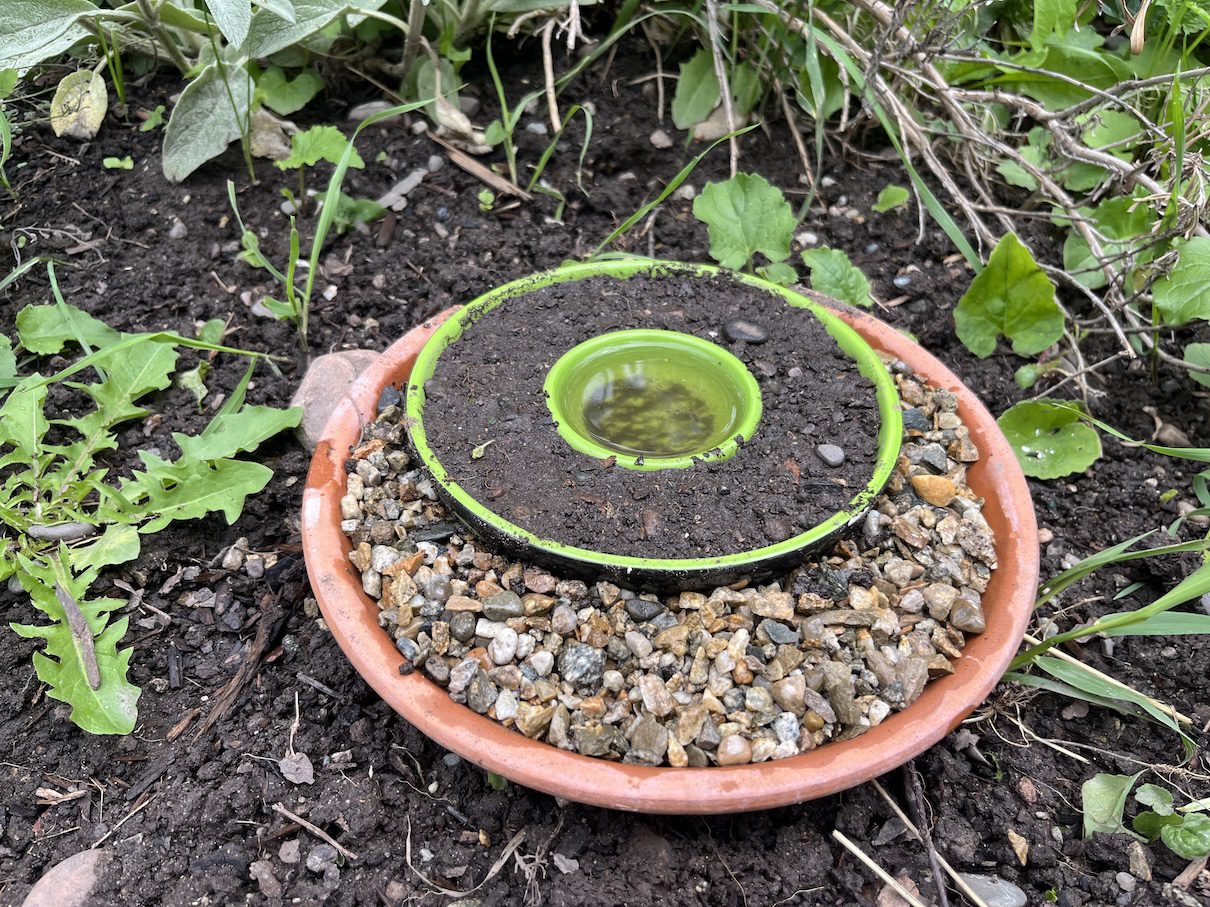
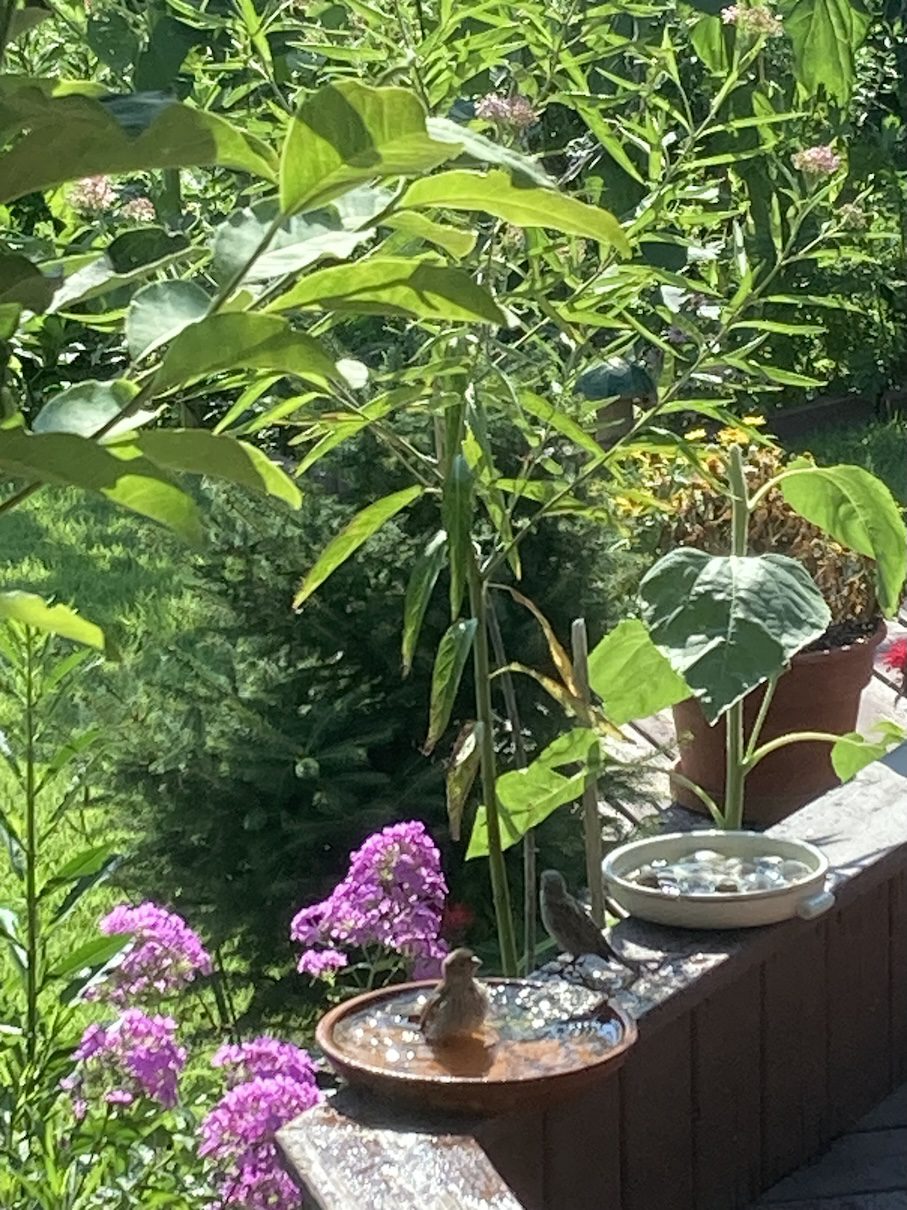
Missouri. A simple clay saucer makes a popular bath. A second one filled with rocks is for the insects. Photo by Regina Garrett.
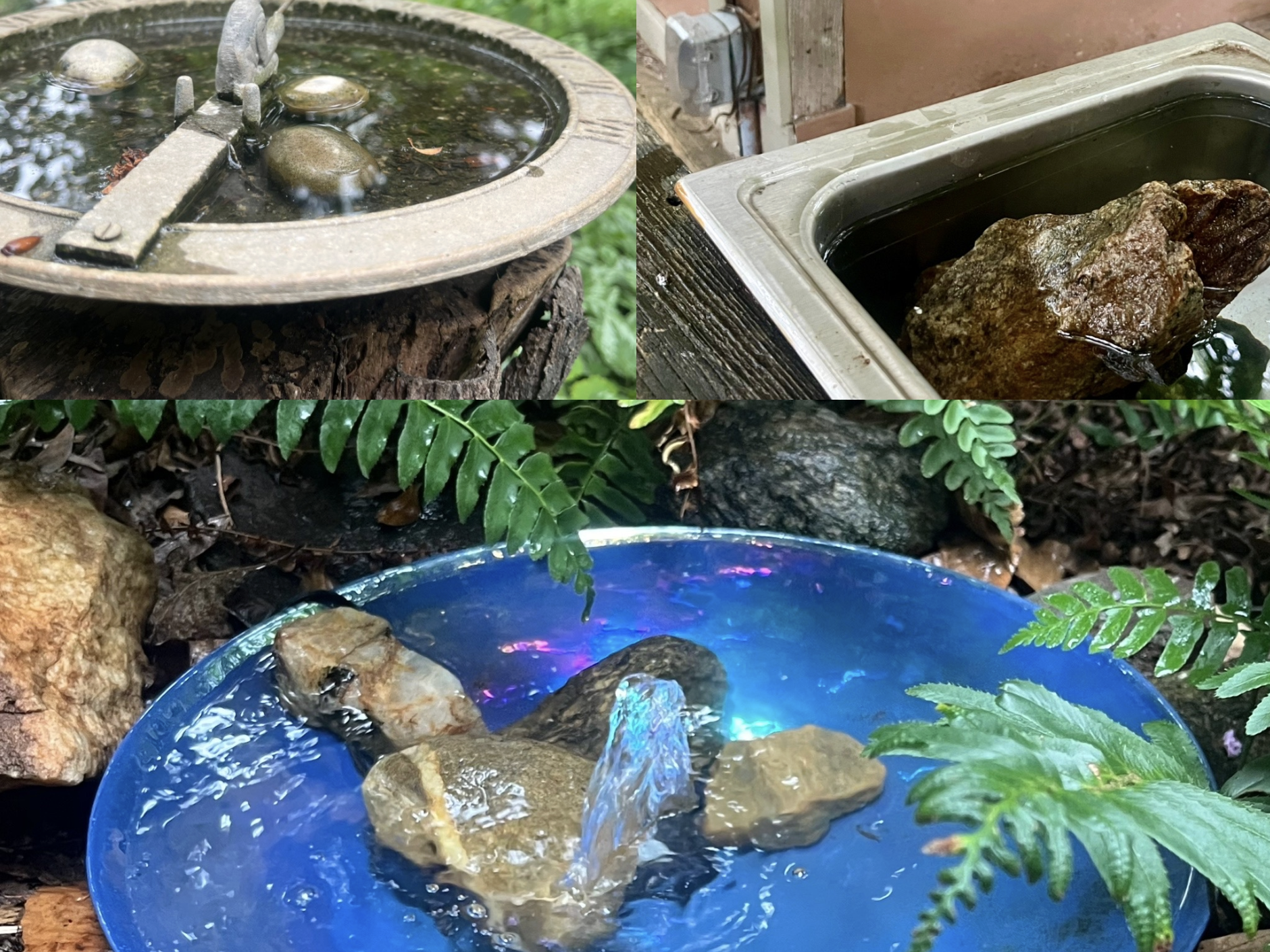
Virginia. We have three: a sundial birdbath , a thrifted glass bowl (replaced with stainless steel in winter months) with a pump and a bar sink that’s headed in winter. Photo by JoAnn Dalley.
Alberta. The white birdbath and the owl birdbath are two of five birdbaths in the yard. We get lots of activity at all of them.
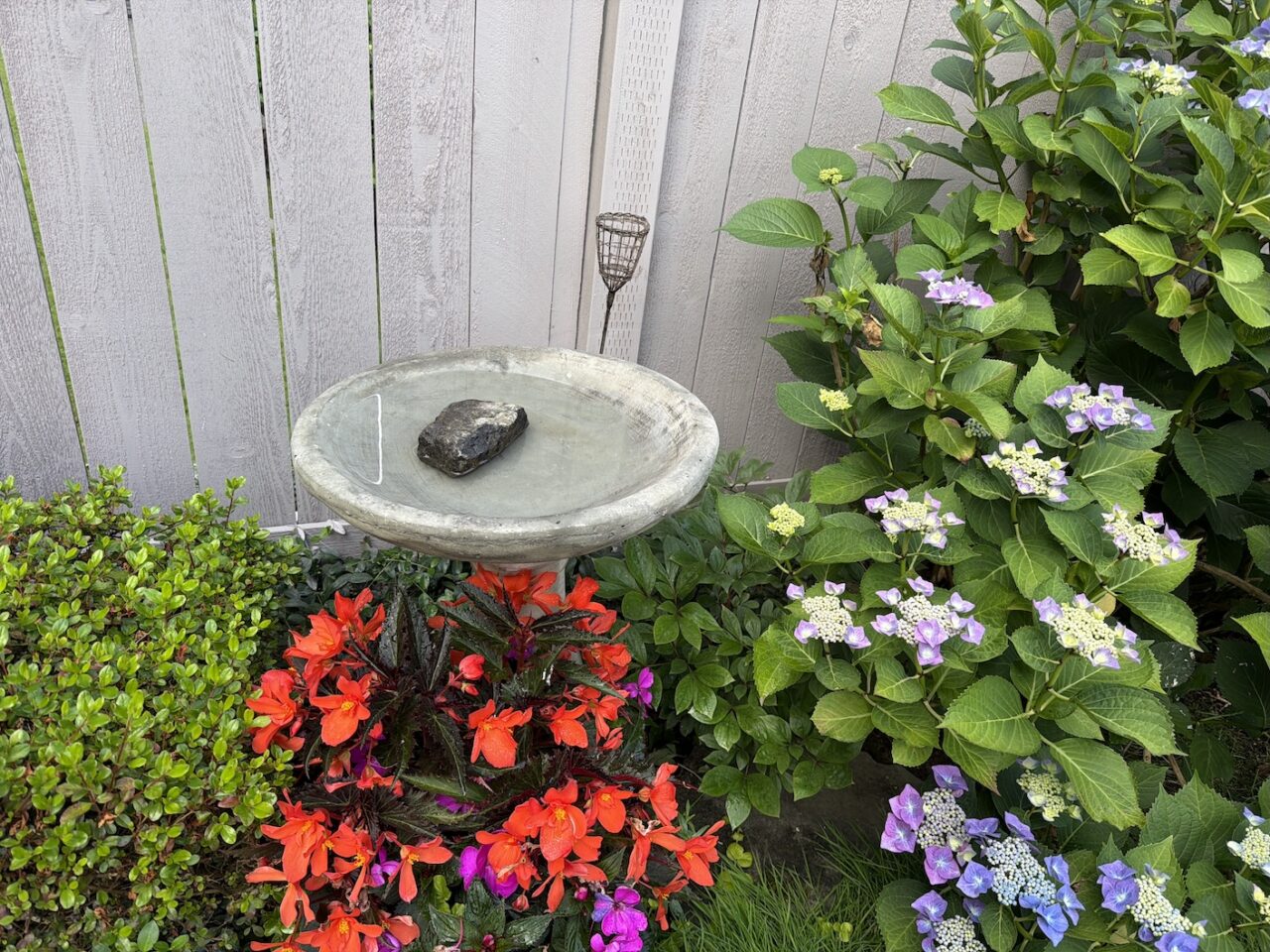
Washington. Simple birdbath wish 1- 2” of water. The birds enjoy sitting on the rock. Photo by Christine Meyers.
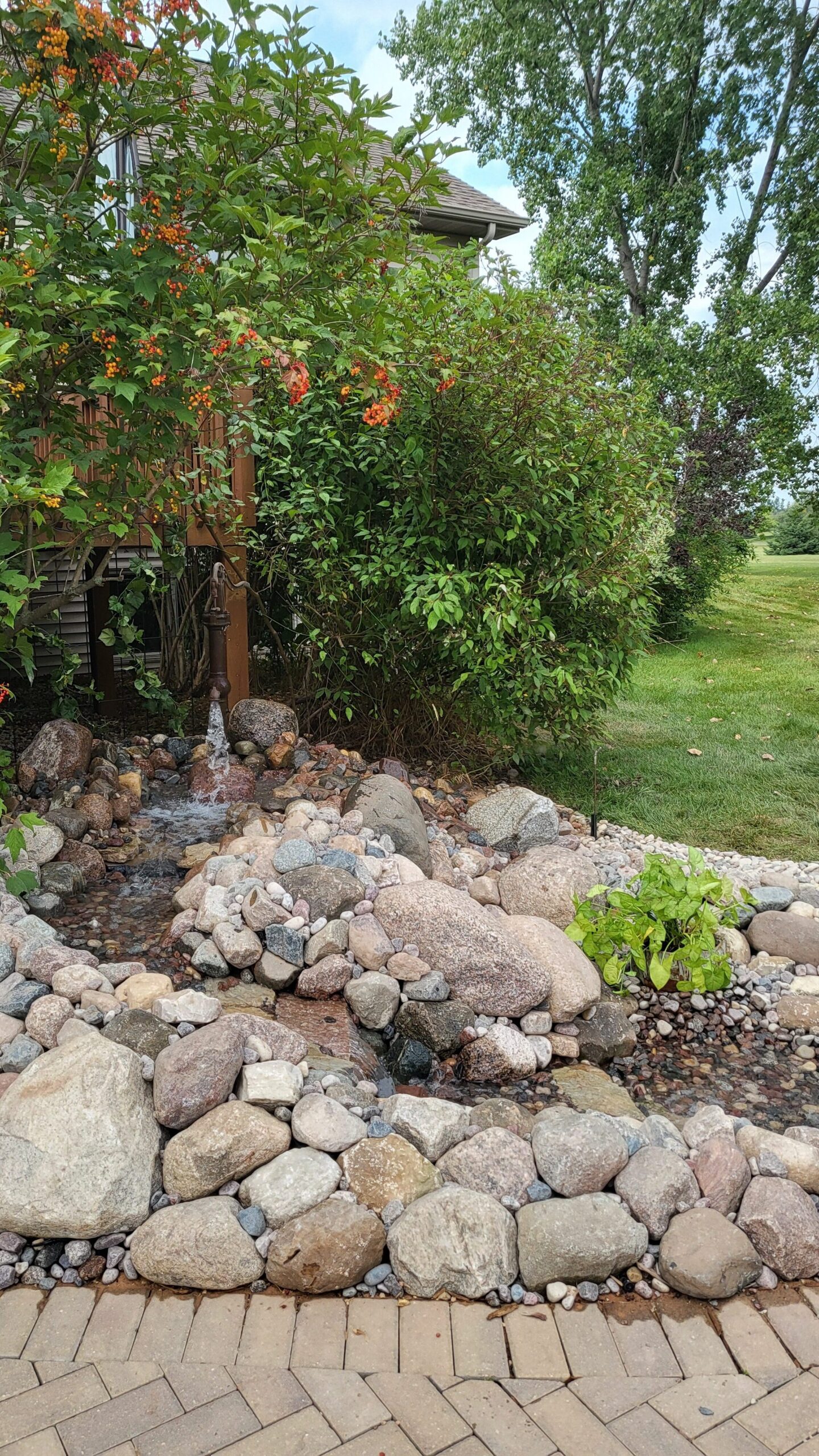
Wisconsin. Our little pondless waterfall provides a birdbath for the birds and chipmunks, while its sound is wonderfully soothing day and night. Photo by Susan Atlas.
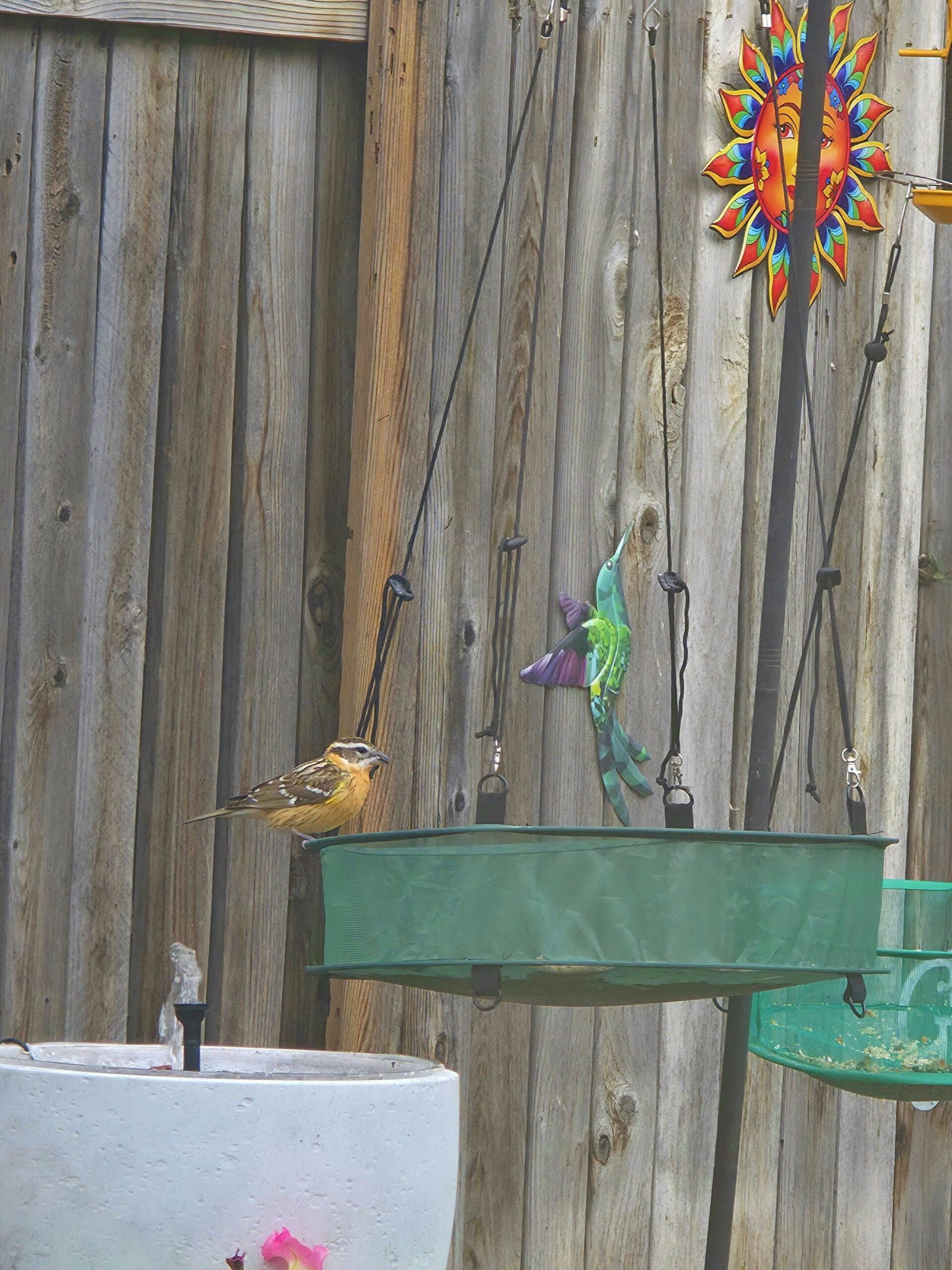
Tennessee. I dug this small pond last fall to provide a consistent source of water for wildlife. It’s been very popular with American Robins, Northern Cardinals, and migrating Rose-breasted Grosbeaks. Photo by Lisa Fritz.
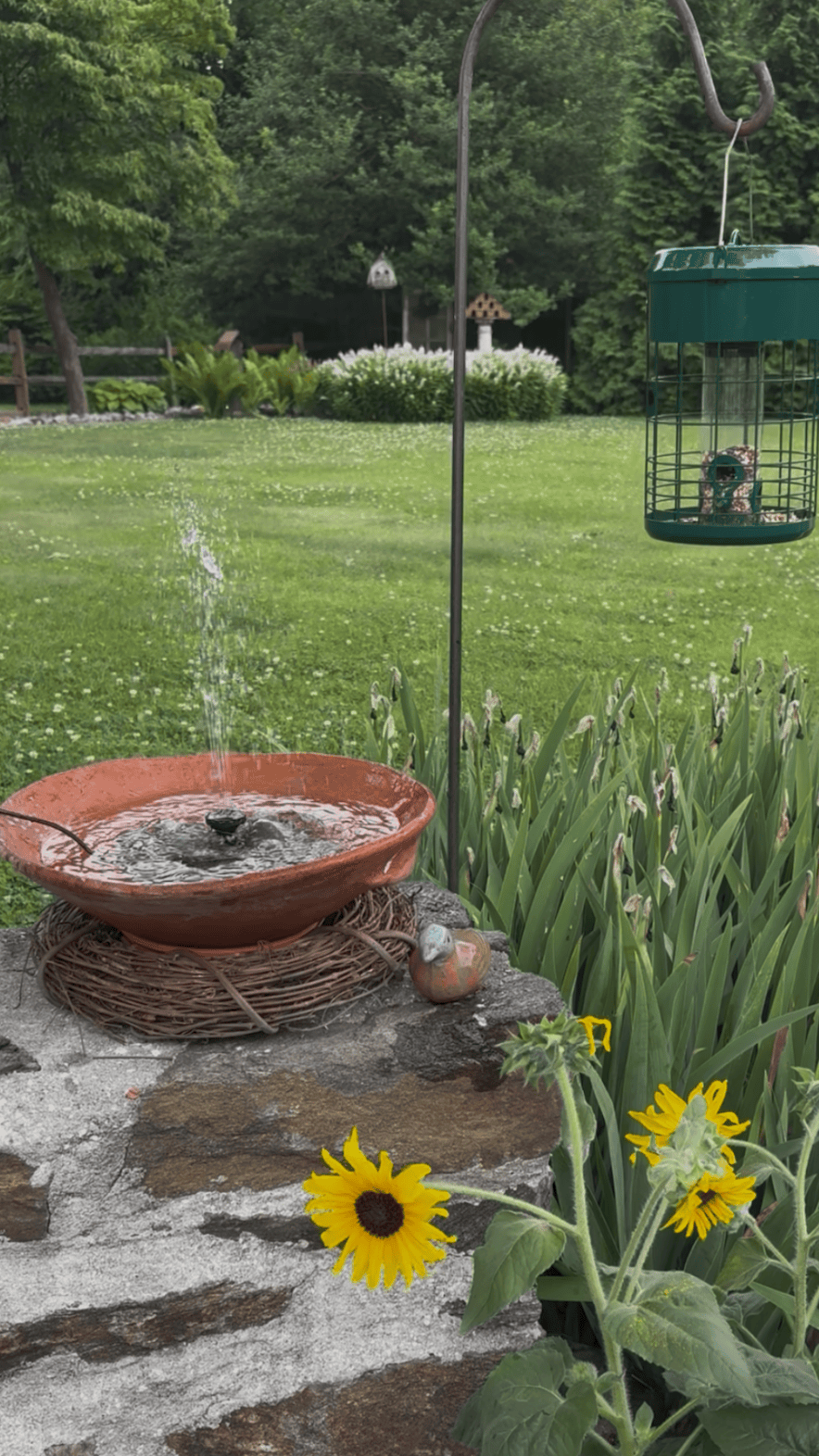
Pennsylvania. I used a terra cotta bowl nestled in a wreath to make a solar water fountain for my birds. Photo by Barbara Vickers
Colorado. It’s simple and the birds love it. Located next to a tree & shrub for protection.
Ohio. The birdbath on the ground is constantly used for drinks and baths. Wintertime they are swapped with a couple of heated bird baths. Photo by Michelle Reichenbach.
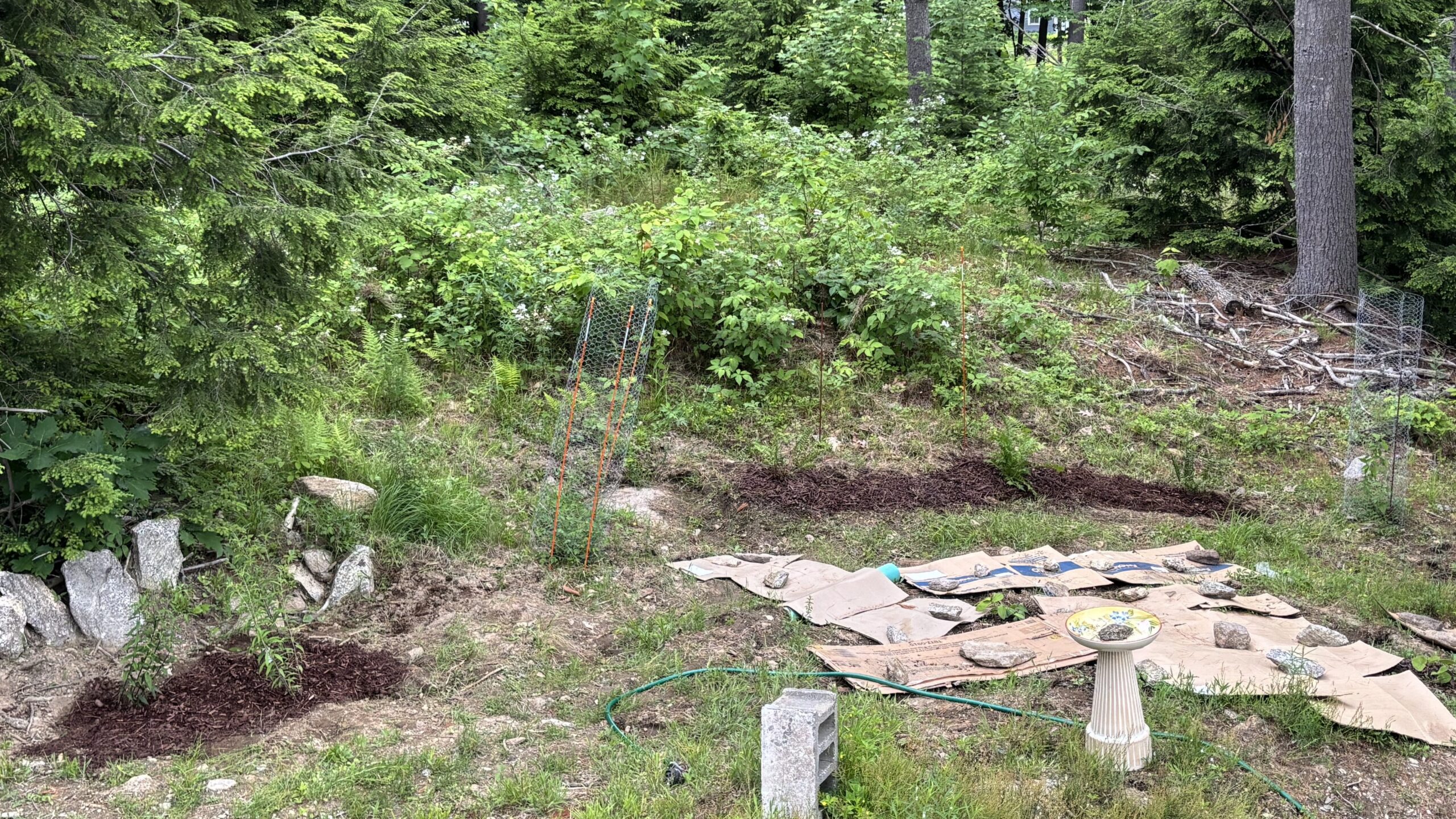
New Hampshire. Used an upcycled shallow large bowl found on a curbside and purchased a concrete base. Photo by Monica Brandau.
Virginia. This rock fountain with a disappearing basin has been very popular with many bird species in my yard since I installed it this spring.
Michigan. Just set this up alongside some pollinator friendly plants in containers. No birds yet but the squirrels have been drinking out of it! Photo by Brittany Baker.
Rhode Island. I just finished making a new water feature for my new bird watching area. The local flock of wild turkeys comes by for a sip, there is a song sparrow and a cat bird that love a daily bath, thirsty blue jays, chickadees, goldfinch, etc. Photo by Kathy Fell.
Oregon. A rock bubbler fountain is a favorite bird spot for many birds. Gold finches playing and bathing.
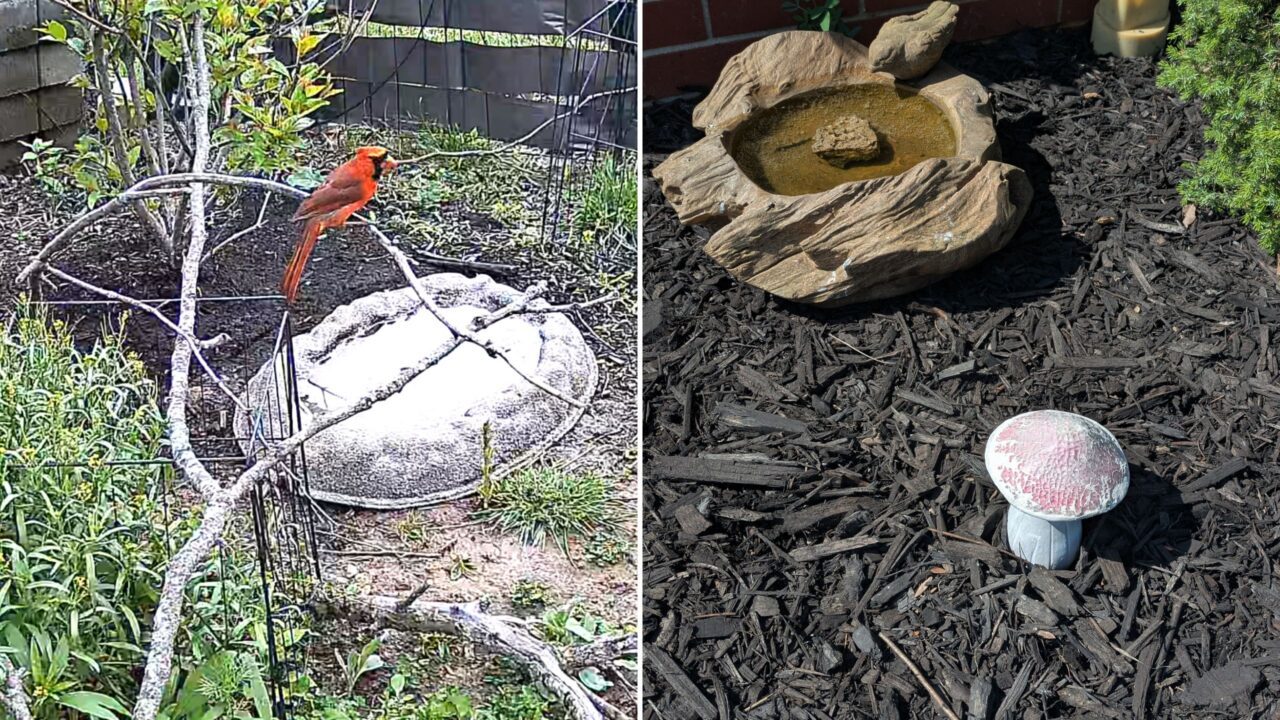
New Jersey. I added a bee ladder to my bird bath because I found a lot of dead bees in it. I also added a dish with marbles, stones and water so the bees and other pollinators will have a safe place to drink. Photo by Marie Longo.
Michigan. Birdbath that I keep going all year, using a heater in winter. Photo by Lee Ann Shedleski-Holmden.
New York. I made this cement trough several years ago with the intention of using it as a planter but it was too shallow. I moved it to our new no-mow area and filled it with water. The bluebirds seem to be loving it. Photo by Cathy Michael.
Maine. Birdbath on the ground with surrounding vines and bushes Photo by Emily Austin.
Ontario. We added this fountain a couple of years ago. Updated the pump for faster waterflow to keep mosquito population down. The birds love it. Robin and Blue Jay enjoying a dip!
Washington. This beautiful water feature is enjoyed by birds, otters, and small mammals, as well as appreciated by the community here. Photo by Tracy McHugh.
Washington. A plastic jug drips water into a garbage can lid “pond” as a Dark-eyed Junco takes a bath. Photo by Diane Cunnington.
Missouri. Natural stone fountain, birds enjoy taking baths in the natural pools. Photo by Carolyn Grobl.
Virginia. Our easy & inexpensive DIY dripper helps birds to discover our birdbath. Photo by Michelle Parry.
Indiana. DIY and solar-powered. It gets lots of use and we love watching the birds drink and splash! Photo by Christine Ingle.
Colorado. I had an old strawberry pot I was able to reuse as a water feature for the birds. I put a small pond pump in the bottom of a rubber feed tub with lots of river rock. The pump is solar and the birds just love it. Photo by Sharyn Coffey.
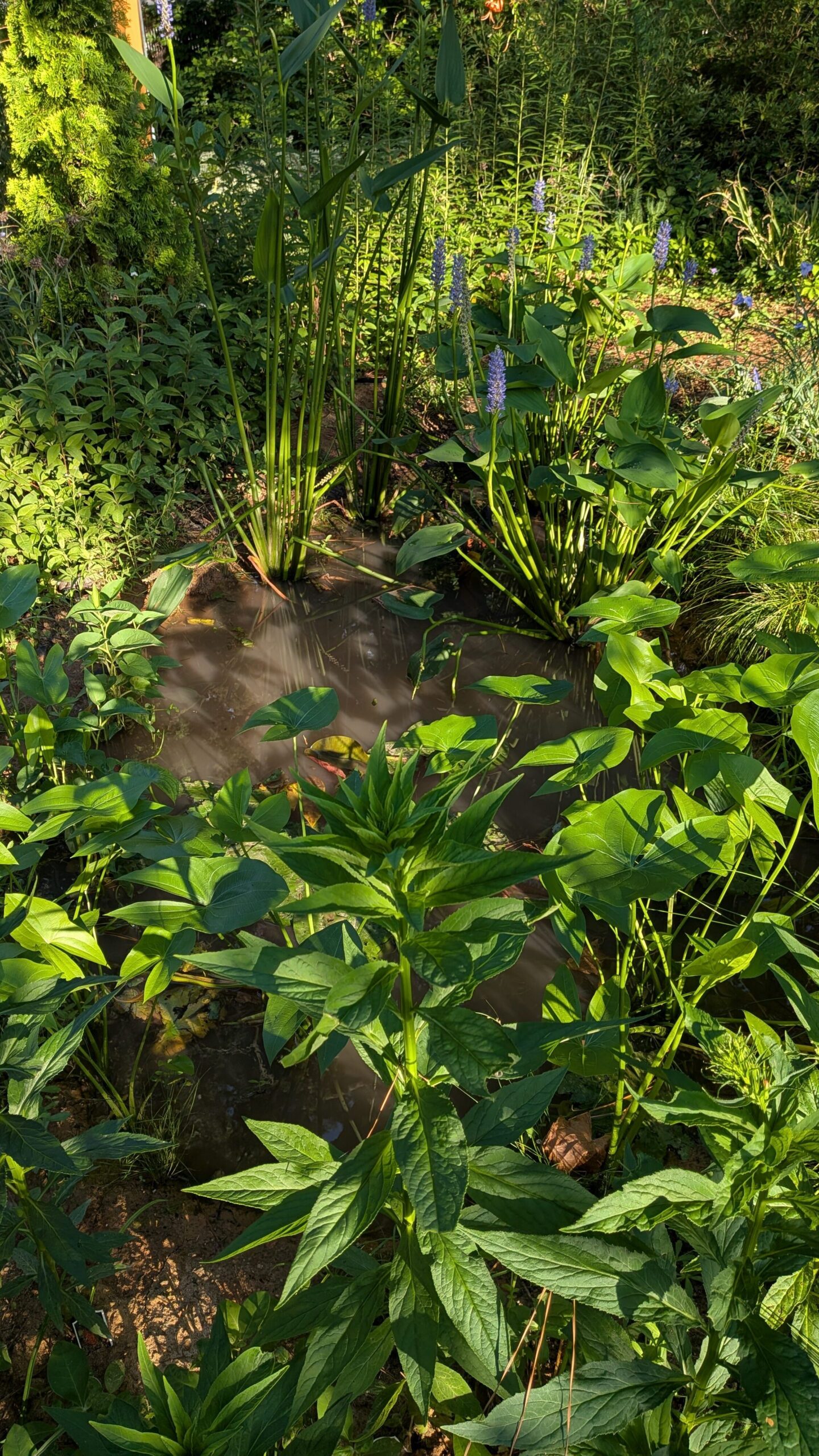
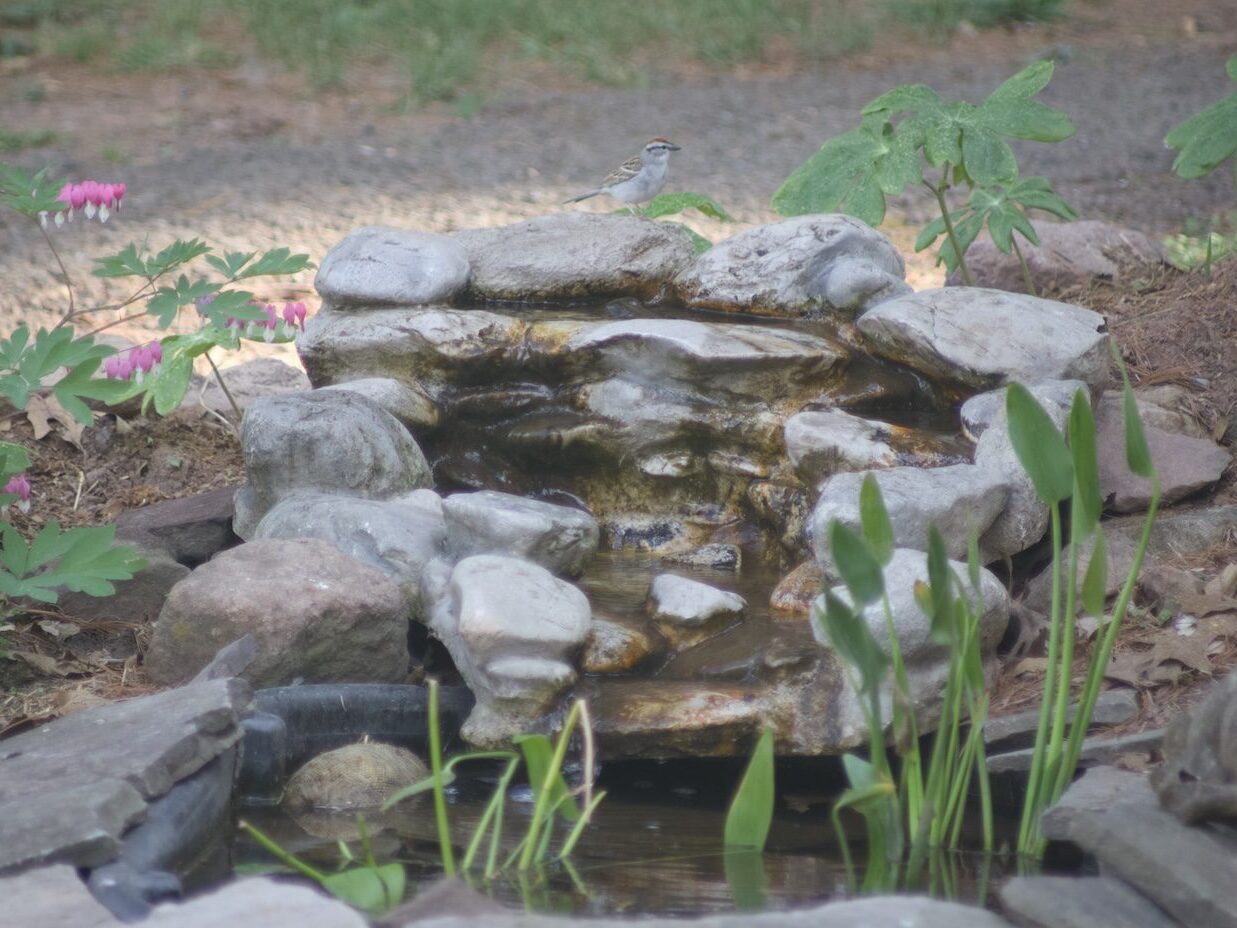
Pennsylvania. Small pond I added at the edge of my garden with Pickerelweed growing in there. Many birds (pictured is a Chipping Sparrow) and toads come and enjoy the water. Photo by Fran Ott.
Washington. It’s not much, but the birds like it. Photo by Louise Iwasky.
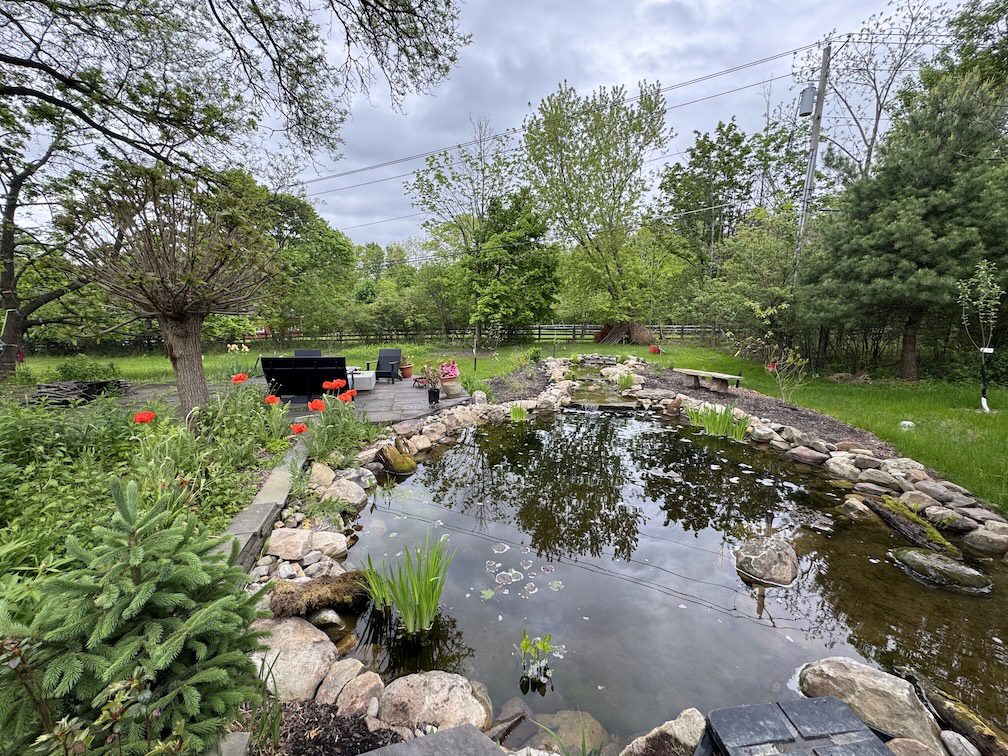
New York. We put in a pond with three low waterfalls and a bubbler. We’ve planted a lot of natives (and a few non-natives) for perching and pollinators.
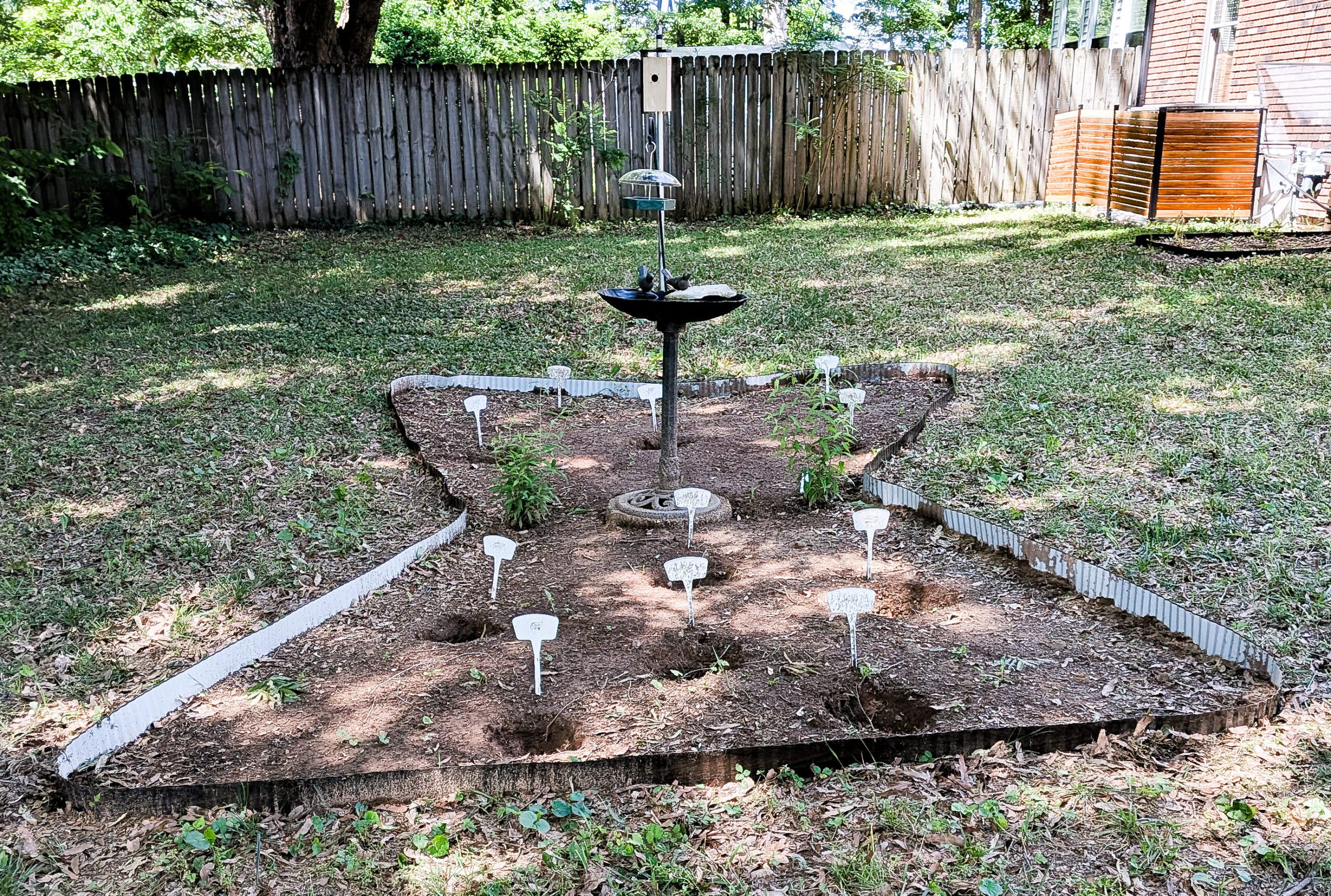
Tennessee. While I am awaiting the rest of my plants to arrive, I have placed a birdbath and mealworm feeder in the garden area. I have also added 2 Blue Stemmed Golden Rod plants.
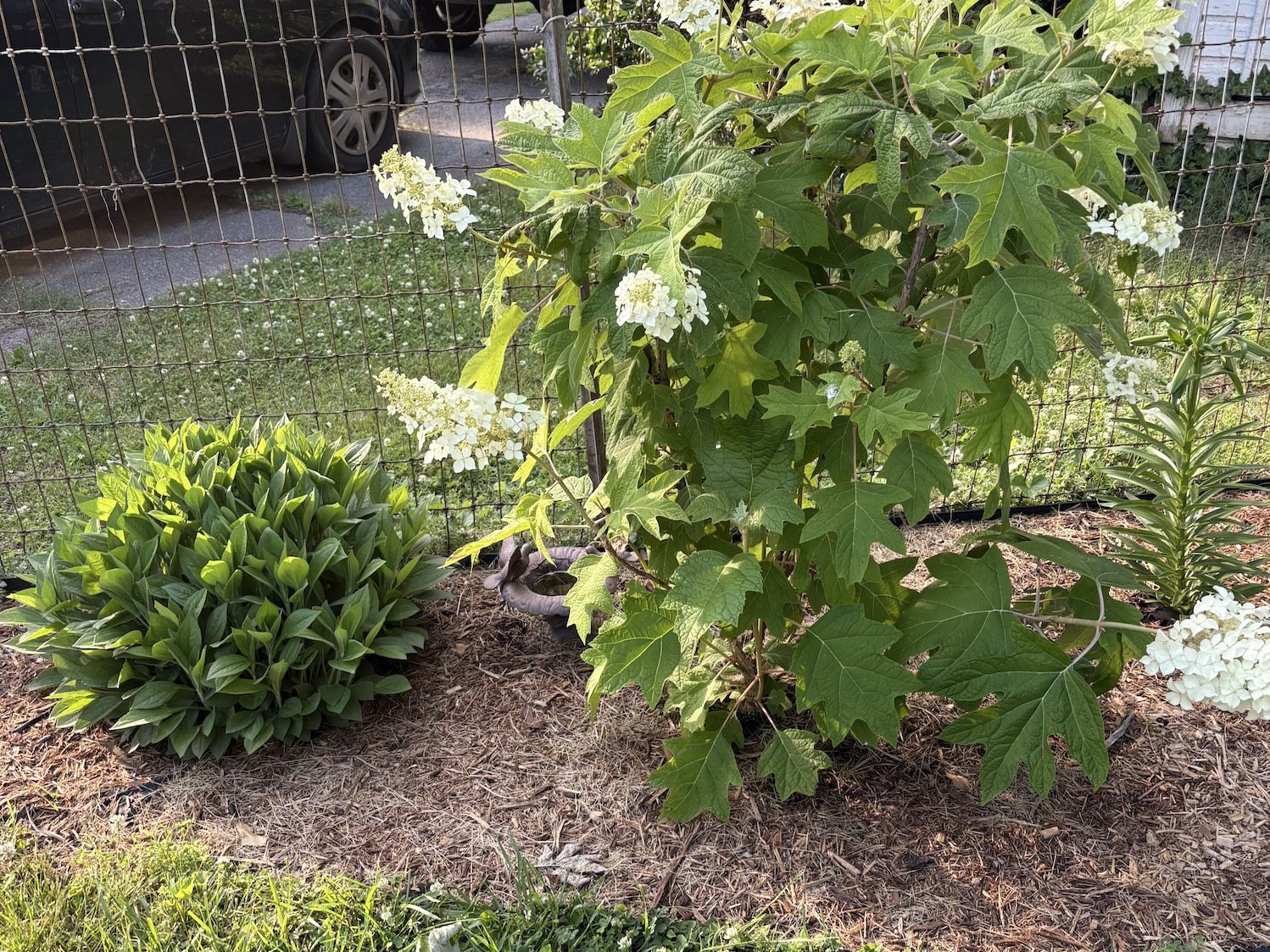
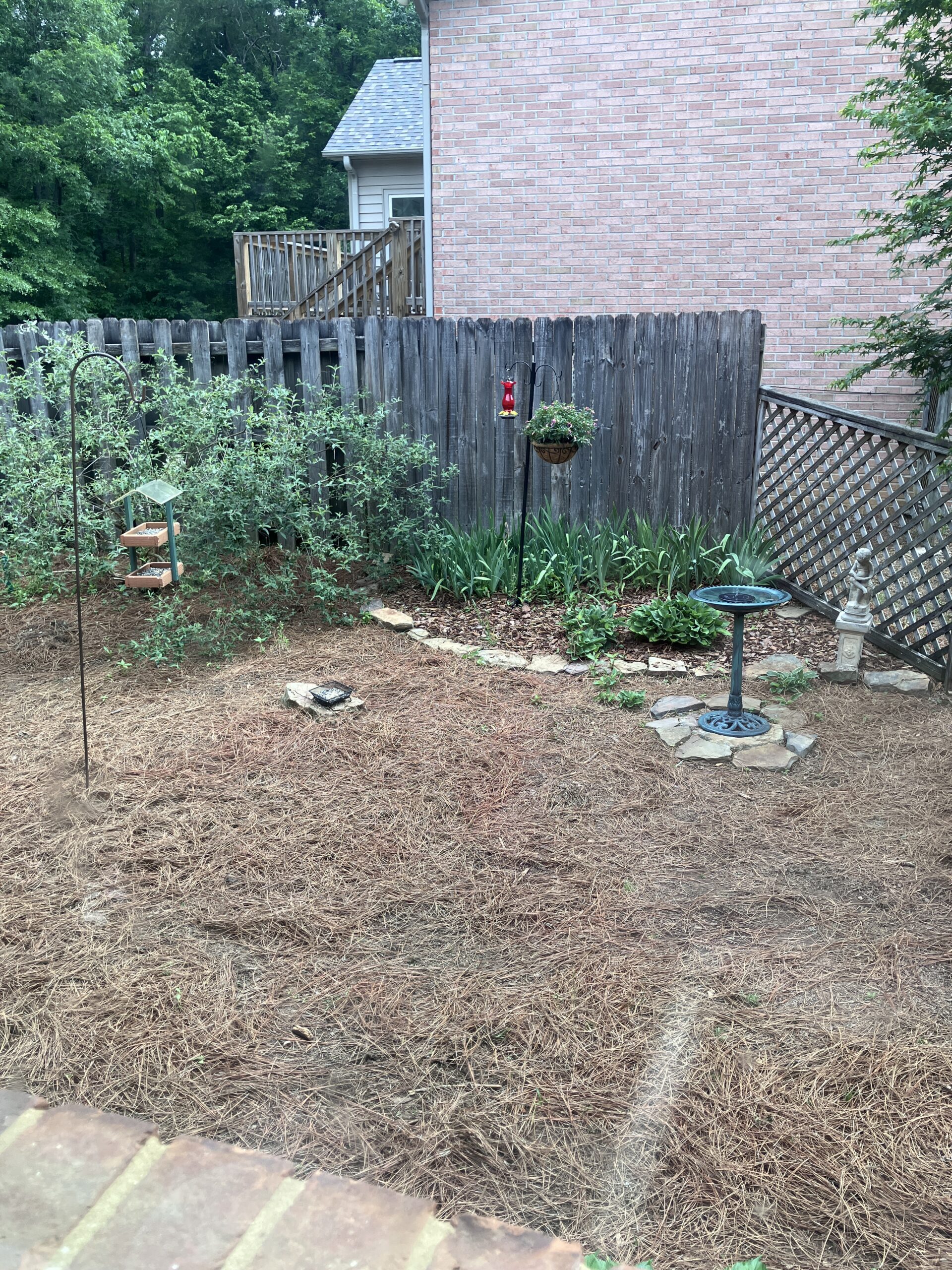
Georgia. I added a small birdbath in between 2 native plants, an oak leaf hydrangea and black eyed Susan.
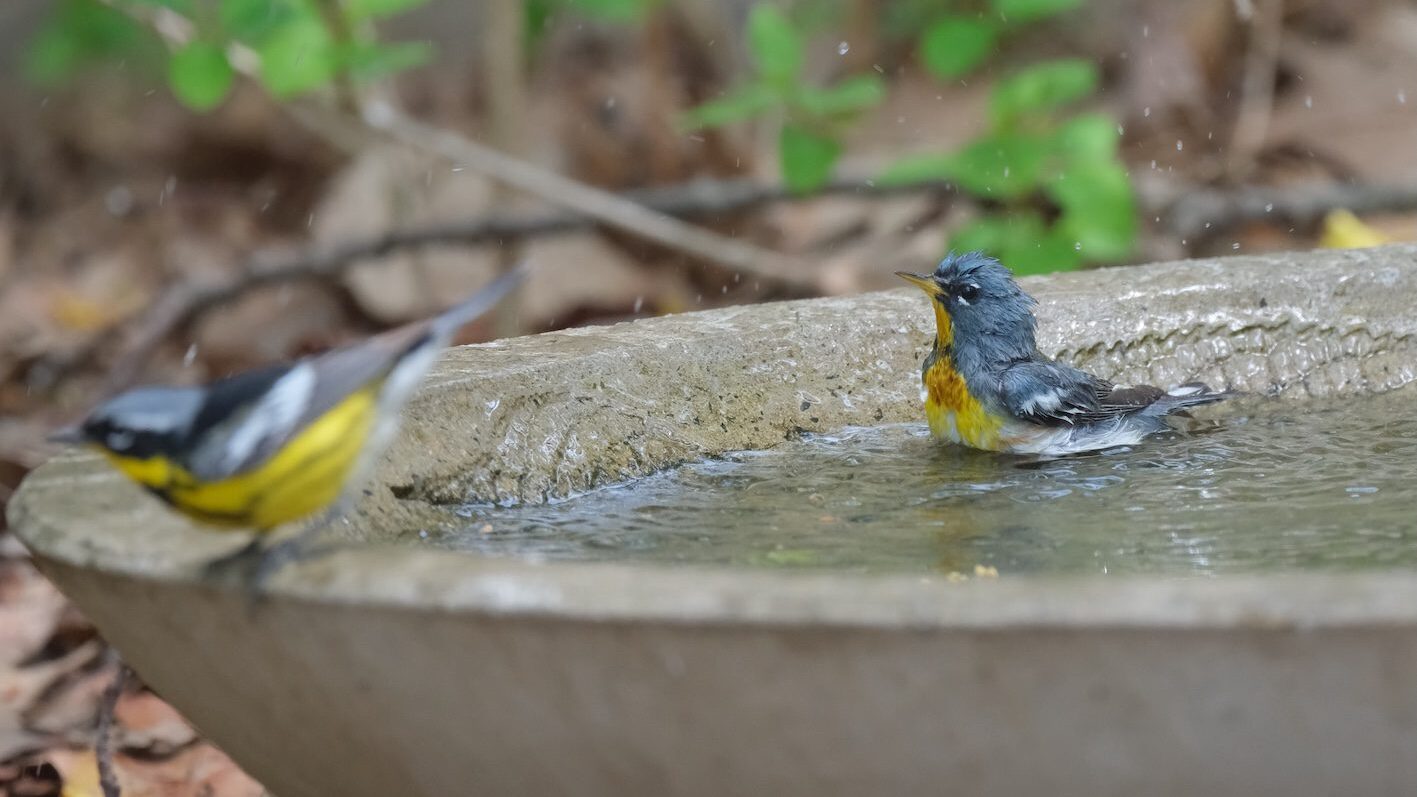
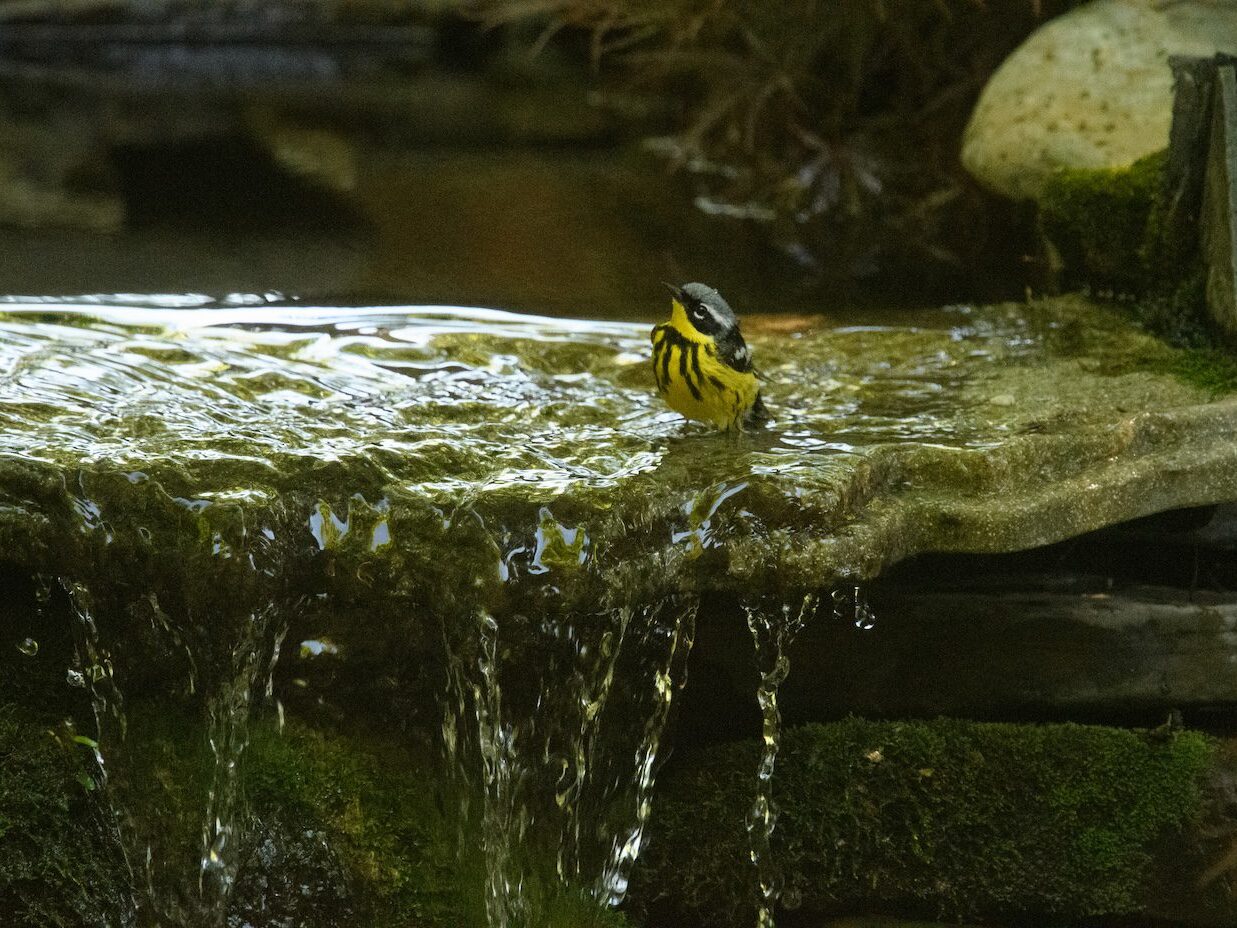
Maryland. Our small patio attracts birds big and small – from Great Blue Herons to this Magnolia Warbler. Photo by Suman Kumar.
Washington. I added a home-made little birdbath at ground level, with a solar fountain to freshen the water and attract birds. I was surprised how many species love this feature. Photo by Jeanette Cole.
Washington. I have put in one low and one higher bird bath, with some regularly-cleaned rocks to help provide height out of the water for smaller birds and insects.
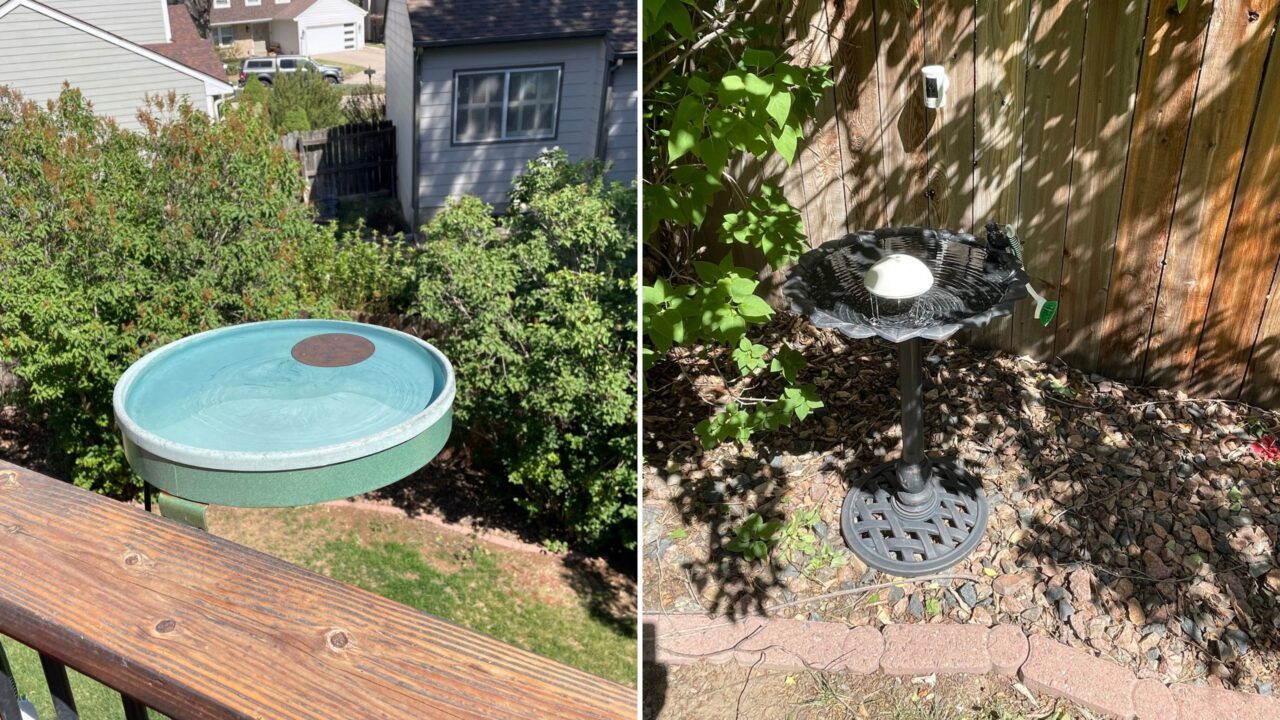
Colorado. Water for drinking or bathing either the small birdbath (heated in the winter/spring) or the bigger birdbath in the shade with cover. Photo by Leslie Jagoda.
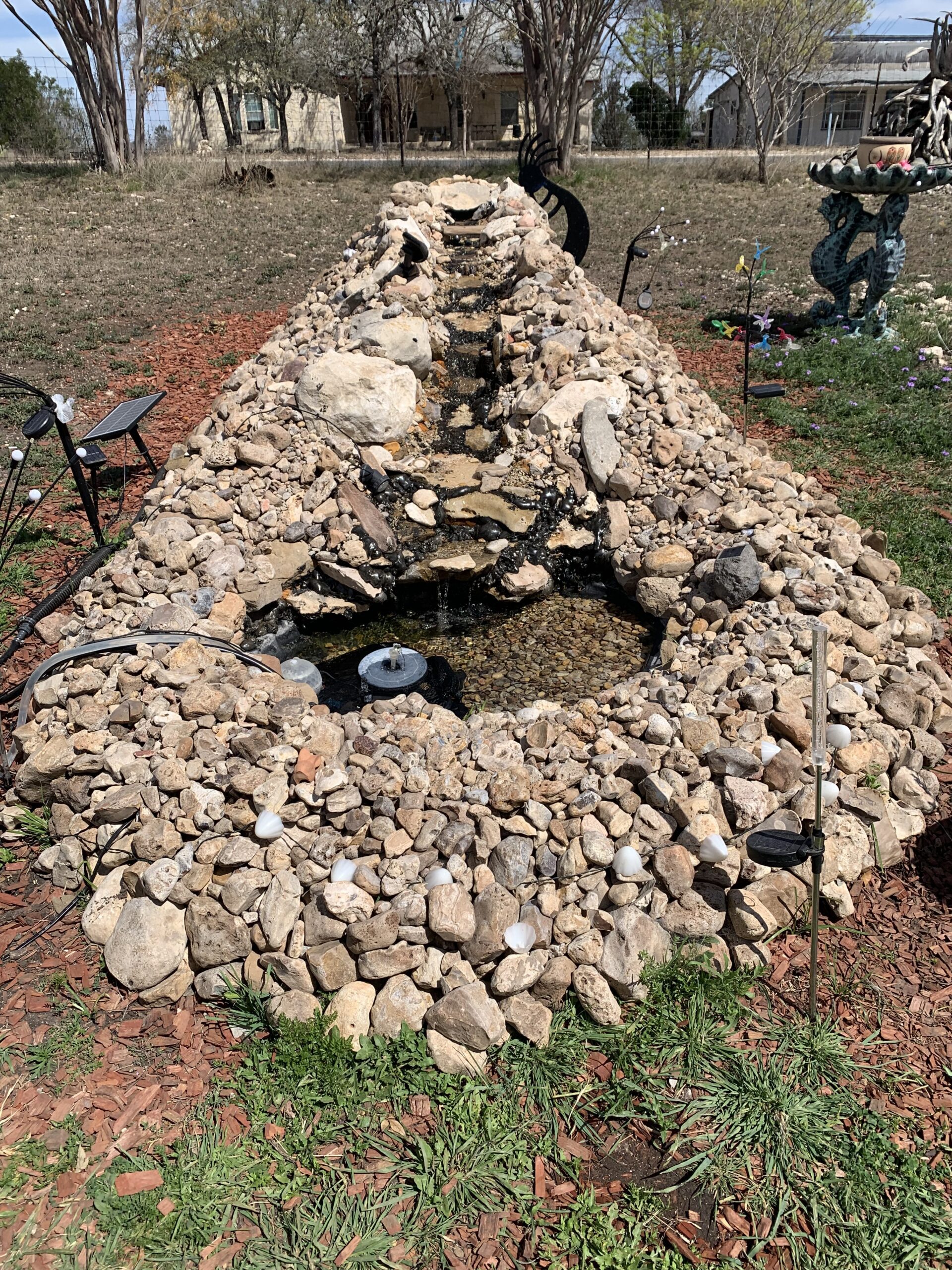
Texas. I built a slow stream waterfall for the birds. I created dips in rocks for bathing and hummingbird friendly. Photo by Michelle VanDenBerghe.
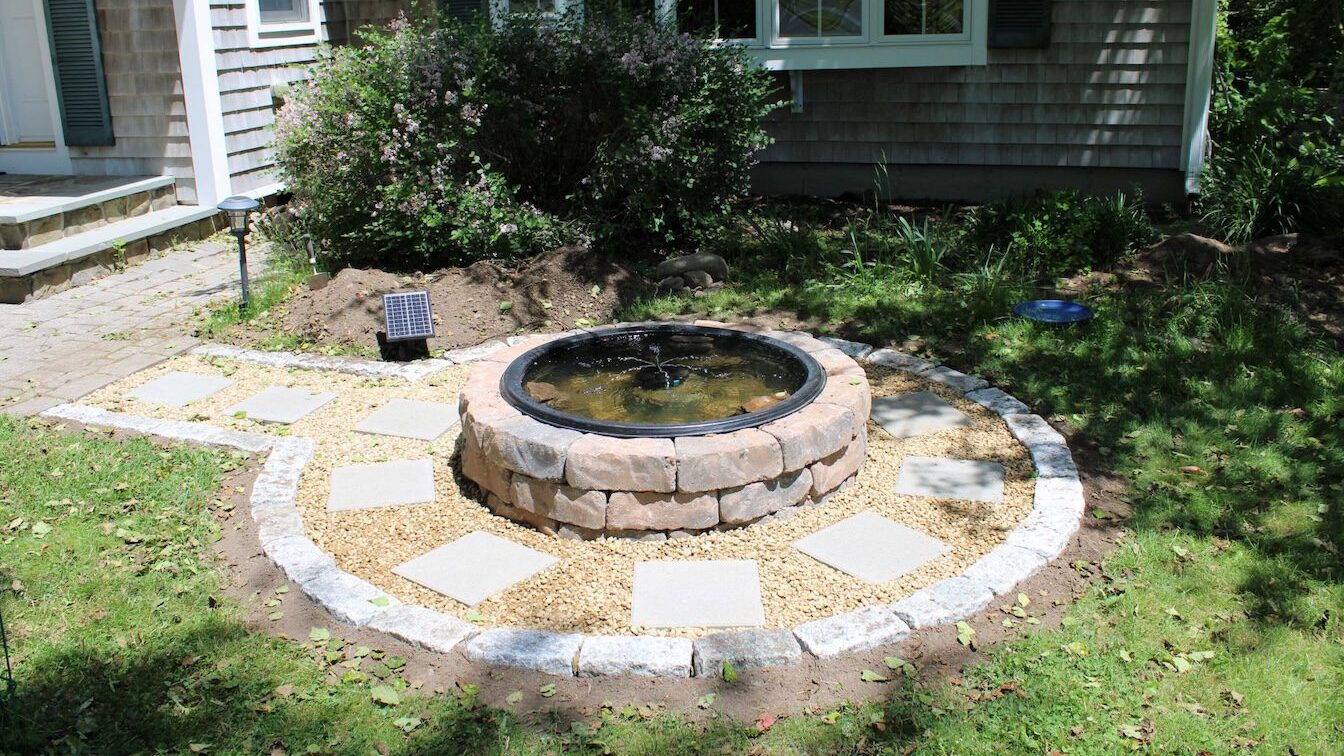
New Jersey. I started my bird habitat in 2025. In 2026 I added a bird bath & new annuals & perennials. Photo by Joanne Evangelista.
Texas. We have a fountain water feature that was created from found rocks in our yard. The birds and other critters love it for baths and drinking. Photo by Angie McCowan.
Virginia. Added a hummingbird fountain bird bath to hummingbird garden. Also added more bee balm, salvia, coreopsis, aplectranthus and blue vervain, along with a few more new plants in this area.
New York. I have a bird bath/fountain that supplies fresh water for birds as they begin their nesting season. Photo by Margie O’Brien.
Pennsylvania. I added a red hummingbird nectar feeder, a new bird bath with solar fountain, and started 3 containers of wildflowers, zinnias and marigold seeds.
Maryland. I have added 4 different watering areas. This one is on the ground and birds love it! Photo by Ronda Martinez.
Texas. Running water, 2 tiers, hummingbirds love the top and the rest love the bottom basin. Also, sticks for perching and drying off. Photo by Cindy Millford.
California. I created a DIY water feature in my backyard. Since I made it, not only has my bird visitor population exploded, the variety of birds has as well. Photo by Jana Marquez.
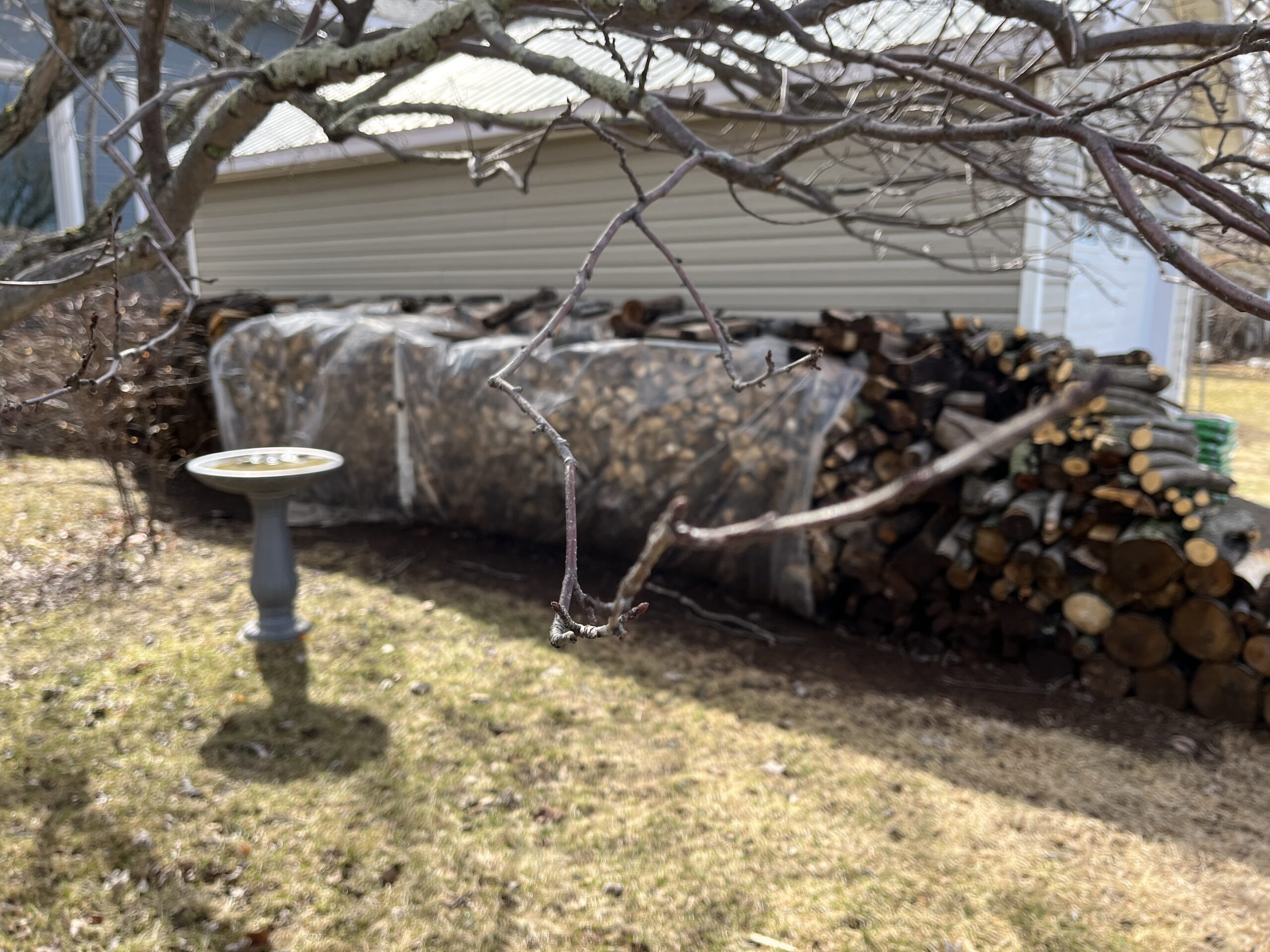
Quebec. Created a woodstack for our dark-eyed juncos! They have adopted it as their shelter. It is conveniently located near a birdbath. Photo by Julie Lamontagne.
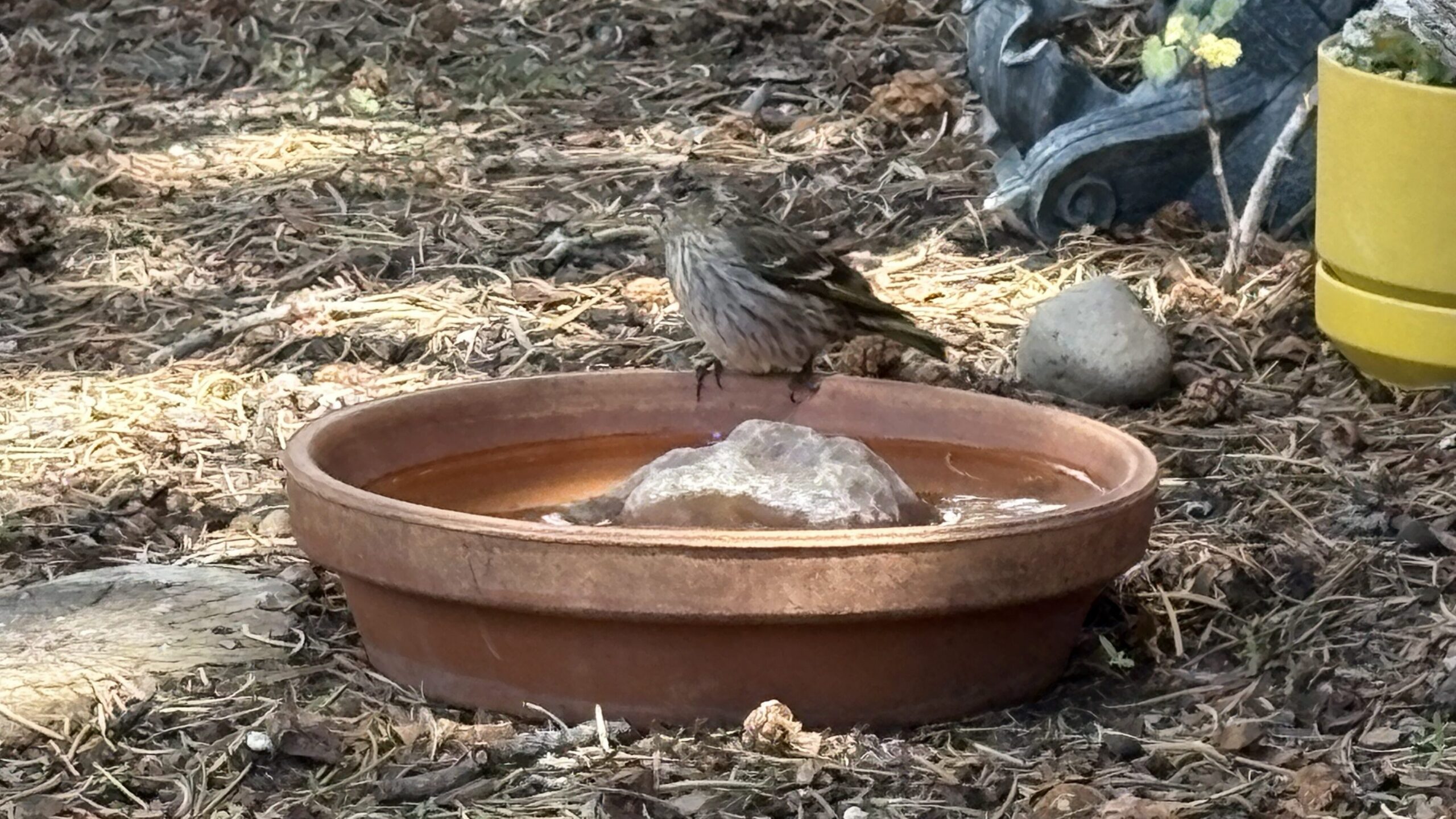
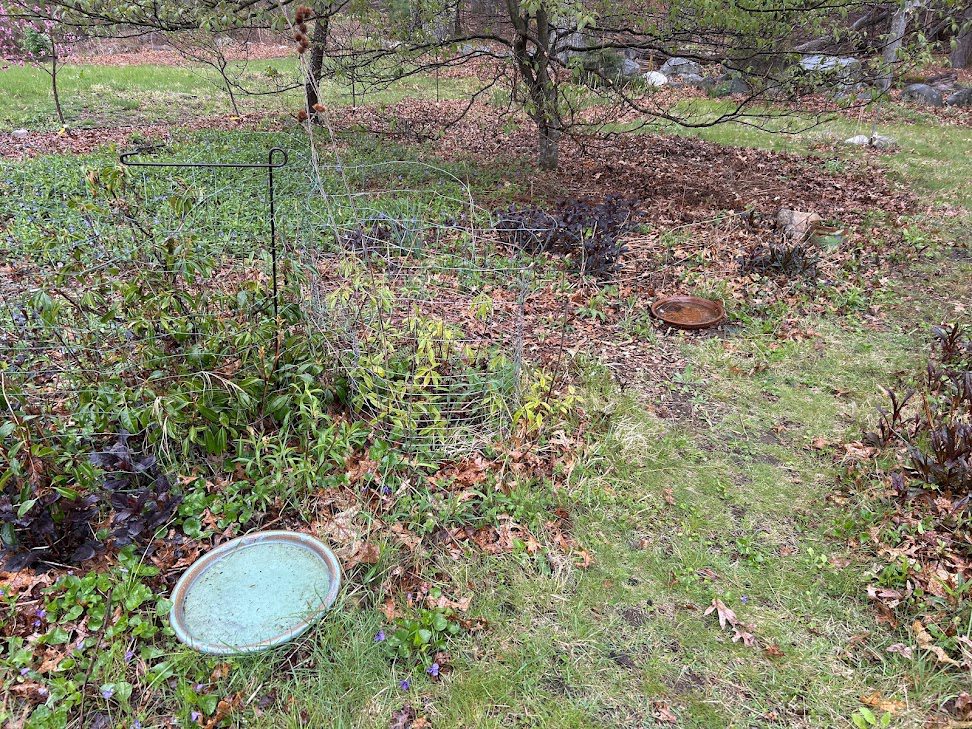
Massachusetts. I use terracotta dishes on the ground to provide water to bathe and drink. The terra cotta allows water evaporation to cool the water and if I’m away it will dry up and eliminate concerns about mosquito larvae. Photo by Janet Lane.
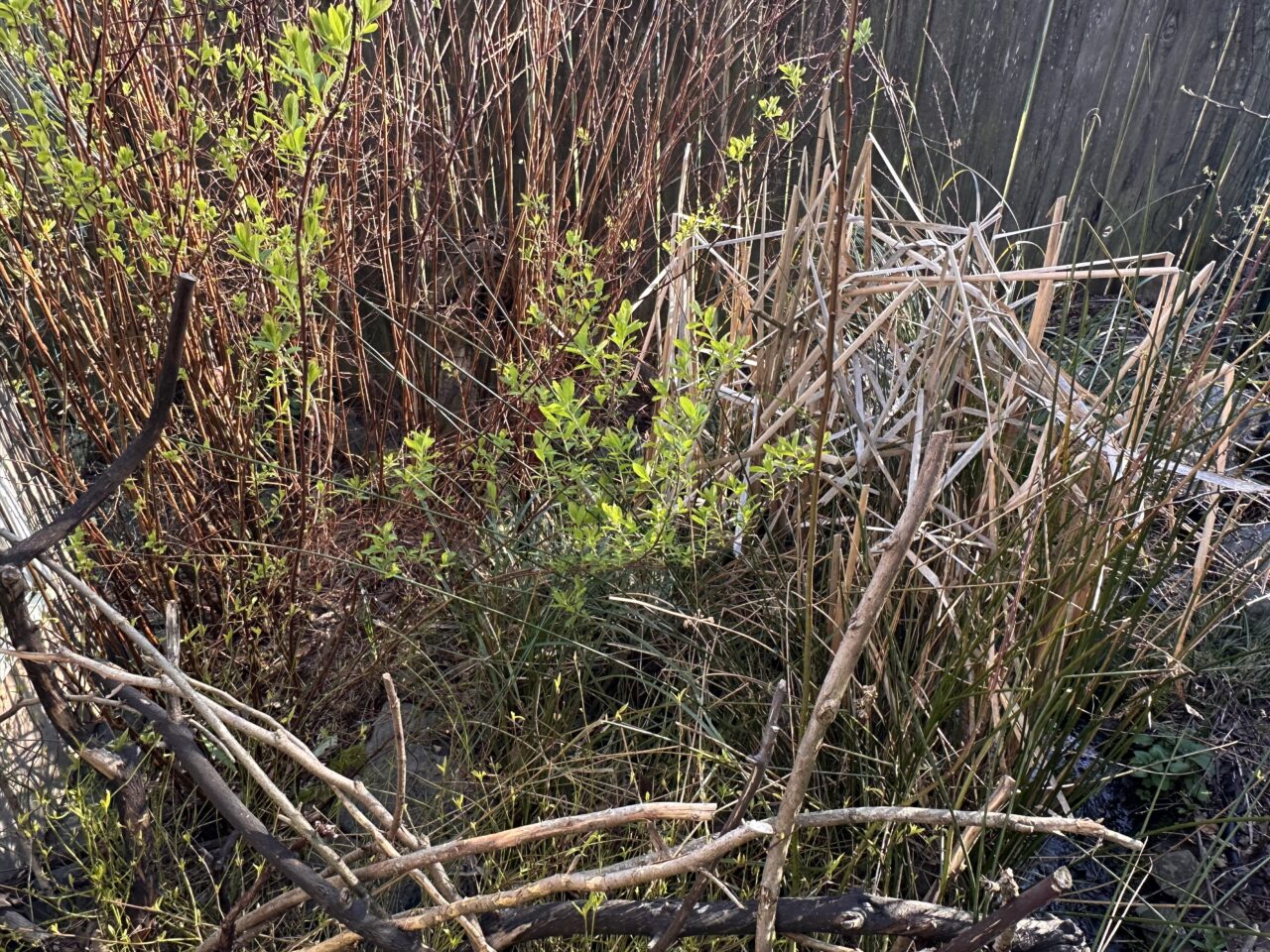
Washington. This bird-magnet pond I dug is screened by vegetation and a fence made from tree limbs that fell in a storm. Photo by Katherine Wimble Fox.
Alabama. The birds love the birdbath. And the fuchsia plant is great for attracting hummingbirds.
British Columbia. Robins, Steller’s Jays, Dark-eyed Juncos, and Spotted Towhees have been seen using the 4 wildlife friendly stations built into the edge of the pond to bathe in. The mallards have been seen swimming and foraging around the edges. Will be interesting to see if they make a nest in the foliage near the pond. Photo by Anne Cotter.
South Carolina. I provide fresh water, nest boxes and food. Everything is at the base of woods for protection. Photo by Maryann Rowe.
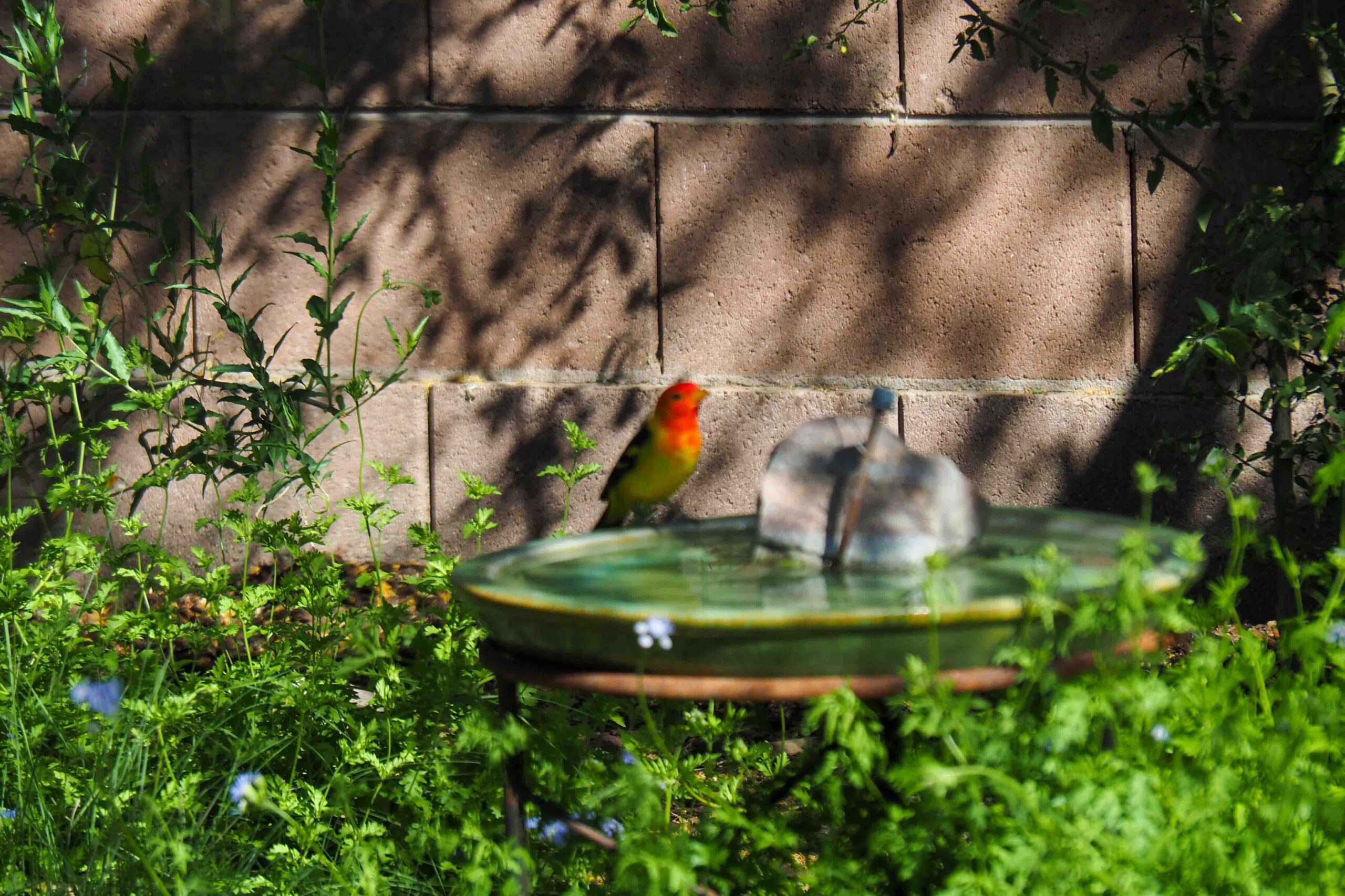
Arizona. Three low bird baths installed with running water/ I have had orioles, coopers hawk, lesser goldfinches, verdins, and western tanagers in Arizona each spring. Photo by Linda Langer.
Florida. I have a dripper birdbath. Birds love the bath, but many drink right from the dripper. Photo by Glenn Huberman.
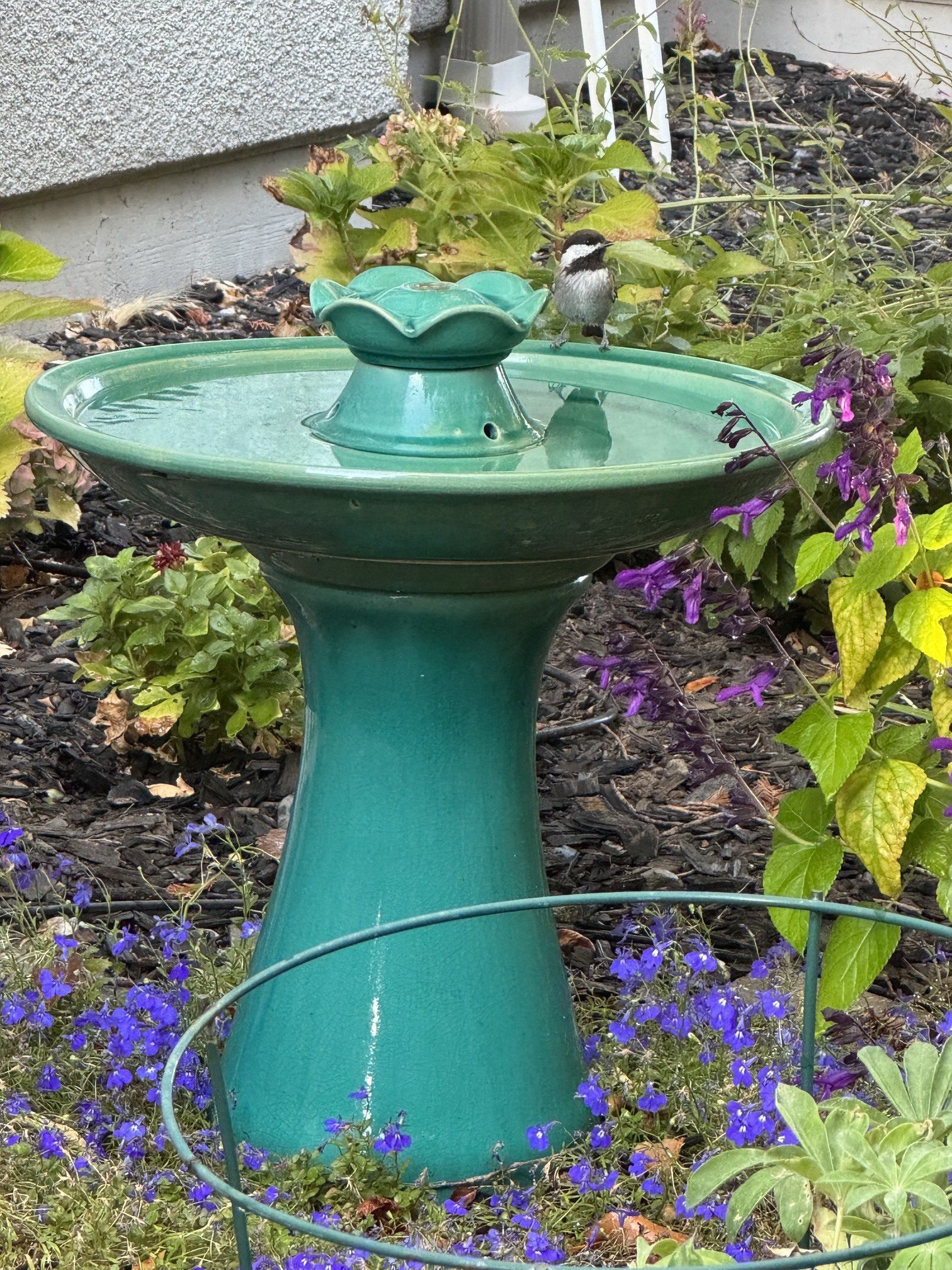
California. My teal-colored ceramic fountain has flowing water and a shallow dish. Pictured here is a chestnut-backed chickadee, and we also get scrub jays, mourning doves, oak titmice, and house finches which is critical during our dry California summers. Photo by Sandra Shirai.
California. We turned our barely used bird bath into a much-loved fountain by simply adding a small solar pump. Flowering currant, oceanspray and yarrow provide cover for the many chickadees, sparrows, hummingbirds, finches, and orioles that frequent this space. We have even been entertained by watching the American crows leave bread to soak and return later to pick it up! Photo by Jody Greaney.
Providing Water Responsibly
Standing water does not need to be an open invitation for mosquitos to reproduce. If the water is emptied at least 1x a week, the mosquito reproductive cycle will be disrupted. In addition, we also recommend cleaning bird baths with a brush and mild detergent once every two weeks to minimize residue build-up. Rinse thoroughly before refilling. Having a moving water feature will also minimize the appeal to mosquitoes for laying eggs. We can provide water safely for birds while discouraging mosquitos.
By subscribing to stay connected to Garden for Birds, you agree to receive communications from the Cornell Lab. You may unsubscribe from the communications at any time.