April
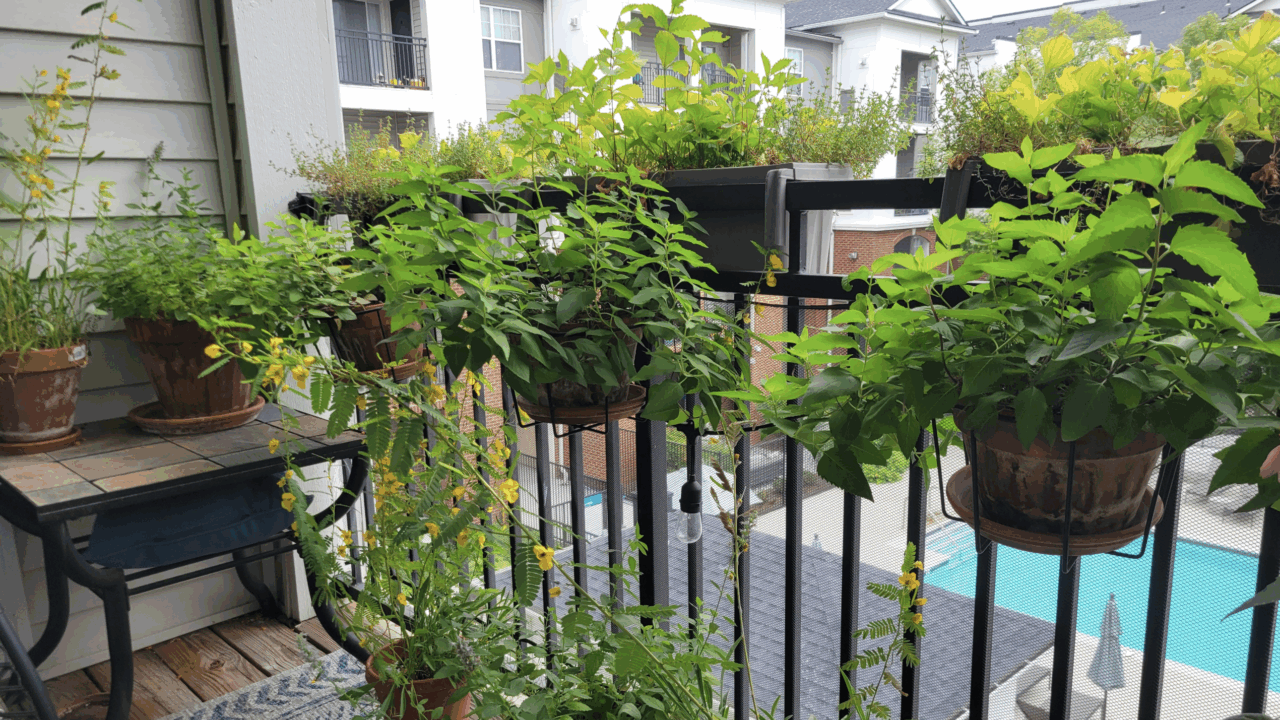
Warm regions are likely moving into warmer days and perhaps things are beginning to dry out while cooler regions are likely starting to see breaks in the winter weather. Birds are in the elements 24/7, so continue to pay attention to what you can do to create the safest, most supportive environment for them. Migration is picking up! Some of your resident birds may be starting to nest. No space is too small. Even a small container on a step or balcony with a native plant or two can contribute a small stepping stone for important pollinators, or support a caterpillar or two for a hungry nestling bird. Use what space you have and let’s keep helping birds.
Garden Checklist
Warm Regions:
Southern U.S. Regions
- Add a water feature or birdbath to your garden space.
- If you don’t have a water dish, birdbath, pond, creek/stream, consider adding one.
- Temperatures are starting to warm, migrants are returning and birds need reliable sources of water.
- Get planting and nurture new plantings.
- If it’s hot and dry remember to water your new plants until they are established.
Cool Regions:
Rest of Regions in U.S. / CA
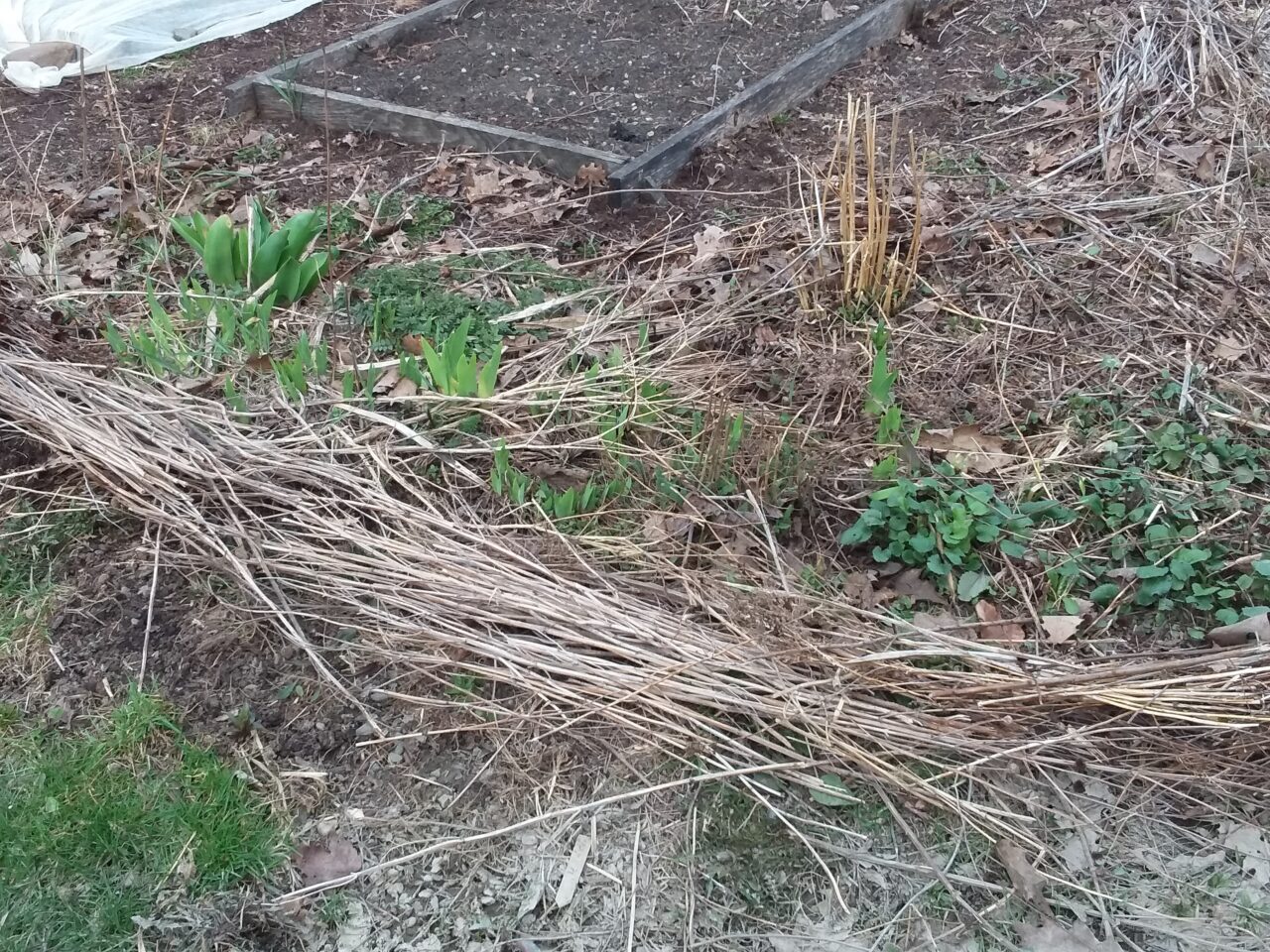
- Leave garden debris, leaves, and stems from last year in place as long as possible. Don’t rush to “tidy up.”
- Continue your planning for what plants and features you will add this spring.
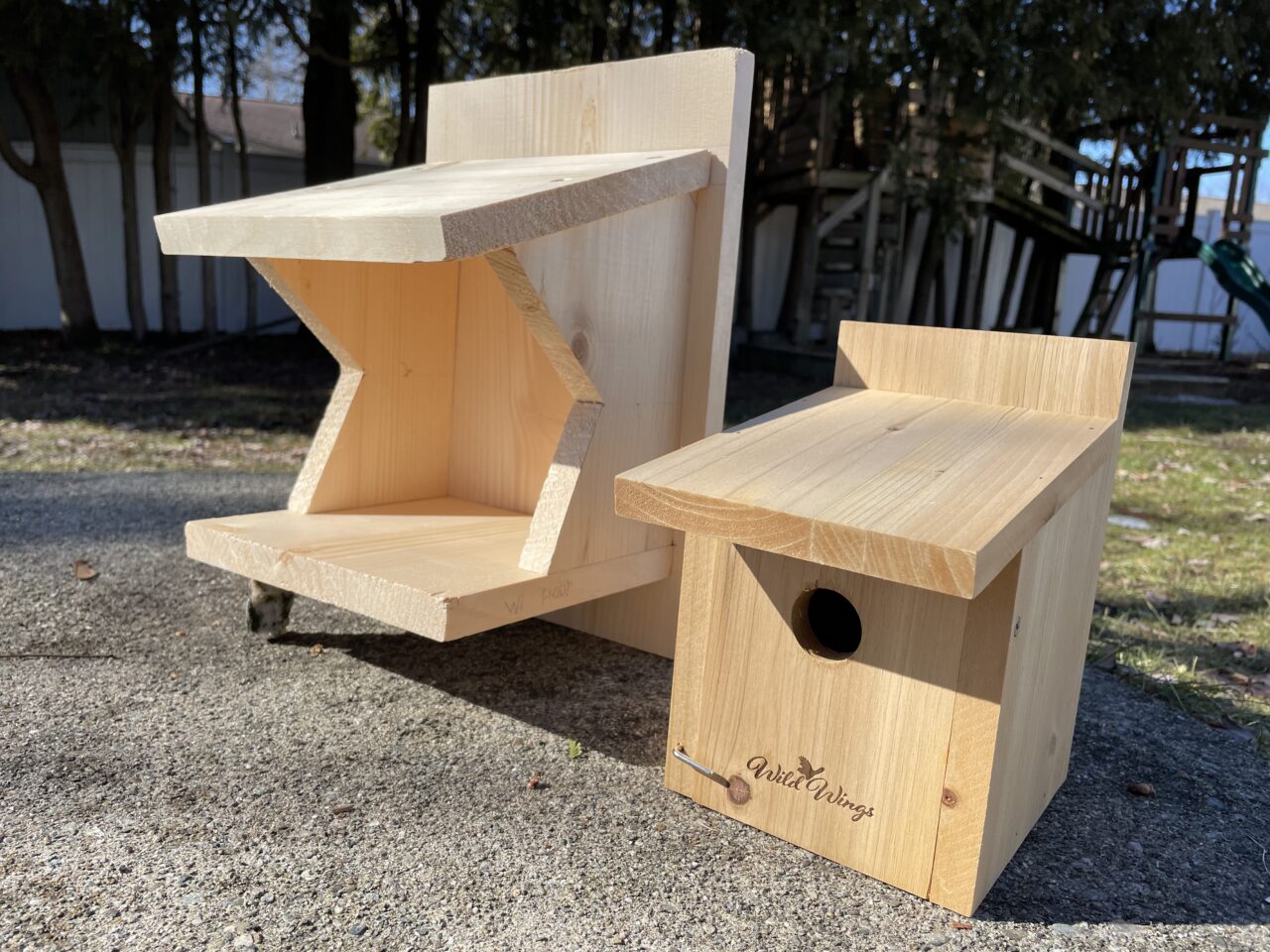
- There is still time to clean out nest boxes or install one.
- If you install a nest box add predator guards to nest boxes to protect nestlings.
All Regions:
- Decide where to get your plants (if still searching).
- Shop local nurseries, if possible.
- Share your garden birds.
- Learn more about the importance of people reporting birds in their gardens.
- To join the project click here and choose this project each time you start a garden eBird checklist.
- We need more data to build on our understanding of how gardens impact bird populations.
- Learn more about the importance of people reporting birds in their gardens.
- See March Planning Photos
- If you are still planning your gardens you can upload one photo here.
- Submit April Photos, Inviting Nesting Birds
- Do you have a snag you left on your property? Nest boxes recently installed and ready? Predator guards to add? Or, other features you are providing to welcome nesting birds? Share a photo of them!
- Recording of Designing Gardens for Birds webinar is available.
- Register for Upcoming Webinars!
- Tweet Around the Bush: Plant and Bird Trivia w/ Project FeederWatch, Friday, April 24 at 1:00 p.m. ET
- Native Plant Gardening — Big and Small Spaces and Why It Matters w/ Mhairi McFarlane, Tuesday, June 9 at 7:30 p.m. ET
- Garden tidying suggestions
- Cut or break stems from last year about 1-2 feet above the ground so nesting bees can use the stems.
- Go gentle and leave last years materials on site.
- Consider trying to leave stems from last year in place, they make nice garden borders (see photo to the right). The perennials will grow up and cover them as the season progresses.
- Leaving stems helps keep bees and other burrowed insects close to flowering sources once they hatch.
- Debris provides foraging opportunities for birds in your gardens while replenishing nutrients in the soil as they decompose.
- Pay attention to local fire safety guidelines when managing plant debris.
- Check-out resources to support your planning.
- Container Plant Resource for those wanting to add potted natives.
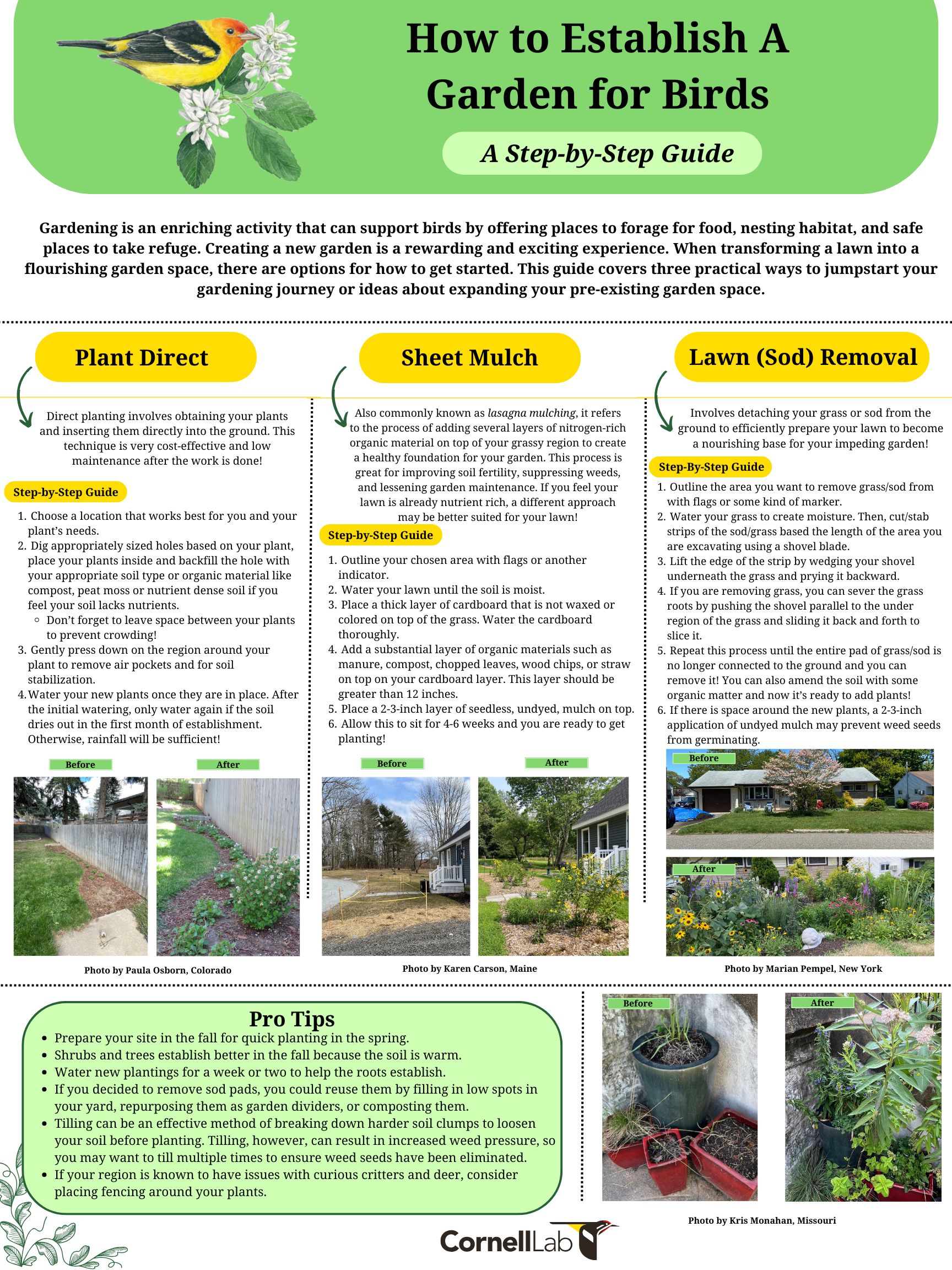
- Removing lawn? This guide may be useful.
Bird Safety Tips
- Safety for birds, a top concern!
- See a new article on considering safety from a bird’s perspective.
- If you already have lush native gardens, are you also doing these things to keep birds safe?
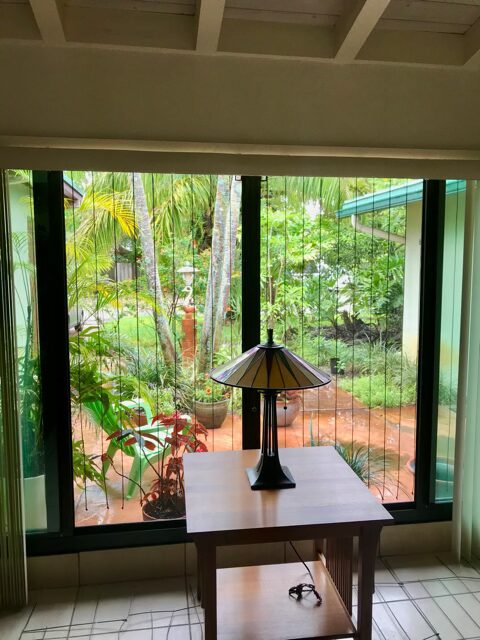
- Make glass visible to birds.
- Stopcollisions.org has lots of ideas from low-cost to more expensive options of how to make glass visible to birds.
- Migratory birds are returning!
- Begin to follow BirdCast updates to learn what birds might be moving through your region.
- Sign-up to get Migration Alerts for your area. These will key you into when big groups of birds are moving so you can watch closely, turn out lights, and maybe spy a new garden visitor moving through or arriving for nesting season.
Featured Plant & Bird
Common Name: Common serviceberry (many other common names)
Scientific Name: Amelanchier arborea
Native to: AL , AR , CT , DC , DE , FL , GA , IA , IL , IN , KS , KY , LA , MA , MD , ME , MI , MN , MO , MS , NC , NE , NH , NJ , NY , OH , OK , PA , RI , SC , TN , TX , VA , VT , WI , WV
Canada: NB , NS , ON , QC
Plant characteristics: A small deciduous tree that can be pruned to stay shrubby. One of the earliest flowering species in the spring with an early fruit production ripening in May/June/July depending on your region.
Growing conditions: Tolerates all light conditions, prefers moist, well-drained soil. Fall color will be more vibrant in sunny spots.
Benefits to Birds & Biodiversity: Important early pollen source in the spring. Returning migratory birds will hunt on this plant for emergent insects. Fruit also ripens earlier than other plants making it a vital resource for songbirds.
Additional Resources
- Our favorite resources for researching native plants.
- Native Plant Societies near you. Use this link to search by state or province to find your local society who will be another resources for learning about native plants.
- Flyers and social media video for promoting Garden for Birds–share with your community!
- Review our resources pages for topics of interest from the beginning gardener to experienced.
- Still planning to remove lawn for your garden? We can help.
- Explore this one page guide on options for removing lawn.
- ChipDrop is a resource for FREE wood chips.
- If you live in an urban or suburban area, you can enter your zip code and have wood chips dropped for free from utility companies.
- WARNING: Rural areas are often not serviced. There is no guarantee what plants are in these drops. There is a risk of invasive debris being left in these piles.
- If you live in an urban or suburban area, you can enter your zip code and have wood chips dropped for free from utility companies.
- National Native Plant Month.
- April is a great month to honor the importance of native plants. Learn about this resolution effort.
Stay Connected
By subscribing to stay connected to Garden for Birds, you agree to receive communications from the Cornell Lab. You may unsubscribe from the communications at any time.