Planning Our Bird-friendly Gardens

See how people all over the United States and Canada are getting ready to better support birds this year in their gardens.
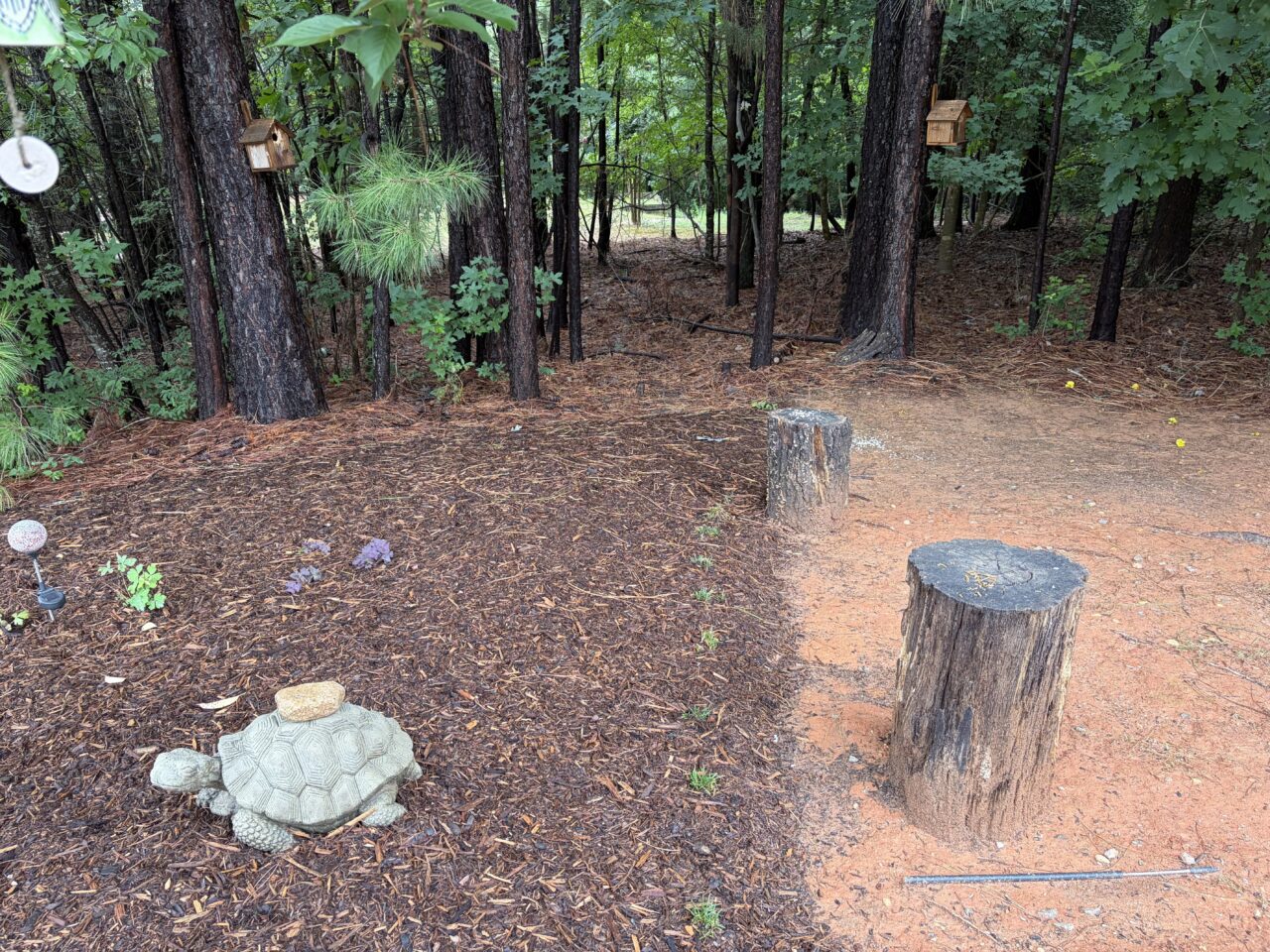
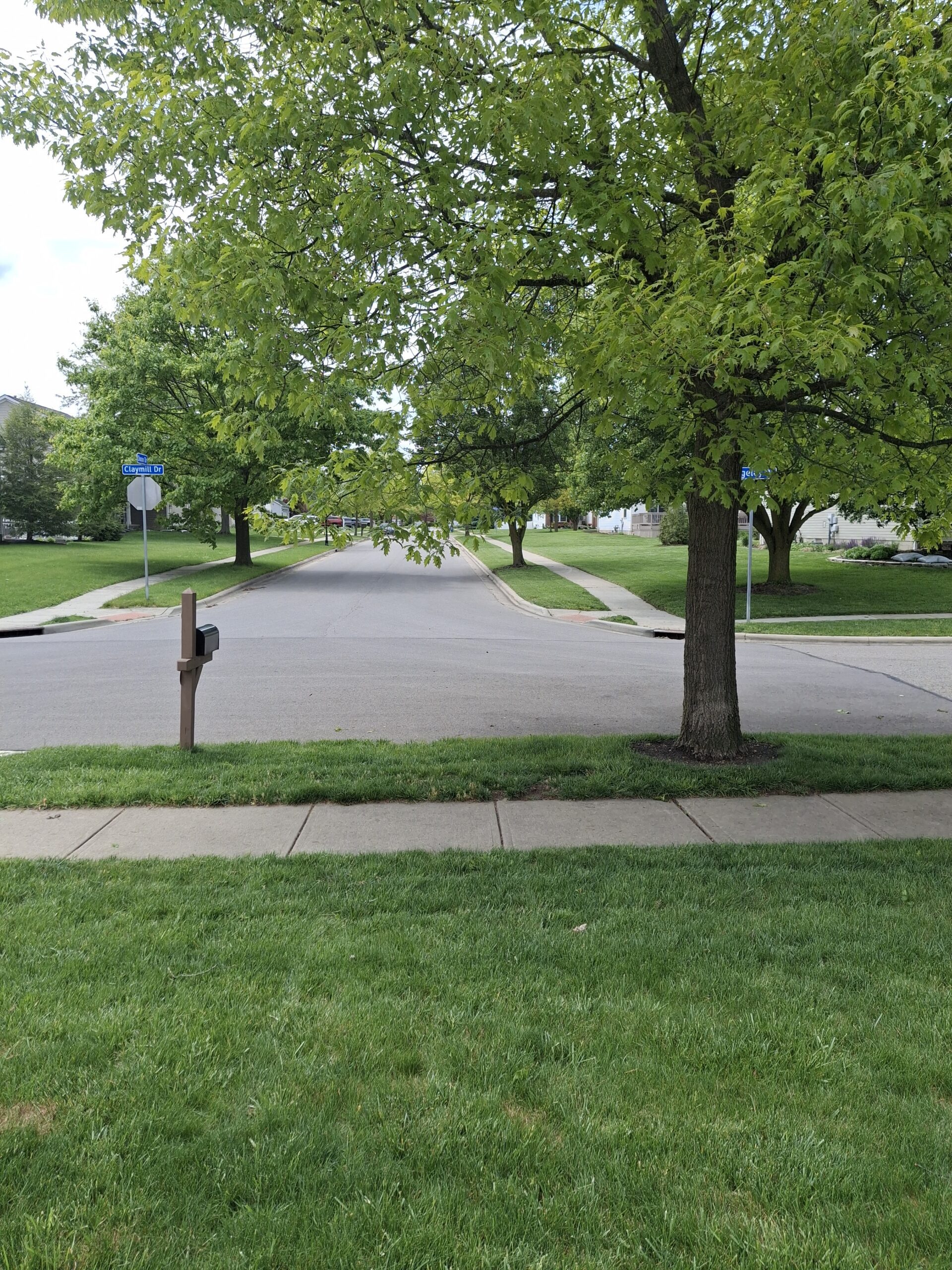
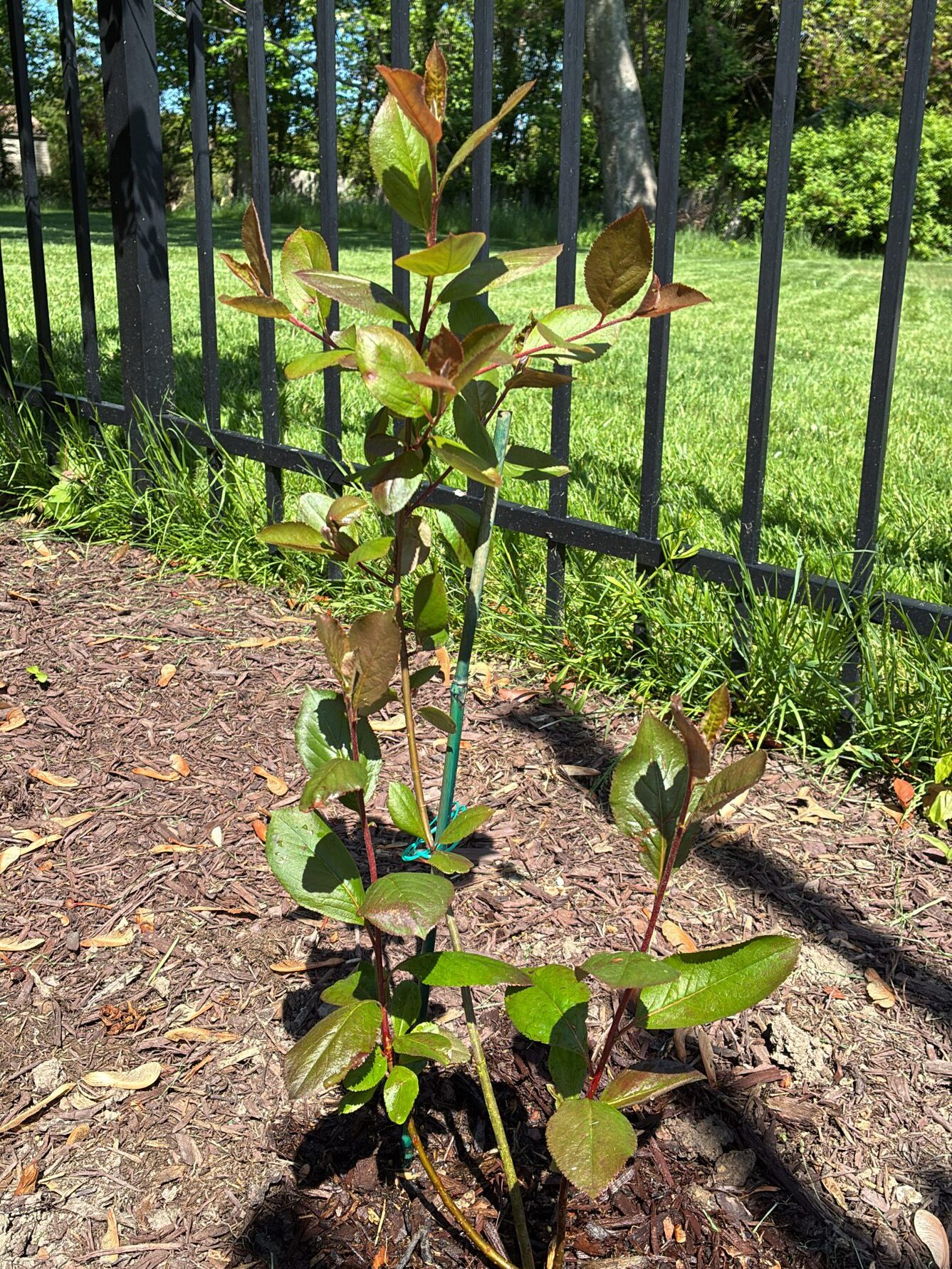
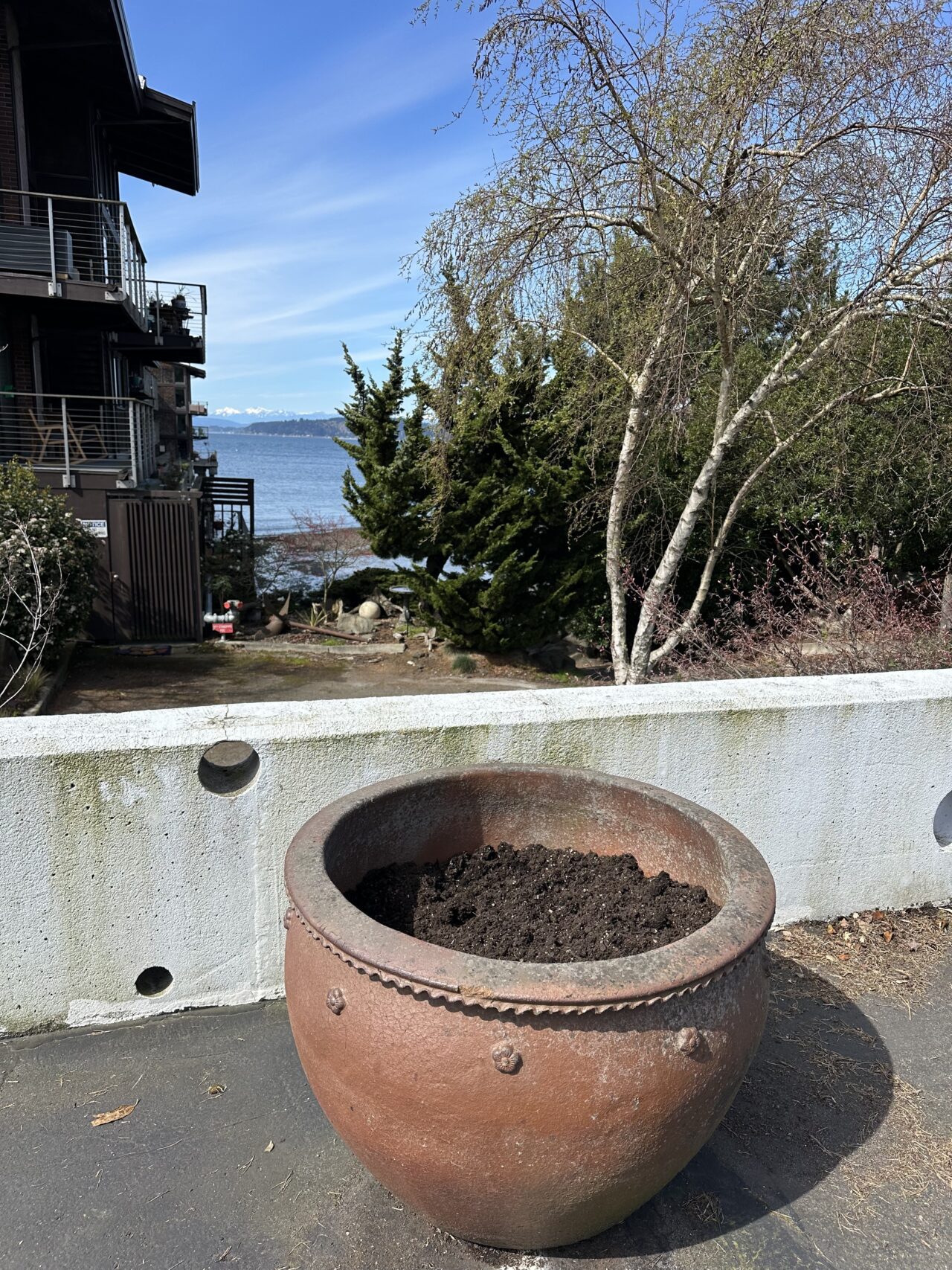
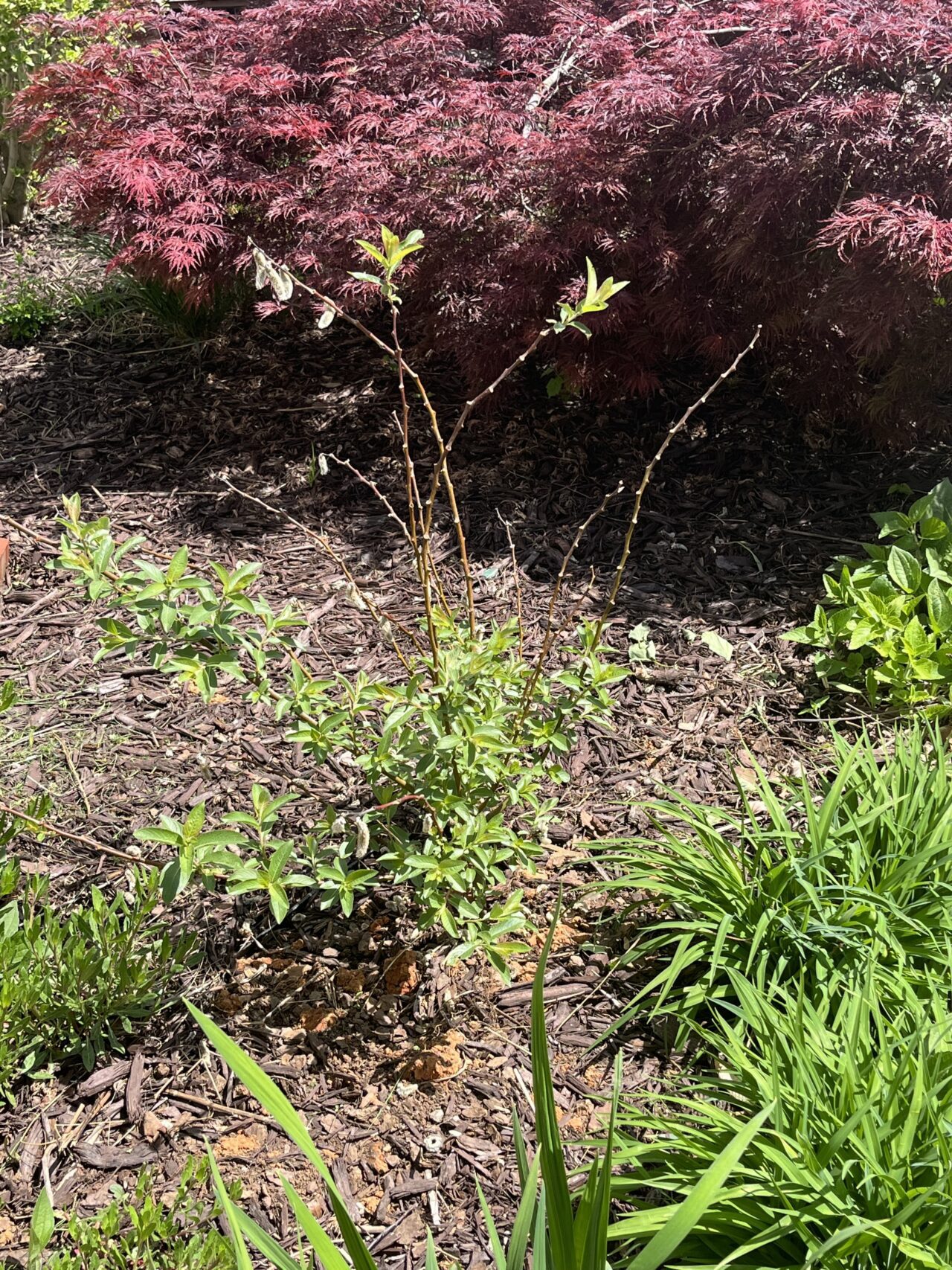
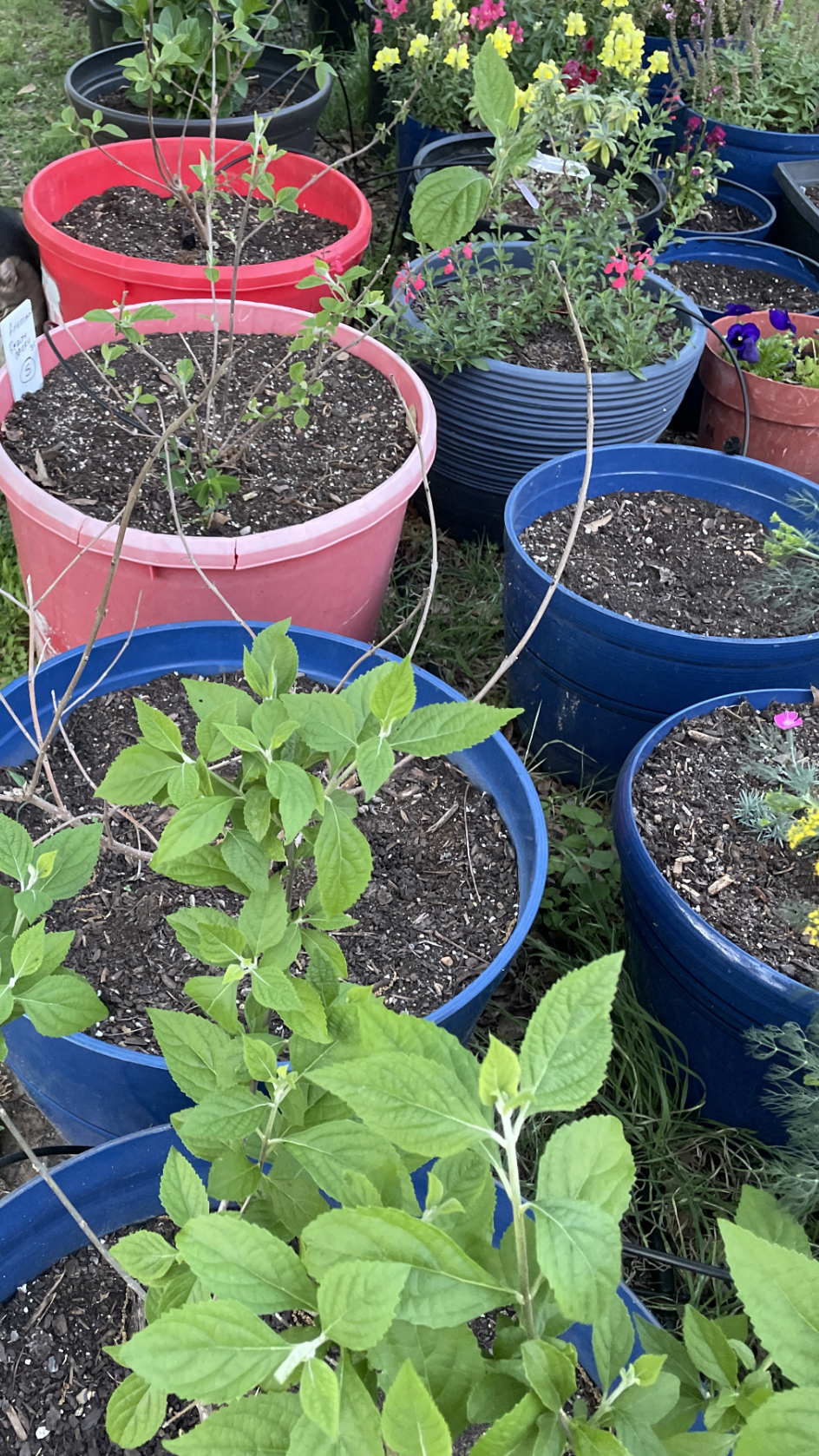
North Carolina. New pussy willow will support a variety of wildlife. Photo by Carla Hanson.
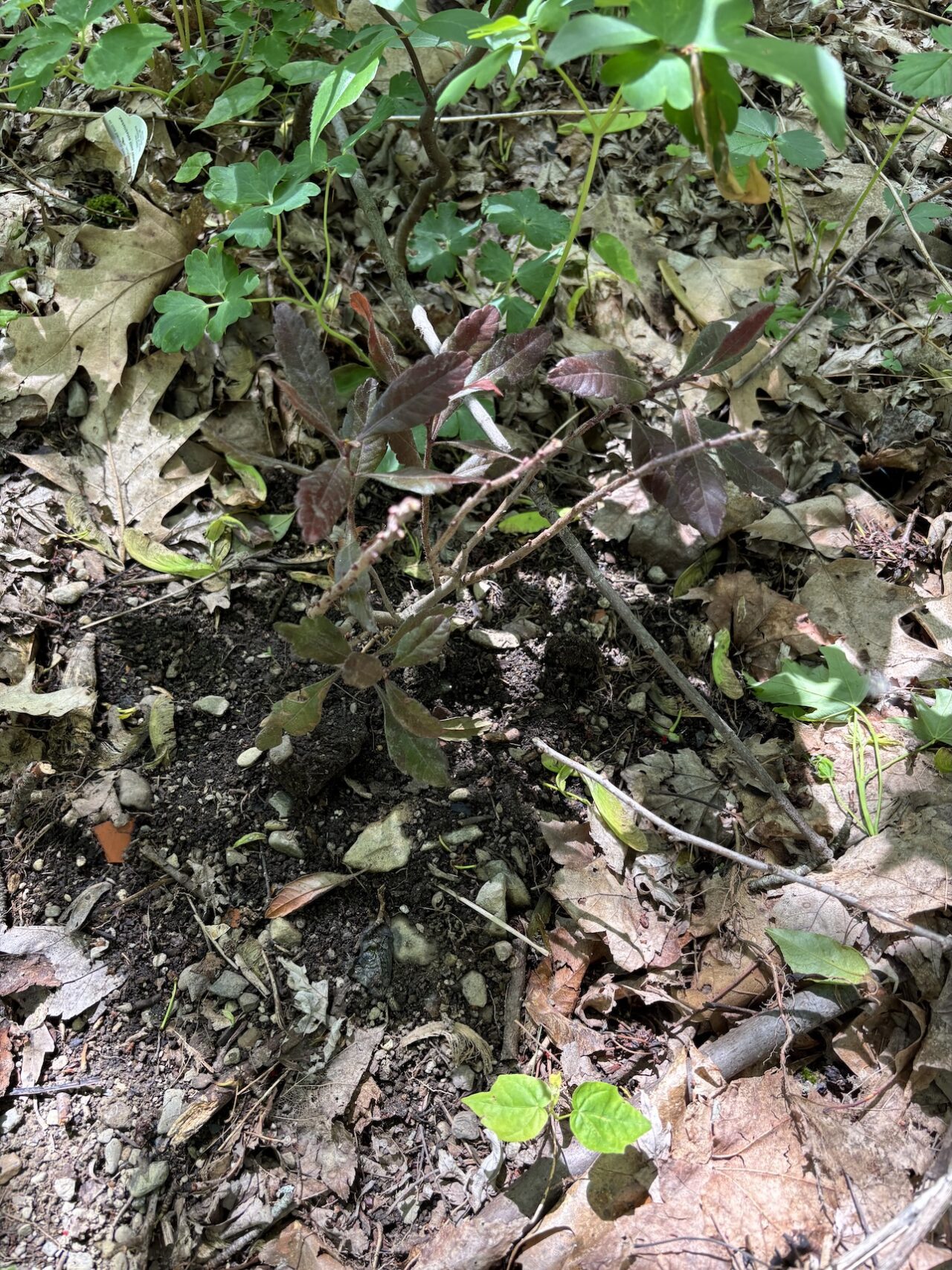
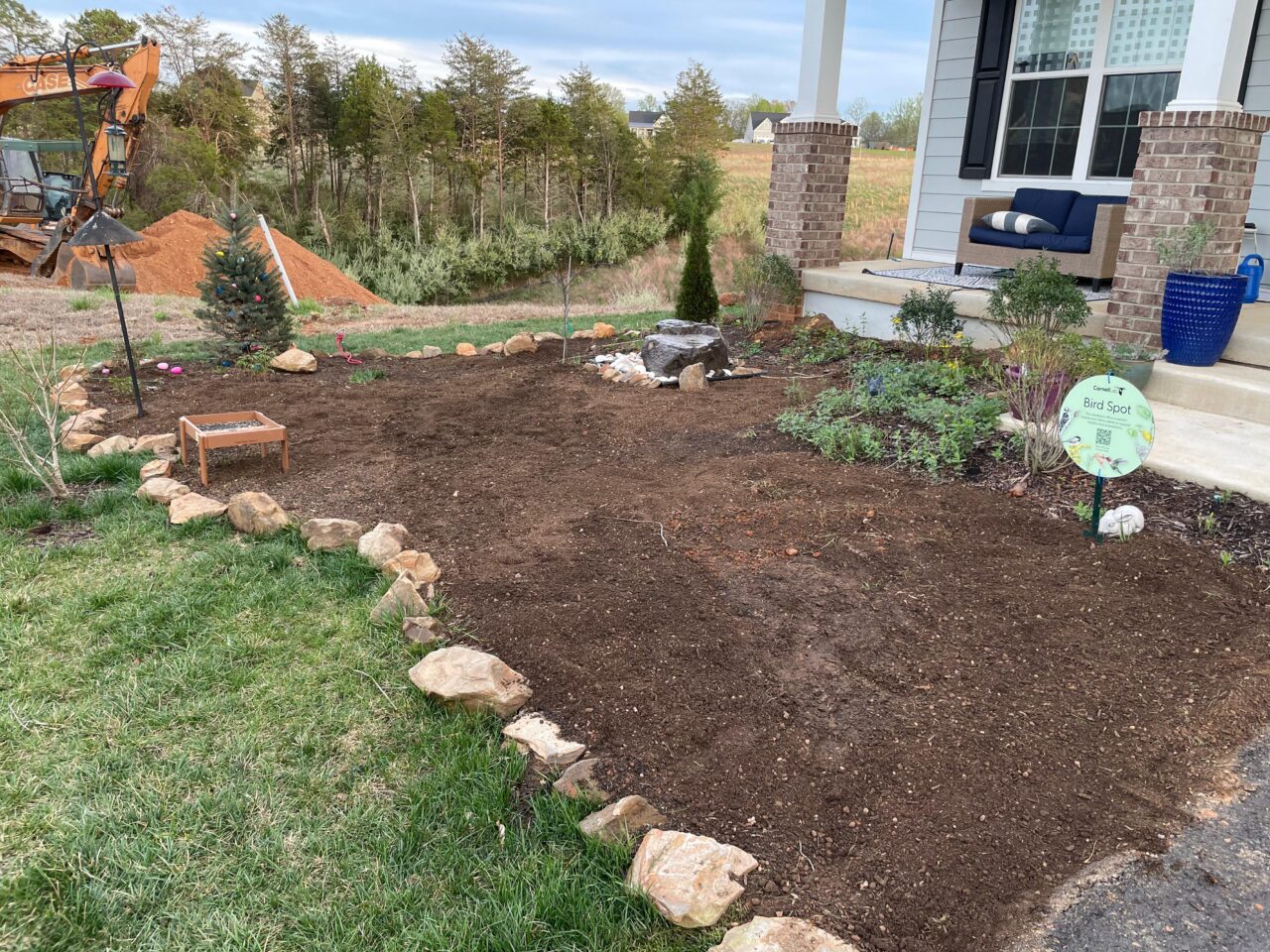
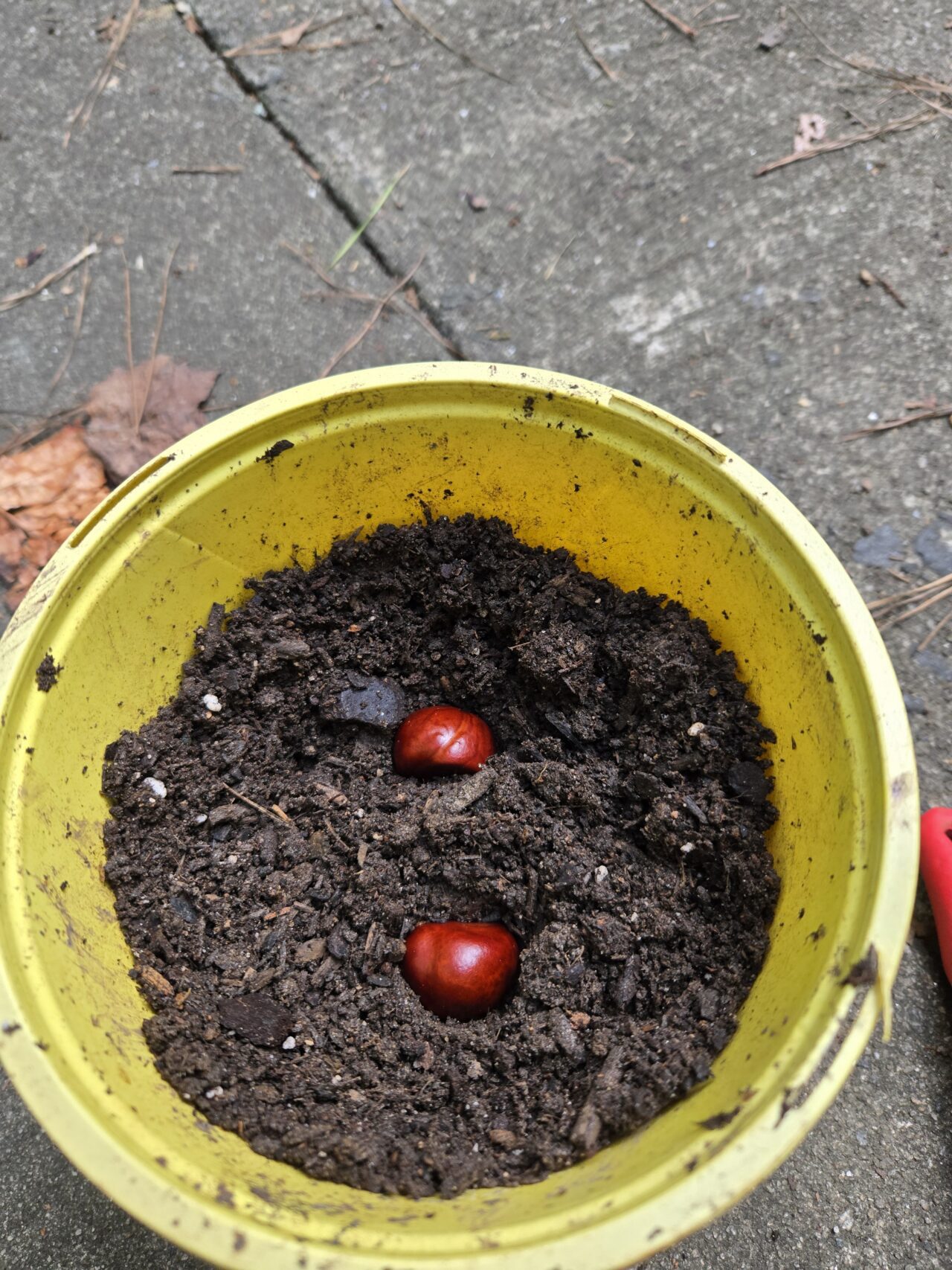
Georgia. Starting Painted Buckeye (Aesculus sylvatica) seeds in September 2025. The buckeye will replace the Thorny Olive (Elaegnus pungens) bush which was removed in October 2025.
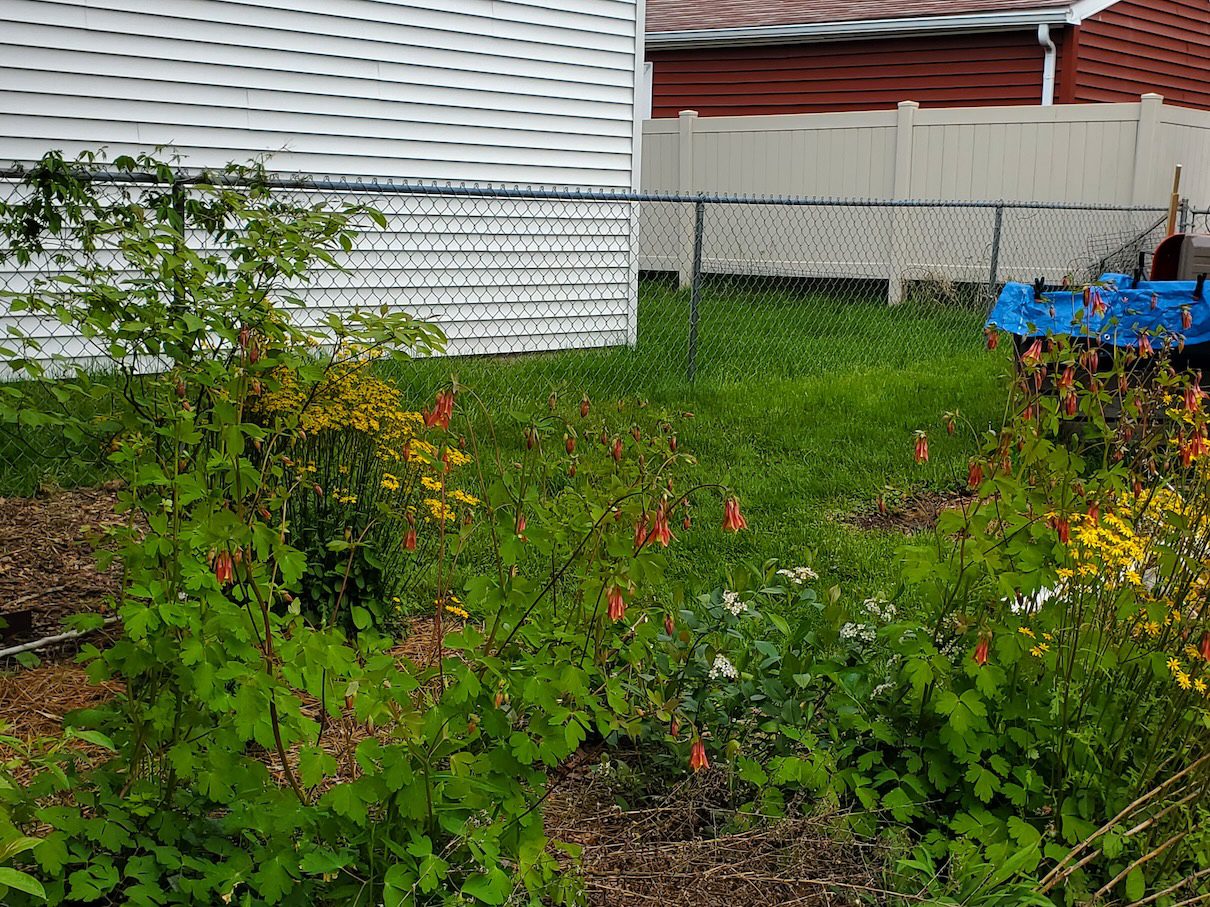
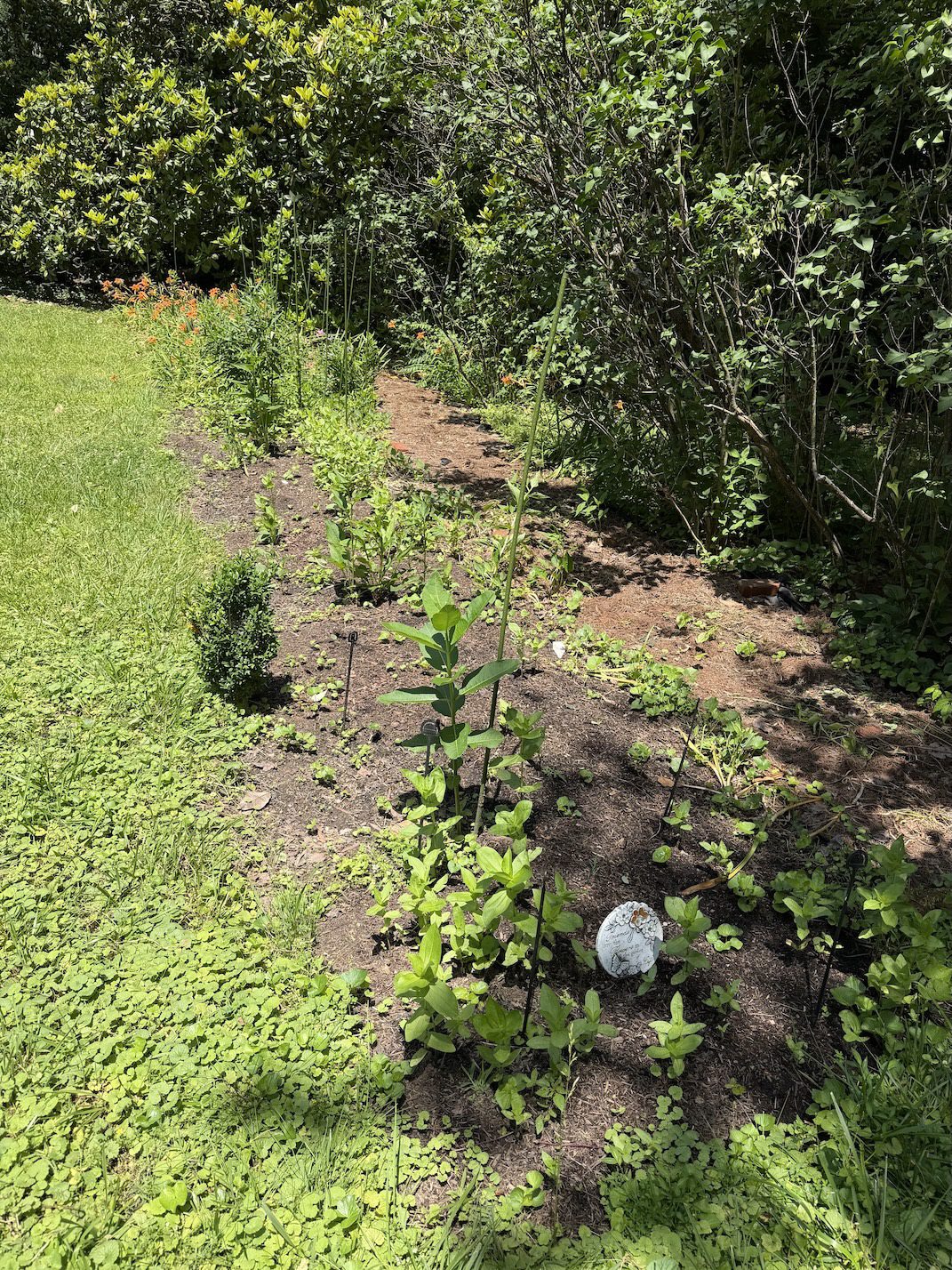
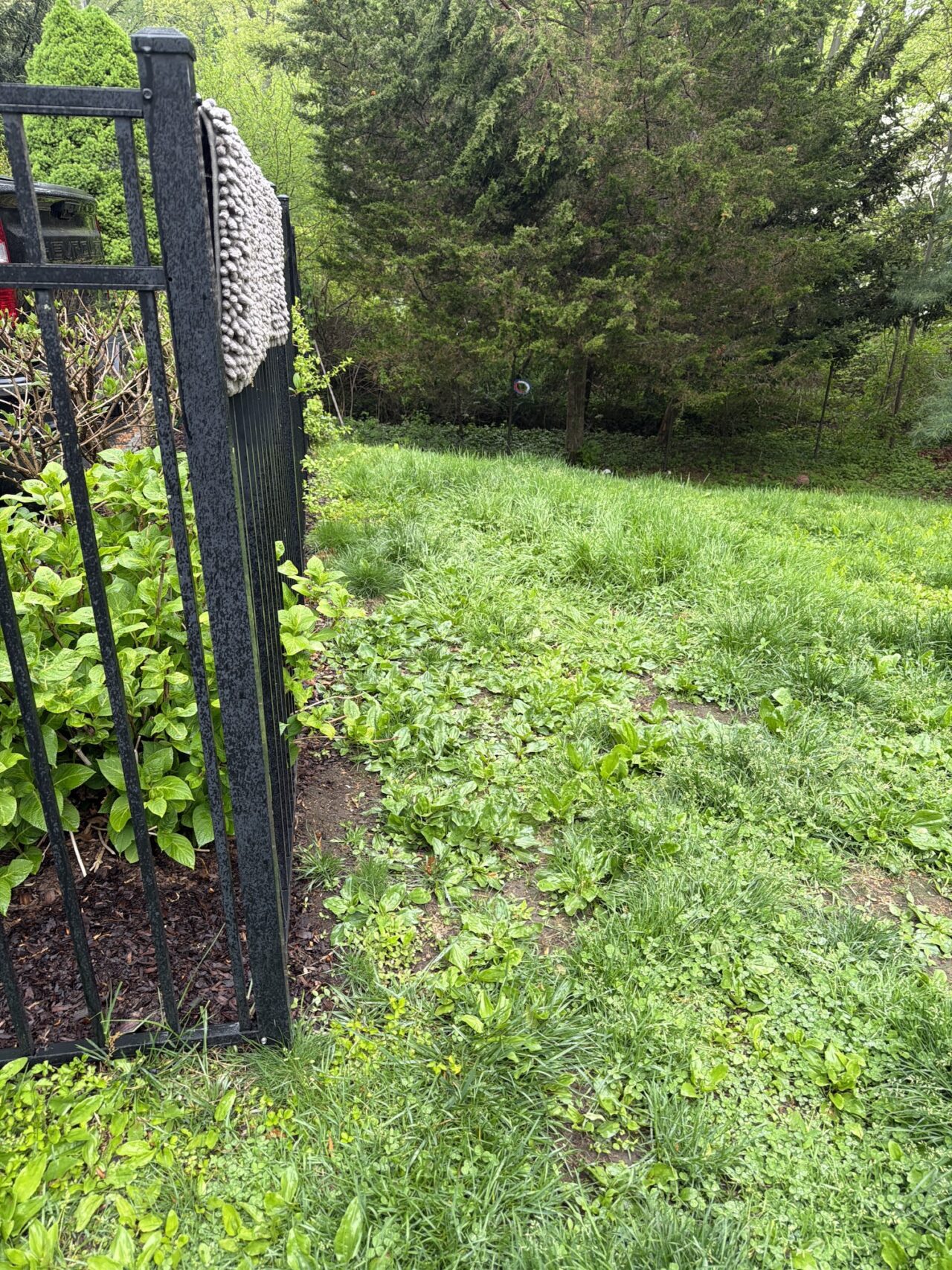
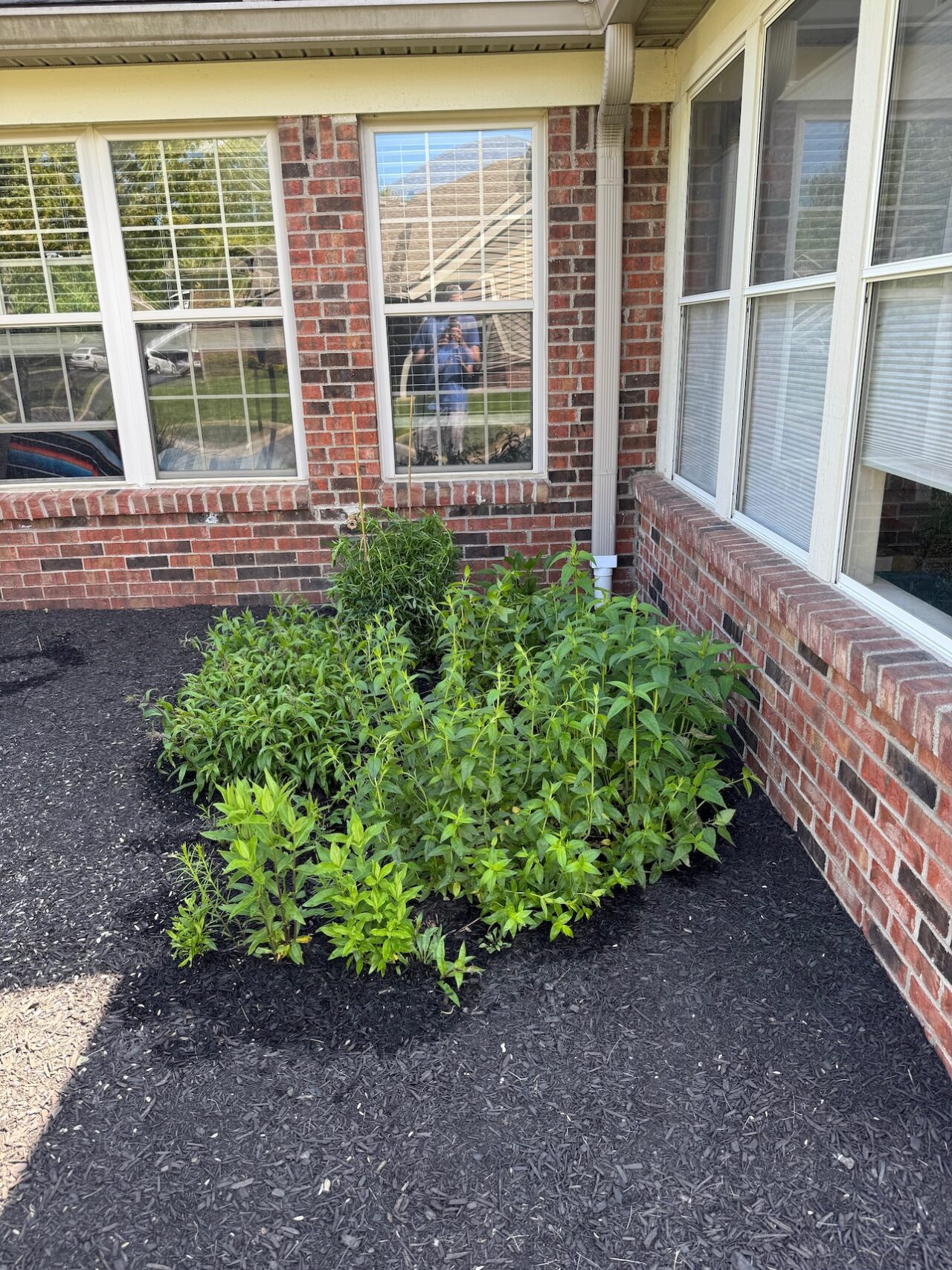
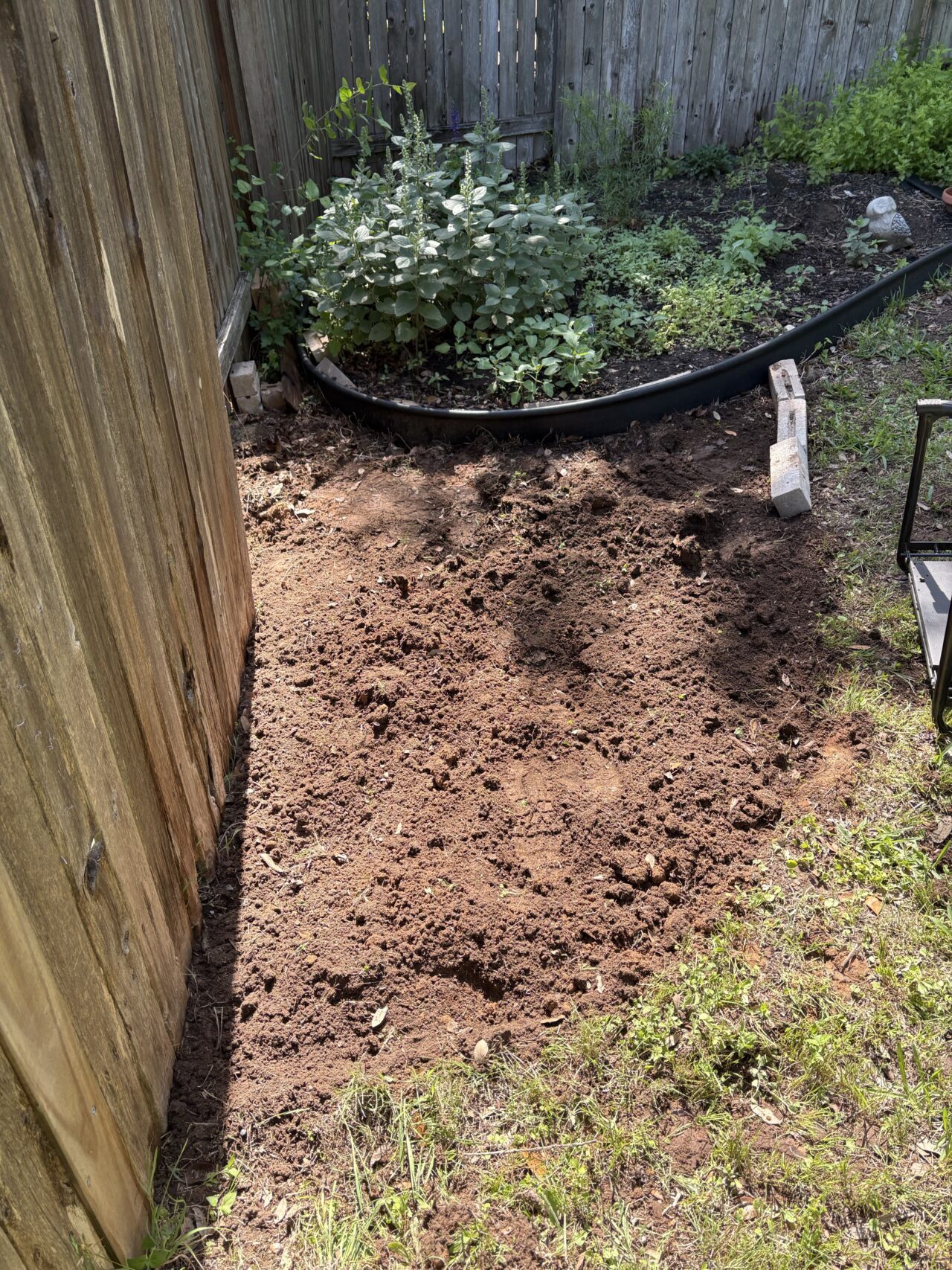
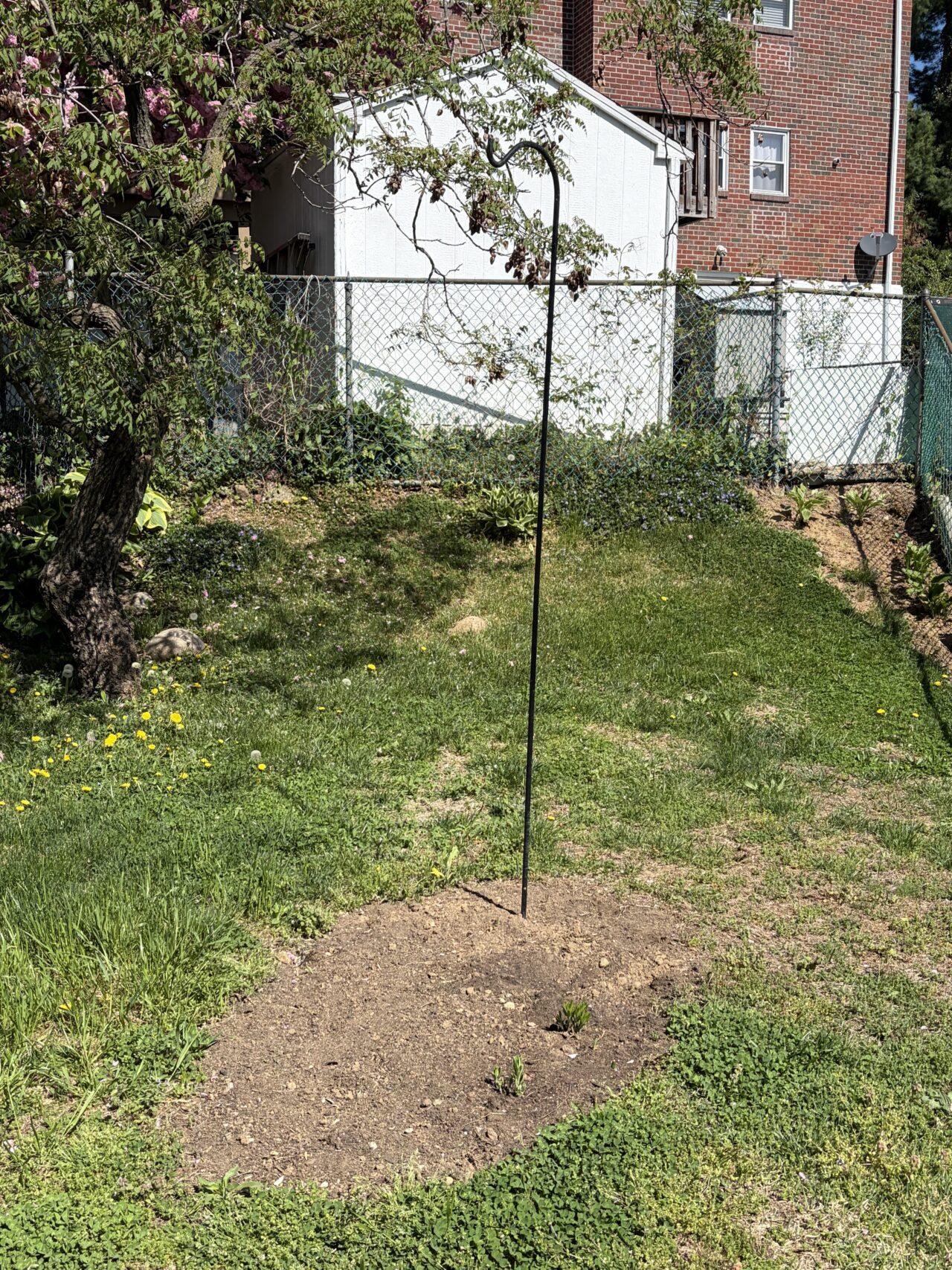
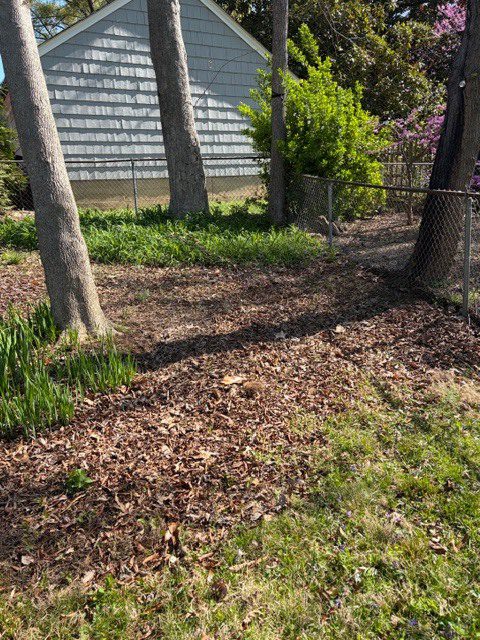
Maryland. Putting in Bluestem Goldenrod, VA Mtn Mint, E. Columbine 3x ea. Took out grass last fall for leaves to drop overwinter. Photo by Ronda Martinez.
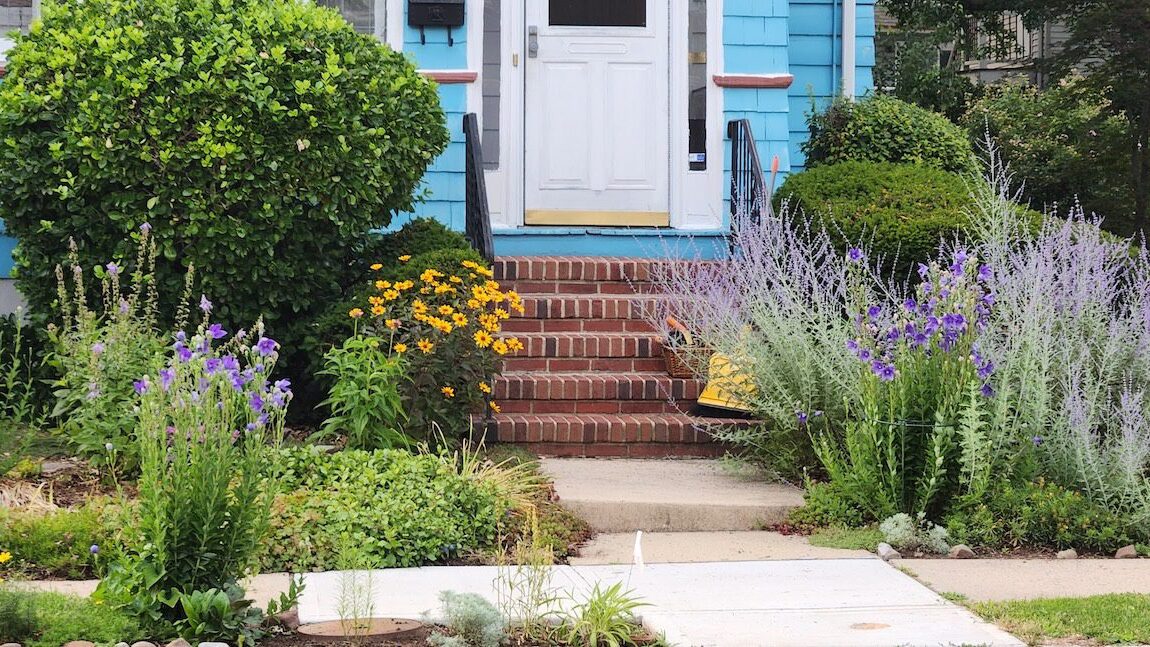
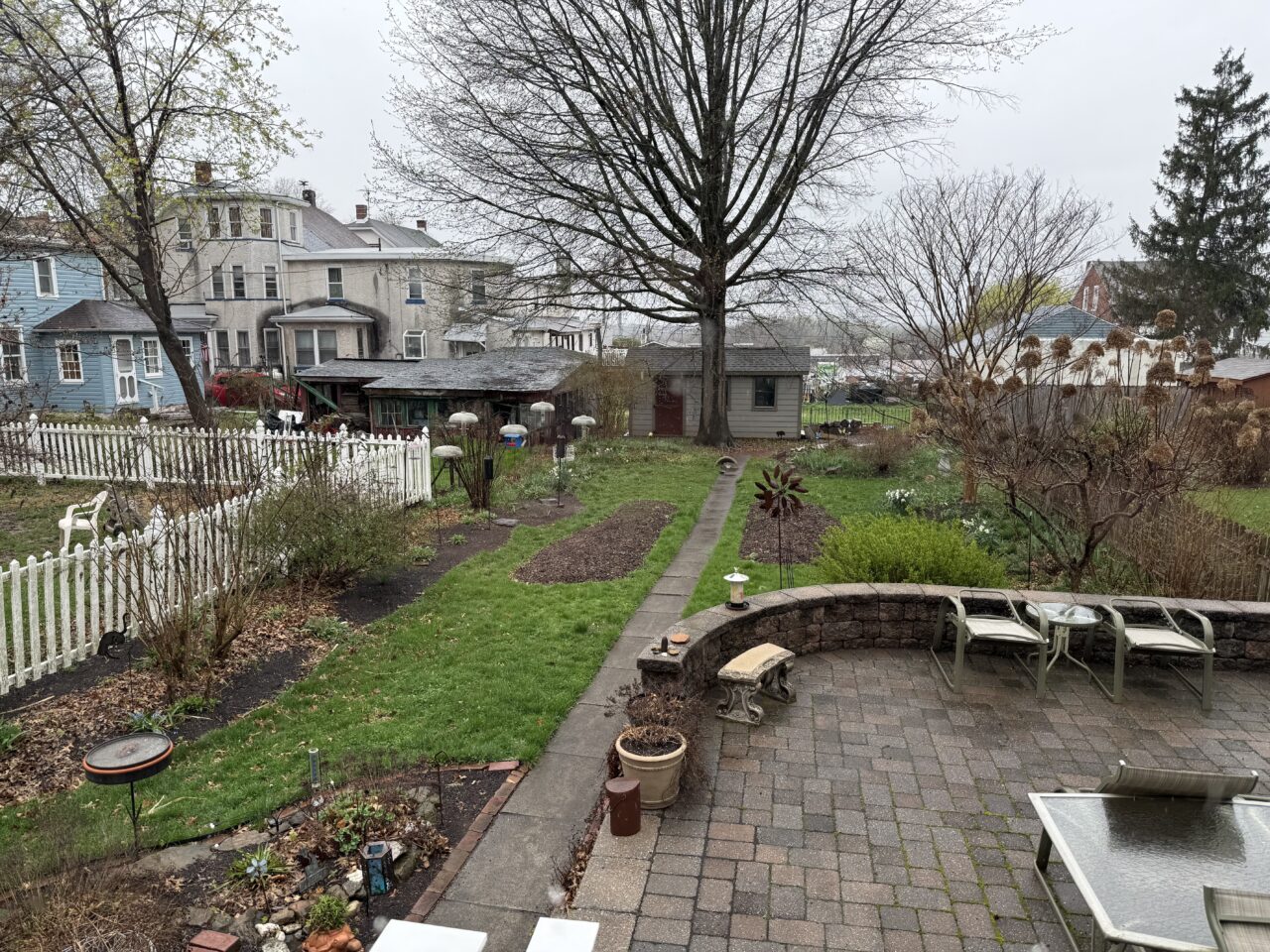
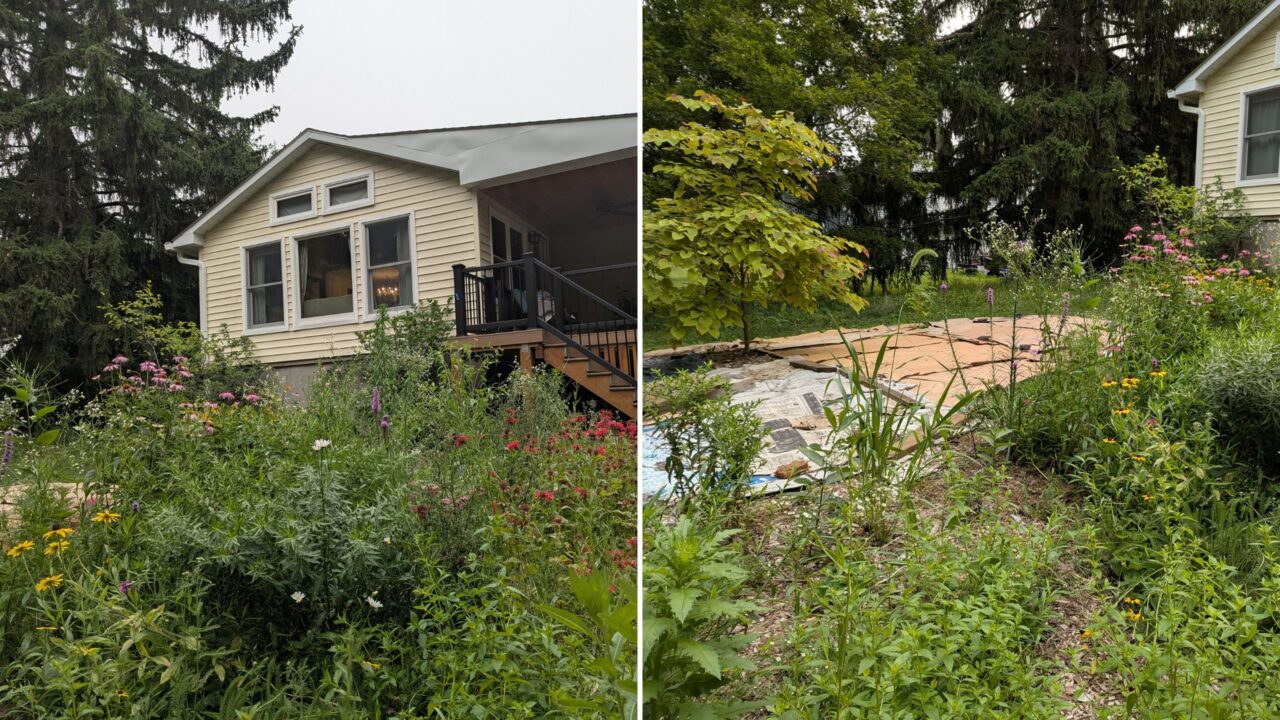
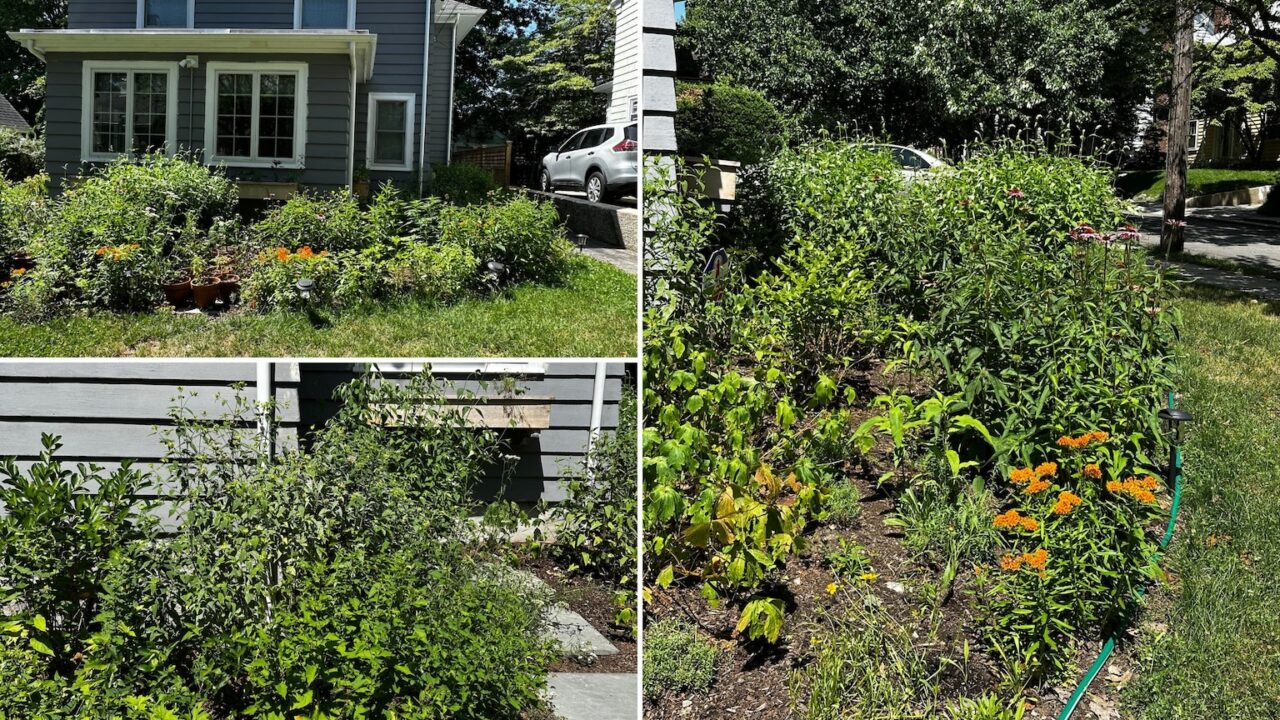
New York. I planted a bunch of native plants this winter to fill in my front garden beds.
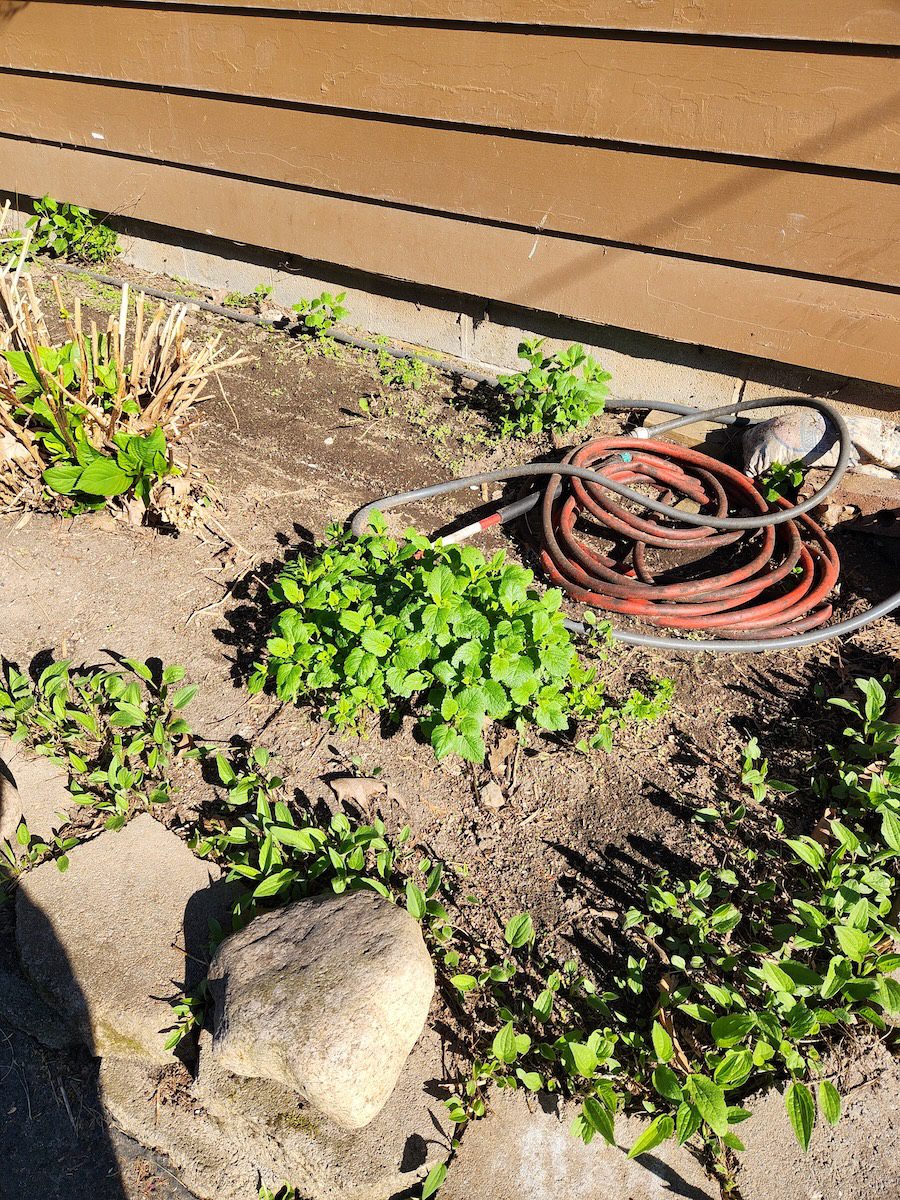
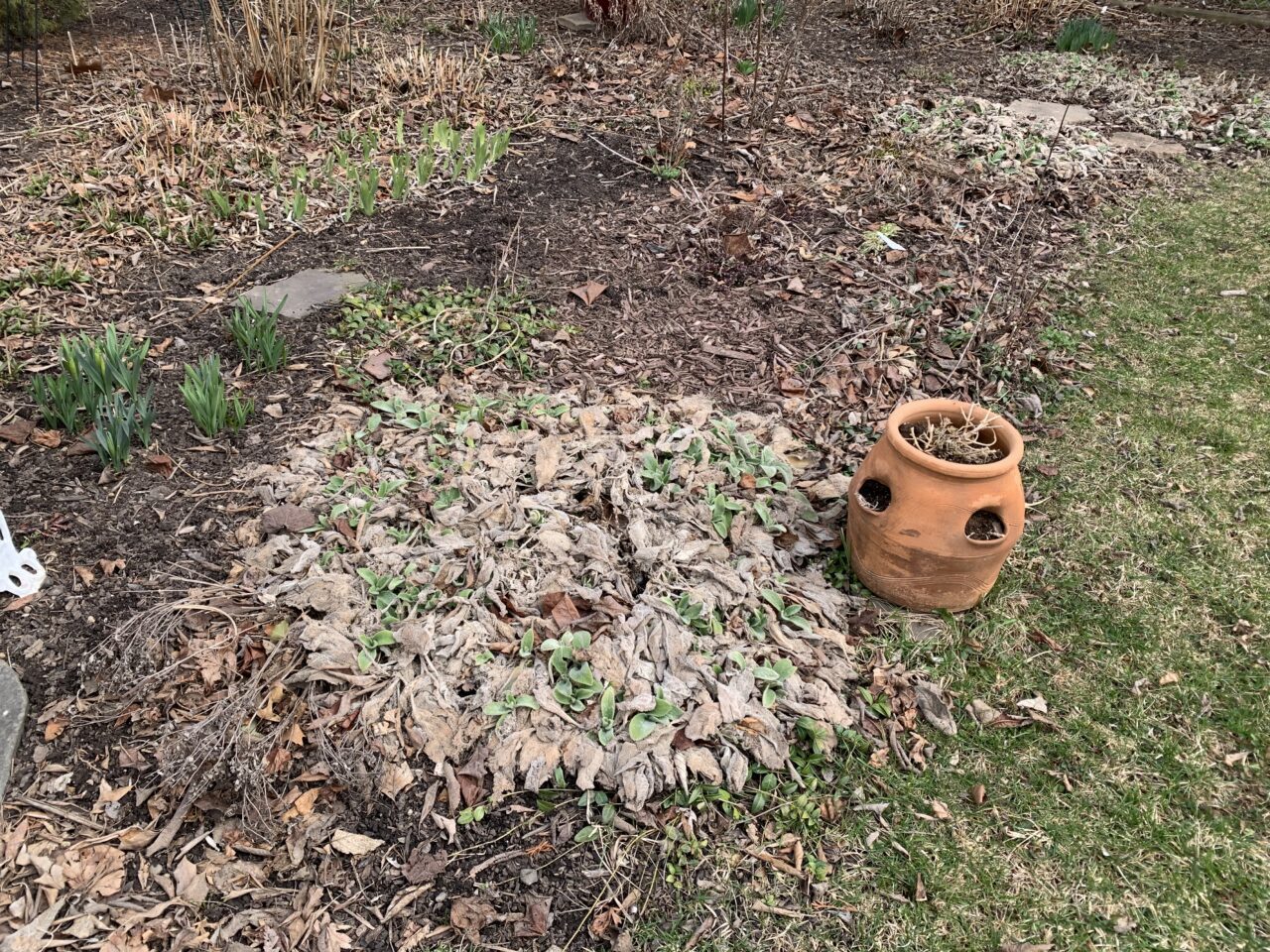
New York. I am removing lambs ear to expand bed started last year and adding Monarda and milkweed.
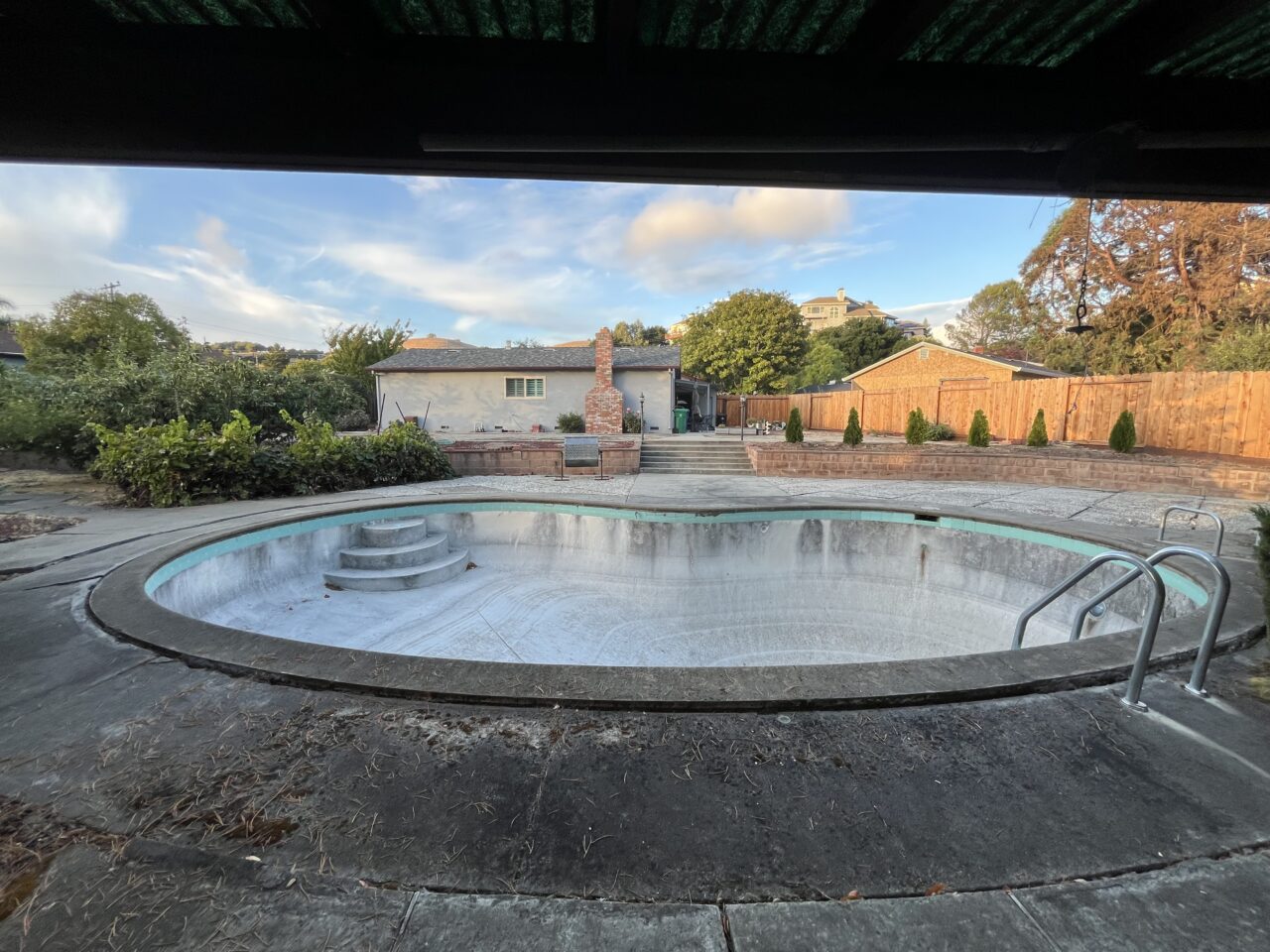
California. At my new house, I am replacing the ancient backyard swimming pool with a meadow of native grasses and wildflowers. Attaching a “before” shot from January (the pool has since been removed 🙂
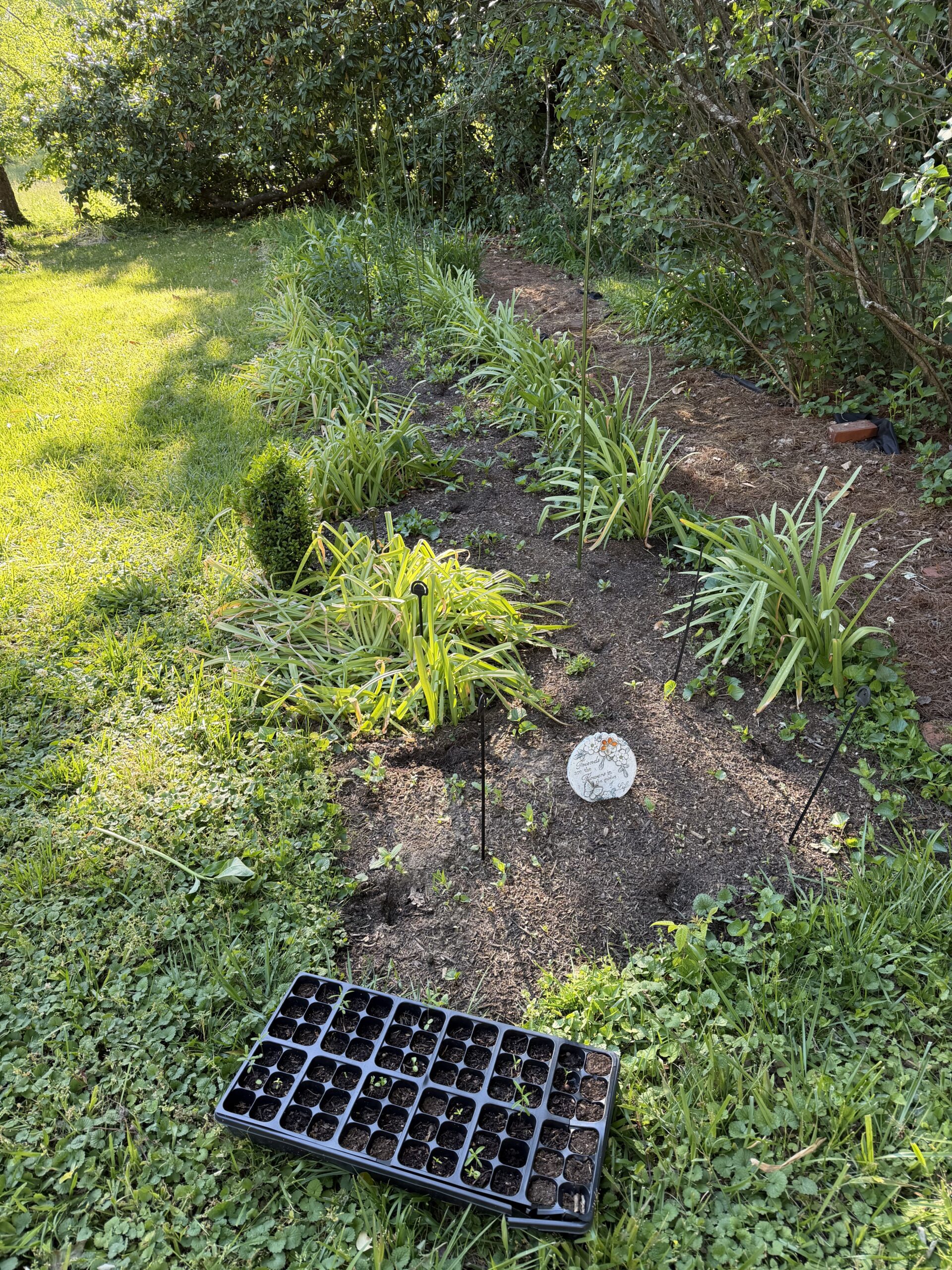
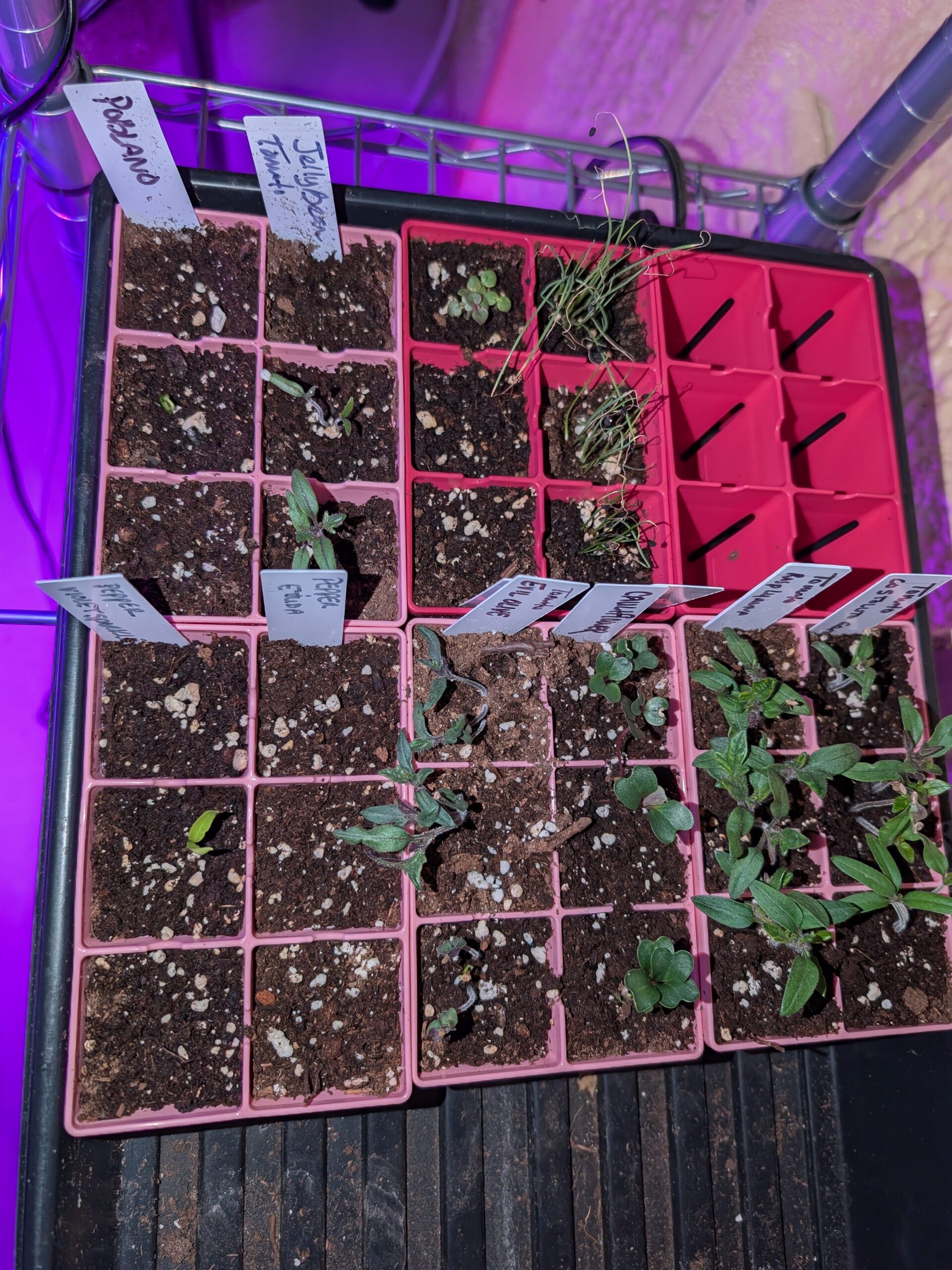
Michigan. Starting seedlings to add more plants for birds. Photo by April Lankford.
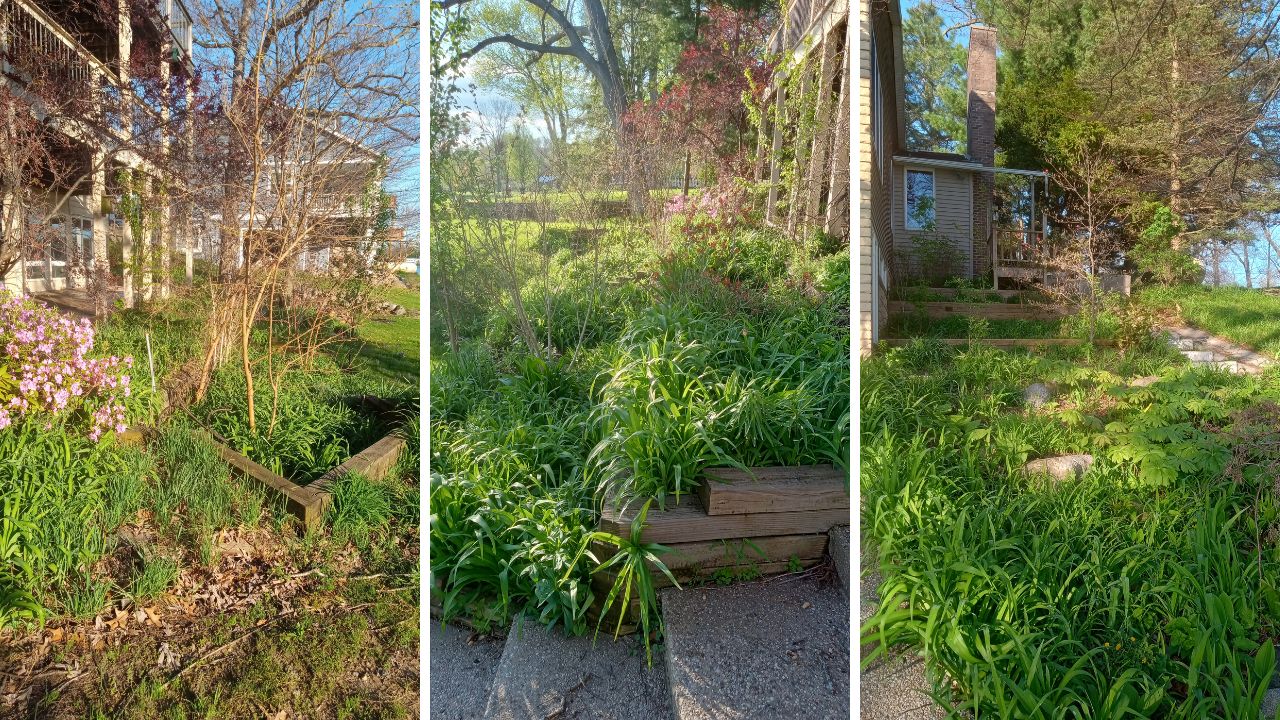
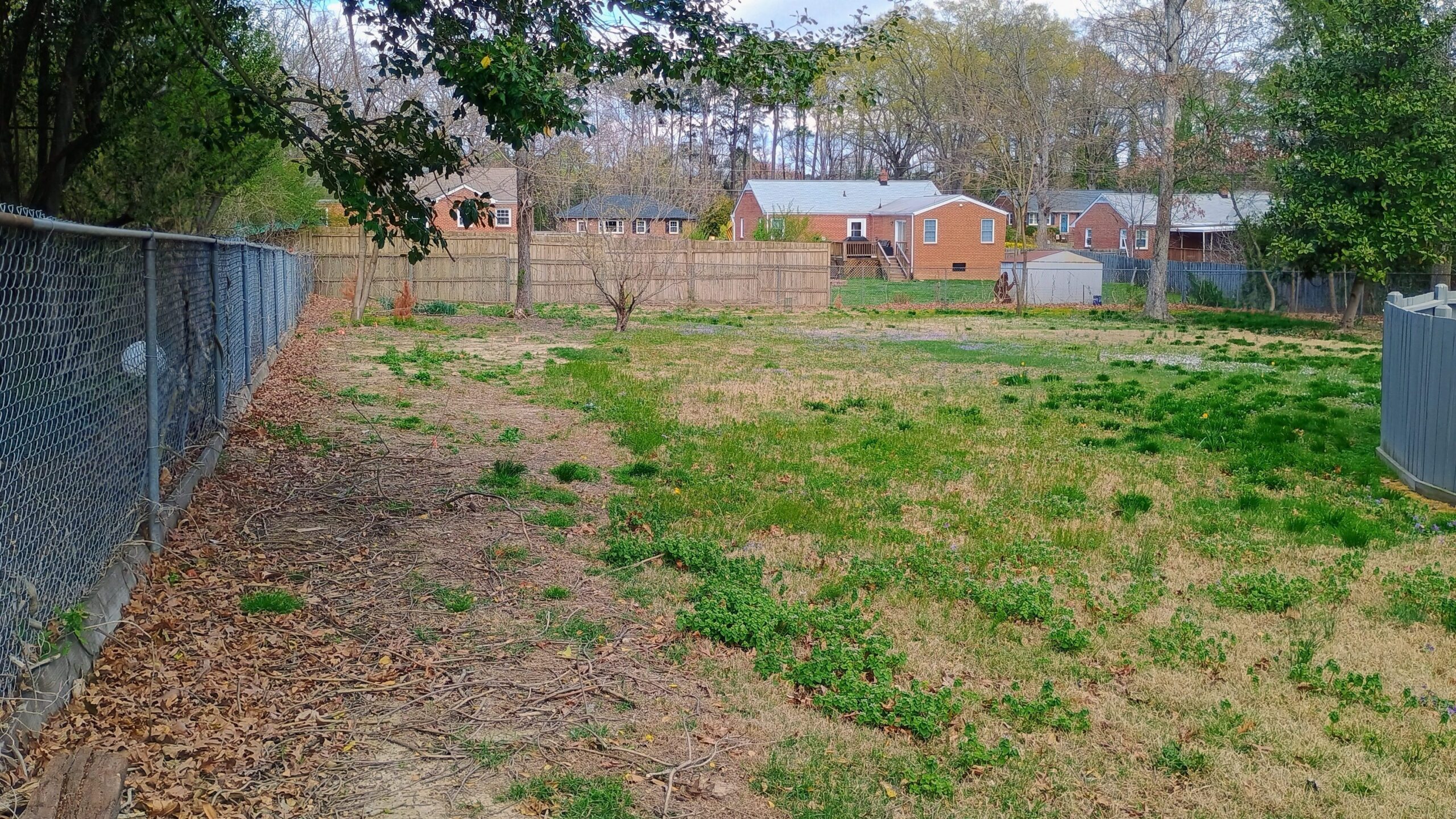
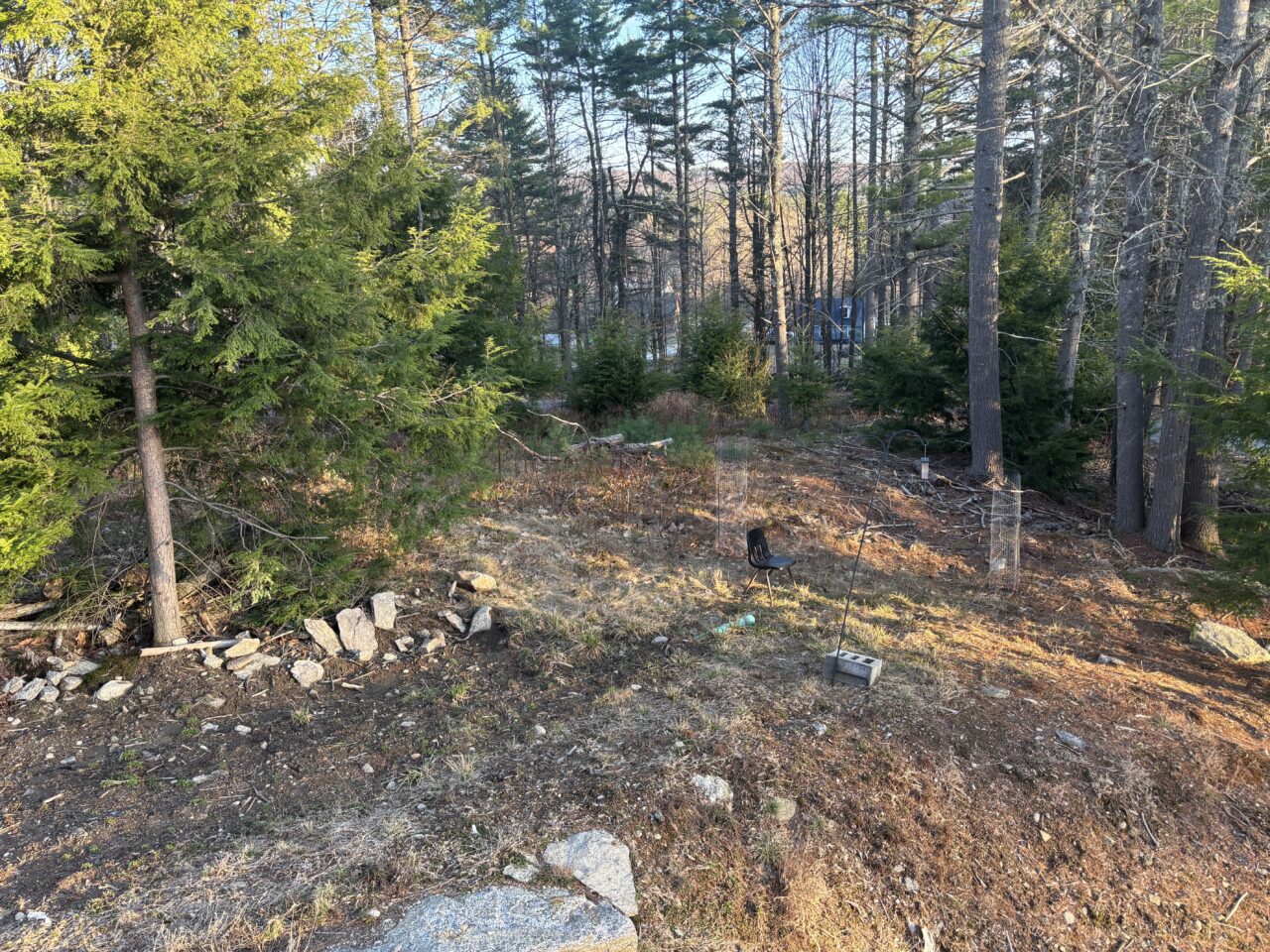
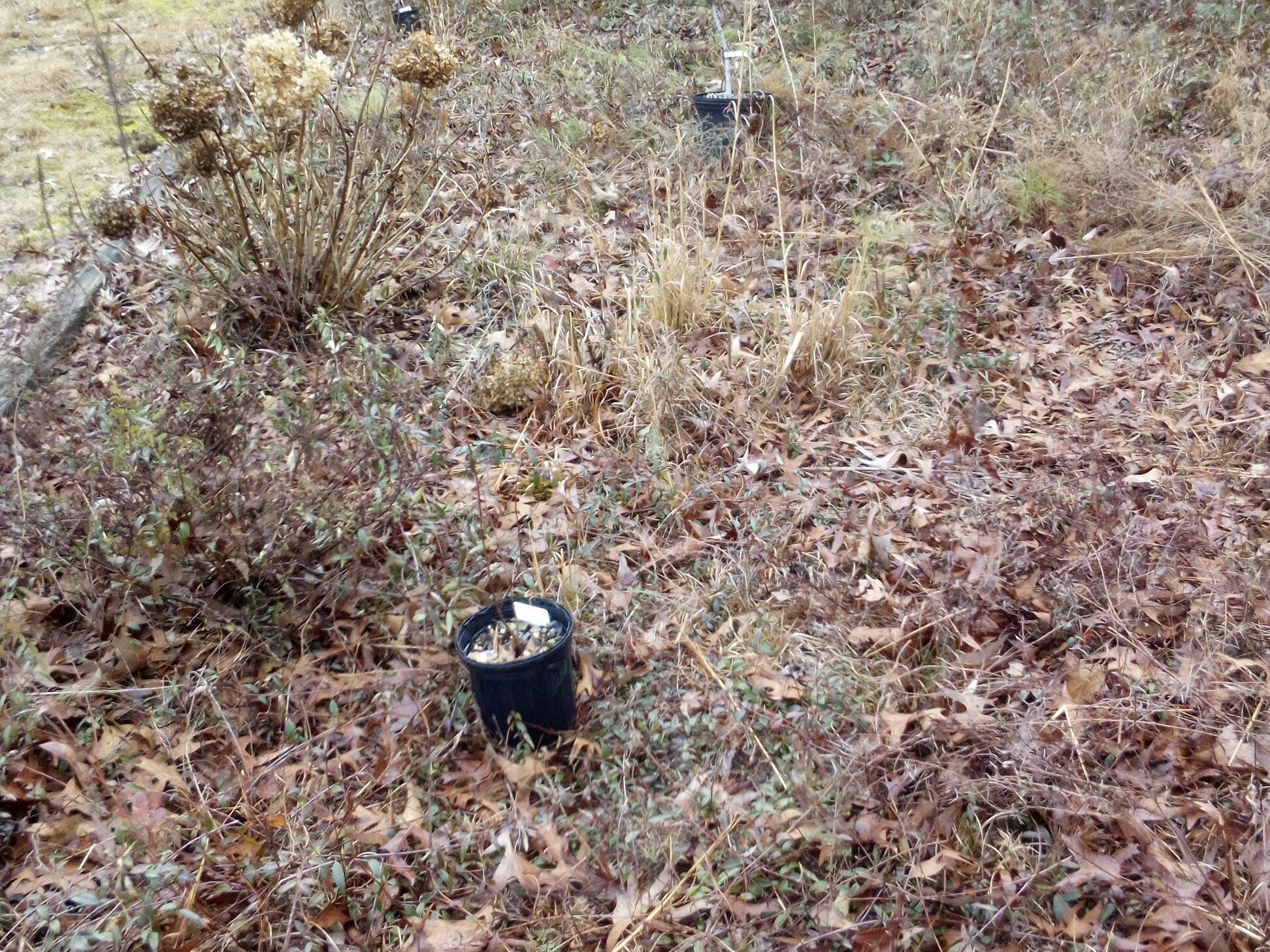
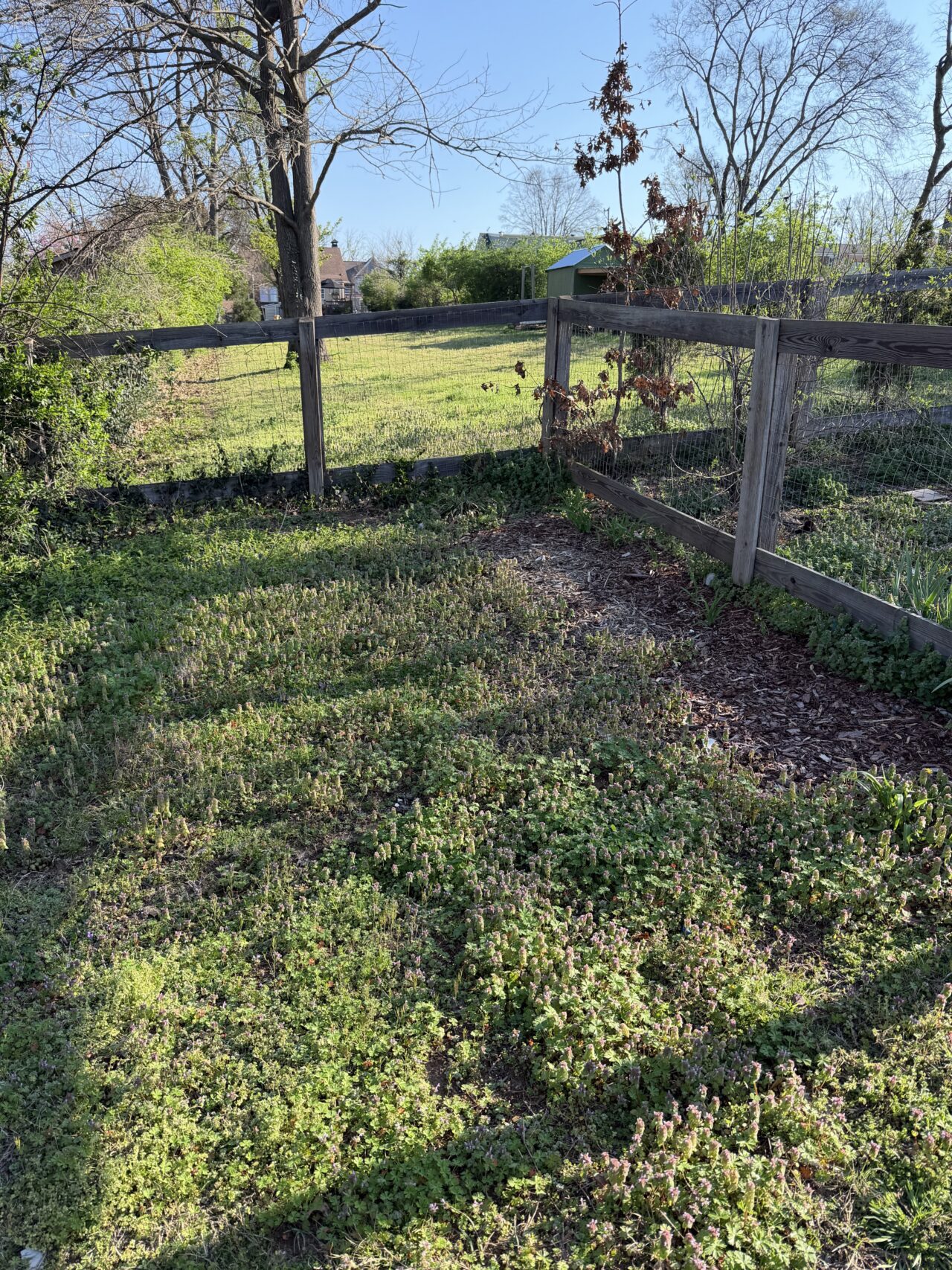
Tennessee. This is the area I want to focus on this year for adding native species that will benefit birds, butterflies, and other members of the local ecosystem. I need to remove invasives first, then begin planting. Photo by Anna-Marie Settine.
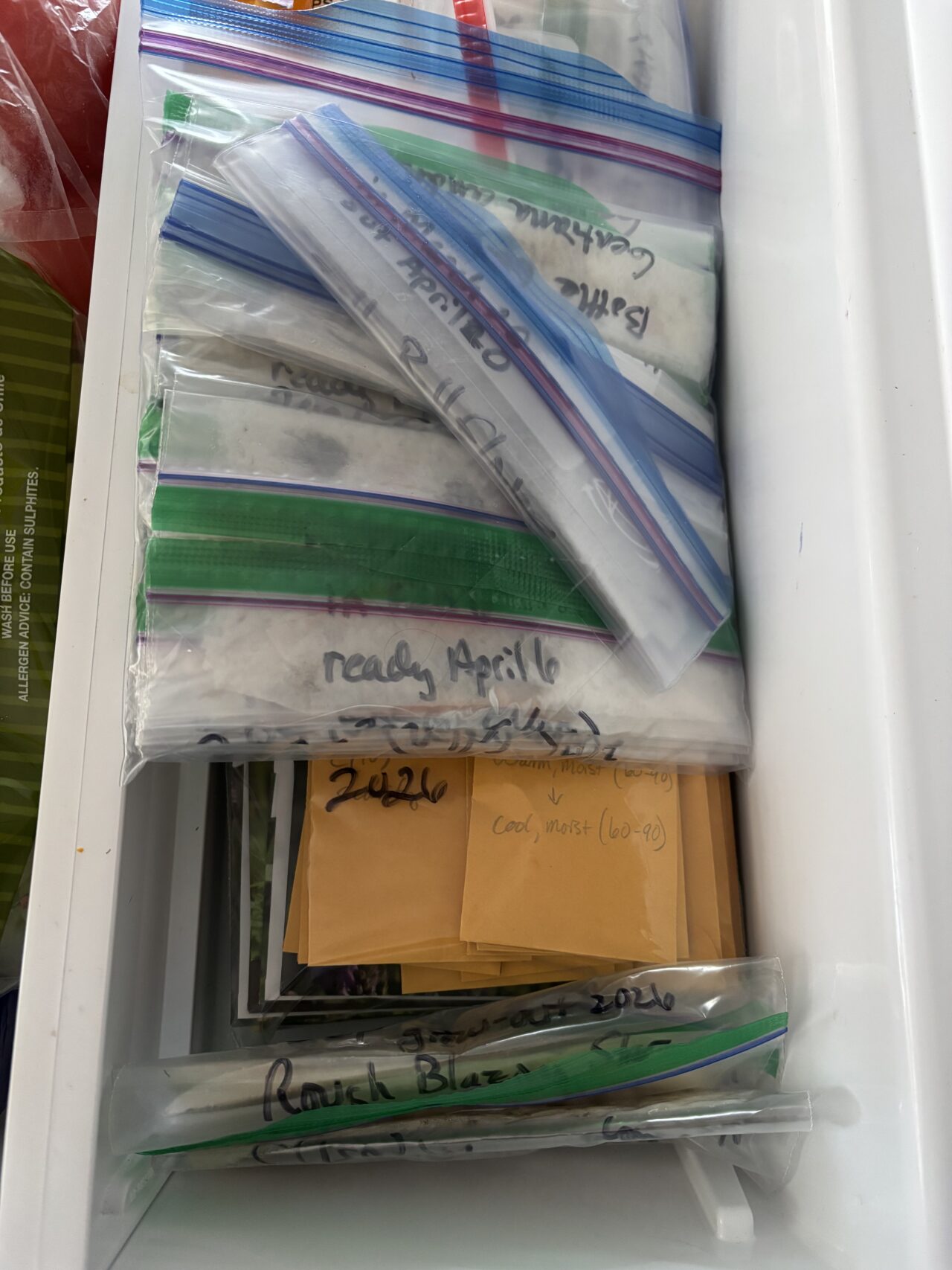
Wisconsin. These are native plant seeds that have been stratifying in my refridgerator for various amounts of time, based on recommendations on the Prairie Moon website and my own identifications of the seeds collected. Note that seed collection was always done with permission, if it was not on my own property. Photo by Maggie Honig.
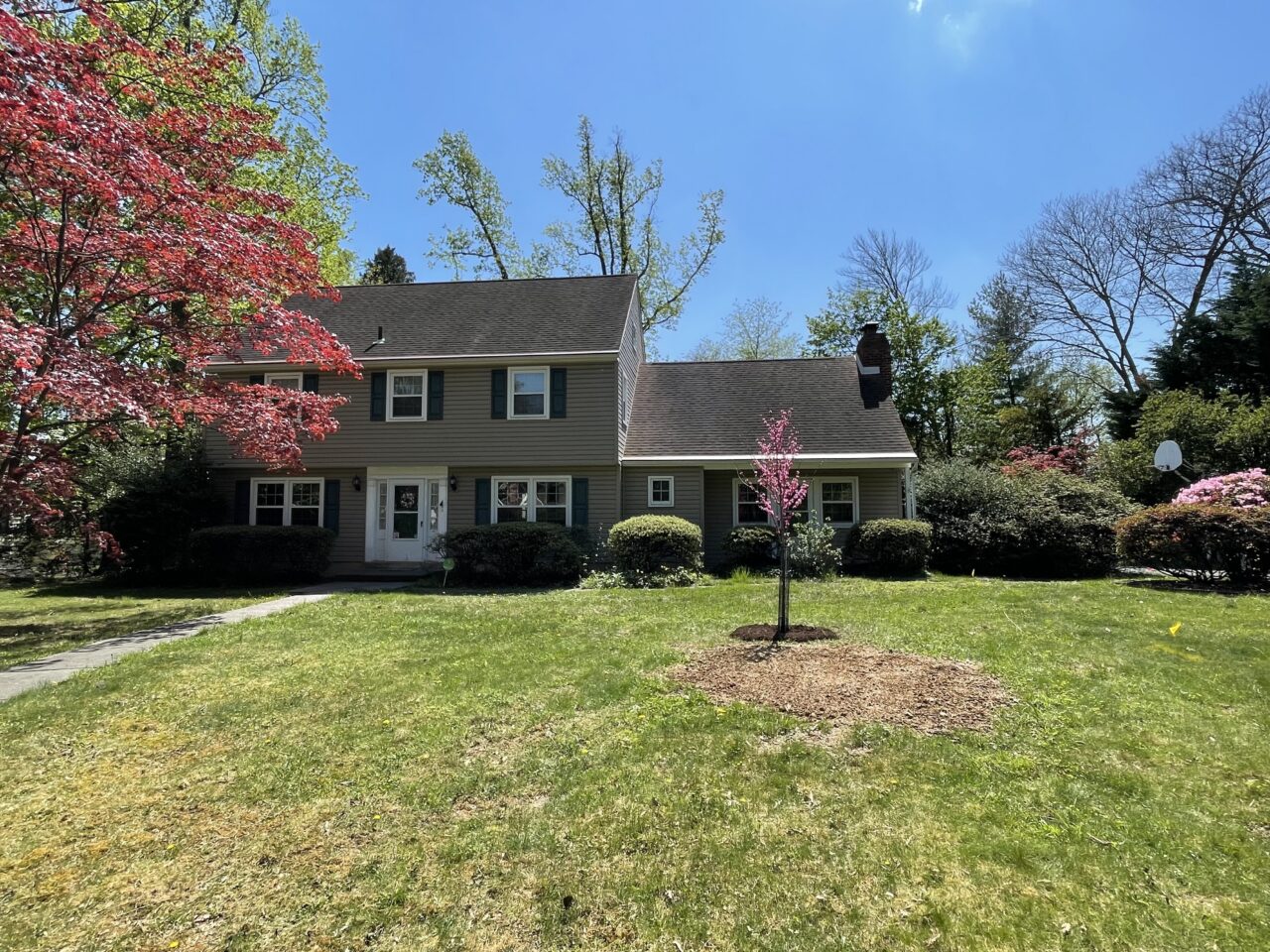
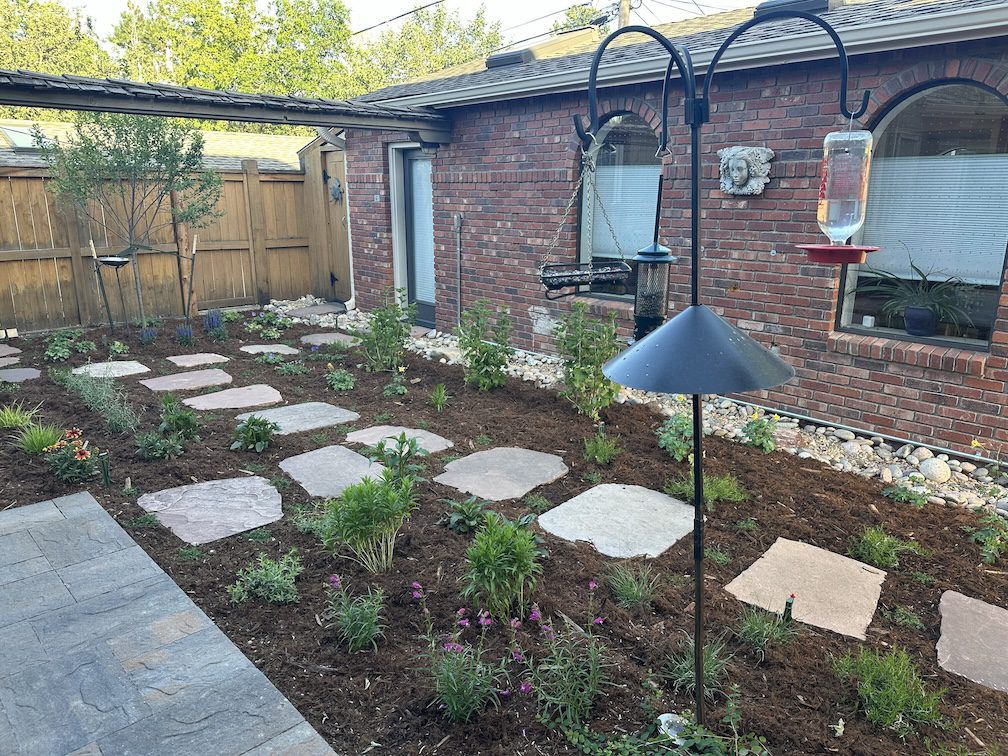
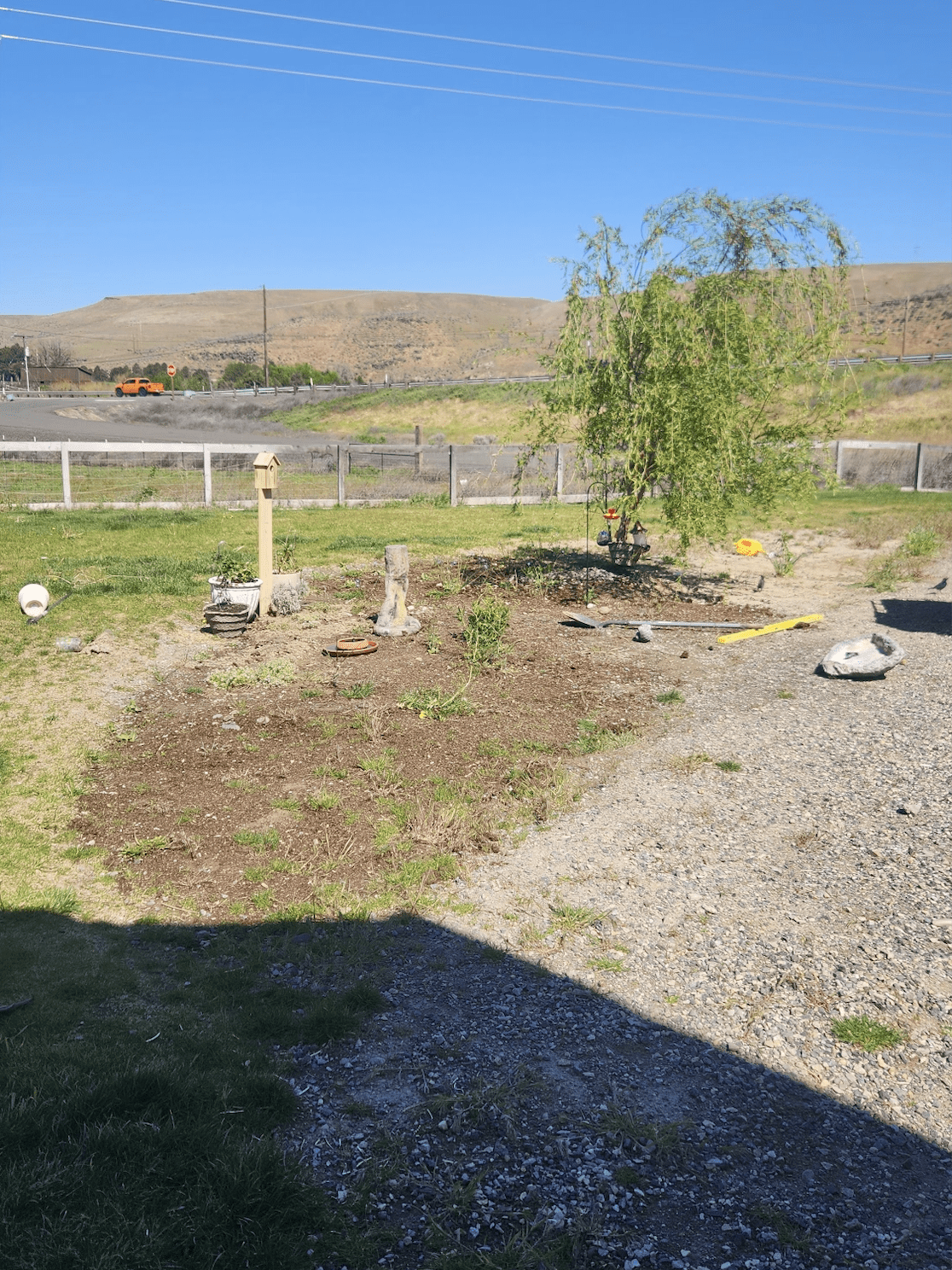
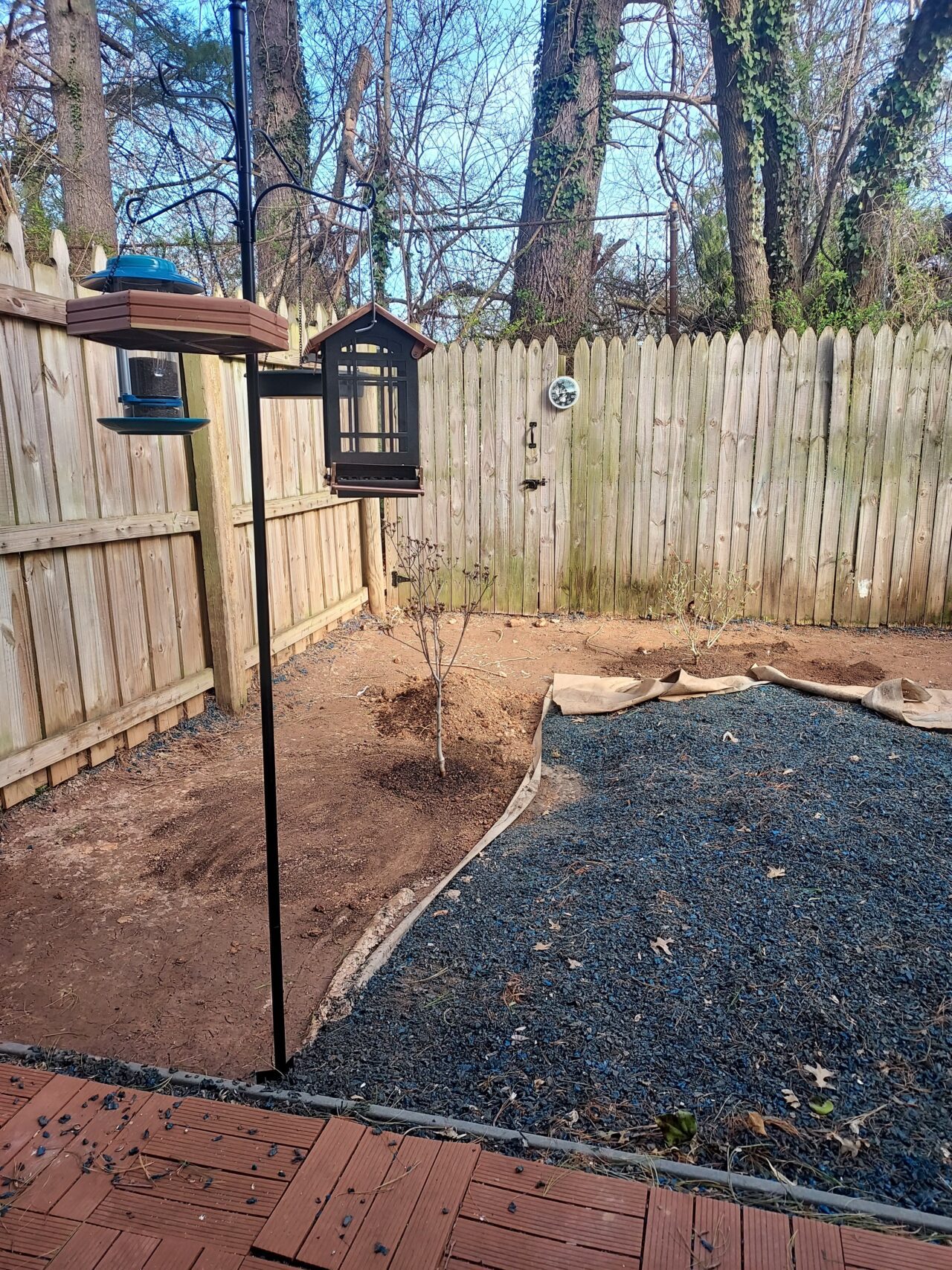
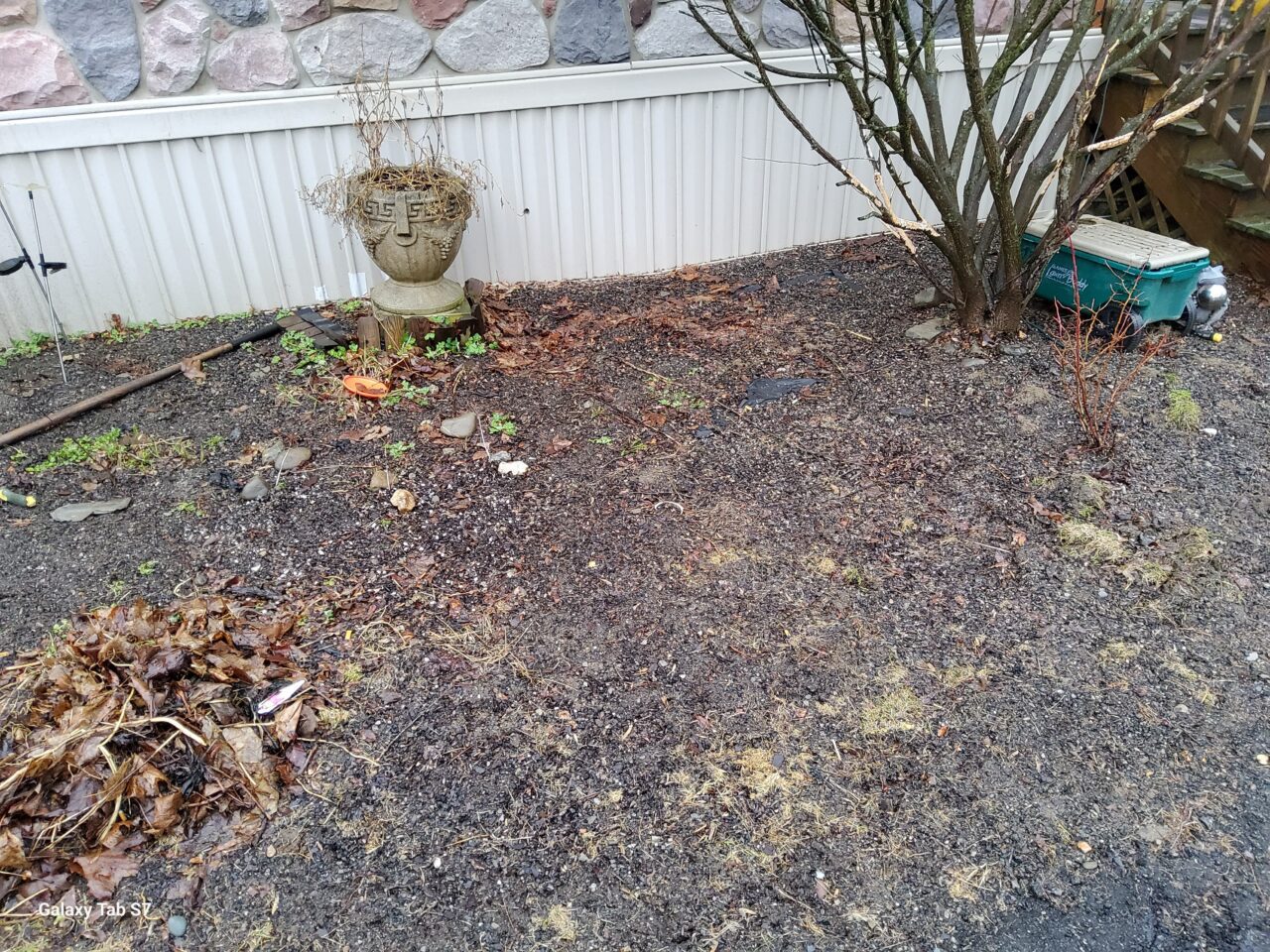
Maryland. Just getting started on transforming this 20×20 barren yard to what I hope will someday be a bird-friendly oasis. The previous owners put down playground mulch stuff, so I’m really starting from scratch! I planted a dogwood and viburnum this weekend, and I’m already learning a lot. Photo by Joan Walker.
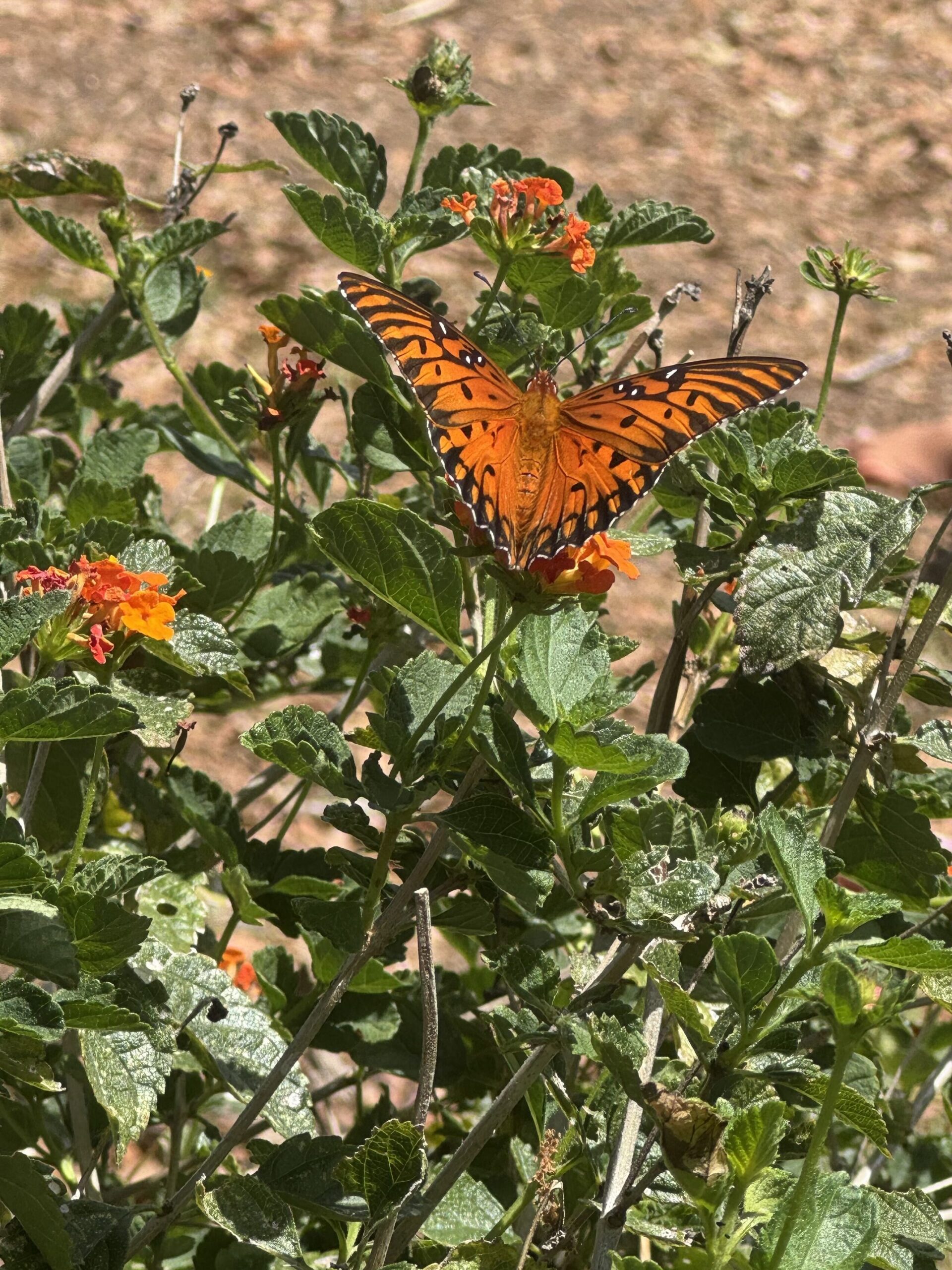
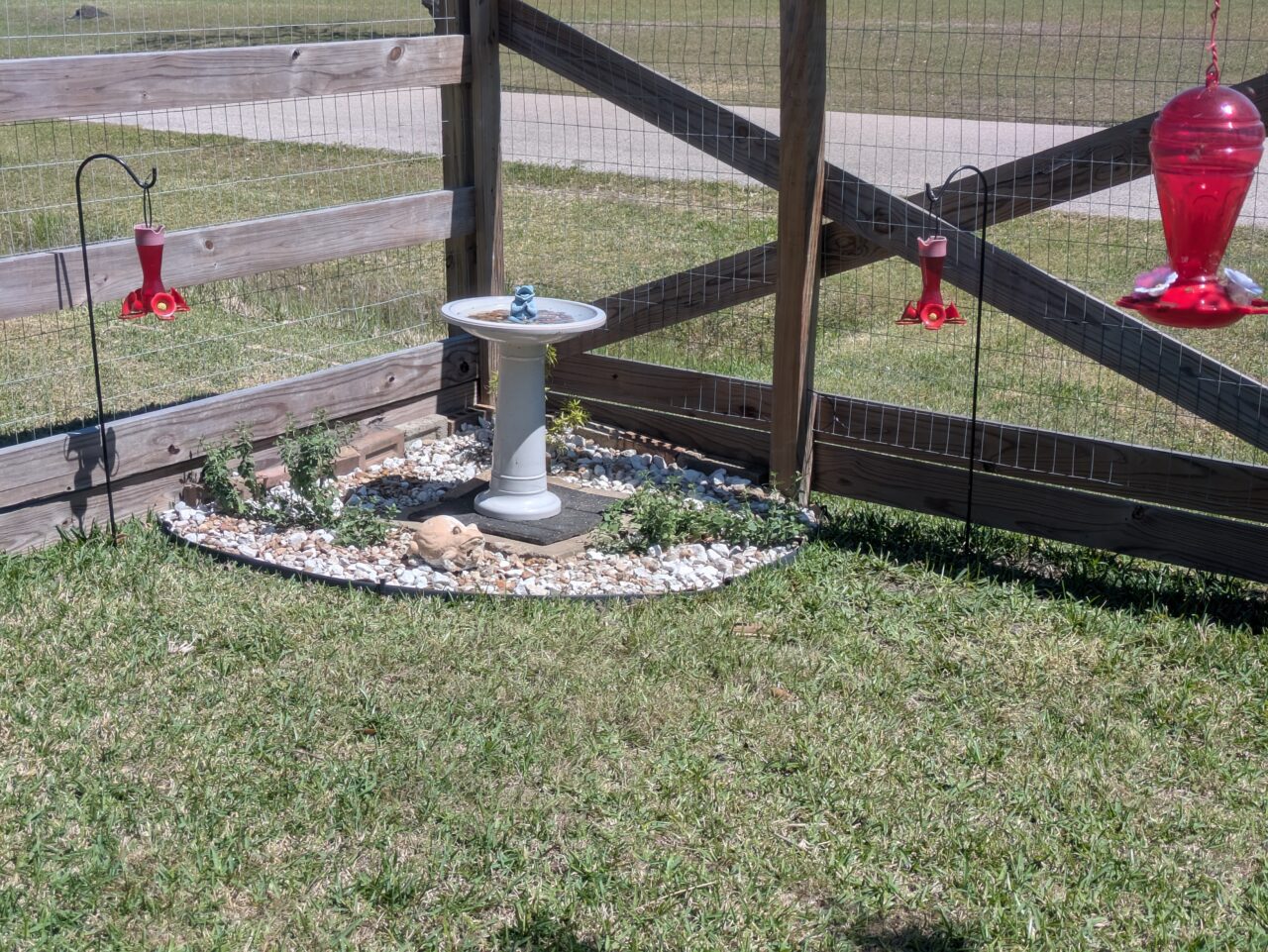
Florida. Part of my pollinator garden is already attracting wildlife.
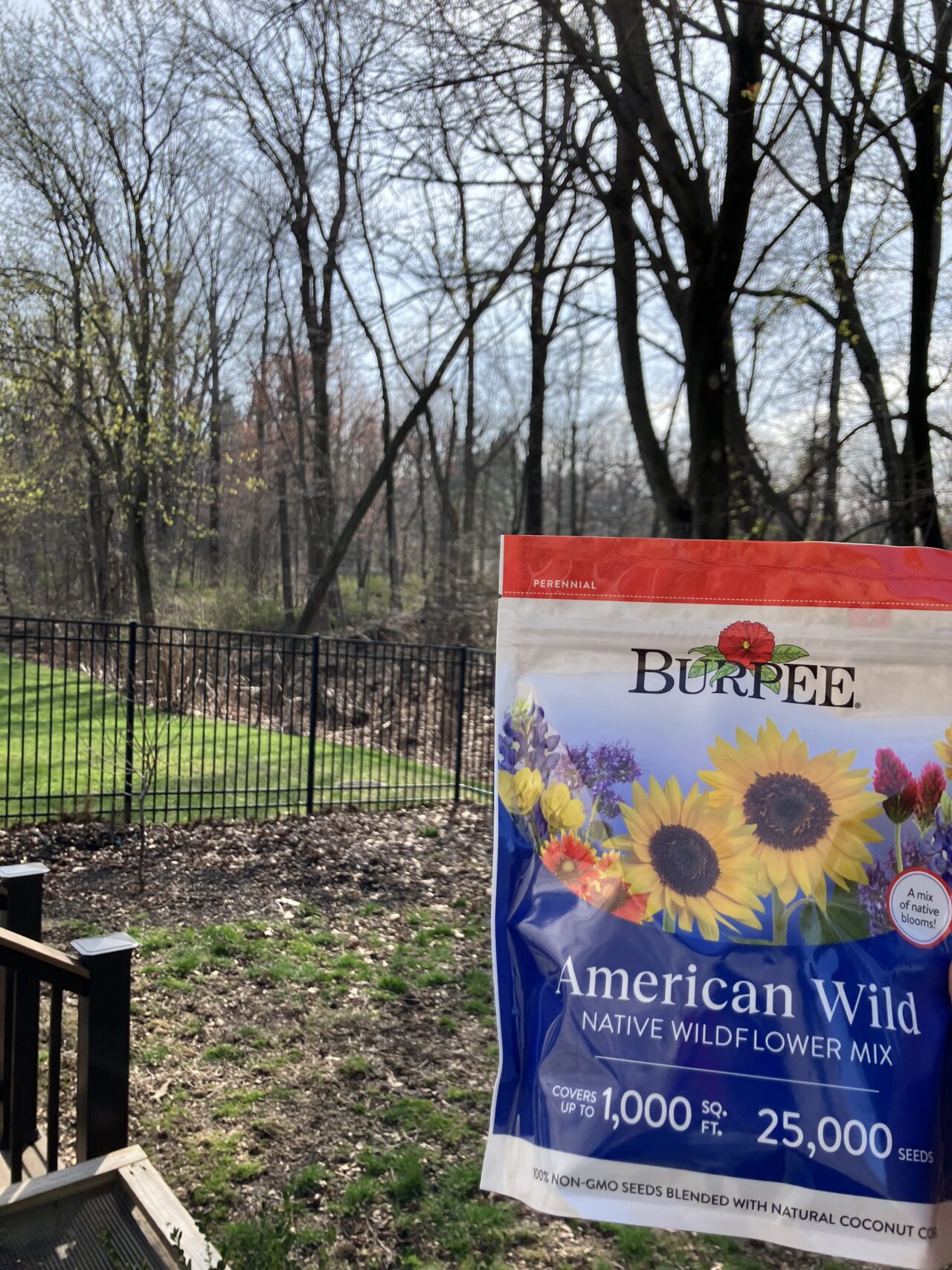
New Jersey. My newly bought seed bag in front of the area I will be filling with my new wildflower garden! More natives are hiding under the leaves and will reappear soon. Photo by Kate Shiflett.
Texas. Three of my four American Beauty Berry bush’s (planted last fall) made it through the winter. Going to replant #4 in a few weeks!
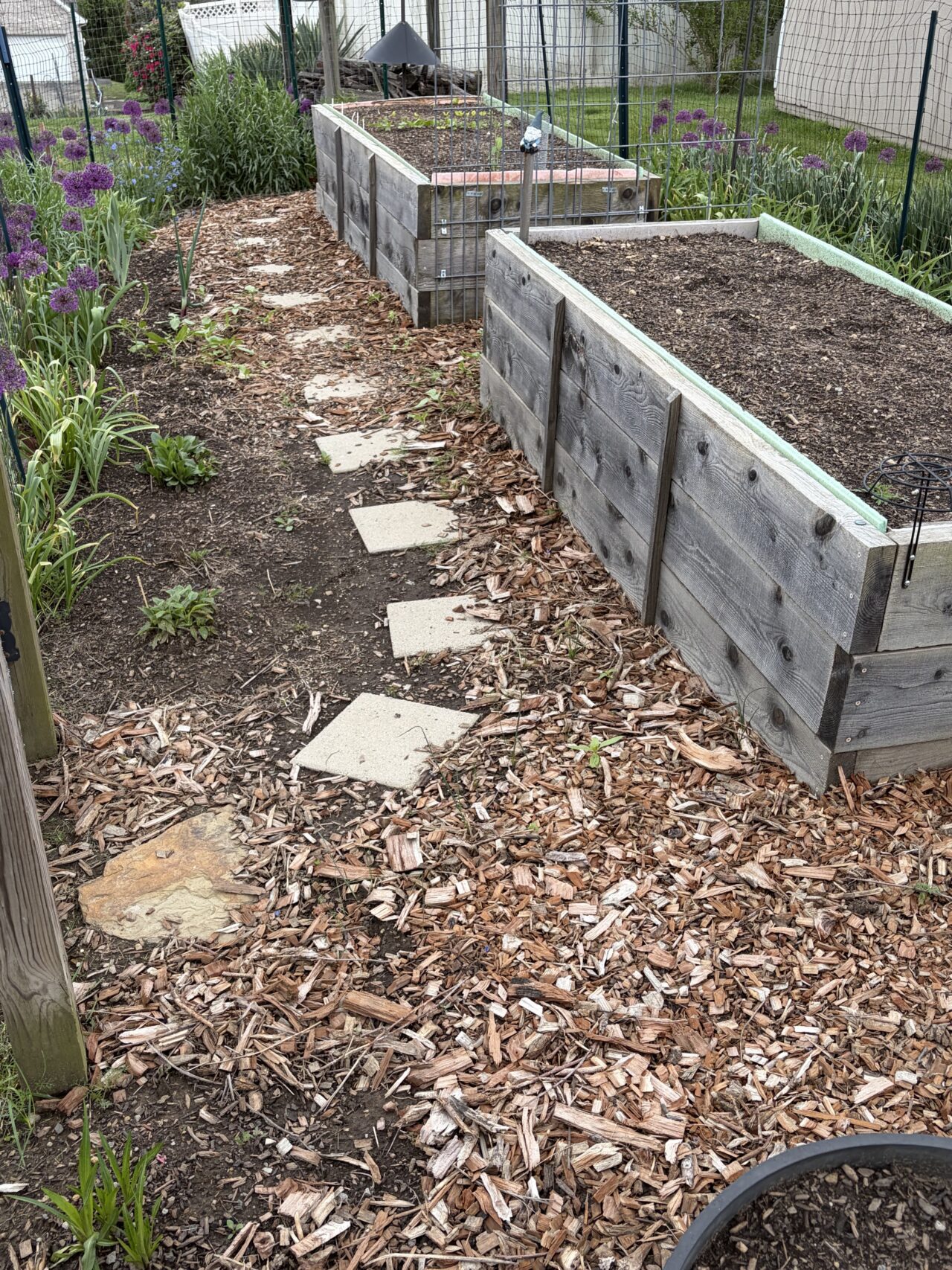
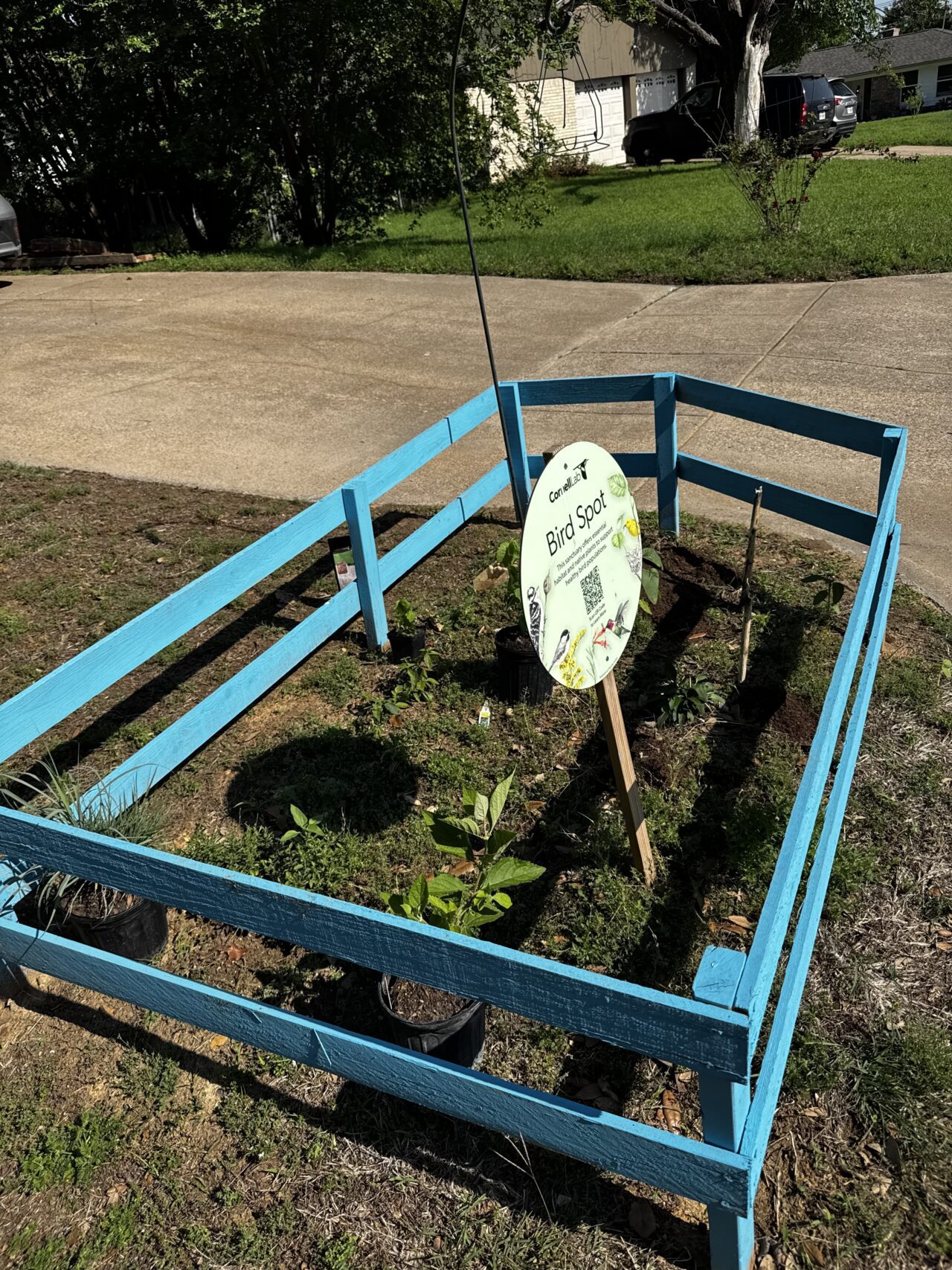
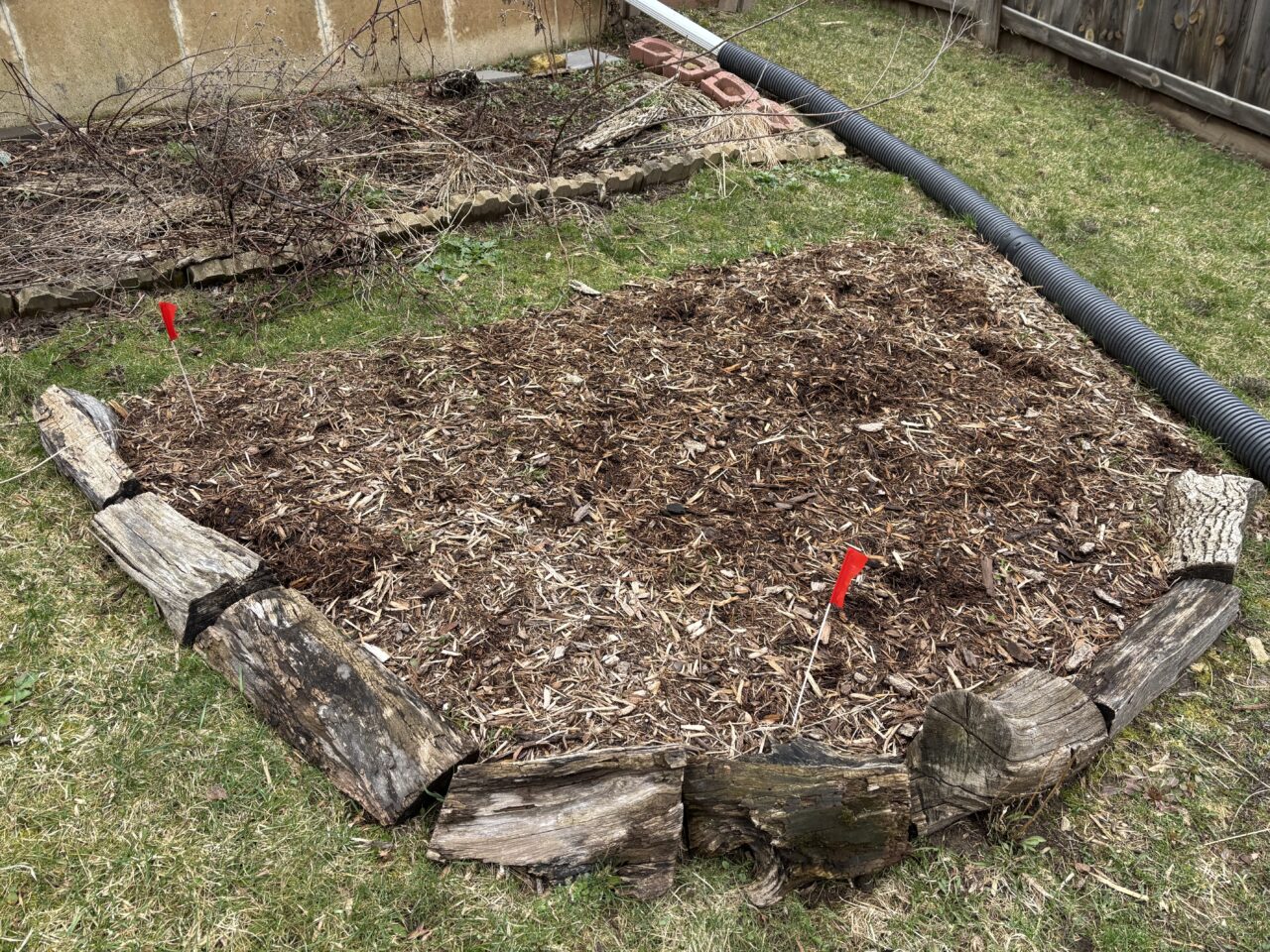
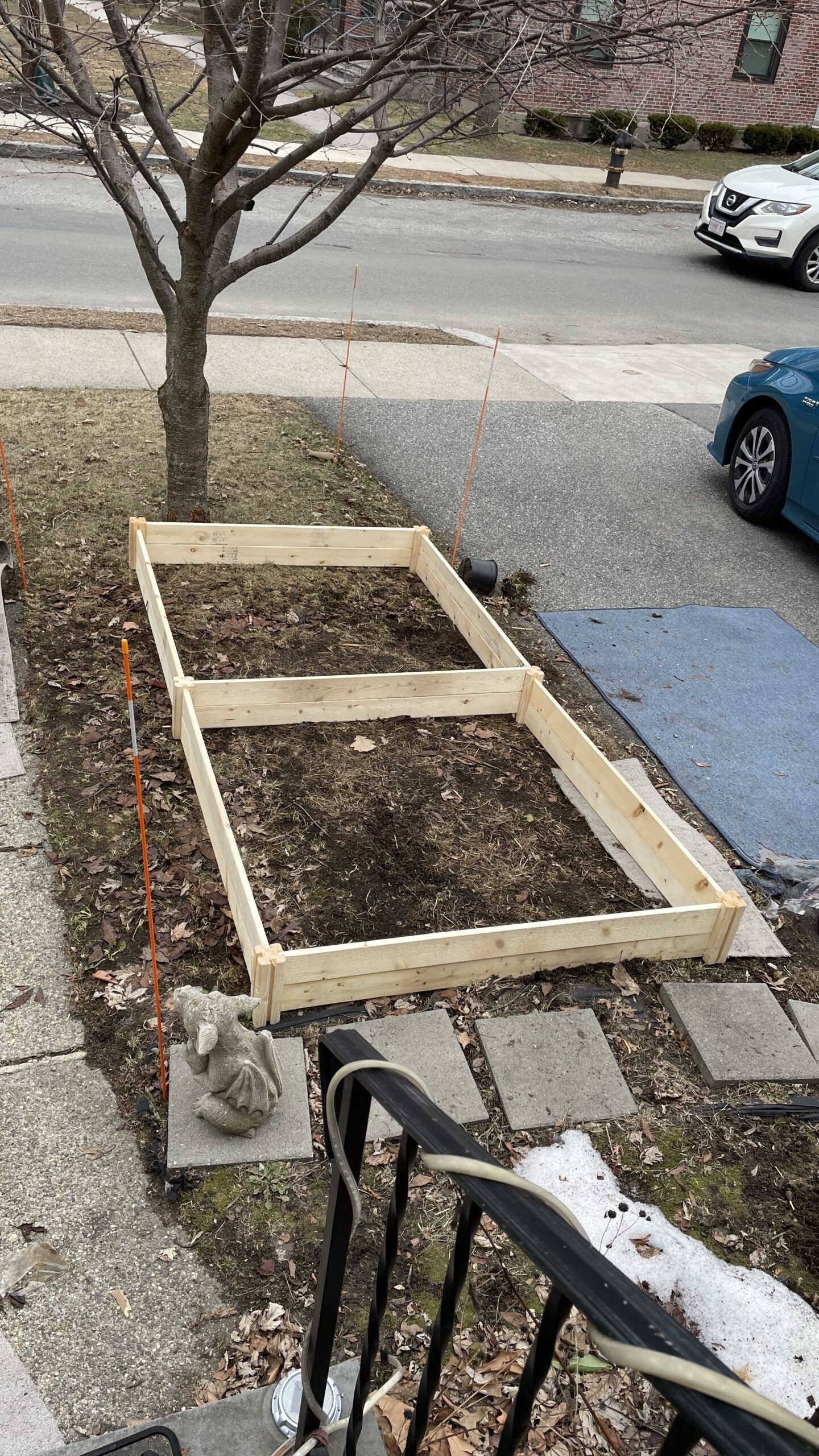
Massachusetts. Creating a 4’x8′ raised bed for native plants in my front yard.
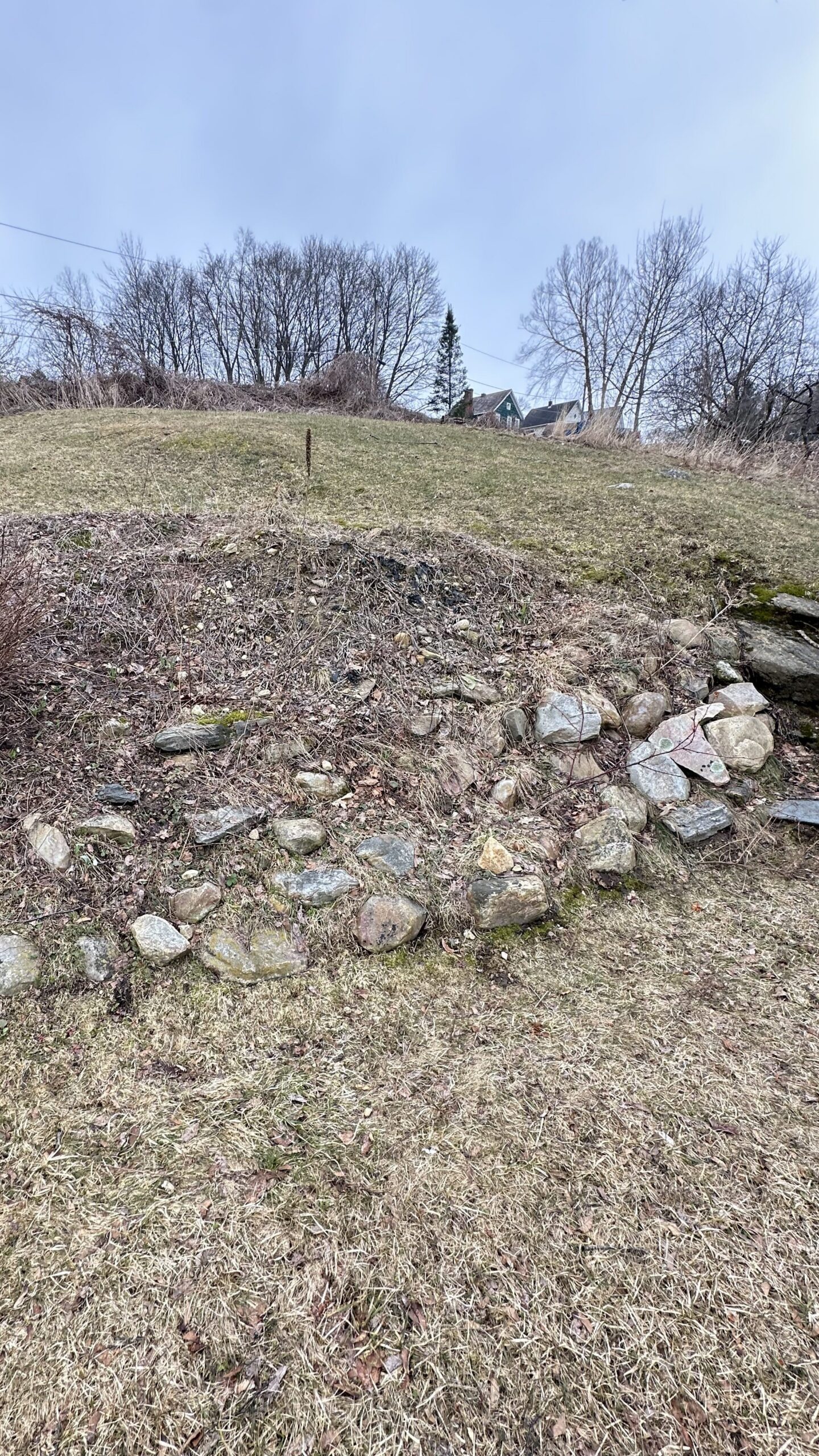
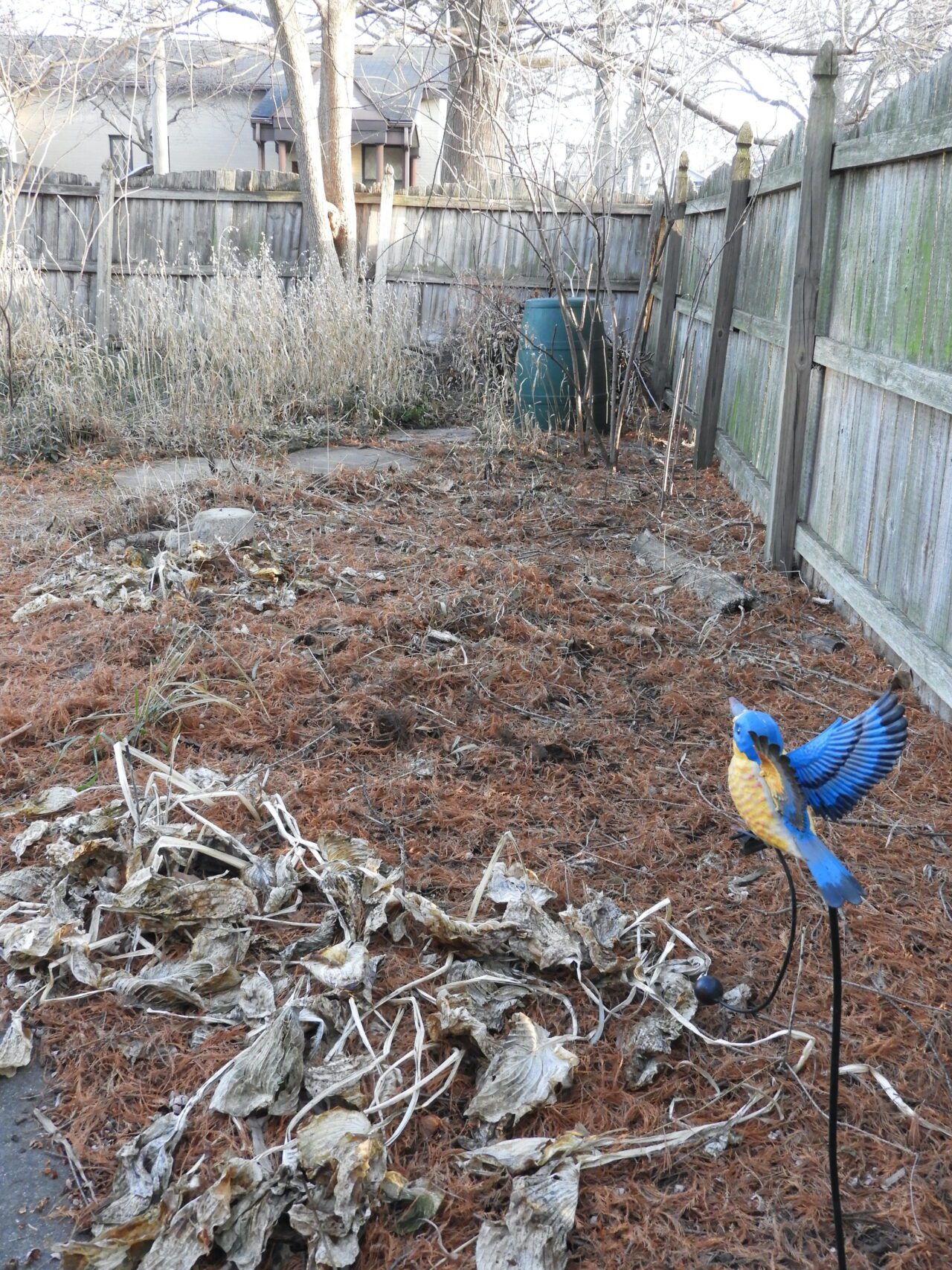
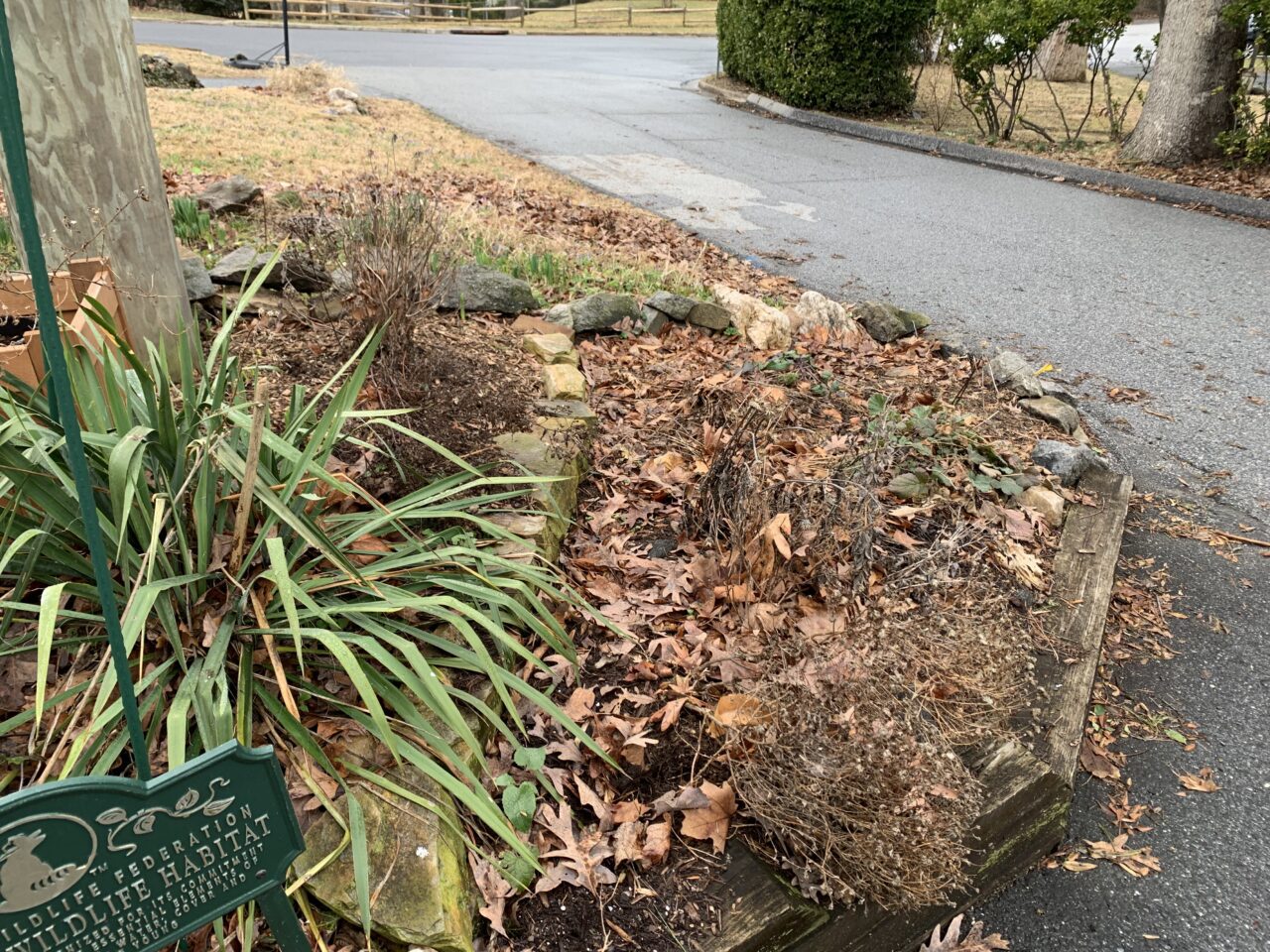
Massachusetts. This is a mess of a spot with rocks, a struggling black eyed Susan, more rocks and hostas. Also a very large groundhog hole at the top. I’d like to create a rock garden supportive of birds and insects.
Field where new seeds were sown.
California. I have approximately one acre that was a weed patch. I planted wild sunflower and wild flowers in 3 rows with the idea they will reseed each year and provide birds with a seed and bug source each spring and summer. Photo by Brad Gabor.
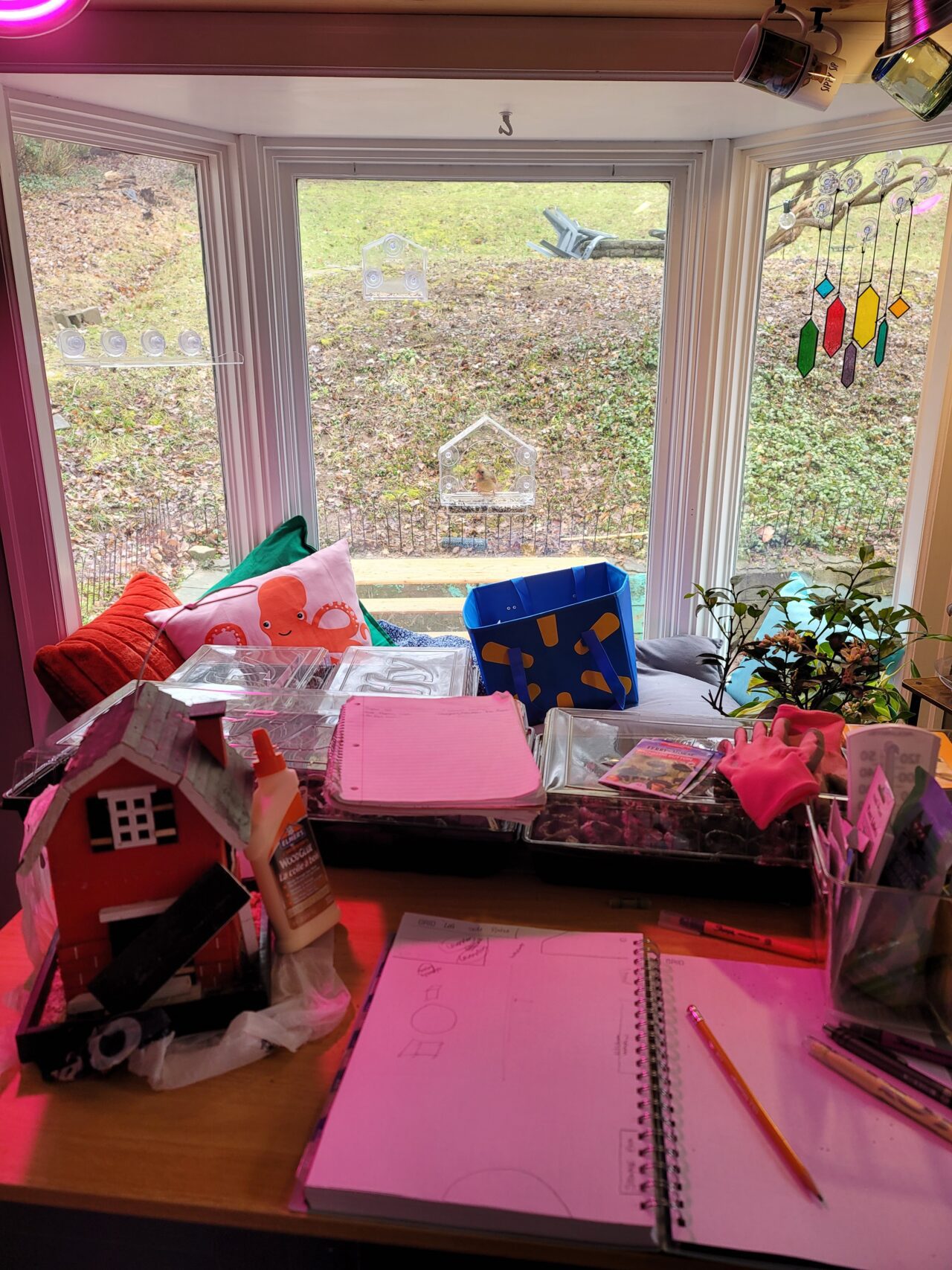
Picture window of garden planning.
Kentucky. I just moved in December from Texas to Kentucky! This year I am starting seeds and repairing birdhouses while planning the new backyard habitat for birds and bees. Photo by Beth Hartmann.
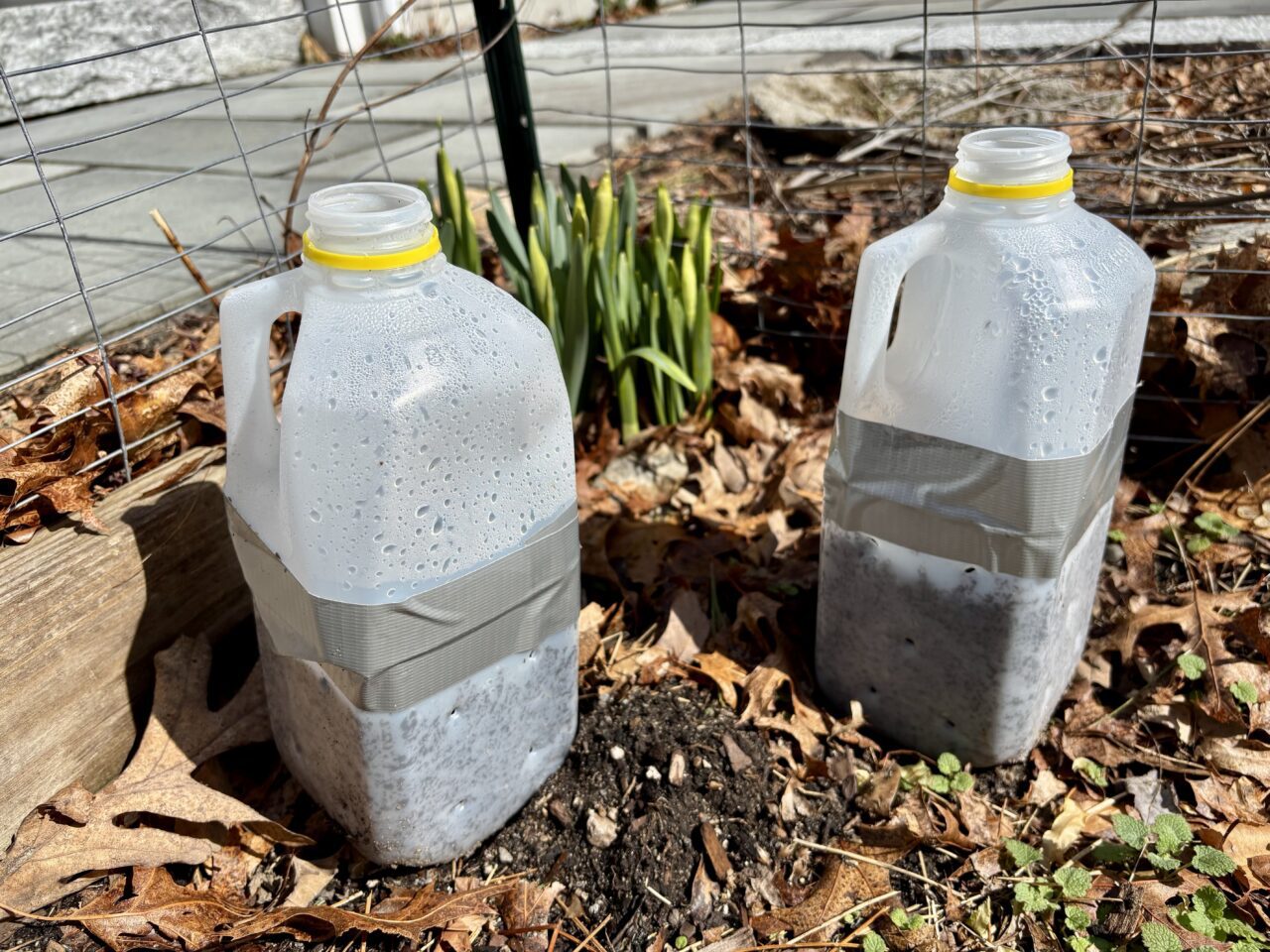
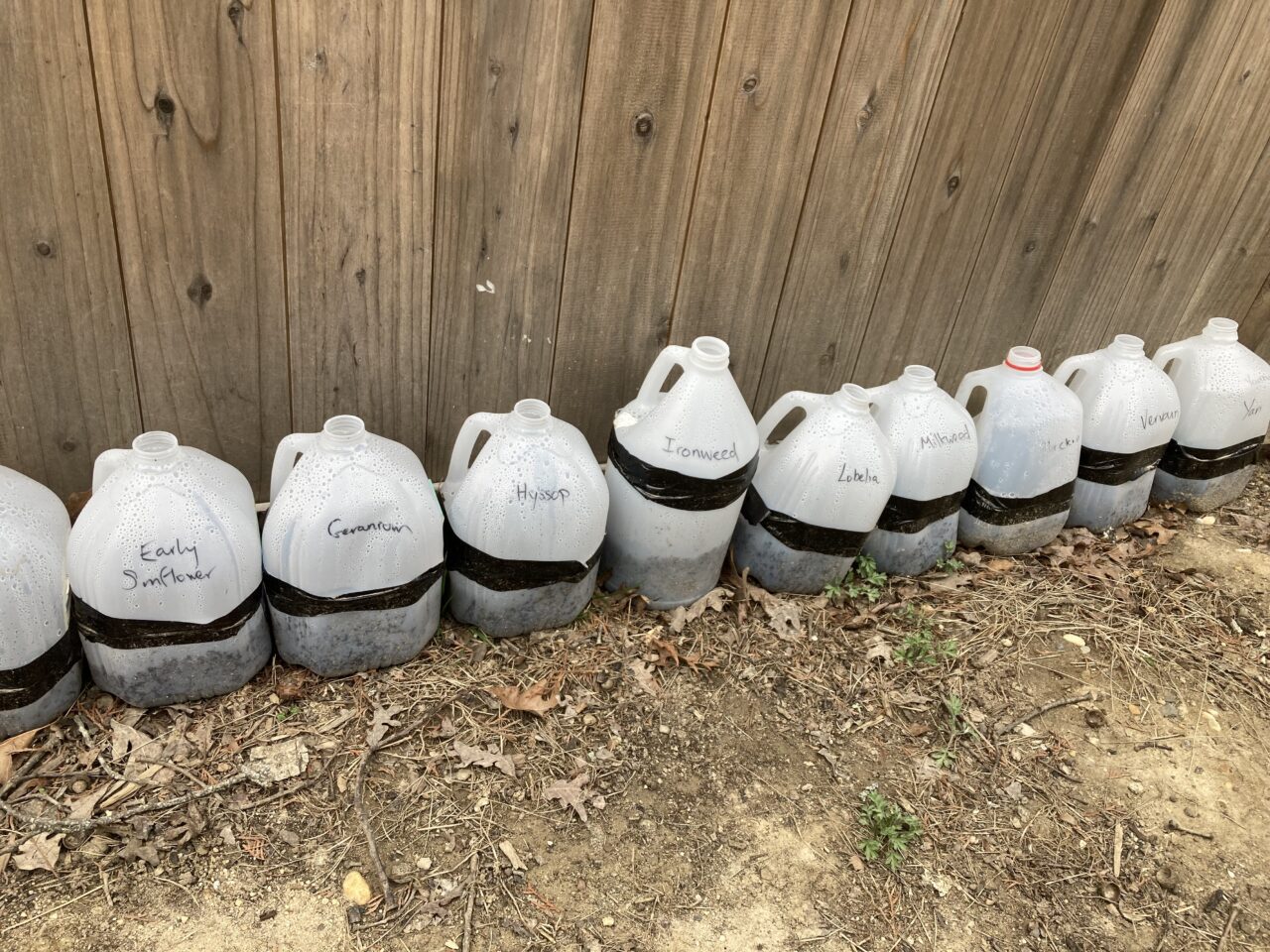
Milk jugs where seeds are started.
Pennsylvania. Winter sowing plants for transplanting. Photo by Shannon Stirling.
Alberta. I plan to plant 4 patches of native flowers and grasses as outlined in the diagram. I have 2 previous patches that are coming along. The oldest patch has spread into its surroundings. Photo by Heather Dempsey.
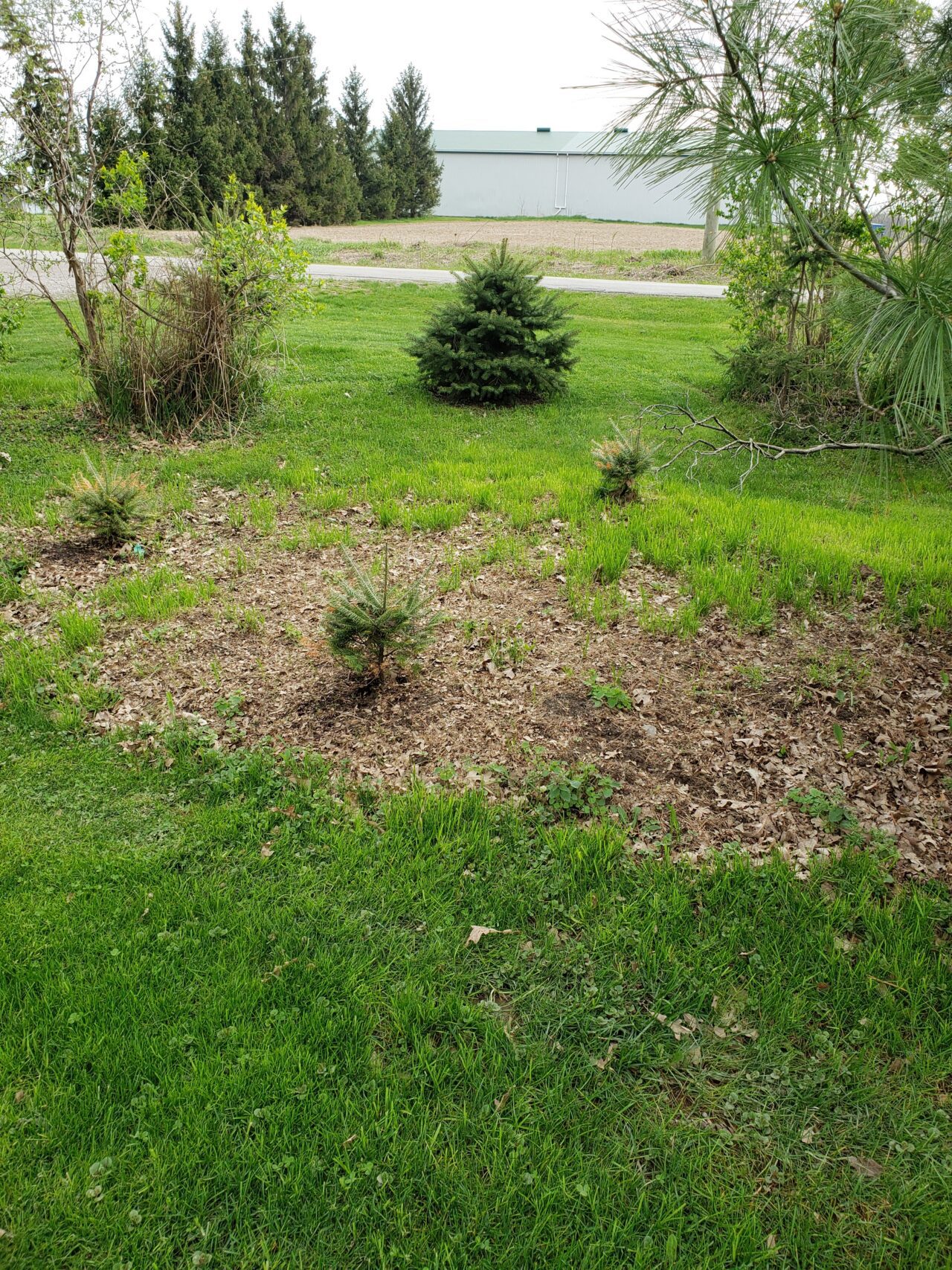
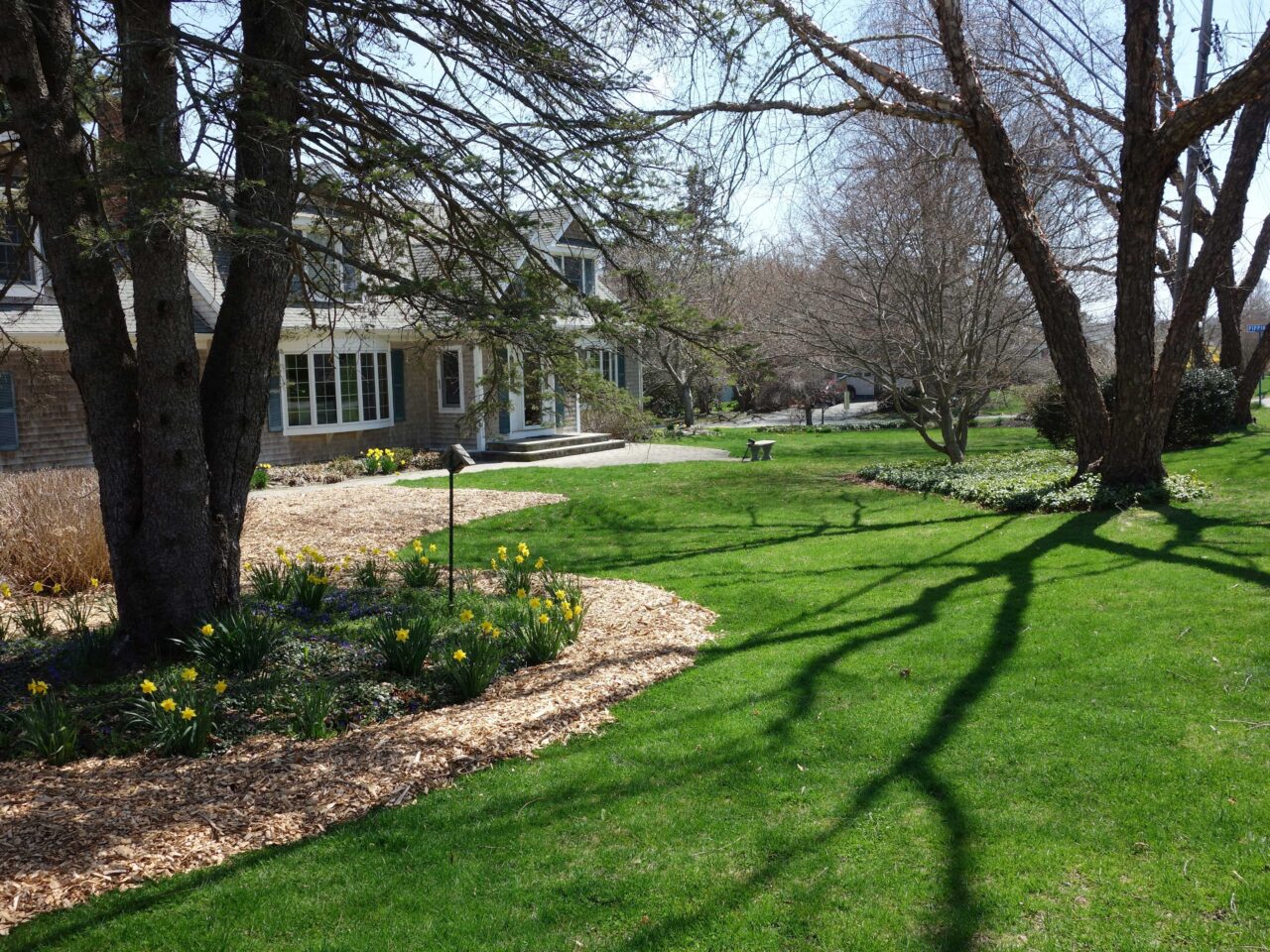
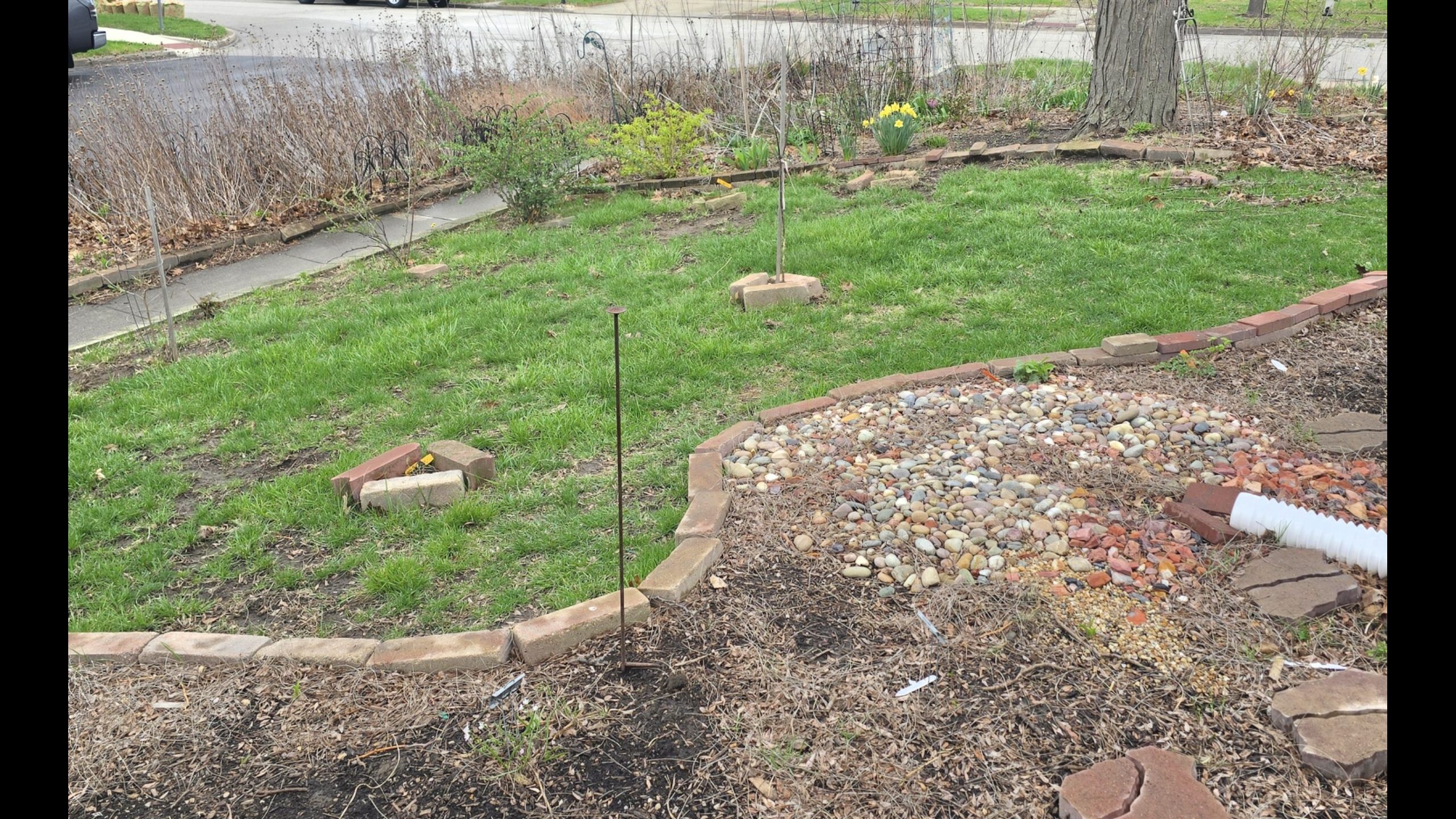
Illinois. The only turf grass left anywhere in my yard. I want to shrink it and add native grasses & sedges so the bluebird house nearby will be more attractive to potential residents.
New York. I am building upon the patch I started “unlawning” last year.
Garden space with new additions drawn ontop.
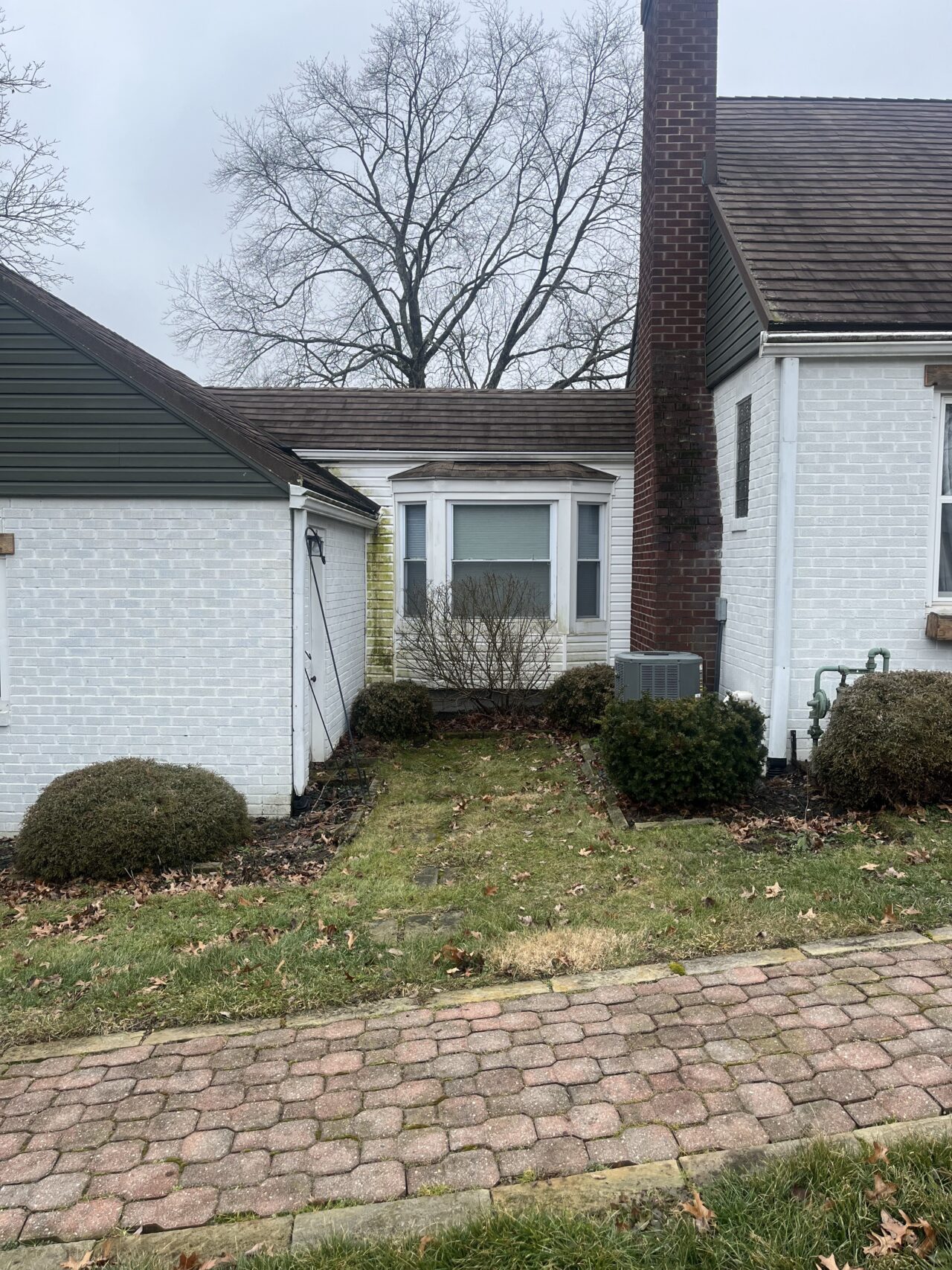
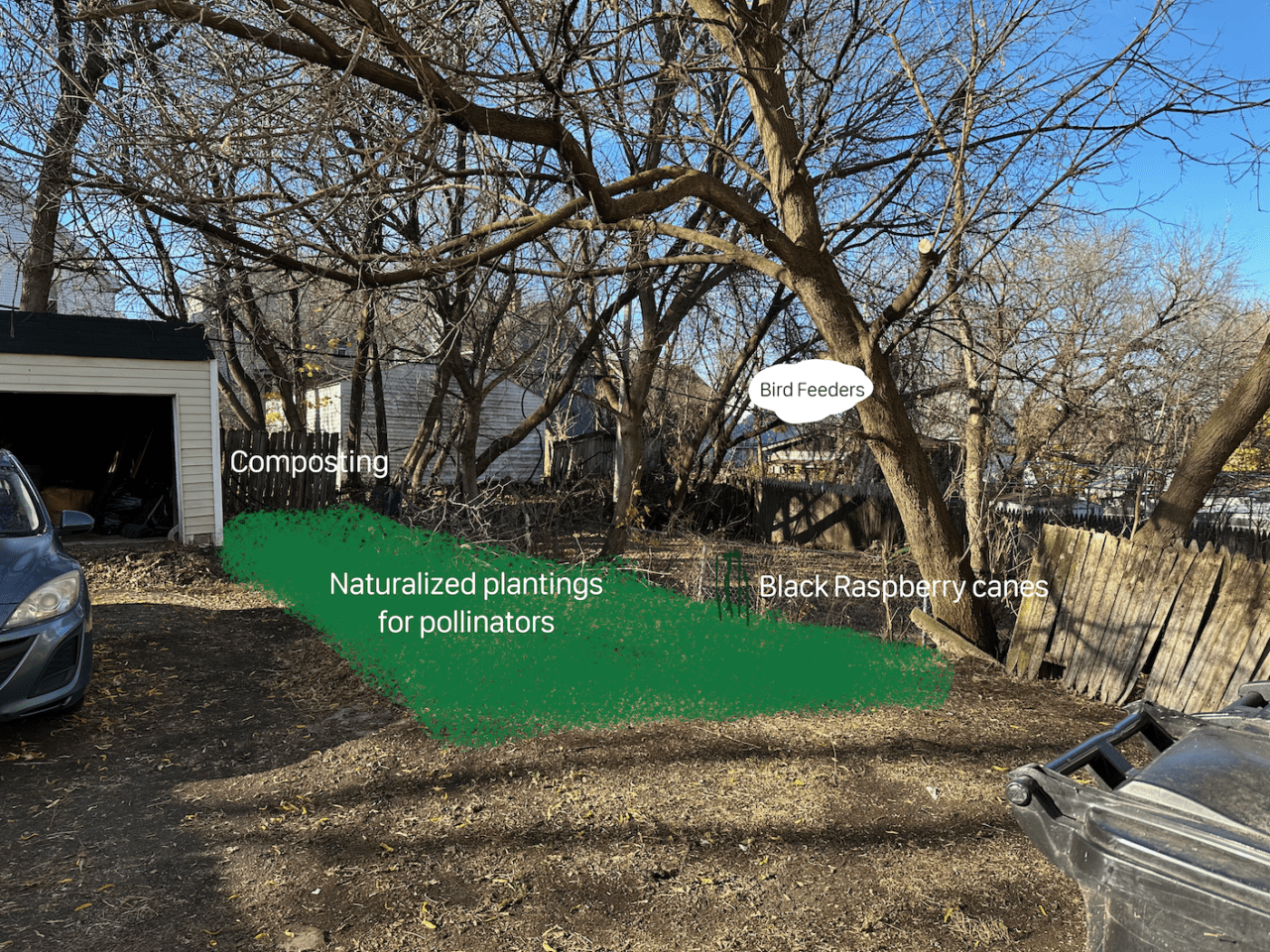
Ohio. Our new old house has a neglected backyard, which is getting replanted with native pollinator-friendly plants, We’re also putting up feeders. Photo by Mary Walsh.
Meadow with sky.
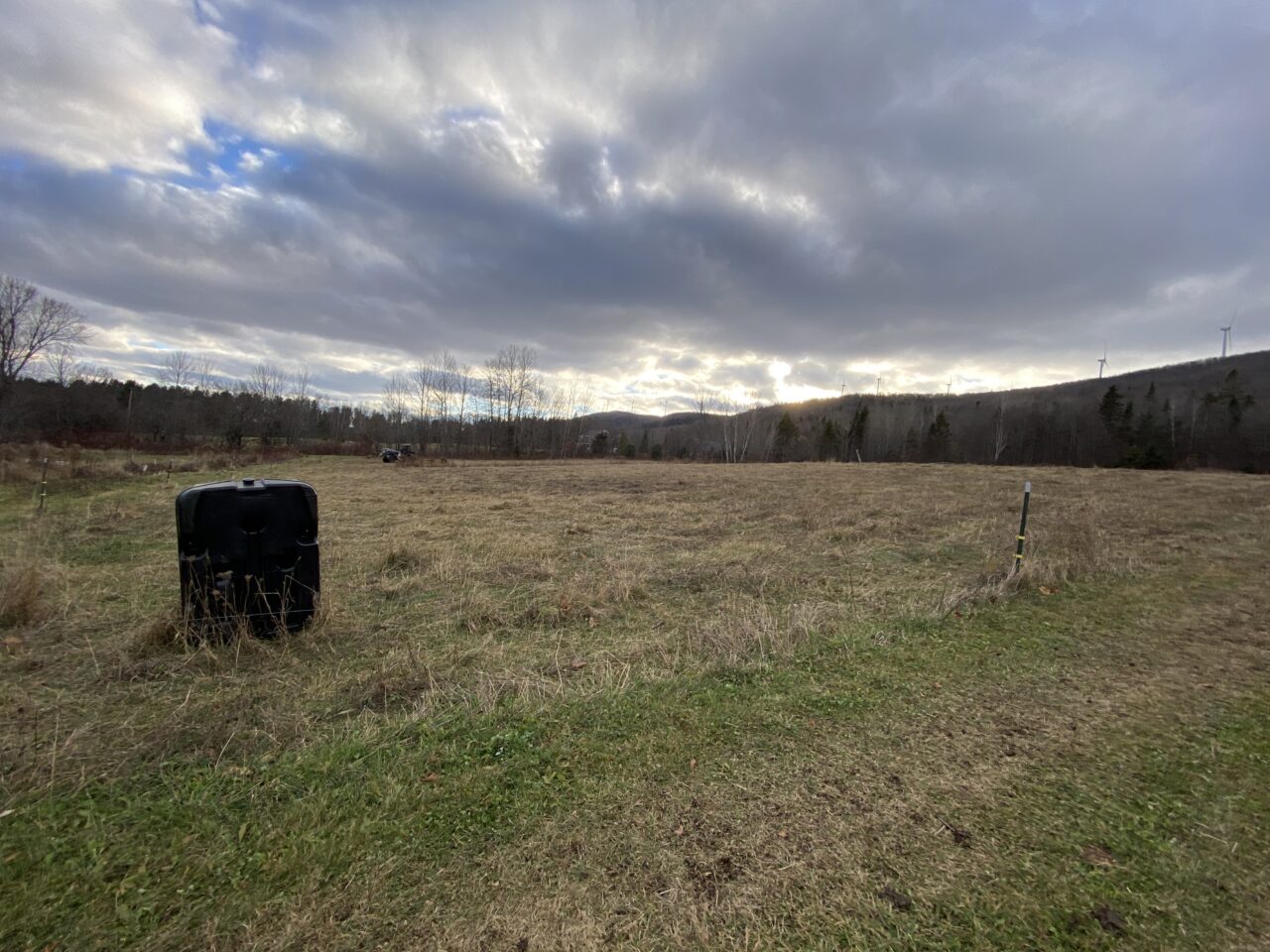
Maine. This is the field we are planting one acre of beneficial insect seeds with a no-till seeder this spring. Photo by Dee Hawsley.
Map of a proposed garden.
Vermont. This picture is a drawn plan for the plants in my garden this spring. Photo by William Custer.
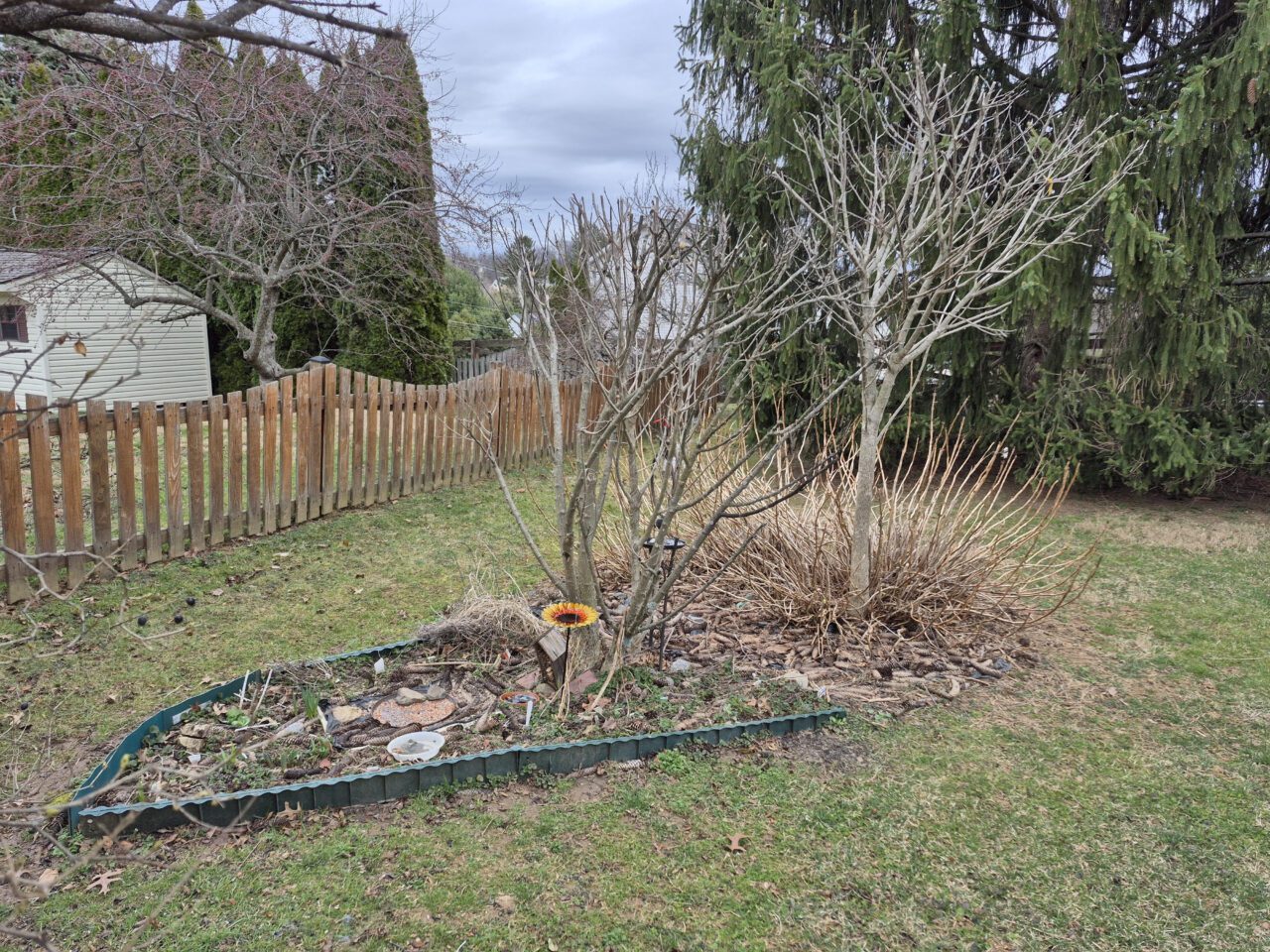
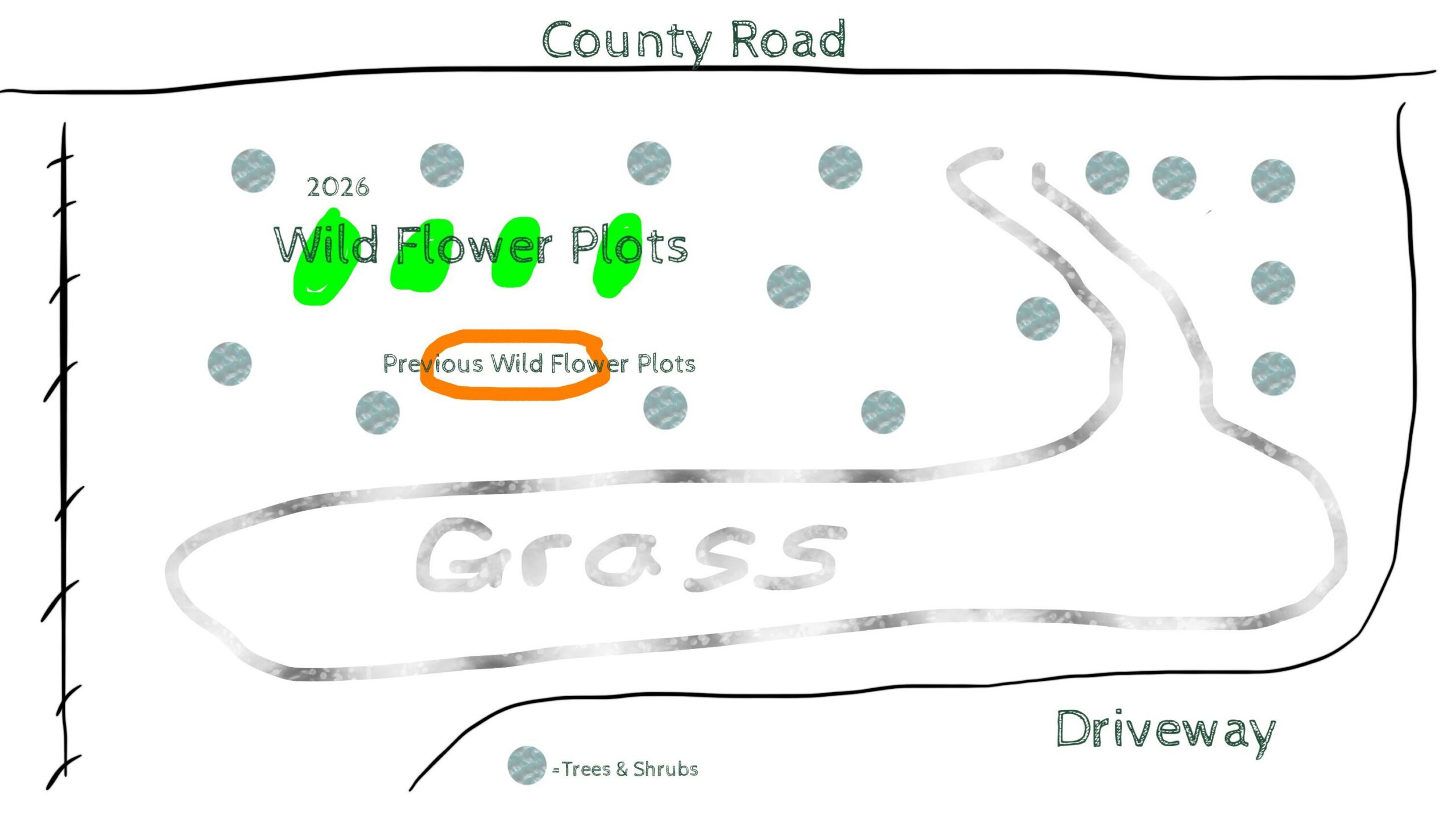
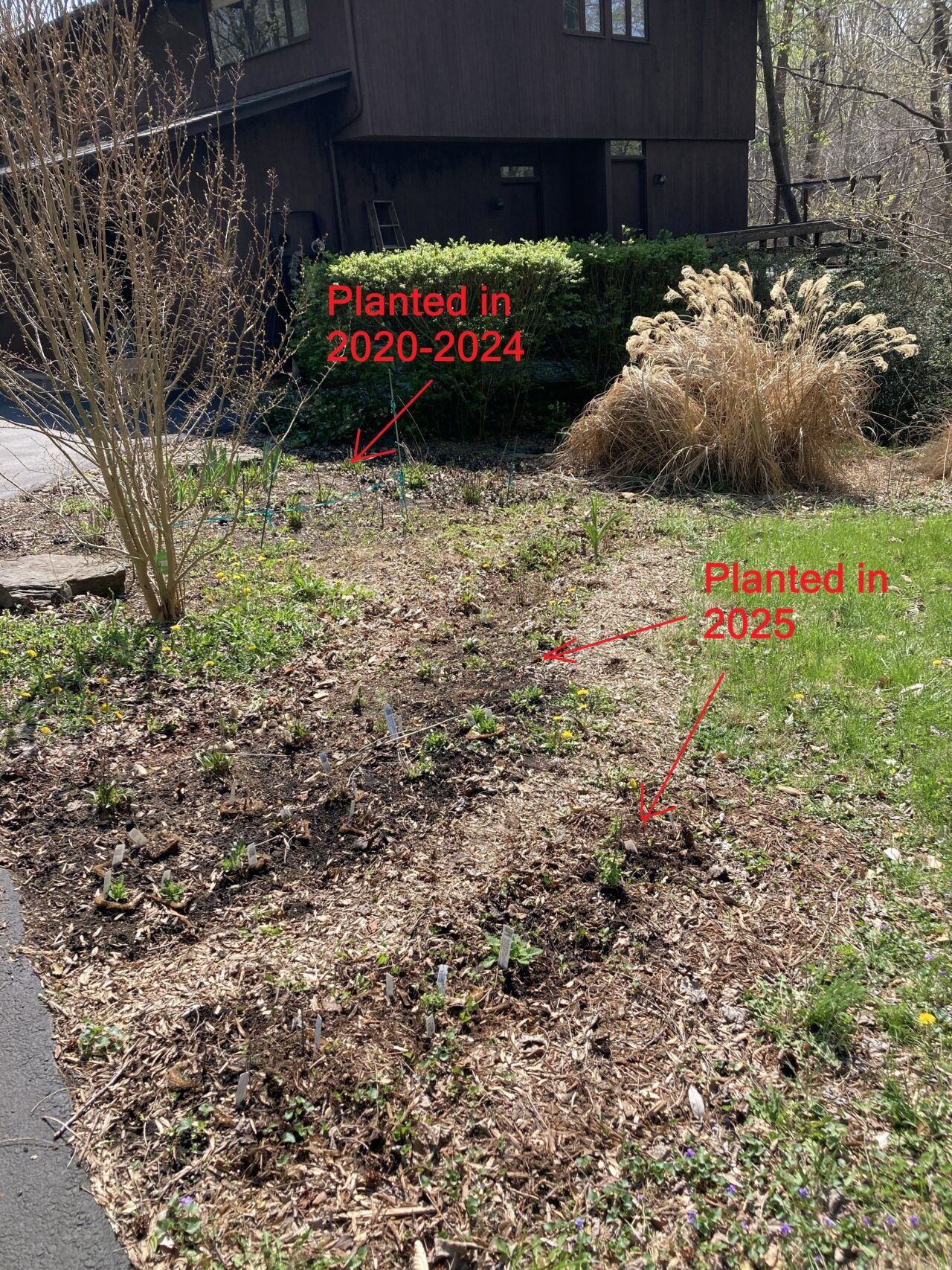
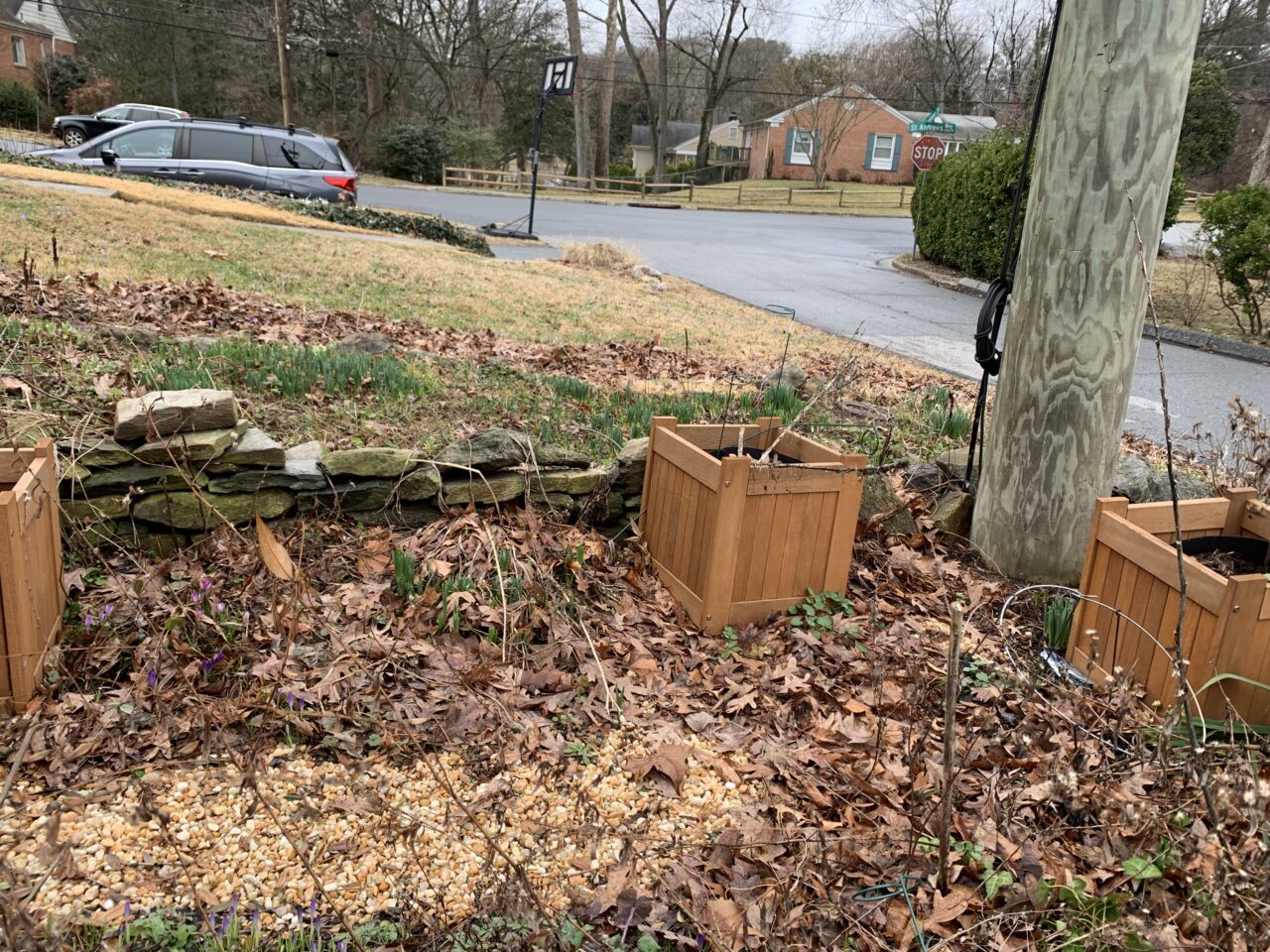
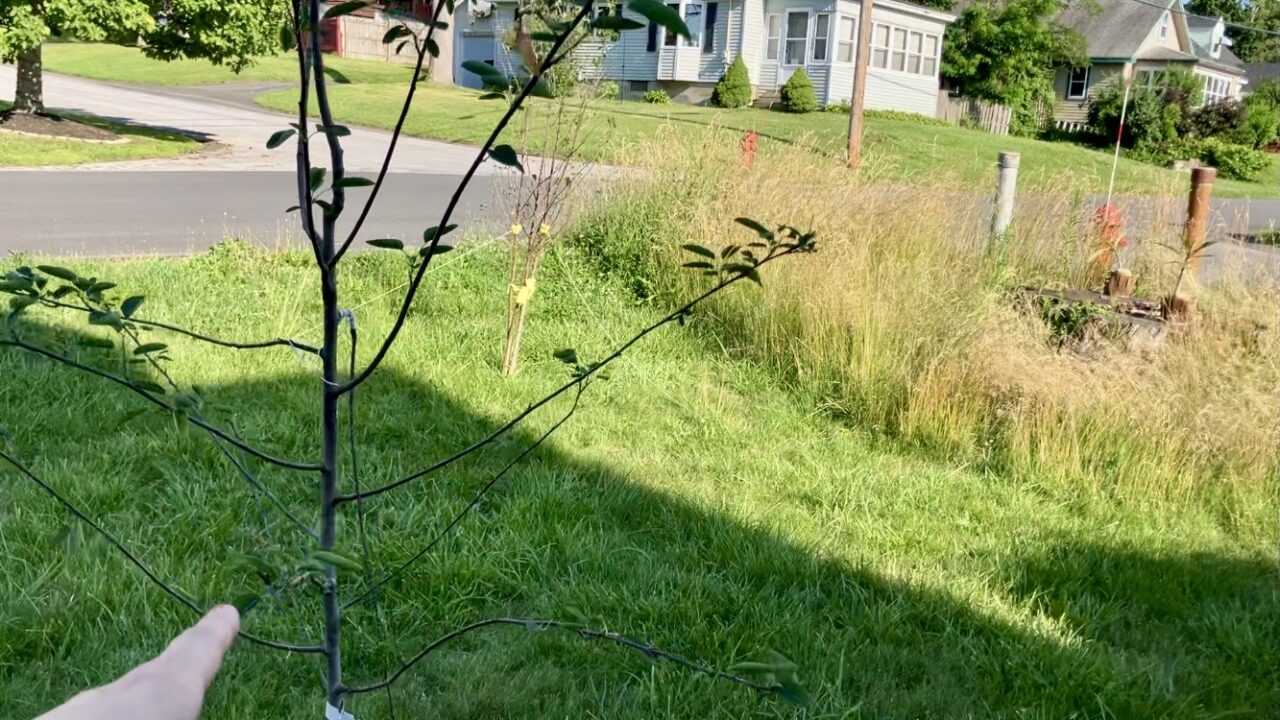
Maryland. Continue converting an existing lawn into a bird & butterfly garden. These were the past two years gardens.
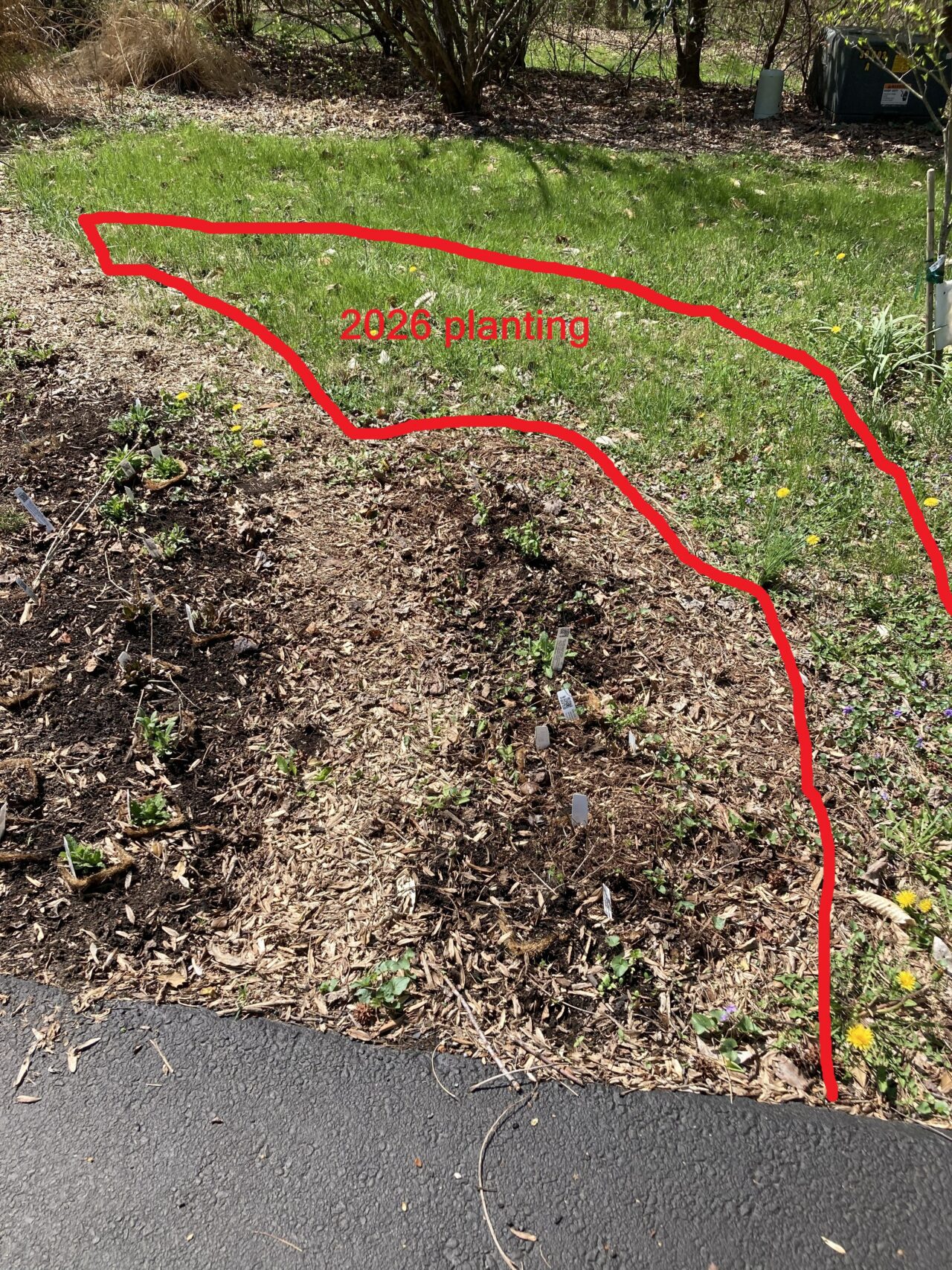
Maryland. 2026 Plans. Continue converting an existing lawn into a bird & butterfly garden. Adding more salvias and lobelias to attract hummingbirds.
North Carolina. This black and blue salvia will help attract hummingbirds. Photo by Carla Hanson.
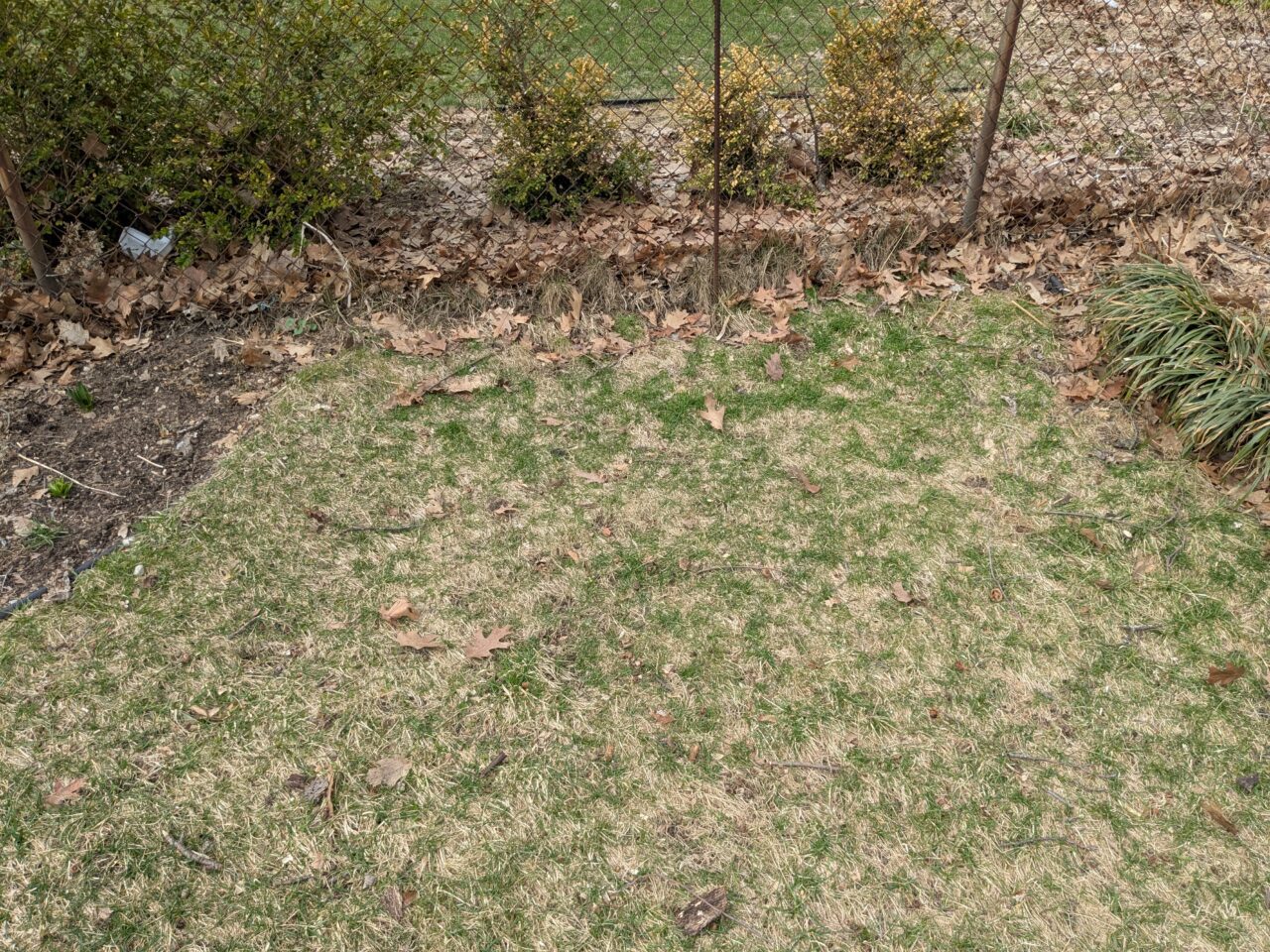
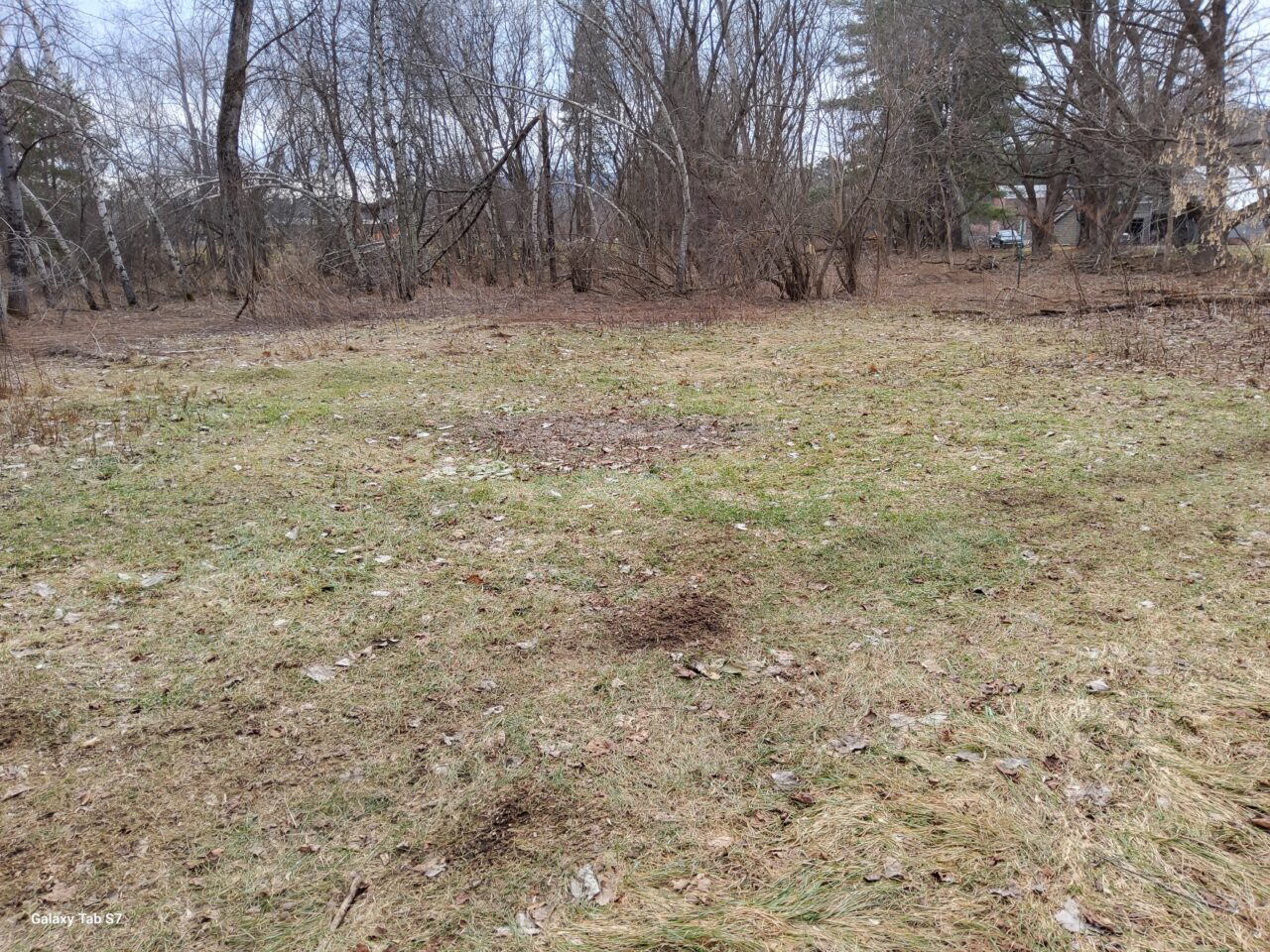
Michigan. This is an area of lawn that exists between two flowerbeds. One is a part sun garden on a slope and the other is a shade garden beneath an oak. The grass is unruly by the chain link fence and I plan to connect the two gardens, removing more lawn, and plant some part sun and shade natives there.
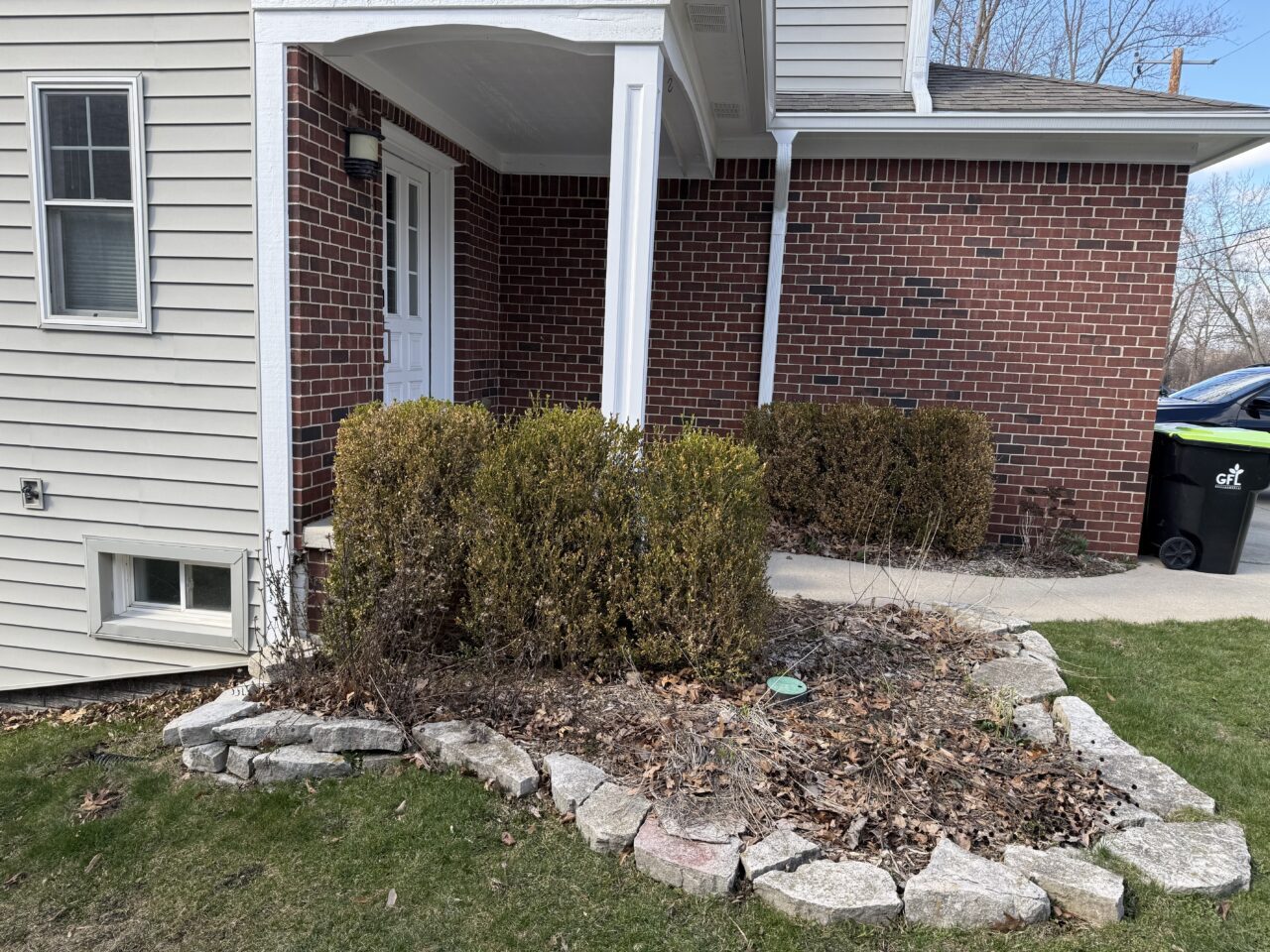
Michigan. I have hired a professional native plant landscaper to transform these garden beds into full native plant gardens. This will involve removing all of the non-native shrubs and plants, planting all native shrubs and plants, and adding some flowering trees to the front yard.
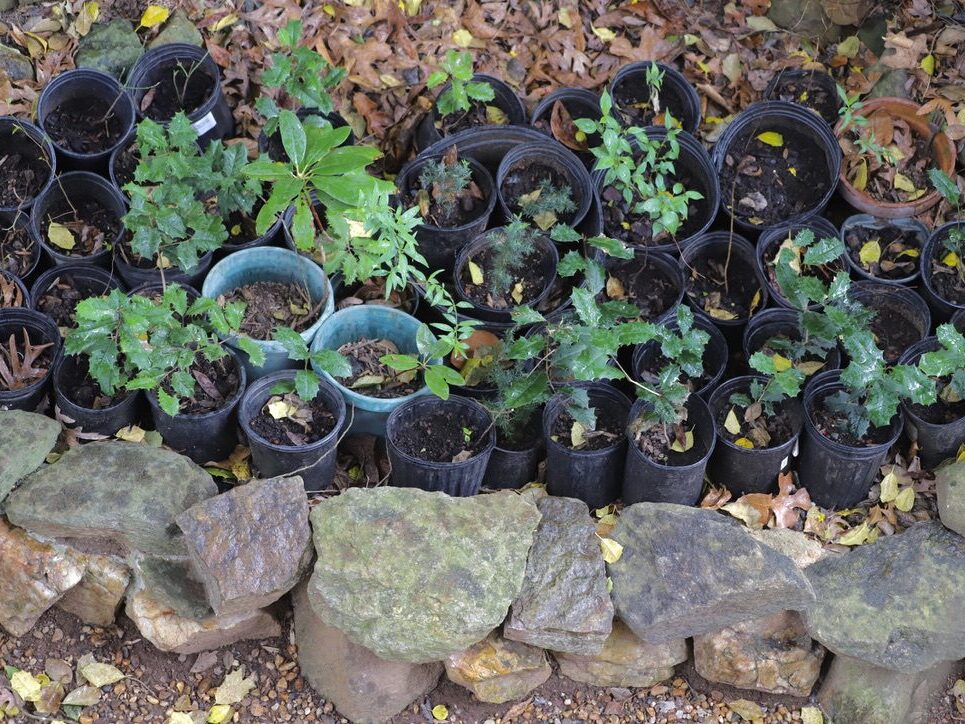
Virginia. The tree seedlings are located in an old, leaky fish pond area and will be donated to the upcoming Tree Steward sale. Photo by JoAnn Dalley.
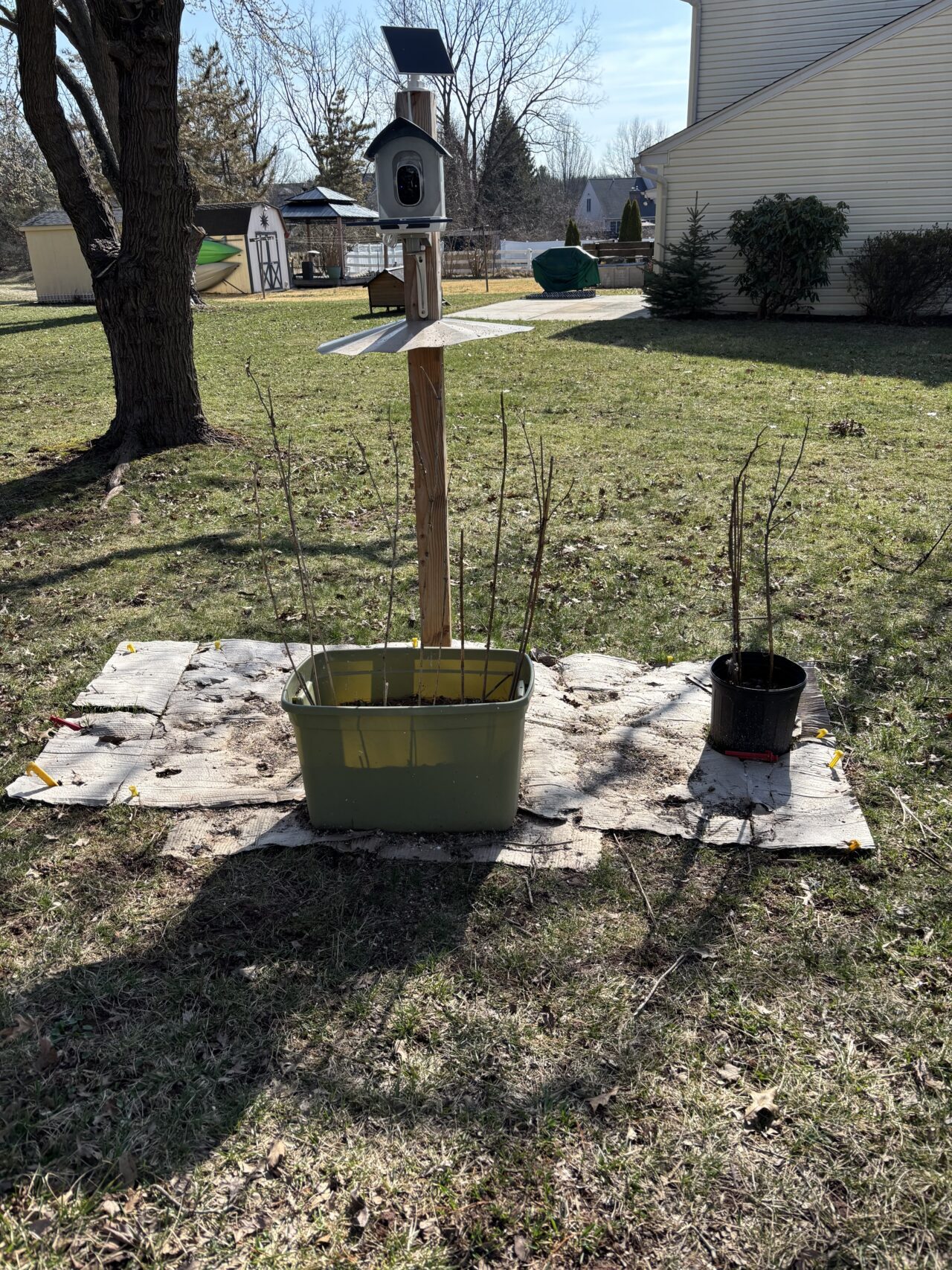
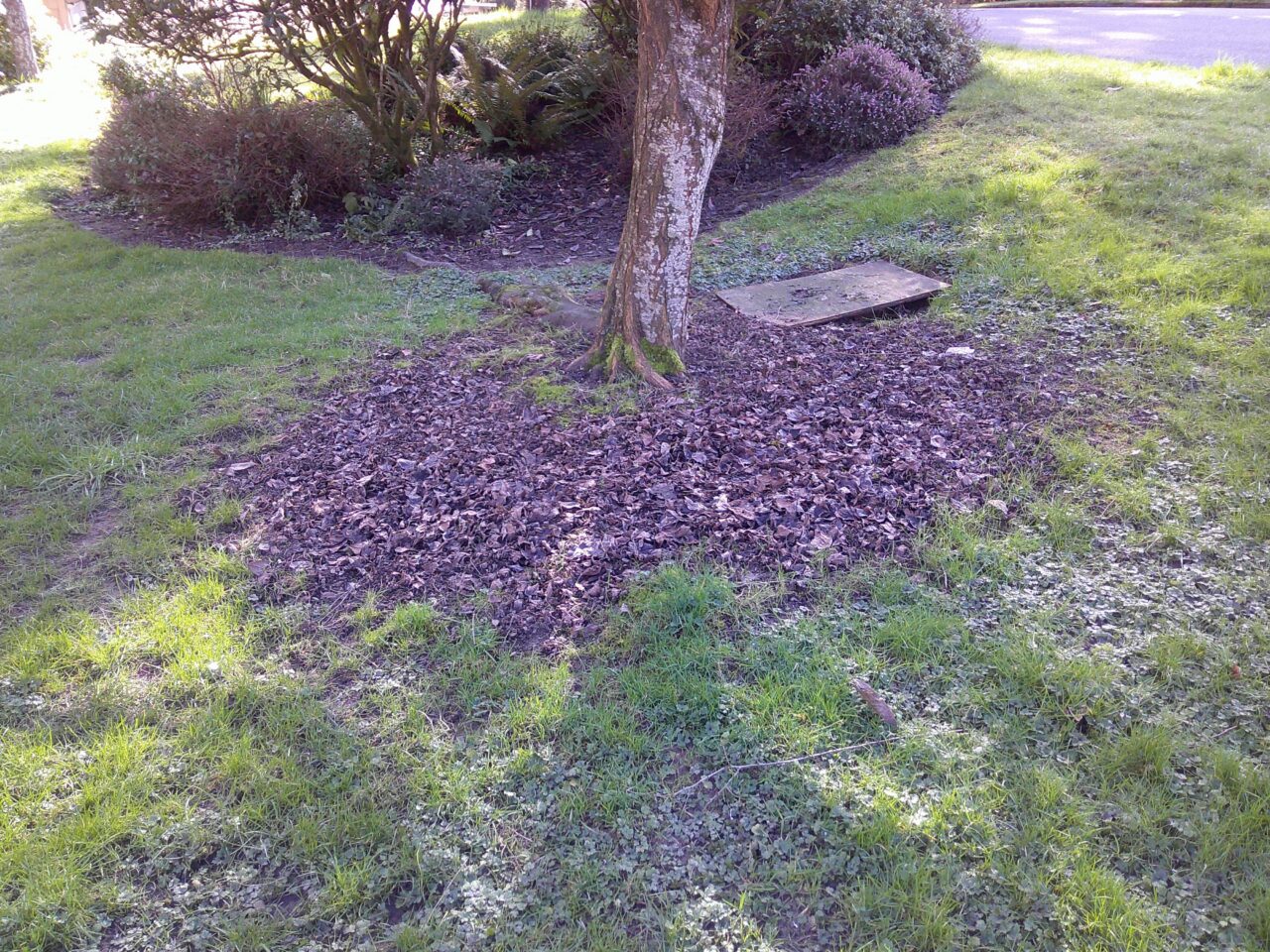
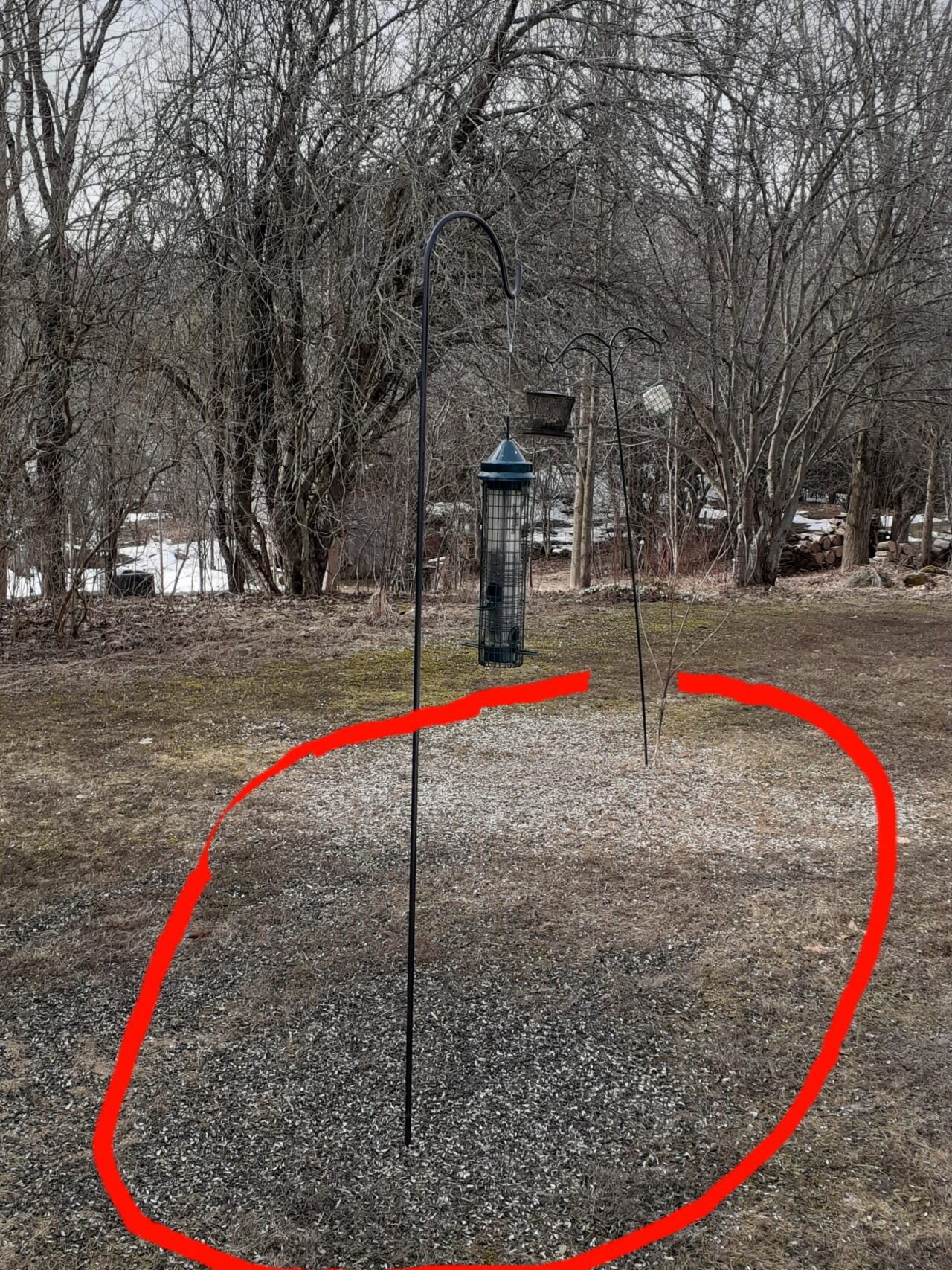
New garden cardboard mulched under bird feeder.
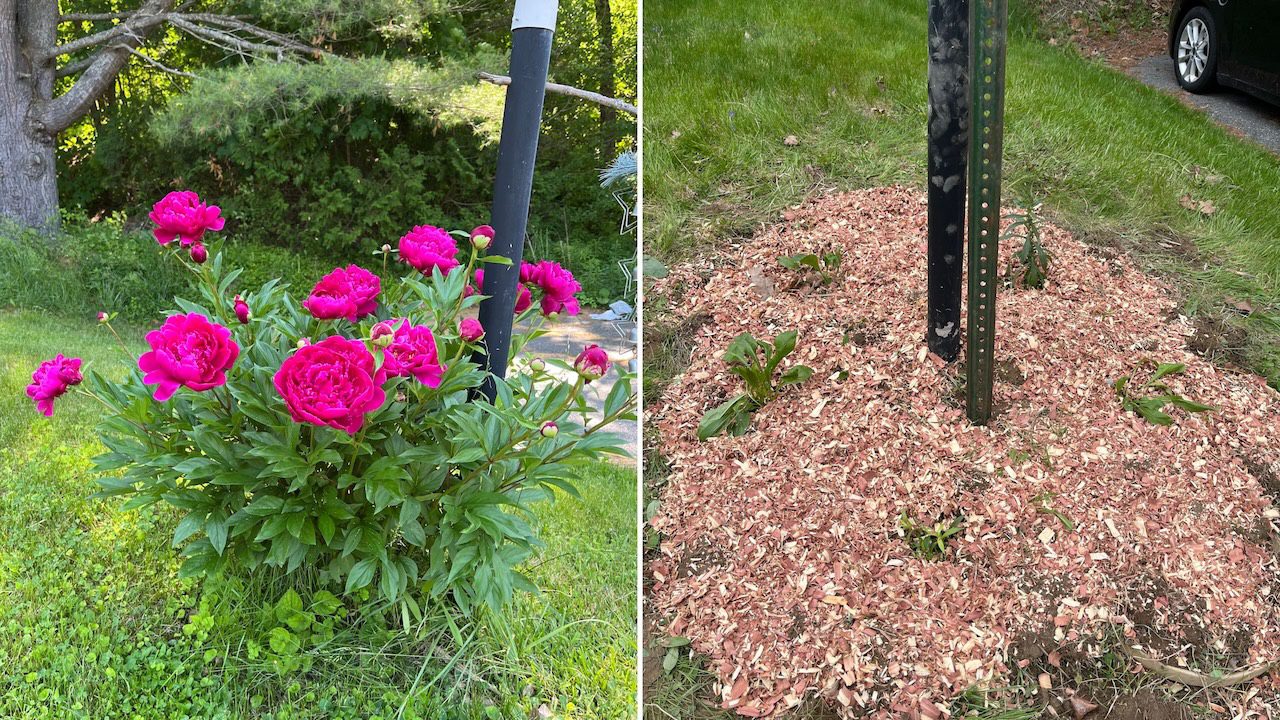
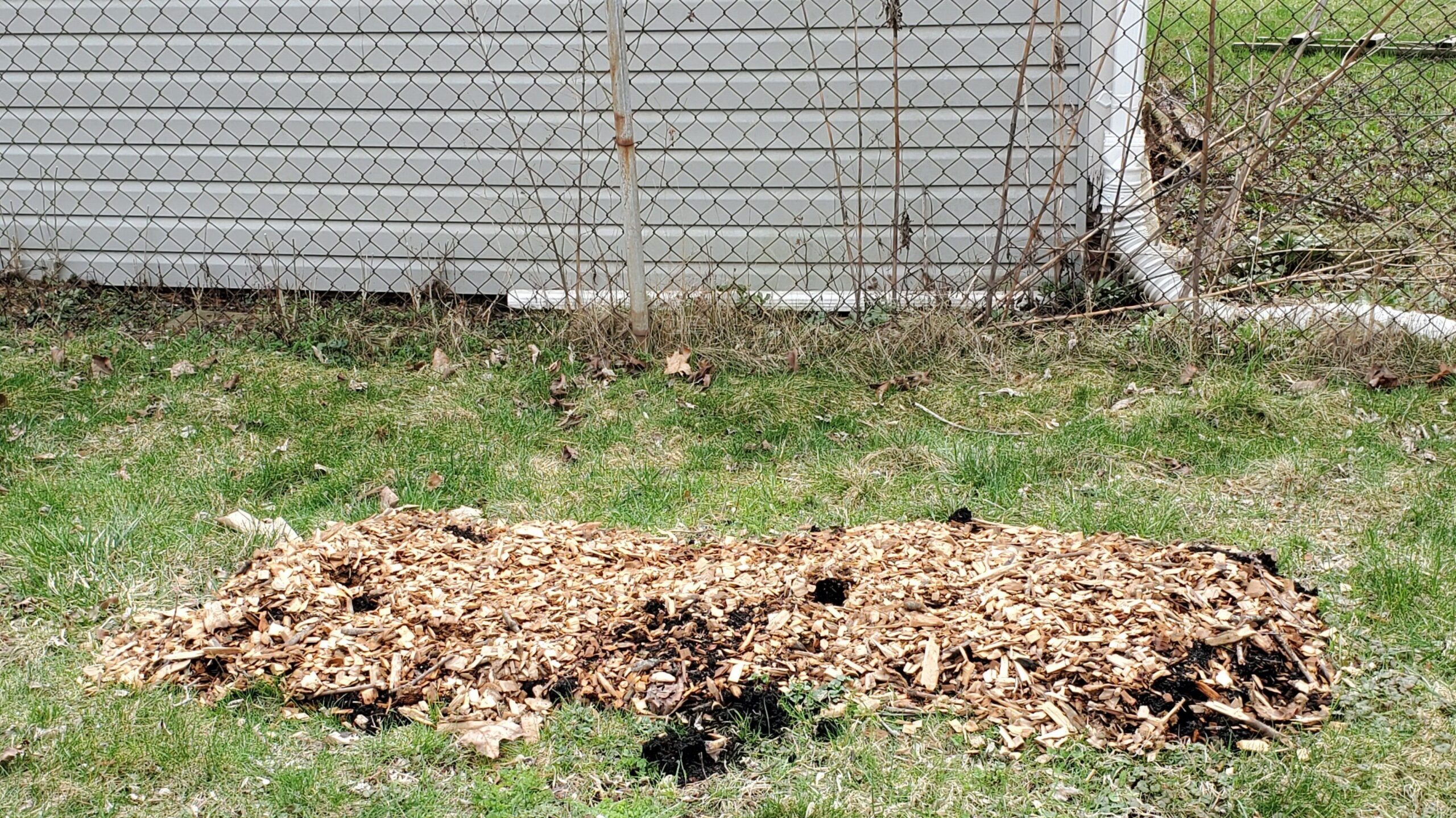
Pennsylvania. Last fall I sheet mulched this area so that this spring, when I removed the bird cam, I could install native/keystone plantings. Have a few species in mind and can’t wait to get started! Photo by Trudy Phillips.
Open space where plants will be addd.
Missouri. This area had a dying oak leak hydrangea that I removed. I intend to plant several spicebush here in the shade provided by the bald cypress. Photo by Maureen Thomas-Murphy.
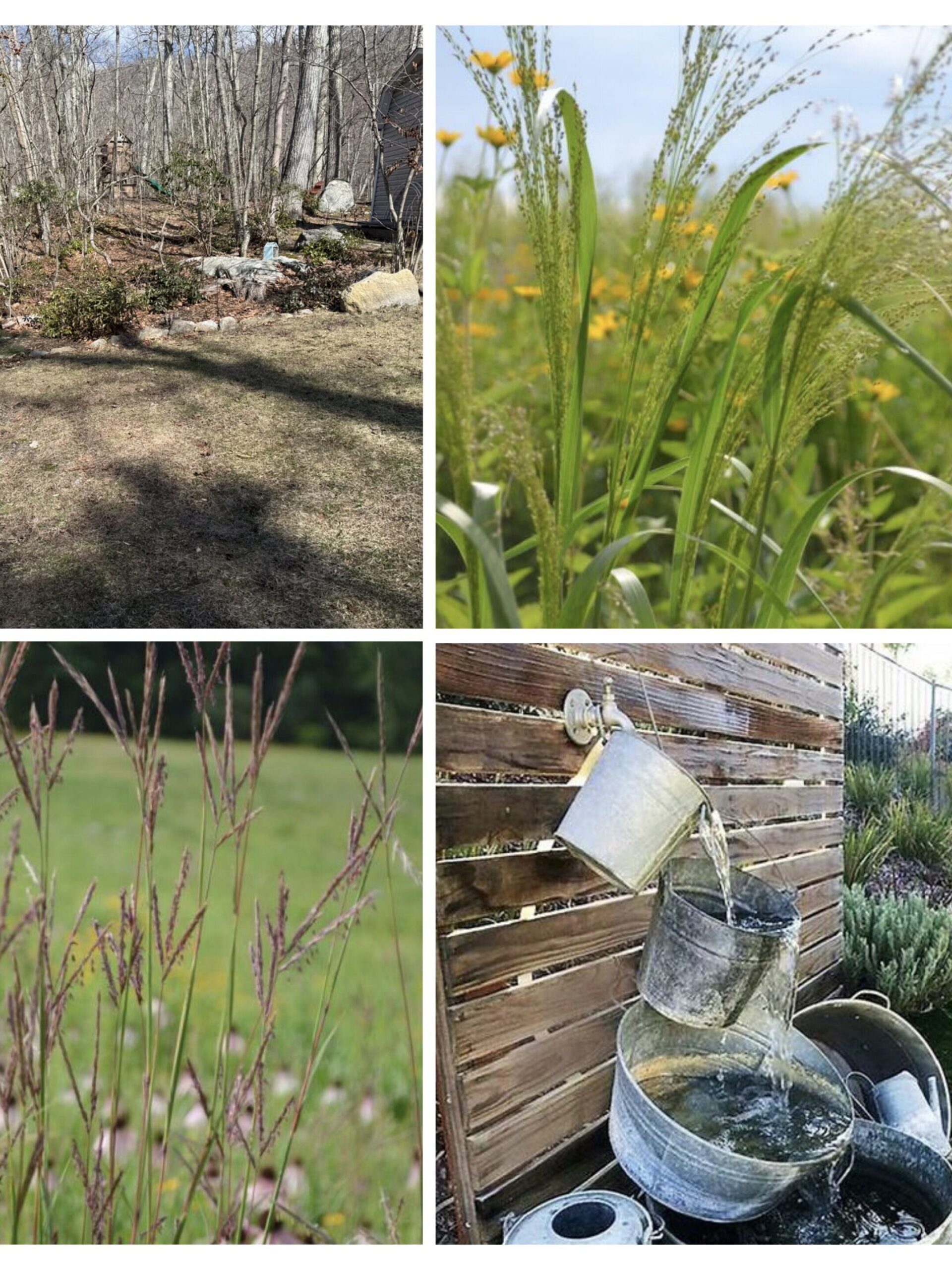
Photo collage of gardens.
New York. This year I am excited to expand an area of my yard and plant native tall grasses. I am also hoping to create a solar water feature made from recycled metal buckets and tubs. Photo by Patricia Zamperlin.
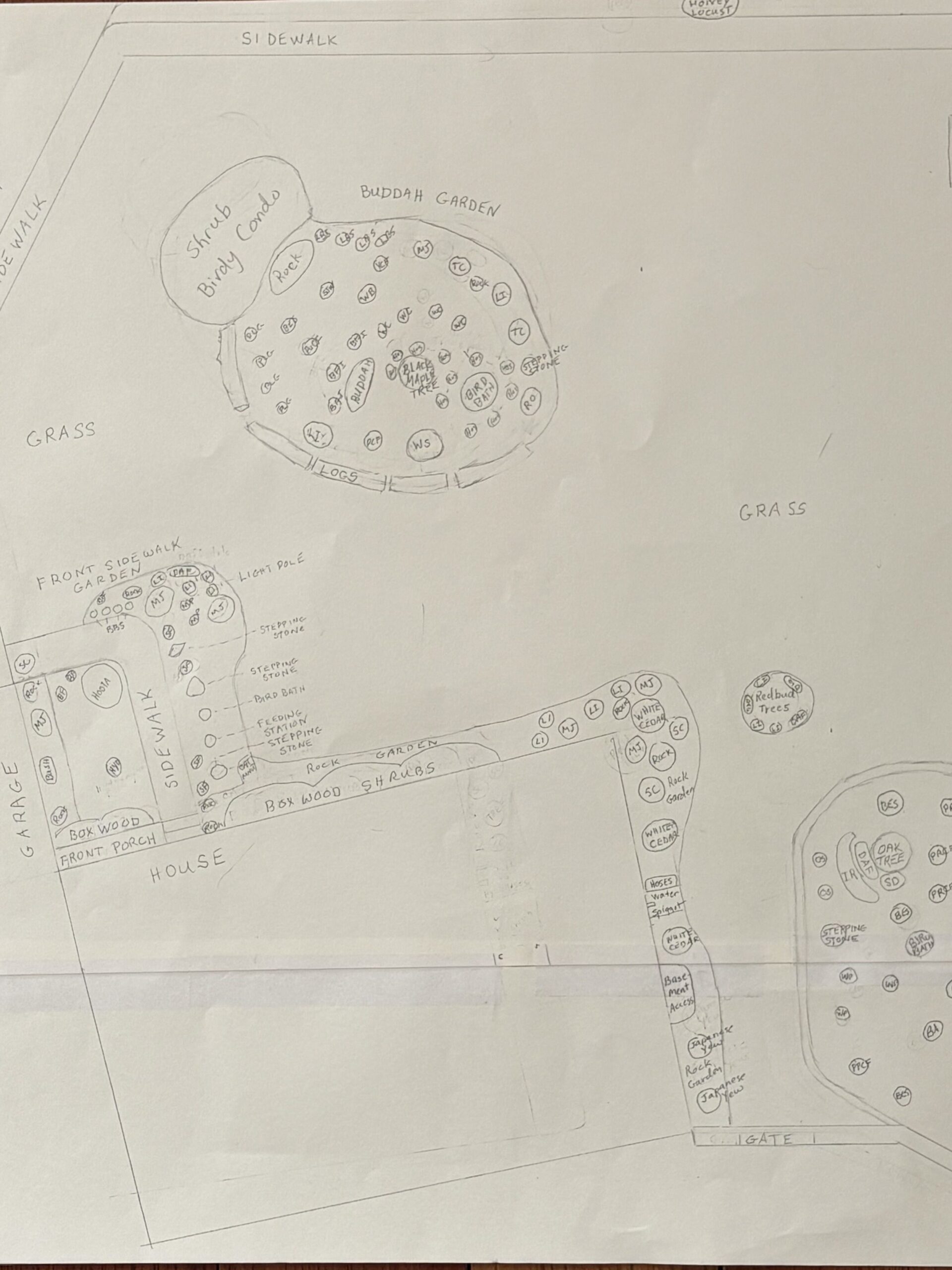
Map of a proposed garden.
Illinois. We have a large property and I am growing native plants in three gardens. I have included a map of our property. Photo by Kathy Rice-Trumble.
Plant list by name.
Illinois. Pictured is a key to the plants that correspond to the Map and will be added. Photo by Kathy Rice-Trumble.
Open space where plants will be addd.
New York. This is an empty space in the back that is generally meadowed – I am going to leave it medowed and plant a pollinator patch beside it. Photo by Danielle Phillips.
Open space where plants will be addd.
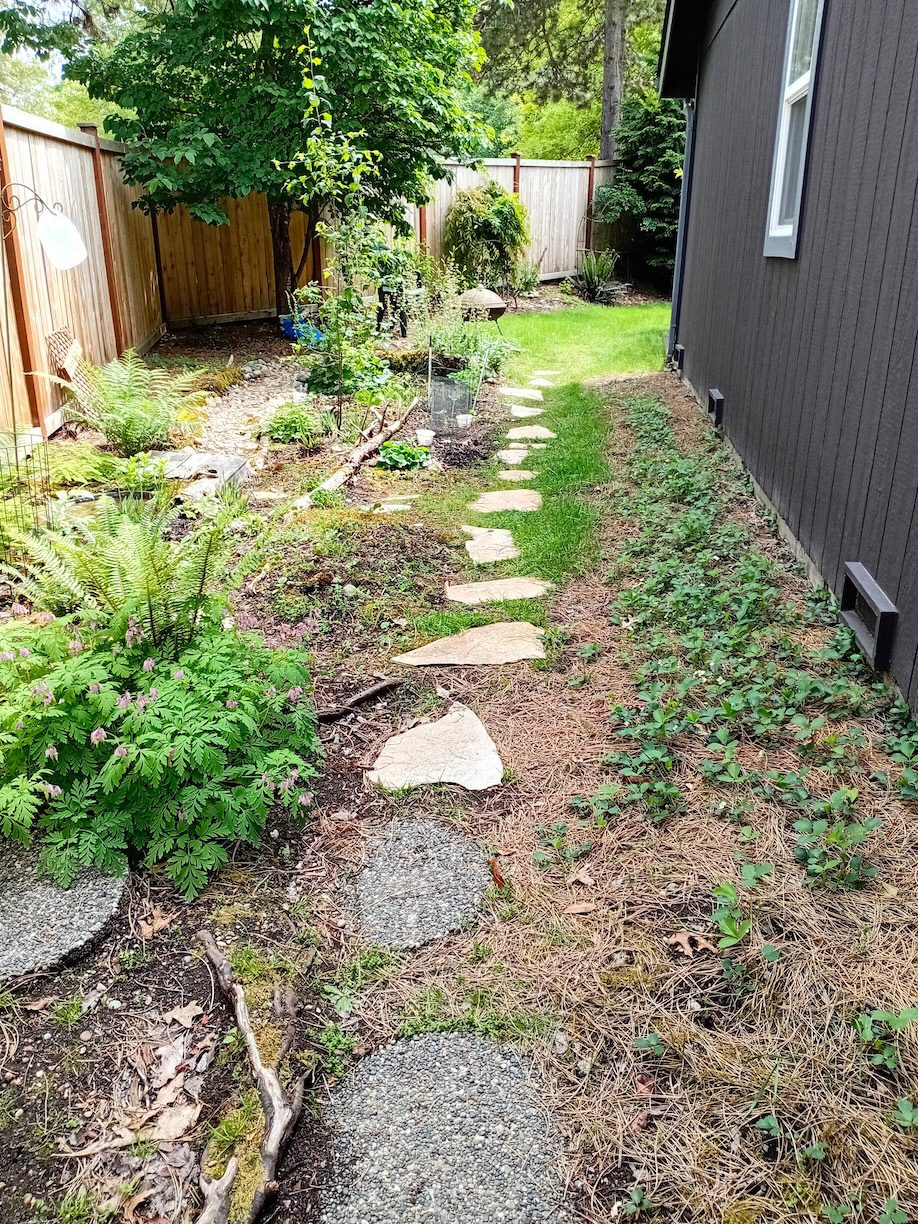
Washington. This spot is plagued by creeping buttercups. I’m hoping to find shade loving native plants to replace them. Photo by Louise Iwasyk
Open space where plants will be addd.
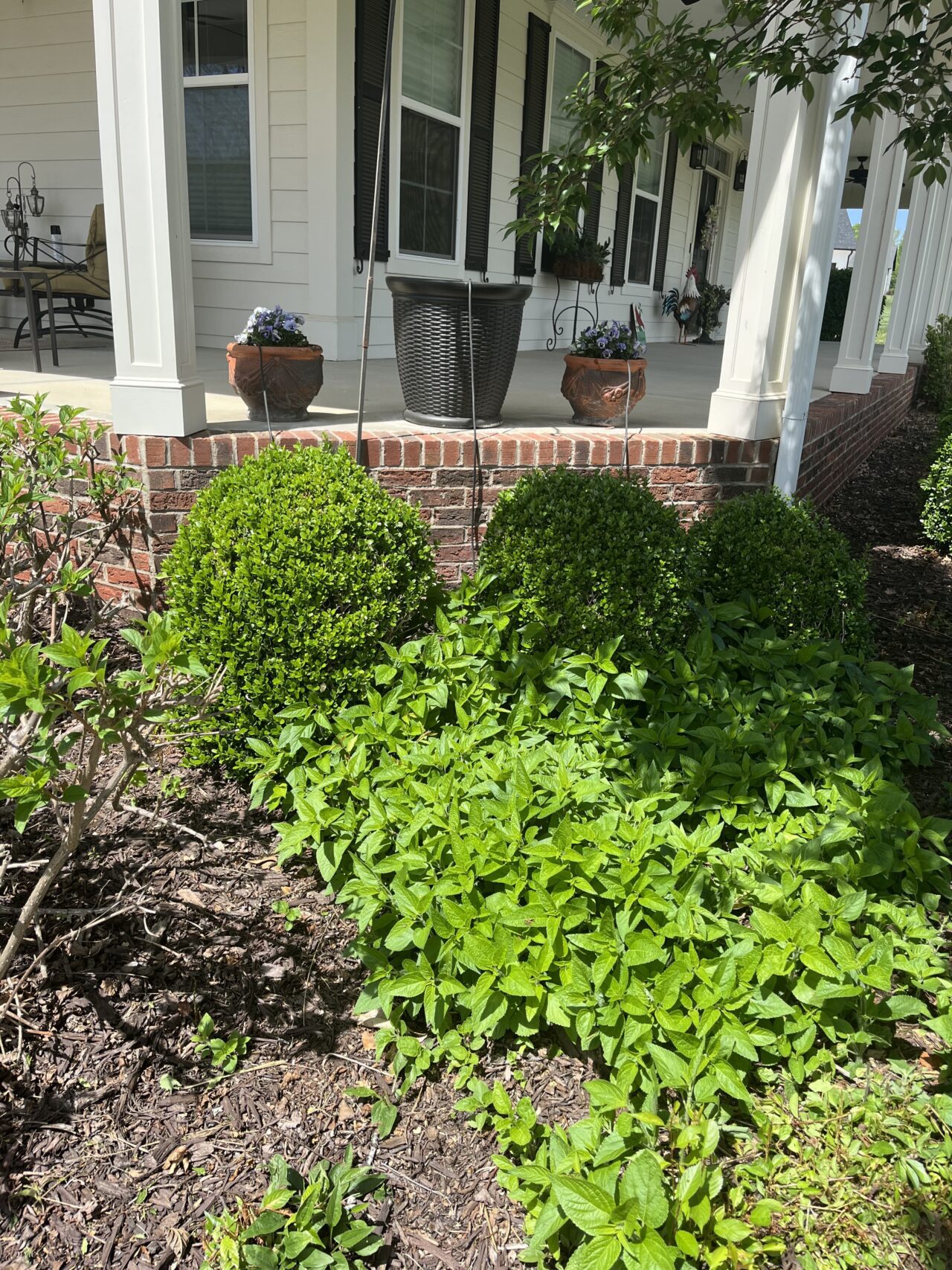
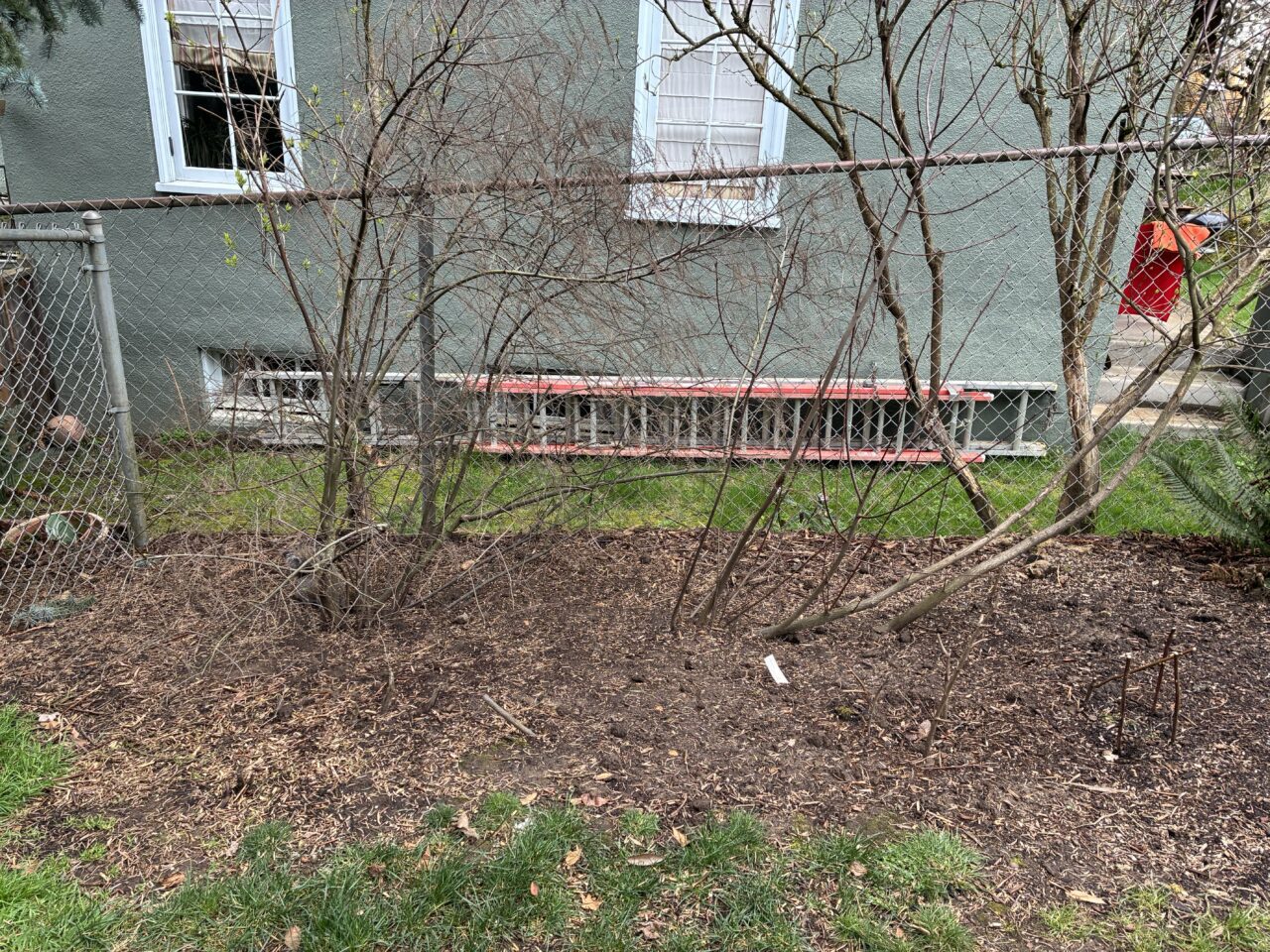
Oregon. Adding perennial pollinator plants to established shrubs and small tree.
Open space where plants will be addd.
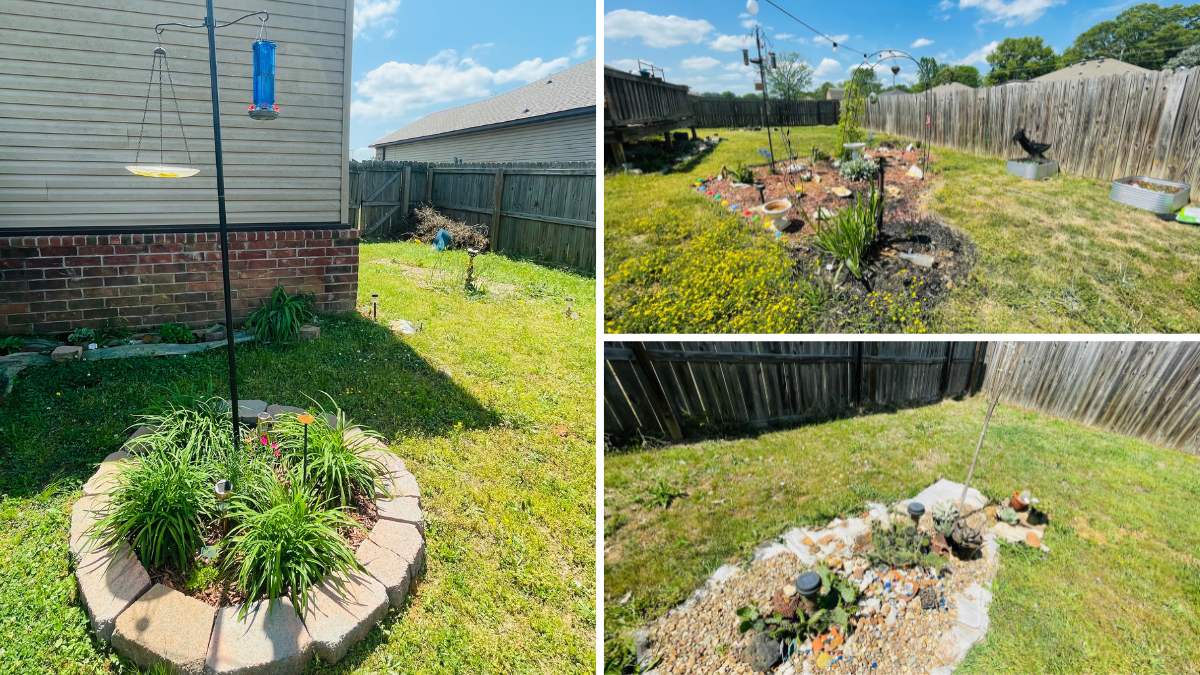
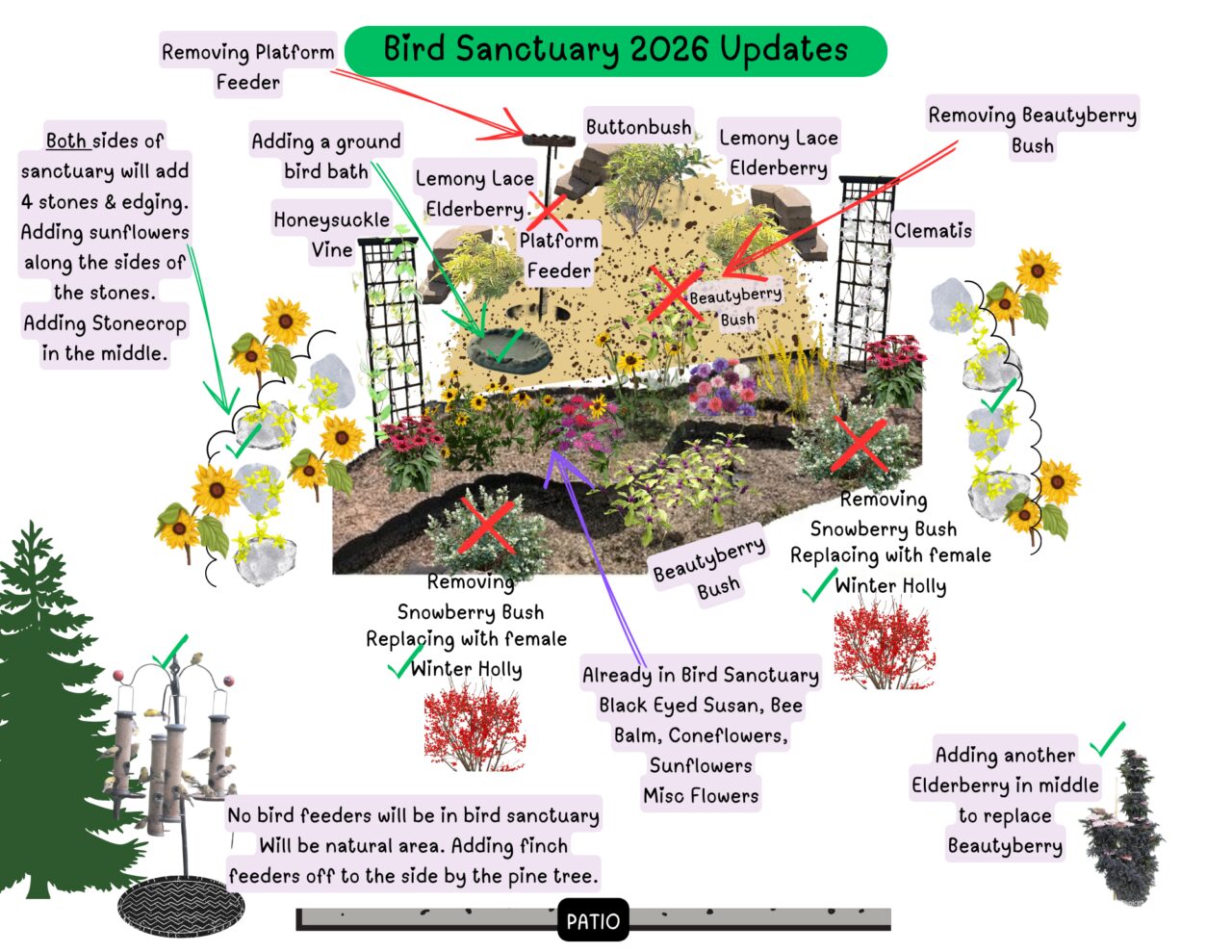
Pennsylvania. I will add to this existing Garden For Birds area additional native plants, flowers in containers and bird-features, bird bath with solar powered fountain or mister, refill ground bird feeder & add hummingbird feeder again this year.
Open space where plants will be addd.
South Carolina. The early successional plants like blackberries were cut down in preparation of planting three small trees/shrubs. A female yaupon holly and two prarie willows will be planted to increase diversity of host plants and add berries.
Open space where plants will be addd.
Rhode Island. This property is a new slate of opportunity for this experienced native plant gardener who plans to smoother the area in front of this window this spring/summer and add new habitat, including a bird bath, in the fall. Photo by Kathy Fell.
jugs where seeds were planted.
Massachusetts. Winter sowing: Aquilegia canadensis to be planted in front of Chasmanthium latifolium and Panicaum virgatum that was planted in 2025.
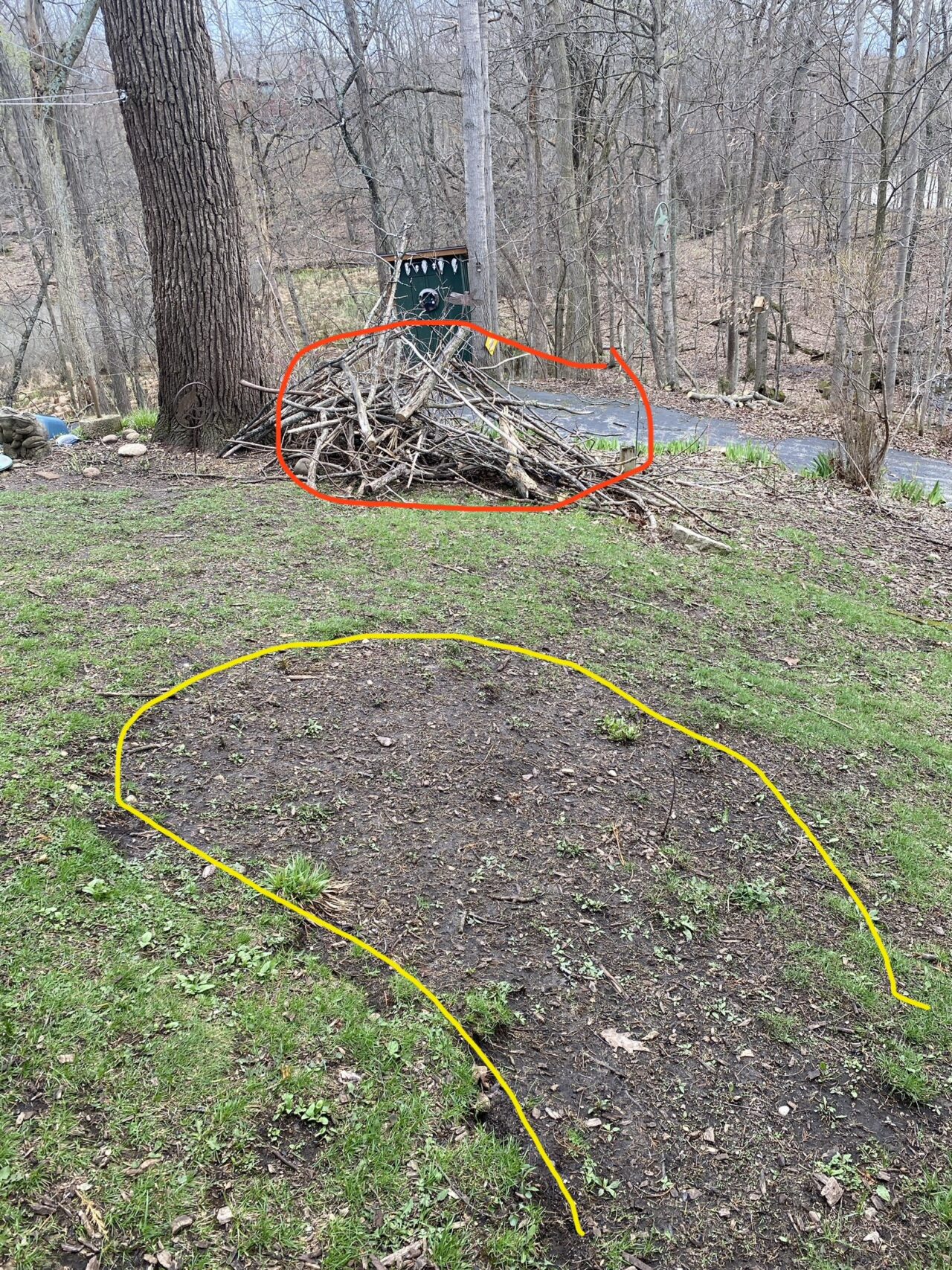
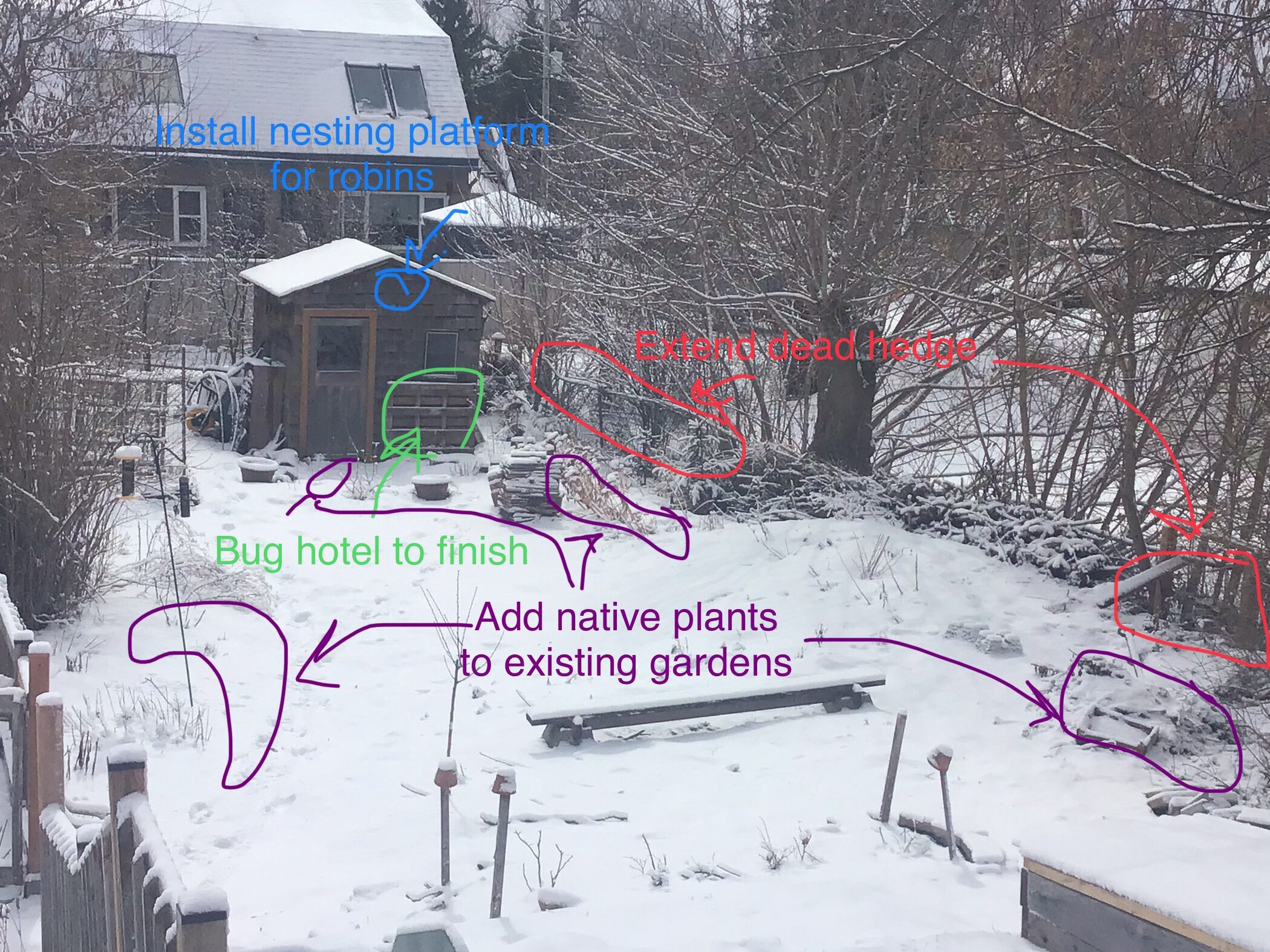
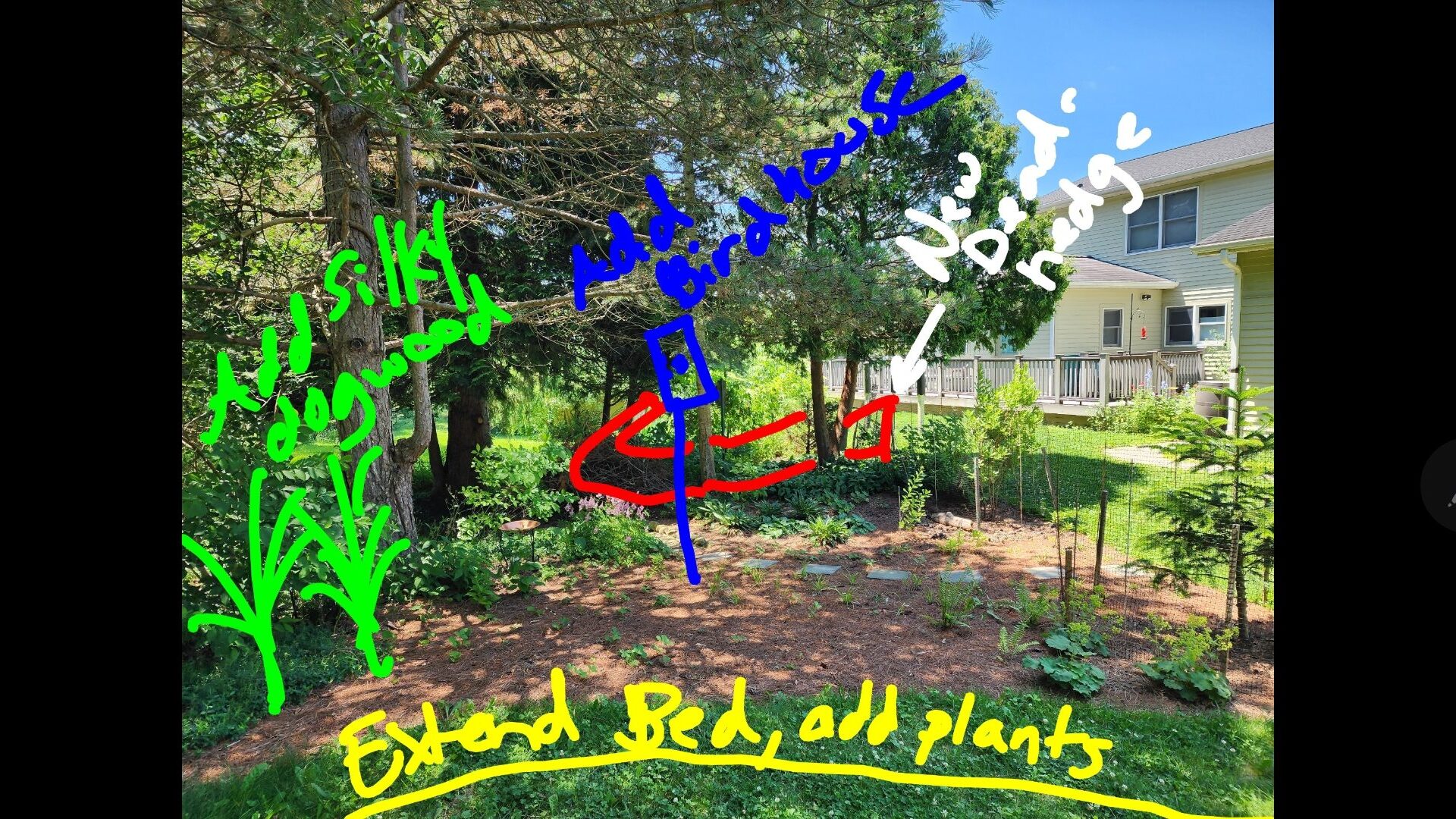
Ontario. This is the southwest side of my backyard garden where I hope to work on improving bird habitat with nesting platforms and a dead hedge.
Texas. This site is along our back yard patio. Currently it is just dirt. We plan to plant native Texas pollinators along the patio and along the side of the house. The rest of the area we will seed with Texas wildflower seeds and native grasses. Photo by Lisa Stoll.
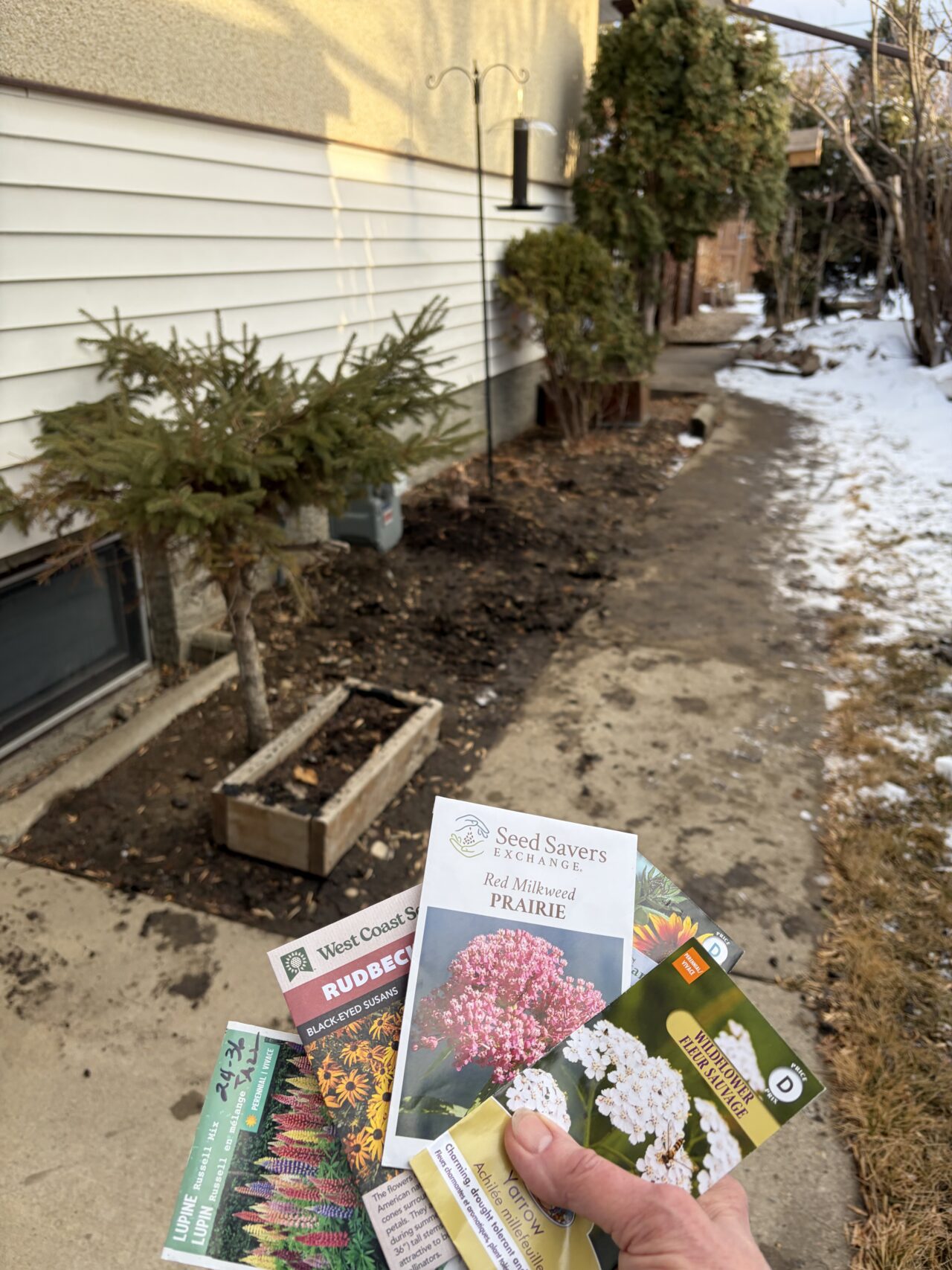
Alberta. I added a new bird feeder and post yesterday tho just above freezing. I gathered some seeds at a nursery in Friday and hope to start them indoors today or tomorrow. Had to remove a dying bush from the area depicted.
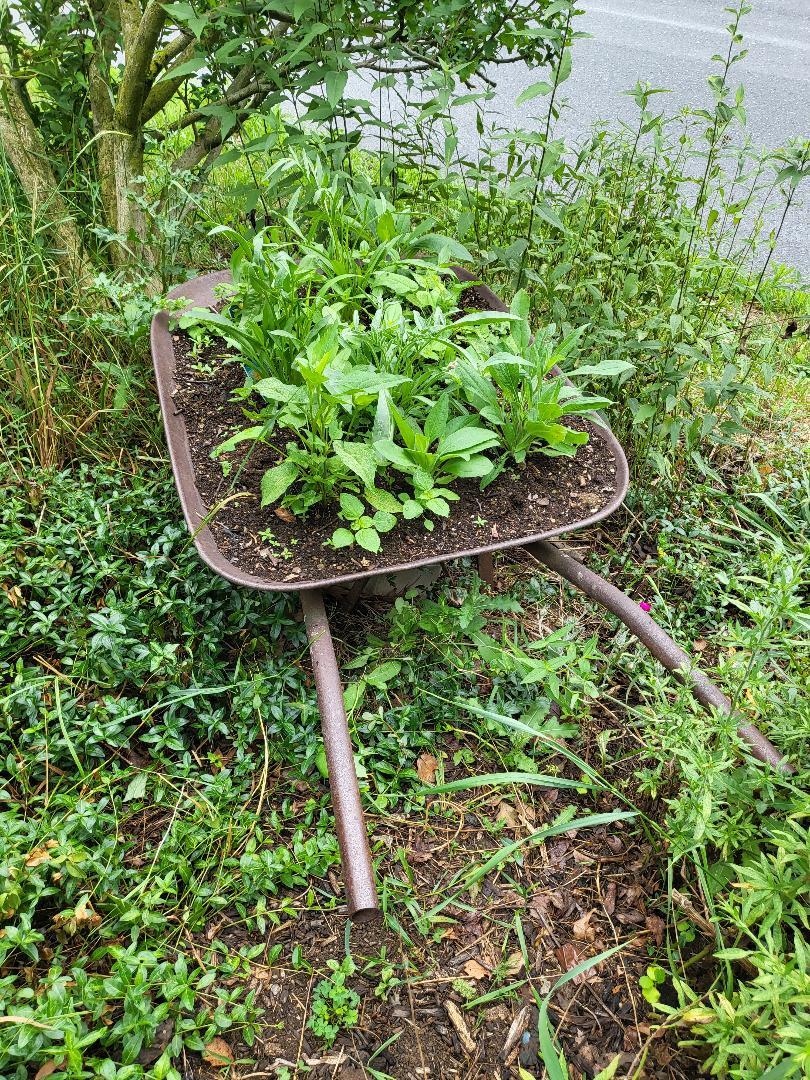
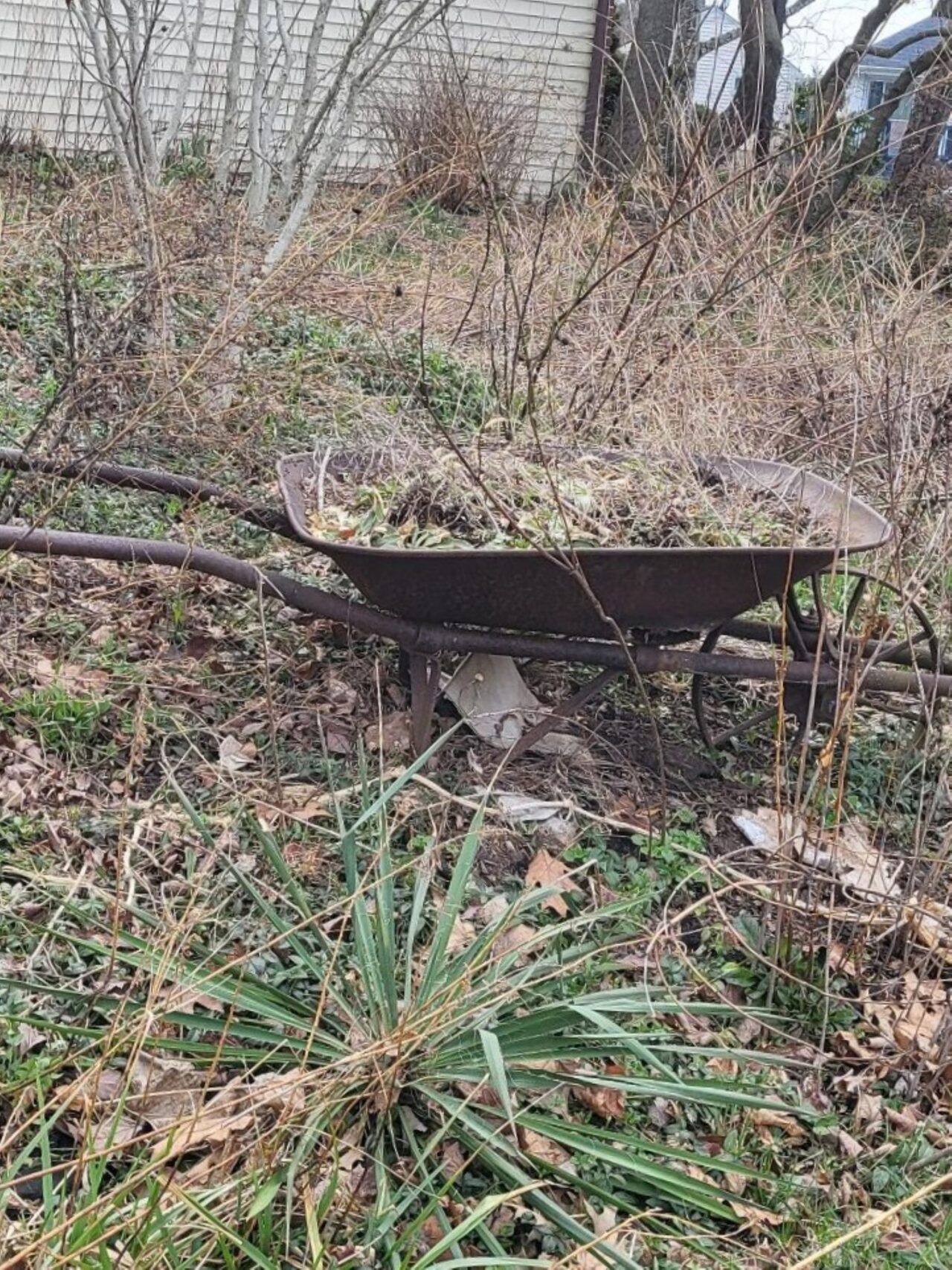
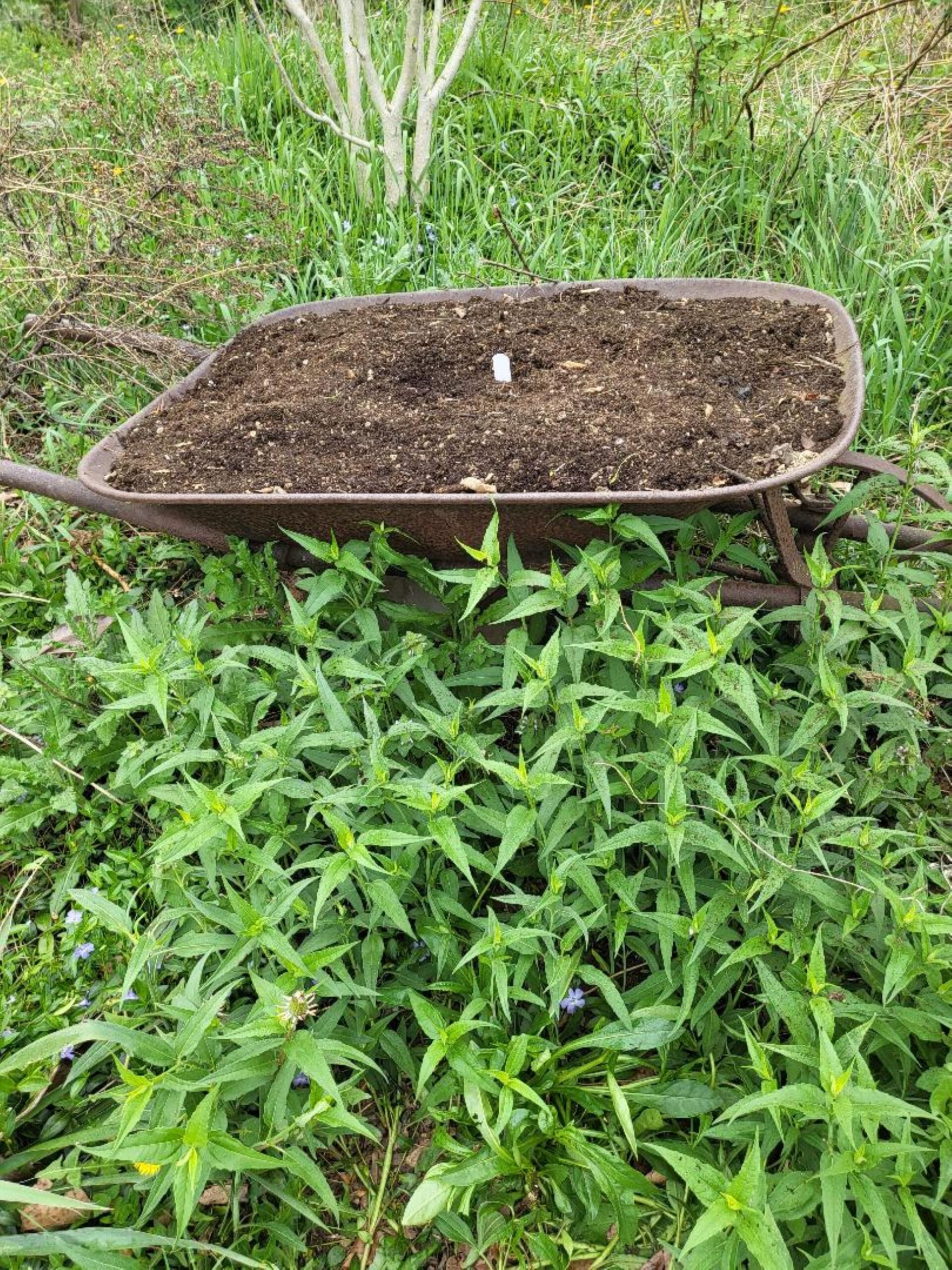
PA. This old wheelbarrow/plantar has always been planted with annuals, but this year I want to try native perennials — Lanceleaf Coreopsis (yellow, shade tolerant, 1.5 ft blooming in early Summer), Blue Wood Aster (a ground cover blooming in late Summer and early Fall, tolerating light shade), Bee Balm (red flower on 1-4ft stems and blooms May through Sept), and Black Eyed Susan (yellow blooms on 1-3ft stems Summer through Fall). This plantar, which is partially shaded by several shrubs, is on the west side of our property and gets afternoon and evening sun. Photo by Kathie Gifford.
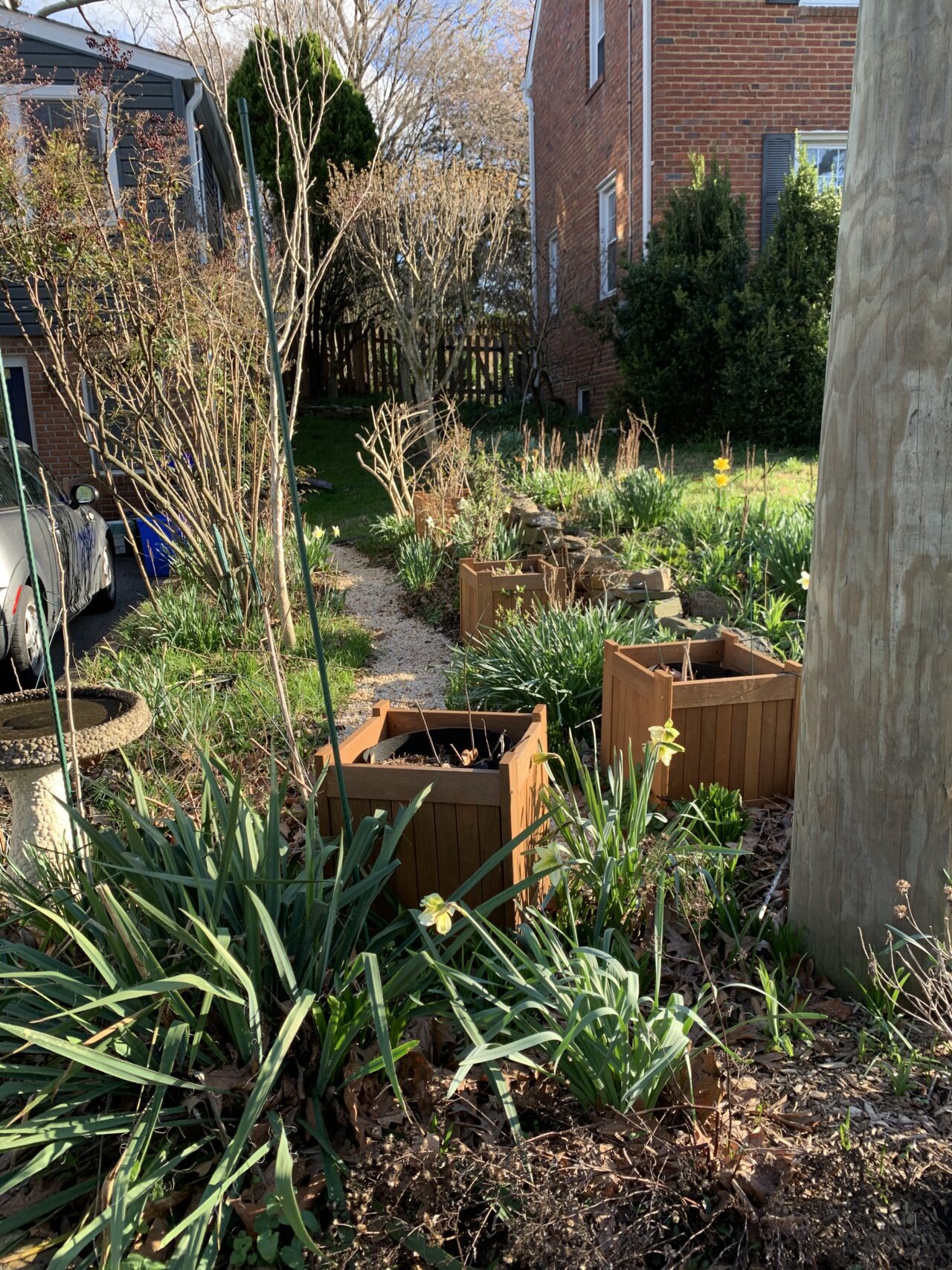
Maryland. Returning participant who added containers and space for native perennials and fruiting shrubs. Photo by Margaret Chang.
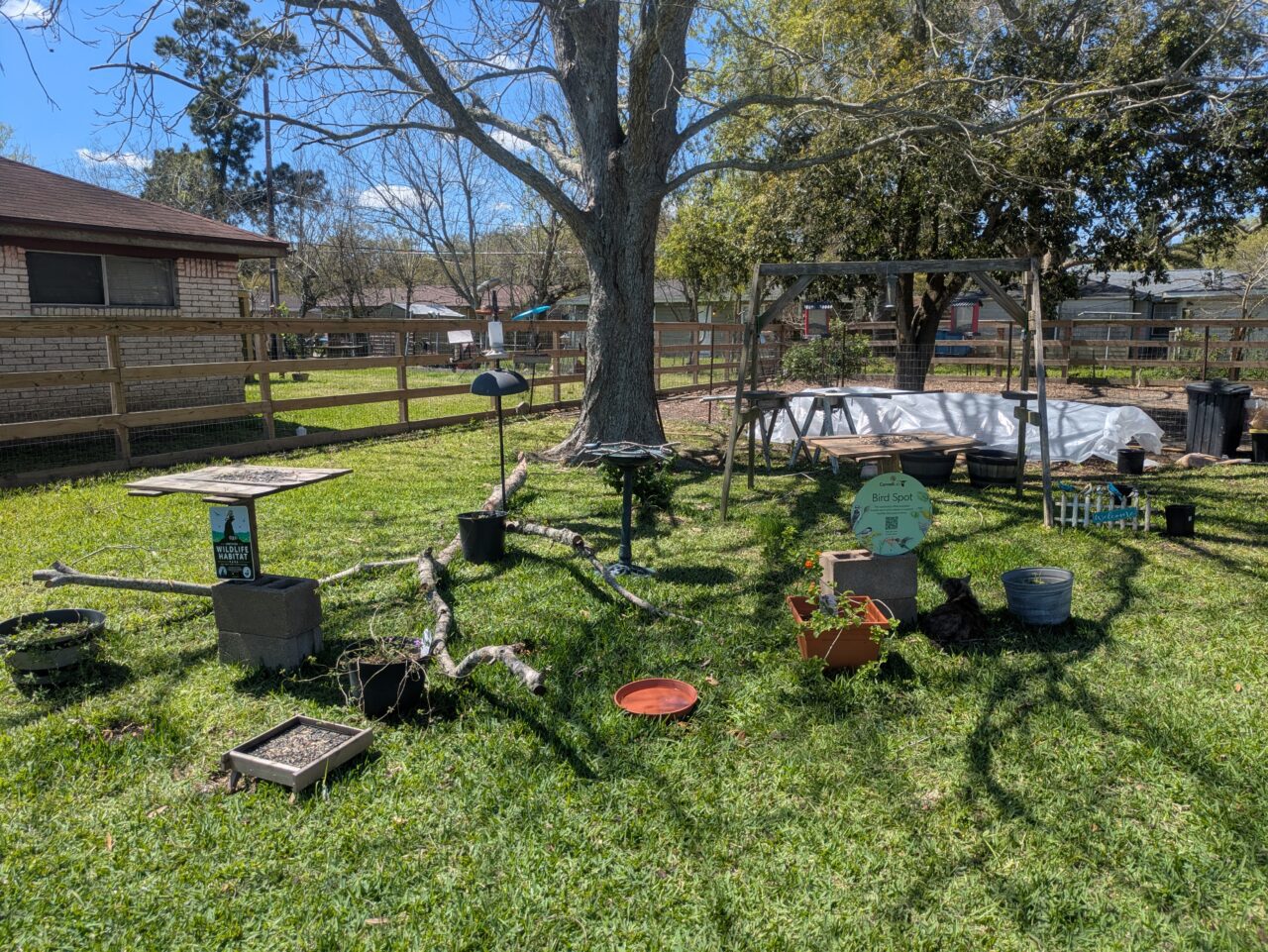
Texas. Planting the potted plants from the Garden for Birds project from last year and adding more native flowering plants.
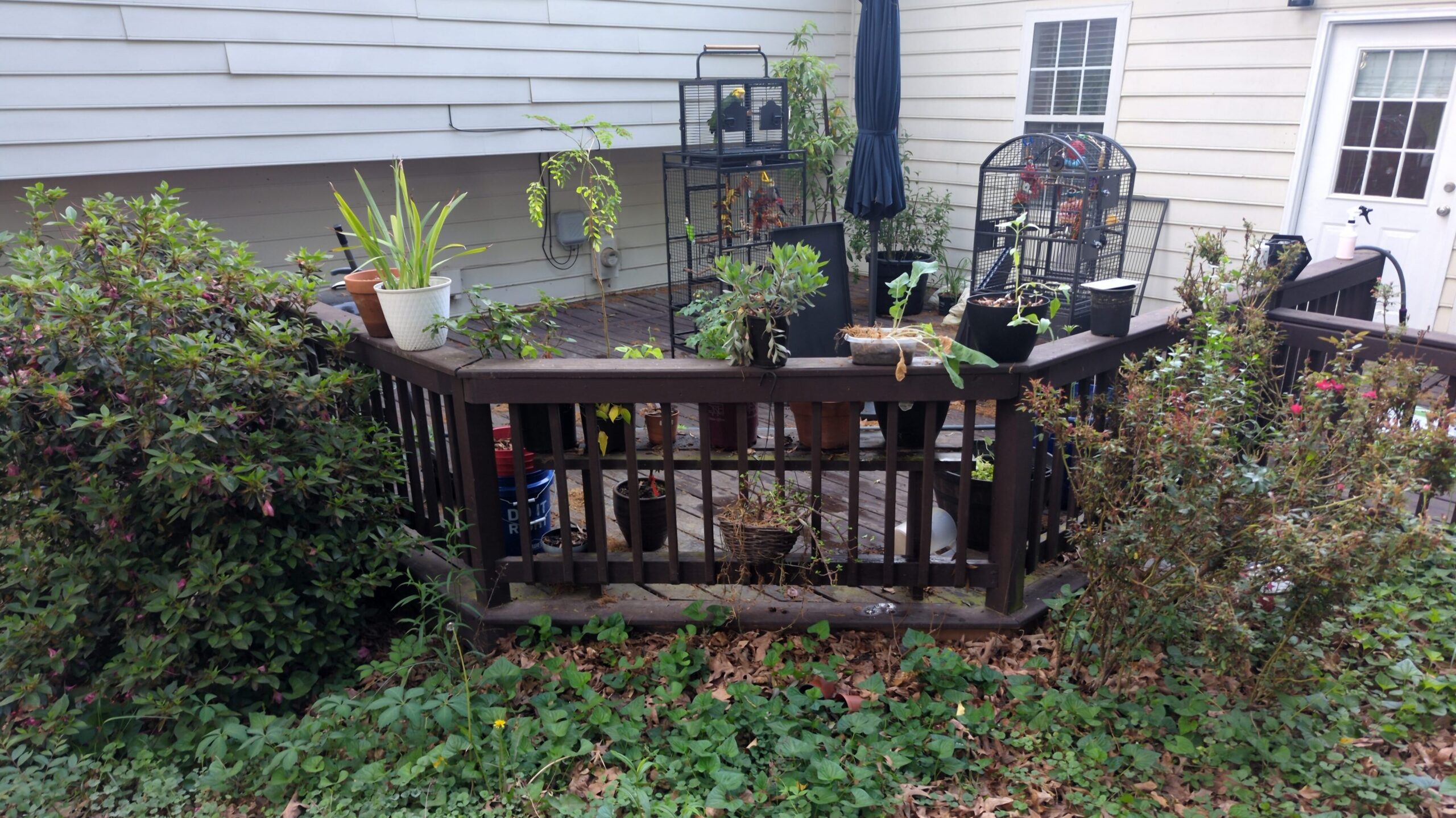
Texas. Adding new places for the birds to gather, adding a vegetable garden (they get the bugs), and adding solar fountains for the hummingbirds.
New York. Here is our sad front garden! I’ve currently got 2 blueberry bushes here. A few very small (5 inches tall or so) dogwoods and a few other native trees to be removed and replanted in the back. I have a hydrangea on the other side, with plans to add some cone flowers, maybe a cardinal flower set with some morning glories to climb the steps. More to come! Photo by Danielle Phillips.
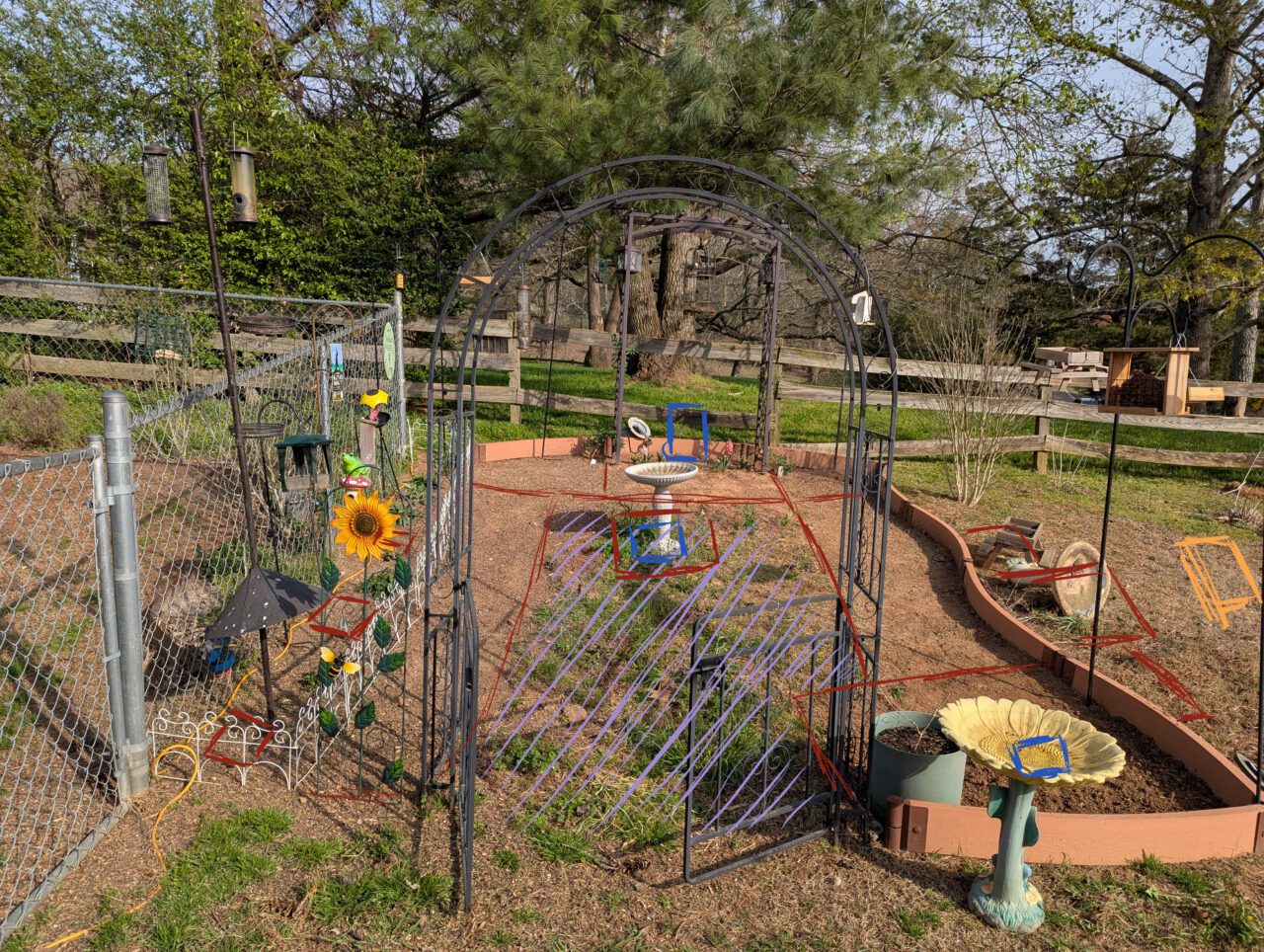
Tennessee. Each red-bordered area represents a space in which native plants and trees will be planted for birds to forage and nest in. Each blue-bordered and orange-bordered square represents a space in which water features will be added or relocated to offer places for the birds to drink and bathe. Photo by Rebekah Frost.
Maryland. Returning participant who added containers and space for native perennials and fruiting shrubs. Photo by Margaret Chang.
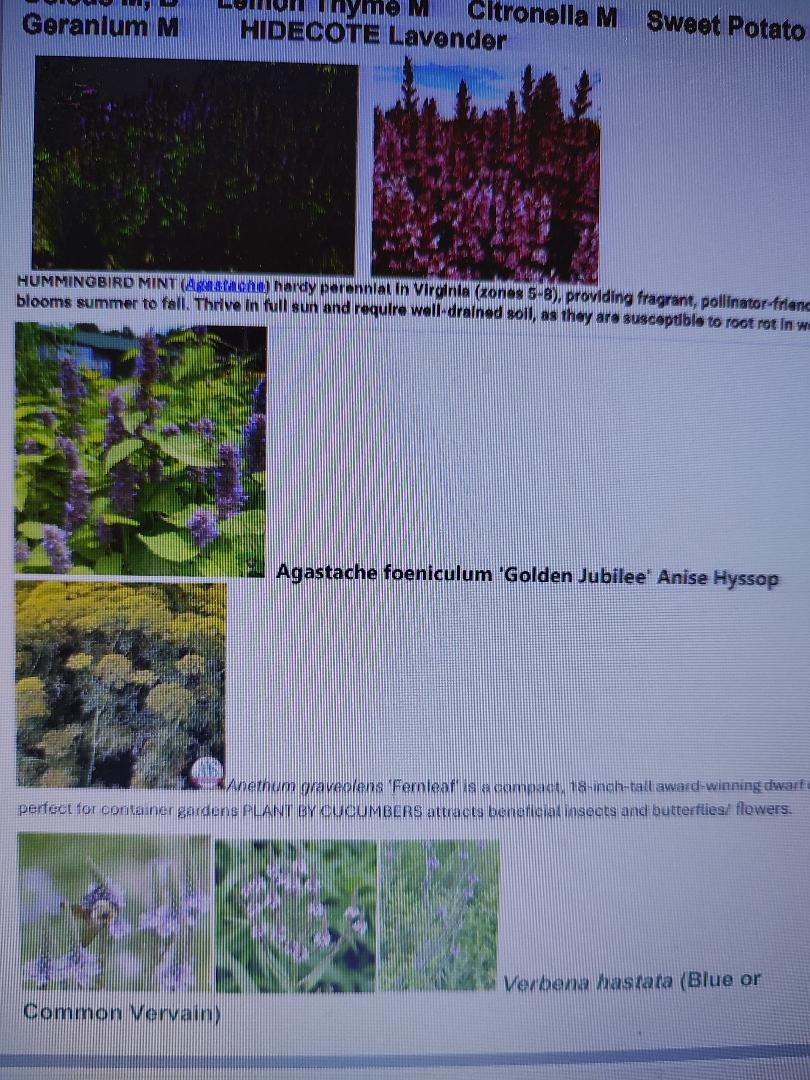
Virginia. Digital”shopping” list of native pollinators to add to my current garden for 2026. Photo by Debra Kaastra.
Ontario. The plan is to create a bird friendly garden around our current feeding area using native plants grown from seed and locally sourced plants and reducing the current “lawn.” Photo by Emma Shaw.
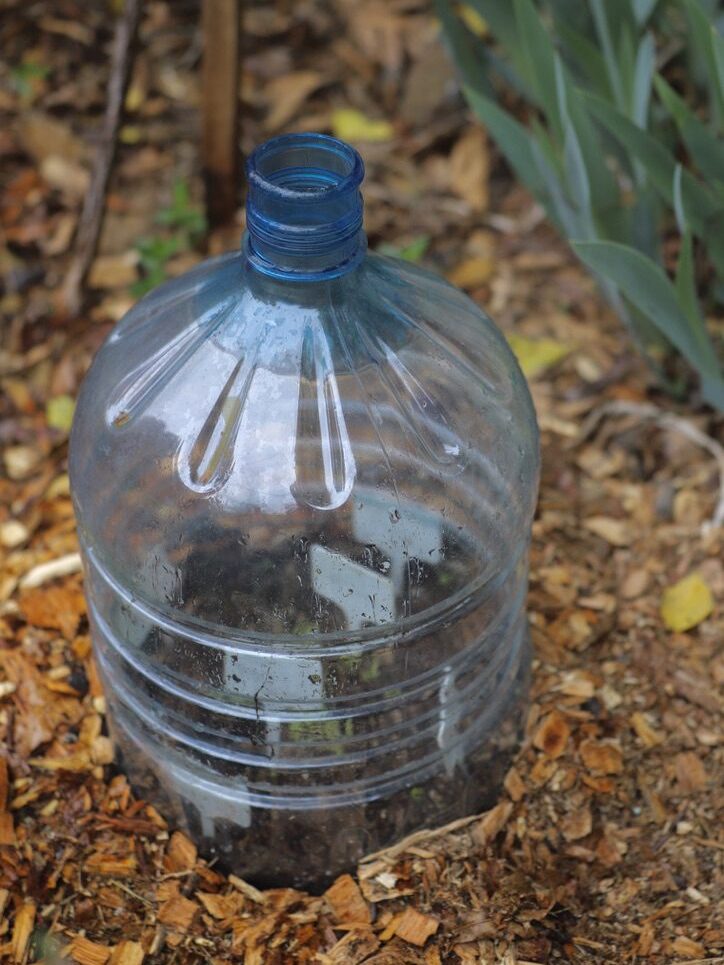
Virginia. The spring water jug is heeled in with mulch and 6 wildflower species seeds are growing inside. Photo by JoAnn Dalley.
Wisconsin. This is an area in the back of my small yard where I had grown some natives last year and am putting in another small area adjacent to the first one this year (prep work was done last fall). Photo by Maggie Honig.
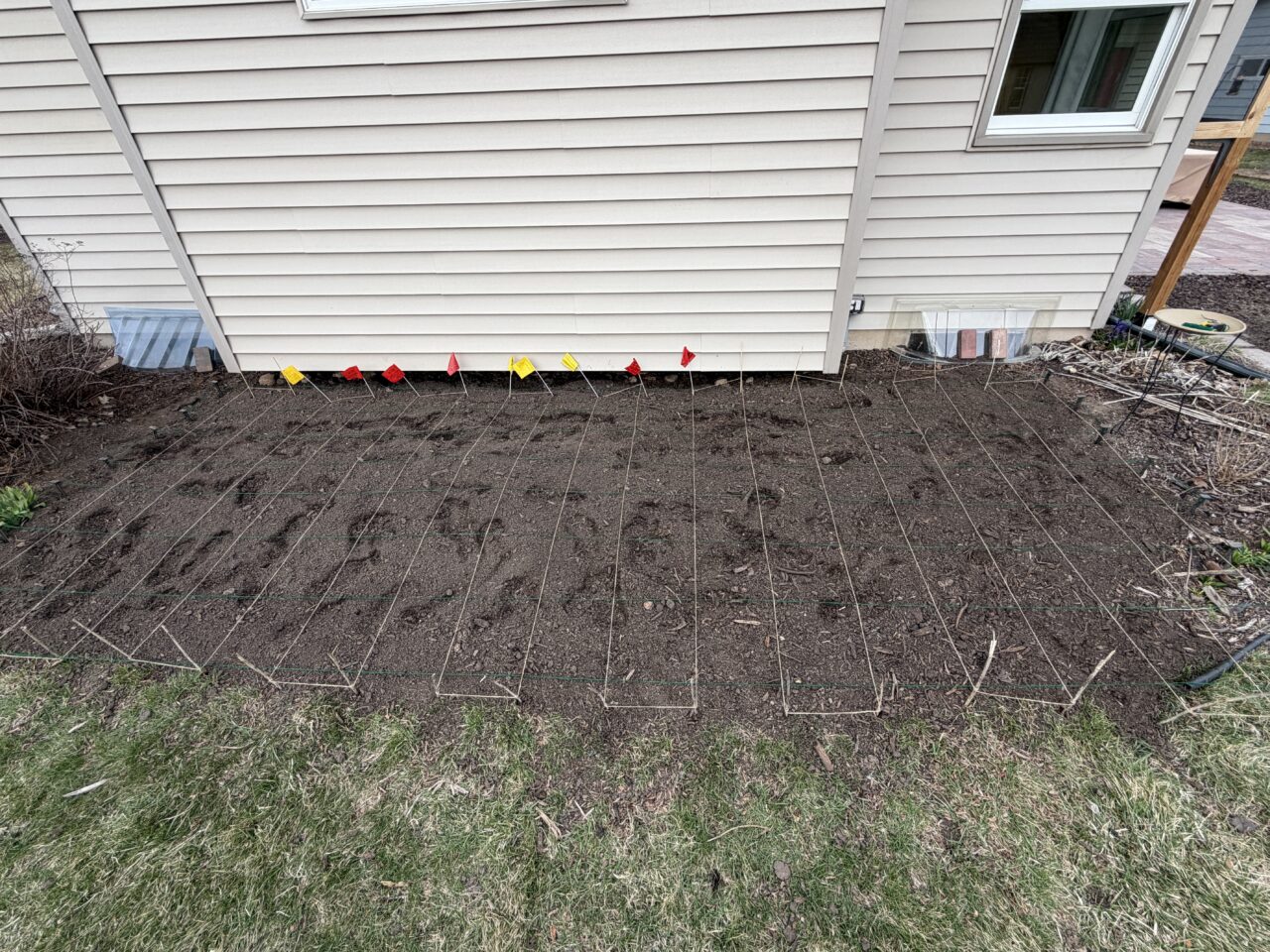
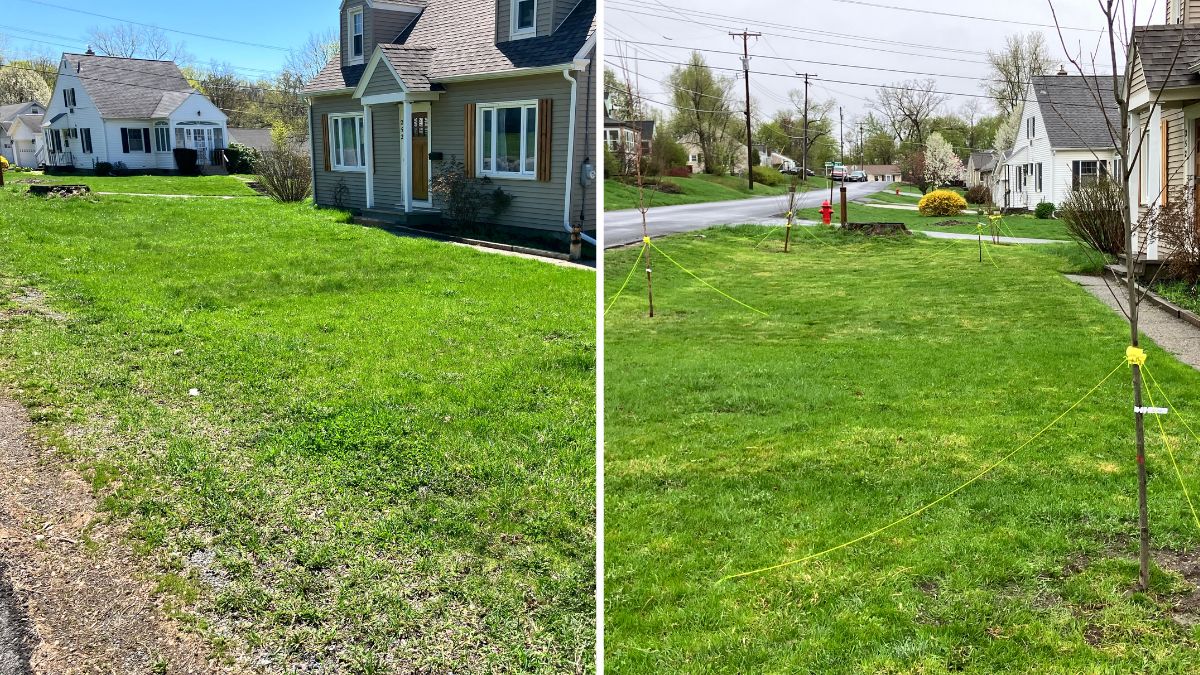
Wisconsin. We removed two ornamental bushes behind our house during a siding project and instead of replacing them we decided to plant a pollinator garden. To help with the planting, we laid out grid lines using twine.

Stay Connected

By subscribing to stay connected to Garden for Birds, you agree to receive communications from the Cornell Lab. You may unsubscribe from the communications at any time.