June
Come June, no matter where you live in the U.S. or Canada, the growing season is underway with long days and short nights. Use the guide below to consider what you could be paying attention to in your gardens. Perhaps first and foremost, who is visiting? Our Garden for Birds eBird project is a fun way to record the birds you are seeing visiting your garden resources. Plus, adding your birds to this ongoing eBird project contributes data to an important participatory science project where we are documenting how habitat improvements may influence bird diversity over time.
Garden Checklist
All Regions
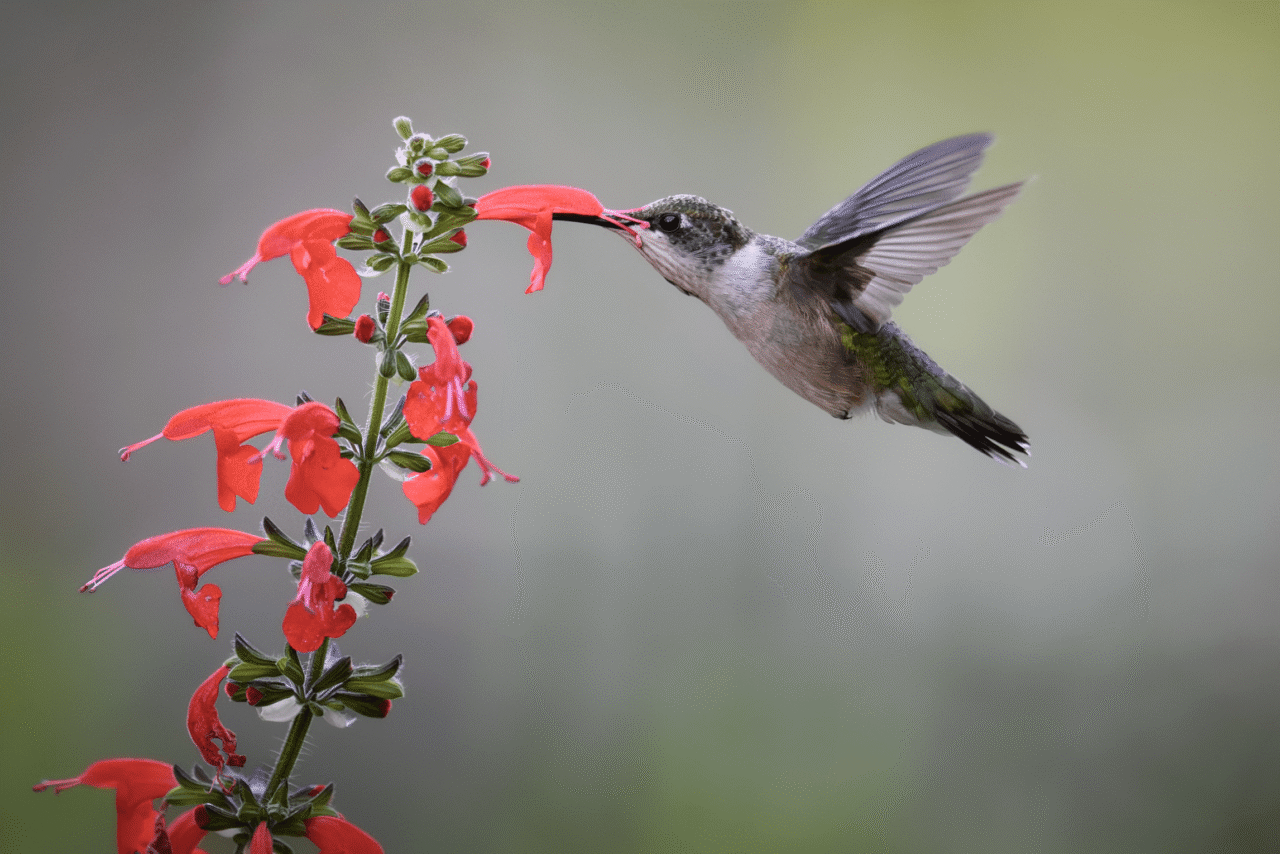
- NEW Hummingbird Resource
- Here is a list of native perennials based on state or province that will help support hummingbirds.
- There is a recommendation for container-friendly, shade-tolerant, and sun-loving plants.
- Keep Adding Plants (if conditions allow).
- “Green mulch” (aka plants) is best. If you can see dirt, you have space for more plants :).
- Monitor birds in garden(s)
- Share those birds with the Garden for Birds eBird Project
- Regular eBirder: Join the GfB Project.
- NEW to eBird: Learn how to do a checklist and join.
- Still threats of frost in northern areas?
- Have no fear, if you add native species they will survive fine through a few frosts.
- Lawn reduction: Running out of space to add native plants, and sick of watering your dying lawn?
- Cut off another corner, or make an existing planting bed a few inches wider to accommodate a few more native plants. If you have a catio, save the turf you cut and lay it inside for your cat.
- Our partners at Less Lawn, More Life are facilitating a 12-week program to help people with this conversion.
- NEW Wildr App may help with choosing plants for your lawn reduction (Note, the app is in beta.)
- Begin to identify and mark invasive plants & make a plan to deal with them.
- SEEK by iNaturalist may help.
- Most invasive plants are leafed out by now. One way we can improve our native habitat gardens is to keep the invasive plants out.
- If this concept is new to you here are some frequently asked questions to help.
- Research mounts that invasive plants are not as useful for birds. Removing them and replacing them with native alternatives will go a long way to creating habitat.
- That said, we don’t recommend removing invasive, woody shrubs during peaking nesting. Mark them now and begin removal in the fall.
- Explore Photos & Add Your Own
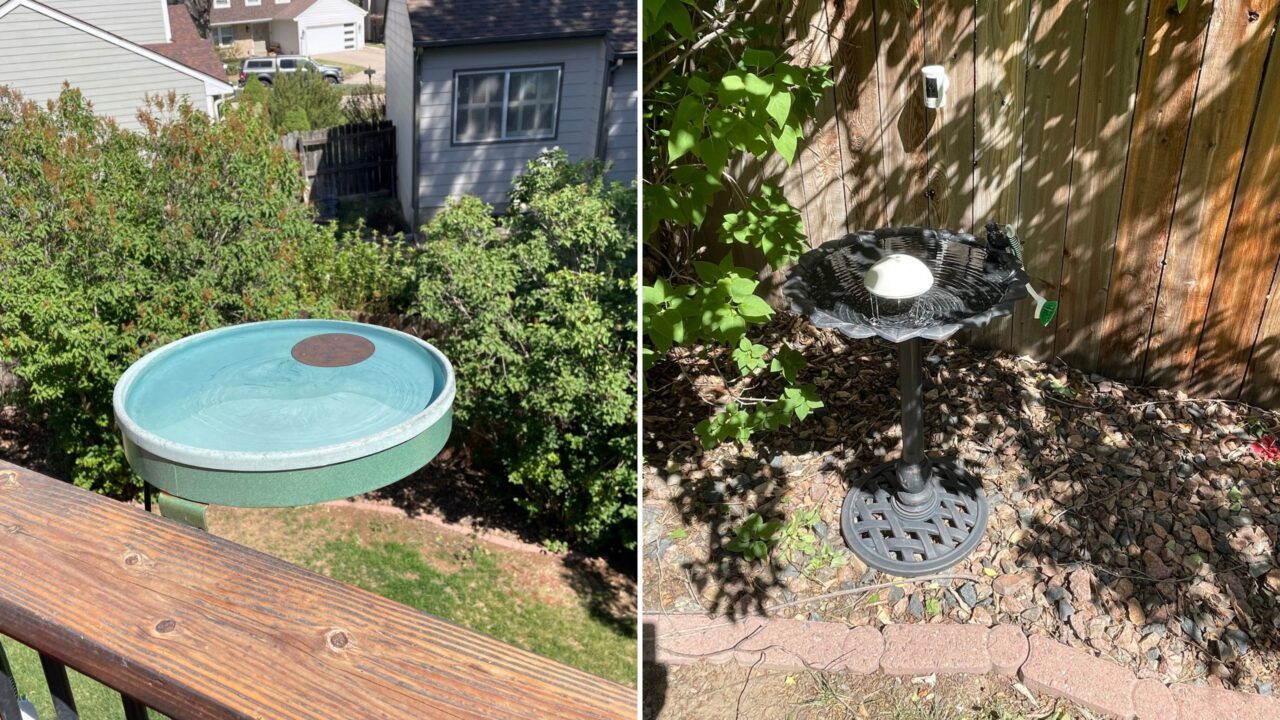
- So many great water features came in that we made them their own category! Water is one of the best features that helps an abundance of wildlife.
- Upcoming Webinars
- Join us Tuesday, June 9 at 7:30 p.m. ET / 4:30 p.m. PT for Native Plant Gardening — Big and Small Spaces and Why It Matters w/ Mhairi McFarlane
- Explore two other fall webinars here.

Bird Safety Tips
Birds are Nesting, Babies are Fledging
Do all the things to keep them safe during this vulnerable time.
- Keep your cat indoors—young birds in particular don’t know the power of cats.
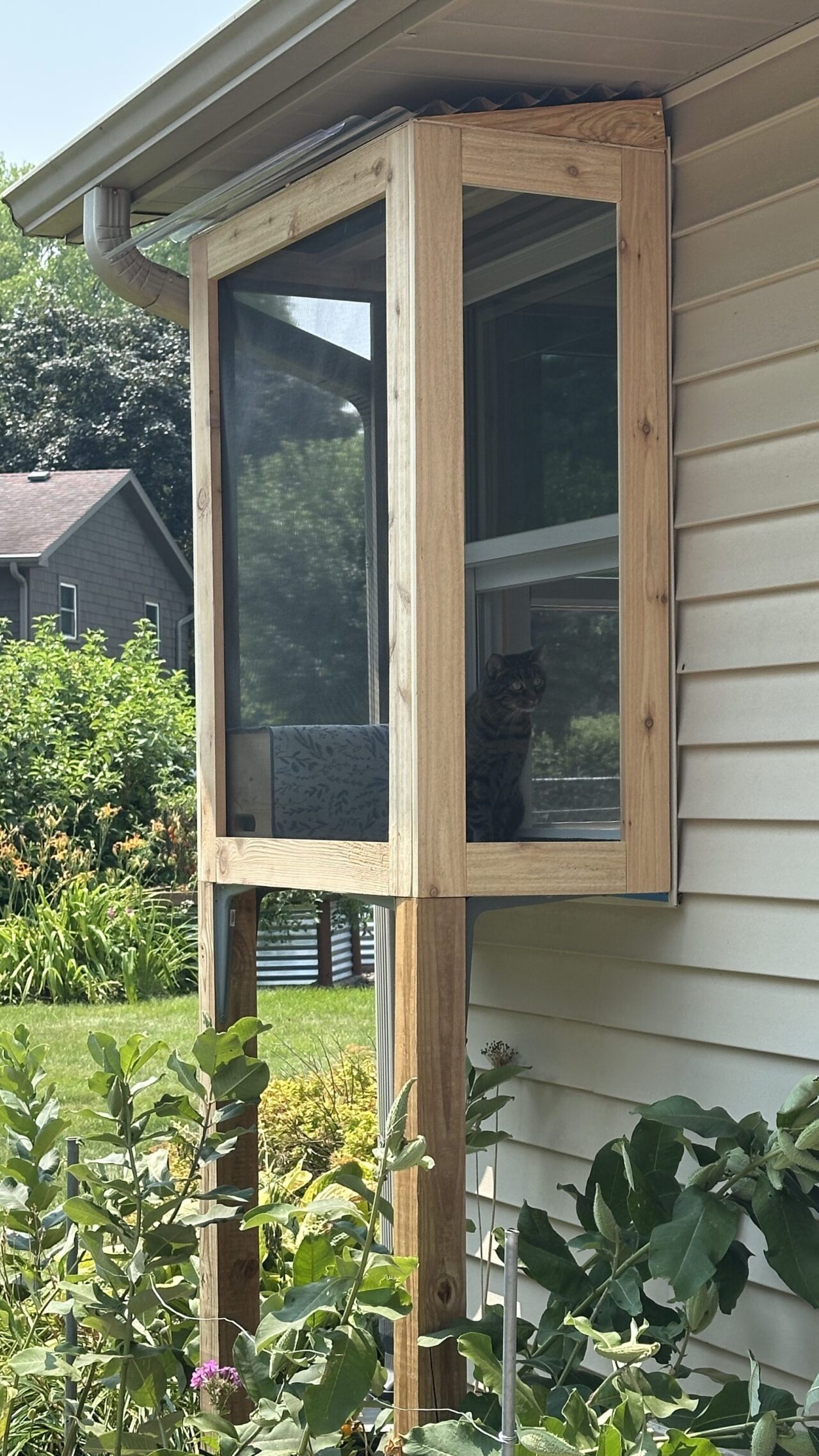
- And/or build a catio for your cat(s) so they can enjoy the birds safely (Pictured is a great example submitted by a participant.)
- Leave all nests and nestlings alone—yes, that goes for those who fall out of the nest. It’s okay to check nests if you are actively monitoring nests for NestWatch, then follow their protocols.
- Protect your windows. New fliers may find untreated windows even trickier to navigate around.
- Keep unnecessary lights off at night. Migration is still happening.
- If you are feeding birds, especially hummingbirds, clean your feeders regularly in warmer months.
- Seeds can mold and sugar water often goes bad faster in warmer weather
Featured Plant & Bird
Common Name: Chokecherry
Scientific Name: Prunus virginiana
Native to: AK , AR , AZ , CA , CO , CT , DC , DE , GA , IA , ID , IL , IN , KS , KY , MA , MD , ME , MI , MN , MO , MT , NC , ND , NE , NH , NJ , NM , NV , NY , OH , OK , OR , PA , RI , SD , TN , TX , UT , VA , VT , WA , WI , WV , WY
Canada: AB , BC , MB , NB , NL , NS , ON , PE , QC , SK
Plant characteristics: Tree that can be pruned to stay shrubby. Beautiful fall color and vibrant berries in the fall.
Growing conditions: Tolerates all light conditions. Prefers moist to dry conditions. High tolerance to drought and cold.
Benefits to Birds & Biodiversity: Larval host for Columbia silkmoth and small-eyed sphinx. Nectar source for numerous other pollinators. Fruit is eaten by a variety of mammals and birds.

Additional Resources
- Wildr Places App! If you haven’t downloaded, give it a try. Native plants recommended based on your region. Will work for all areas in the U.S. with Canada functionality coming soon.
- Tips on Feeding Birds from Project FeederWatch (a winter bird monitoring project at the Cornell Lab.)
- Warmer months require more maintenance with feeders, here are some best practices.
- Maybe a gravel garden? Margaret Roach did a recent podcast on these.
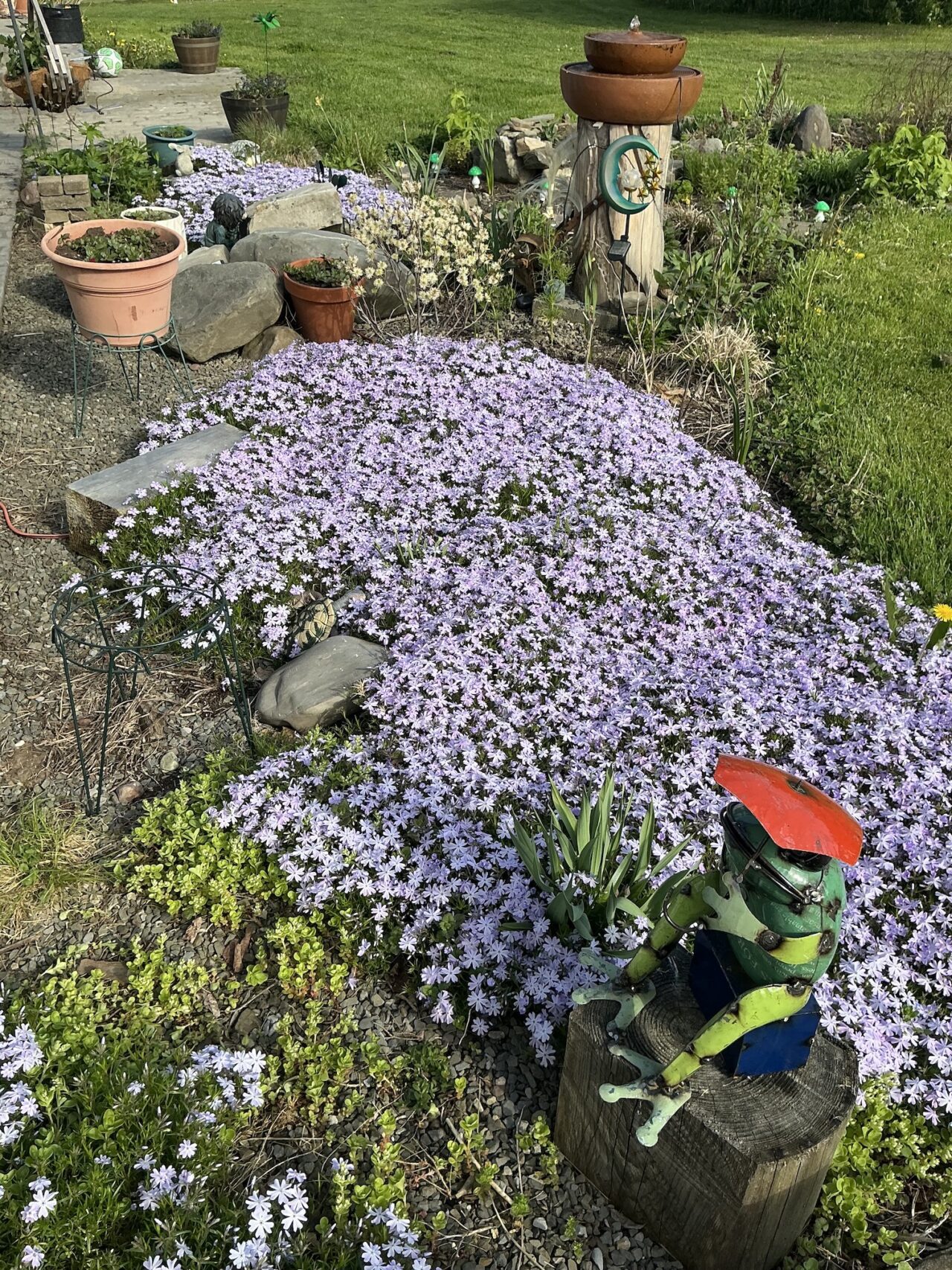
- Instead of lawn, maybe a drought tolerant gorgeous native gravel garden is something to consider?
- Review our resources pages for topics of interest from the beginning gardener to experienced.
- Want to visit gardens in your region? The Garden Conservancy has open days throughout the summer. They even have a searchable category for predominantly native landscapes.
- See Open Days to learn more!
Stay Connected
By subscribing to stay connected to Garden for Birds, you agree to receive communications from the Cornell Lab. You may unsubscribe from the communications at any time.