
August
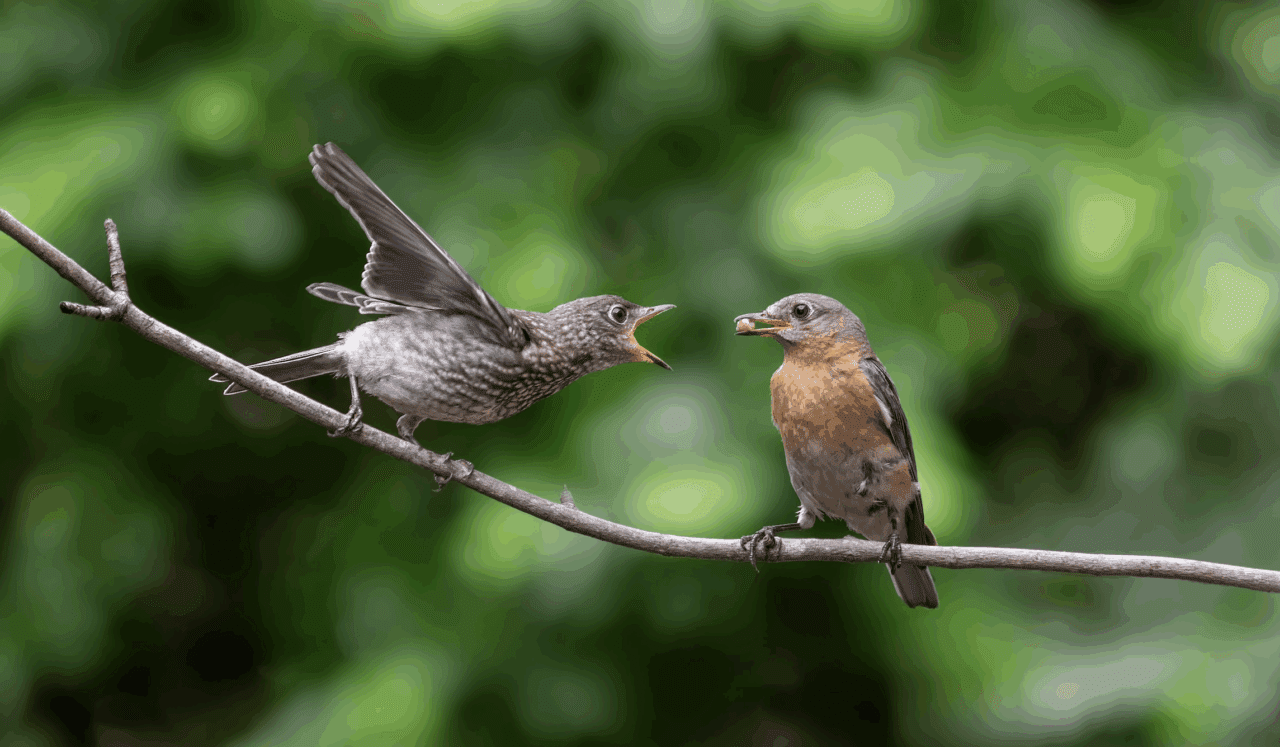
Summer days are still warm and depending on the region, rain can be in short supply. Migratory birds are beginning to fatten up on resources, this often aligns with the ripening of the fruits and seeds on our native plants. Make sure to leave dead and drying fruit/seeds available to them, keep your birdbaths full, and keep monitoring who is visiting your gardens. You might be seeing fledglings out in the open, being attended by their parents. If you have an outdoor cat, this is a great time to start reducing the time it spends outdoors to protect naive young birds. Enjoy the beginning of fall migration. Maybe your new native plants will attract visitors on their journeys to their wintering grounds.
Garden Checklist
Indoor Activities to Beat the Heat (& Smoke)
- Read NEW resources on Nativars–See what the latest science tells us on using native cultivars in our gardens.
- Nativars Overview
- Nativars Up Close
- An in-depth look at what we know about nativars in our gardens.
- Link to our partnership with Homegrown National Park.
- Thank you to everyone who has joined! If you haven’t done so, add your garden site to our organization.
- Register for upcoming Fall Webinars.
- Managing Leaves to Maximize Biodiversity: What Recent Research Reveals with Max Ferlauto on Friday, September 11 at 7:00 p.m. ET / 4:00 p.m. PT. Register here.
- Inviting Birds In: Fall Migration in Duluth, Minnesota with Dudley Edmondson on Wednesday, September 30 at 7:30 p.m. ET / 4:30 p.m. PT. Register here.
- Think about fall additions you want to make.
- Fall is as good (sometimes better) time to add plants, particularly trees and shrubs.
- Do an inventory of your garden and find gaps in blooms, resources, etc., filling those gaps can go a long way to helping birds and garden visitors.
- Our Planting Pallette Tool may help with your process.
- Shop the sales!
- Local nurseries are often putting plants on sale now until they close. Call or stop by for new additions. Or talk to fellow gardeners and trade plants.
- Many online companies are offering sales, do some internet research to find deals in your ecoregion.

Photos, Photos, & More Photos
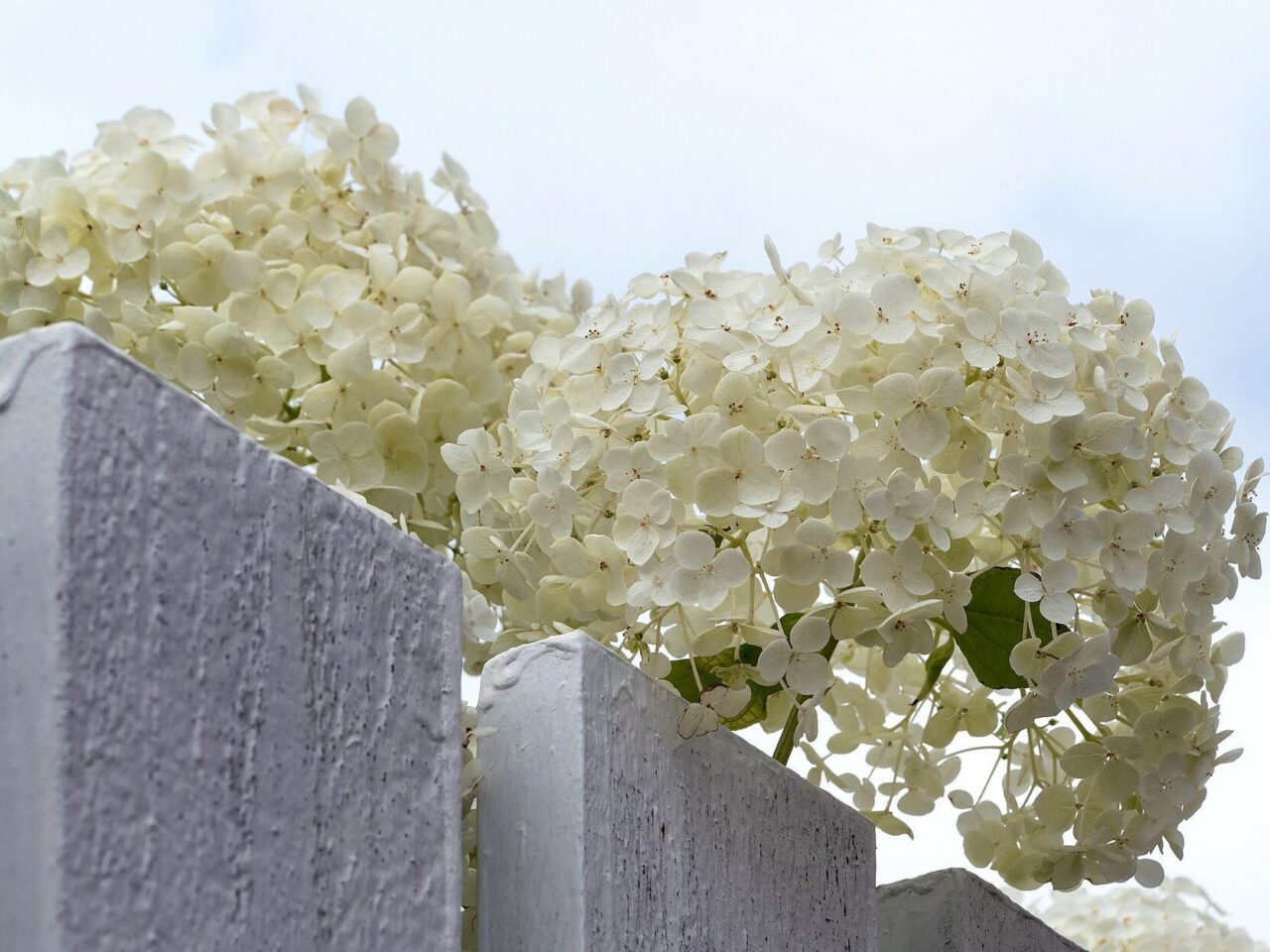
- Show-off your habitat changes.
- Before and After Photos are now being collected!
- Please submit photos from about the same angle and spot.
- Photos can be from past years NOT just 2026 new plantings.
- Before and After Photos are now being collected!
- Art in the Gardens
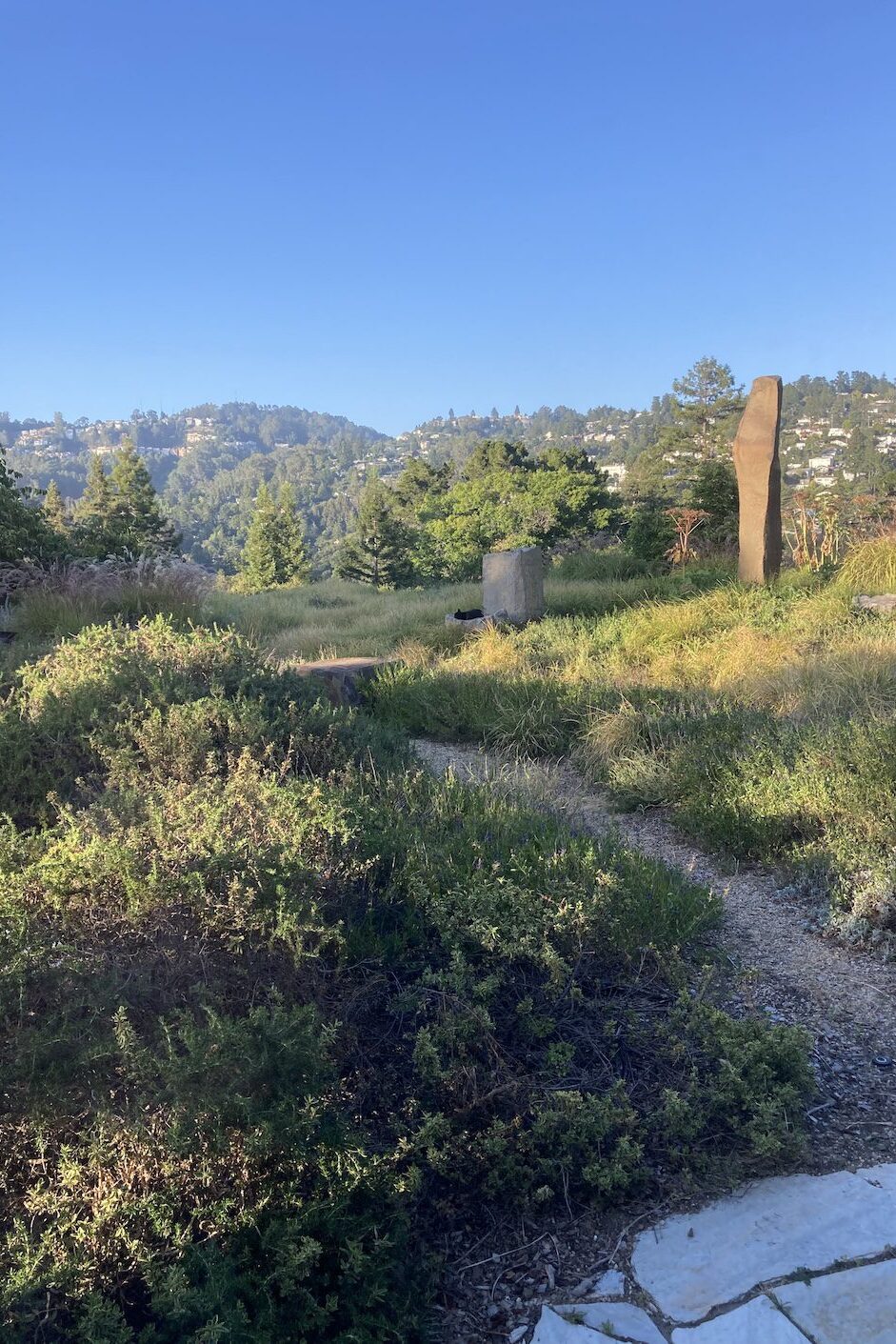
- Thank you for your incredible submissions showing how you integrate art – such as this lovely rock sculpture image in California. Keep them coming!
- Other categories may be inspiring, especially if you are thinking about adding a water feature or building a catio.
Savoring Time Outside
- Delay big pruning or cutting.
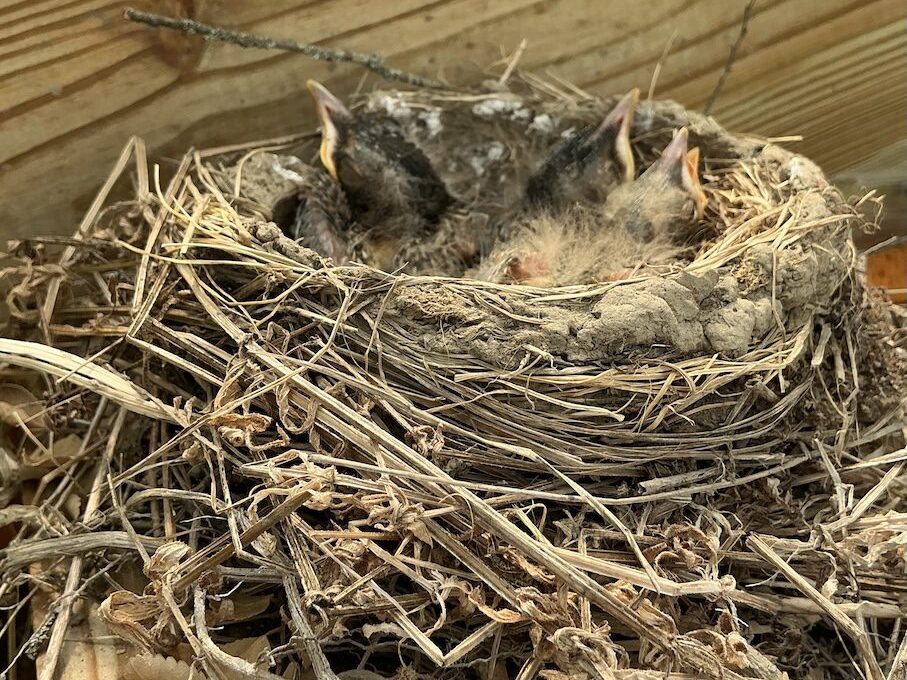
- Some birds are still nesting. Several regional species will have a 2nd or 3rd brood. Wait until later in September or October to start trimming shrubs and trees.
- Keep watching the birds & other visitors.
- While taking breaks in the garden or with a cool beverage in hand. Keep an eye out for new visitors.
- Do you manage a meadow?
- Walk it and do some active management. This video provides ideas.
- Discover something new!
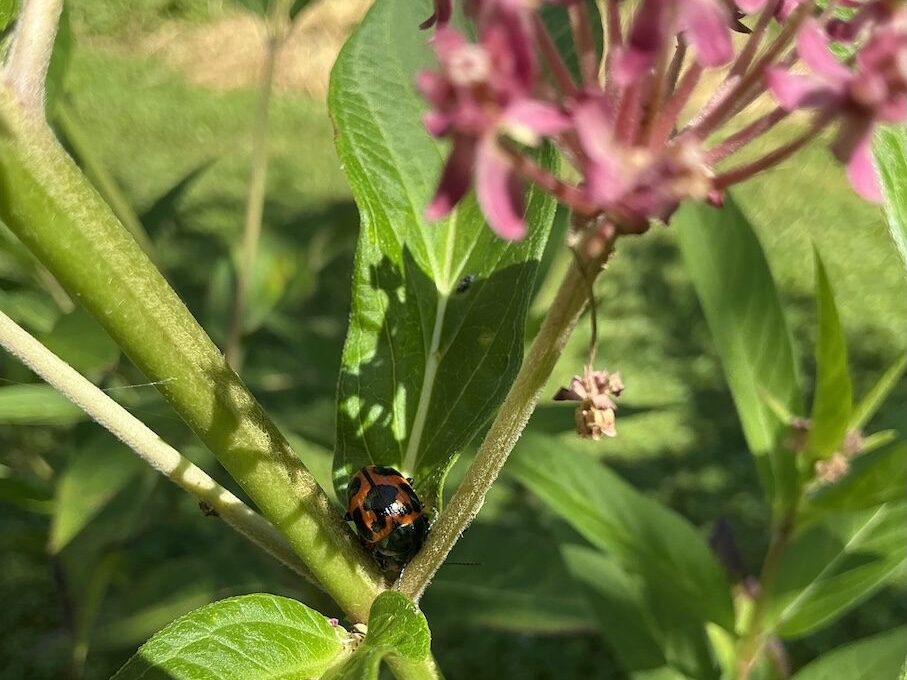
- SEEK by iNaturalist is a great tool for identifying new insects attracted to your native plants.
- Leave garden resources in place.
- Perennials or annuals that have gone to seed will be savored by birds as they begin to prepare for cooler days—whether they are migrating or not.
- If due to HOA rules or personal preference, you do cut things back, try to leave the stems and seeds available on site for foragers.
Bird-friendly Tips
- Mark invasive shrubs you want to remove when the weather cools.
- Research mounts that invasive plants degrade the quality of your habitat.
- Begin to make a plan to remove them.
- Turn Lights Out
- Birds are starting to move again as “fall” migration starts in summer!
- Minimize unnecessary lights at night to help their navigation.
Featured Plant & Bird
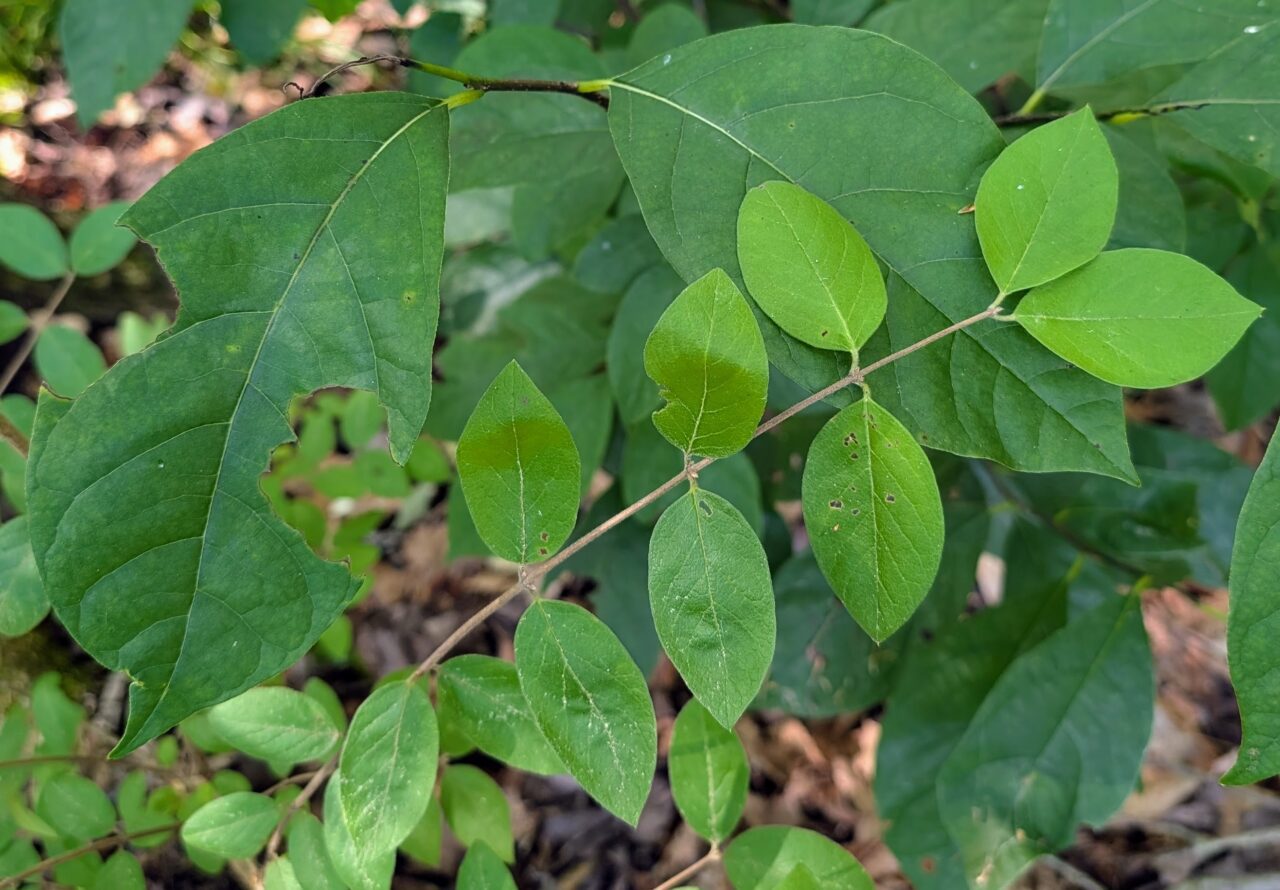
Common Name: Common Elderberry
Scientific Name: Sambucus nigra ssp. canadensis
Native to: AL , AR , AZ , CA , CO , CT , DC, DE , FL , GA , HI , IA , IL , IN , KS , KY , LA, MA , MD , ME , MI , MN , MO , MS , MT , NC , ND , NE , NH , NJ , NM , NY , OH, OK , PA , RI , SC , SD, TN , TX , VA , VT , WI , WV , WY
Canada: MB , NB , NS , PE , QC
Plant characteristics: Shrub grows to about 12 feet tall and will fill in spaces quickly. Prune to keep the plant dense and short. Beautiful flowers become vibrant purple/black berries in the late summer.
Growing conditions: Soil tolerant, but prefers wet to moist soil in part-shade to full sun conditions.
Benefits to Birds & Biodiversity: Numerous bees and butterflies will nectar on the flowers that then form nutrient-rich berries for birds in the late summer/early fall. Just in time for migration to begin!
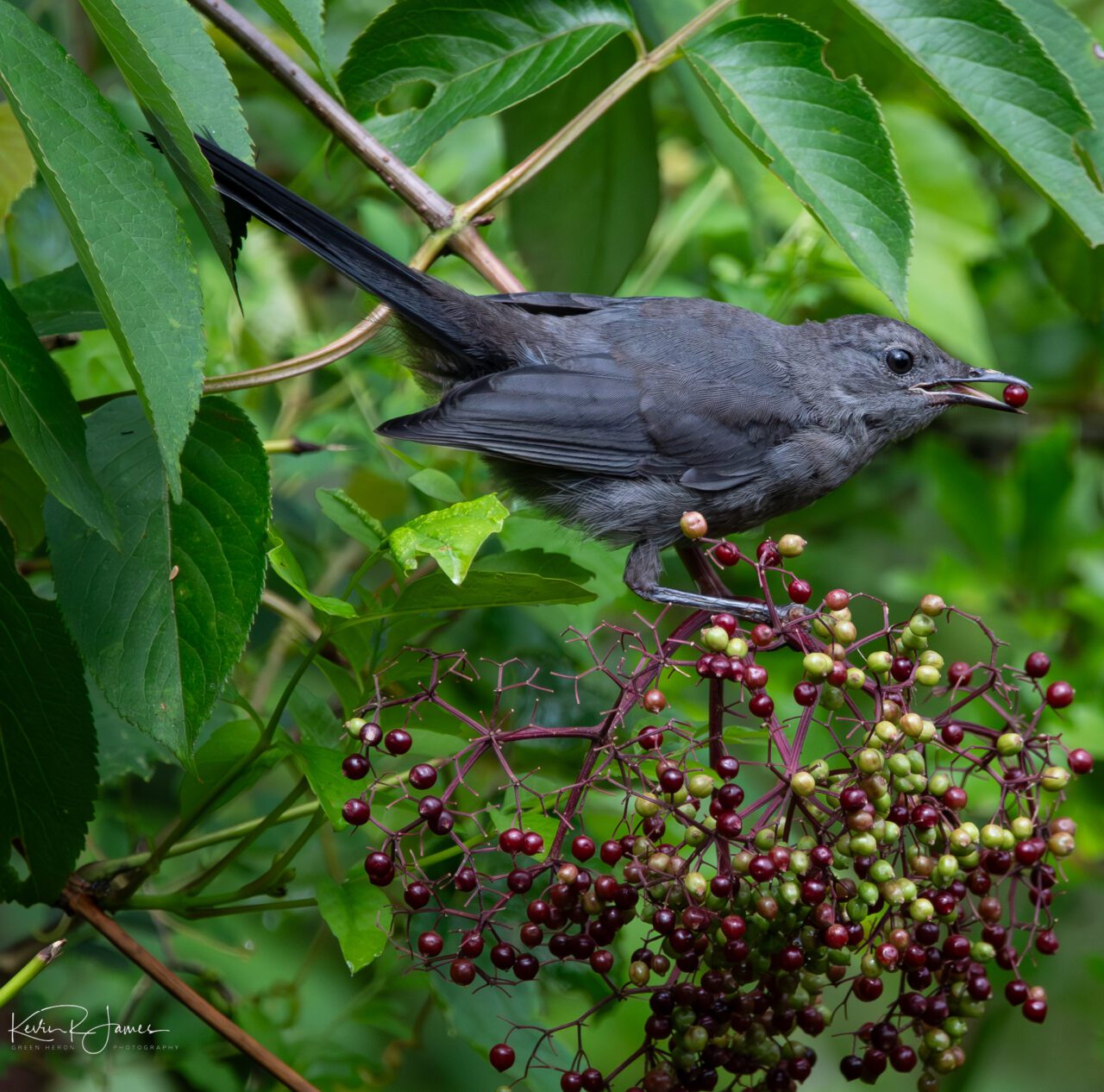
If you want any berries for processing syrups or jams, harvest dark purple berries quickly! Birds will immediately strip ripe bushes as they fuel up for migration or prepare for winter.
Additional Resources
- Native plant gardens breaking into the mainstream with the NYTs coverage.
- Great article on how native plant gardens can increase property value.
- A balanced article on the native plant movement with Doug Tallamy’s yard featured.
- Following up on July’s email about making choices to keep our native habitat looking intentional. Watch this short video filled with tips from the Less Lawn More Life challenge.
- Do you live in a HOA with strict landscaping rules? Or do you have a neighbor’s whose not keen on your wildlife garden? This video may help you navigate tough situations.
- We continue to add NEW resources for topics of interest from the beginning gardener to experienced.
Stay Connected
By subscribing to stay connected to Garden for Birds, you agree to receive communications from the Cornell Lab. You may unsubscribe from the communications at any time.