Nativars Up Close
This article is a continuation of our previous piece on nativars. Check out the first article for definitions and general recommendations; this article is aimed at those interested in an in-depth review of recent research, organized by how different types of nativar modifications can affect ecological productivity. If you are looking for science, you’re in the right place!
Most of the research we refer to in this article uses pollinator preference to evaluate a nativar compared to its wild type. Here, we use it as an approximation of how ecologically productive a nativar is. This is not a perfect standard, but an approximation of complicated ecology.
Flower Color
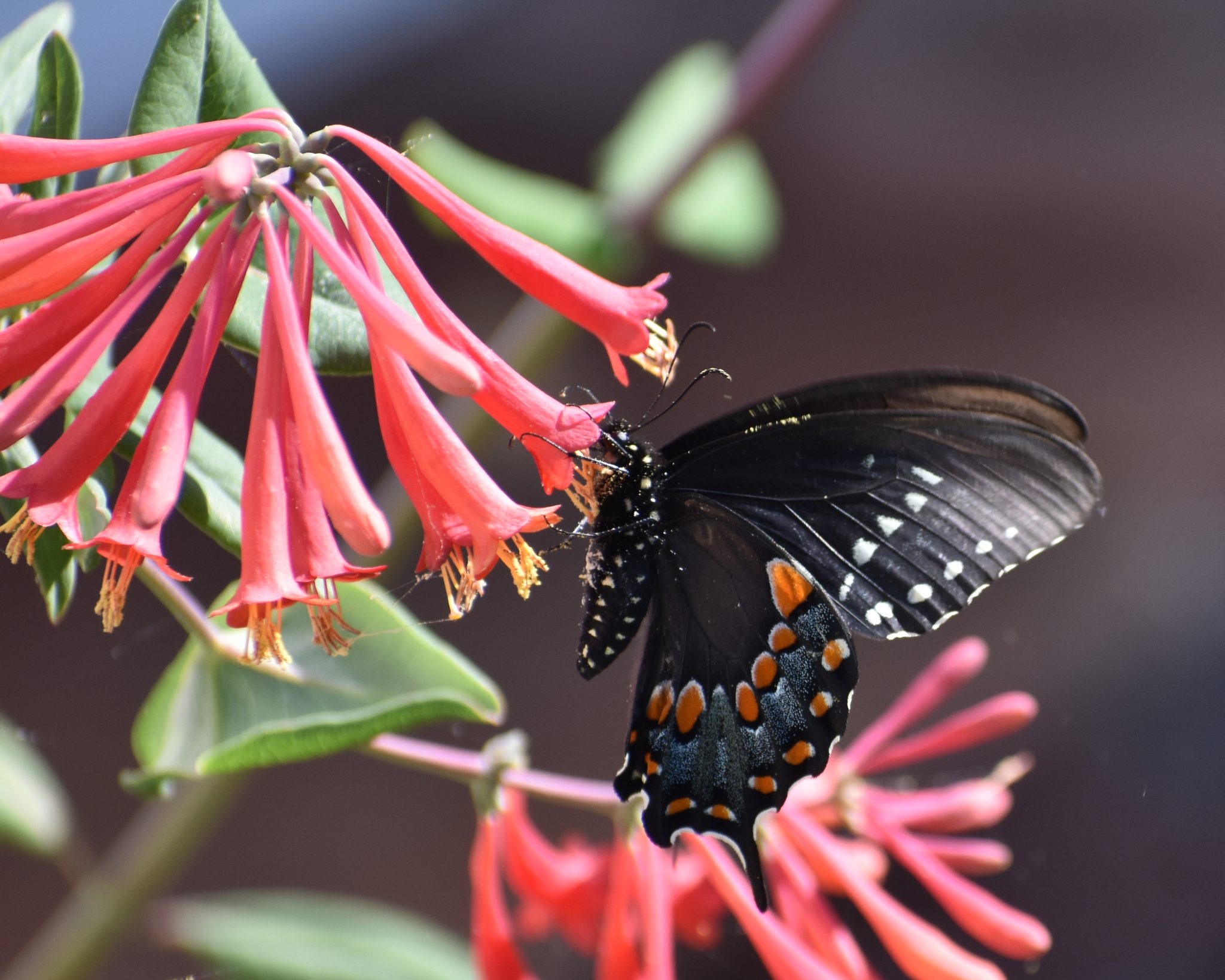
Showy, colorful flowers are enticing to gardeners, and even more so to many pollinators. Plants often use specific visual cues to attract pollinators—some of which are invisible to humans. Toothleaf goldeneye (Viguiera dentata), a bushy plant native to the Southwestern U.S., displays a bullseye pattern on its flowers visible in ultraviolet wavelengths, marketing itself to UV-spotting bees. When flower color and patterning is modified in a nativar, these important visual cues could be disrupted as well.
A 2022 study of pollinator-cultivar interactions found that most pollinators preferentially visited cultivars with colors similar to the wild type, although some notable exceptions were recorded (Agastache ‘Heatwave’, Agastache ‘Summer Glow’, and Nepeta ‘Snowflake’ saw increased visits despite their unnatural colors).
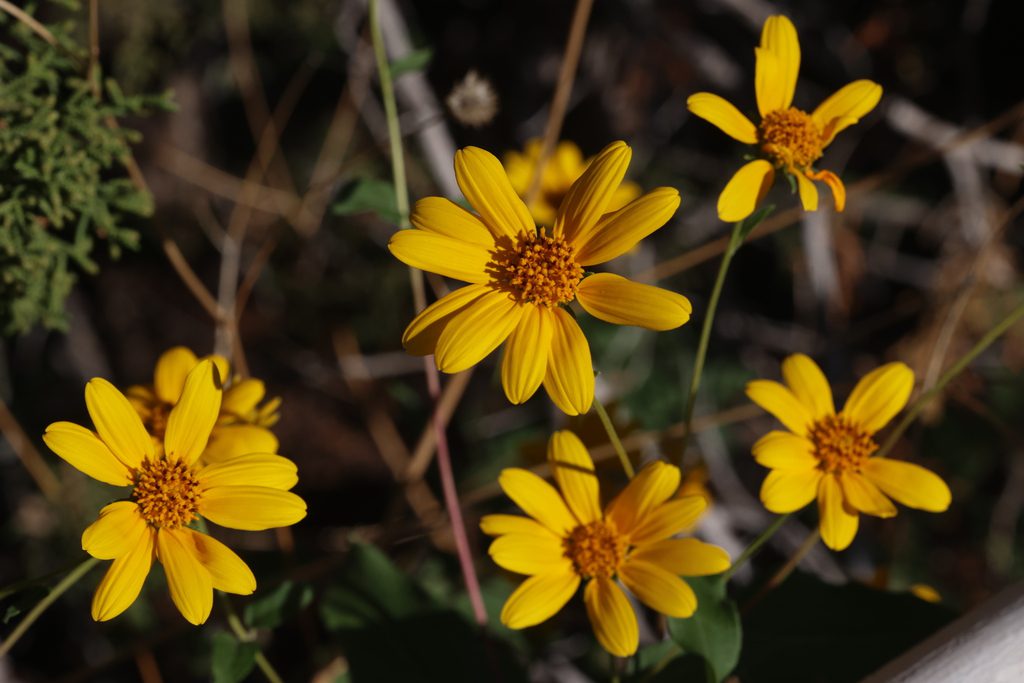
Check out A Different Light by Melissa Gaskill to learn more about UV patterns!
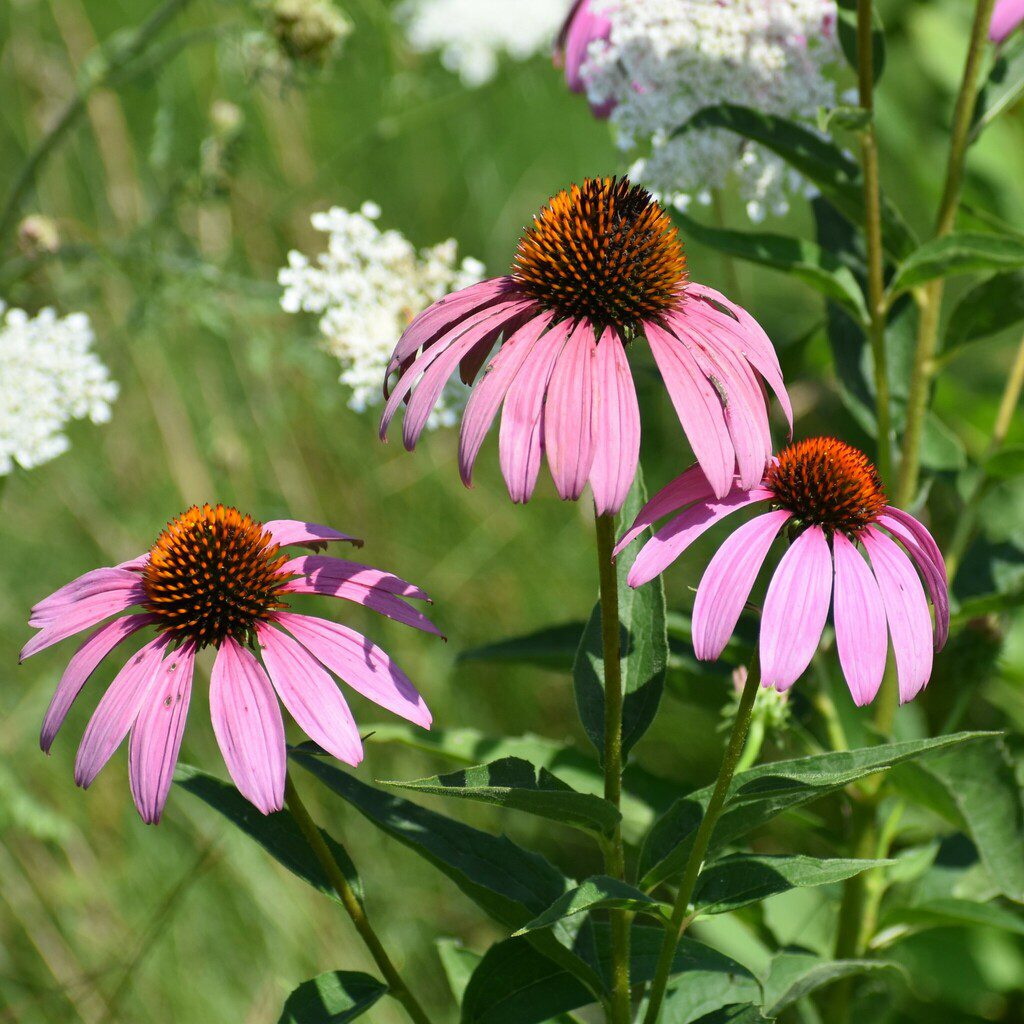
Similarly, in Mt. Cuba Center’s study of coneflower (Echinacea) nativars in the Mid-Atlantic region, no clear conclusions could be drawn about pollinator preference for flower color. Most of the top 15 coneflowers for pollinator visitation were colored similarly to wild type, with pink and purple flowers dominating. However, the most attractive coneflower to pollinators was Echinacea purpurea ‘Fragrant Angel’, a nativar with white-colored flowers.
There is no universal consensus on flower color variation in nativars. Plants should be evaluated on a case-by-case basis. When in doubt, a nativar colored similarly to the wild type is your safest option for most pollinators; knowing this, some unnaturally-colored nativars can still perform just as well, or occasionally better, than wild type plants. More research, focused on species-specific impacts, is needed to deepen our understanding of color-modified nativars.
Leaf Color and Pattern
Insect herbivores, notably caterpillars, the larvae of moths or butterflies, can make a feast of native plant leaves. The holey foliage they leave behind may clash with traditional garden aesthetics—but a garden that can support insect herbivores is supporting a healthy, vibrant ecosystem. Birds will happily visit to indulge in a delicious meal. When the surviving caterpillars metamorphosize into butterflies and moths, your garden will not only sparkle with fluttering foragers, but will also produce the next generation of food resources for baby birds.
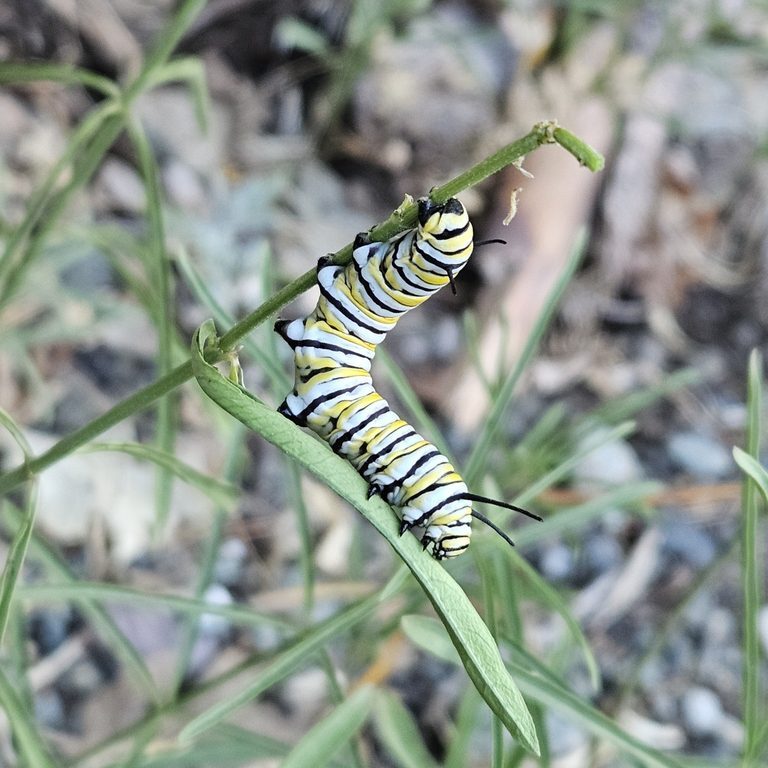
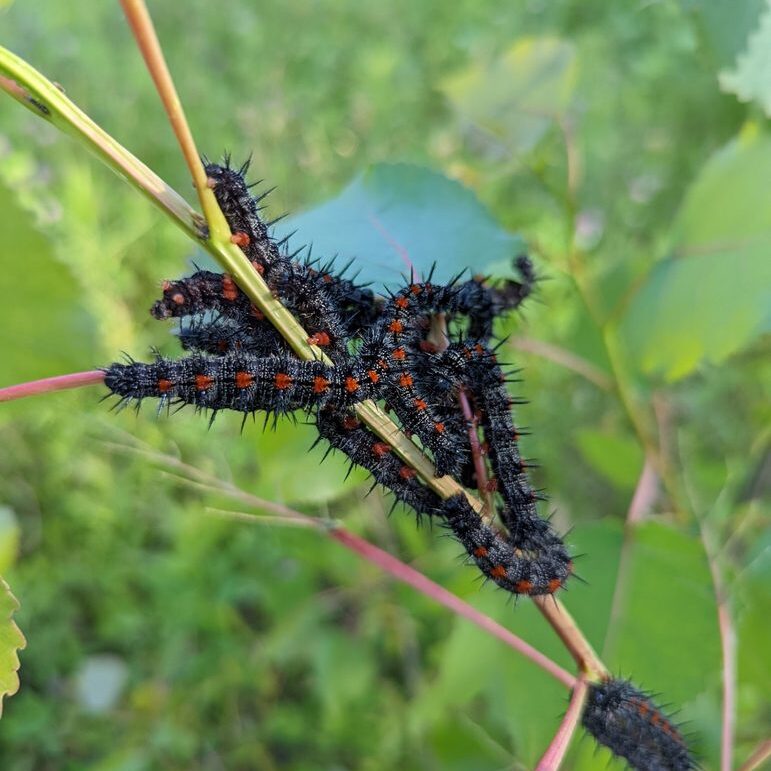
Insect herbivory can be disrupted by modified leaf color. In a 2018 study, Emily Baisden and Doug Tallamy found that cultivars selected to alter leaf color from green to red, blue, or purple significantly reduced insect herbivory. They hypothesized that insects were avoiding certain pigments; excluding chlorophyll, many plant pigments (notably anthocyanins and carotenoids) are secondary metabolites, or organic compounds that protect the plant from herbivory by impeding protein assimilation in bugs.
In the same study, Baisden and Tallamy found they could not make a broad conclusion on the effects of modified leaf variegation; for this reason, nativars with leaves differentially variegated from the wild type should be evaluated on a case-by-case basis. In general, when selecting a nativar, look for wild type color leaves to feed insect herbivores.
Flower Shape and Size
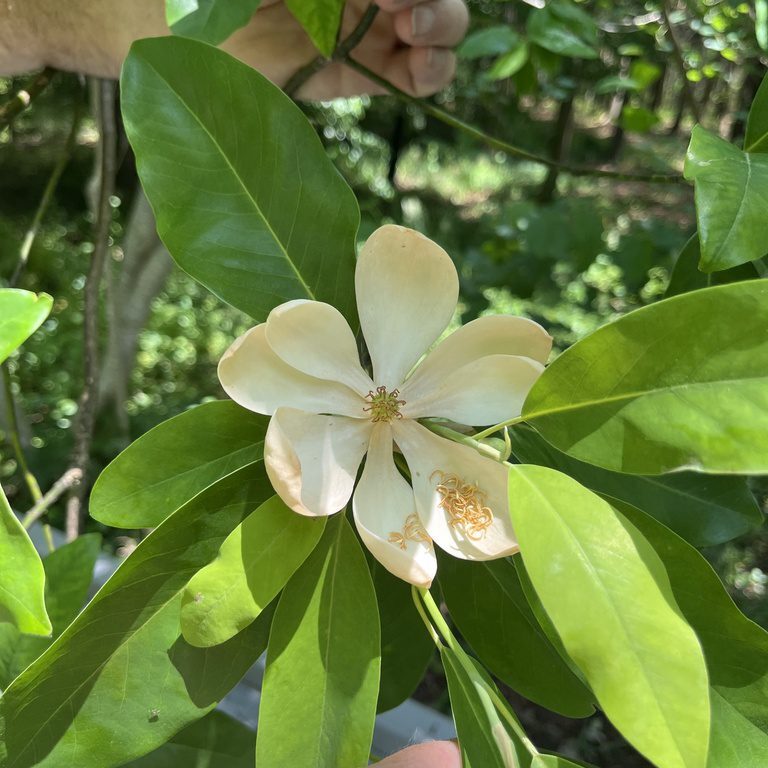
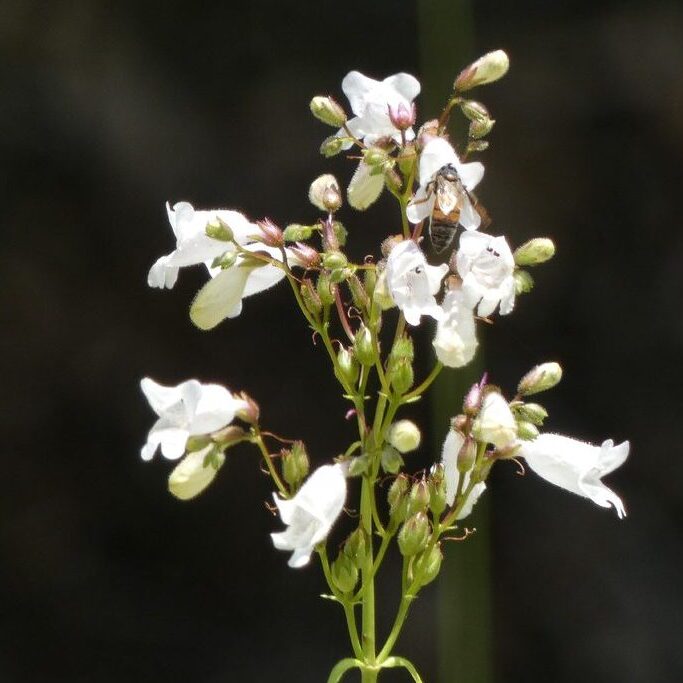
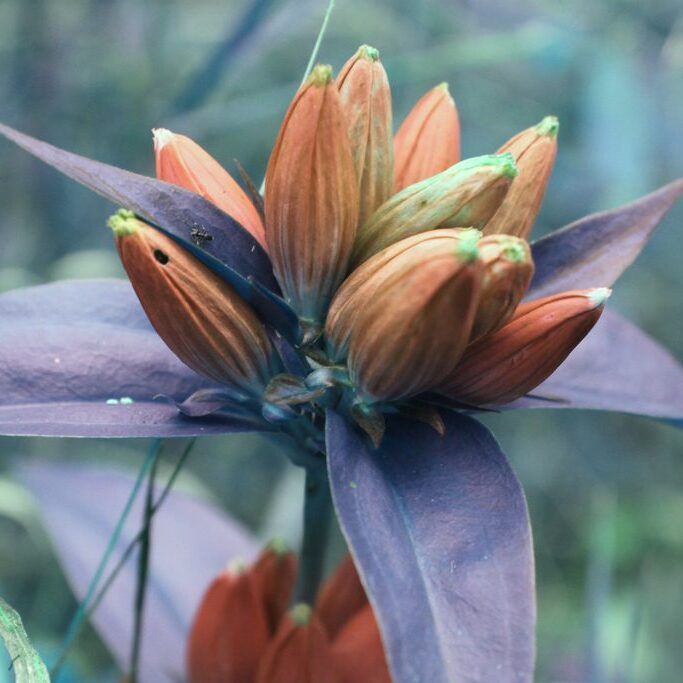
The flower is the vessel through which pollinators access their meal. Accordingly, plants have evolved a mosaic of eccentric characteristics to market their flowers to specific pollinators. The Magnolia genus is bowl-shaped to provide an easy landing pad for pollinating beetles; the beardtongue (Penstemon) genus offers tubular nectar channels for hummingbirds; and closed bottle gentian (Gentiana andrewsii) is exclusive only to particular bees able to wriggle inside. These plants, and countless others, could become inaccessible to certain pollinators when undergoing flower modification.
Callback!
As mentioned in article one, the nativar Phlox paniculata ‘Jeana’ is beloved by butterflies. ‘Jeana’ may be desirable to butterflies due to the small size of its flowers, and the narrowness and shallowness of the flower tube. In this case, the modification of flower shape and size significantly increases pollinator visitation.

In another study, researchers analyzed pollinator interactions with cultivars possessing modified flower structure. The ring of petals around a flower form a structure known as a corolla; the depth, length, and size of the corolla correlated to varying preferences by visiting bees. The size of the bee, and the length of its tongue, helped predict its preference for corolla type. These preferences varied on a plant-by-plant basis, and no broader conclusions about pollinators and flower shape modification could be drawn.
There is no universal consensus about modification of flower shape and size in nativars. While pollinators certainly notice and react to these differences, the effects are variable and occasionally desirable. Plants with modified flowers should be evaluated individually and carefully.
Inflorescence (Flower Head) Structure
‘Inflorescence’ refers to the complete flower head of a plant—often the most visually stunning component of the plant, and the area containing the organism’s essential reproductive organs. The inflorescence is where pollinators look to procure pollen and nectar. Therefore, nativars with heavily modified flower heads are often unusable by pollinators.
The case of Hydrangea aborescens ‘Annabelle’ from article one is an example of inflorescence modification gone awry. By selecting for showy and sterile flowers over smaller, fertile flowers, botanists produce plants unable to feed pollen and nectar-loving pollinators.


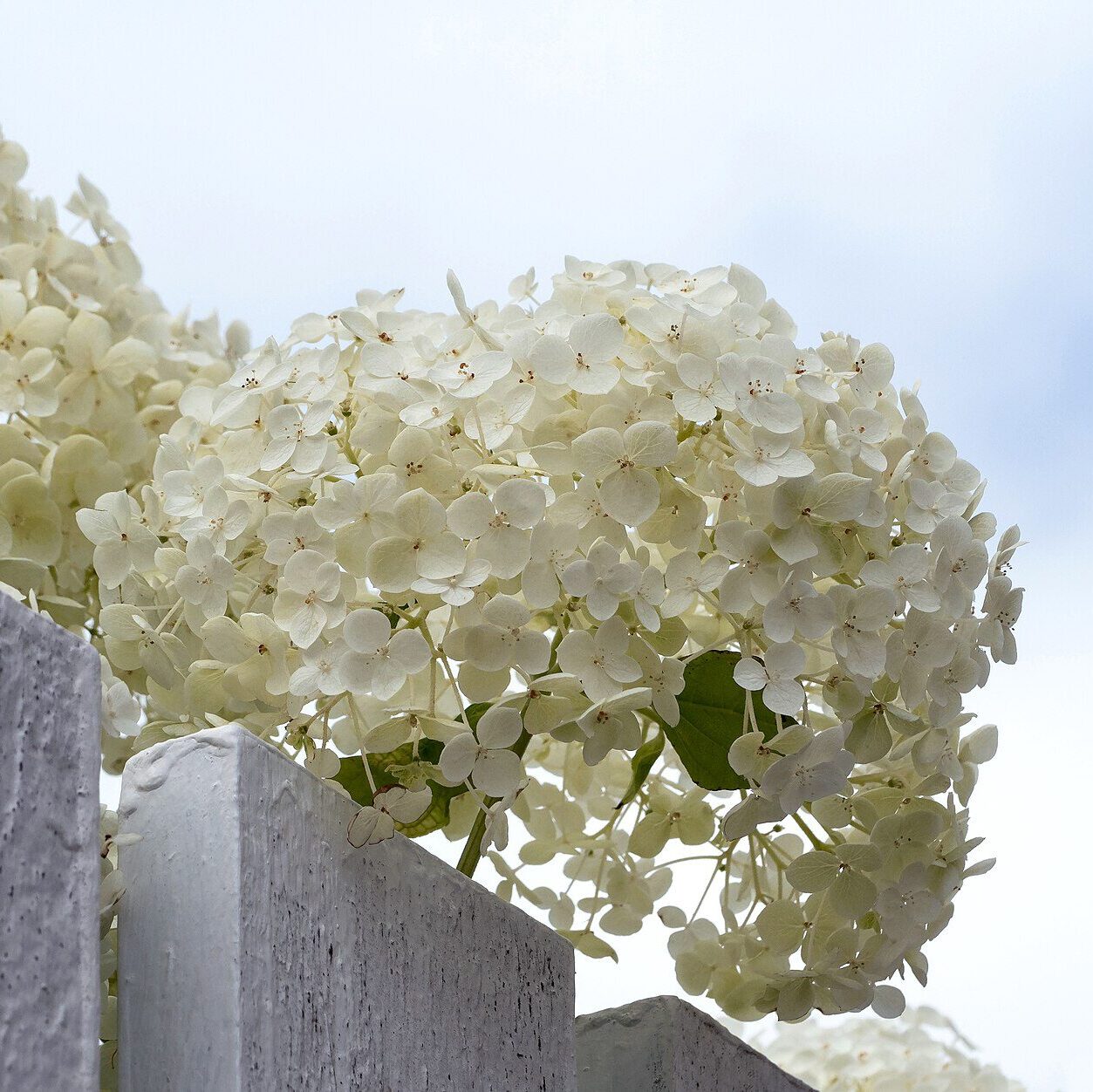

Double-flowered varieties of plants, which contain extra petals (“flowers within flowers”), can also problematic for pollinators. The extra petals may replace fertile parts of the flower, or physically block pollinators from accessing nectar and pollen. Mt. Cuba’s coneflower (Echinacea) study illustrates this issue; double-flowered varieties made up 16% of the trialed coneflowers, but accounted for only 4% of pollinator visits.
When looking for nativars to use in your garden, inflorescence is one of the most important factors to consider. The more closely the inflorescence resembles the wild type, the more likely the nativar is to be suitable for pollinators. Hydrangea arborescens ‘Haas’ Halo’ is an alternative to ‘Annabelle’ that has a “lacecap” inflorescence, with a bundle of small, fertile flowers in the center of the inflorescence. This variety more closely resembles wild type Hydrangea arborescens, and makes ‘Haas’ Halo’ a great nativar option for gardeners in the eastern United States.
Growth Habit
Plants come in all different heights, sizes, and shapes; a woodland sunflower (Helianthus divaricatus) stretches proudly towards the sky, while a Virginia creeper (Parthenocissus quinquefolia) winds itself carefully around walls and trees; beneath them, a patch of creeping phlox (Phlox stolonifera) might sprawl low to the ground. These traits, known as the plant’s growth habit, have specific utility for wildlife; birds might prefer to nest in dense or tall shrubs, insects and smaller mammals, reptiles, and amphibians could prefer denser plants for shelter, and deer might want to access a plant at a specific height to feed.
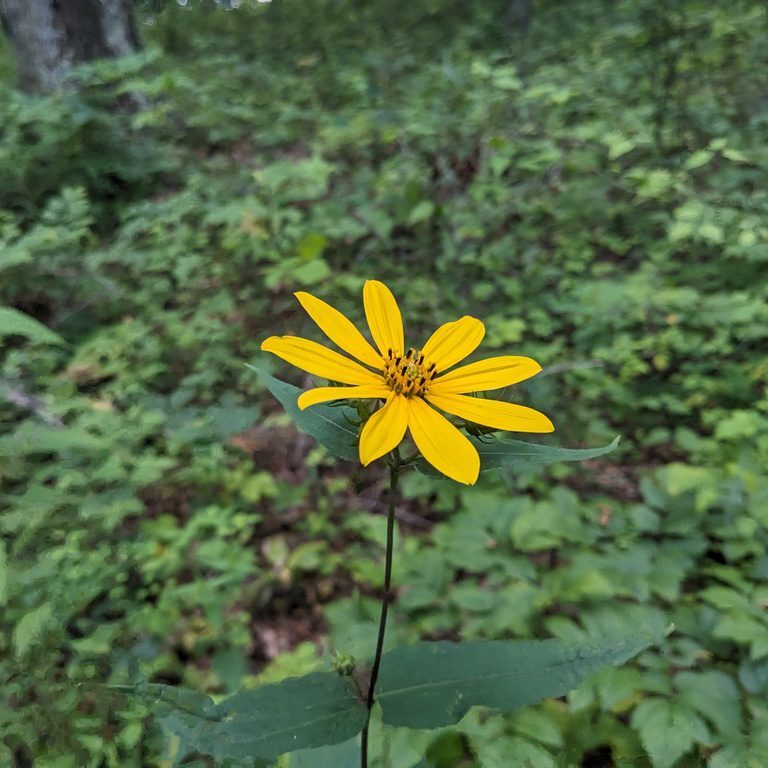
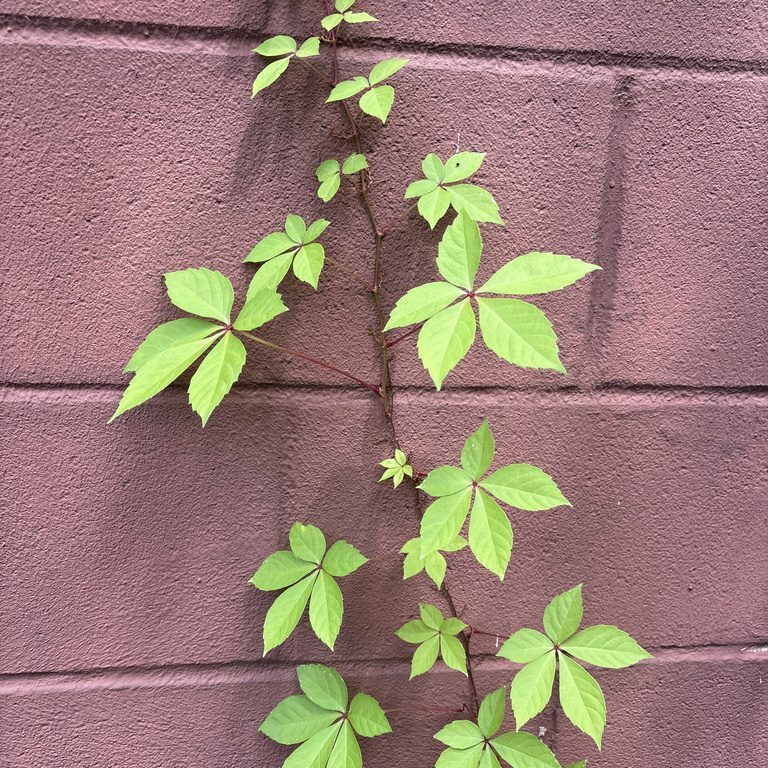
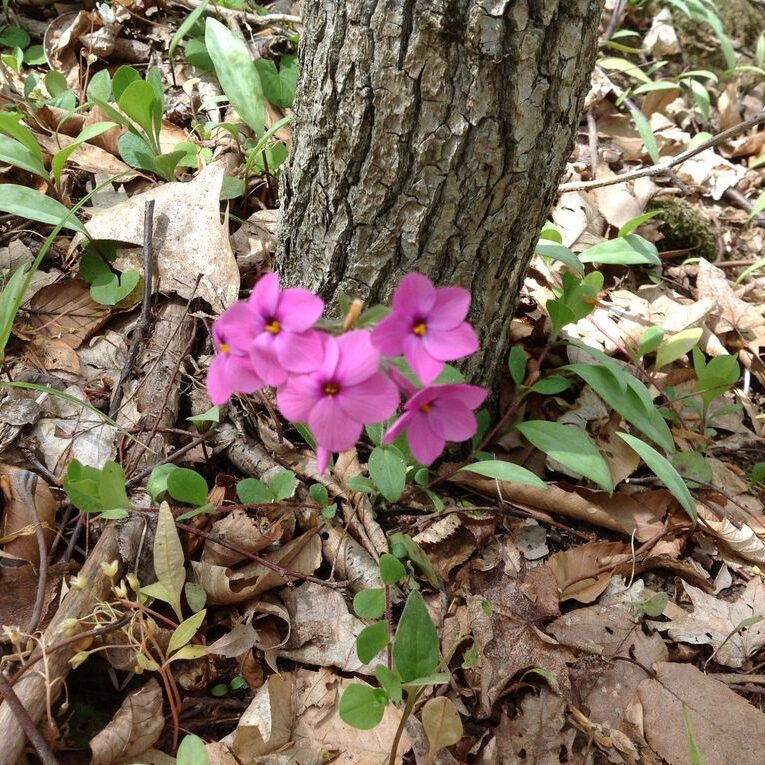
In a 2023 review, researchers concluded that diverse plants make a natural space more complex, and complex spaces support greater diversity of wildlife. The use of cloned nativars decreases the diversity and complexity of a space, and could possibly decrease wildlife diversity. Moreover, modifications to an individual plant’s density and size, such as making a “dwarf” variety, could lower spatial complexity within the plant.
Very little research has been conducted exploring these exact questions, especially as they relate to nativars. The modified growth habit of a cultivar could be consequential across many levels of an ecosystem, but the research that does exist focuses primarily on pollinators.
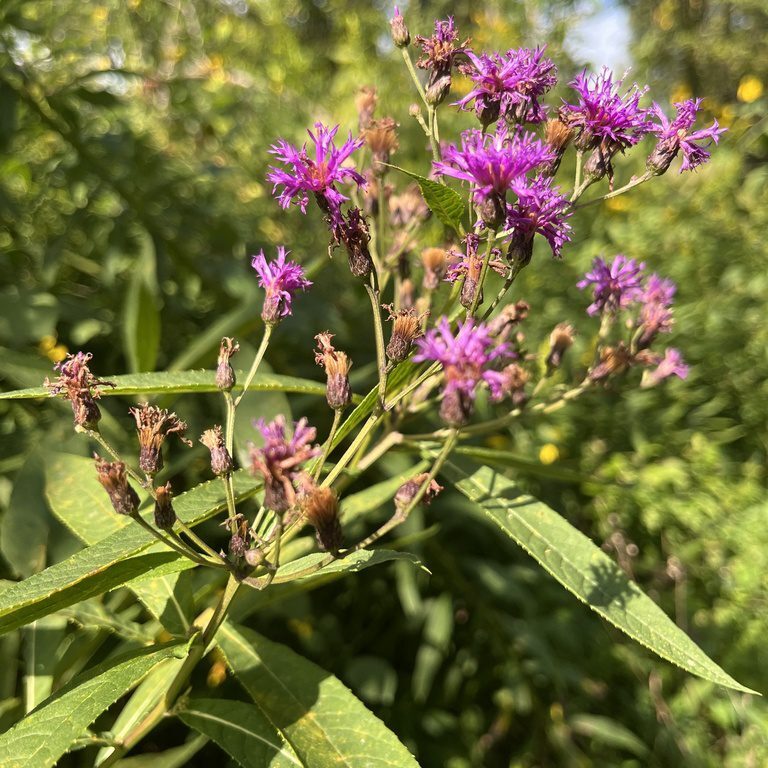
In another Mt. Cuba Center study, the Vernonia gigantea ‘Jonesboro Giant’ nativar, modified for large size, was exceptionally beloved by pollinators. The enormous plant was attended by late-season insect pollinators and ruby-throated hummingbirds. It is unclear why pollinators flock to ‘Jonesboro Giant’; perhaps its huge size makes it stand out in the crowd!
Meanwhile, a 2019 thesis at the University of Connecticut investigated several compact nativars of black chokeberry (Aronia melanocarpa), or “dwarf” versions of wild type chokeberry. No conclusion about pollinator preference was drawn; perhaps dwarf species are just as good as the original. Given this, nativars with a modified growth habit should be investigated case-by-case.
Will Ash Trees Be Saved By Nativars?

The prognosis for North American ash trees is uncertain. However, selecting nativars for disease or pest resistance can actually be helpful when battling these invasives. In a 2024 article from The Yale School of the Environment, Radka Wildova and Jonathon Rosenthal detail their investigation of natural emerald ash borer resistance among ash trees. The researchers hope to use the few resistant ash trees in the wild to breed new varieties of resistant ash, which could repopulate ecosystems suffering from the enormous loss. The cultivation and propagation of these nativars has the potential to save ash species from extinction.
Nativars have, then, a distinct utility for disease and pest resistance. When invasives are wreaking havoc, cultivation is a possible tool for species survival.
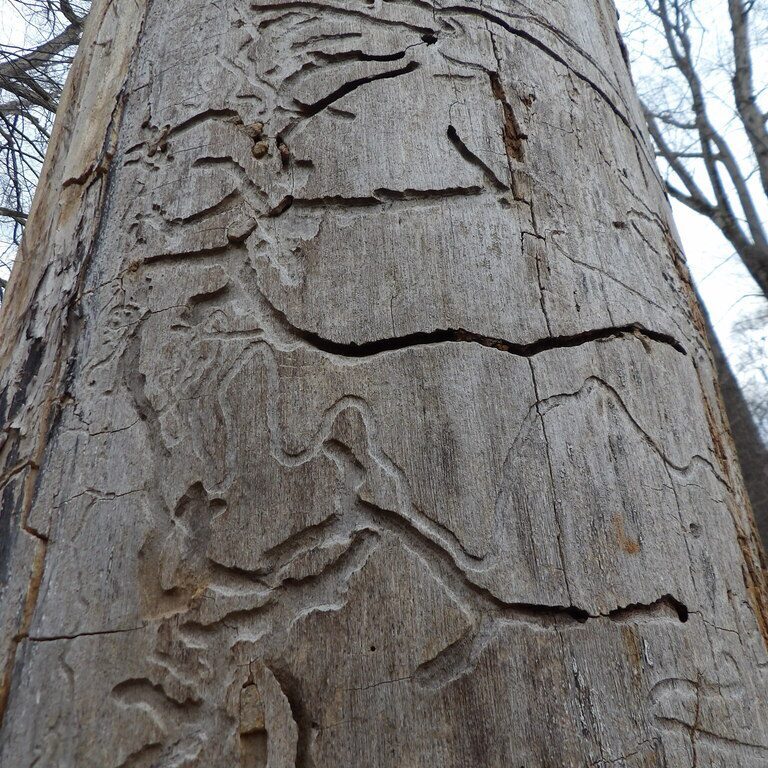
The emerald ash borer (Agrilus planipennis), native to northeastern Asia, is one of the more recent destructive invasive pests in North America. It has felled tens of millions of ash trees across the continent as ravenous larvae feed on bark from the inside-out, cutting off essential nutrient channels and eventually starving the tree. Emerald ash borer infests great swathes of the eastern United States, including parts of Sapsucker Woods here at the Cornell Lab.
Learn more about the emerald ash borer through the Cornell Cooperative Extension.
What’s The Big Idea?
Ecology is spectacularly complex. It is difficult to track exactly how a modification of one trait, of one plant, can affect the countless species who interact with it; it is impossible to universally predict any outcome. These complexities have only been complicated by a recent study at Oregon State University.
Jen Hayes opened several doors to further research in her 2025 study of nativar-pollinator interactions. In an experimental garden of Pacific Northwest plants and corresponding nativars, nine out of ten nativars attracted dissimilar bee communities to their wild type counterpart. While pollination was still occurring for nativar plants, the exact groups of species interacting with nativars varied significantly. Moreover, highly modified nativars potentially support less pollinator diversity. This is an area where more research is needed; pollinator diversity is a yet-to-be-explored issue in the nativar conversation.

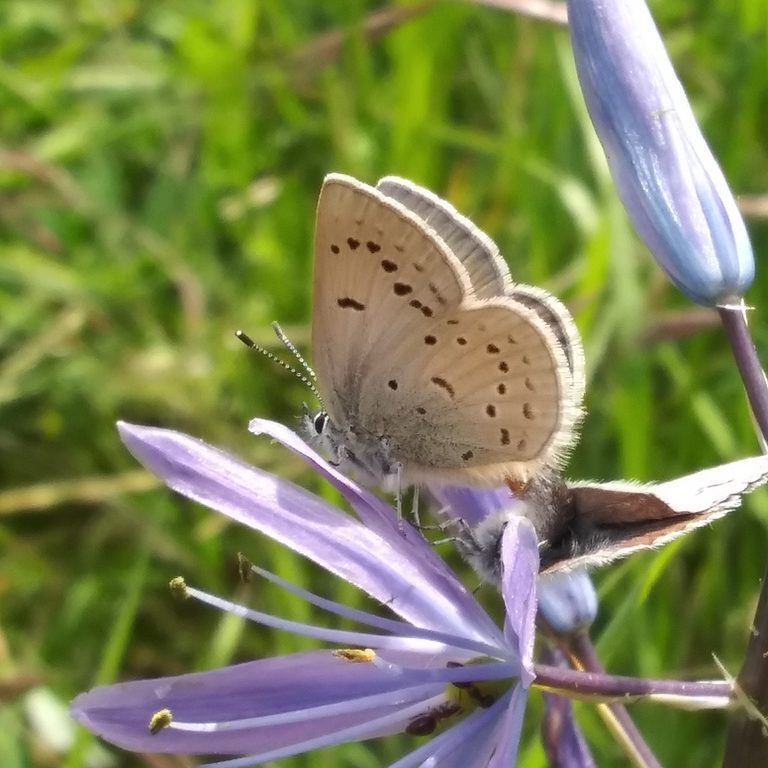
Importantly, this study also concluded that selecting for specific traits can sometimes unknowingly alter other traits. The quantity and nutrition of pollen and nectar can be indirectly affected by selection for ornamental traits; the researchers theorized that major alterations in flower color can affect pollen nutrition of a plant. This occurs through a mechanism called pleiotropy, wherein two seemingly-unrelated traits are linked to the same gene.
Hayes’ work implies that there are many yet-undiscovered ecological and genetic mechanisms involved in nativar cultivation. The myriad genetic shifts involved in plant breeding remains an area of active research.
Ultimately, no gardener can create a space uncompromised by human impact. So long as humans are present, our spaces are merely representations of what we imagine “wilderness” to be. You cannot hope to control for every possible ecological downside in your garden design. That being said, our garden spaces can still be meaningfully hospitable to wildlife, and some care in plant selection goes a long way for local critters. We hope these considerations are helpful when designing your garden—or, at the very least, have stirred some interest in the wonderful world of plant ecology.
In Summary, When Considering Nativars
- A nativar colored similarly to the wild type is your safest option for most pollinators. Evaluate case-by-case.
- When selecting a nativar, look for wild type color leaves to feed insect herbivores.
- Plants with modified flower shape should be evaluated individually and carefully.
- The more closely the inflorescence (flower head) resembles the wild type, the more likely the nativar is to be suitable for pollinators. Heavy modification to the flower head can decrease fertility.
- Nativars with a modified growth habit should be evaluated case-by-case.
Stay Connected
By subscribing to stay connected to Garden for Birds, you agree to receive communications from the Cornell Lab. You may unsubscribe from the communications at any time.