What’s the Word on Nativars?
Nativar is one of the newest and most hotly-debated terms in horticulture. Research on these plants has exploded in the past decade. Are they good for pollinators? Where can they be purchased? Can they be used in my garden?
…What are they?
In this article, we hope to give some clarity on native plants, cultivars, nativars, and the role these plants play ecologically and aesthetically in our garden. This article is directed towards those interested in building a garden that supports local wildlife, particularly birds.
If you are very interested in nativars, read part two of this article, featuring a deep dive into the research backing the claims made in this article.
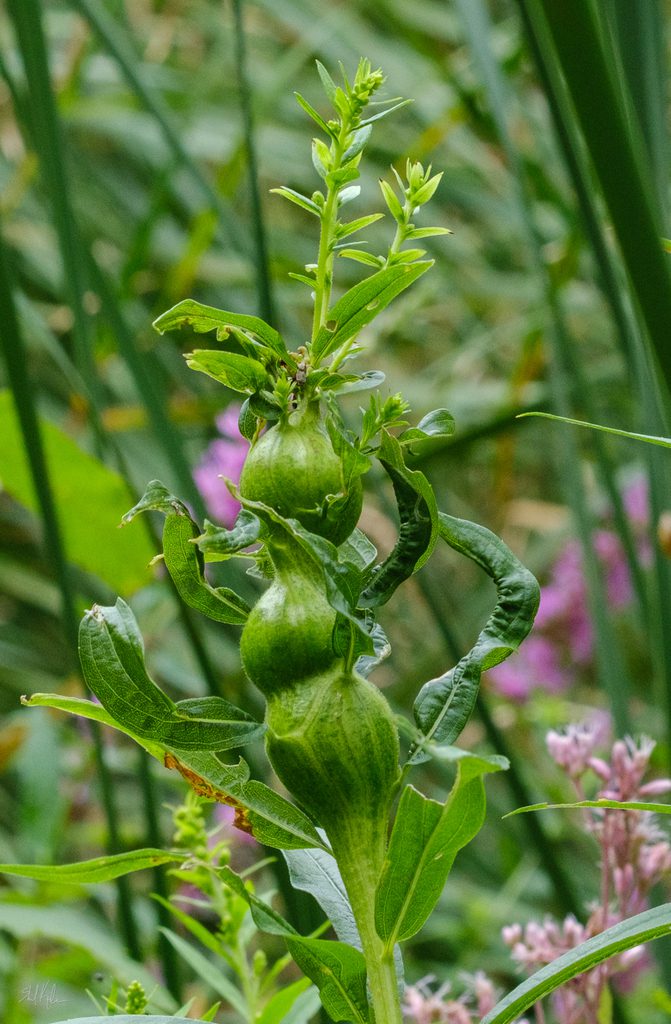
Relative to where you live, a native plant is an indigenous plant species that naturally grows within that region. Sans human intervention, a native plant evolves over thousands of years to flourish within its local ecosystem. It occupies a specific ecological role within its environment and maintains important relationships with the native wildlife. A native goldenrod plant, for example, would be recognizable to a local species of goldenrod gall fly, which could then lay its eggs within the plant. The goldenrod plant nourishes the fly larvae, which can eventually feed larger insects or birds in the area.
Humans have severely disrupted native ecosystems within the last several hundred years by introducing countless non-native plant species to North America. Foreign plants may not be ecologically productive in their new environments. Moreover, some non-native plants are invasive, meaning that they out-compete native plants for resources and spread rapidly and often uncontrollably. These plants can cause massive ecological damage. For supporting local wildlife, native species are preferred over non-native—and especially invasive—species.
Cultivar is a shortening of “cultivated variety”, referring to a variety of a plant species that has been cultivated by humans to select for specific, desired traits. The version of a plant one could find in the wild is known as the wild type or the straight species. A selected cultivar is produced when a botanist discovers a plant in the wild that has naturally mutated towards a desired trait, and propagates the plant into a cultivar. A bred cultivar is created by deliberately breeding two plants together to produce a desired trait, and sometimes entails the hybridization of two separate plant species.
Most cultivars are propagated by cloning, which can be as simple as planting a cutting taken from the parent specimen. One plant of a cloned cultivar is therefore genetically identical to the rest. This practice preserves the cultivar’s characteristic traits, but restricts their genetic diversity.
How can cultivars be identified?
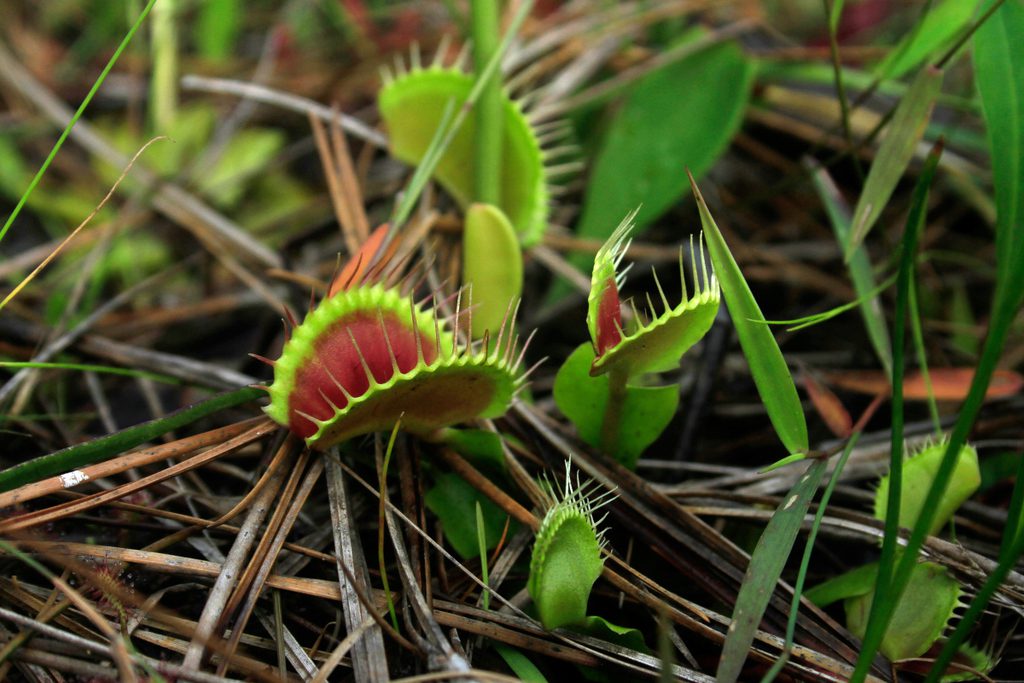
Cultivars are notated with a given name to distinguish from the wild type species. They will be written by following the scientific species name with the given name in single quotes. For example, the Venus flytrap (Dionaea muscipula) cultivar B52 is notated as Dionaea muscipula ‘B52’.
Cultivars are as old as agriculture; nearly all of the ample-fruited, easy-growing produce consumed by our civilization are varieties cultivated from ancient wild plants. Long before modern genetics, humans were selectively breeding for favorable traits in their vegetable gardens. Wild cabbage (Brassica oleracea) alone has been cultivated into kale, cabbage, broccoli, cauliflower, Brussels sprouts, and more. Cornell Orchards has famously cultivated over 70 apple varieties that now widely populate New York orchards, maximizing for disease resistance, flavor, winter hardiness, and storage potential.
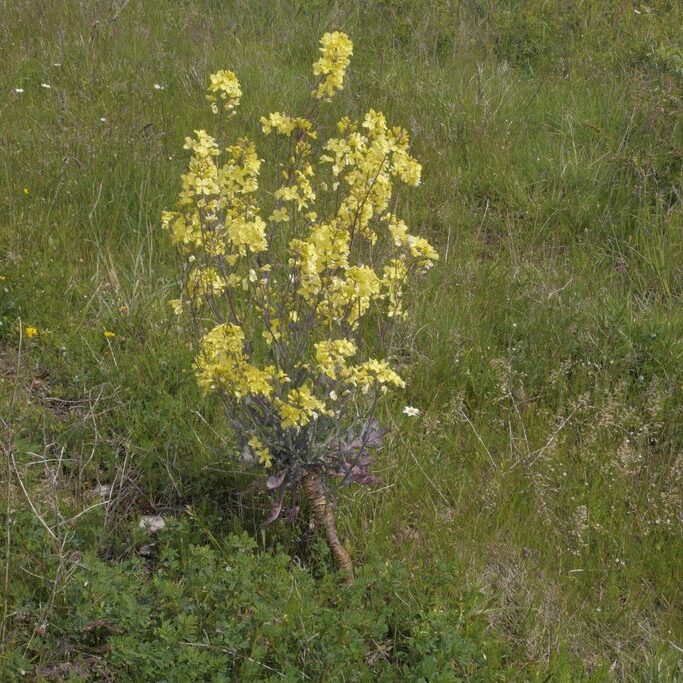
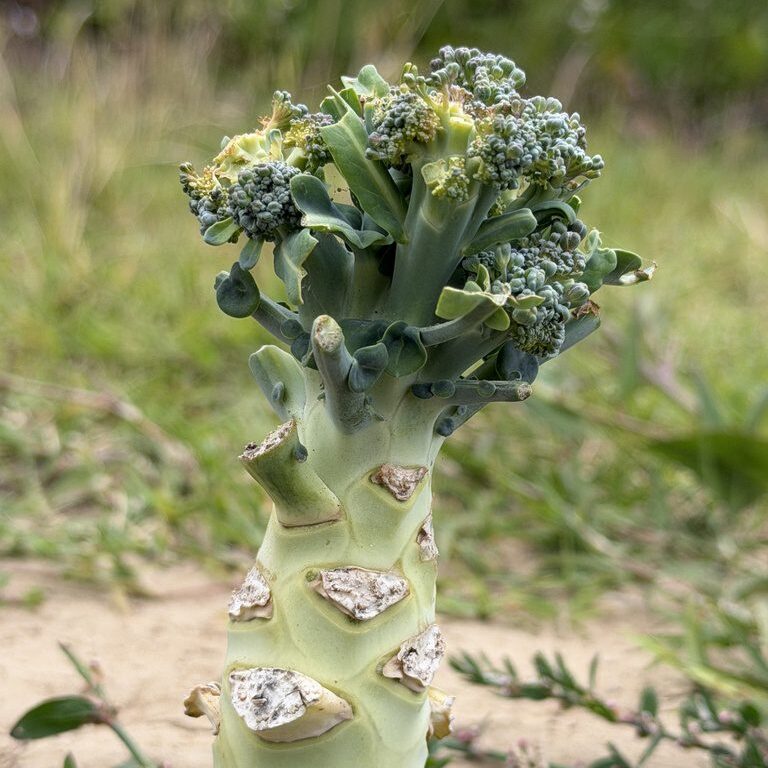
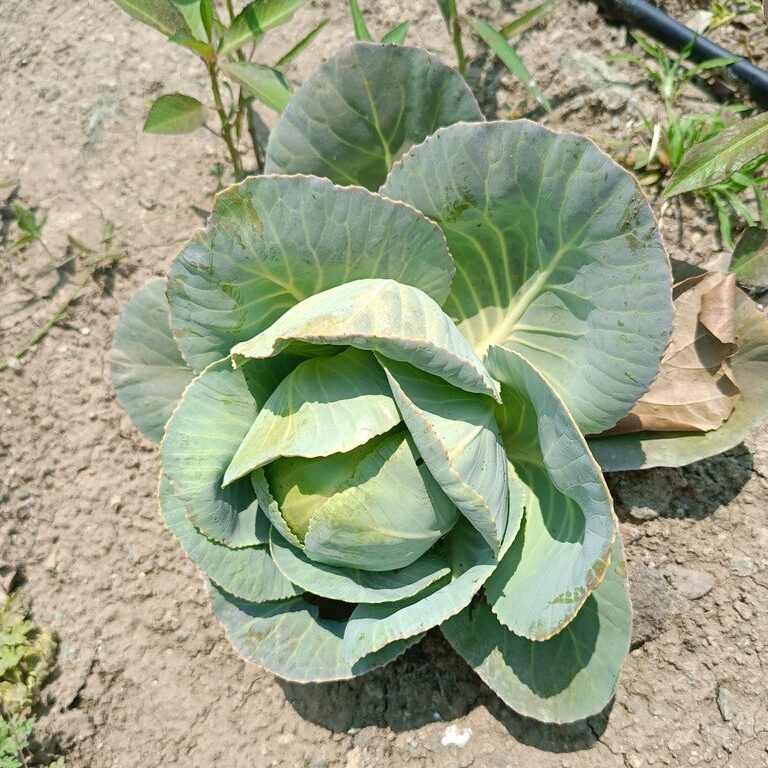
By pulling on the strings of the plant genome, our species fills grocery stores and botanical gardens alike with lush cultivars. Cultivars, however, have limited ecological value. As a plant is modified further from its wild type, it can become unrecognizable or unusable by pollinators and herbivores, originating rippling consequences throughout the food web. A garden full of beautiful cultivars may be barren of local fauna.
Nativar is a shortening of “native cultivar”, and, as suggested, refers to a human-cultivated variety of a native plant. Nativars are cultivars that are planted in their home range. They are cultivated and propagated like any other cultivar—generally through breeding, selection, and cloning—and can be understood as an ecological intermediary between wild type native plants and non-native cultivars. A nativar deviates from the wild type in some aspects, and thus can blur its ecological function in complicated ways.
What’s the big idea?
These terms are easily synthesized with the example of Hydrangea arborescens ‘Annabelle’, a cultivar derived from smooth hydrangea (Hydrangea arborescens), which is native to the eastern United States. Legend tells that Harriet Kirkpatrick found the original ‘Annabelle’ hydrangea growing wild in the woods of Anna, Illinois in 1910. Impressed by its large, snowball-like blooms, she took cuttings of the plant to clone and propagate in her own garden, and went on to share the cultivar with her neighbors and friends. Over a century later, ‘Annabelle’ is one of the most famous hydrangea cultivars on the continent.
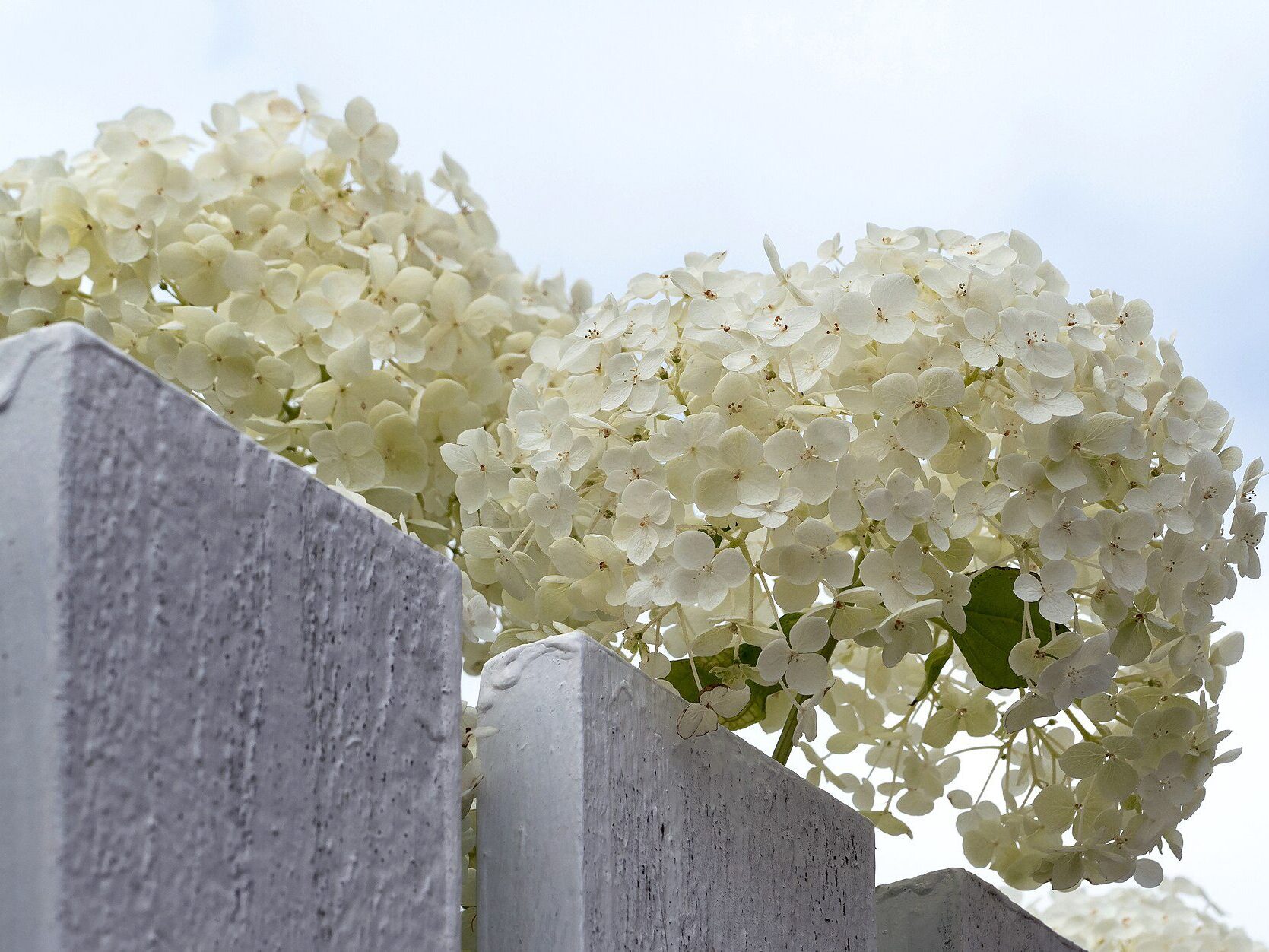

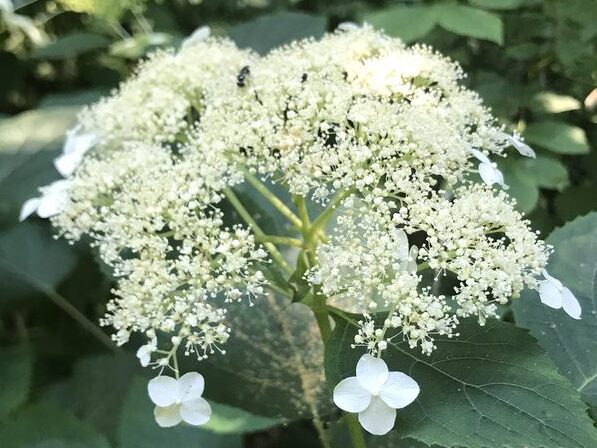
In places where wild type smooth hydrangea is native—on moist or rocky wooded slopes, south from New York to Florida, and west from the Atlantic to several hundred miles west of the Mississippi—the ‘Annabelle’ variety could be considered a nativar. However, its blooms are primarily comprised of sterile flowers; the fertile flowers of a hydrangea are smaller and lack the showy petals characteristic of ‘Annabelle.’ Large, primarily-sterile blooms make ‘Annabelle’ attractive to humans, but are unproductive for pollinators due to their lack of pollen and nectar. A local bumblebee could recognize and approach ‘Annabelle’, but may leave unable to find a meal.
Moreover, should ‘Annabelle’ be planted in large swathes, the lack of genetic diversity between plants supports a narrower range of wildlife and creates vulnerability to local climate conditions, pests, and disease. If ‘Annabelle’ breeds with wild plants nearby, the diversity of the local gene pool may be reduced as well, introducing these issues to the surrounding plant community.
Hydrangea aborescens ‘Annabelle’ is a great illustration of the complicated questions associated with nativars. When evaluating nativars for use in native plant gardens, we are primarily concerned about their utility for pollinators and herbivores, which can be limited by selection for aesthetics.
Nativars are not a monolith; they should generally be evaluated on a case-by-case basis. Some may even draw increased wildlife attention compared to their wild type counterparts.
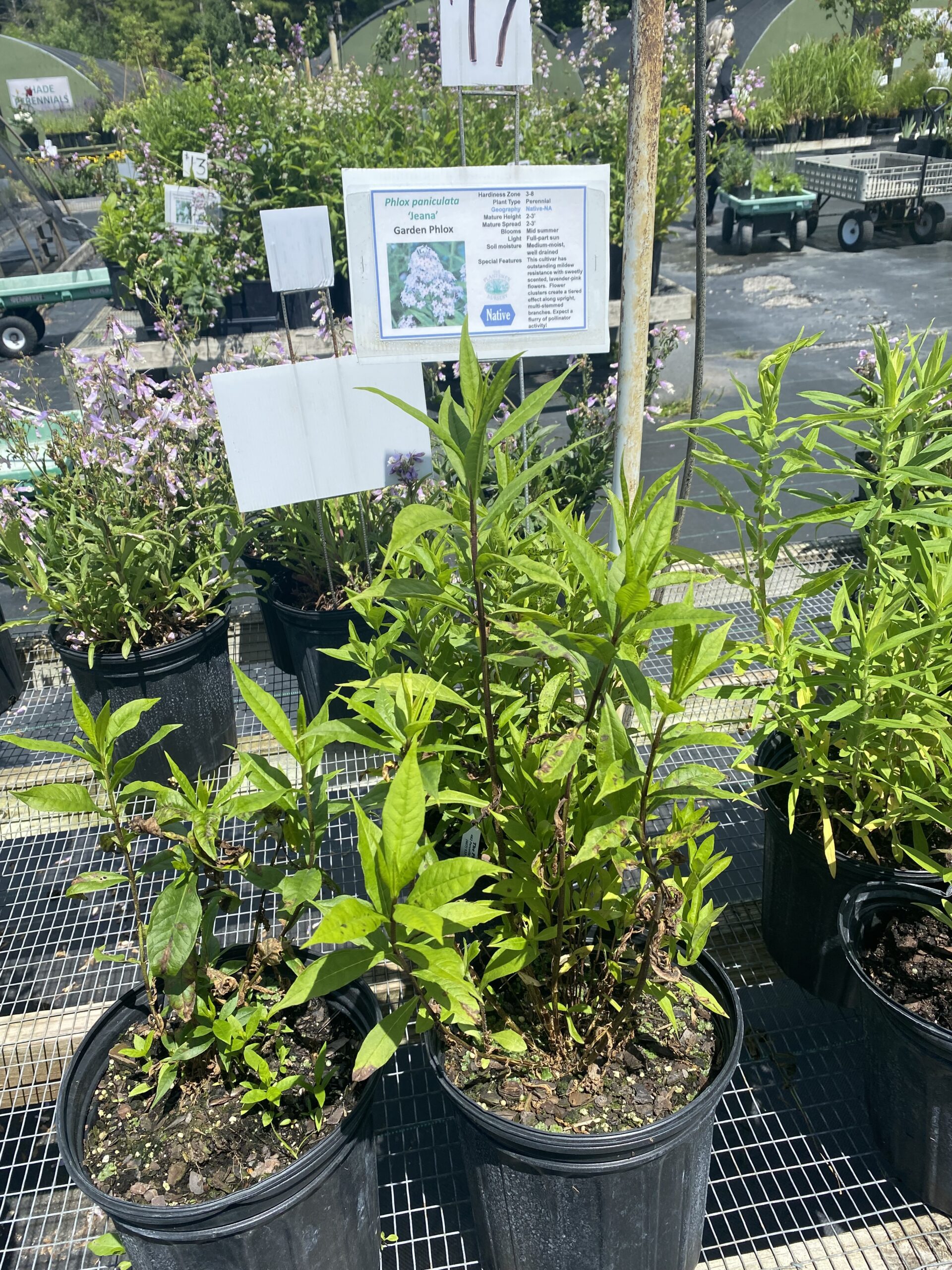
Phlox paniculata ‘Jeana’ is a top-performing nativar popularized by Mt. Cuba Center’s study of Mid-Atlantic Phlox, beloved by butterflies. Researchers theorized that ‘Jeana’ is particularly accessible to butterflies due to the small size of its flowers, and the narrowness and shallowness of the flower tube. In this case, the modification of flowers from wild type fall phlox (Phlox paniculata) significantly increased pollinator visitation.
Experts Weigh In
Is there any definite rule to nativar planting? The unfortunate answer is probably not. The fortunate upside—many scientists have taken on the nativar question with rigor and expertise.
Doug Tallamy, an entomologist at the University of Delaware, has dedicated years to the study of native plants and insects. In a 2018 interview with A Way to Garden, he explains why he wouldn’t use cultivars as a first choice.
“Most of them are propagated clonally, which means there’s zero genetic variability. In the age of climate change…it’s particularly important. The other thing that bothers me… it perpetuates the idea that plants are just decorations. Of course, they are decorations, and they are beautiful, and we do want beautiful plants in our yard. But we also want to think about those vital functions that they must be performing in our yard.”
He advises analyzing nativars on a case-by-case basis. “That’s what people have to realize. What has a cultivar change actually done to your particular plant? There’s no one answer to that. The answer is: It depends.”
Trust the science!
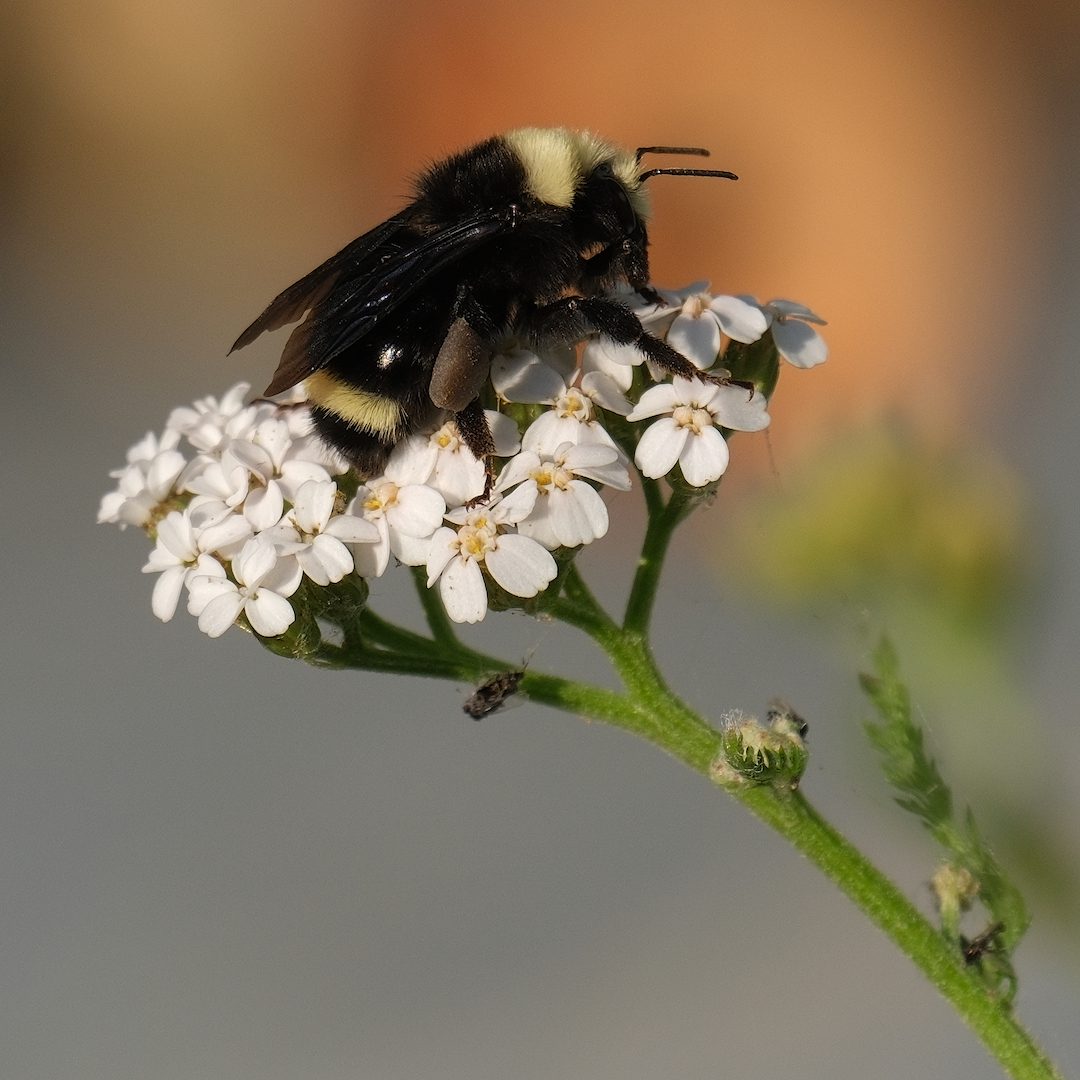
Tallamy’s conclusion was supported by a 2025 study at Oregon State University, wherein eight plants native to the Pacific Northwest were analyzed alongside one to three cultivars for each species. The cultivars used represented several modifications from the wild type, including flower color, vegetation color, flower size, and plant size. Researchers were unable to conclude if pollinators universally preferred wild type plants to nativars; they were either favored the same as, or less than, the corresponding native plant.
The study did raise concerns about the diversity of nativar-feeding pollinators. Moreover, researchers hypothesized that selection for certain traits could lead to changes in other traits through unforeseen genetic mechanisms. A nativar selected for a bright flower color, for example, could subsequently produce less pollen. These questions are not fully researched, but their exploration may be of interest to cautious gardeners.
What is a gardener to do?
There are some pointers that can be helpful in nativar use, based on how your potential nativar differs from the wild type. Several summarized recommendations are listed below. These pointers are explained with relevant research in part two of this article.
- Modified flower color, shape, patterns, and size can be evaluated case-by-case. Generally, the more similar to wild type, the better.
- Avoid modified leaf colors (modifying from green to, say, red or blue).
- Avoid heavy modification of the flower head, especially double flowers or other modifications in which the plant’s fertility decreases by replacing reproductive parts with petals.
- Plant size modifications can be evaluated case-by-case. Plants modified for increased height sometimes perform well for pollinators. When in doubt, stick closely to the wild type.
Next Steps
Having immersed ourselves in the abstract world of research papers and expert opinions, this guide should help the curious gardener optimize their nativar usage. But—to stumble back into the real world—what is the economic reality of native plant gardening?
Native plant gardening may be on the rise, but most nurseries still prioritize ornamental over native plants. If a nursery sells native plants at all, they are likely to be nativars. You may not be able to procure wild type natives without ordering online. If nativars are all you can access, they are certainly a better option than non-natives. It may be worth searching for a local native gardening community to find resources and sellers specific to your area.
That being said, nativars serve some contexts better than others. If you are an ornamental gardener looking to support a few more local critters in your garden, nativars are a great way to get started. They can be a compromise between traditional garden aesthetics and ecological utility. If you are an experienced native plant gardener, you might use nativars sparingly, to add a splash of your desired aesthetic. If you are a restoration ecologist, nativars are probably not a part of the conversation.
Keep in mind that nativars may not be necessary for your aesthetic goals. If you have a specific idea of your “ideal plant” for a space, and are seeking a certain color, size, or otherwise, there’s a good chance you could meet that need with any of the hundreds of native plants to choose from for your given region.
Regardless, we hope you can move a little more comfortably through your local nursery with these concepts in mind. If you are fascinated by nativars, check out part two of this article. Happy gardening!
Below are some nativar resources for your perusal.
Stay Connected
By subscribing to stay connected to Garden for Birds, you agree to receive communications from the Cornell Lab. You may unsubscribe from the communications at any time.