July
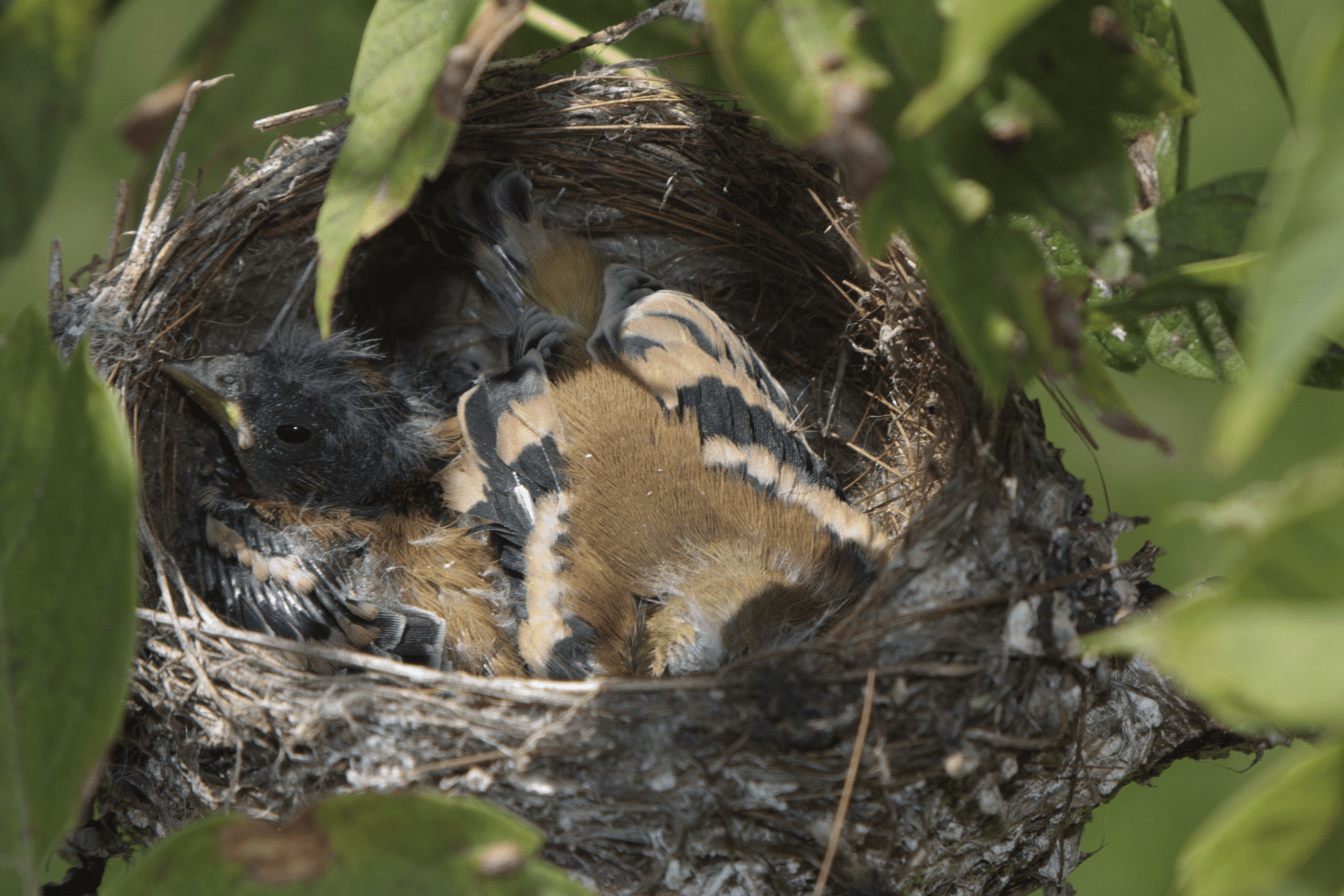
Nesting season is slowing, though there are still late-season nesters like the goldfinches (babies pictured right), which unlike other species feed their young seeds. Their nesting cycles aligns with the emergence of the first seed heads of the season ripening in our gardens. You can help them and other seed-eaters by leaving your earlier spring native plants in the garden. Those spent seed heads will be a favored snack for finch babies, foraging fledglings, or snacking adults. No need to cut them back, leave them for the birds!
Garden Checklist
All Regions
Some “sitting in shade” activities for this potentially hot time:
- Read our press release about our partnership with Homegrown National Park (HGNP).
- Join us on Homegrown’s Map and link to Garden for Birds.
- Sign up for our great lineup of fall webinars, and get caught up on any you have missed.
- Monitor birds in your gardens! Whose visiting? Whose using your native plants?
- Read our NEW article on keystone birds and plants. Think about deeper ecological connections that might be happening in your space.
Art in the Garden
Worried about what the neighbors may think? Demonstrate the intentionality of your space – here are lots of ideas to consider:
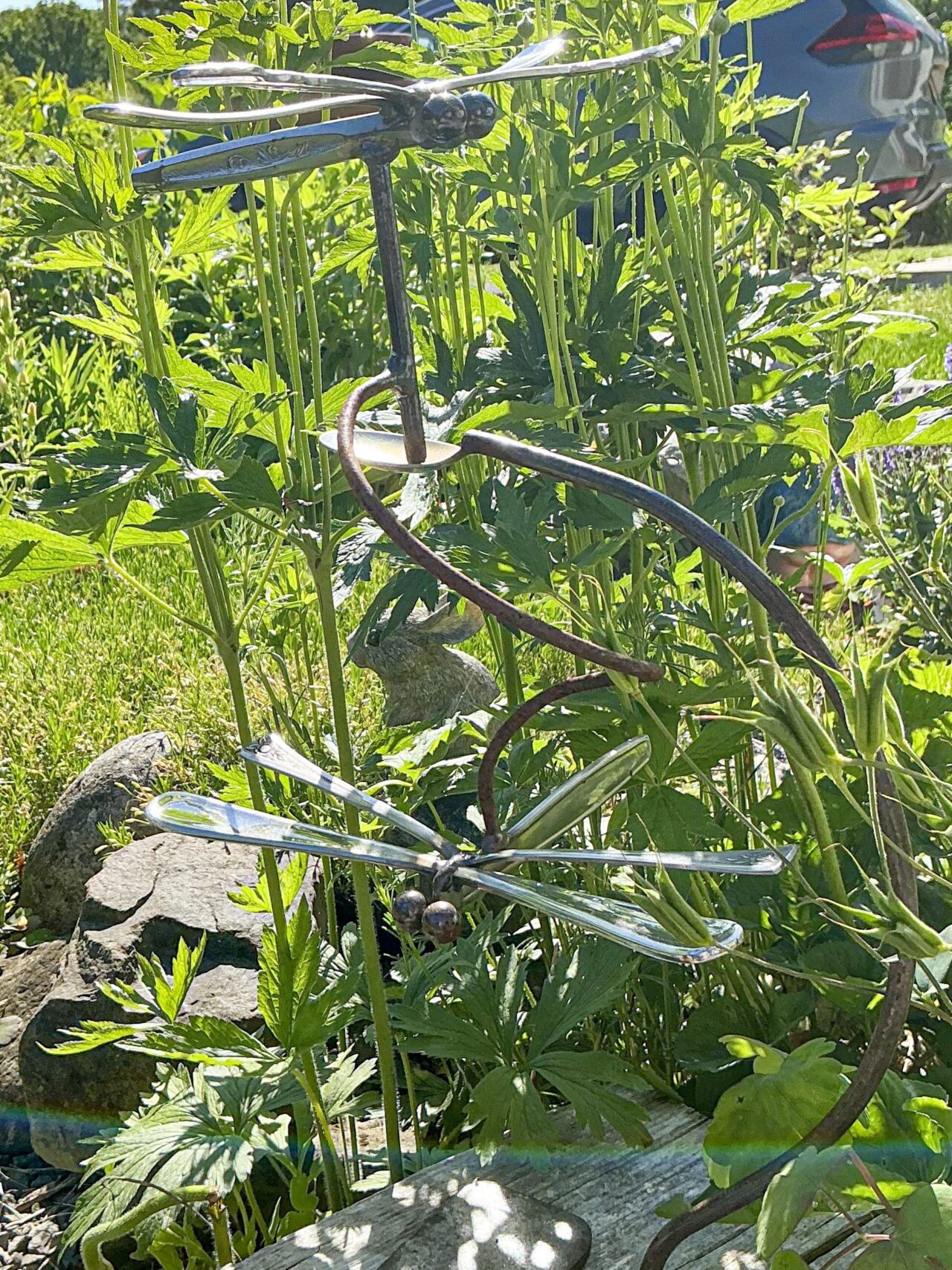
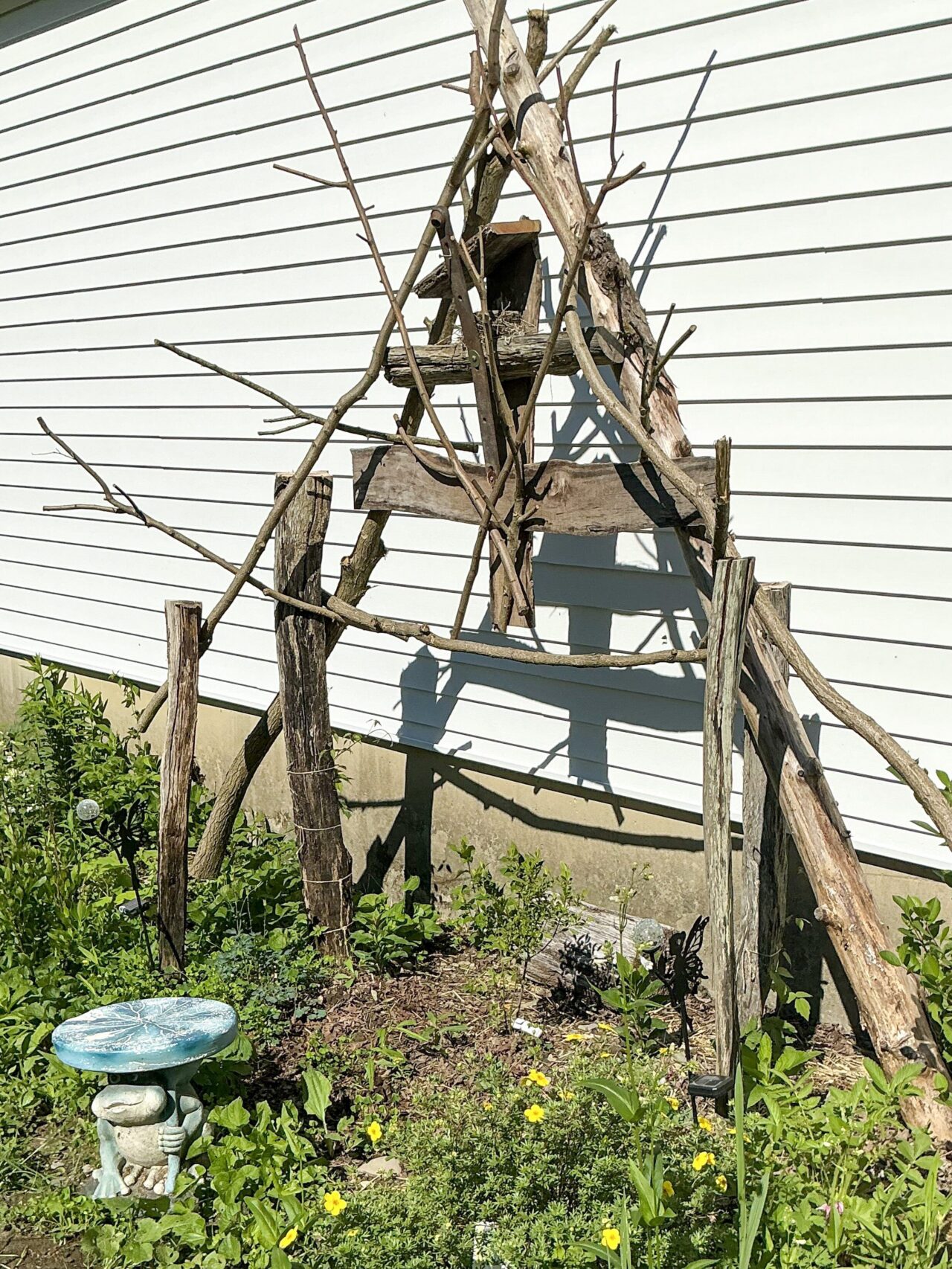
- Plants falling over and getting messy? Spend some time trimming, staking and trellising. This can be a good way to add some art and demonstrate intentionality (see below!)
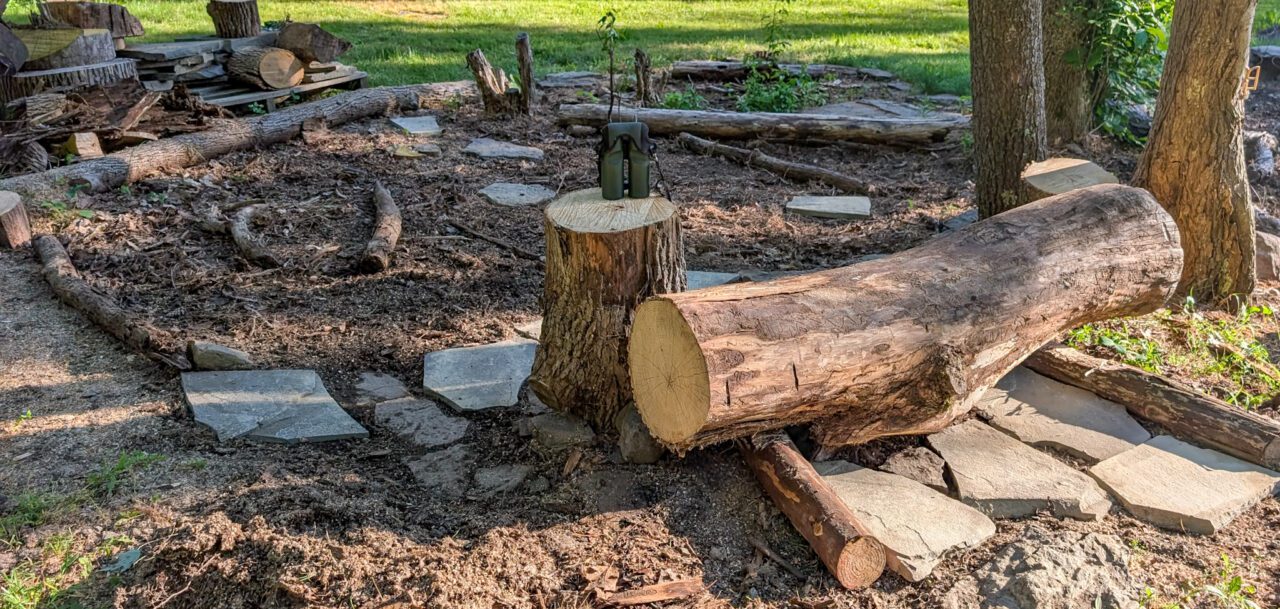
- A strategically placed outdoor chair, rock or log, can make a wild, natural yard look structured and cared for.
- Trimming plants back and making space for a winding trail of stepping stones, woodchips or gravel can make access for you to tend plants more easily, but also help contribute to structuring your space.
- Add an art installation: you can craft interesting or whimsical things from branches and other materials. You might even create some extra nesting opportunities this way!
- Add some plant labels! Explore this article on keeping track of and showing off your plantings.
Protecting Plants
Plants getting nibbled? Consider these solutions.
- Plant deer-resistant varieties.
- Row Cover (See this example if this is a new concept.)
- Wire cages or fencing (Be careful not to exclude larger insects or trap wildlife. Avoid fine netting as this can trap birds and animals.)
- Solar powered small mammal stakes.
Water, Water, More Water
Water is important in many different ways.
- Show-of your water feature or admire the amazing water features people submitted.
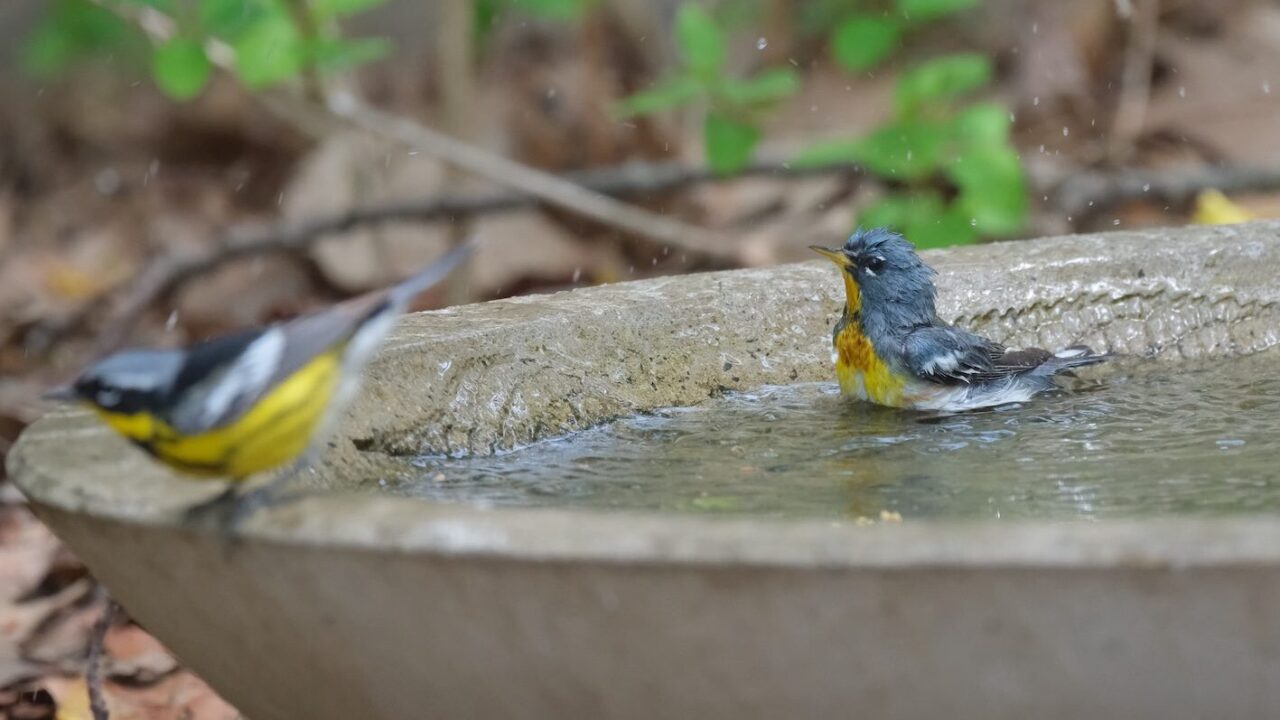
- Or, add a birdbath. Water is critical for birds and other wildlife. A water feature can also provide a lovely focal point to draw the eye and provide structure to your plantings.
- Heat waves? Water new plantings.
- We discourage middle of the summer additions, but if planting is still happening in your landscape, try to schedule any planting before (or during!) rain, and any cooler, overcast days. You may need to provide extra water, and you could consider adding a temporary shade structure to help your new plant through the hottest part of the day.
- Potted natives? Add water, pots can dry out quickly.
Bird Safety Tips
Protect New Fledglings
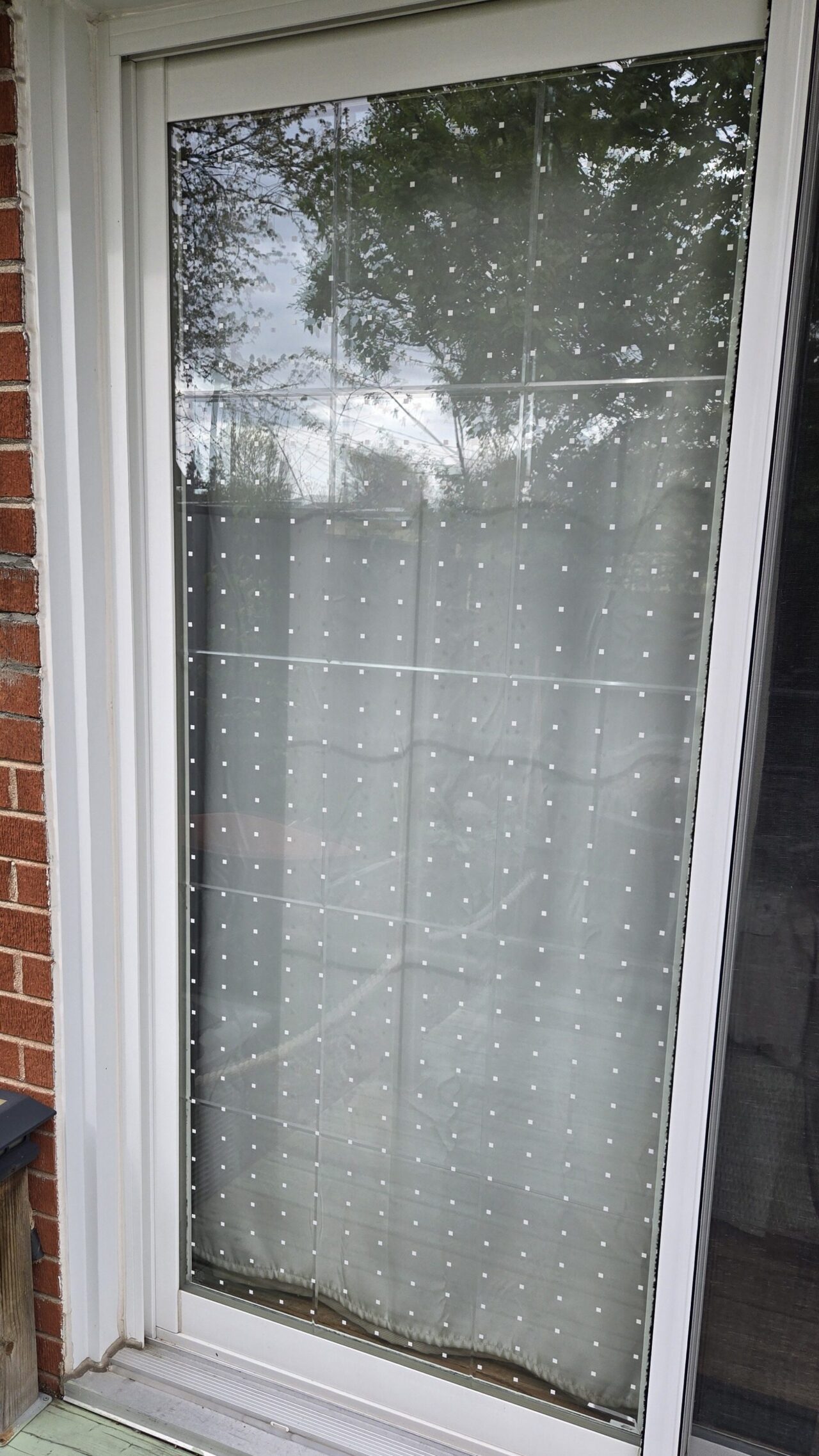
- If you haven’t already done so, protect birds from your glass windows and doors. New fliers may find untreated windows even trickier to navigate around.
- Keep unnecessary lights off at night. Night-flying insects will thank you. It is amazing to think that a few of our northern breeding bird species may already be heading south later this month, and some may already be migrating overhead at night!
Summer starts to feel like it is zooming by. Remember to spend time outside, sitting, watching, listening, and enjoying all your hard work. Hot days are a good time to step back and assess. Fall will eventually arrive, which is a great time to add more plants and attend to things you missed in the spring.
Featured Plant
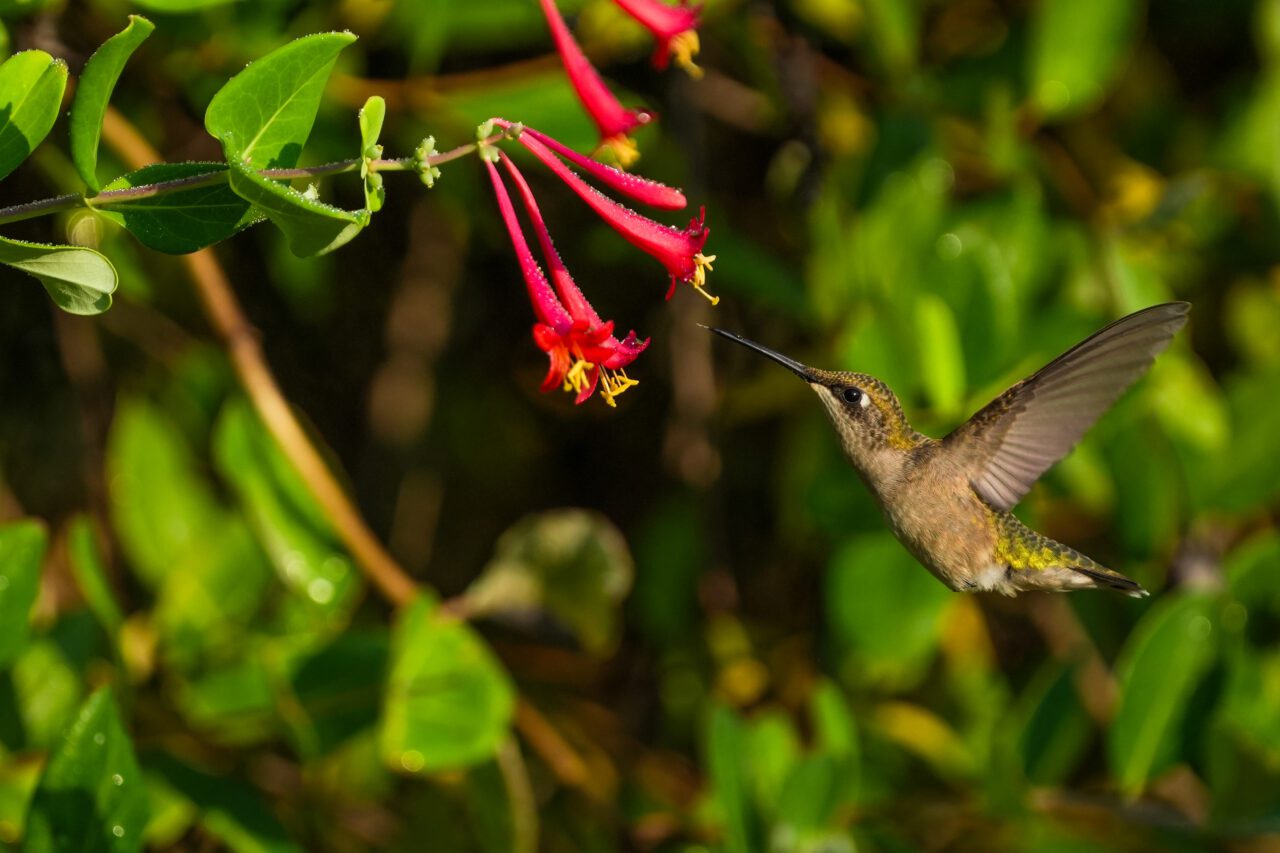
Common Name: Coral Honeysuckle
Scientific Name: Lonicera sempervirens
Native to: AL , AR , CT , DC , DE , FL , GA , IA , IL , IN , KS , KY , LA , MA , MD , ME , MI , MO , MS , NC , NH , NJ , NY , OH , OK , PA , RI , SC , TN , TX , VA , VT , WV
Introduced in Canada, but not native.
Plant characteristics: Perennial vine that is easy to train and well-behaved. Produces fruit from pollinated flowers
Growing conditions: Prefers full light and dry to medium soil. Can tolerate part-shade and moist, well-drained soil.
Benefits to Birds & Biodiversity: Flowers are a hummingbird, bee, and butterfly favorite. Larval host plant for Spring Azure and Snowberry Clearwing Moth. Fruit feed quail, finches, and thrushes.
Additional Resources
- In June we reached out about what you can do to support hummingbirds in your area. We found an interesting published paper which used participatory science data on flowering time and hummingbird arrival dates to show that plants with red and orange flowers have evolved to time flowering to match hummingbird migratory patterns.
- Need more plant ideas? The Wildr Places App is a great tool to get regional plant recommendations, add your site and learn more about the importance of creating native habitat.
- Homegrown National Park has a great resource on keystone plants, pairs well with keystone birds.
- Review our resources pages for topics of interest from the beginning gardener to experienced.
- Lovely conversation between Robin Kimmerer (Plant Baby Plant) and Margaret Renkle (NYTs bird/plant writer) about the important work of creating native habitat.
Stay Connected
By subscribing to stay connected to Garden for Birds, you agree to receive communications from the Cornell Lab. You may unsubscribe from the communications at any time.