
December & January
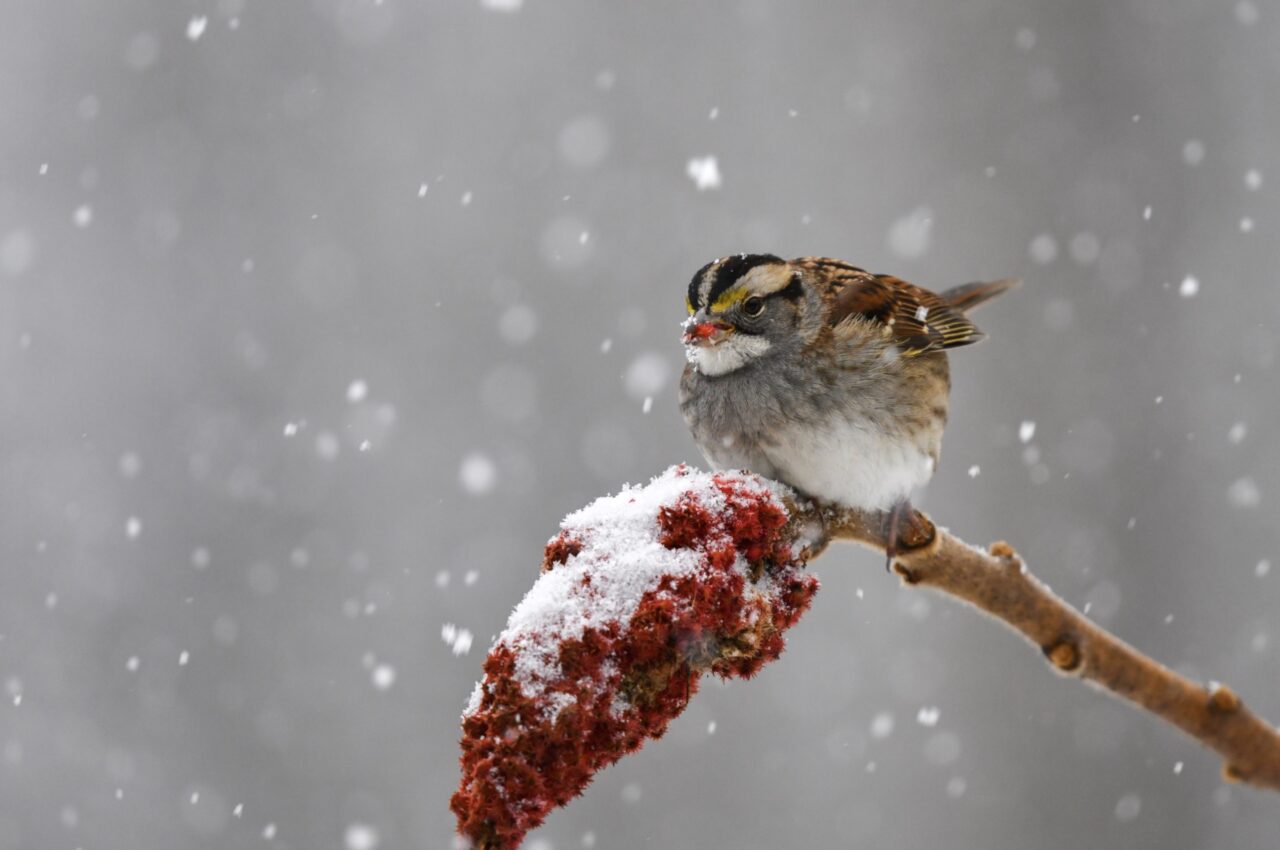
Winter is often a time to slow down. Northern gardeners spend more time inside admiring their summer’s work through the window, while warmer regions may find the winter rains and mild temperatures make planting ideal. The birds, in general, are still around and using our garden resources, but with summer migrants elsewhere, things are generally quieter. That said, there are a variety of things we can do to keep busy as we prepare for the next growing season.
Garden Checklist
All Regions
- Seed start natives!
- Holiday breaks are a good time to consider getting your native perennials going. Learn more about how to start perennial seeds.
- Watch and report the birds!
- Project FeederWatch is a fun winter monitoring program focused on birds we see in and around our homes and communities.
- Or keep reporting to the Garden for Birds ebird Project if you are monitoring birds in your gardens. Data from these projects are saved in different databases, but all data is valuable.
- Design and plan.
- Do you have a spot for a new shrub, tree, grass, or flower? Think ahead before the growing season.
- Keep learning!
- Research new plants native to your area
- Do an inventory of your gardens with our Planting Palette to figure out what time of year you could afford to add more resources.
- Connect with others.
- Local native plant organizations
- Audubon Centers
- WildOnes
- Hunt for fun garden items at thrift stores, garage sales etc,
Warm Regions:
Southern U.S. Regions
- Keep gardening? Now that the temperatures and/or humidity are a little lower this can be a great time to get a head start on any heavier work.
- Clearing out non-native plants.
- Remove lawn you may want to replace with native plants.
Cool Regions:
Rest of Regions in U.S. / CA
- Map out what areas of your outdoor space you can see from inside.
- What could you plant to attract and support birds in these areas?
- How about a border of native ryegrasses to support seed-eating sparrows, juncos, and finches?
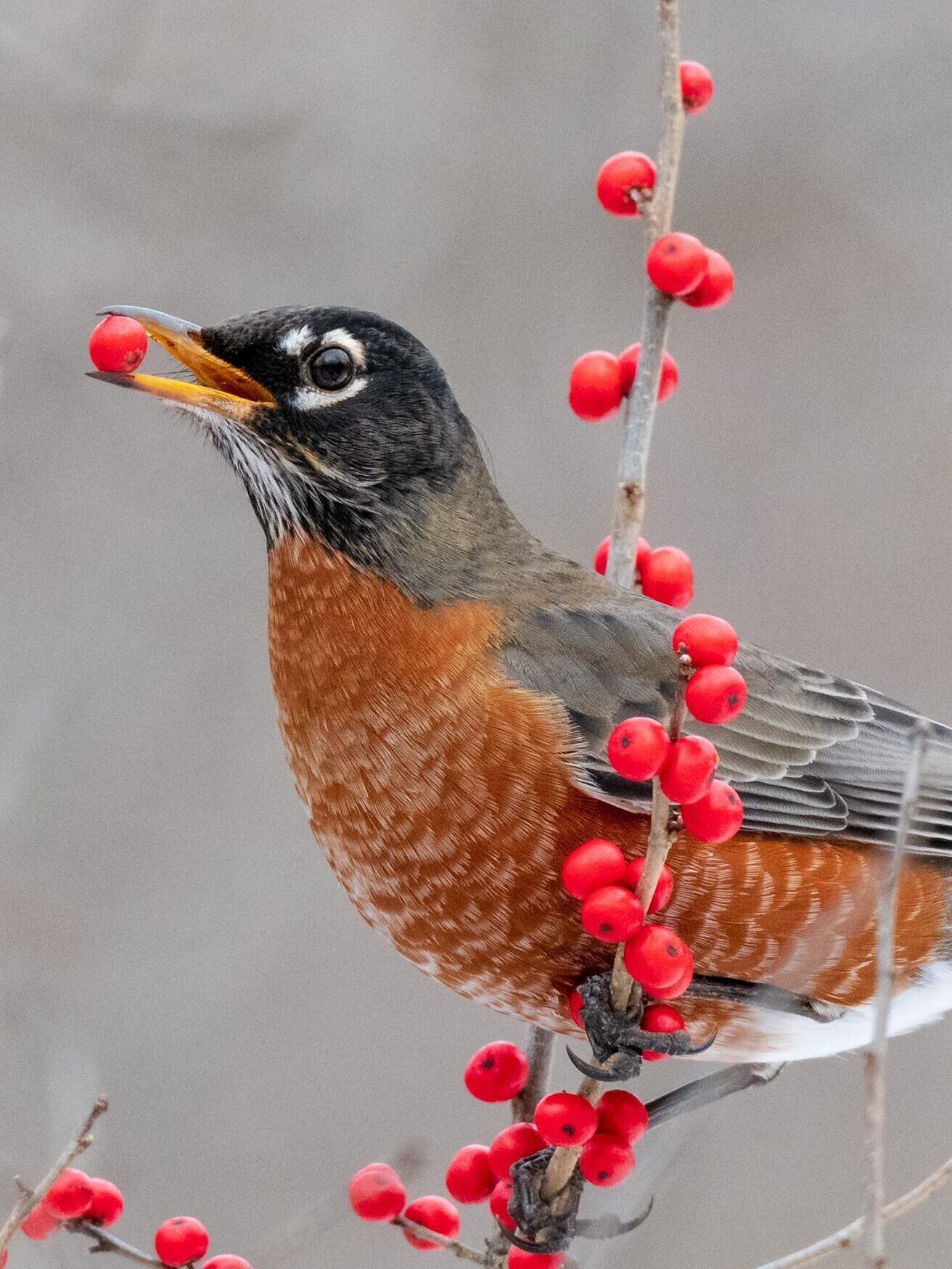
- Or a fruit-bearing shrub to sustain American Robins and waxwings?
Featured Plant & Bird
Common Name: Winterberry
Scientific Name: Ilex verticillata
Native to: AL , AR , CT , DC , DE , FL , GA , IA , IL , IN , KY , LA , MA , MD , ME , MI , MN , MO , MS , NC , NH , NJ , NY , OH , PA , RI , SC , TN , TX , VA , VT , WI , WV
Canada: NB , NL , NS , ON , PE
Plant characteristics: Slow-growing perennial shrub that can reach tree height. These plants are males or female. One male can pollinate many females but you must have both for successful pollination. Dense branching makes them a favorite for open cup nesters.
Growing conditions: Plant can tolerate all light and soil conditions, preferring moist, acidic soil. Fall color is brighter in full to part-sun.
Benefits to Birds & Biodiversity: Pollinators will enjoy this bloomer and it is a larval host for Henry’s Elfin butterfly. Numerous species of birds devour these fruiting bodies in the middle of winter generally after several freezes and thaws or cooler nights, which increases the sugar content in the fruit.
Additional Resources
- Planting Palette for garden resource inventory.
- Review our resources pages for topics of interest from the beginning gardener to experienced.
Stay Connected
By subscribing to stay connected to Garden for Birds, you agree to receive communications from the Cornell Lab. You may unsubscribe from the communications at any time.