
What About This Spot? Advice on Common Garden Issues
We all have those tricky spots in our outdoor spaces: the struggle to keep them tidy or looking good, or even to get plants to grow at all. At the outset of a project, you may wonder where to start with adding native plants. Here are some ideas to generate some inspiration. Apply them to your tricky spots, and find unexpected ways to jam in more native plants.
Messy Edges
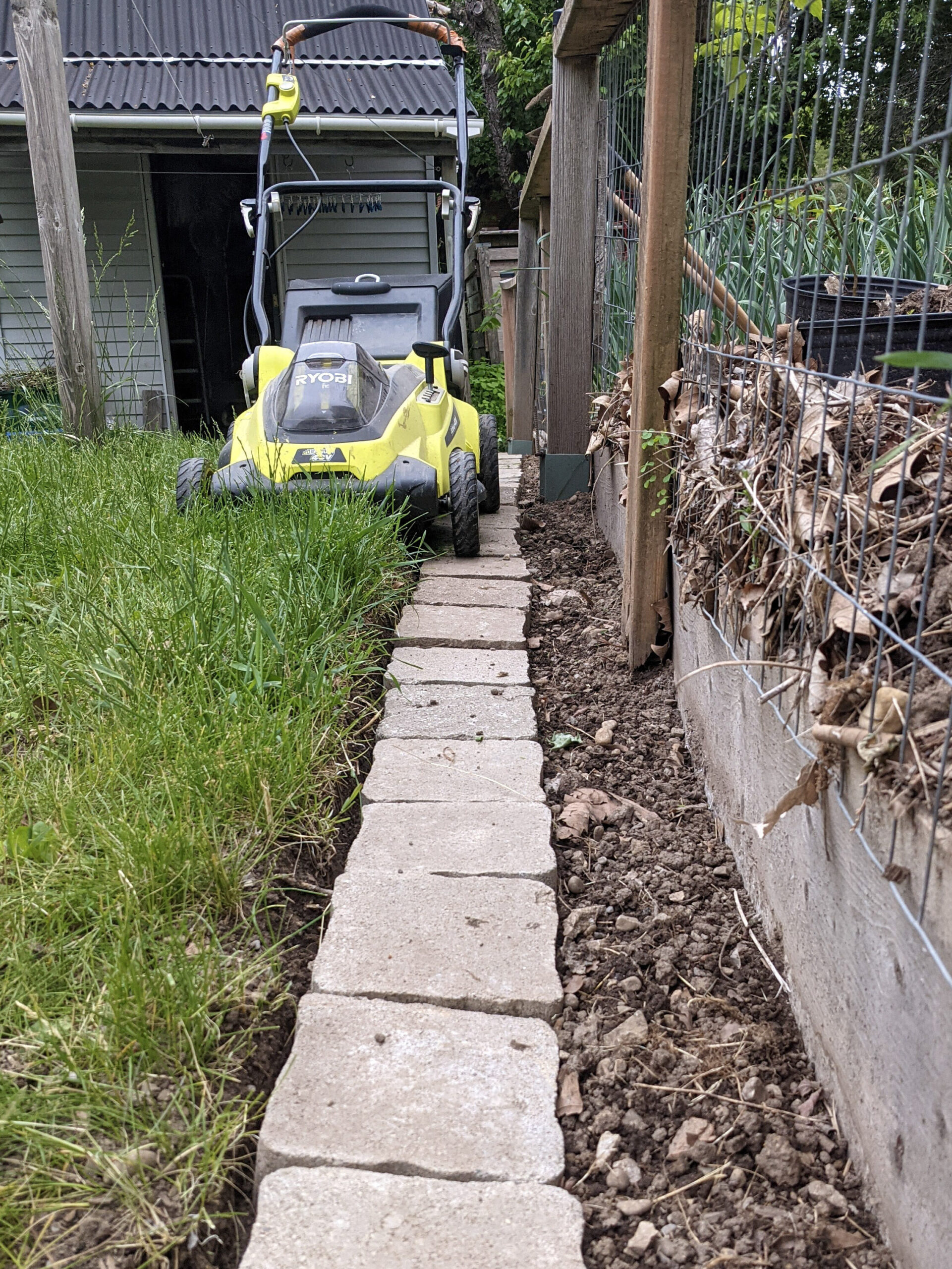
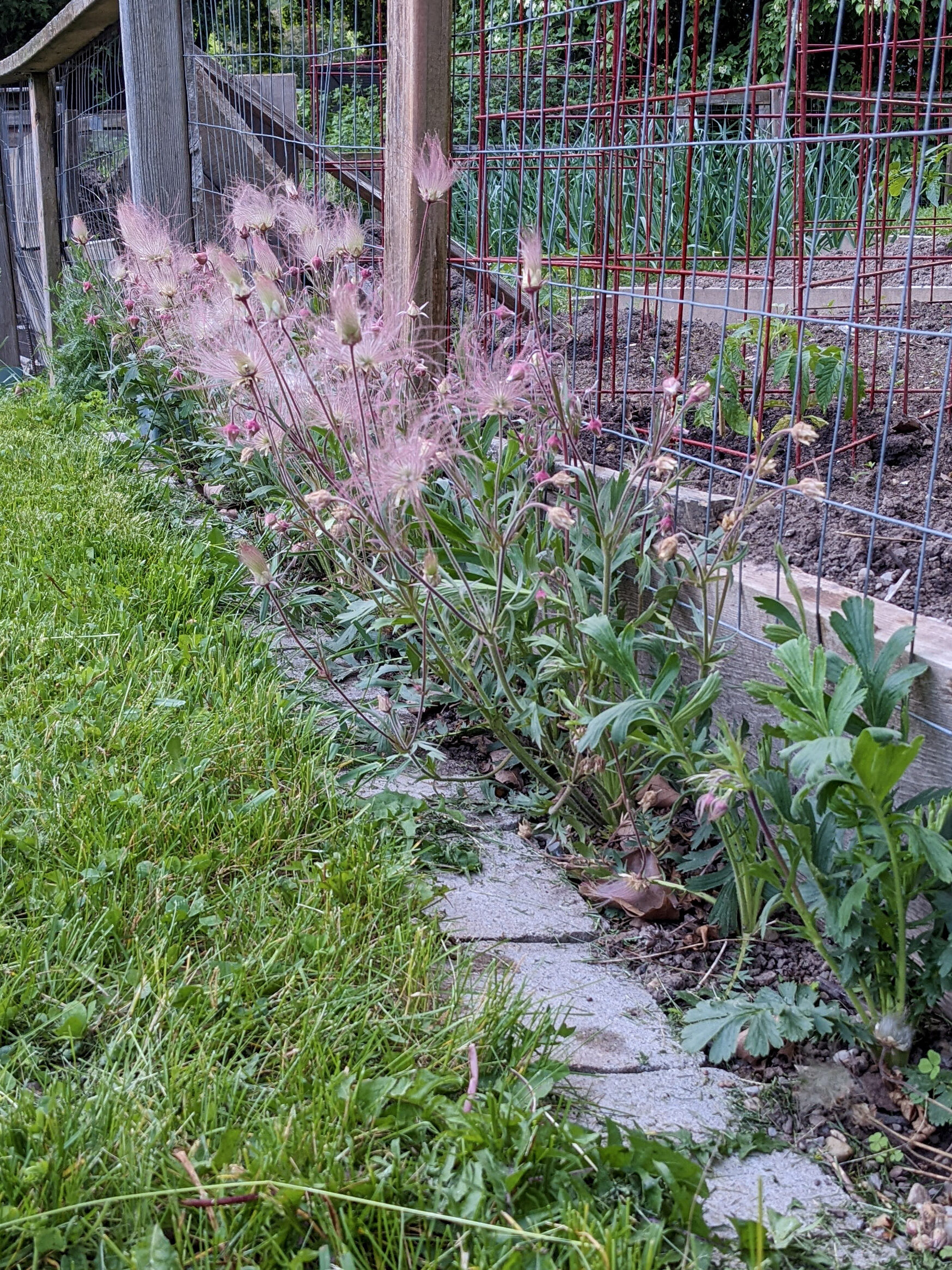
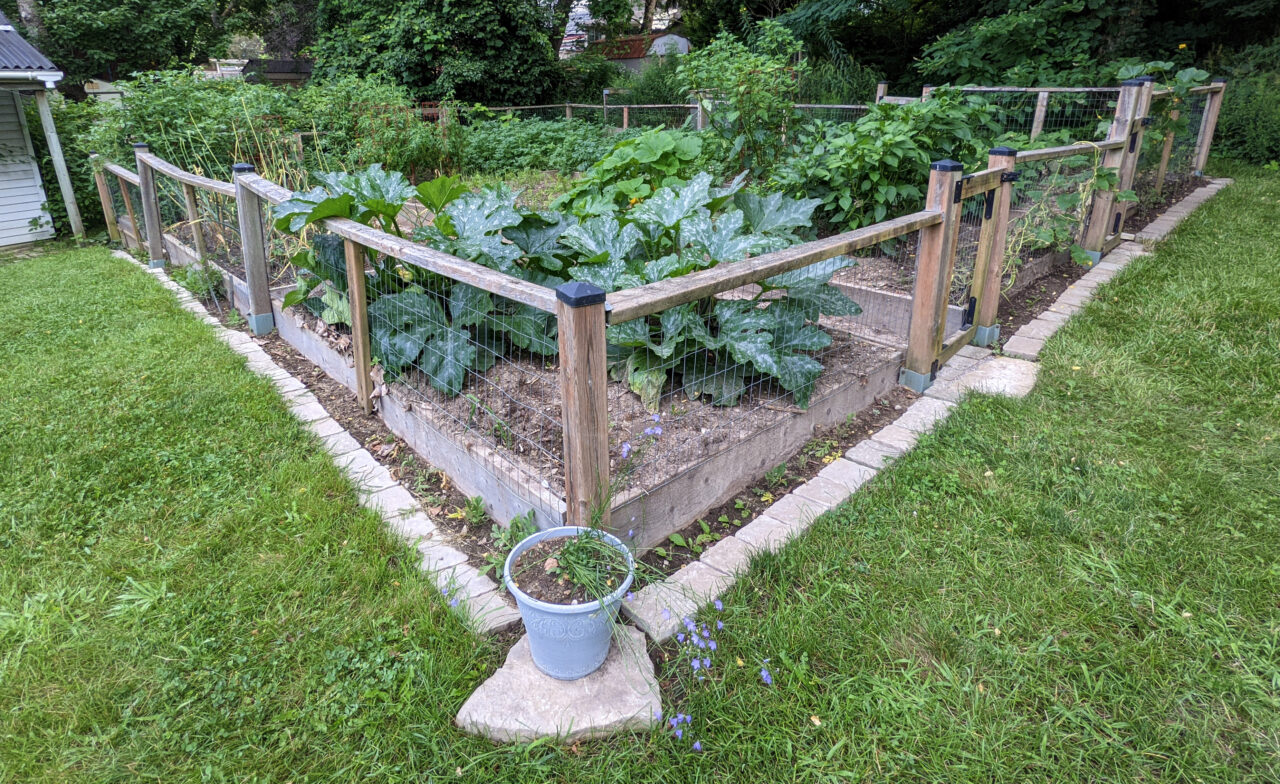
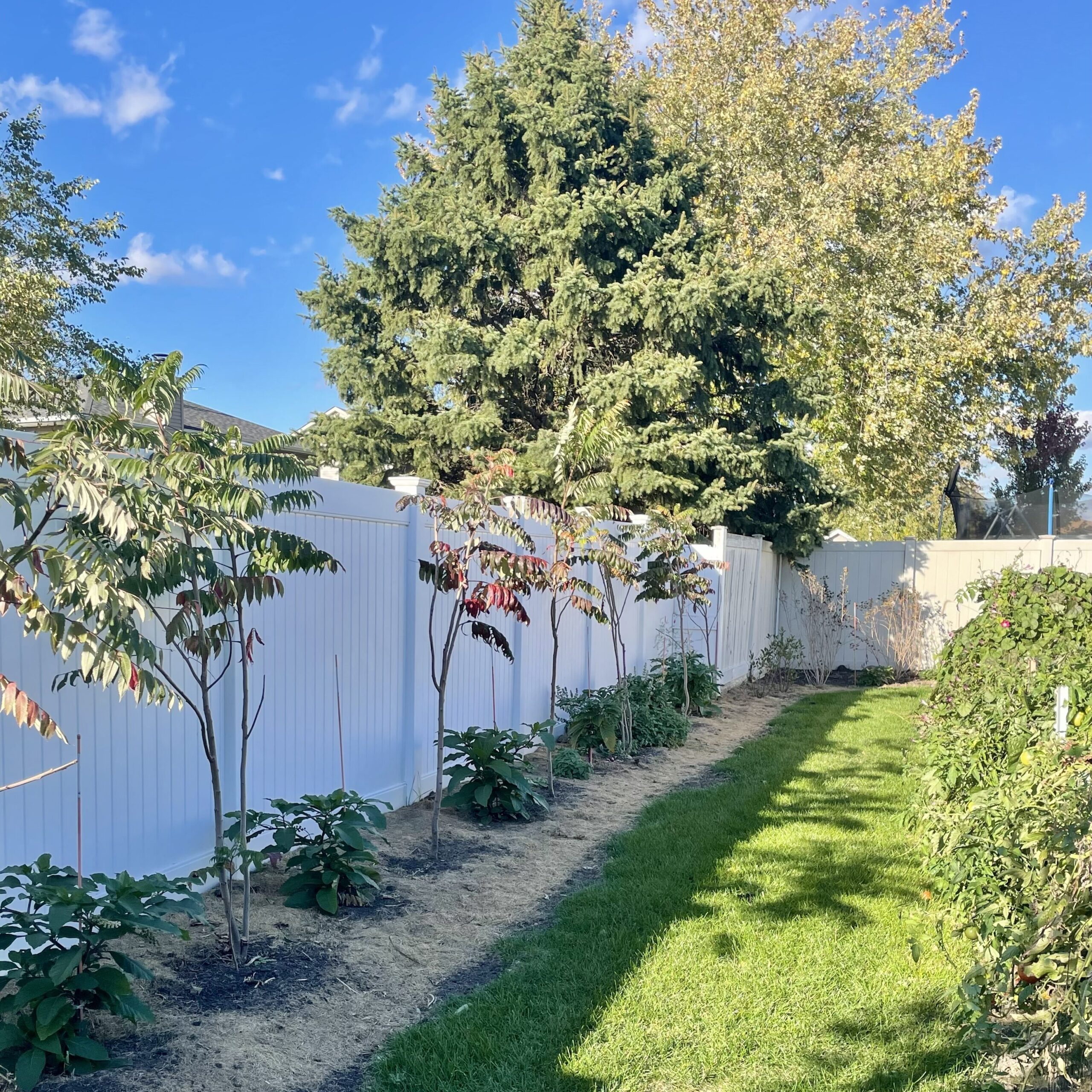
Lawns can provide useful access routes or work and play areas. But when it comes time to mow them, it can be a pain to have to break out that second tool to tidy up the edges, especially where lawn abuts a structure. These areas are great spots for well-behaved, low-growing native plants. Dig out a spade-width of grass, pop down some suitable edging (e.g. some rocks), then plant native plants in the space beyond. You just successfully reduced the size of your lawn a little, and created more habitat for wildlife!
No Space? Grow Vertical!
Even tiny spaces can support a native plant. Explore the natural growth forms of plants: some grow tall, some are bushy, and some are vines which can be “trained” to grow where you want them. This Arizona gardener got creative by adding a trellis to a tight spot.
Several vines native to various parts of the U.S. and Canada can be suitable for this sort of space, including some Clematis species, Dioscorea (yamroot), and others.
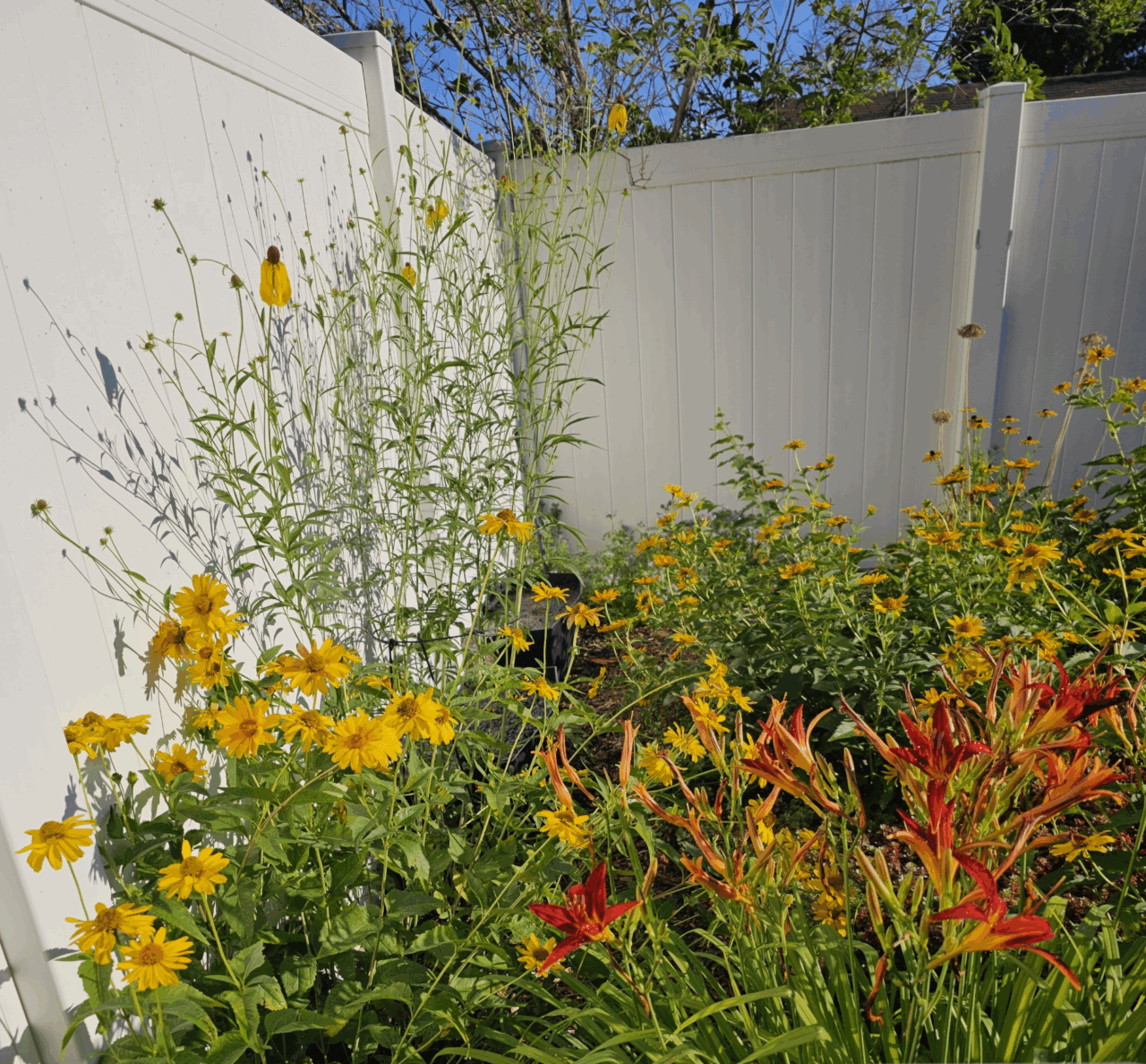
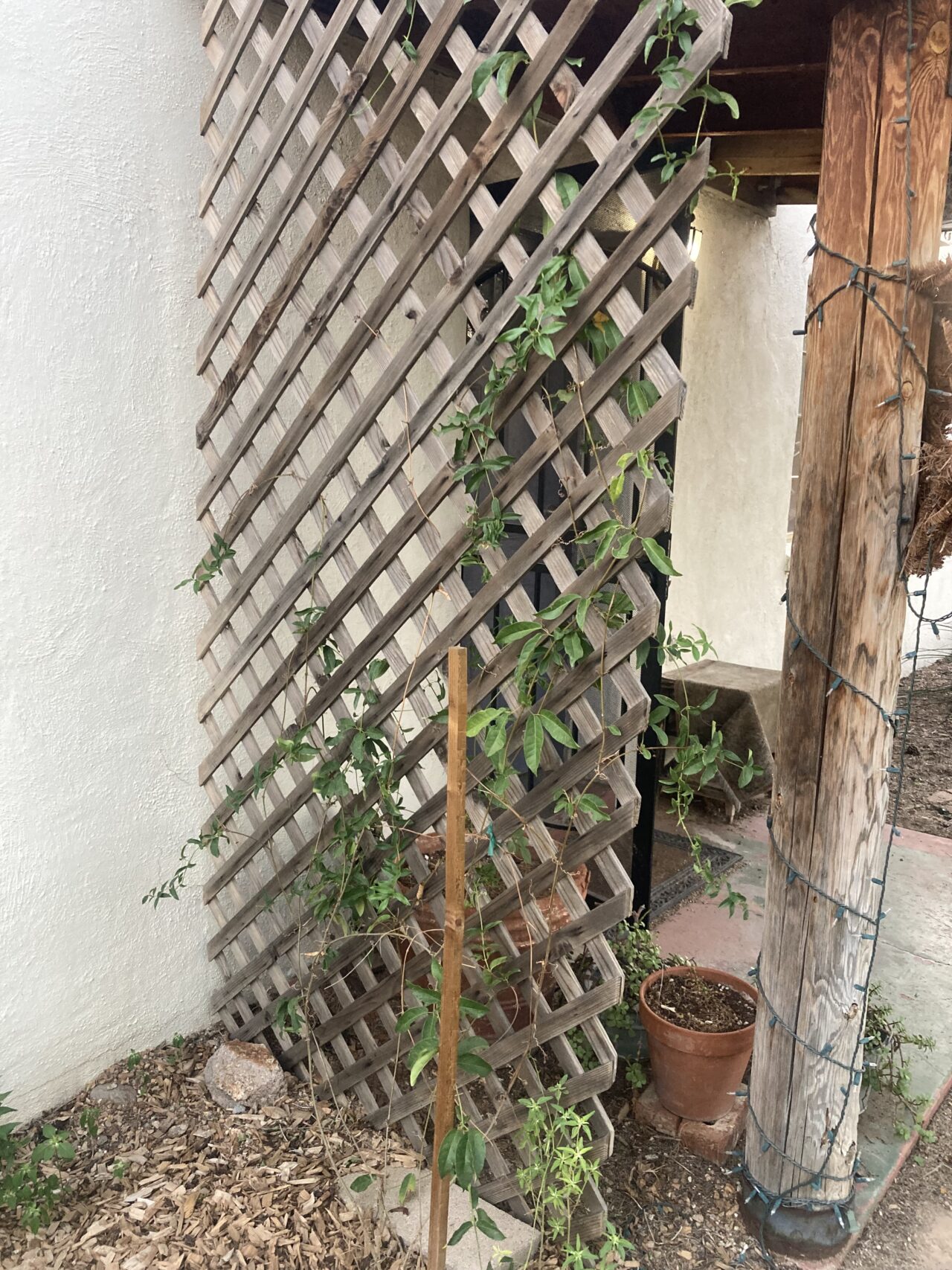
Here is a small corner which is now teeming with life! With some thought and planning, sometimes several species can be grown close together to create a stunning visual impact in a previously uninspiring spot.
Soft Landings
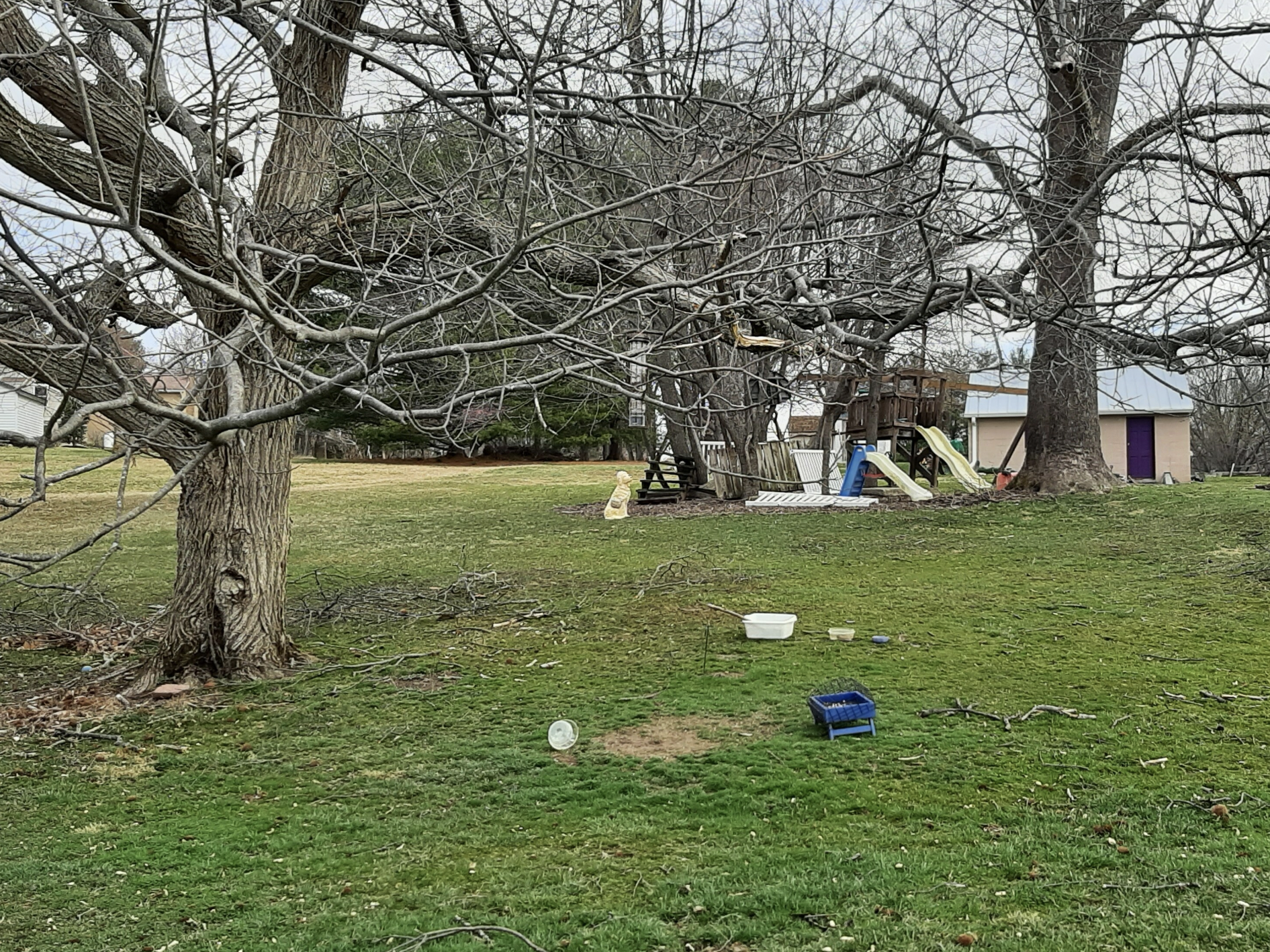
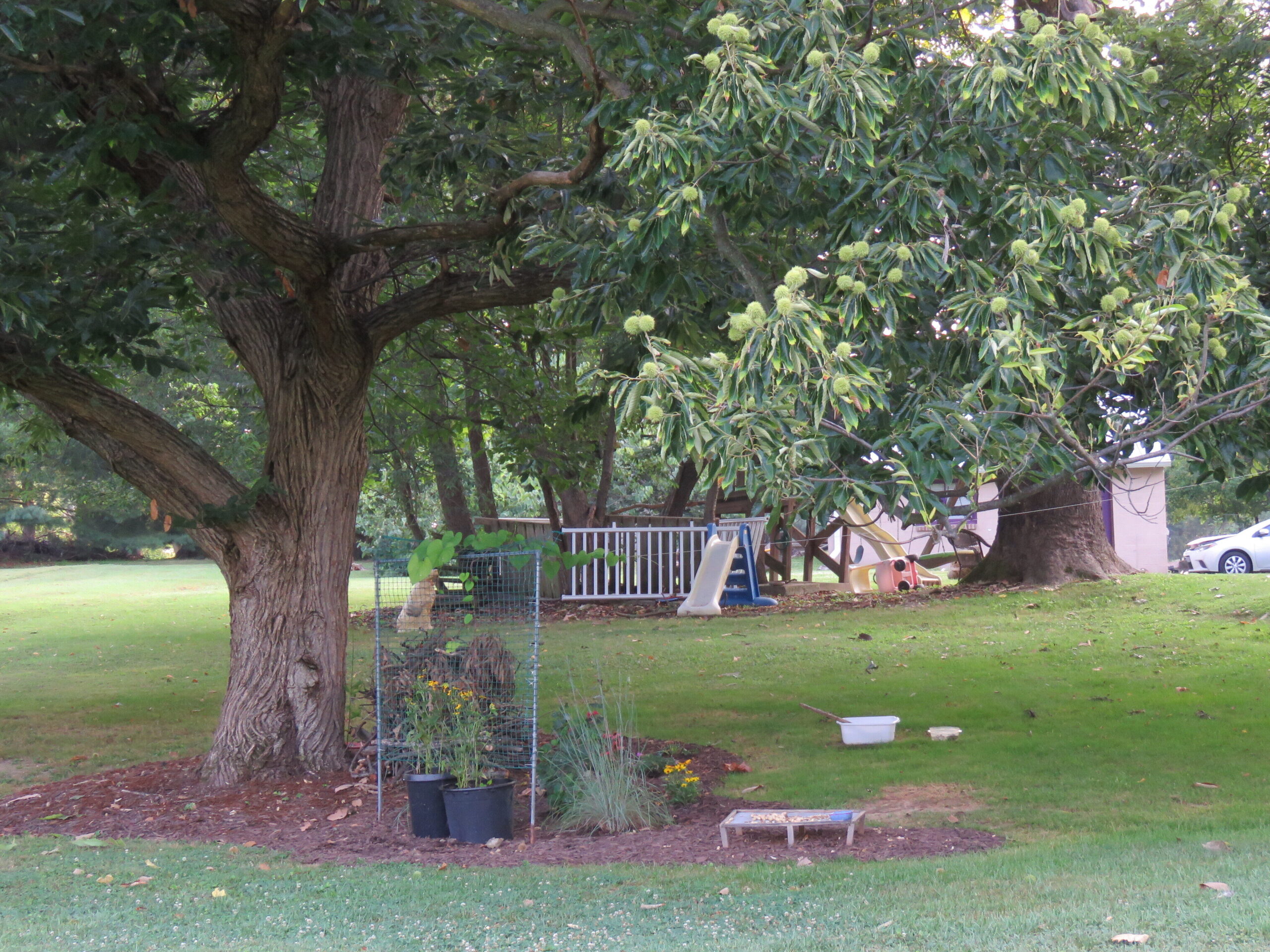
If you find yourself with too much lawn but don’t know where to start, take advantage of any features that can slightly enlarge that lawn-free zone, including existing trees, garden ornaments, or a birdbath. Lawn often doesn’t do well in these areas anyway. Even if you have lost a tree, and have a stump remaining, this can be an interesting focal point for a new planting zone. Clearing a bed for native plants out to the drip line of mature trees is a great example. Insects which begin life in the canopy, munching on leaves, may drop to the ground to pupate. A nice garden bed filled with native plants provides them with a soft landing spot, safe from trampling and mowing. An added bonus: this provides a convenient spot for autumn leaves to remain right where they fall.
Joining the Dots!
As you create a soft landing under a tree or turn an awkward spot into a new garden bed, think next about how you can build on that. Could you join two such areas together to create one larger native plant bed? No need to do it all at once, but as your native plants expand and fill their spaces, keep looking for opportunities to enlarge those spaces to support even more wildlife.
Walkways and Front Yard Spectacles
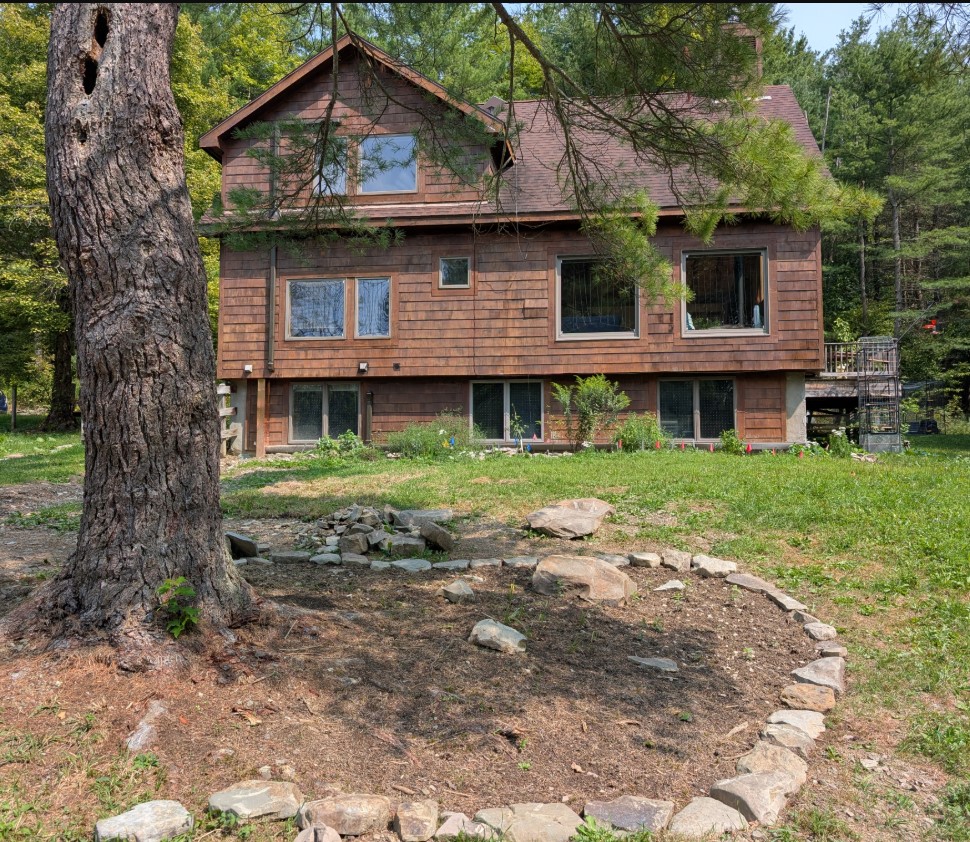
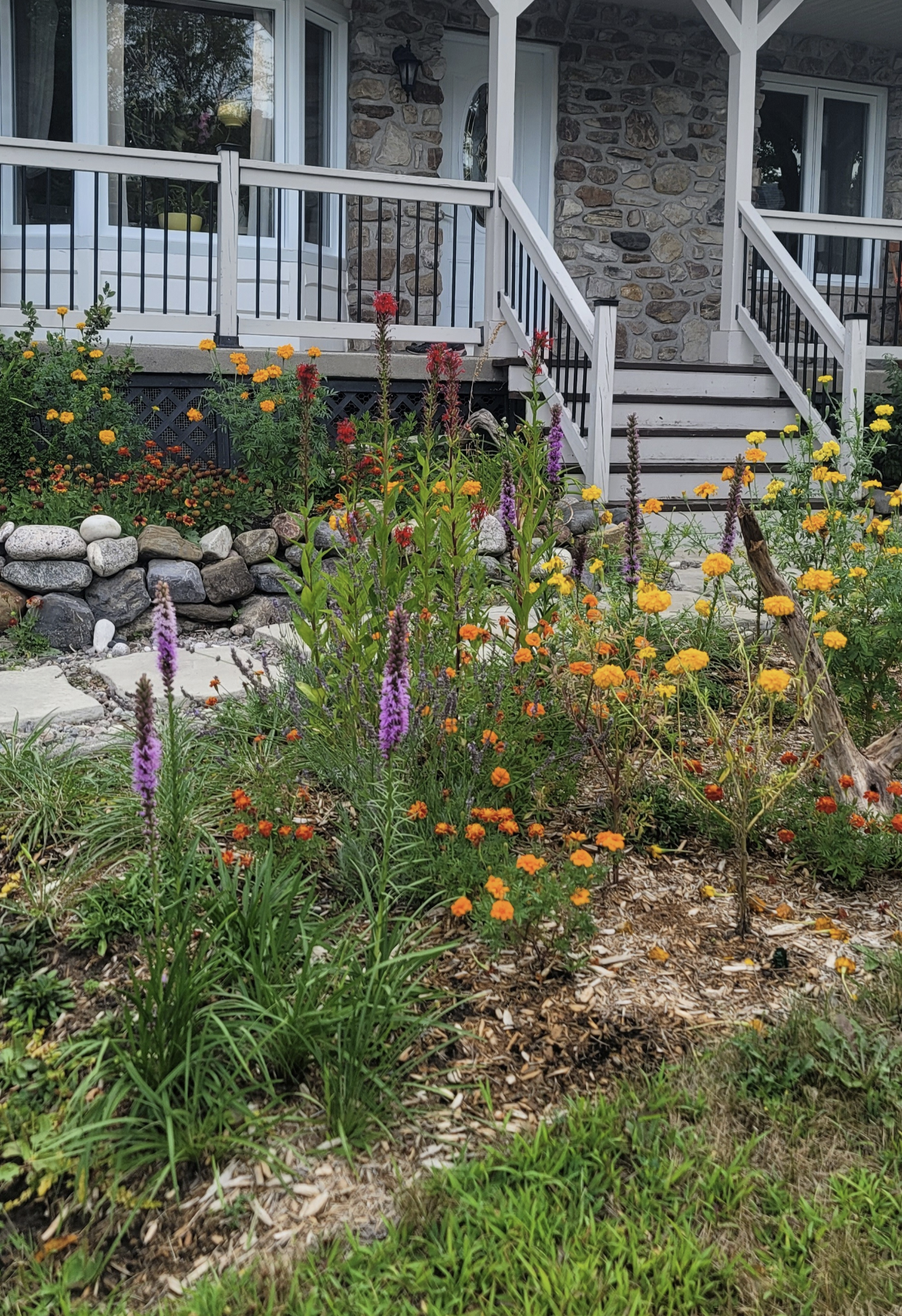
Many suburban properties have small garden beds tucked between a walkway and the house. With the right plant choices, these can provide wonderful little oases for native plants and the insects that depend on them. Selecting low-growing species can be prudent for these spots. In snowy regions, make sure you consider where you may need to pile snow to keep access routes safe – woody species can be easily damaged by piling snow and may benefit from some protection, but herbaceous plants will be tucked safely underground by winter.
Decks, Patios, and Steps
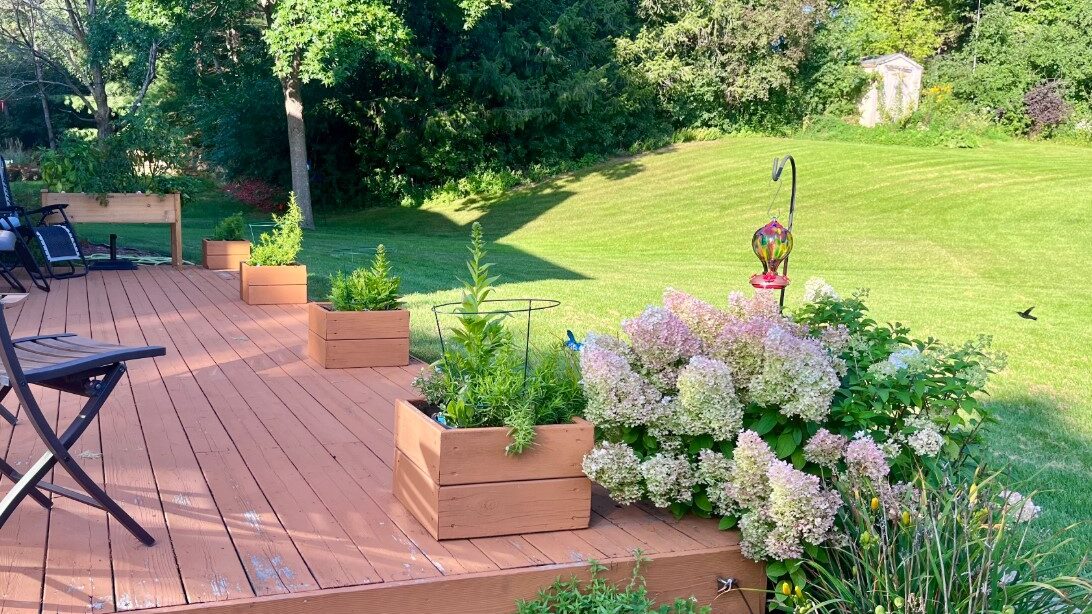
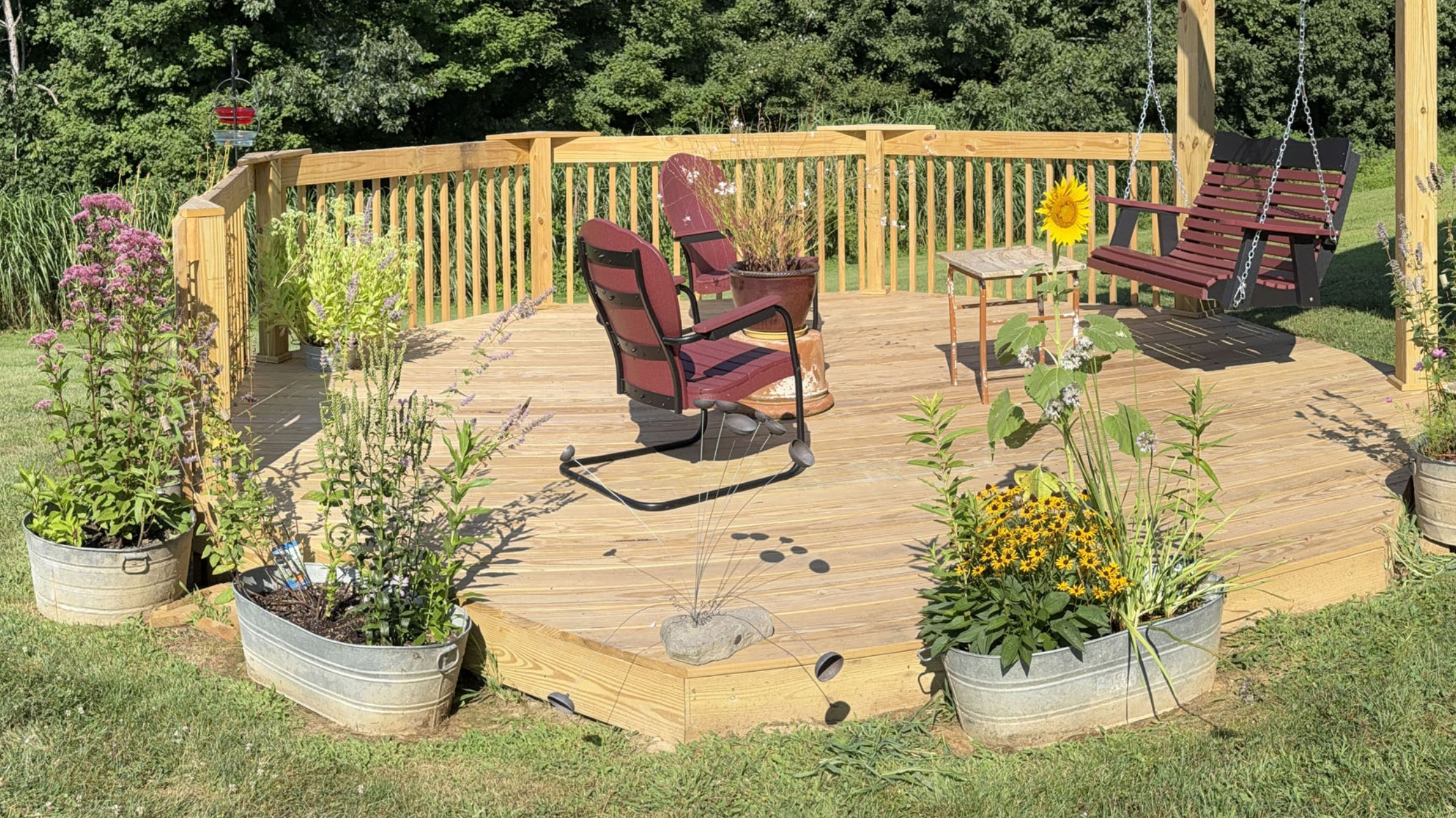
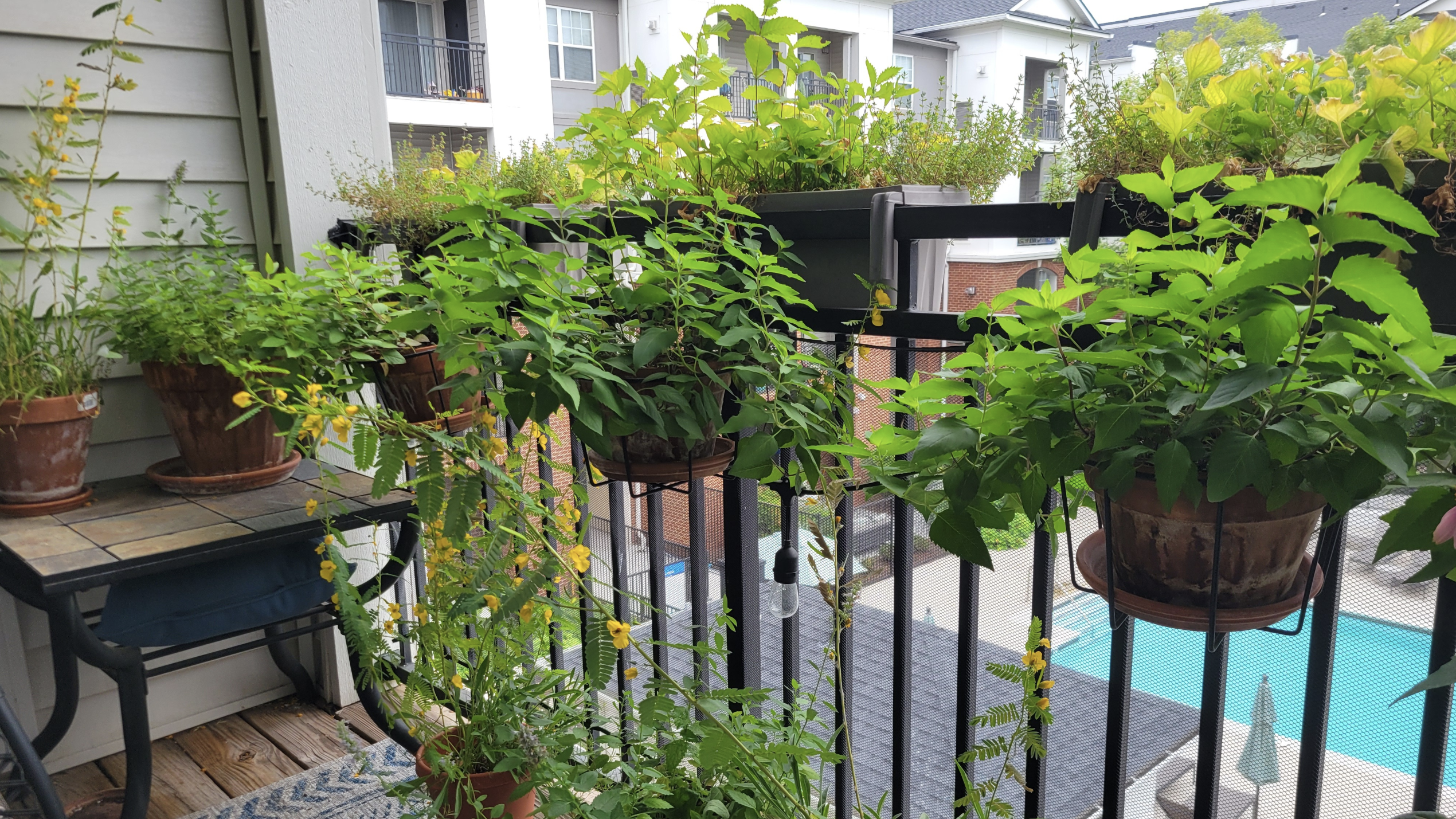
Small spaces can support wildlife too! Particularly in urban centers, even tiny pockets of native plants can provide valuable stepping stones between larger habitat zones, especially for mobile animals including flying insects and birds. Aesthetically, they can also help make the connection between an outdoor garden area and an indoor or covered space. Although growing plants in pots can require a little more care and attention than plants rooted in the ground, it can also be a good way to protect sensitive plants from competition from more vigorous growers. Visit our section on Container Gardening to learn more.
Steep Slope? There’s a Native Plant for That!
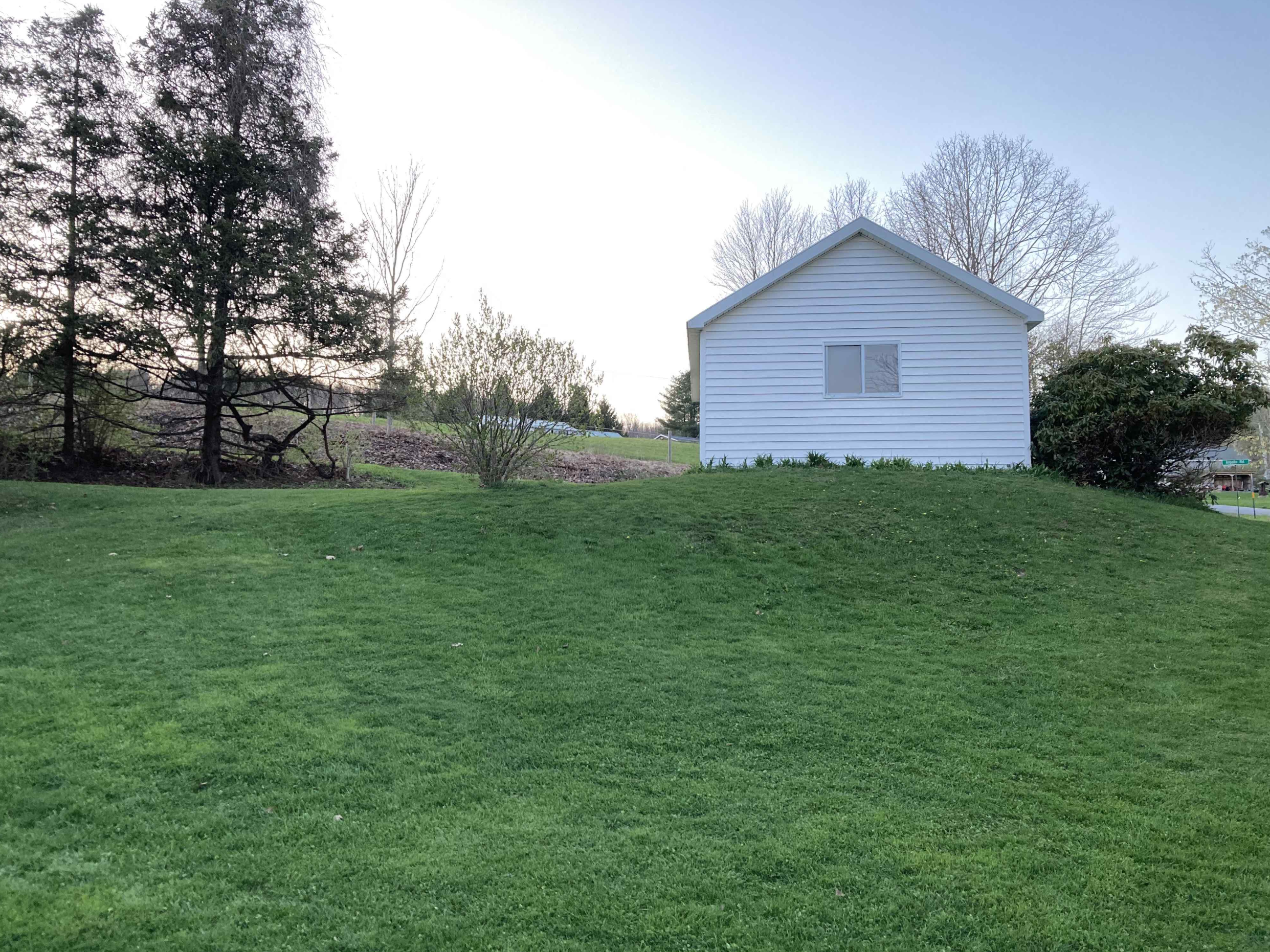
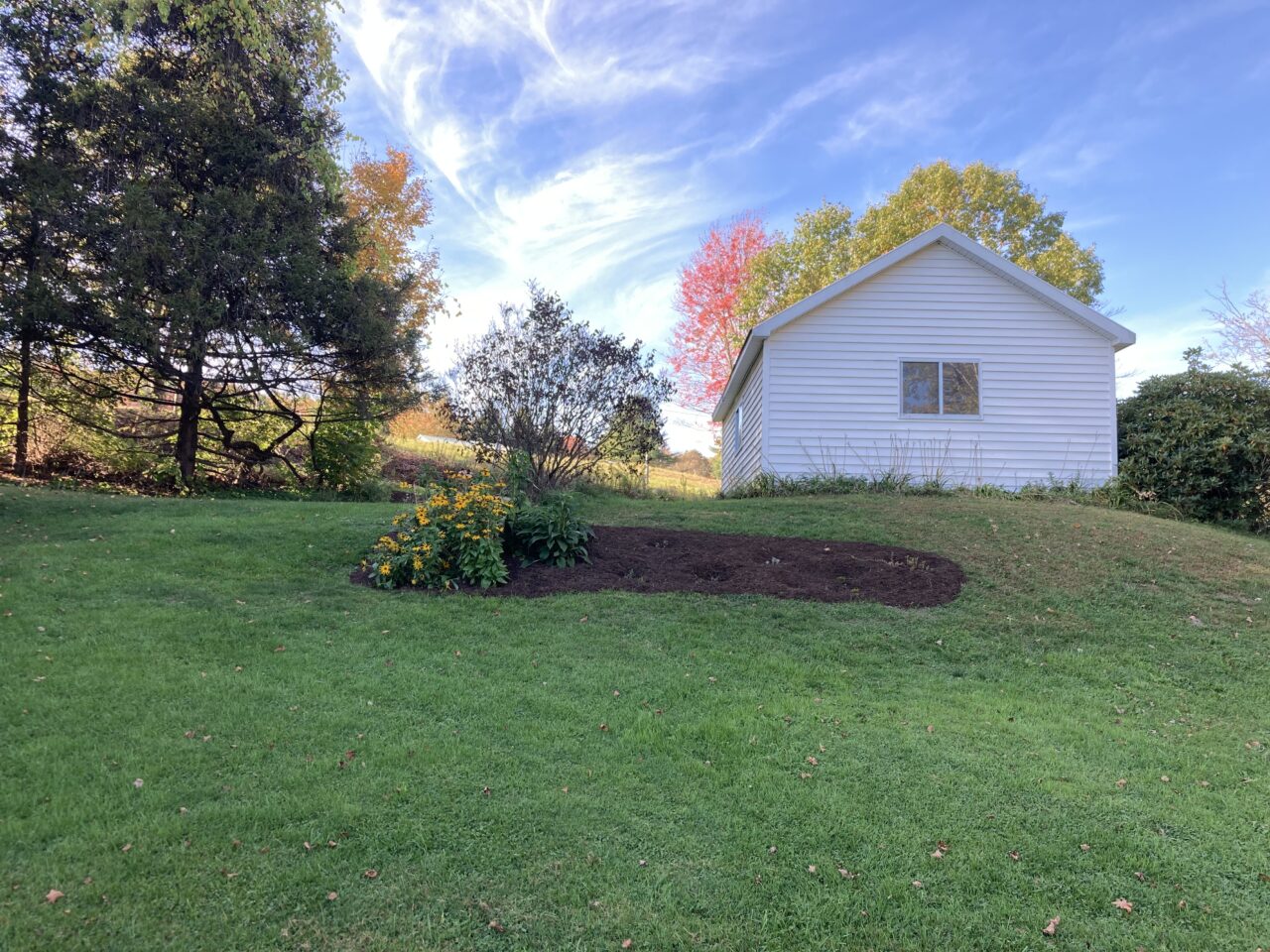
Sick of trying to mow that steep slope but worried about erosion? Try removing lawn just a tiny bit at a time, starting from the top. Select fast-growing, deep-rooted plants to start with. Depending on your area, some of our native prairie grasses could be a great choice. Start small and gradual, letting your native plants establish before removing more lawn. Some areas may well require a bit of engineering with retaining walls or berms, but native plants can still be incorporated.
Septic Beds and Lawns
While there is a native plant for pretty much every situation, there are sometimes unavoidable practicalities which mean restoring every part of your outdoor space for wildlife may not be practical. Septic beds and leach fields can be planted with shallow-rooted plants; however, unless you are able to commit to keep an eagle eye out for unsuitable species establishing naturally, it may be more practical to stick to regularly mown lawn here. Similarly, walkways and zones for work and play may just be more suited to non-native, tough lawn grass species. That’s ok, but see what you can do to minimize this, and maximize the corners and pockets set aside for native plants.
Stay Connected
By subscribing to stay connected to Garden for Birds, you agree to receive communications from the Cornell Lab. You may unsubscribe from the communications at any time.