
Safety First: The Bird Version?
Attracting birds to our built environments requires a bird-centric perspective. Yes, the plants you choose matter. Yes, the habitat features you add matter. Yes, providing space for them to forage, replenish on water, and raise young matter. Looking down at your landscape, however, will they feel safe at first glance? What do they see that leads them to trust a landing? What can you add to make them feel safer? The answer to these questions likely depends on your ecoregion.
Imagine Removing the Human Built Environment
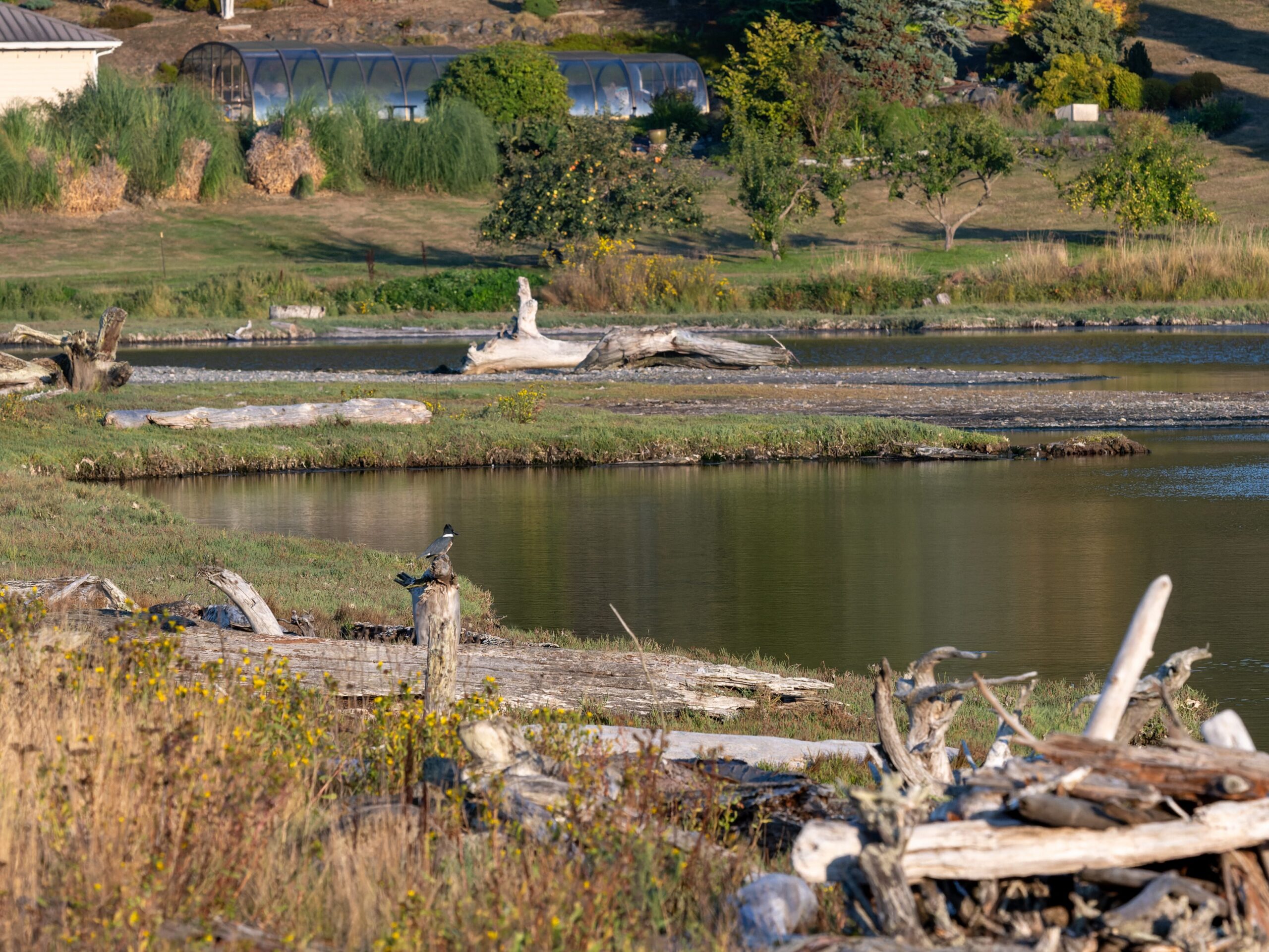
Consider, for a minute, that you are the visitor. If you removed all the human features – house, roads, buildings, traffic lights, sidewalks, sheds, garages, etc, what would remain? Does what remains mimic your ecoregion’s habitats? If not, strive to add more plants and habitat features that gets closer to what a bird would experience if a human structure had not been placed there. We share these spaces with wildlife and while the landscape has been drastically changed over time, we can work towards trying to return some of the pre-settlement features that benefit biodiversity.
Let a Local Natural Area be Your Guide
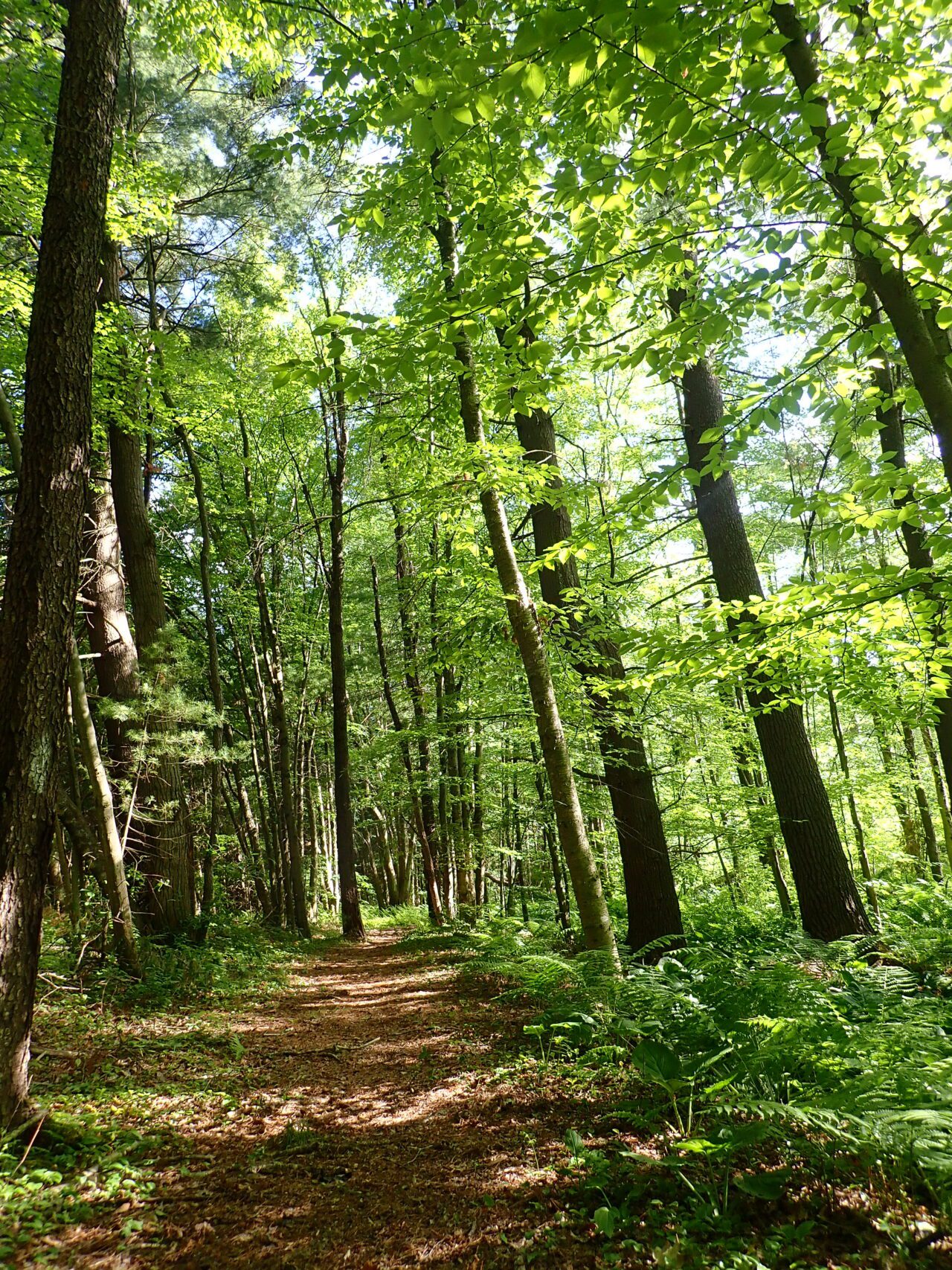
One recommendation to help visualize this concept is to take a walk in the closest “natural area” in your area. These spaces can be well-designed city or state parks, national forests, land trusts, nature preserves, botanic gardens (focused on native habitat), or other spaces that are naturally or intentionally reflecting the local habitats of the region. Ideally these spaces are managed to minimize non-native invasive plants and provide strong visual indicators of pre-settlement habitat.
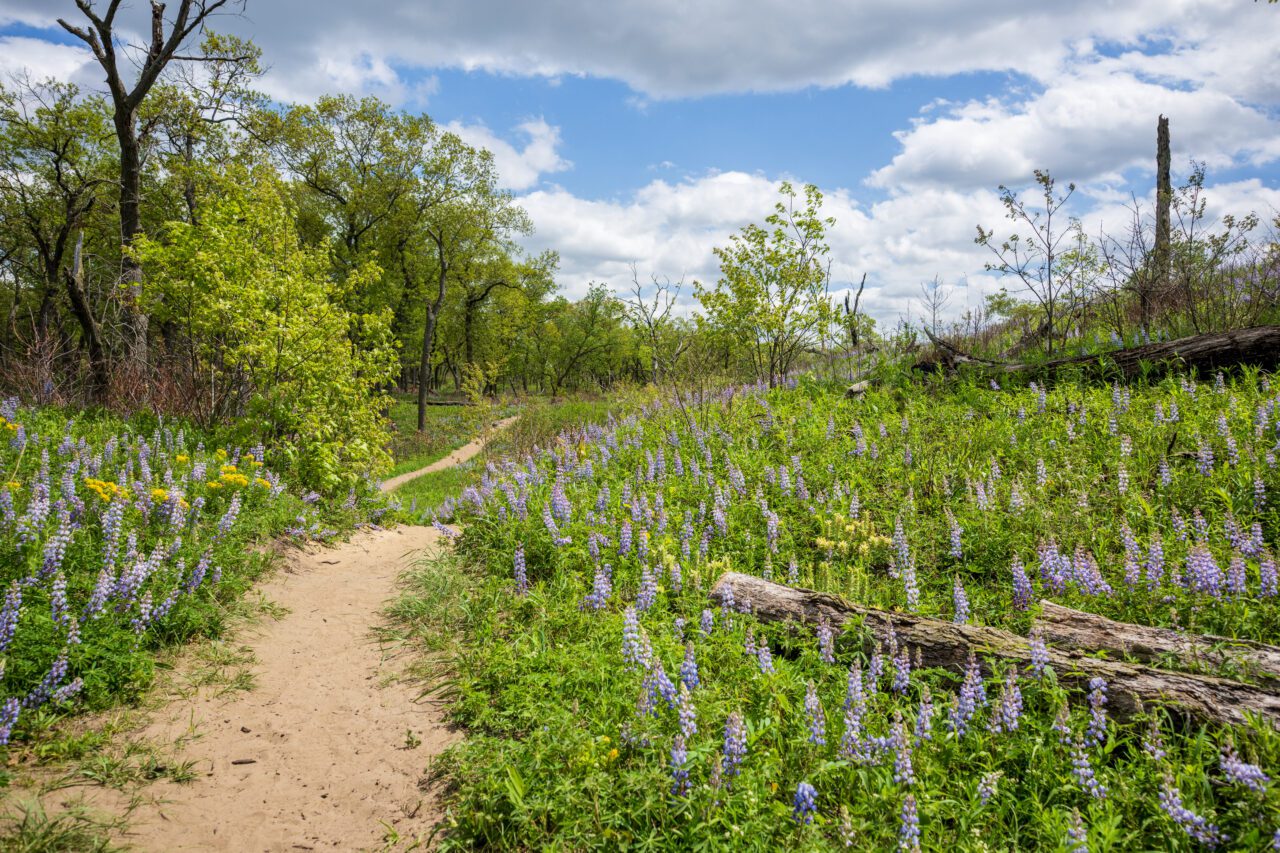
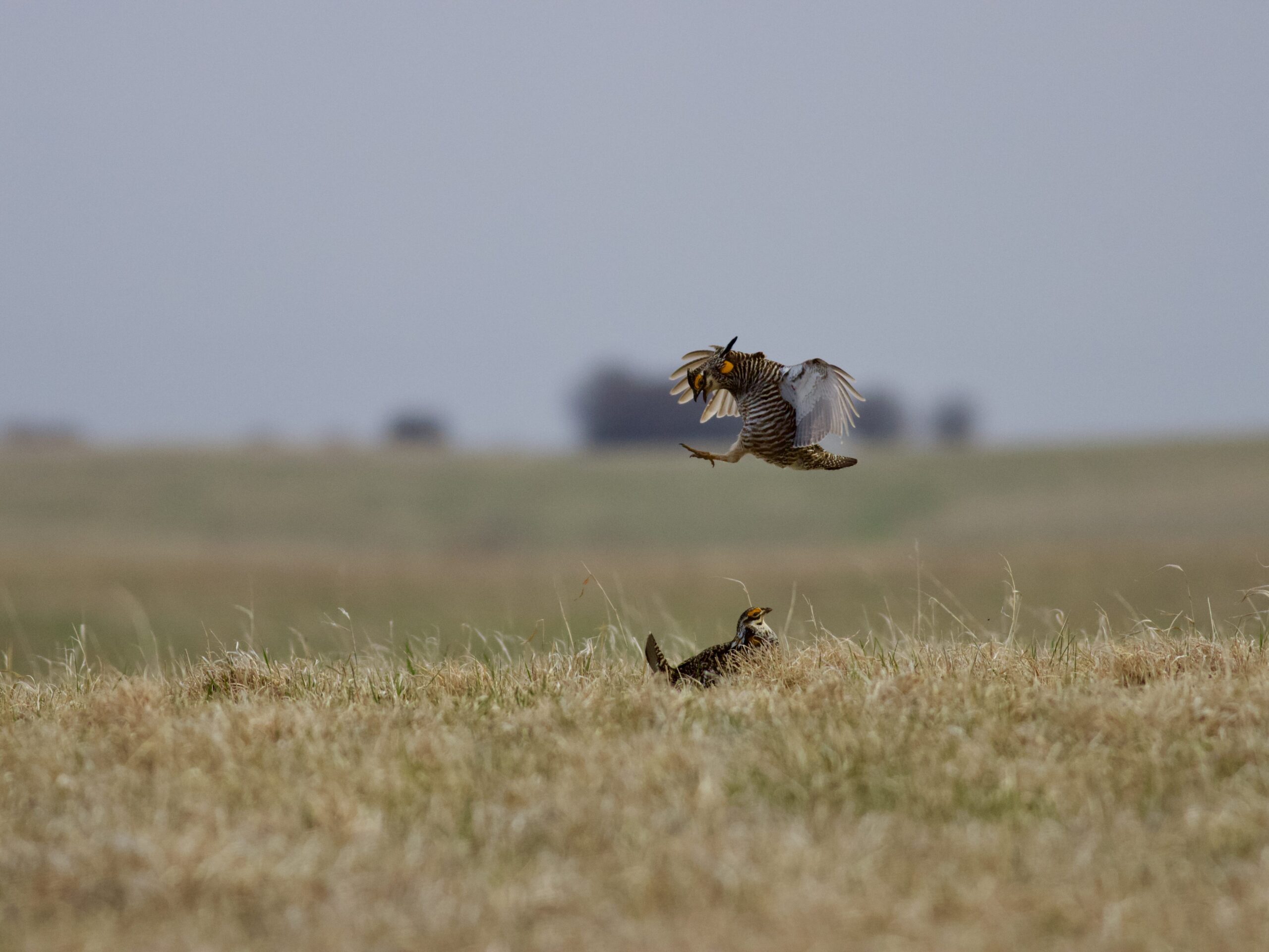
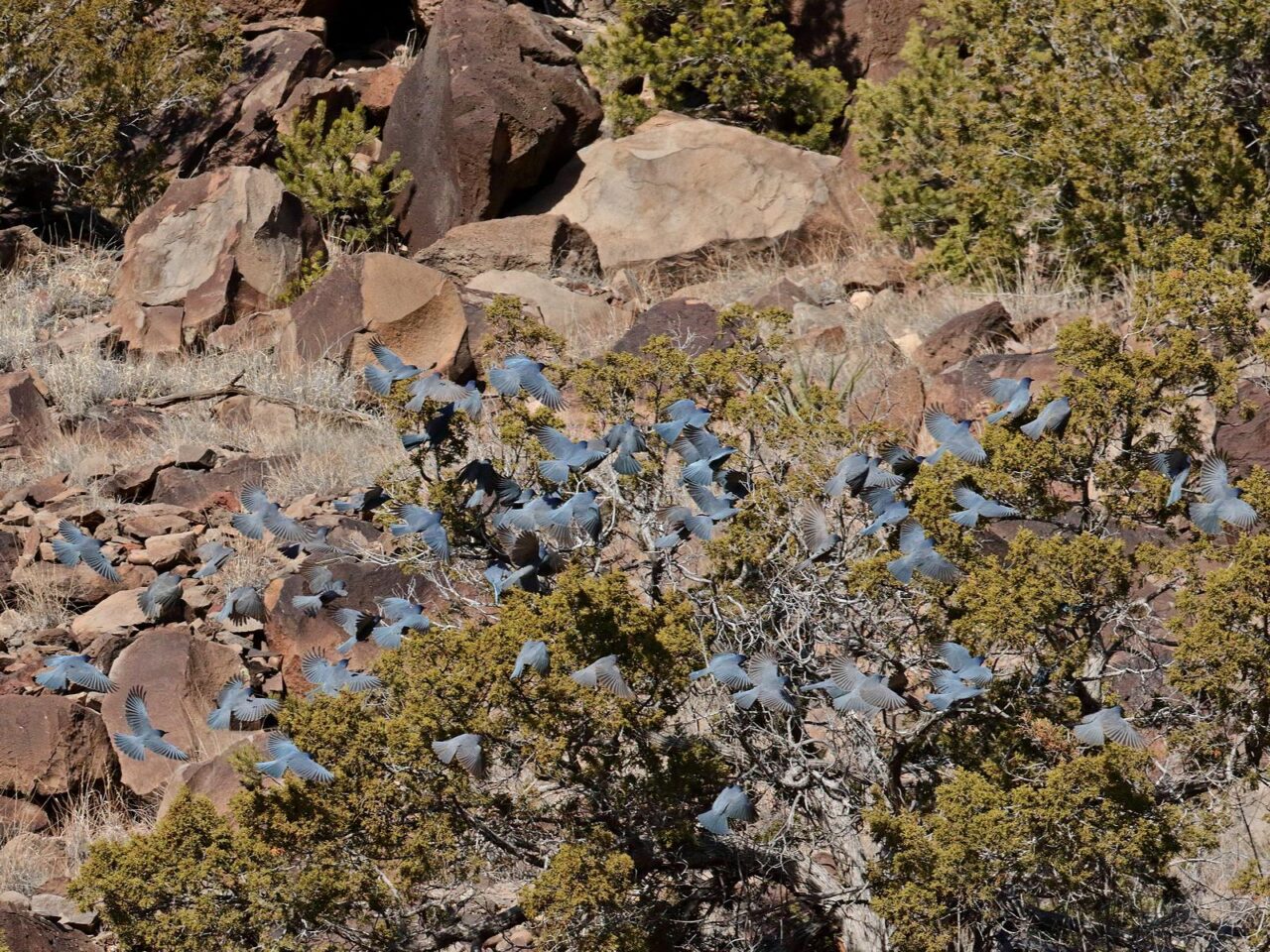

In the natural area, what features do you notice? In eastern or midwest forests there is likely a mixture of evergreen and hardwood trees, often with a shrubby understory along with logs, fallen branches, and leaf litter. On the prairie plains this might mean large tracts of unbroken tall grasses mixed with colorful flowers. In arid high or low desert environments rocks scattered about with the occasional scrubby bushes, cacti, or drought-tolerant pine or cedar tree support endemic birds. Mountainous areas likely have patches of tall trees at lower altitudes, disparate patches of shrubs at mid-elevation, and larger rock outcroppings higher up. If you structure your landscape to mimic the local ecosystems, your native plants are more likely to survive, birds may be more inclined to visit, and they may even decide to stay.
Birder and garden designer Friedrike Merck on Safe Spaces for Birds in the Northeast
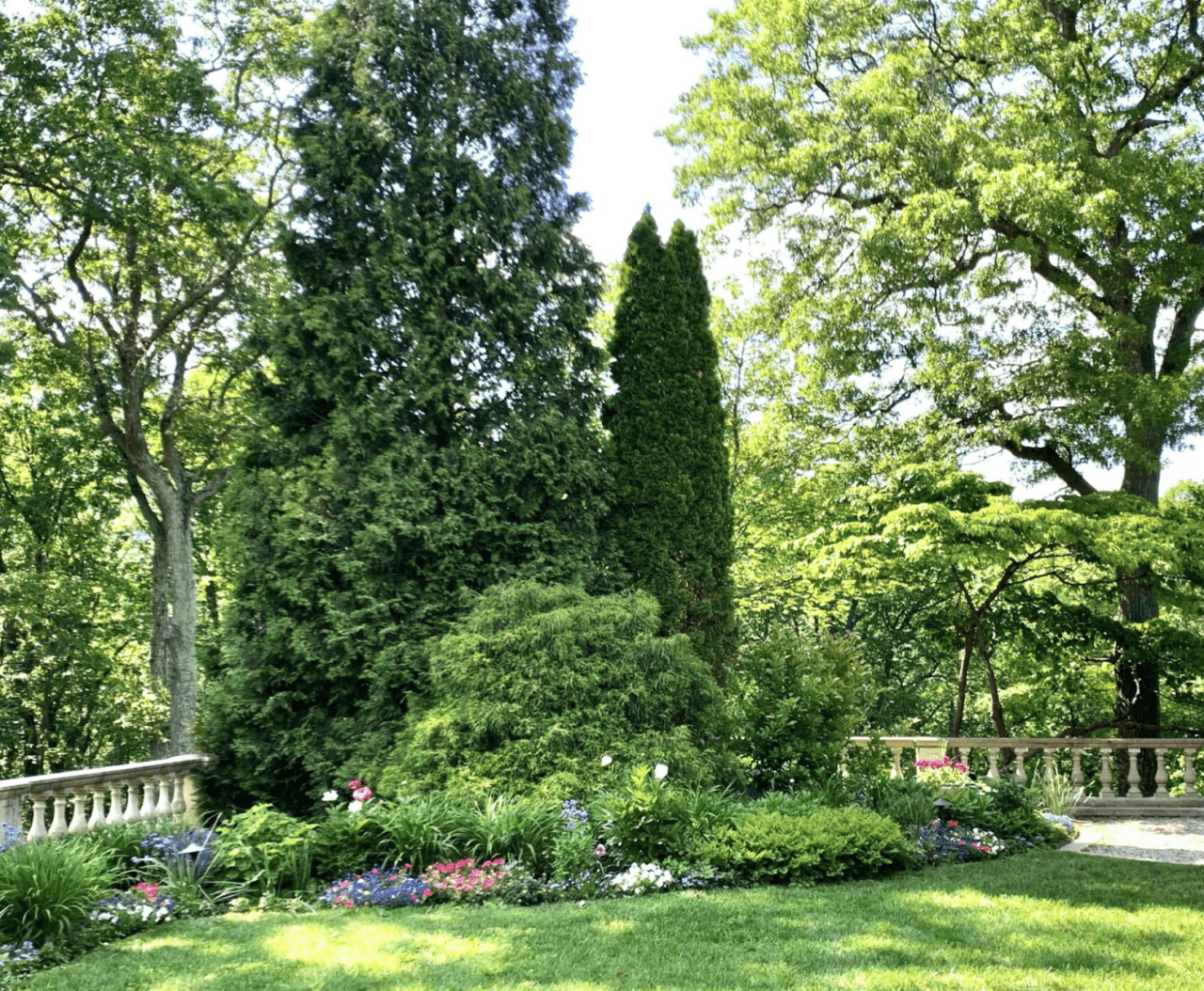
As the eastern hemlock (Tsuga canadensis) dies away from disease, pests, and droughts, I have been replacing their once critical habitat for birds by planting American arborvitae (Thuja occidentalis), American holly (Ilex opaca) and eastern red cedar (Juniperus virginiana). These evergreen native plants, as well as non natives* like yews (Taxus baccata), cypress (Cupressaceae family) and Norway spruce (Picea abies), create not only important “visual anchors” in my formal and informal garden designs but they offer dense, year round hideaways for birds seeking cover from the elements and the raptors.
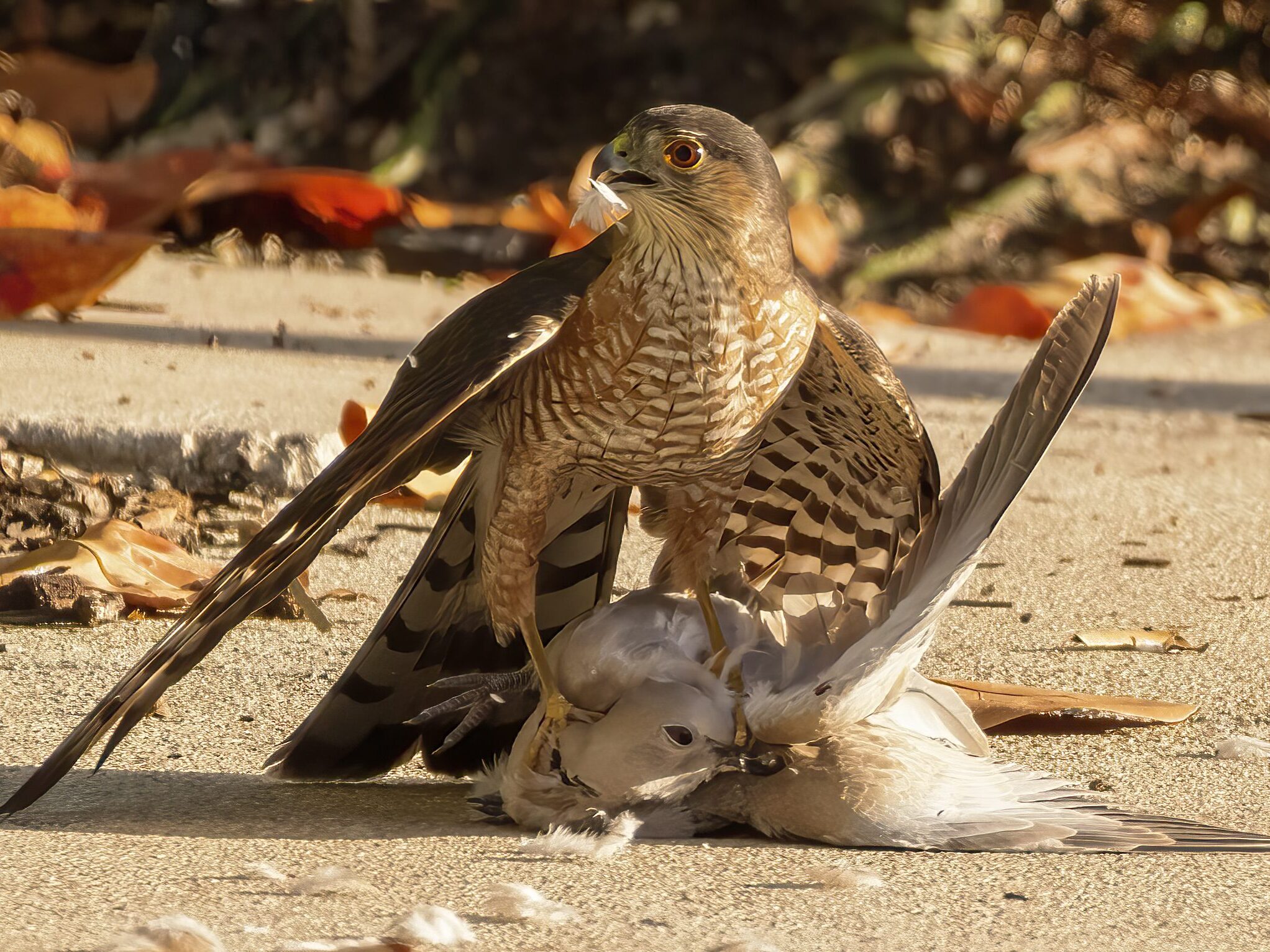
I recently watched a Sharp-shinned Hawk (Accipiter striatus) fly into a yard, chasing the other birds into a nearby large yew. The hawk stood on the ground near the shrub, and looked at it. Suddenly, he threw himself head first into the bush and, as though they had been shot out the other side, the little birds escaped. The hawk was too tangled up to pursue, and breakfast was soon hiding out in another, larger clump of evergreens.
While a bird bath or feeder placed close to evergreens will create a safer stopping point, simply planting a small group of these trees and shrubs will encourage birds to stop by and stay. Year round, I look at the bird activity associated with the arborvitaes, and realize they have become highrise bird condominiums.
In the last four years, I have recorded over sixty bird species in one particular backyard, and I’m certain that it is because I created a safe, evergreen environment that they can call home.
*We recognize all trees have value and we strongly promote the use of native species in the landscape.
Predation Happens, Let’s Make Human-Caused Deaths Less Likely
Predation is a constant challenge for many birds. This is one reason why structuring our spaces to mimic natural habitat is an important step. Areas that birds can quickly move towards to hide or escape a hungry raptor or a clever tree-climbing fox, is critical. And, while it can be hard to witness predation, it is a natural outcome in any landscape. Creating ecosystems means supporting natural pecking orders. Predation happens with or without human intervention. By recreating the natural habitat which has been lost in your area, you are maximizing the likelihood of supporting relatively natural balances of predation and survival.
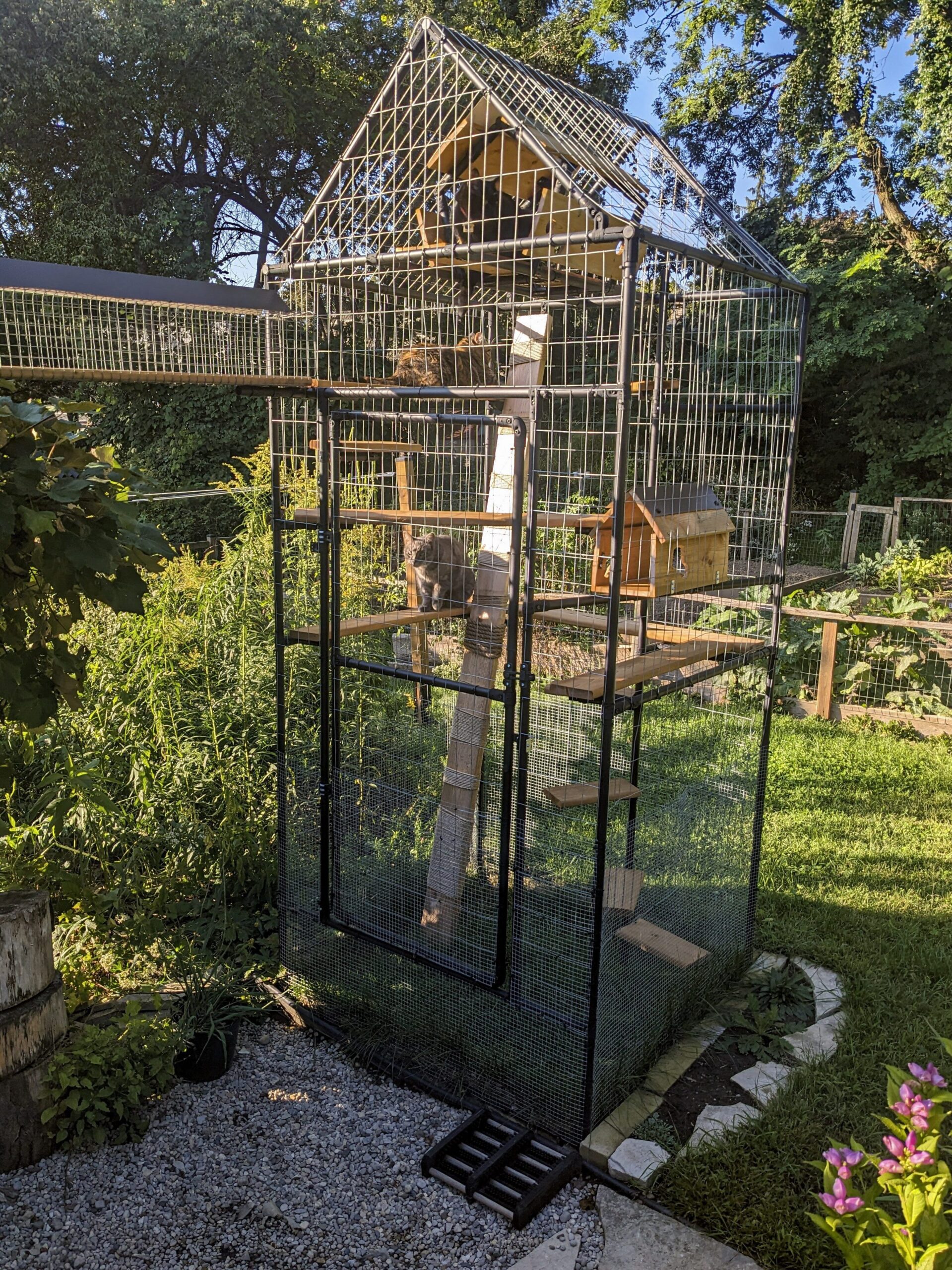
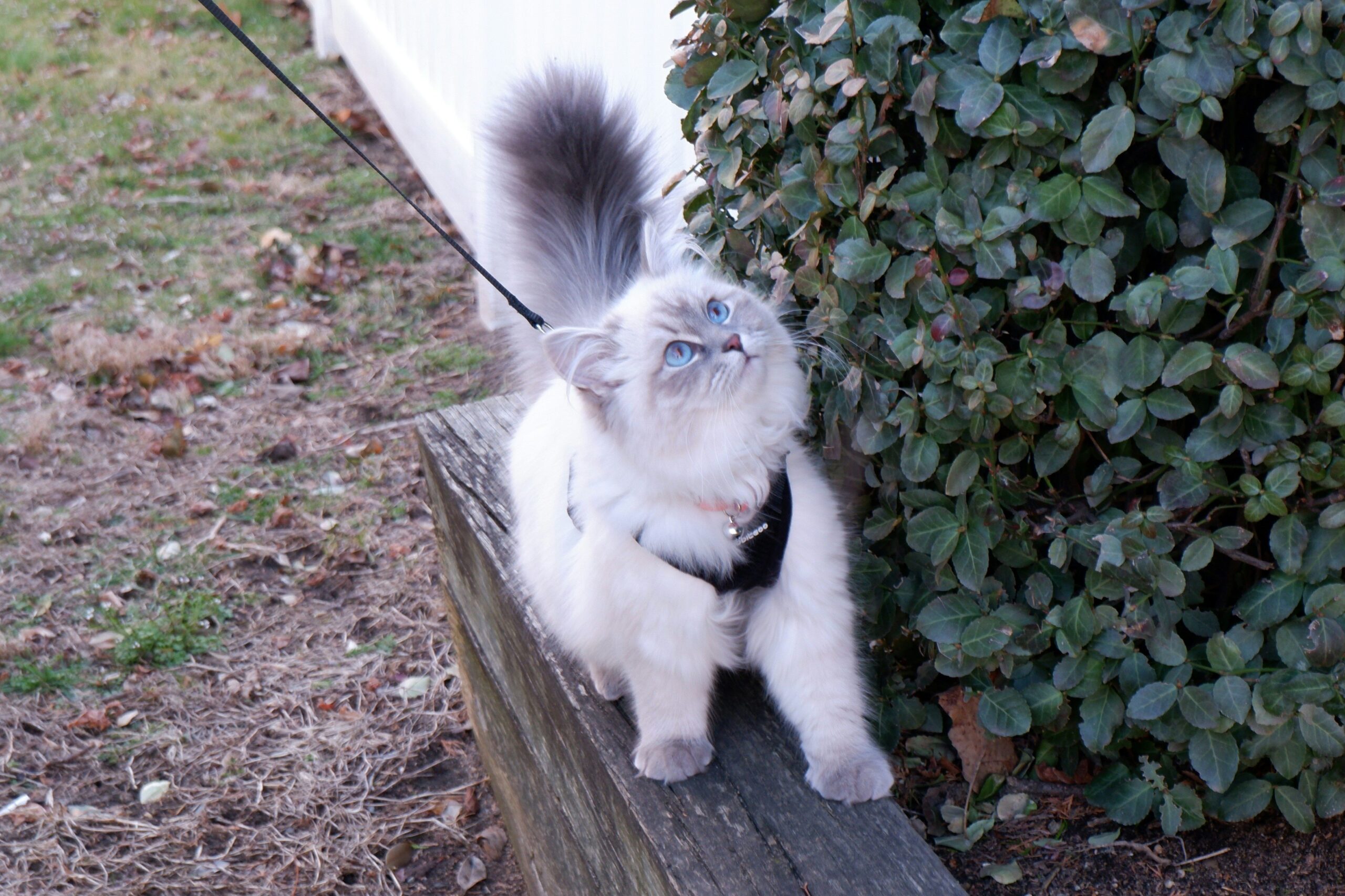
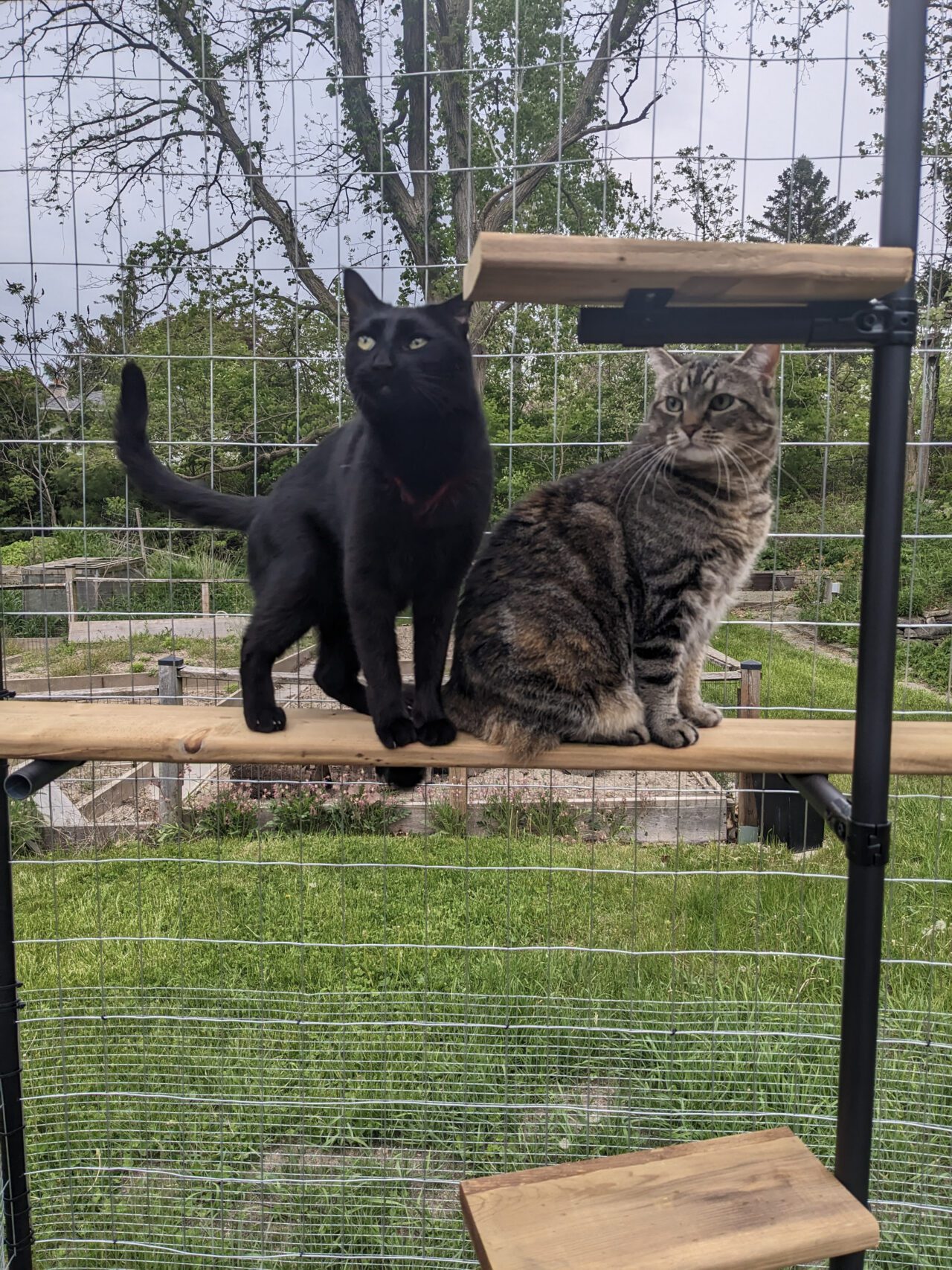
That said, predation or death that is human-caused should be minimized. A simple decision is to not let your cat outside unattended. Cats are a significant cause of artificial, annual bird mortality. We love cats, in fact all of us who work on Garden for Birds own indoor cats, and we know they love sunshine and fresh air. Catios are a clever solution. Leashes sometimes work. Or, if your cat is happy to lounge and not dart off, enjoy time together outside on a sunny day. Exploring new ways to connect with your cat and making sure they have lots of enrichment in their indoor space can make the transition to indoor life more successful.
Glass & Lights –The Problem and Solutions
Glass windows, doors and railings, the #2 cause of artificial bird deaths are another aspect of our built environment that pose safety risks to birds. Birds see in similar ways to humans. If you look at your windows from the outside and see a tree or sky, that is what birds see and they often fly towards the naturescape — with often tragic results when we hear that sickening “thump”.
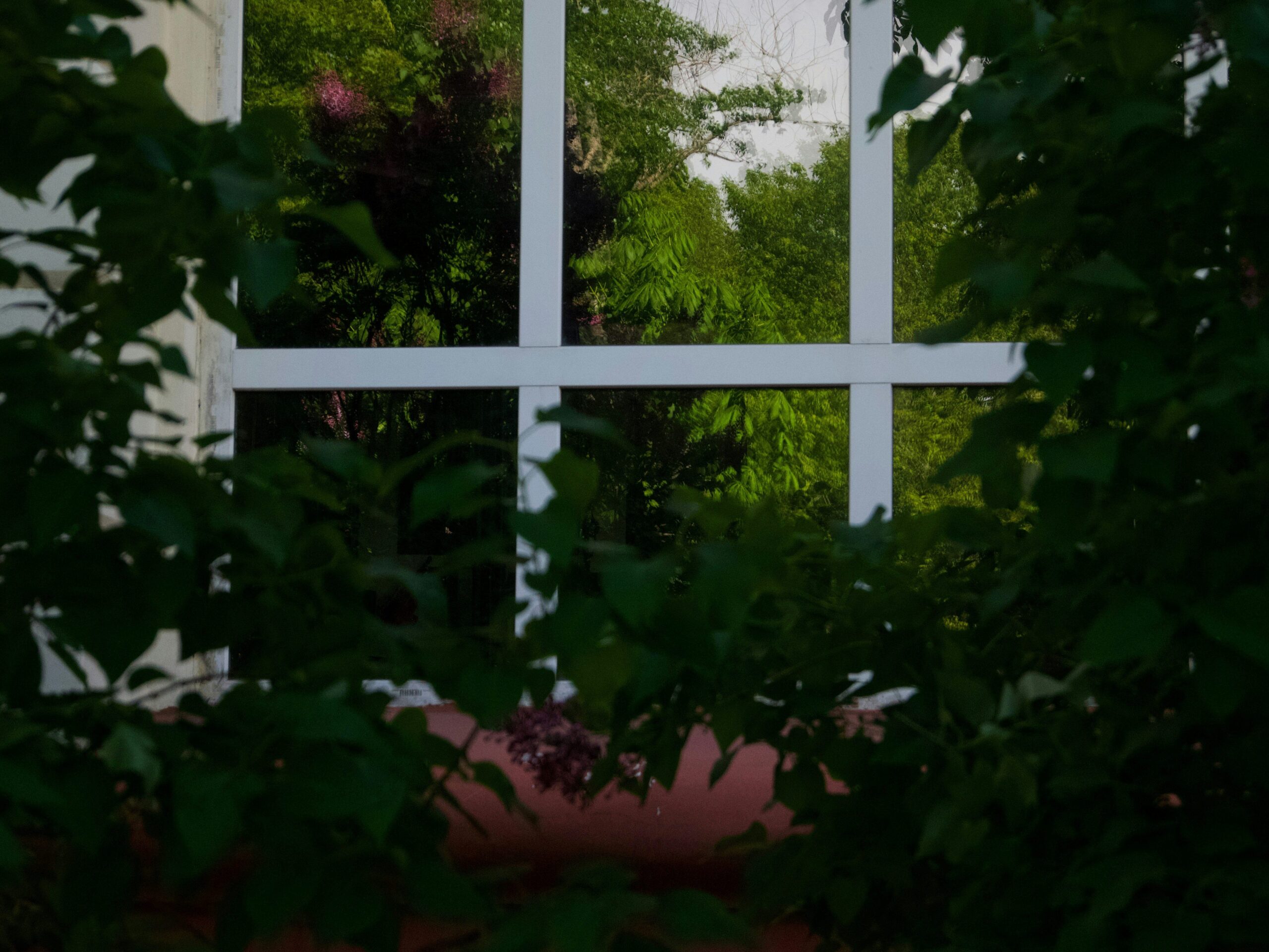
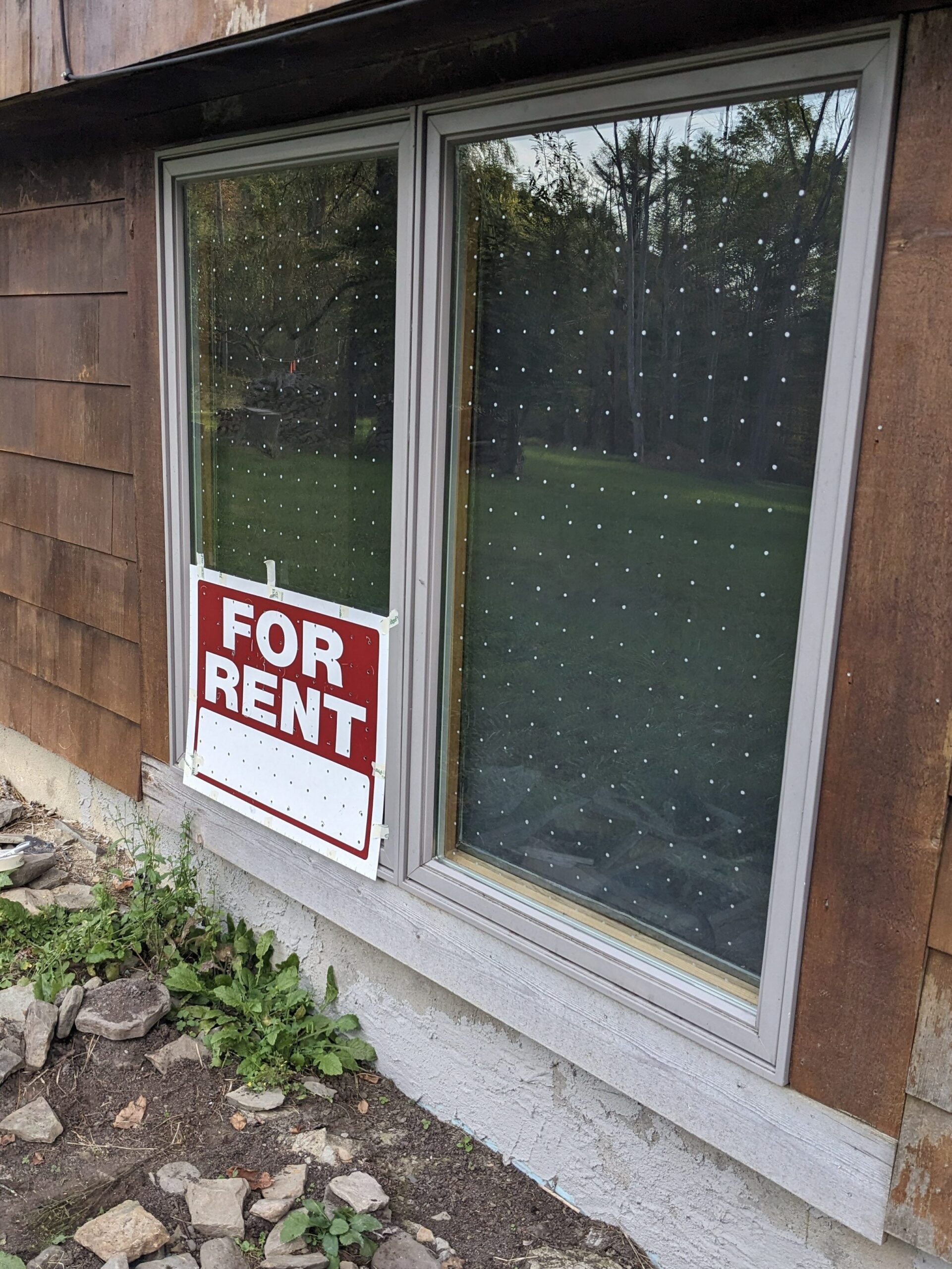
We can minimize the risk to birds colliding with our windows by protecting them with a variety of options, many of which are very affordable. If we attract birds to our properties with native plants, then we should do our best to keep them safe from our glass. Treating our windows with solutions that allow us to have a view, but protect birds are affordable and attainable.
Protecting birds from glass collisions by day is important, but thinking about our nighttime visitors is vital too. Many birds migrate at night, and are easily disoriented by artificial lights. Nocturnal animals including fireflies, moths, and some mammals are negatively impacted by artificial lights as well.
Try to minimize lights at night – turn off unnecessary lights, and select fittings which keep the light pointed downwards and which prevent so-called “light trespass”. Light trespass is when light “spills over” to areas which don’t need to be lit. Selecting light fittings and locations carefully with this in mind helps a lot. Softer, yellow lights are generally less harmful to wildlife than “colder”, bluer lights, and perhaps surprisingly, dimmer lights can actually be more effective at providing safety illumination than more blinding, bright lights.
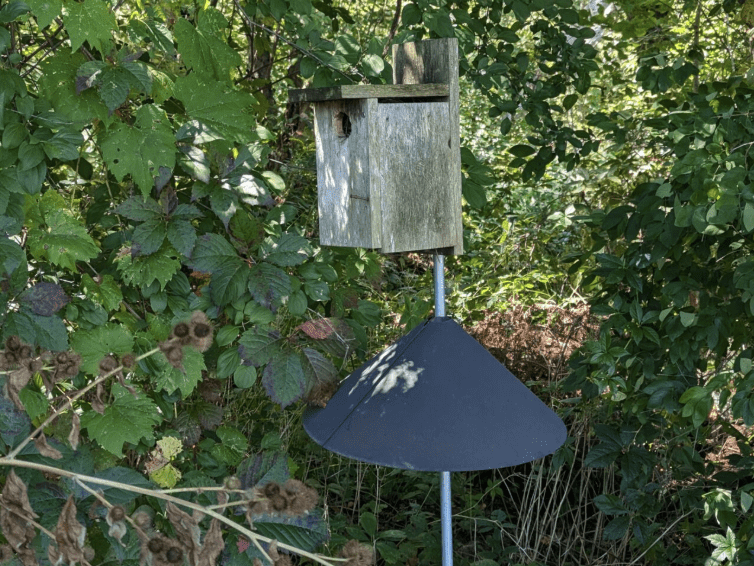
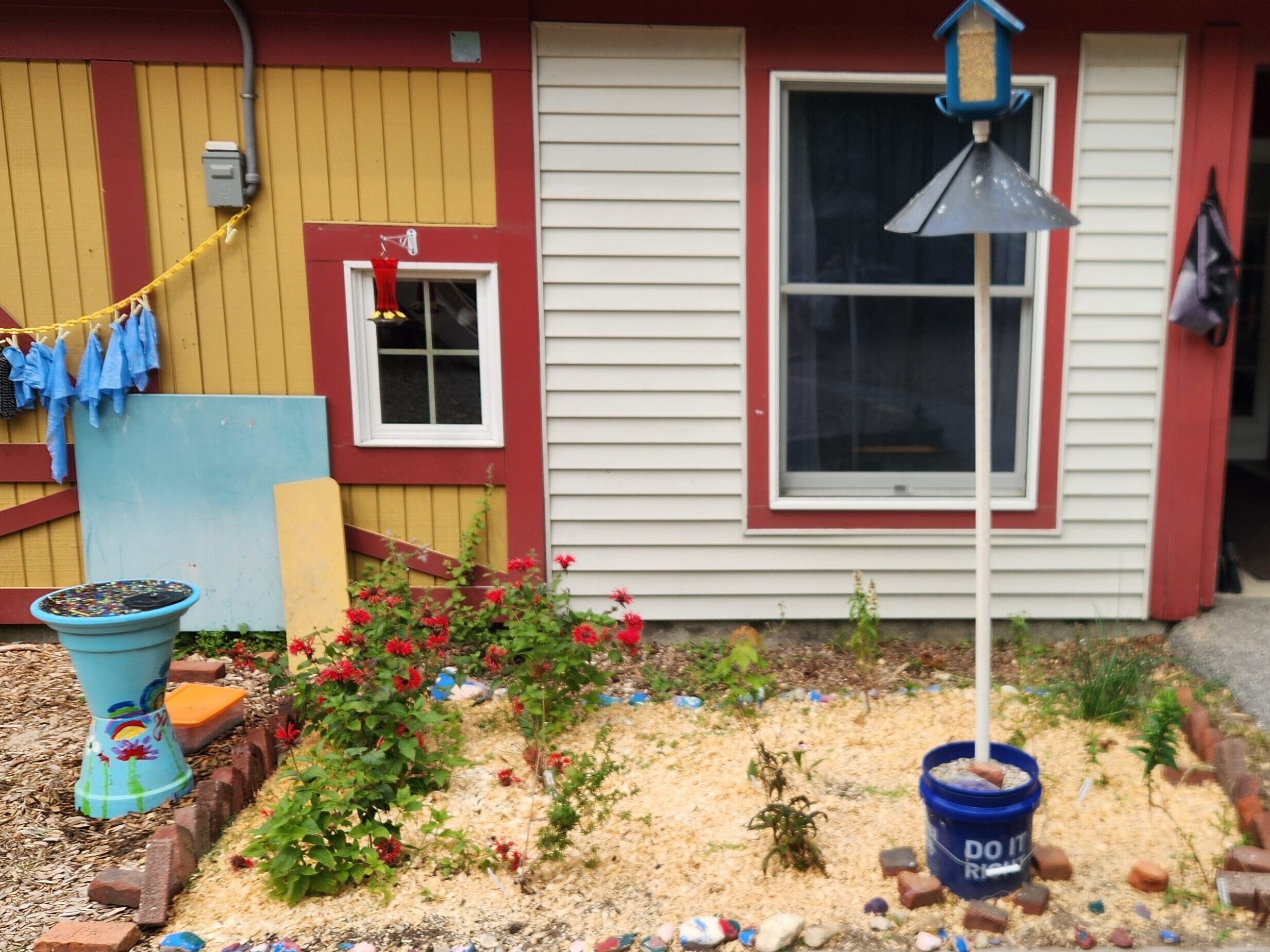
Whether you have a little planter or several acres, or something in between, you have the opportunity to create a vital stepping stone or a valuable haven for birds and other wildlife. Actively integrating bird safety considerations into your planning and management of your outdoor space is incredibly rewarding – and increasingly important for our feathered friends.
Stay Connected
By subscribing to stay connected to Garden for Birds, you agree to receive communications from the Cornell Lab. You may unsubscribe from the communications at any time.