Participate
It’s Easy!
Our monthly emails will help guide your habitat creation!
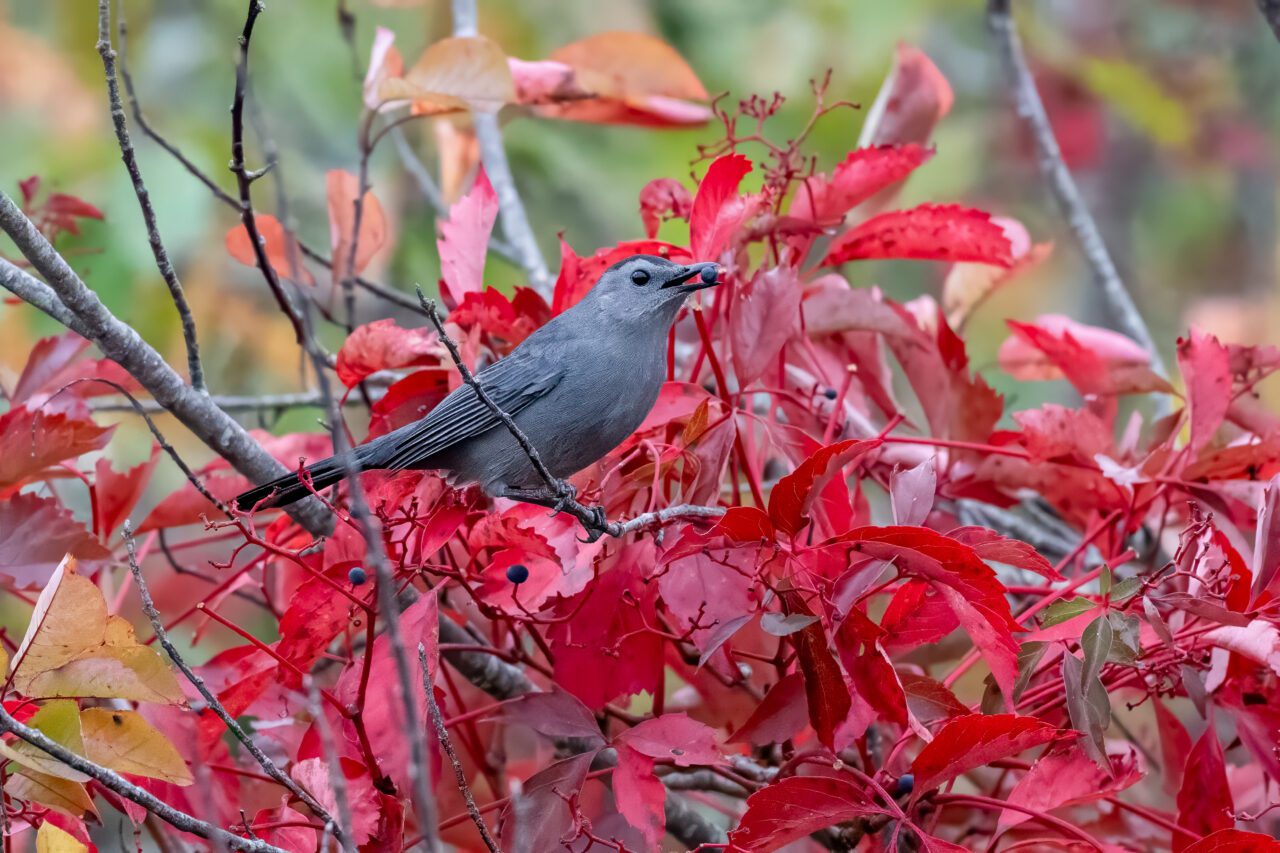
I watched with delight as phoebes swooped back and forth catching bugs in the spring and summer.
Will Kurtz, Garden for Birds Participant
Pick a Spot & Add a Plant (or Many Plants!)
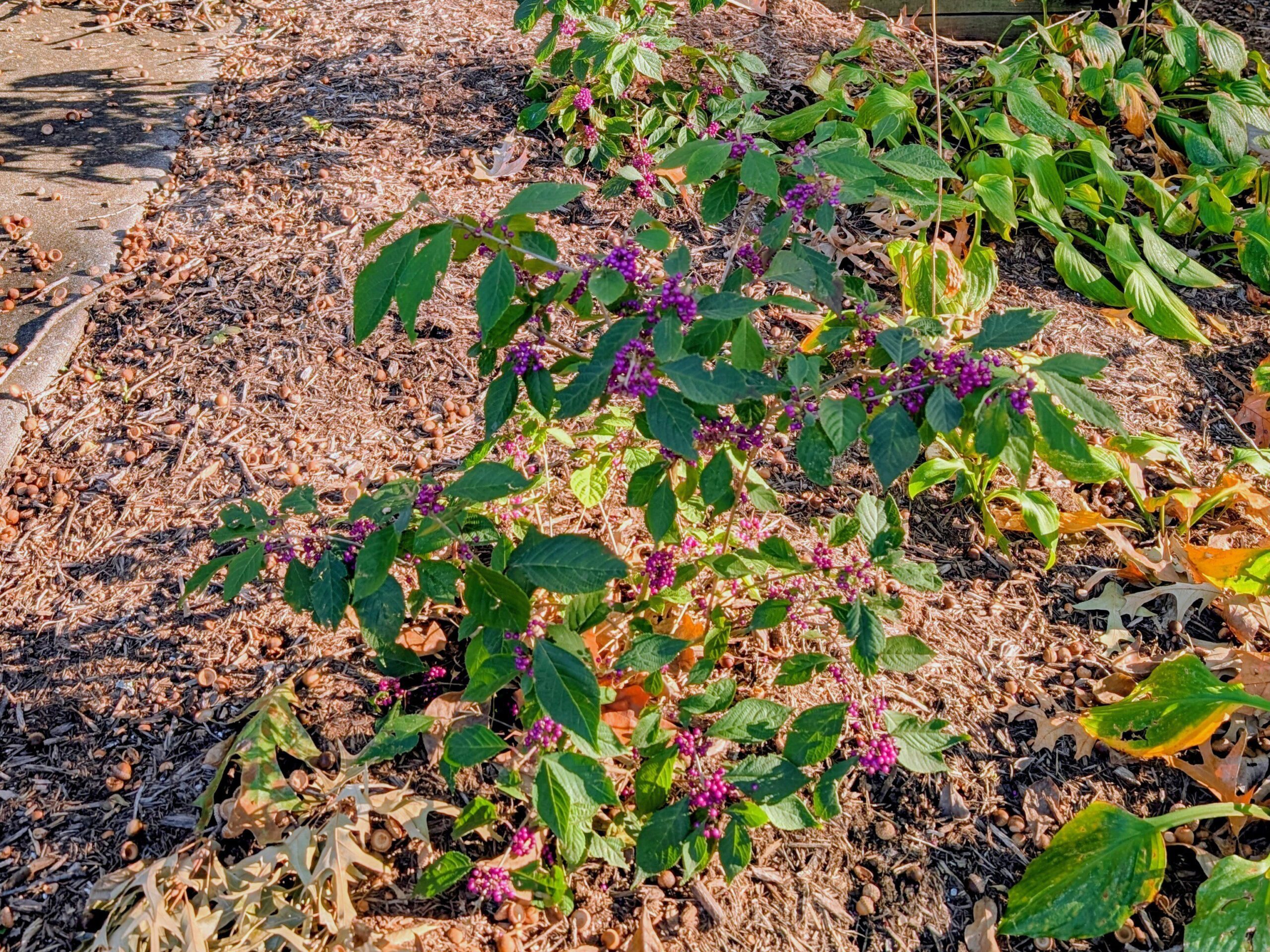
Whether you are a seasoned gardener or a beginning green-thumb, we invite you to join Garden for Birds and get planting! Your charge is to add at least one native plant a year (minimum). Our monthly emails will guide you in regional native plant additions to consider. We’ll also provide ideas of bird-friendly habitat features for your landscapes. As your knowledge and comfort grows, so too will your habitat by attracting more birds and biodiversity. There are always new plants to add or more gardens to create! You’ll be in good company with people all over the U.S. and Canada who want to support birds. Together we can bring the birds back.
Share Photos
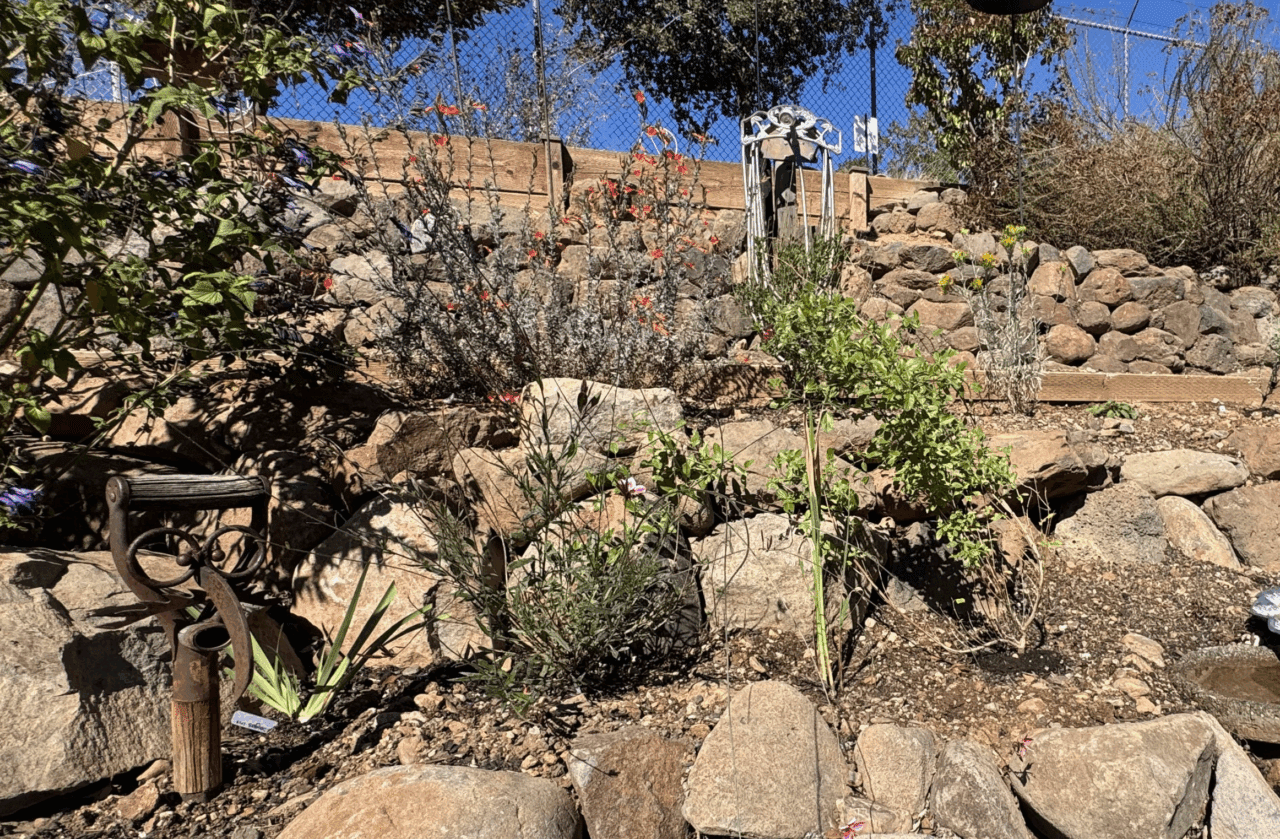
Each season we’ll ask people to share photos of their gardens, bird-friendly habitat features, and favorite shots of new plant additions. These images act as proof of concept as well as inspire others who are on a journey to create better habitat.
Monthly Activities
In our monthly email, we’ll share a recommended list of activities, stories, and links to join webinars. We’ll explore the latest research, resources, and anecdotes to help you continue to support birds at home and in your community.
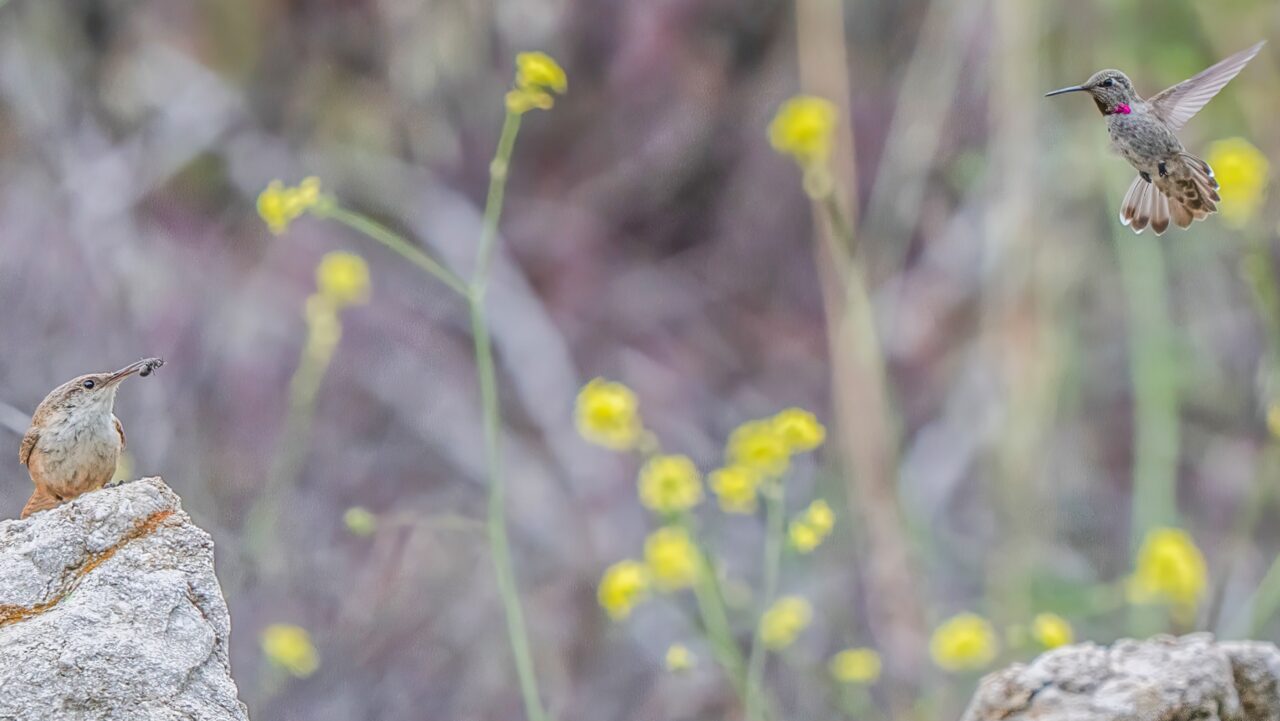
Keep Track of Your Birds Through the eBird Garden for Birds Project
The more resources you provide, the more wildlife will be attracted to your property. Let’s document them! By creating eBird checklists you are aligning how your changes in landscape may be affecting bird biodiversity. If everyone planted for birds, we might begin to see bird populations rebound.
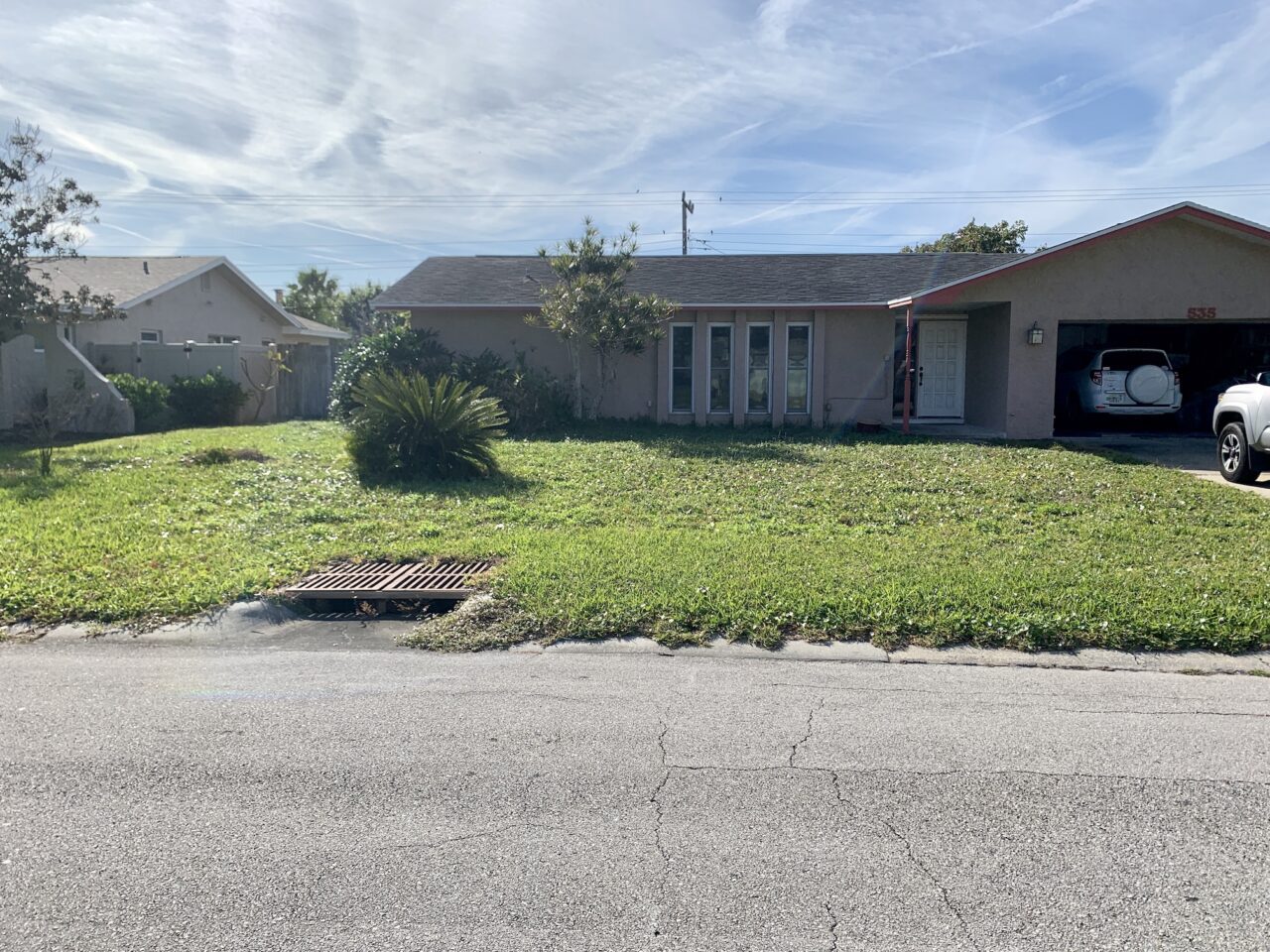
Before
After
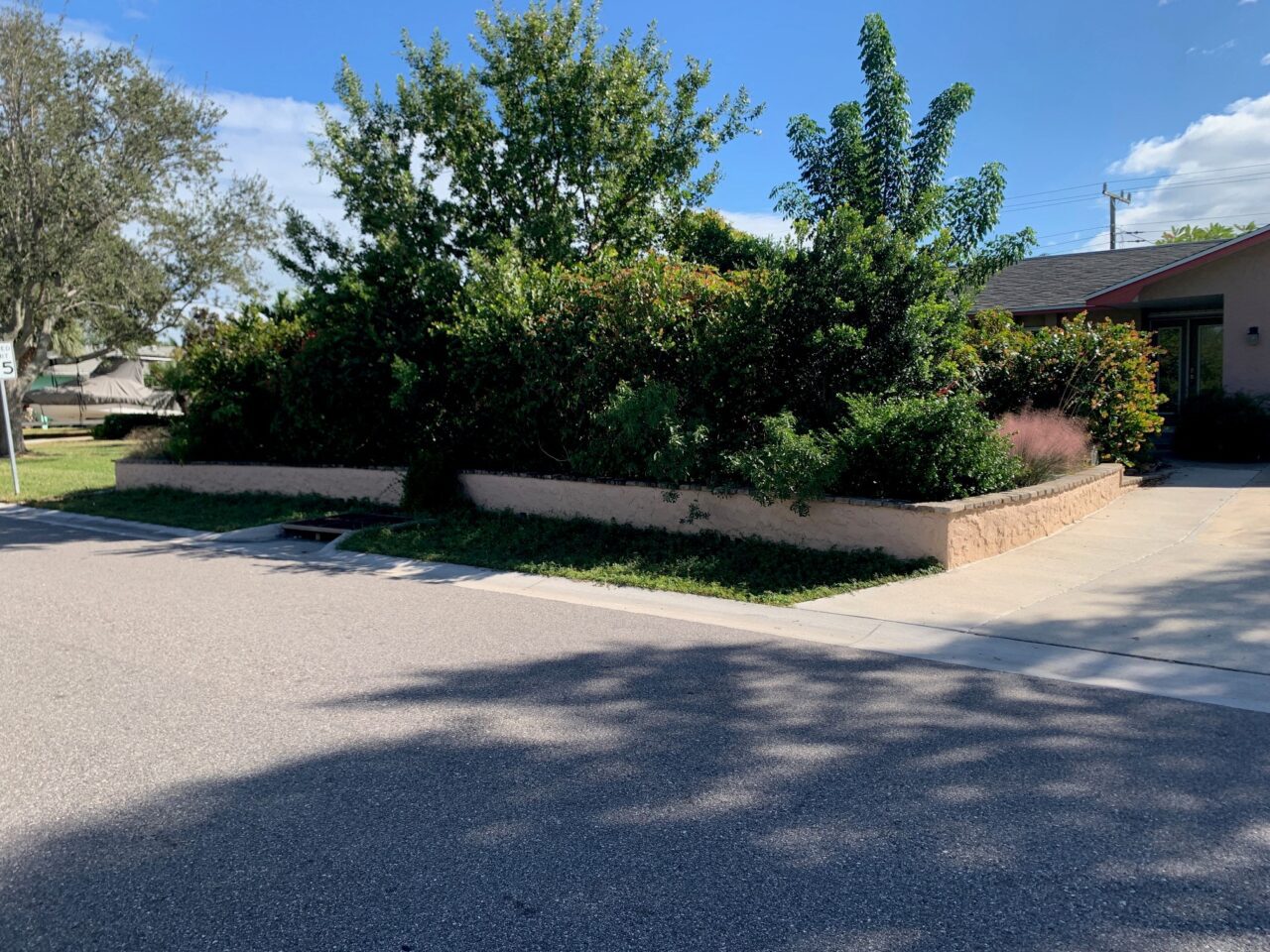
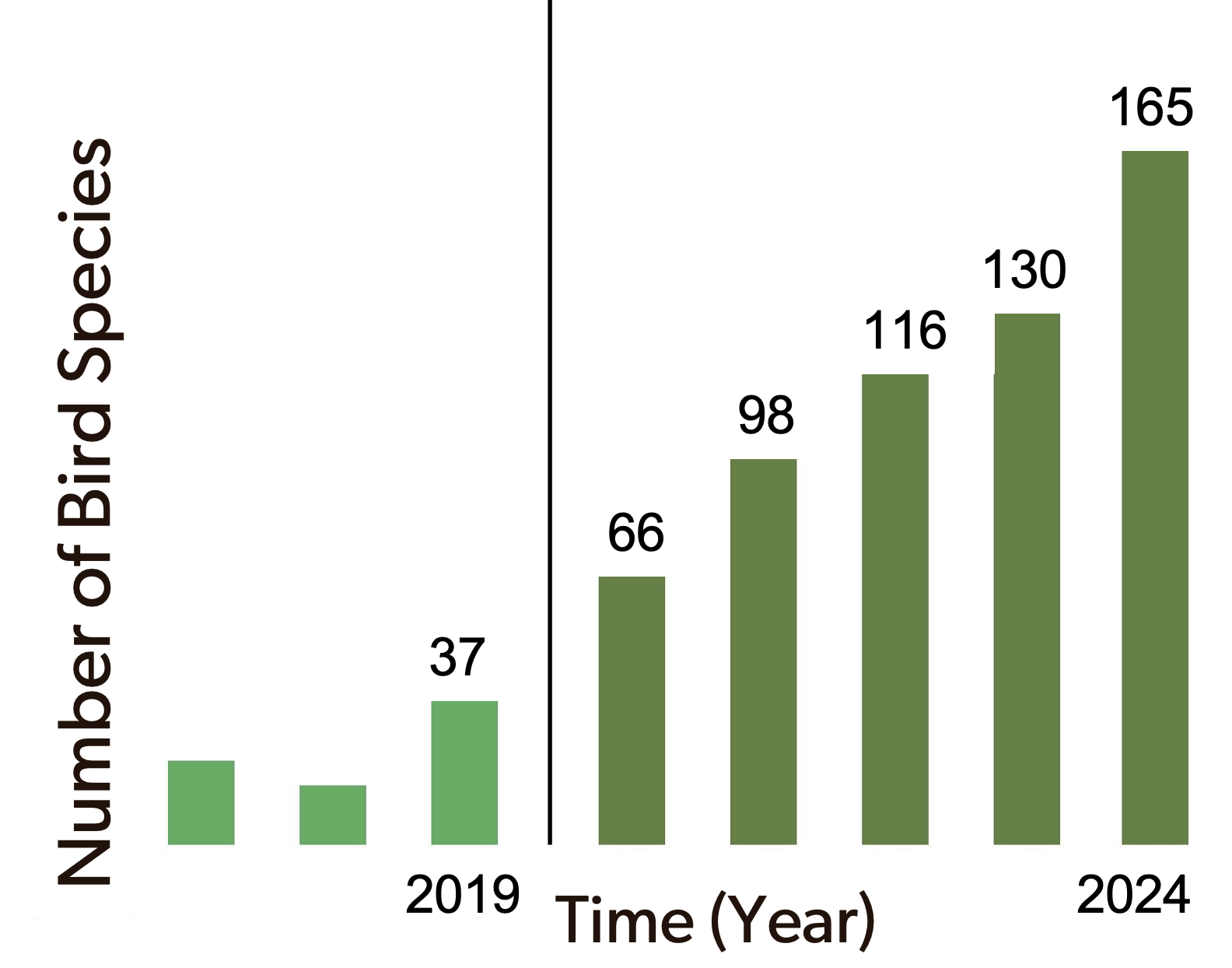
Take this gardener in Florida who became serious about adding native habitat in 2019 when they only saw 37 birds on their property. After adding native plant gardens, this number grew each year, reaching 165 species in just five years! This can be your story, too.
We also encourage you to add media to eBird checklists, documenting the habitat and birds that visit your gardens.
Stay Connected
By subscribing to stay connected to Garden for Birds, you agree to receive communications from the Cornell Lab. You may unsubscribe from the communications at any time.