March
Growing conditions still vary significantly depending on where you live in the U.S. or Canada. Review the checklist below and see what resonates with you and for your space. Don’t worry, you don’t have to do everything all at once!
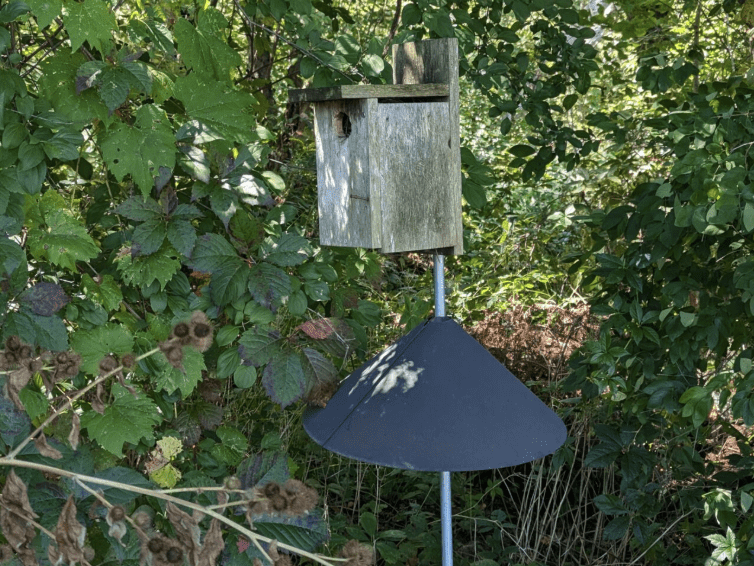
Adding nest boxes or leaving dead or dying trees standing (only if they do not endanger people or structures) is a great way to encourage birds to nest in your space. Make sure, however, you install boxes properly – add a predator guard, and pay attention to which direction the entrance faces. Different species prefer different orientations!
Garden Checklist
Use the guides below on activities you can do now in your area. Gardening is a journey and not everything can be done at once or in one year. So pick and choose where to focus for this growing season!
Warm Regions:
Southern U.S. Regions
- Join eBird Garden for Birds Project
- Share your birds as migration begins — what’s visiting your garden?
- Learn how to join and why it is important.
Cool Regions:
Rest of Regions in U.S. / CA
- Delay your garden clean-up.
- Even if temperatures are warming, leaving resources in place for as long as possible will provide foraging for birds and time for some insects to emerge.
All Regions:
- Register for Designing Your Garden for Birds on Sunday, March 8, 5 p.m. ET / 2 p.m. PT.
- See Habitat Photos from 2025 for inspiration.
- Take a planning picture and upload it.
- Identify where you will plant your plant(s).
- Consider what to plant & where to get your plant(s).
- As a first choice, we always recommend sourcing plants from local native plant nurseries. Or, friends that have native plants to share!
- These vetted resources can help.
- Bookmark Garden for Birds calendar.
- Clean out nest boxes or install one.
- If you install a nest box add predator guards to protect nestlings.
- Protect your windows and other glass from bird collisions.
- Migration is starting in southern regions. Make sure your windows are visible to birds.
- Take your Wildr Score.
- Find out how much biodiversity you are supporting. This will provide a baseline before making habitat changes.
Featured Plant & Bird
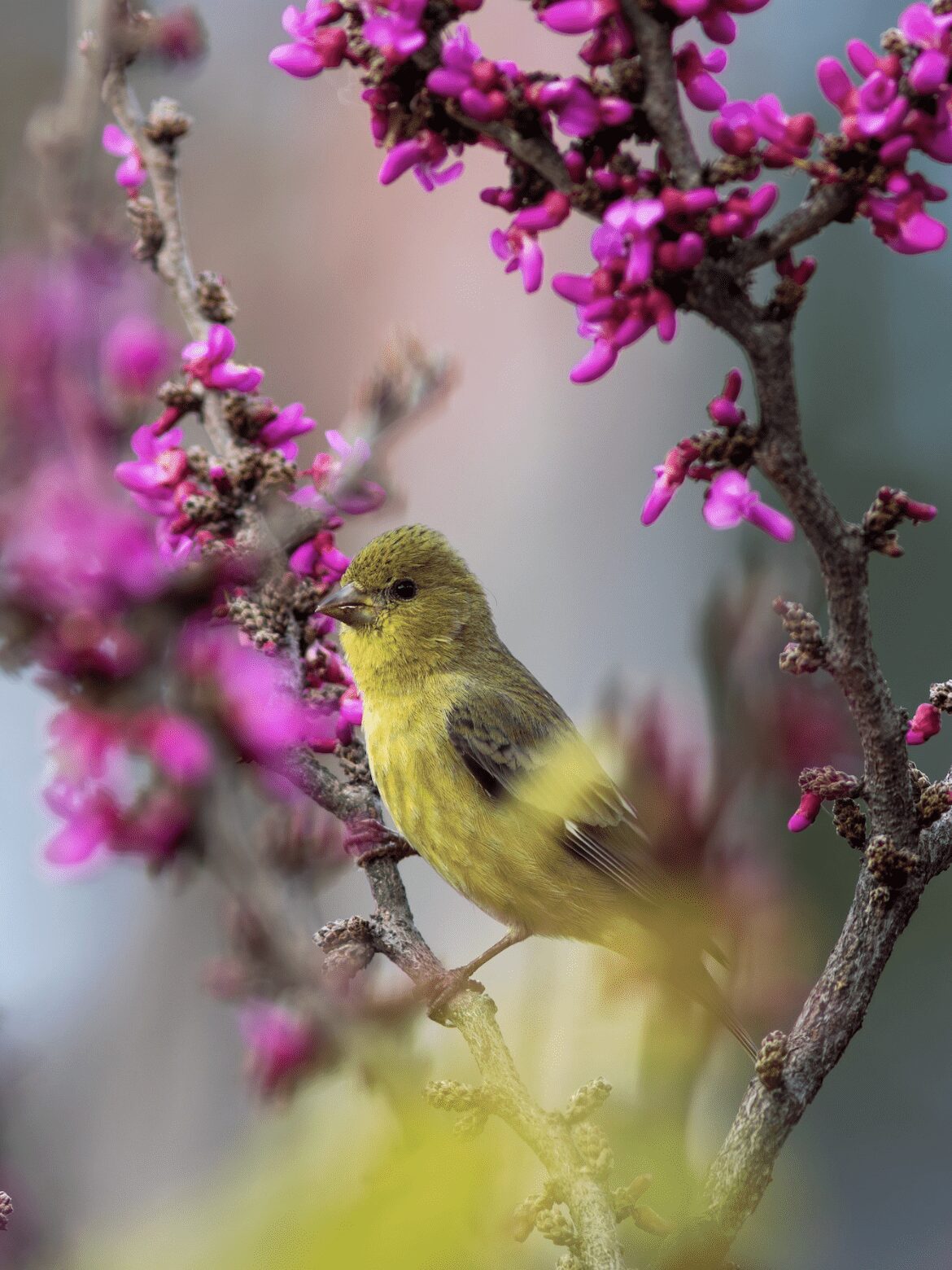
Common Name: Western Redbud
Scientific Name: Cercis orbiculata
Native to: AZ , CA , NV , UT
(Various Redbud species are native to almost all parts of North America. Search for those native to your region.)
Plant characteristics: Small, early blooming deciduous tree with bright fuchsia flowers followed by edible pods in the summer.
Growing conditions: Tolerates all light and soil conditions and is frequently found on canyon slopes and foothills.
Benefits to Birds & Biodiversity: This tree buzzes with bees. During peak bloom you can “hear” the activity. Butterflies can also be found nectaring on the vibrant flowers. Birds love to hunt for insects in this tree, sometimes eating the blossoms and certainly enjoying the summer seed pods.
Additional Resources
- Review our resources pages for topics of interest from the beginning gardener to experienced.
- List of our favorite places to do native plant research.
- Audubon Native Plant Finder Tool.
- Birds Canada Native Plant Tool.
Stay Connected
By subscribing to stay connected to Garden for Birds, you agree to receive communications from the Cornell Lab. You may unsubscribe from the communications at any time.