
It’s All In the Chemistry
How Your Native Plant Garden Blossoms
By Calyssa Orellana

Picture the luscious magenta blooms of mountain’s pride (Penstemon newberryi) sprinkled throughout Yosemite National Park or the vibrant dark-pink and orange coneflowers (Echinacea spp.) possibly growing against the sidewalk in your neighborhood. What allows native plants to thrive in their drastically unique regions? The answers lie in their remarkable adaptations, insect interactions, soil pH, soil moisture, and water needs.
Native Plants in their Element
Native plants are instrumental to the foundation and facilitation of life on earth, from supporting our global ecosystems to providing nutritious food for millions of families across the world. Native plants make it look easy while performing the most vital tasks; such as producing oxygen, storing carbon through photosynthesis, and playing major roles in water cycling.
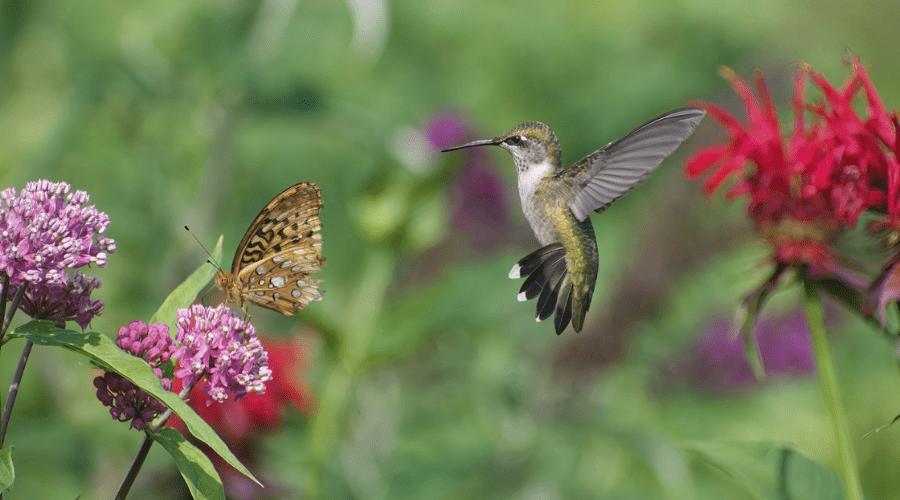
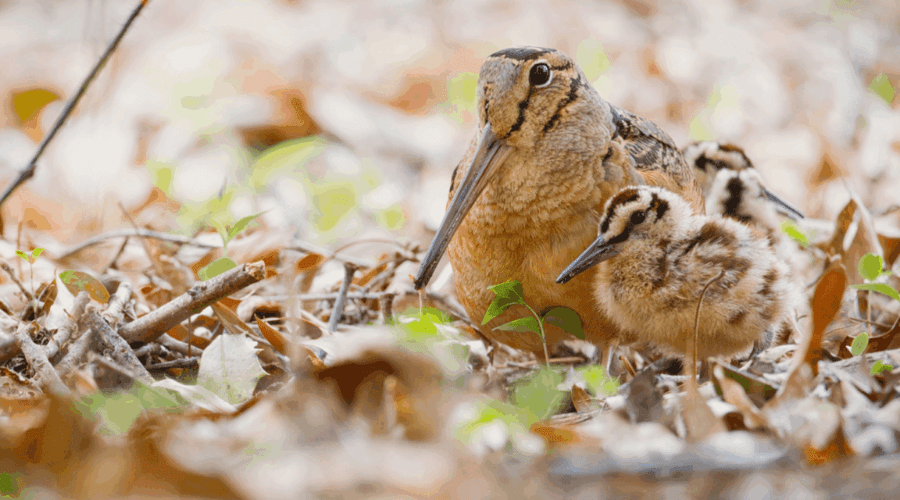
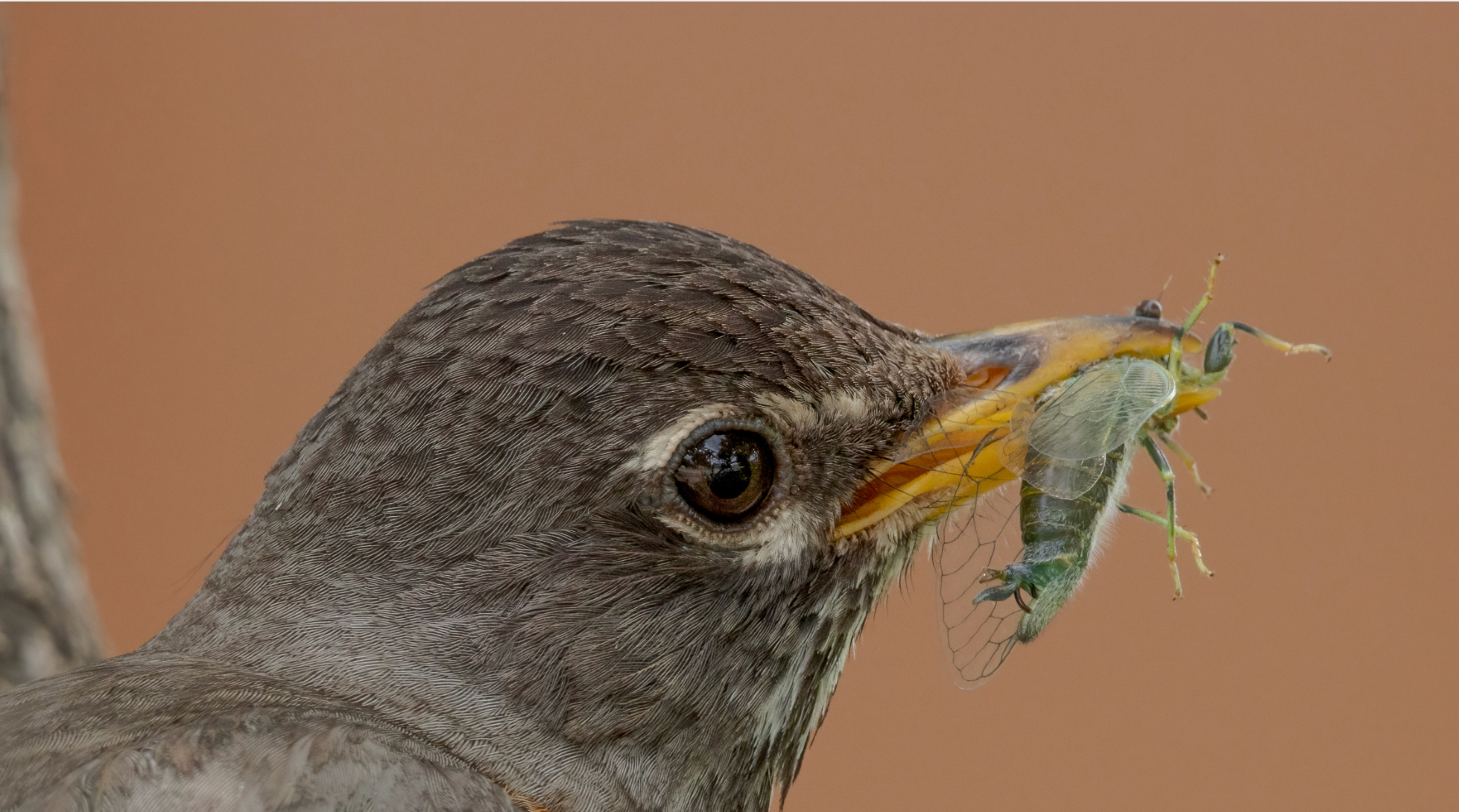
Insects and birds flourish when native plants thrive, in turn supporting industries such as medicine, crop production, food supply and energy production (Oldfield, 2019). Their ability to produce and absorb vital molecules like carbon dioxide and sugars supports human life and our planet’s well-being.
Above all, native plants support food webs and healthy food webs create healthy ecosystems for wildlife and people.
Insects and Native Plants: Nature’s Best of Friends
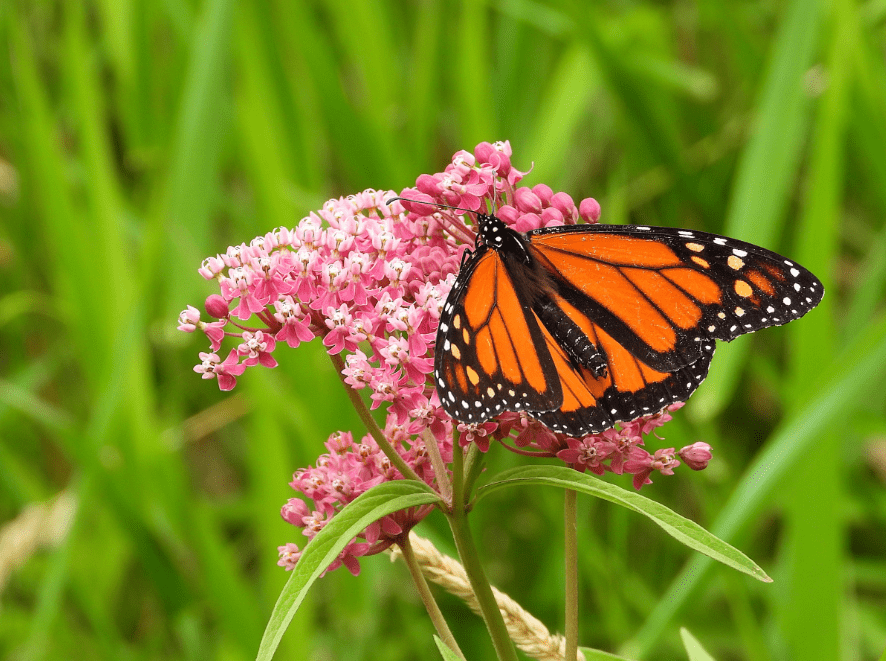
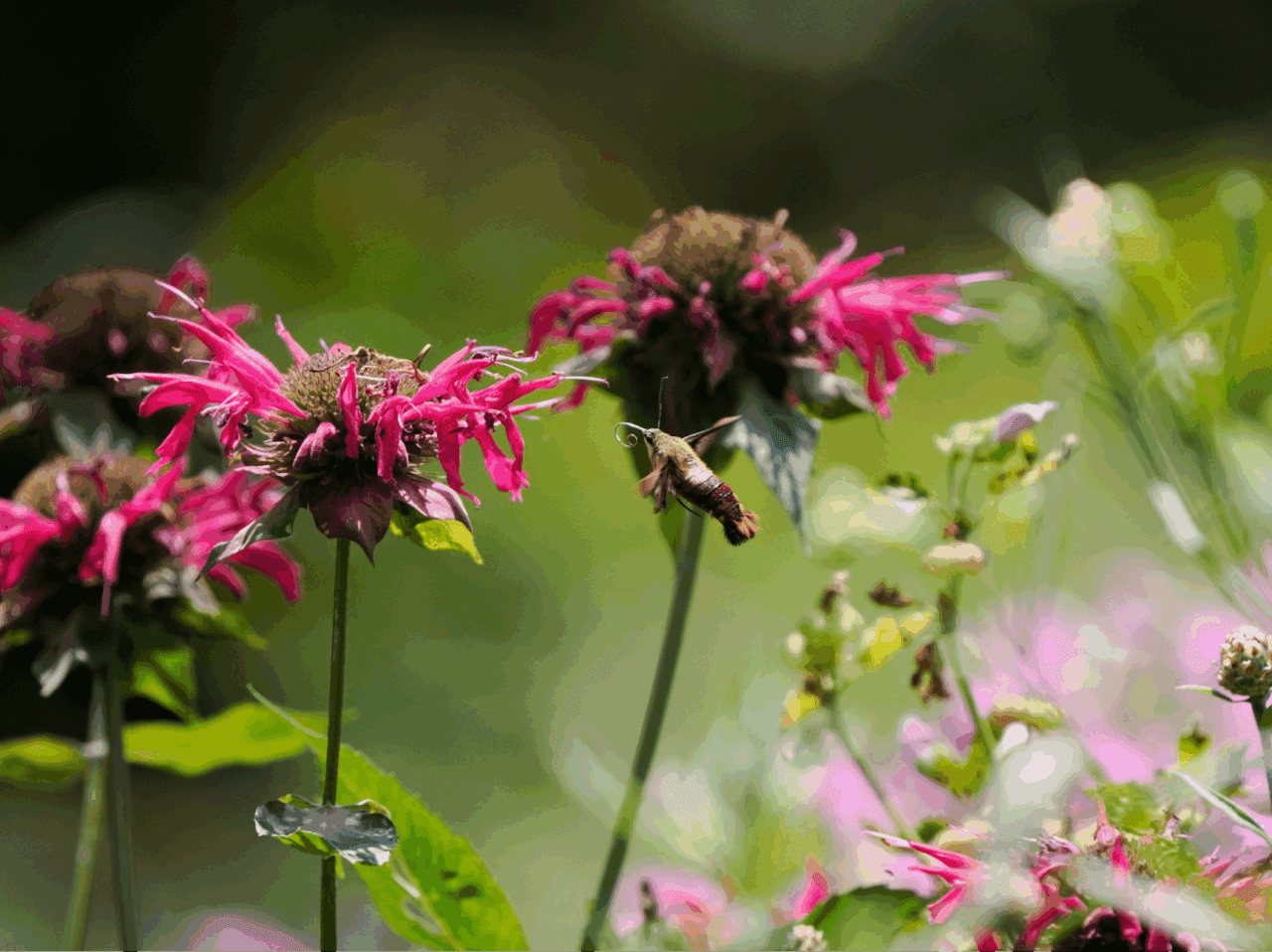
Consider native milkweeds (Asclepias) – the monarch butterfly’s partner in evolution. This group of perennials includes several species that find themselves at home in the great plains, wetlands, woodlands, and prairies of the U.S., having adapted to strikingly different environments over time. Its partnership with the monarch butterfly and other beneficial insects is one of the milkweed’s defining characteristics as milkweed cannot flourish without pollination conducted by insects and birds, and in turn, they cannot thrive without the milkweed’s resources (Holdrege, 2013). Beneficial insects are insects that provide crucial support to plants through pollinating or consuming unwanted pests. Beneficial insects such as the eye-catching red milkweed beetle have co-evolved with native plant species and now harnesses a unique relationship with the common milkweed (Holdrege, 2013).
How Do Insects Co-Evolve with Plants?
Native plants have co-evolved with insects over thousands of years to support each other’s needs. For example, if you have ever ripped a milkweed leaf, you may have noticed a white liquid seep out. This liquid contains toxic compounds including cardiac glycosides to prevent insects from munching on the milkweed’s leaves, yet the red milkweed beetle and monarch caterpillars depend on milkweeds as a food source. These insects have evolved to consume cardiac glycosides without feeling its harmful toxicity: their bodies incorporate the toxin so that other animals are unable to consume them. In exchange for a tasty meal, protection and shelter, the red milkweed beetle will pollinate the milkweed (University of Illinois Extension, 2021). Insects such as the red milkweed beetle are tightly dependent on native plants.
Understanding Your Soil
Digging into soil characteristics, one of its key attributes – soil pH – describes the amount of hydrogen in the soil. It indicates that soil is alkaline with less hydrogen present or acidic with more hydrogen present. The range is from 0-14 where 7 is considered neutral and 0-6 is considered acidic, while 8-14 is considered alkaline. The pH of the soil impacts the availability of elements such as nitrogen, calcium, and magnesium by making the elements more or less soluble and thus, controlling its dispersal into the soil (Neina, 2019). For instance, rhododendrons and azaleas have evolved to thrive in acidic soil conditions because they require iron, which is only soluble in soil that has a fairly low pH (Soil Nutrient Analysis Laboratory, 2021).
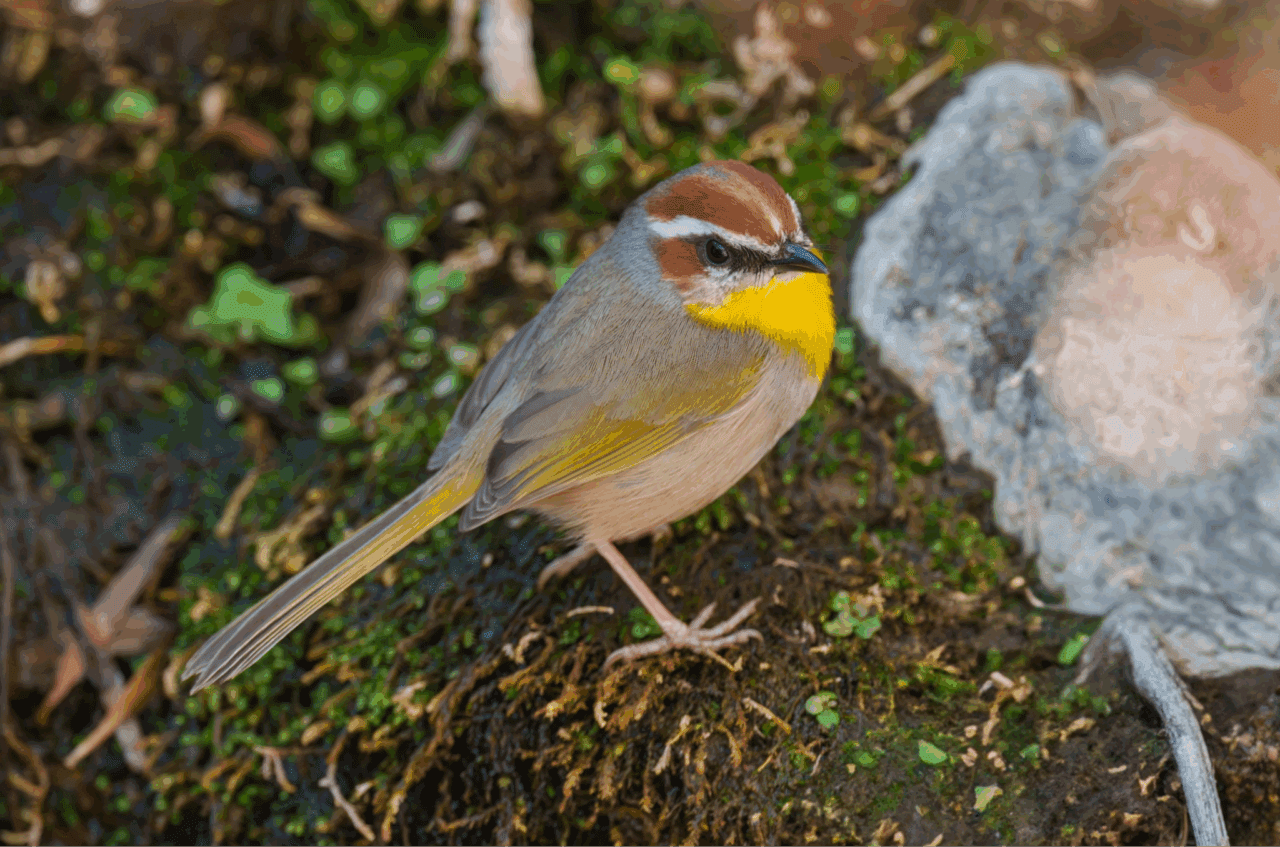
Soil pH varies from backyard to backyard. Native plant species of your region are well equipped to prosper in the pH of your region. Apart from nutrient availability, soil pH impacts the soil’s own chemical and physical composition and qualities, which in turn can influence plant growth (Neina, 2019). Choosing native plants is your best bet for success in your regional soils because of how native plants have evolved to succeed in your soil’s pH.
How Much H2O Is In Your Soil?
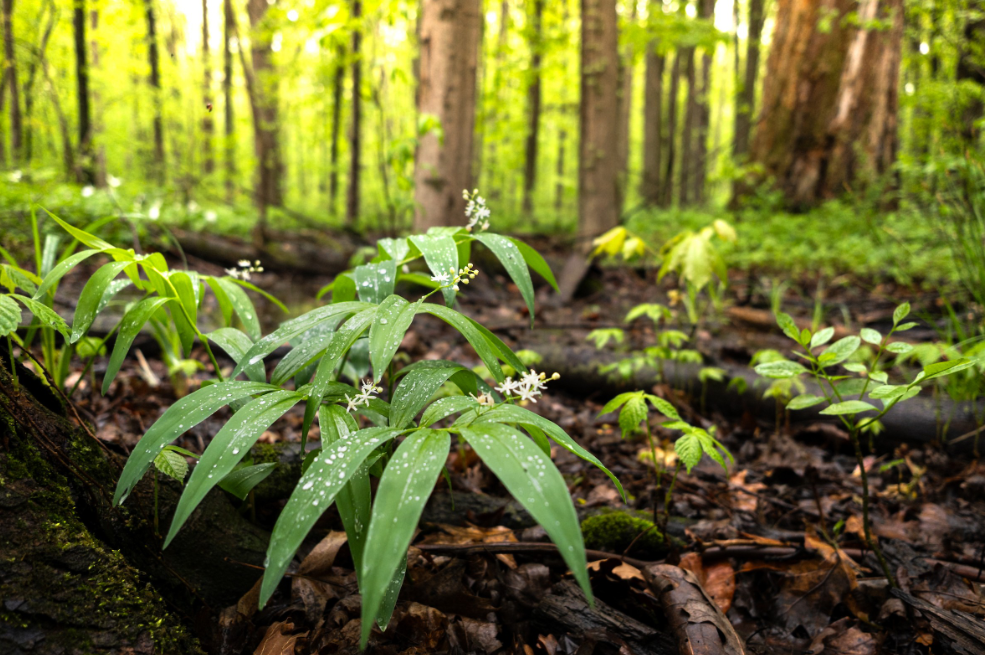
Soil moisture is another influencer of plants as it directly regulates nutrient availability and transportation, along with plant growth. Soil with a lot of coarse sand or gravel cannot hold much moisture for long, and so plants growing on these soils have evolved to be drought-tolerant, or have found ways to access moisture via deep taproots. In contrast, other soils are dense, with a high clay content, which retains moisture very effectively. Plants growing on these soils thrive in wet, even waterlogged conditions. Your soil may be loose and quite sandy, or compact and clay-like or even a mixture, but they can all support specific native plant life – you just need to find the right plant for the right spot.
Plant species are able to leverage soils’ varying degrees of water retention, physical structures, and nutrient density to best support their development (Prairie Nursery). If you are not sure what kind of soil type you have, perhaps take a look outside to feel the texture of your soil, observe how quickly water drains when it’s damp or explore one of many at home soil tests such as the ribbon test or jar test. As a general rule of thumb, native plants of your region are always the best equipped to handle the landscape conditions because they have undergone millions of years of evolution that has changed their physical characteristics, so that they can grow in the specific soil moisture of your landscape.
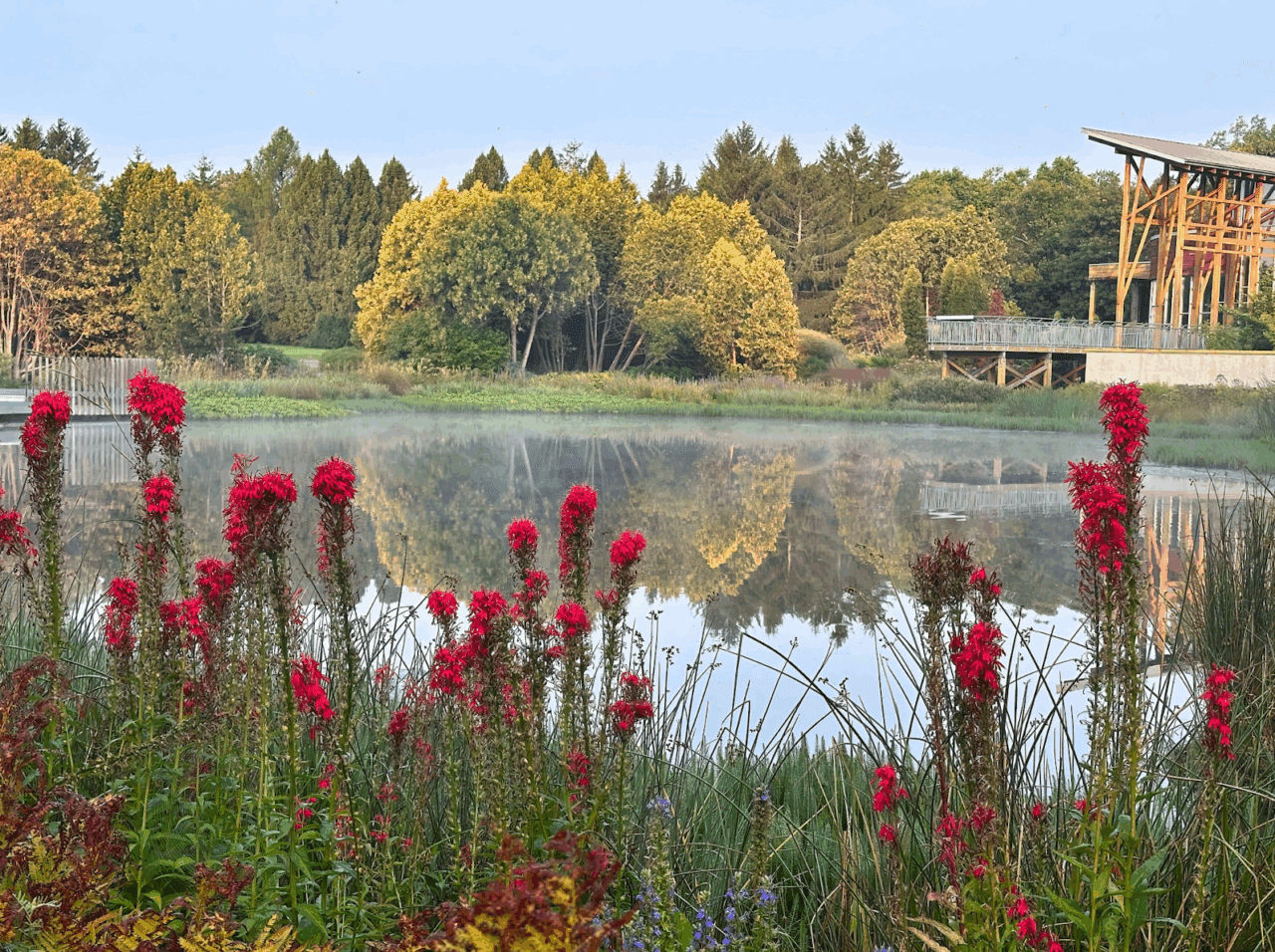
- Royal Fern (Osmunda regalis)
- USA: AL , AR , CT , DC , DE , FL , GA , IA , IL , IN , KS , KY , LA , MA , MD , ME , MI , MN , MO , MS , NC , NH , NJ , NY , OH , OK , PA , RI , SC , TN , TX , VA , VT , WI , WV
- CAN: NB , NL , NS , PE
- Cardinal Flower (Lobelia cardinalis)
- USA: AL , AR , AZ , CA , CO , CT , DC , DE , FL , GA , IA , IL , IN , KS , KY, LA , MA , MD , ME , MI , MN , MO , MS , NC , NE , NH , NJ , NM , NV , NY , OH , OK , PA , RI , SC , TN , TX , UT , VA , VT , WI , WV
- CAN: MB , NB , ON , QC , SK
- Cinnamon Fern (Osmunda cinnamomea)
- USA: AL , AR , CT , DC , DE , FL , GA , IA , IL , IN , KY , LA , MA , MD , ME , MI , MN , MO , MS , NC , NH , NJ , NY , OH , OK , PA , RI , SC , TN , TX , VA , VT , WI , WV
- CAN: NB , NL , NS , ON , PE
In coastal landscapes, thin soils with limited organic matter, moisture, and nutrients are common. Plants native to coastal areas are adapted to these conditions and can play important roles in controlling erosion and supporting biodiversity (University of Massachusetts Amherst, 2016). In mountain regions, the combination of high altitude, intense sunlight, wind and rocky soil can mean plants have evolved to be very drought-tolerant.

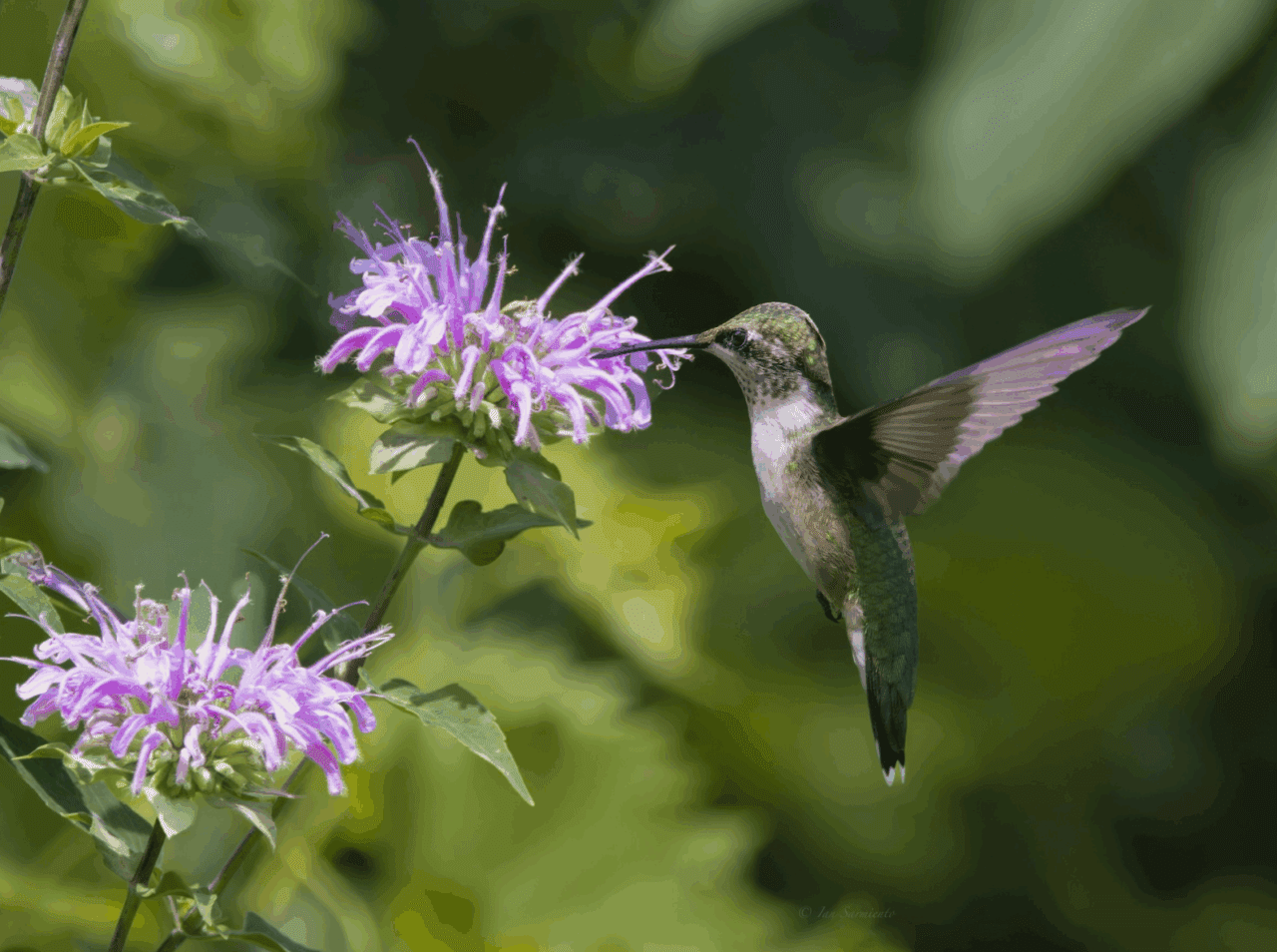
- Wild Bergamot (Monarda fistulosa)
- USA: AL , AR , AZ , CO , CT , DC , DE , GA , IA , ID , IL , IN , KS , KY , LA , MA , MD , ME , MI , MN , MO , MS , MT , NC , ND , NE , NH , NJ , NM , NY , OH , OK , OR , PA , RI , SC , SD , TN , TX , UT , VA , VT , WI , WV , WY
- CAN: AB , BC , MB , NB , NL , NT , ON , QC , SK
- Roundleaf Serviceberry (Amelanchier sanguinea)
- USA: CT , GA , IA , IL , IN , KY , MA , MD , ME , MI , MN , NC , ND , NH , NJ , NY , OH , PA , TN , VA , VT , WI , WV
- CAN: NB , NL , NS , ON , PE , QC
- Kinnikinnick (Arctostaphylos uva-ursi)
- USA: AK , AZ , CA , CO , CT , DE , IA , ID , IL , IN , MA , MD , ME , MI , MN , MT , ND , NH , NJ , NM , NV , NY , OH , OR , PA , RI , SD , UT , VA , VT , WA , WI , WV , WY
- CAN: AB , BC , MB , NB , NL , NS , NT , NU , ON , PE , QC , SK , YT
- Grand Collomia (Collomia grandiflora)
- USA: AZ , CA , CO , ID , MT , NV , OR , UT , WA , WY
- CAN: BC
- Creeping Phlox (Phlox subulata)
- USA: AR , CT , DE , IA , IL , IN , KY , LA , MA , MD , ME , MI , MN , NC , NH , NJ , NY , OH , PA , RI , TN , UT , VA , VT , WI , WV
- CAN: ON
Like Water? Thank Plants.
Water is the backbone of life on earth. Plants absorb water through their roots to then use it to transport nutrients and cool their leaves via evaporation (Lambers, 2019). Thanks to their vast root systems they are able to decrease pollution in our aquatic ecosystems, lessen runoff, and reduce erosion (Massachusetts DCR Office of Watershed Management).
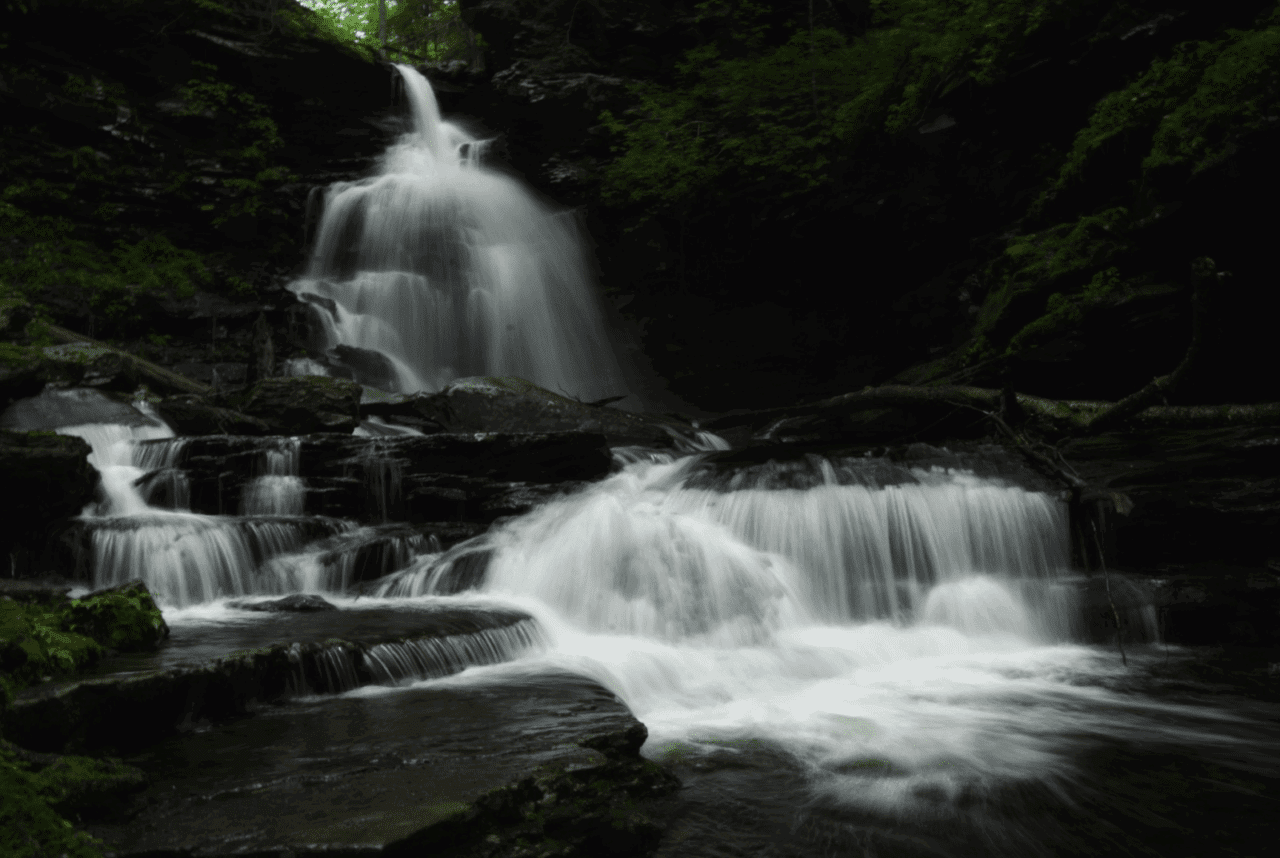
Every plant has different water needs based on their structure, size, and ecological surroundings. If planted in the right place, native plants can require significantly less maintenance once they have settled in because of their biological adaptations (Massachusetts DCR Office of Watershed Management).
Native plants can require significantly less maintenance once settled in.
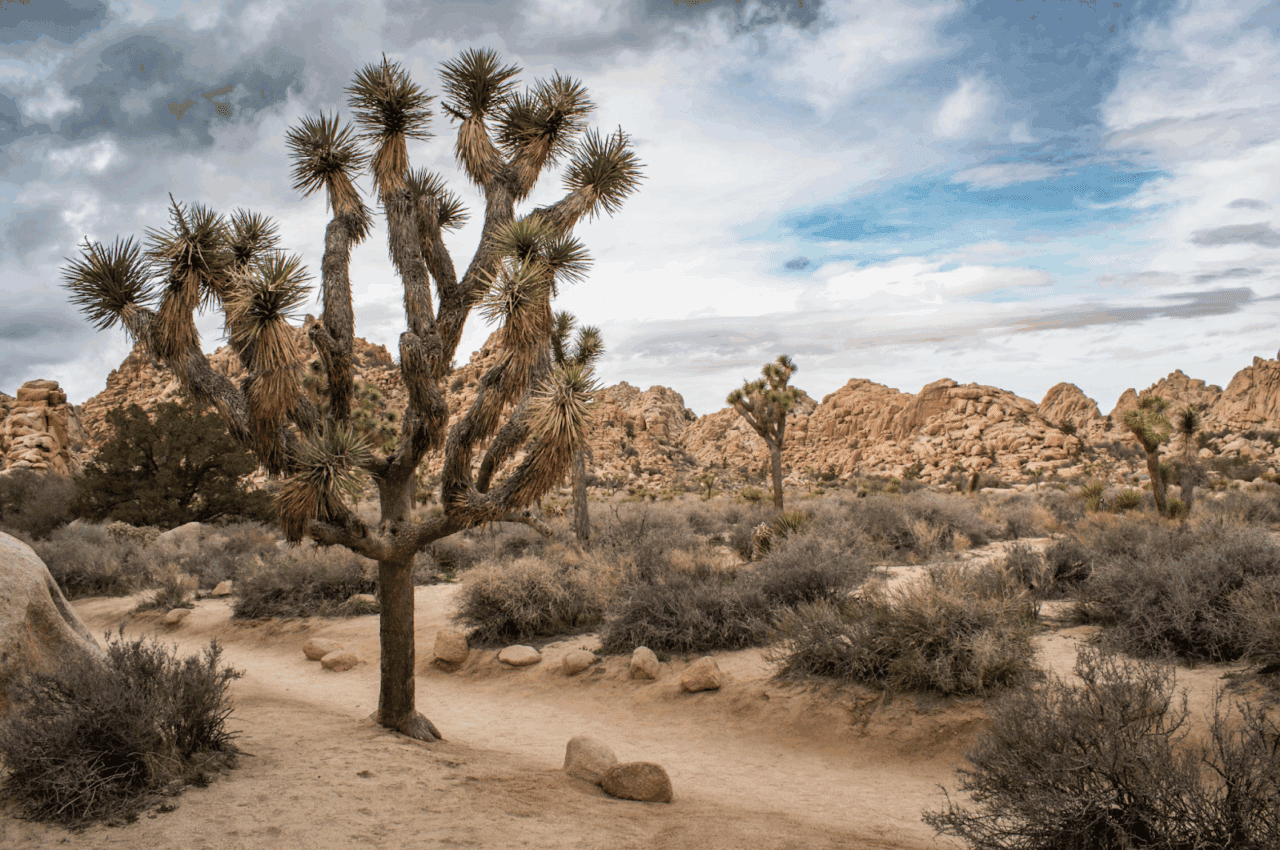
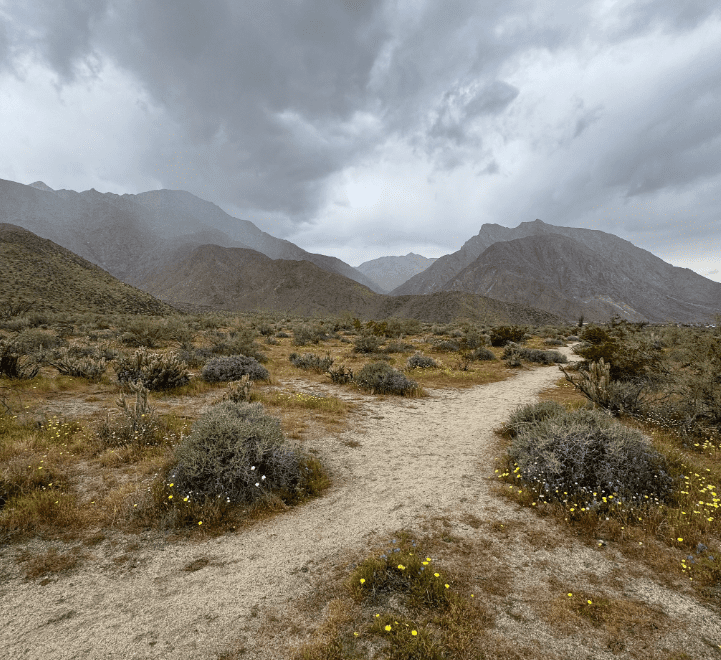
For instance, desert plants have adapted to the scarcity of water in their environment by becoming dormant during dry spells or by developing a deep root system that allows them to access groundwater (Lambers, 2019). Similarly, some deciduous tree species in tropical dry forests purposefully lose their leaves during dry seasons to conserve water by avoiding transpiration (Lambers, 2019).
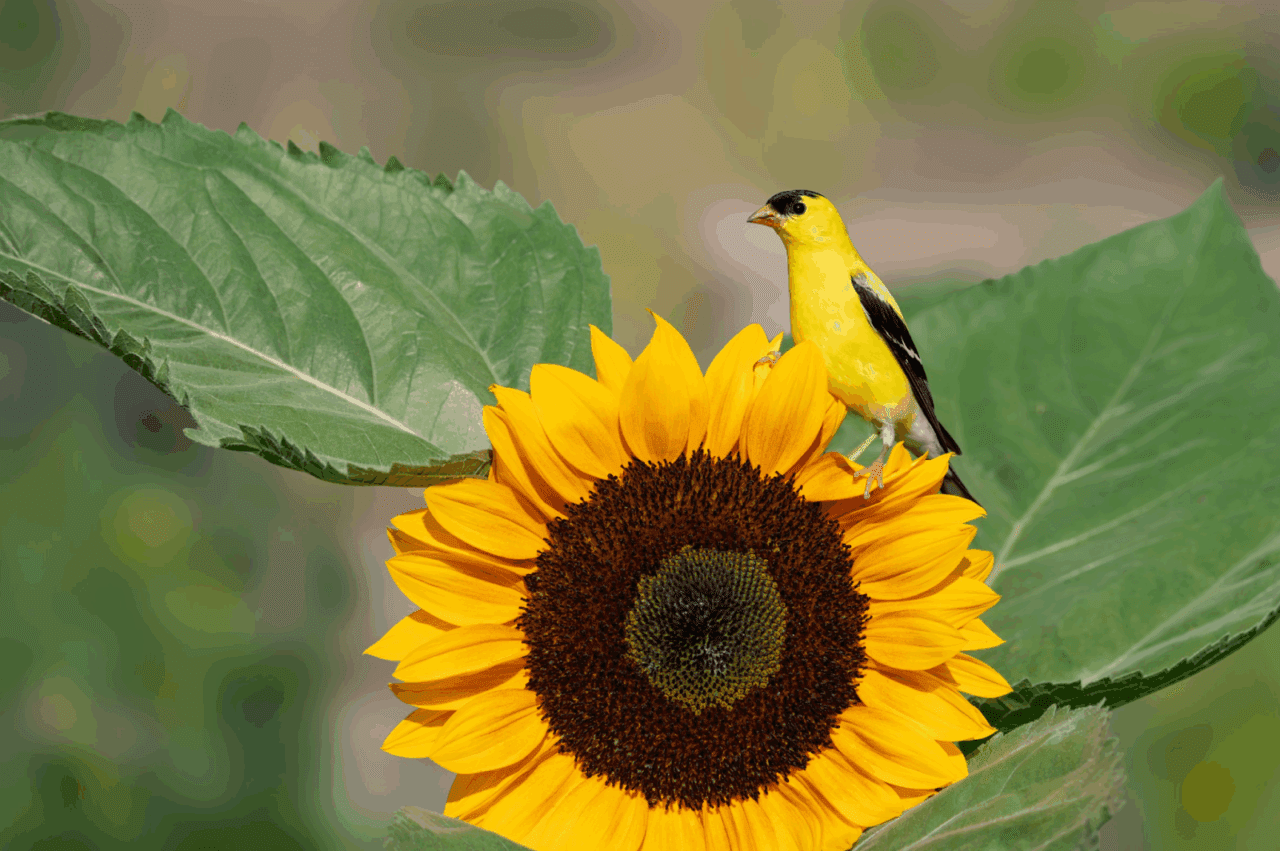
- Prairie Acacia (Acaciella angustissima)
- USA: AR , AZ , FL , KS , LA , MO , NM , OK, TX
- Lindheimer’s Milkvetch (Astragalus lindheimeri)
- USA: OK , TX
- Scarlet Globemallow (Sphaeralcea coccinea)
- USA: AZ , CO , IA , ID , KS , MN , MT , ND , NE , NM , NV , OK , OR , SD , TX , UT , WY
- CAN: SK
- Fourpoint Evening-primrose (Fourpoint Evening-primrose)
- USA: AR , IA , IL , KS , LA , MI , MN , MO , ND , NE , NM , OK , SC , SD , TX , WI
- Common Sunflower (Helianthus annuus)
- USA: AK , AL , AR , AZ , CA , CO , CT , DC , DE , FL , GA , HI , IA , ID , IL, IN , KS , KY , LA , MA , MD , ME , MI , MN , MO , MS , MT , NC , ND, NE , NH , NJ , NM , NV , NY , OH , OK , OR , PA , RI , SC , SD , TN , TX , UT , VA , VT , WA , WI , WV , WY
- CAN: AB , MB , NT , SK
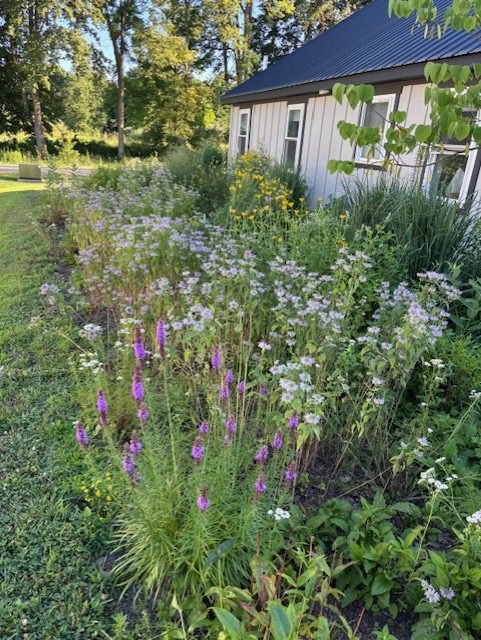
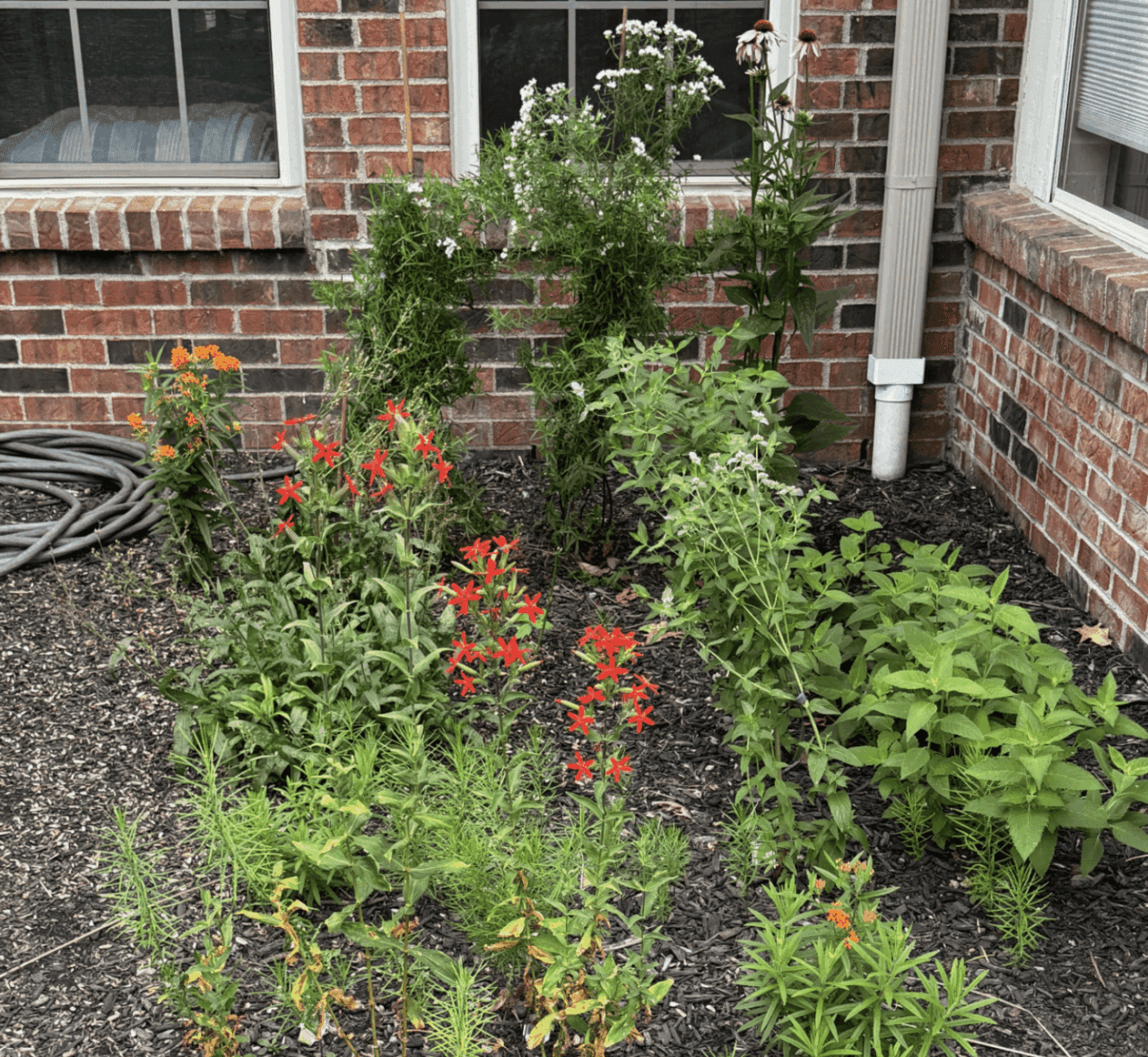
Meadows are another type of habitat, brimming with stunning plant species and buzzing with lively wildlife. Meadows composed of native plant species are able to withstand extreme environmental conditions such as heavy rainfall, periods of drought and extreme heat, and cold due to their intricate network of deep roots that hold and absorb water (Sturm, 2020). Through efficient water absorption, native plant meadows can reduce runoff and filter pollutants.
- American Bellflower (Campanulastrum americanum)
- USA: AL , AR , FL , GA , IA , IL , IN , KS , KY , LA , MD , MI , MN , MO , MS , NC , NE , NJ , NY , OH , OK , PA , SC , SD , TN , VA , WI , WV
- CAN: NB
- Heart-leaved Meadow Parsnip (Zizia aptera)
- USA: AL , AR , CO , CT , DC , DE , FL , GA , IA , ID , IL , IN , KY , MD , MI, MN , MO , MS , MT , NC , ND , NJ , NV , NY , OH , OK , OR , PA , RI , SC , SD , TN , UT , VA , WA , WI , WV , WY
- CAN: AB , MB , SK
- Short’s Aster (Symphyotrichum shortii)
- USA: AL , AR , FL , GA , IA , IL , IN , KY , MD , MI , MN , MS , NC , OH , PA , TN , VA , WI , WV
- CAN: ON
- Fire Pink (Silene virginica)
- USA: AL , AR , DE , FL , GA , IA , IL , IN , KS , KY , LA , MD , MI , MN , MO , MS , NC, NY , OH , OK , PA , SC , TN , VA , WI , WV
- CAN: ON
- Maypop (Passiflora incarnata)
- USA: AL , AR , DC , DE , FL , GA , IL , IN , KS , KY , LA , MD , MO , MS , NC , OH , OK, PA , SC , TN , TX , VA , WV
The Wonders of Chemistry In Your Native Garden
Just like many animals, different plant species need different things. Putting a sun-loving plant in the shade will cause it to do poorly – it may not flower, or may become excessively tall as it struggles to get enough light. Similarly, a wetland plant needs to have its “feet” wet, otherwise it may not survive. Happy, thriving plants native to your area will in turn do a much better job of supporting wildlife while allowing you to relish in daily pollinators enjoying a sweet snack or a new bird finding a home in your garden.
Find out what plants are native to your region and examine your gardening area for its unique characteristics. Perhaps you notice a shady area with limited access to rainwater beneath a tree in your backyard- a perfect place to plant a shade tolerant native plant that requires little water. You can look at this as a sort of match-making exercise – wet spots need wet-loving plants, dry sunny spots will only support drought-tolerant sun-loving plants. The wrong plant in the wrong place is likely to result in disappointment for you, and wildlife.
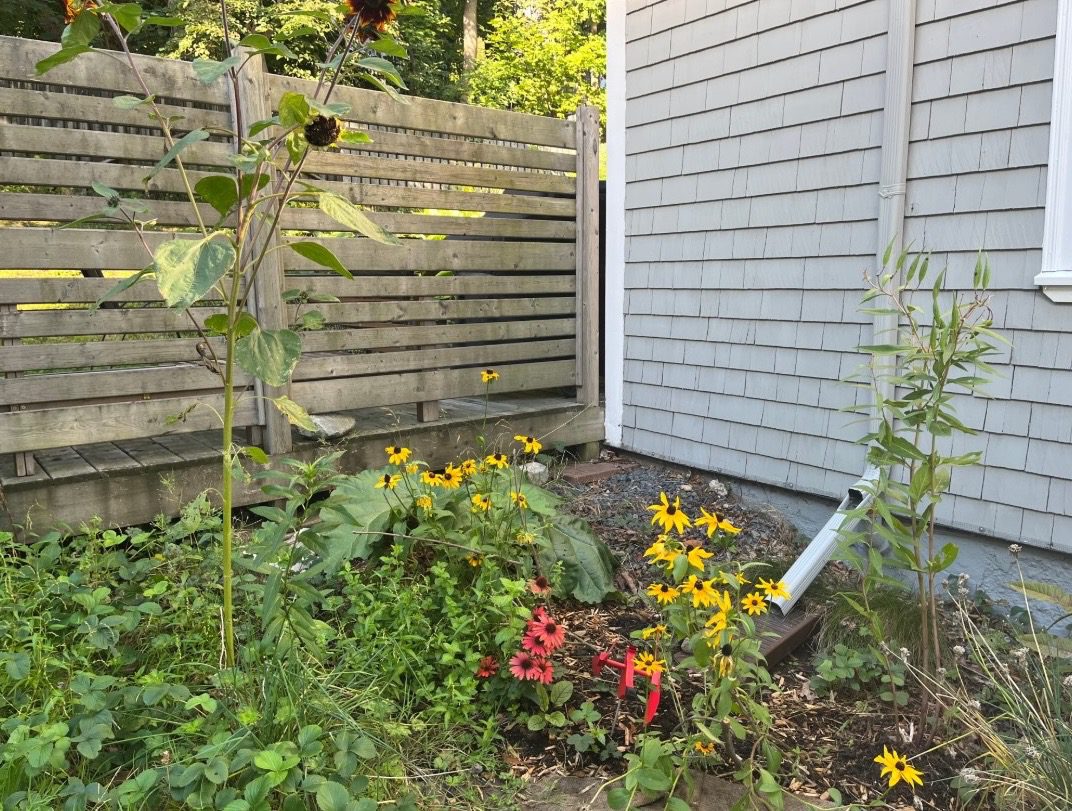
Maybe you have a damp spot by your downpipe that receives moderate sunlight- consider planting a wetland native plant that could help soak up excess water. These are ways native plants can conform to your locality and what features are naturally occurring, so rather than change your environment to suit the needs of non-native plants, allow native plants to fit into your home’s local environment.
The invisible and visible chemistry of your native garden is an astonishing collection of chemical reactions that supports native plant life from the moment a seed is germinated to when your vibrant native plant begins to proudly bloom. By gardening with native plants, you save time and energy, eliminating countless hours of continuous maintenance while also enriching the well-being of your ecological community.
Holdrege, C. (2013). Thinking Like a Plant. SteinerBooks.
Lambers, H., & Oliveira, R. S. (2019). Plant Water Relations. Plant Physiological Ecology, 187–263. https://doi.org/10.1007/978-3-030-29639-1_5
More than monarchs – What are those bugs on my milkweed?: University of Illinois Extension. (n.d.). Extension.illinois.edu. https://extension.illinois.edu/blogs/good-growing/2021-07-30-more-monarchs-what-are-those-bugs-my-milkweed
Neina, D. (2019). The Role of Soil pH in Plant Nutrition and Soil Remediation. Applied and Environmental Soil Science, 2019(5794869), 1–9. https://doi.org/10.1155/2019/5794869
Oldfield, S., Olwell, P., Shaw, N. L., & Havens, K. (2019). The Importance of Native Plants and the Pressures They Face. Springer Earth System Sciences. https://doi.org/10.1007/978-3-319-96974-9_2
Prairie Nursery. (n.d.). https://www.prairienursery.com/media/pdf/understanding-your-soil.pdf
Selection and Maintenance of Plant Materials for Coastal Landscapes : Landscape : Center for Agriculture, Food, and the Environment at UMass Amherst. (2016, October 26). Center for Agriculture, Food, and the Environment at UMass Amherst. https://www.umass.edu/agriculture-food-environment/landscape/fact-sheets/selection-maintenance-of-plant-materials-for-coastal-landscapes
Sturm, A., Associates, M., & Frischie, S. (n.d.). Mid-Atlantic Native Meadows Guidelines for Planning, Preparation, Design, Installation, and Maintenance. https://xerces.org/sites/default/files/publications/19-052_MidAtlantic_Meadow_guidelines_web.pdf
The Power of Native Plants for Water Conservation and Wildlife Habitat. (2024). Mass.gov. https://www.mass.gov/info-details/the-power-of-native-plants-for-water-conservation-and-wildlife-habitat
Soil Nutrient Analysis Laboratory, University of Connecticut (2021). Soil pH and Management Suggestions.
https://soiltesting.cahnr.uconn.edu/soil-ph-and-management-suggestions/
Lloyd-Reilley, J. 2011. Plant guide for prairie acacia (Acacia angustissima var. hirta). USDA Natural Resources Conservation Service, E. “Kika” de la Garza Plant Materials Center. Kingsville, TX 78363. https://www.nrcs.usda.gov/plantmaterials/stpmcpg11362.pdf
St. John, L., D.G. Ogle, D. Tilley. 2010. Plant Guide for Strawberry Clover (Trifolium fragiferum). USDA-Natural Resources Conservation Service, ID Plant Materials Center, Aberdeen, ID 83210. https://www.nrcs.usda.gov/plantmaterials/idpmcpg8445.pdf
Stevens M. 2003. Plant Guide for Annual Sunflower (Helianthus annuus L.). Formerly USDA, NRCS, National Plant Data Center. https://plants.usda.gov/DocumentLibrary/plantguide/pdf/cs_hean3.pdf
M. Kat Anderson. 2003. Plant Guide for Cardinal Flower (Lobelia cardinalis L.). USDA, NRCS, National Plant Data Center.https://plants.usda.gov/DocumentLibrary/plantguide/pdf/cs_loca2.pdf
USDA NRCS Northeast Plant Materials Program. 2002. Plant Guide for Bearberry (Arctostaphylos uva-ursi (L.). https://plants.usda.gov/DocumentLibrary/factsheet/pdf/fs_aruv.pdf
Phlox subulata (Creeping Phlox, Flowering Moss, Ground Pink, Moss Phlox, Moss Pink, Moss-pink, Mountain Pink, Rock Phlox, Thrift) | North Carolina Extension Gardener Plant Toolbox. (n.d.). Plants.ces.ncsu.edu. https://plants.ces.ncsu.edu/plants/phlox-subulata/
M. Kat Anderson. 2003. Plant Guide for Wild Bergamot (Monarda fistulosa L.). USDA, NRCS, National Plant Data Center. https://plants.usda.gov/DocumentLibrary/plantguide/pdf/cs_mofi.pdf
Phlox subulata (Creeping Phlox, Flowering Moss, Ground Pink, Moss Phlox, Moss Pink, Moss-pink, Mountain Pink, Rock Phlox, Thrift) | North Carolina Extension Gardener Plant Toolbox. (n.d.). Plants.ces.ncsu.edu. https://plants.ces.ncsu.edu/plants/phlox-subulata/
Campanulastrum americanum (American Bellflower, American Tall Bellflower, Tall Bellflower) | North Carolina Extension Gardener Plant Toolbox. (2025). Ncsu.edu. https://plants.ces.ncsu.edu/plants/campanulastrum-americanum/
Lady Bird Johnson Wildflower Center – The University of Texas at Austin. (n.d.). Www.wildflower.org. https://www.wildflower.org/plants/result.php?id_plant=ZIAU
Silene virginica (Cliff Pink, Fire Pink, Scarlet Catchfly) | North Carolina Extension Gardener Plant Toolbox. (n.d.). Plants.ces.ncsu.edu. https://plants.ces.ncsu.edu/plants/silene-virginica/
Stay Connected
By subscribing to stay connected to Garden for Birds, you agree to receive communications from the Cornell Lab. You may unsubscribe from the communications at any time.