
Latest Research
Interested in learning more about the research happening regarding native plants, bird populations, and more? Explore the articles and publications below.
-
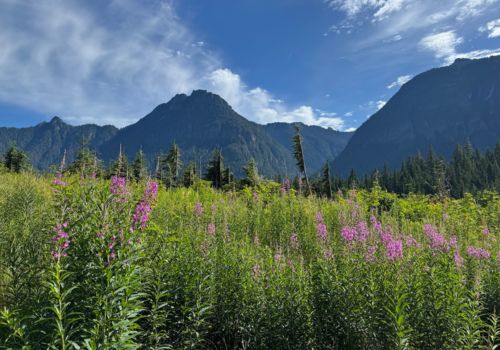
Habitat in the United States by Kellie Sagen / Macaulay Library. Plant diversity increases microbial resistance to drought and soil carbon accumulation
Article by Sara Winterfeldt, Richard D. Bardgett et al. Published on February 6, 2026 on Journal of Ecology.
In this publication, the influence of plant diversity on soil microbial biomass, respiration and growth in moist conditions and drought were tested. It was found that greater plant diversity supports microbial growth resistance to drought and contributes to an increased accumulation of soil carbon.
-

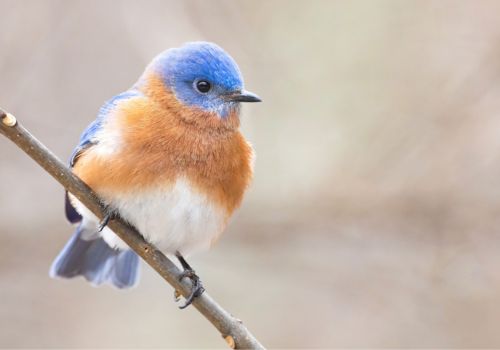
Eastern Bluebird in the United States by Ryan Sanderson / Macaulay Library. Camera traps at nest boxes reveal consistent importance of Lepidoptera in Eastern Bluebird ( Sialia sialis ) nestling diets
Article by Ashley C. Kennedy, Desiree Narango et al. Published on January 9, 2026 on ResearchGate.
The nutritional needs during the breeding season of 38 Eastern Bluebirds (Sialia sialis) broods were observed in Delaware, USA. It was found that adult males and females predominantly brought caterpillars to the nest. Caterpillars rely on native plants and have a central role in the diet of Eastern Bluebirds which emphasizes the vitality of conserving native plants and enhancing their role in habitat restoration.
See this internal article summary by NestWatch about this research.
-
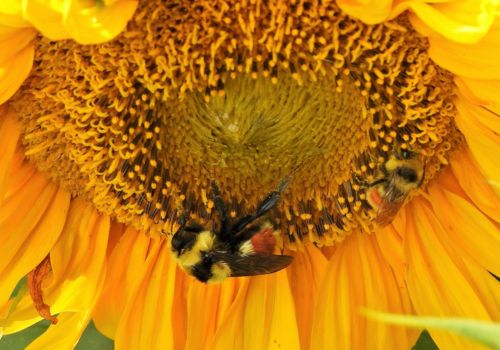
Tricolored Bumble Bee in Canada by Stu & Rynel Wickend / Macaulay Library. Sunflower pollen diets reduce infection in closely related bumble bee species
Article by Elyse C. McCormick, Lynn S. Adler. Published on January 9, 2026 on Ecological Entomology.
This publication explored how consuming sunflower pollen affects Crithidia infection in two bumble bee species, Bombus perplexus and Bombus ternarius, when compared to B. impatiens. The findings demonstrate that sunflower pollen notably lessens Crithidia infection in B. impatiens and has similar effects in B. perplexus and B. ternarius.
-
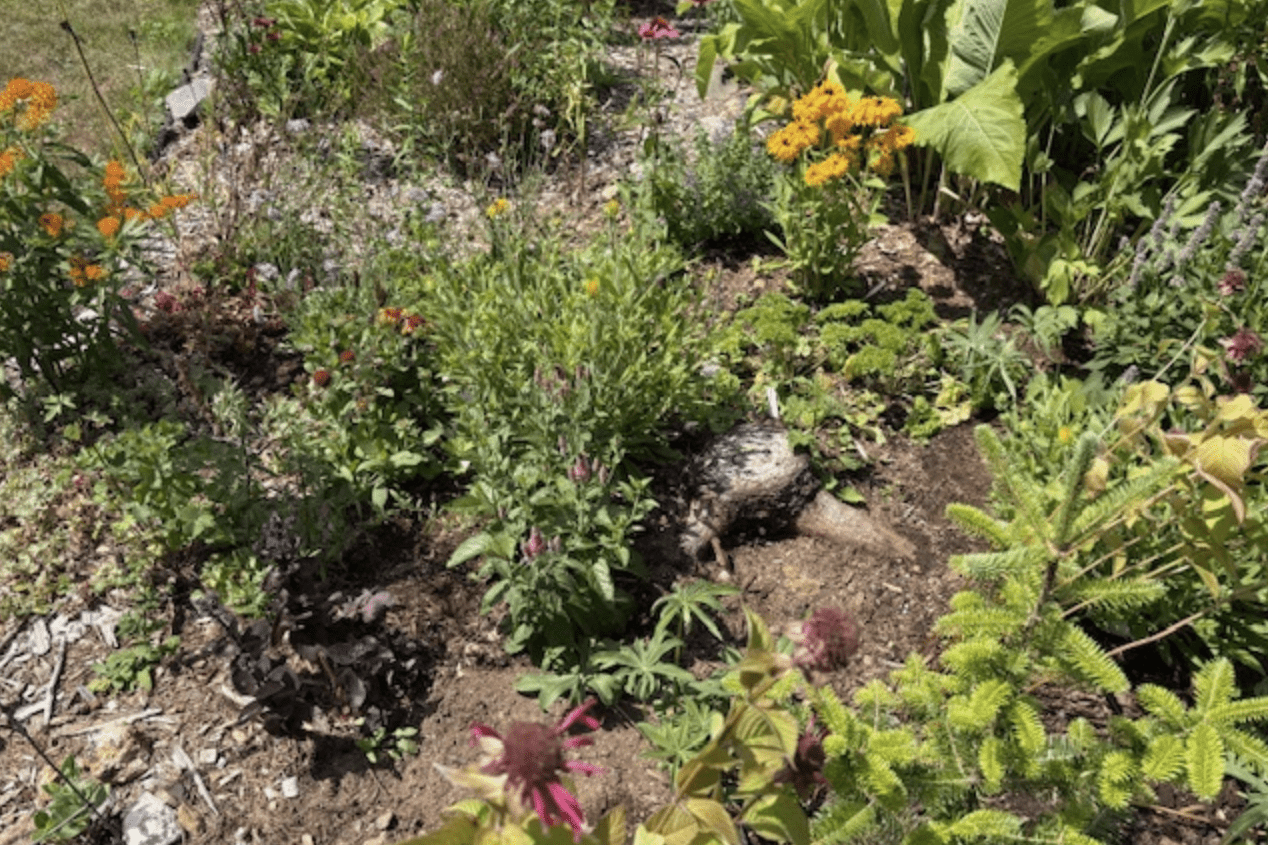
Photo of garden in Vermont by Garden for Birds Participant, 2025. A New Participatory Conservation Framework Built on the Rise of Native Plant Gardening Purchased
Article by Ingmar R Staude, Ralf Engel et al. Published on December 19, 2025 on BioScience.
In this publication, researchers present evidence indicating increasing numbers of community stewards willing to pursue conservation efforts. A framework is proposed to connect community stewards that participate in the native plant gardening movement with complementary strengths of institutions in various sectors. The aim of the framework is to strengthen plant conservation through community stewards working in collaboration with native plant networks, conservation programs, native plant producers, and botanical gardens.
-
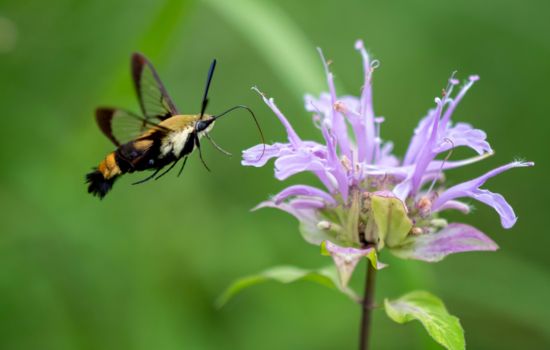
Hummingbird Clearwing in the United States by Jocelyn Anderson / Macaulay Library. Lepidoptera of North America, north of Mexico: an annotated list containing geographic ranges and host-plant records
Article by Kimberley J. Shropshire, Douglas W. Tallamy. Published on November 26, 2025 on ZooKeys.
This publication encompasses an annotated list with all named Lepidoptera and their host plants in the USA and Canada.
-
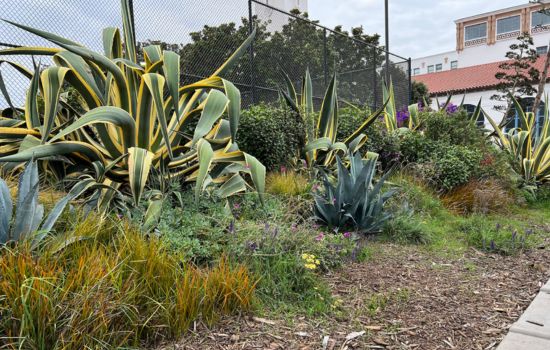
Photo of garden in California by Garden for Birds Participant, 2025. Proportion of native plants is a key predictor of pollinator richness in urban greenspaces
Article by: Thomas Lilkendey, Brittany M. Mason et al. Published on November 10, 2025 on Springer Nature Link.
The relationship between urbanization and pollinator richness was explored through iNaturalist observations from Florida, U.S.A. Spaces enriched with native flowering plant species were found to support higher pollinator richness in urban areas. Non-native plant species were associated with less pollinator richness.
-
Monarch in the United States by Gale VerHague / Macaulay Library. Aphid abundance and monarch butterfly oviposition in urban gardens
Article by: Edwin Quiroz, Mary V. Ashley & David N. Zaya. Published on October 23, 2025 on Springer Nature Link.
The co-presence of monarchs and aphids in gardens with milkweed plants were analyzed in landscapes in the U.S.A. Observations suggest there is not a correlation between monarch eggs and larvae and aphid population, indicating that aphids do not decrease the ecological value of native milkweed plants for monarchs.
-
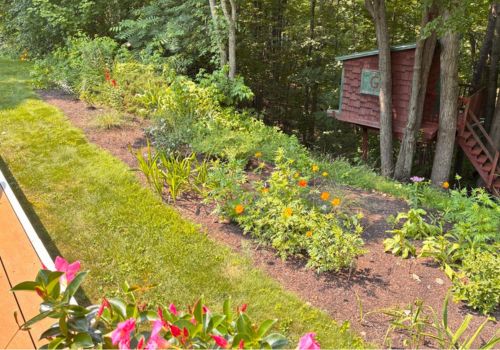
Photo of garden in New Hampshire by Garden for Birds participant, 2025. Pacific Northwest native plants and native cultivars part II: plant and pollinator traits
Article by Jen J -M Hayes, Nicole C S Bell et al. Published on October 16, 2025 on Environmental Entomology, Oxford Academic.
This publication focuses on a garden of Pacific Northwest native plants and native cultivars developed to explore differences in plant traits and bee community composition. Increasing urban greenspace, especially by planting native plants, was found to best increase pollinator richness.
-
Tawny Grisette mushroom in the United States by Aaron Pietsch / Macaulay Library. Why rewilders shouldn’t forget about fungi
Article by: Timo Mendez. Published October 11, 2025 on Rewilding.
This publication explores how specific fungi can play a key role in encouraging rewilding and conservation through its ability to cycle nutrients, develop symbioses, stabilize and support tree health or create habitats in the ecosystem.
-
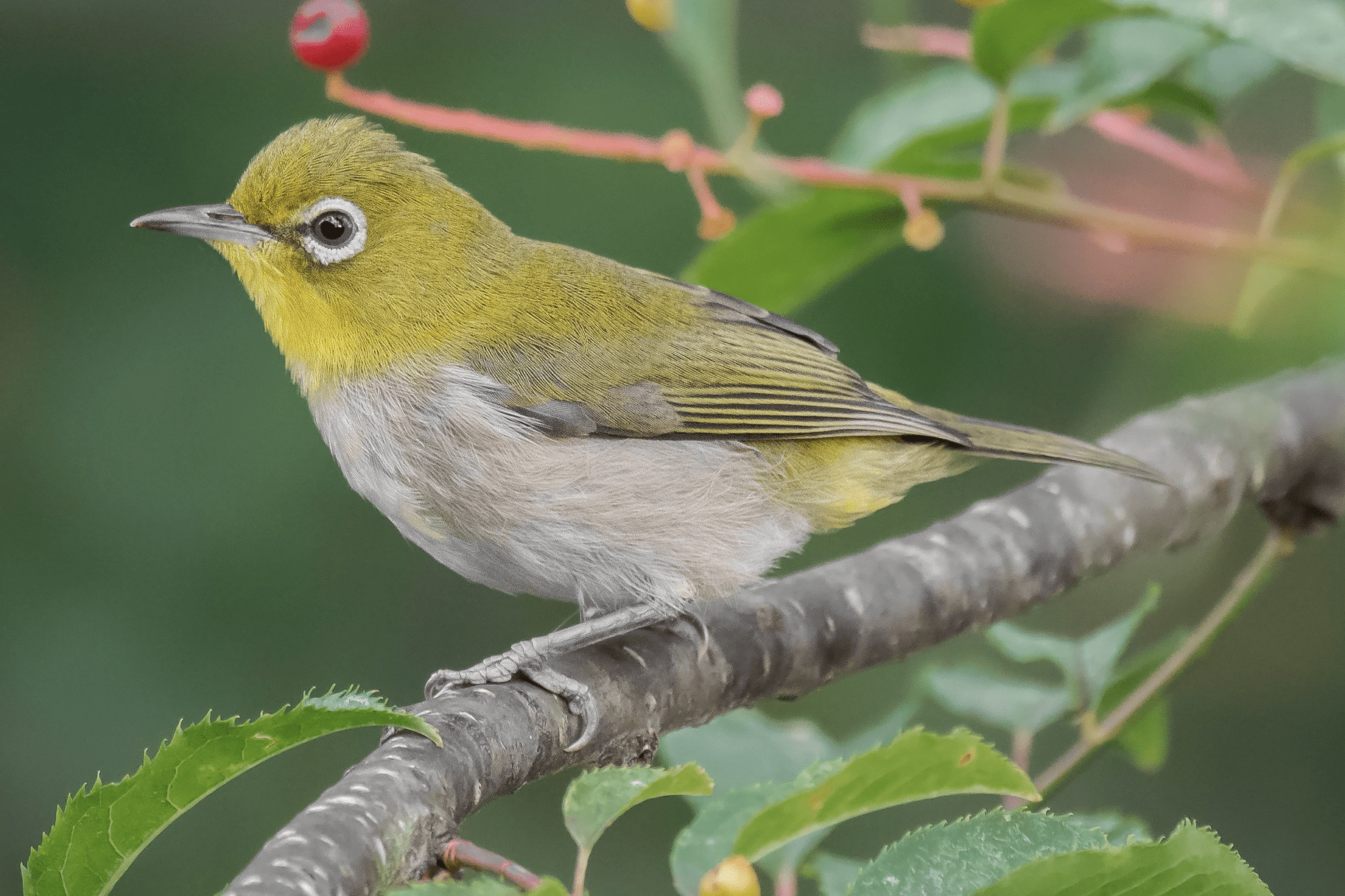
Warbling White-eye in Japan by Natthaphat Chotjuckdikul / Macaulay Library. Noticing nearby wildlife at home is associated with enhanced mental health and pro-conservation attitudes
Article by: Masashi Soga, Kota Matsumoto, & Masumi Hisano. Published on August 15, 2025 on ScienceDirect.
An online survey was conducted, aiming to understand how the observation of wildlife influences the mental health and pro-conservation views of urban Japanese residents. The findings reveal that the relationship between people and wildlife-fostered through direct interaction- positively impacts human mental health and increases biodiversity conservation views.
-
Garden in Mission Dolores Park in the United States by Erick Masias / Macaulay Library. Urban community gardens foster positive human-avian interactions across an income gradient in San Francisco
Article by Kelley E. Langhans, Alejandra Echeverri et al. Published on May 6, 2025 on ScienceDirect.
This publication examined access to positive interactions with urban birds in San Francisco and analyzed if those interactions were equitably dispersed among 20 community gardens across an income gradient. The findings indicate that facilitating community gardens could encourage equitable access to nature.
-
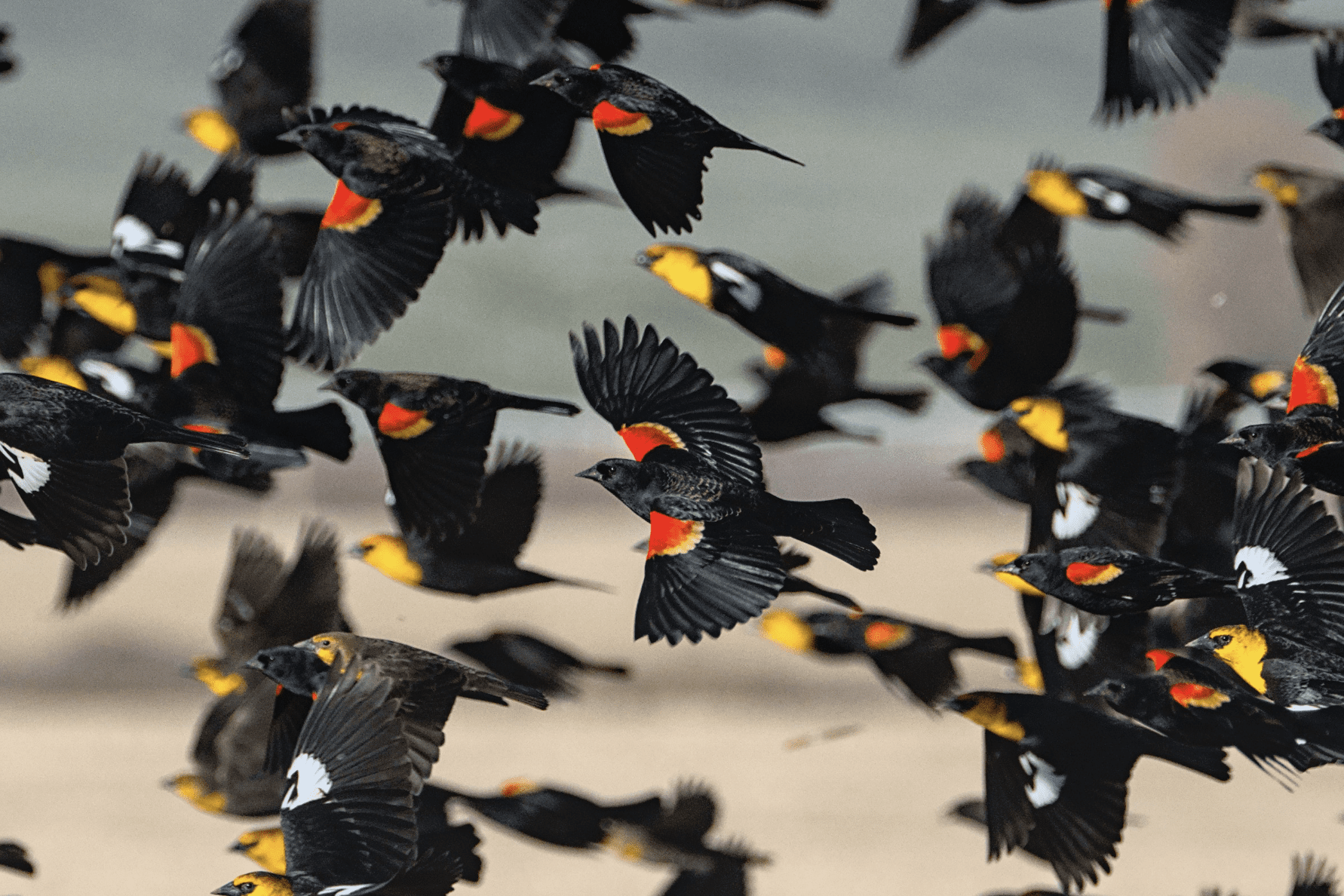
Red-winged Blackbird in the United States by Bartholomew Birdee / Macaulay Library. North American bird declines are greatest where species are most abundant
Article by Alison Johnston, Amanda D. Rodewald et al. Published on May 1, 2025 on Science.
In this publication, data from eBird regarding 495 bird species were collected and indicated that 75% of species were in decline, and a large majority of bird populations were greatly increasing and decreasing in separate regions. The findings underscore the importance of bird population data, conversation, and recovery endeavors.
-
American Robin in the United States by E R / Macaulay Library. Removing autumn leaves in residential yards reduces the spring emergence of overwintering insects
Article by: Max Ferlauto, Karin T. Burghardt. Published on March 5, 2025 on ScienceDirect.
The effects of removing fallen leaves from residential yard areas were investigated by measuring belowground temperatures and 5 aboveground arthropod taxa. The results demonstrated that by leaving the leaves, arthropod populations were supported and insect biodiversity may be preserved, therefore, enhancing the ecological value of residential land.
-
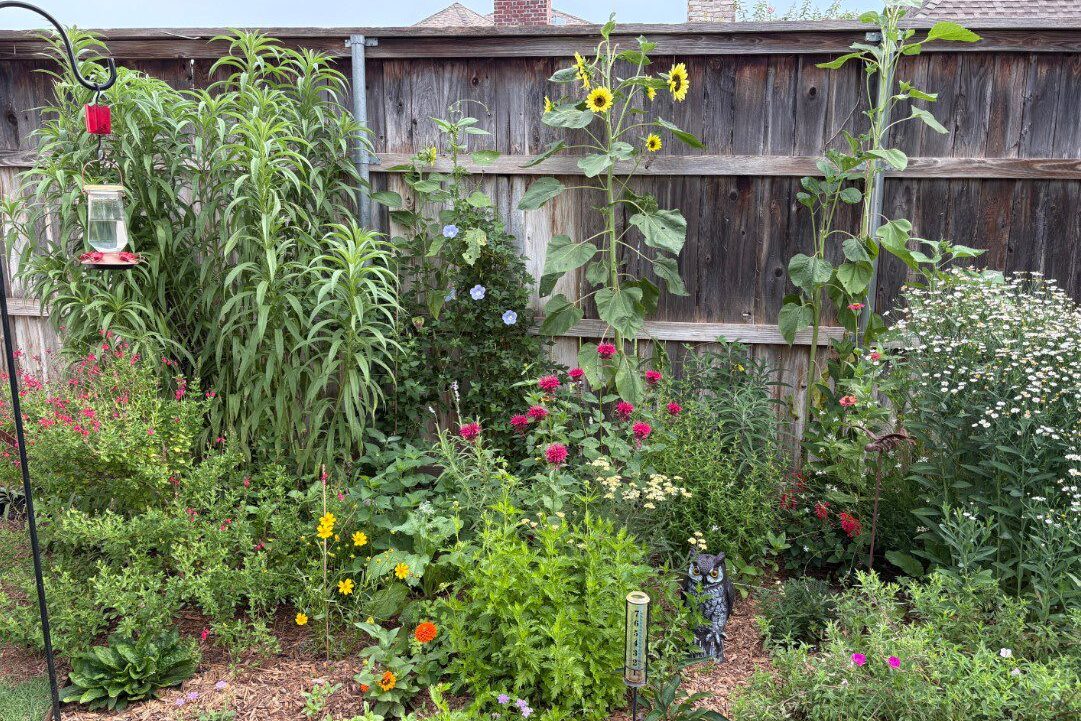
Photo of garden in Oklahoma by Garden for Birds participant, 2025. Urban Biodiversity: Cultivating Support Through Municipal Codes
Article by: Adams, A., Benaroya, A. et al. Published on April, 2021 by the Ecological Design Lab.
This publication highlights a toolkit developed by the studio team to provide best practices for local governments and examples of programs and educational initiatives for enriching residential neighborhoods and private yards.
-
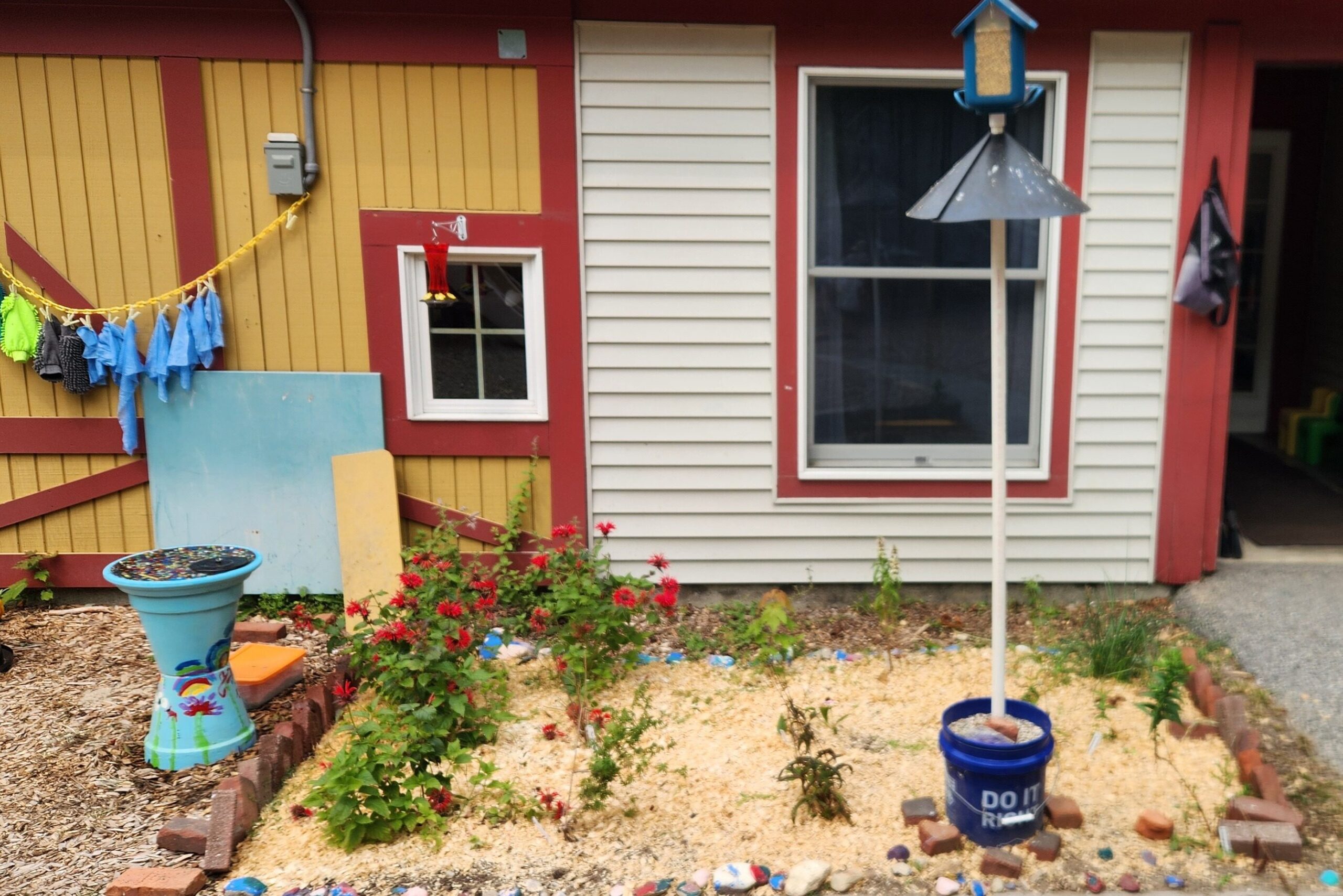
Massachusetts school yard that added native plants in 2025. Garden for Birds Participant. Green Schoolyards in Low-Income Urban Neighborhoods: Natural Spaces for Positive Youth Development Outcomes
Article by Carolyn R. Bates, Amy M. Bohnert, & Dana E. Gerstein. Published on May 24, 2018 on Frontiers.
A study was conducted to understand the impact of newly renovated green schoolyards in urban, low-income residential areas on the behavior of children, and teacher and caregiver perceptions about well-being, bullying, injuries, and gang activity. Through surveys and behavioral mapping, green schoolyards with natural outdoor and safe species were found to have a positive effect on youth development, physical activity and social behavior.




Stay Connected
By subscribing to stay connected to Garden for Birds, you agree to receive communications from the Cornell Lab. You may unsubscribe from the communications at any time.