
Keystone Birds (& Plants)
Keeping Our Ecological Jenga Towers Standing
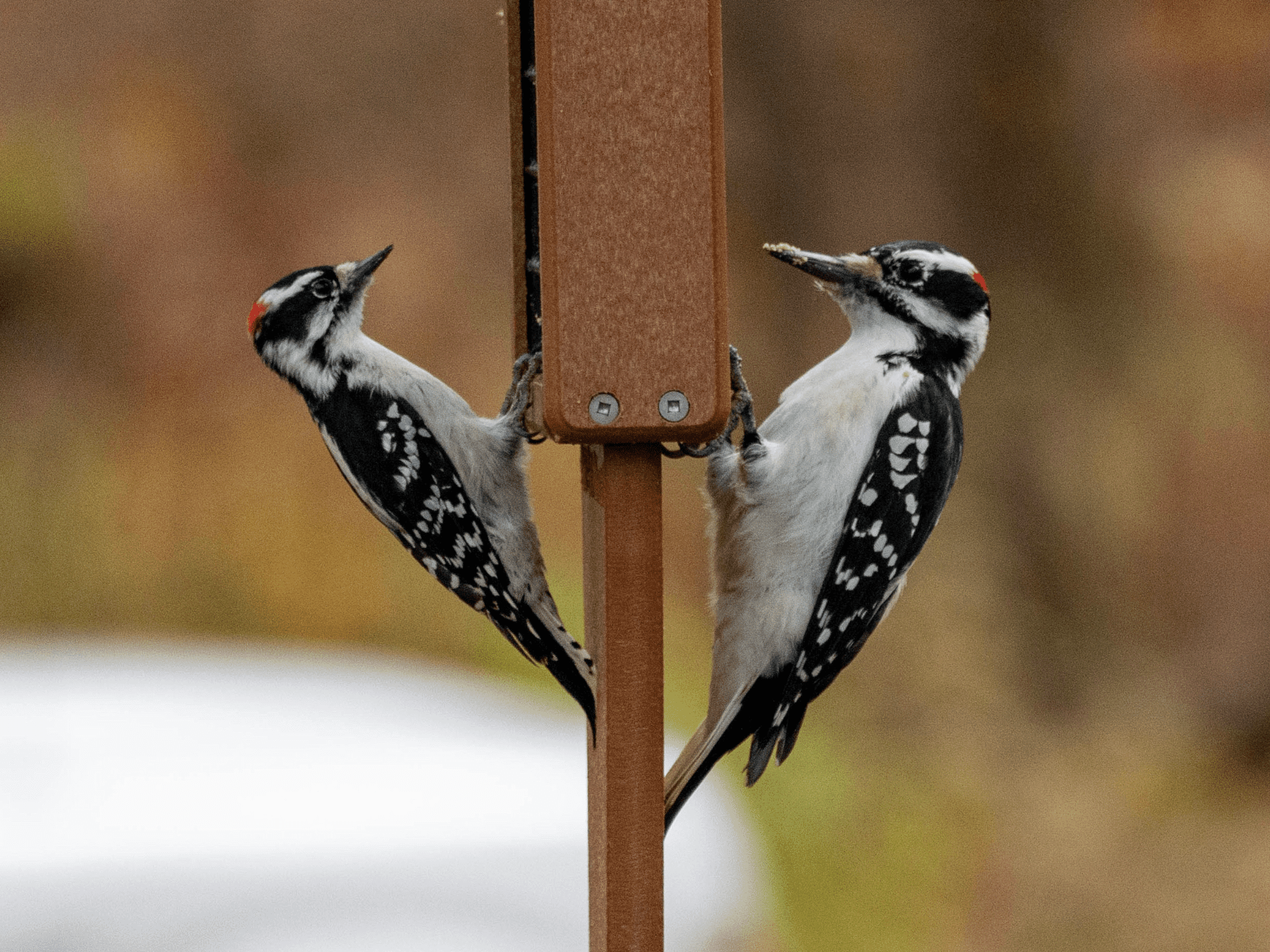

This is similar to a keystone; the block in the Jenga tower that numerous other species depend on. Remove it and the ecosystem begins to falter.
When considering the essential value of keystone species in our home habitats, imagine being gathered around a table with family or friends playing Jenga. Blocks are stacked on top of one another. Each rectangle has a role to play in supporting the ‘wildlife’ tower, with some of the blocks having more critical roles than others. Early in the game, the tower feels stable. As players remove one piece at a time, the structure may sway or falter, but it remains standing. Then, the “keystone” block is pulled and a large chunk or sometimes the entire tower, comes falling down. This is similar to a keystone; the block in the Jenga tower that numerous other species depend on. Remove it and the ecosystem begins to falter.
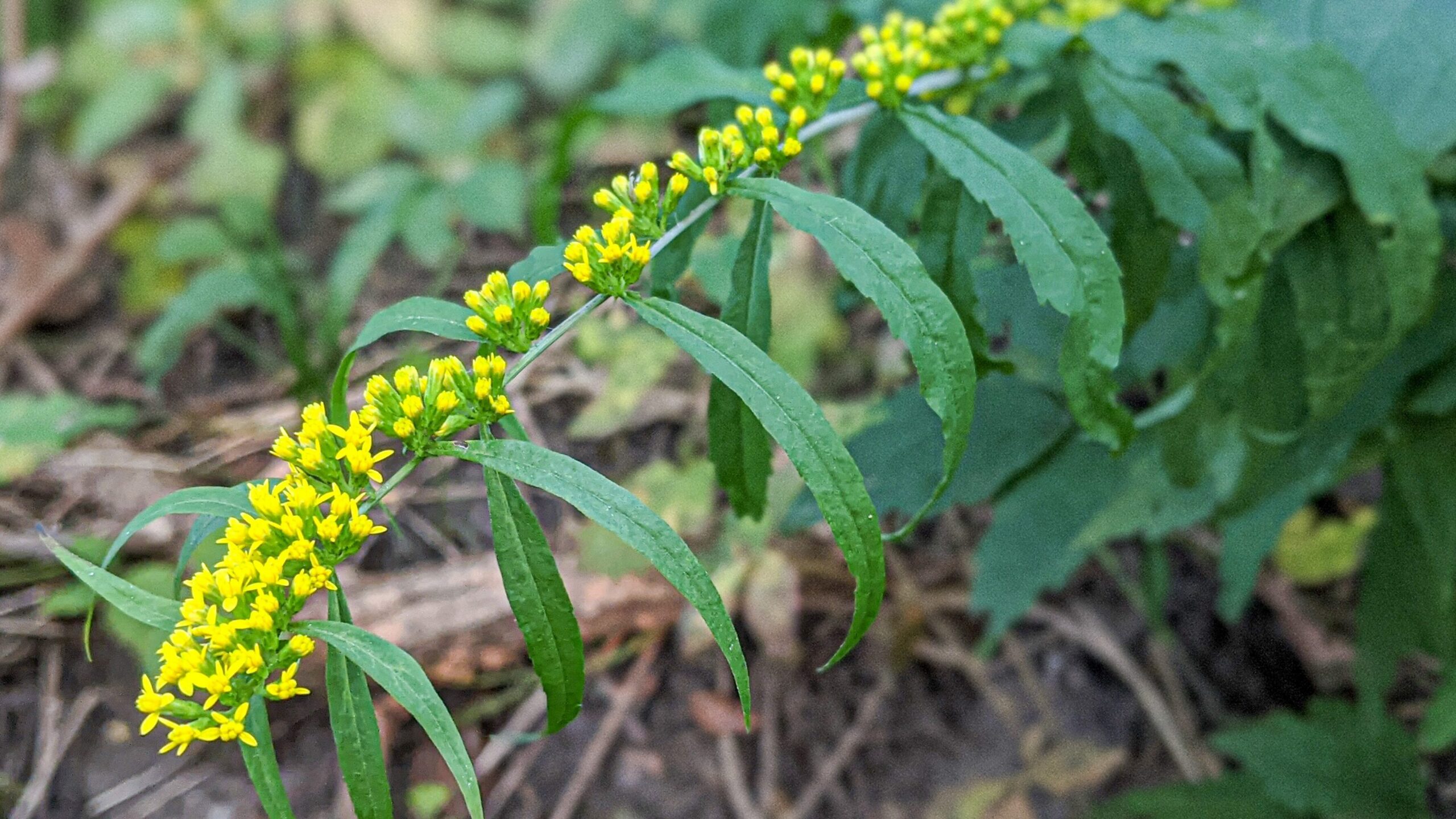
Keystone Plants by Homegrown National Park
For our home gardens, think about adding native plants that are keystone species. These are plants that are critical in supporting a large number of pollinators as well as providing foraging habitats for birds. Use Homegrown’s Keystone Plant Tool to search your ecoregion for new species to add to your landscape. The more keystones, the better.
Back to bird keystones…
Primary Cavity Nesters (Woodpeckers) as Foundational Keystones
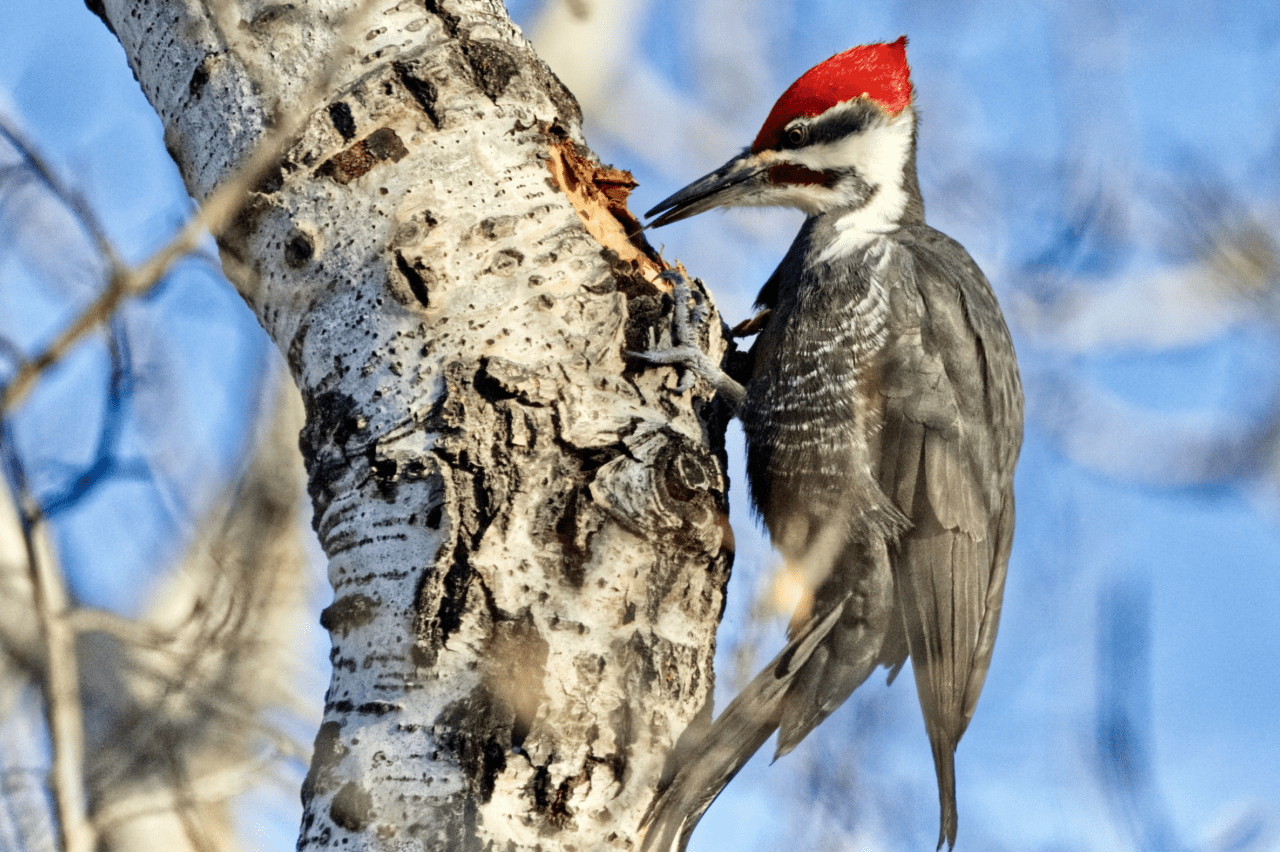
The keystone concept exists across taxonomic groups. Take birds for example: woodpeckers are an avian group we can consider as keystones. While each species has a slightly different foraging behavior, all of them generally use their hammer-head-like-beaks to drill holes into trees or woody plants. Most woodpeckers require mature trees or cacti in their ecosystems to do what they do best–forage on insects, sap, nectar, fungus, and seeds–by making holes or cavities. The size of these holes varies by species and foraging niche. Larger holes are often made by woodpeckers for roosting or nesting. In their inaugural year, woodpeckers tend to use the large holes for raising their own young. Thus they are referred to as primary cavity nesters.
Drilling for Feeding, Not Just Nesting
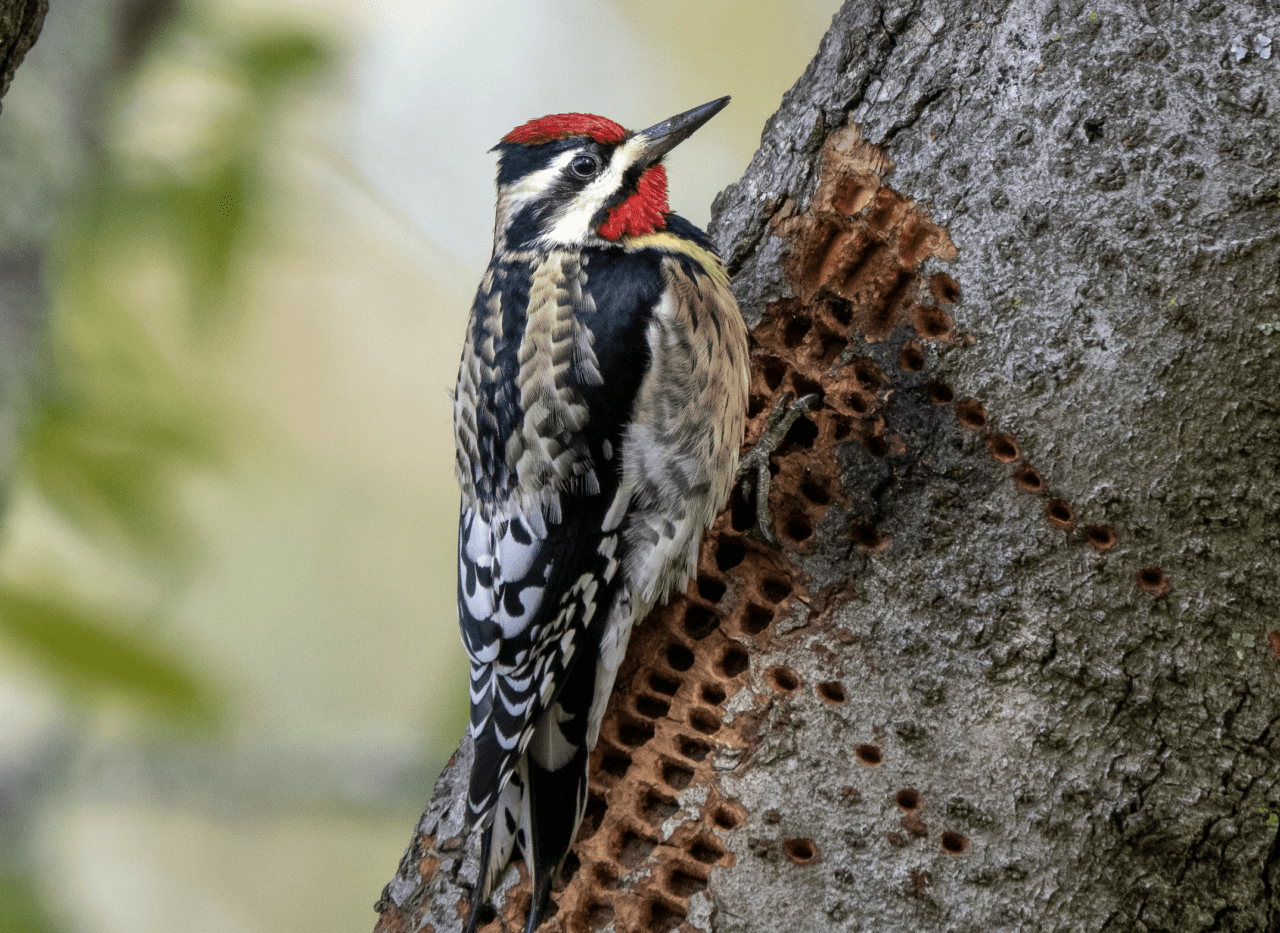
Not all woodpecker holes, however, are created for nesting. Sapsuckers, a type of woodpecker, make regular small feeding or sap holes in trees for accessing tree sap. Small holes can sometimes be found sprinkling the side of a tree or also in rings around the tree. Both the large and small holes created by woodpeckers are a part of the keystone matrix they provide in their native ranges.
Secondary Cavity Nesters Need Woodpecker Hardware for Nest Cavities
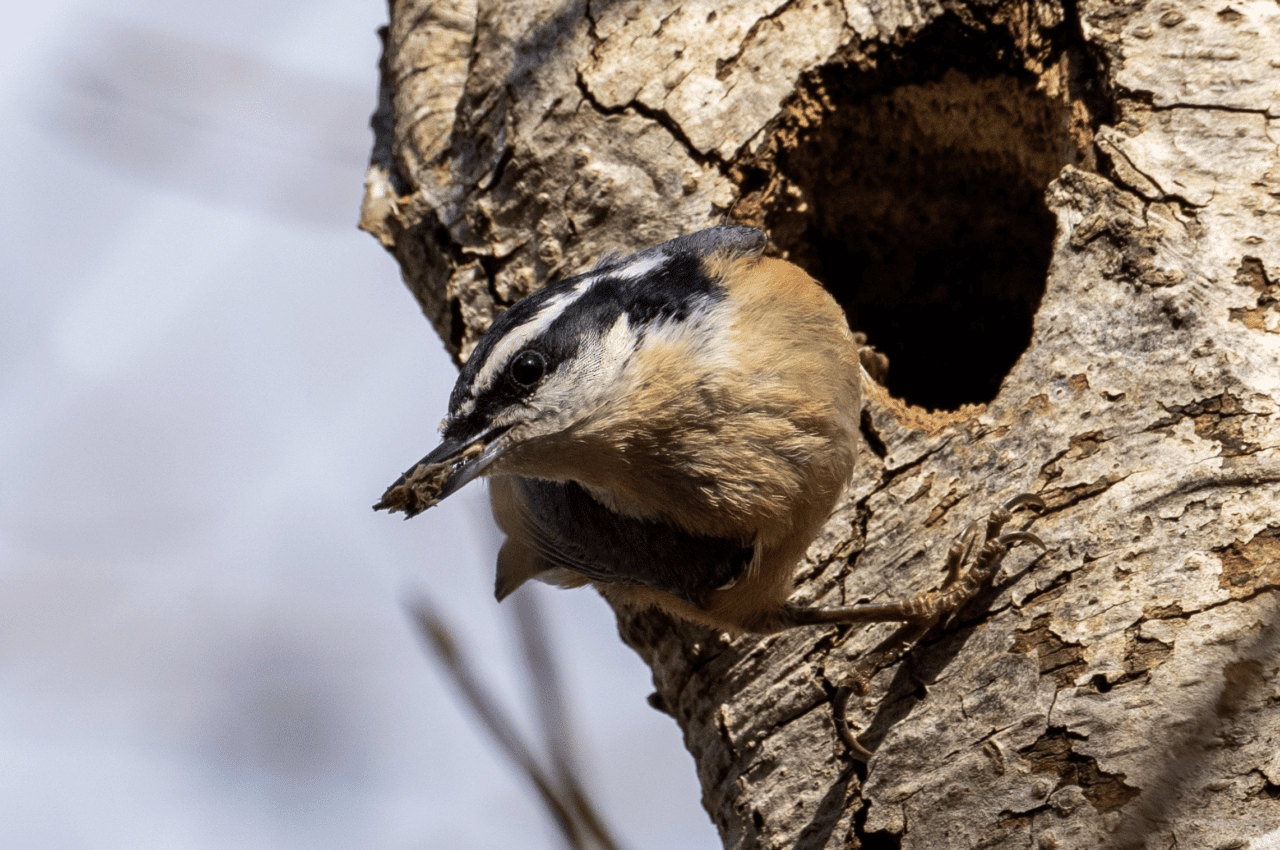
Large holes made by woodpeckers are sought after by secondary cavity nesters for raising their young. Common secondary cavity nesting songbirds include chickadees, nuthatches, titmice, wrens, bluebirds, swallows, and Purple Martins. Though non-native to North America, House Sparrows and European Starling are also common songbird cavity nesters. Some of these secondary cavity nesters will do a bit of excavating, but they generally lack the correct “equipment” to carve out their own nest cavity from scratch – they rely on the better-equipped woodpeckers to do this.
At Home Non-tree Cavity Option
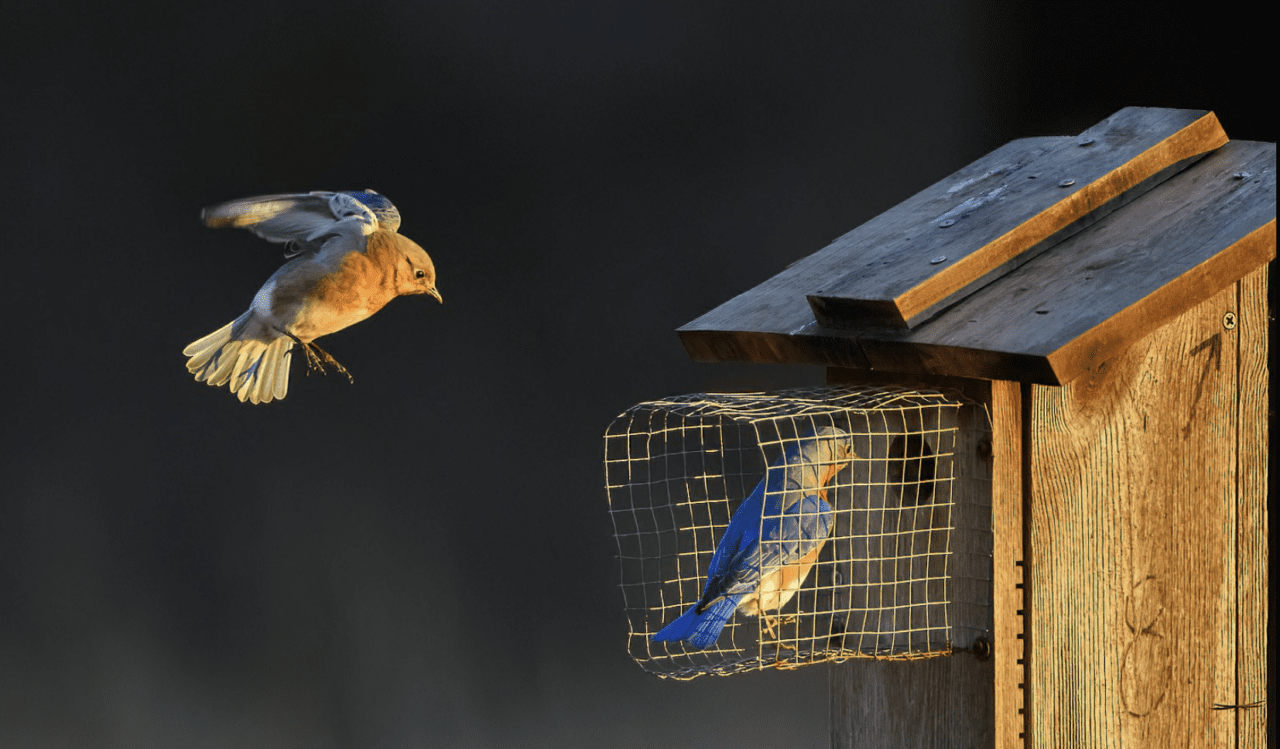
Installing nest boxes is a common activity for backyard habitat creators who build artificial, but effective, cavities that secondary nesters can use. Eastern, Western, and Mountain Bluebird populations recovered across their respective breeding ranges, in part due to the extensive installation of boxes. An important feature of all nest boxes is to install some kind of predator guard to increase the chances of reproductive success by minimizing predation. NestWatch has a variety of options to consider and guidance on the proper installation of nest boxes. Nest boxes are not a replacement for cavities in trees, but can be supplemental in areas of disturbance or where trees have been removed.
New Cavities Rated Better Than Old
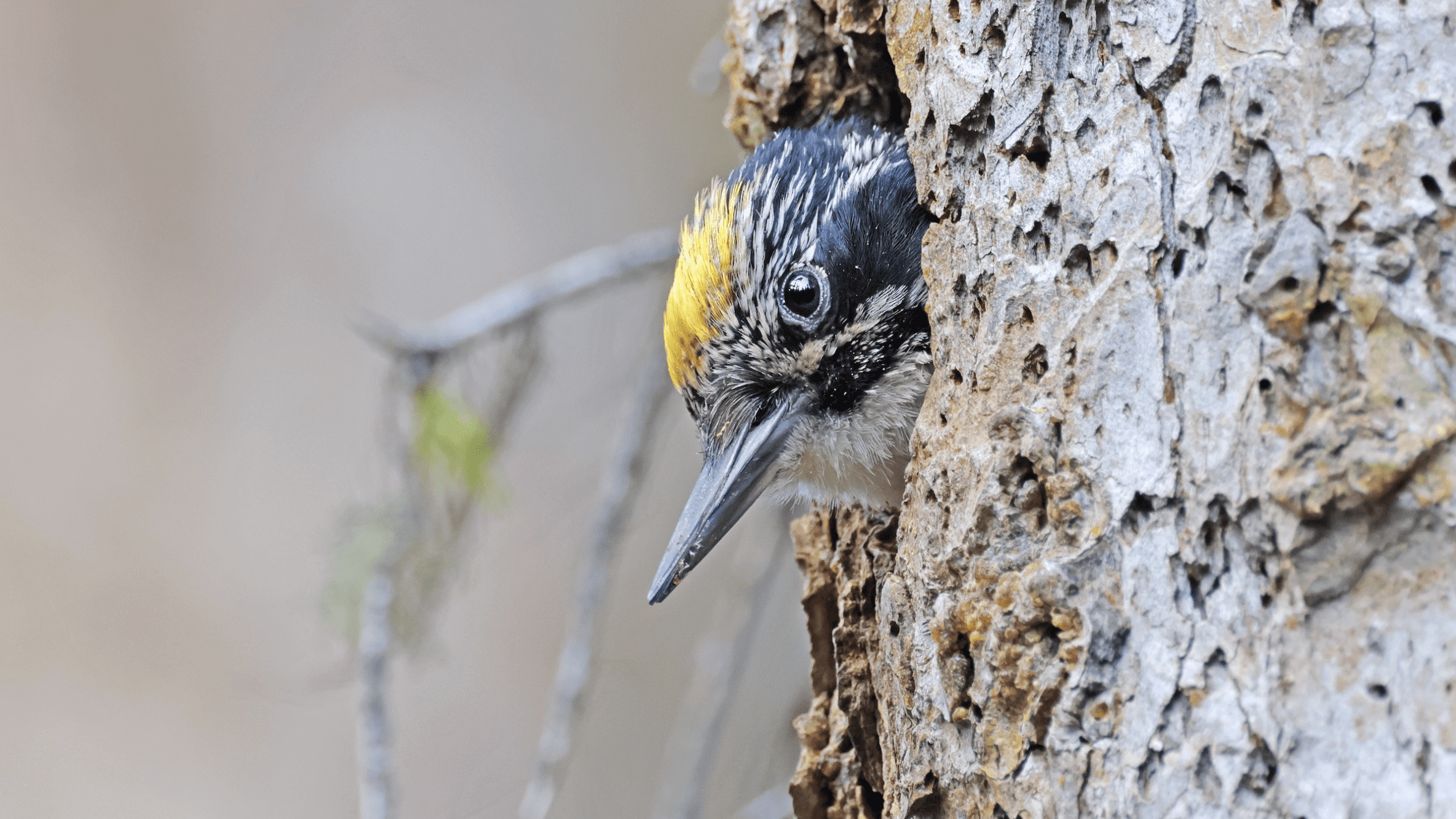
If tomorrow, woodpecker populations in their native ranges disappeared or rapidly declined, so too would the number of nesting habitat options for secondary cavity nesters. A prime example of this is the American Three-toed Woodpecker, which is commonly seen in disturbed forest in some mountainous areas of the western United States and large swaths of Canada. Research reveals that not only are these woodpeckers critical cavity creators, but that the “fresh cavities”– meaning those made in five years or less–were preferred and more frequently used by secondary cavity nesters. Holes that were 15 years or older were infrequently used. Thus, the continuous creation of cavities is critical, even when numerous older cavities are available.
Woodpeckers Provide Many Ecological Services
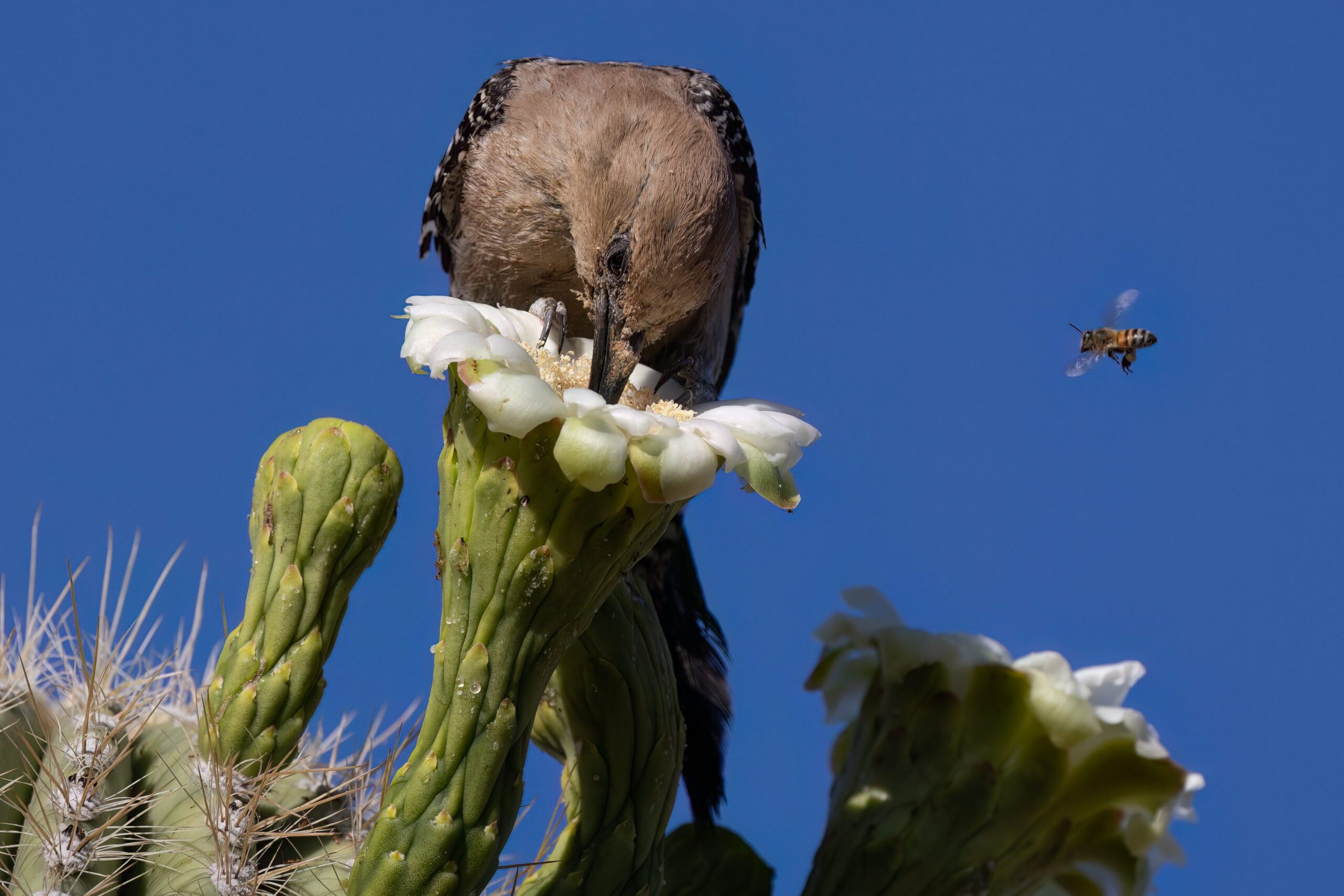
It is important to factor in the other ecological services of woodpeckers, such as pollination, management of pests, seed caching, etc. As such, woodpeckers are highly essential keystones. Without their presence the quality of their ecosystems will most certainly decline.
Another Keystone: Clark’s Nutcrackers
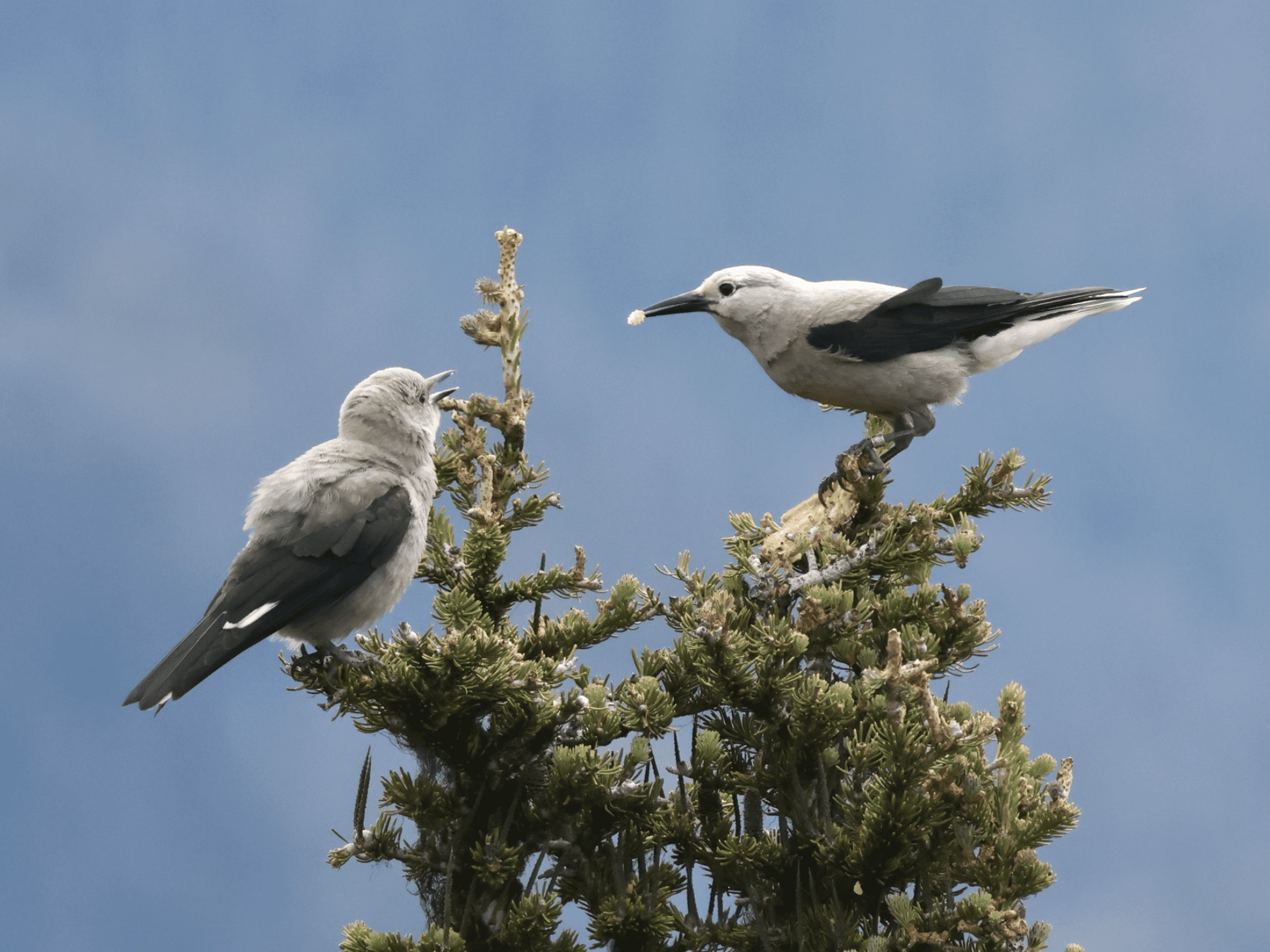
Clark’s Nutcrackers and whitebark pine trees (Pinus albicaulis) are a mutualistic keystone pair–meaning the survival of one depends on the survival of the other. Clark’s Nutcrackers forage almost exclusively on the seeds of whitebark pine trees. The nutcracker caches their seeds in the forest floor, inadvertently planting new pine trees when the location of the seeds are forgotten. Feed on one, plant one — similar to the role that other corvids, such as jays, can play in their local ecosystems. Clark’s Nutcracker populations are of concern due to the negative impacts of the pine beetles and blister rust on whitebark pines. Researchers closely monitor these birds and trees in their fragile alpine ecosystems, noting that nutcracker breeding success is often impacted following years of low whitebark pine seed production.
Hummingbirds That Stalk Woodpeckers?
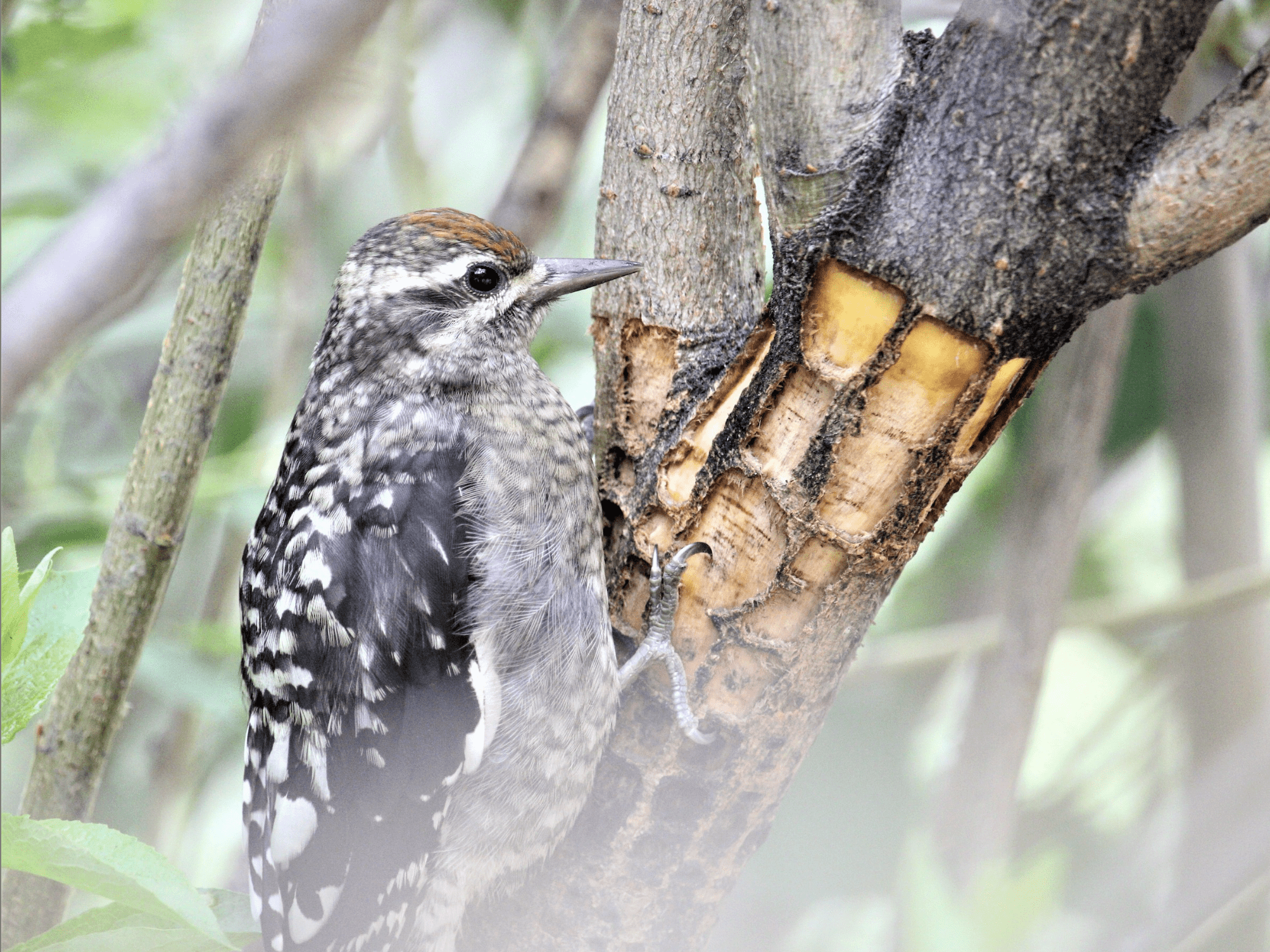
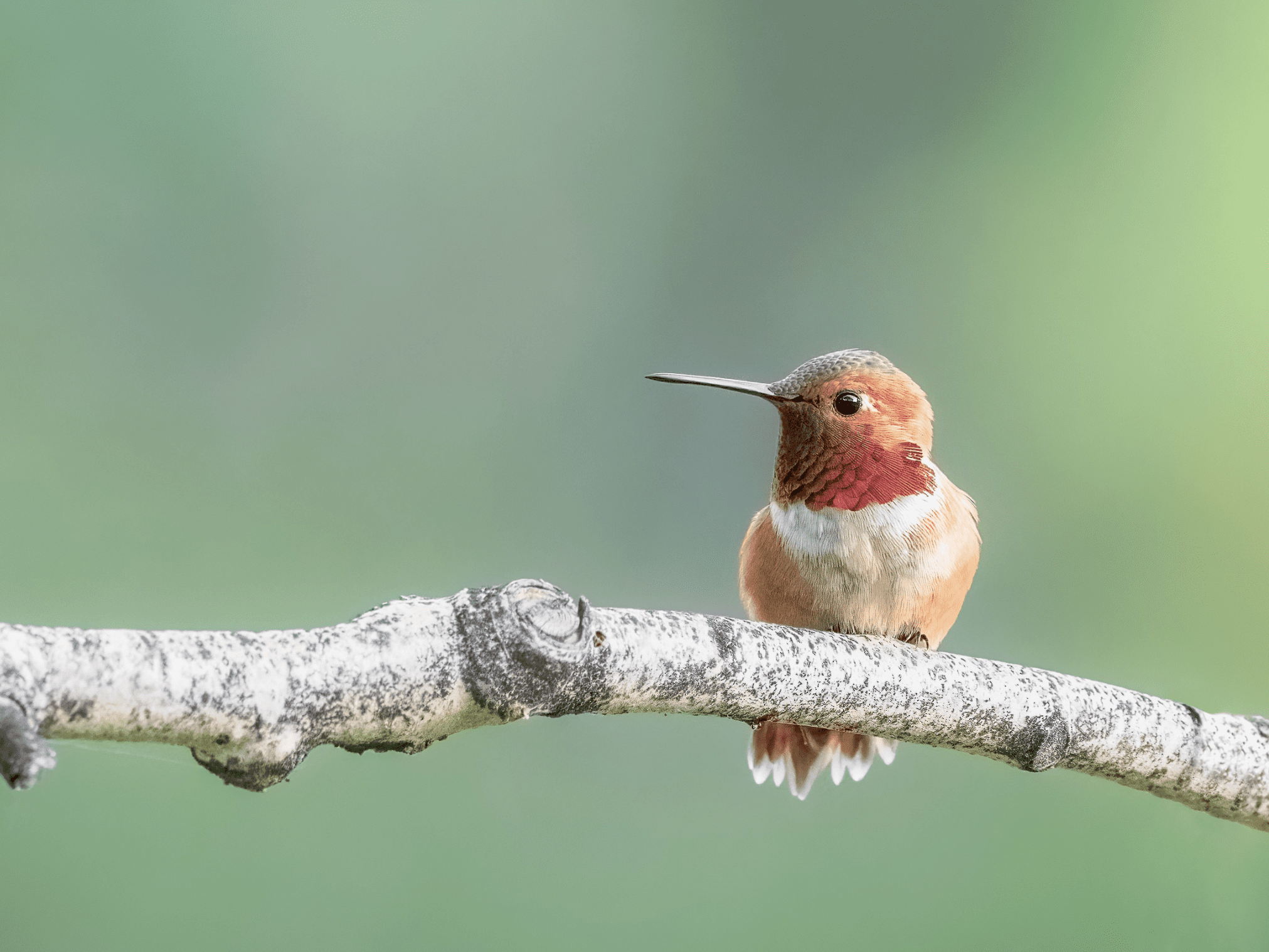
Another unique keystone example is the Red-naped Sapsucker, which subsists predominantly on the sap from aspen and willows. These birds can be found in the Rocky Mountains and some southwestern states. Red-naped Sapsuckers fill the traditional cavity-creator role of woodpeckers, but they have an additional behavior that feeds numerous others. When sapsuckers drill into trees they create sap wells. Other songbirds “rob” the remains of these sap wells, “stealing” a sugary sticky meal. Various species of hummingbirds, Orange-crowned Warblers, chipmunks, and a variety of other species have been documented feeding on the dripping sap. Rufous Hummingbirds, pictured above, have been known to follow foraging Red-naped Sapsuckers in the hopes of sneaking a sample of the sweet syrup left behind.
Woodpeckers Help Keep Ecological Towers Stable
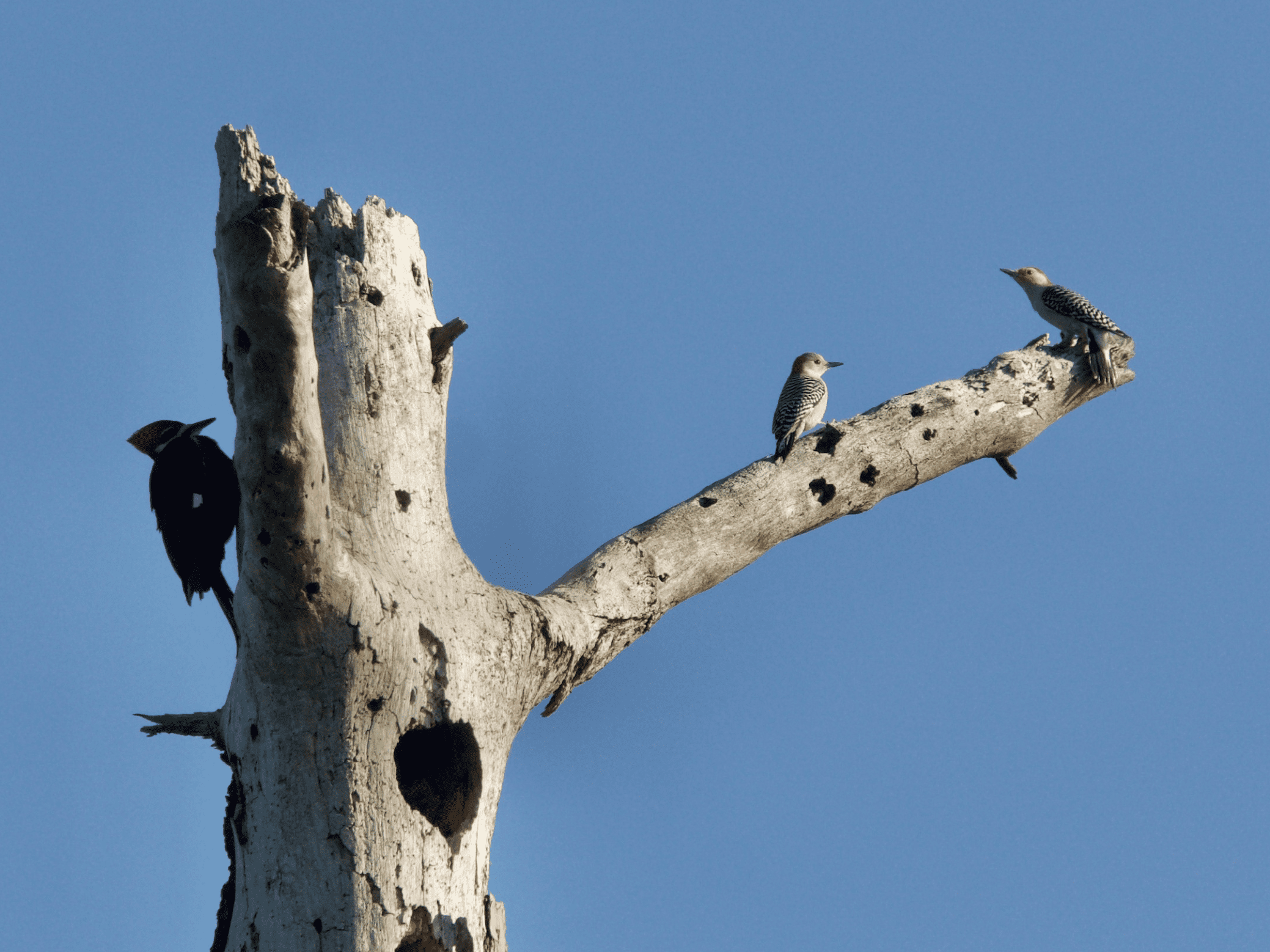
Ecological communities are intimately intertwined. Keystones are some of the most dramatic examples of how species depend on one another for survival. When we create habitat at home, it helps to be familiar with the plants and animals that share these spaces. In considering the interdependent relationships, keystone native plants, or favored bird-friendly features, we can better keep the ecological Jenga towers stable.
Stay Connected
By subscribing to stay connected to Garden for Birds, you agree to receive communications from the Cornell Lab. You may unsubscribe from the communications at any time.