
Garden for Birds
Let’s make smart planting choices, together. Join this community initiative to support birds in gardens.
Plant With UsTake Action to Help Birds
What you plant in your gardens impacts birds and biodiversity.
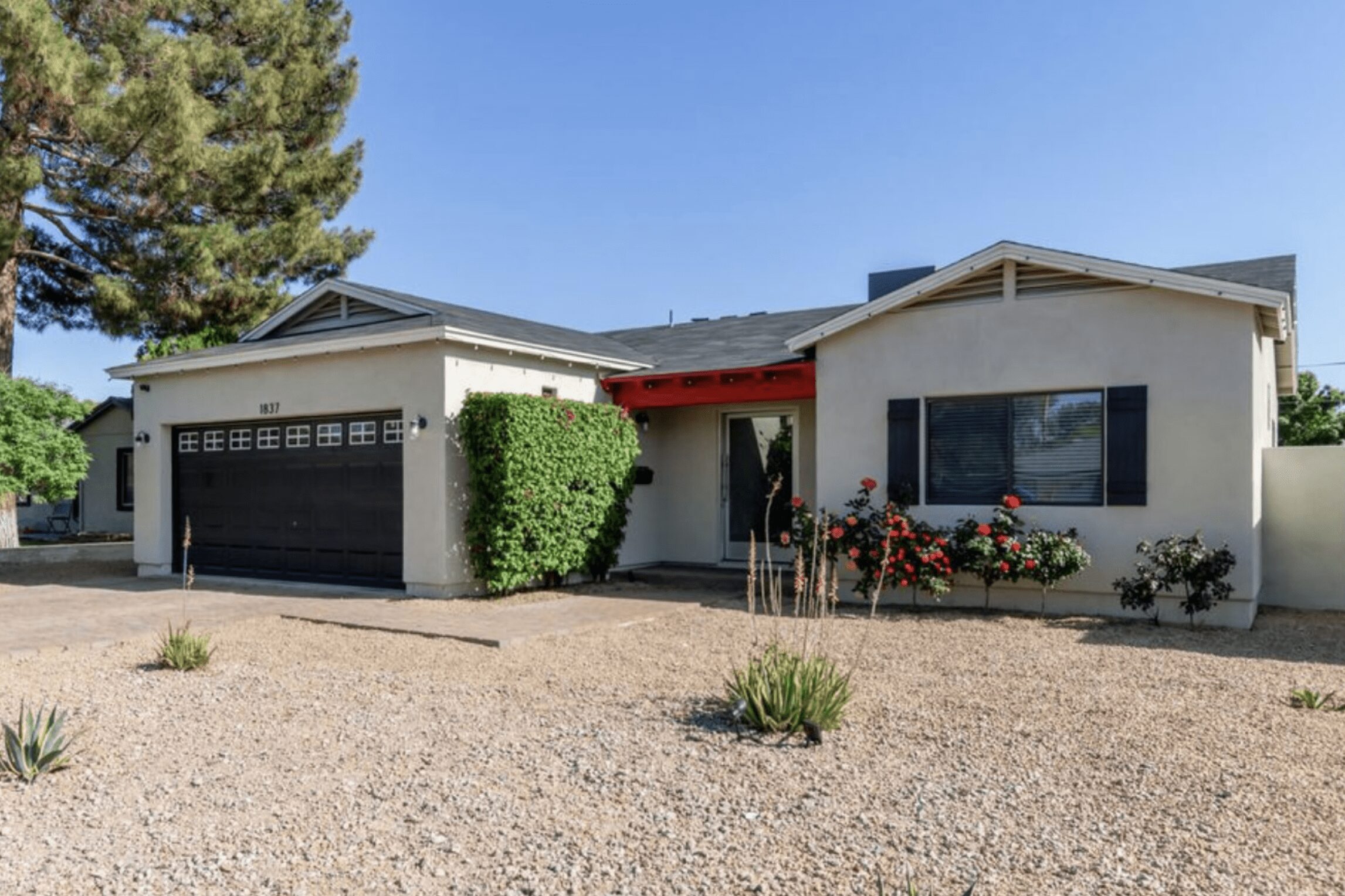
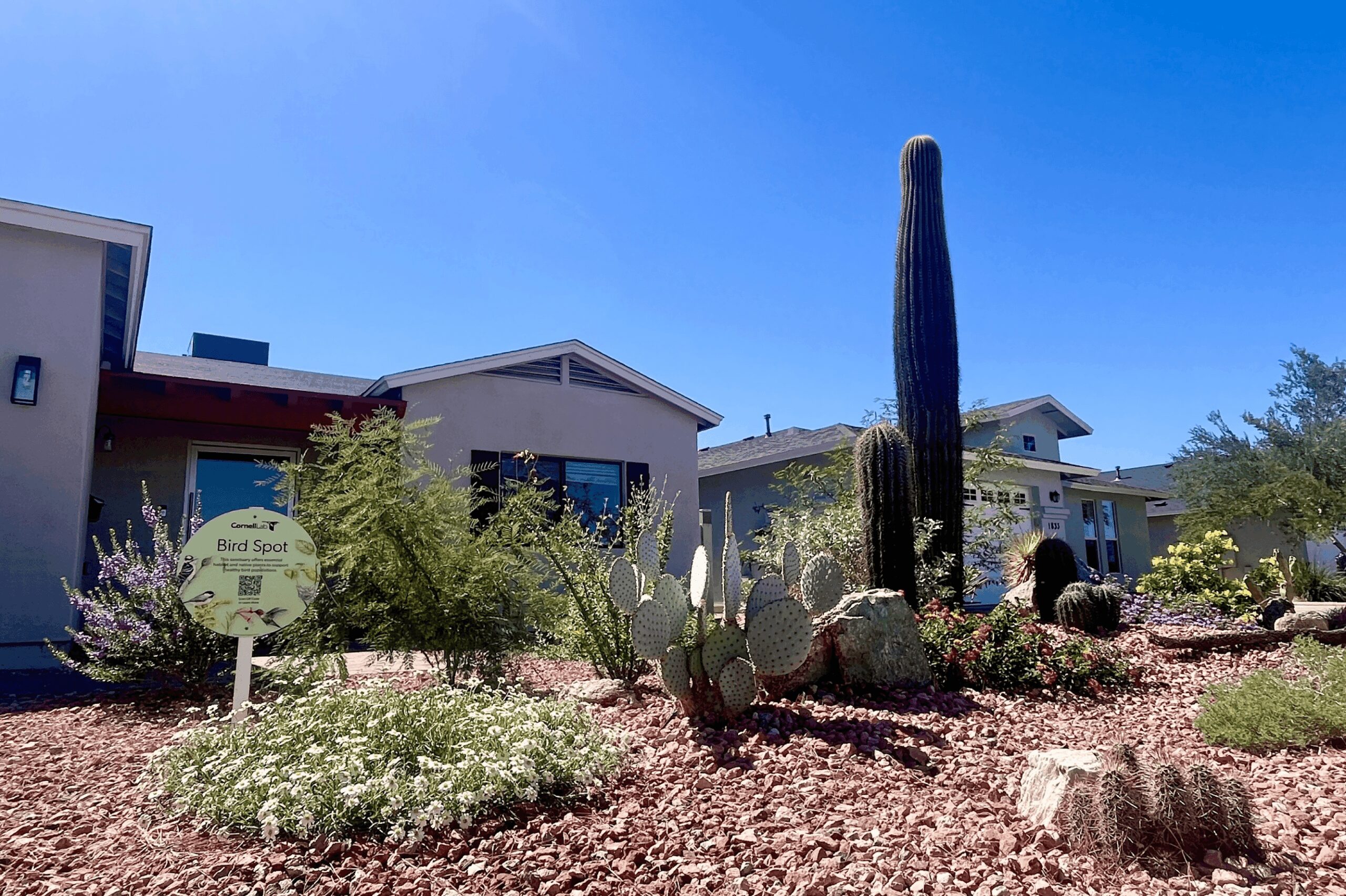
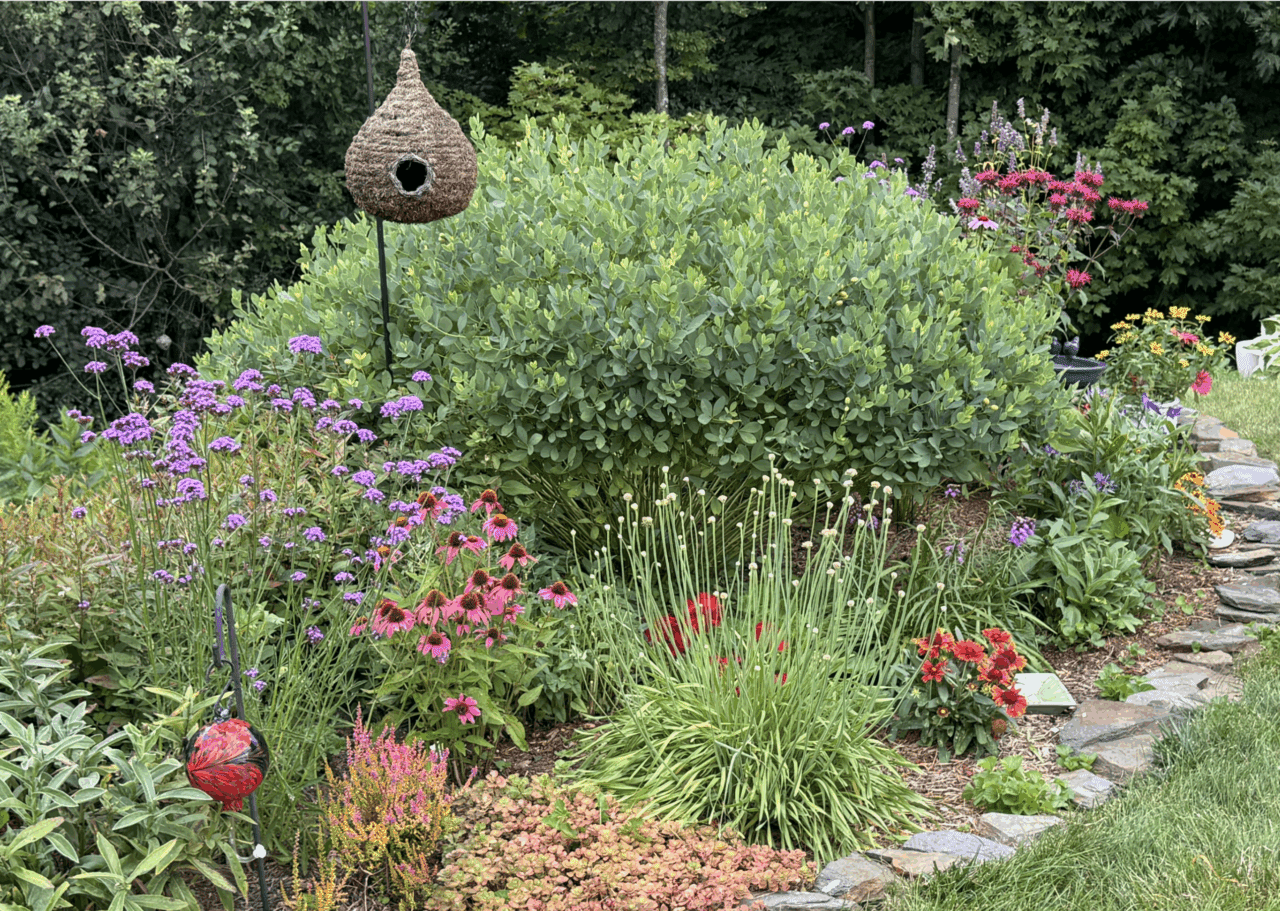
Transform your landscape into vibrant native habitat.
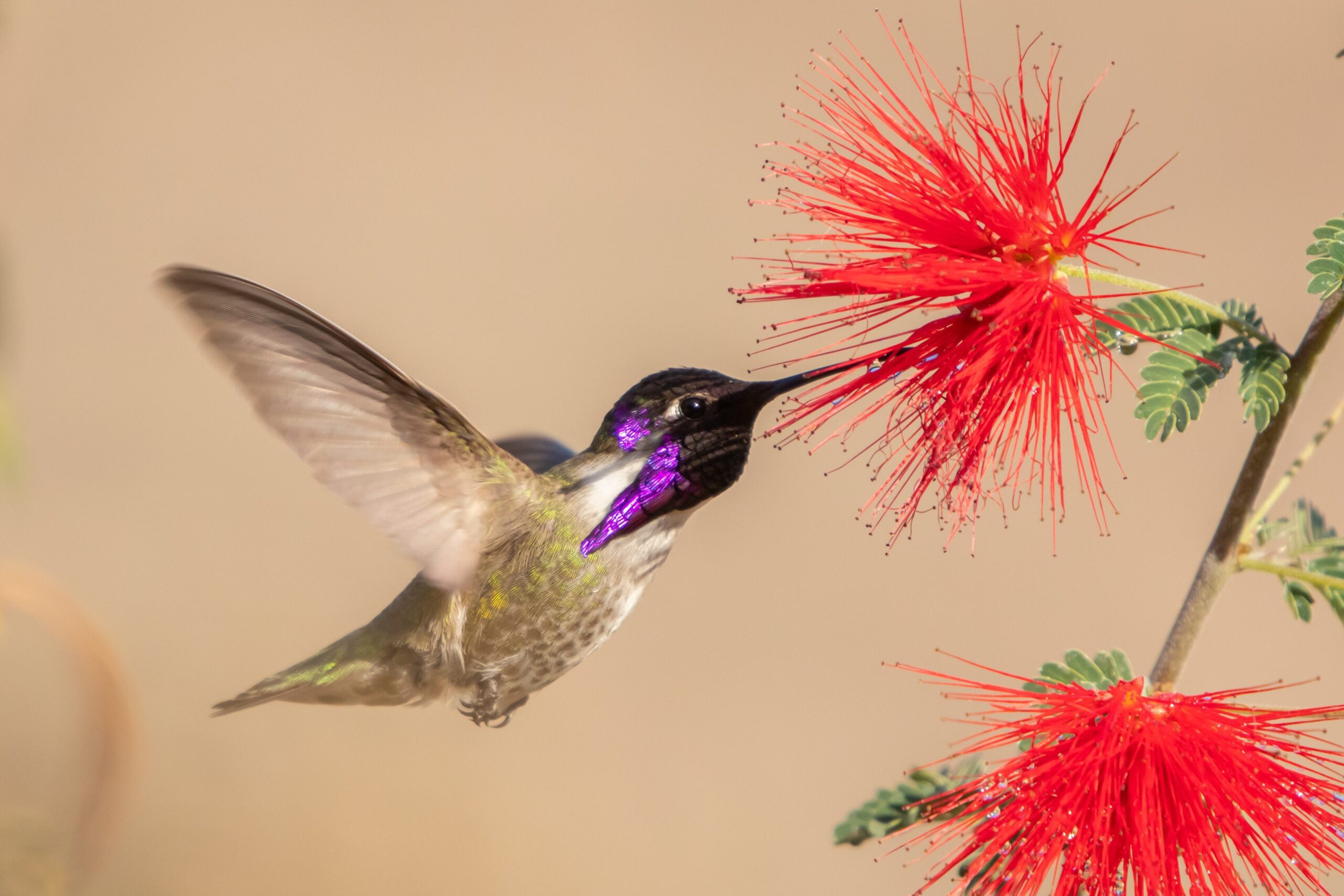
Like Us, Birds Need…
…food, water, shelter, and safe places to raise their young. To meet these needs, bird require quality habitat. Birds are losing habitat and you can help.
Native Plants Are the Foundation of Habitat
Life is interconnected. 95-98% of North American songbirds feed insects to their young. And insects need native plants to thrive.
Your gardens can be the source of these vital resources to support birds, bees, butterflies, and other wildlife.
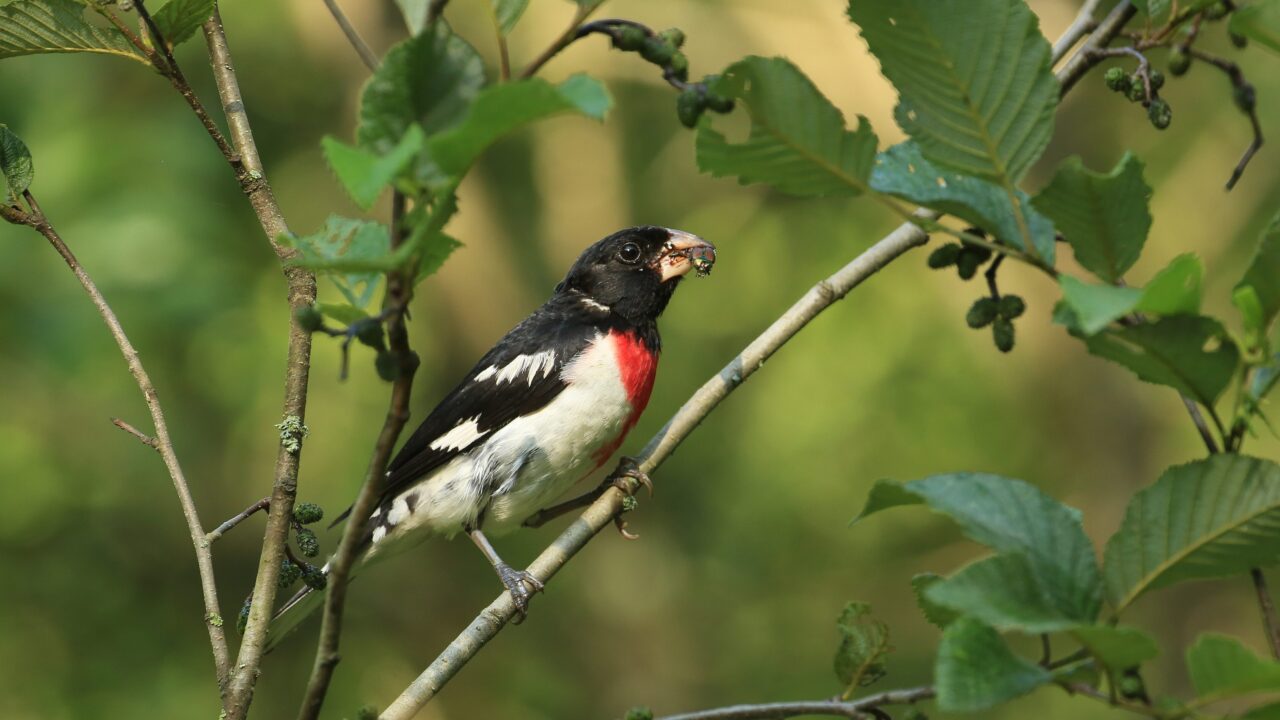
Got Native Plants?
We’ll guide you in what plants to add, no matter the size of your growing space, to better support birds. Whether you are a seasoned gardener or a beginner, there is always room to add habitat. Let’s share in the joy of creating safe nourishing gardens for birds, bees, butterflies, wildlife, and us!

Hear from Habitat Gardeners
Watch this 2-minute video to learn more about creating gardens for birds.
Backyard gardening. It seems simple, but can help contribute to conservation.
Gardens can provide birds with resources like food, shelter, and water.
We have some hackberry bushes that are also thorny, provide hackberries in the fall.
But grow right down to the ground, and provide a wonderful cover for the quail, and they’ll sleep in there at night, and they nest in there, just on the ground, because they’re protected from our predators. Which are quite common around here. Coyotes, javelina…
The fountain is a big, big draw for birds. They hear the sound of the rippling water and come in. Migrants that come through in the spring or the fall are really attracted to it.
Birds play important roles in ecosystems. They can act as pollinators, seed distributors for local and native plants, and can help keep populations of insects, rodents, and other small creatures in check.
But gardening for birds is largely about conservation. Gardening with native plants is about creating and sustaining an entire ecosystem. Native plants and insects are interconnected, and those relationships impact birds.
Research that I’ve done since then, just highlights that, wow, if you don’t have the caterpillars, you’re not going to have the birds. Less than 5% of the birds that use something other than and caterpillars and insects to feed their young.
Gardening for birds does not have to be difficult.
Something as simple as not over-landscaping can help birds out.
We don’t really clean up the yard that much. What we’ll do is put mulch around perennials and around plants.
But different plants, like the grasses and black-eyed Susans, we leave them in the yard. I would say to somebody who wants to do naturescaping, kudos to you for wanting to embark on something that’s so important and so vital to our community. I would just encourage that person to learn all you can to get planting, to involve your neighbors. Everybody can do something to make the world better.
And know your experience isn’t going to be my experience, but it’s going to be a good experience for you.
End of Transcript
Stay Connected
By subscribing to stay connected to Garden for Birds, you agree to receive communications from the Cornell Lab. You may unsubscribe from the communications at any time.