
October
Fall colors ablaze! In cooler regions, native plants will be getting ready for their “big sleep” over winter, packing their nutrients into their roots. Your plants may look sick as they pass their blooming prime, or they may vanish completely. Don’t worry—they’ll be back next spring! If you want to move your plants to a better spot for next year, now is a good time to do so in many regions, especially if there is rain in the forecast. Make sure you dig out the entire root ball. In the north, any day now might bring a very sudden end to your gardening, due either to frozen ground or early sudden dumps of snow. That’s ok—your native plants are prepared for it! One exception is plants in pots. Because their root system is effectively above ground, in a pot, they may be exposed to lower temperatures than they might prefer. Its ok to keep them outside, but you may want to dig them into ground-level soil, or pile leaves around them to provide some insulation. In contrast, in warmer areas, plants might be ramping up to take advantage of cooler, wetter conditions.

Garden Checklist
Celebrating Seasonal Success
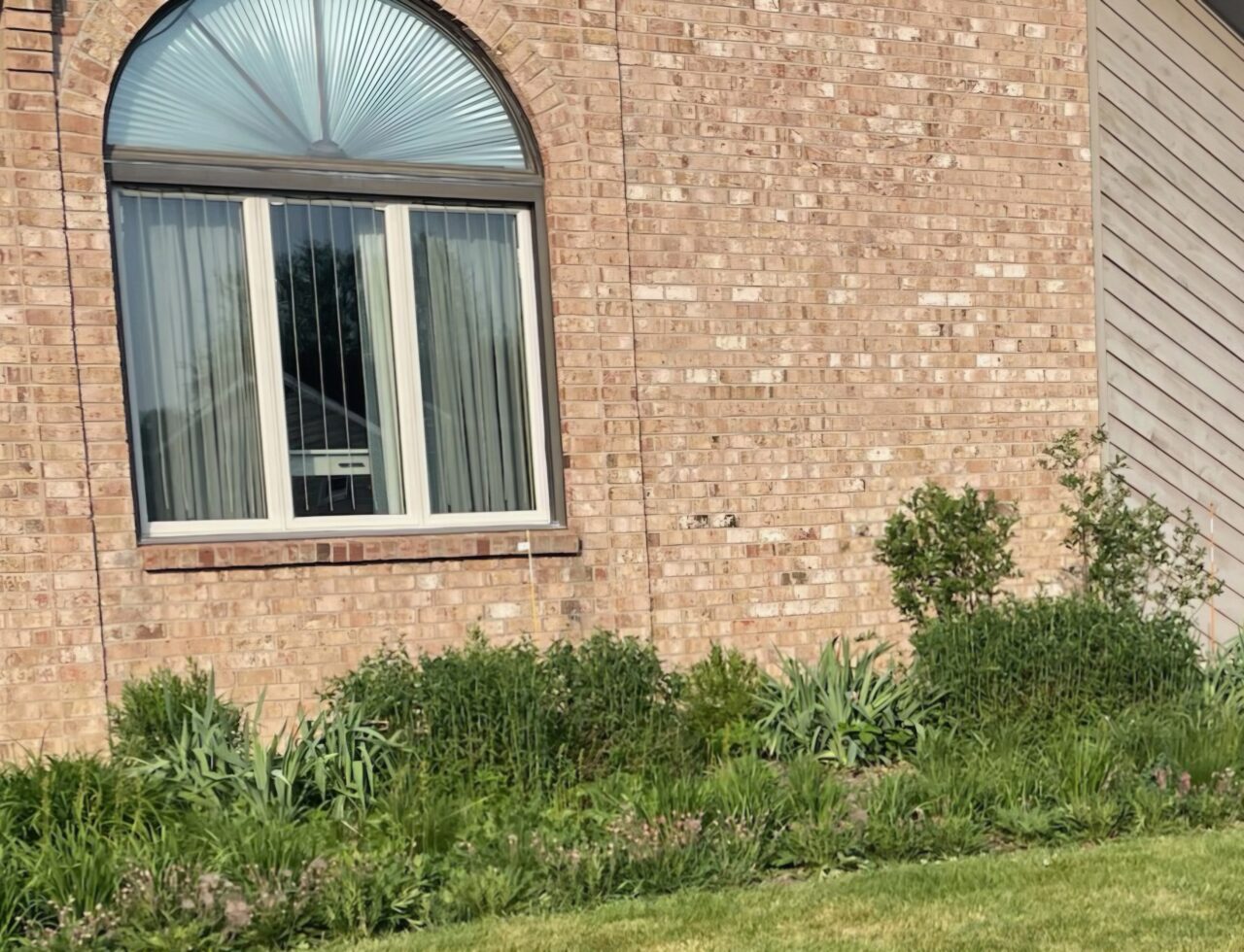
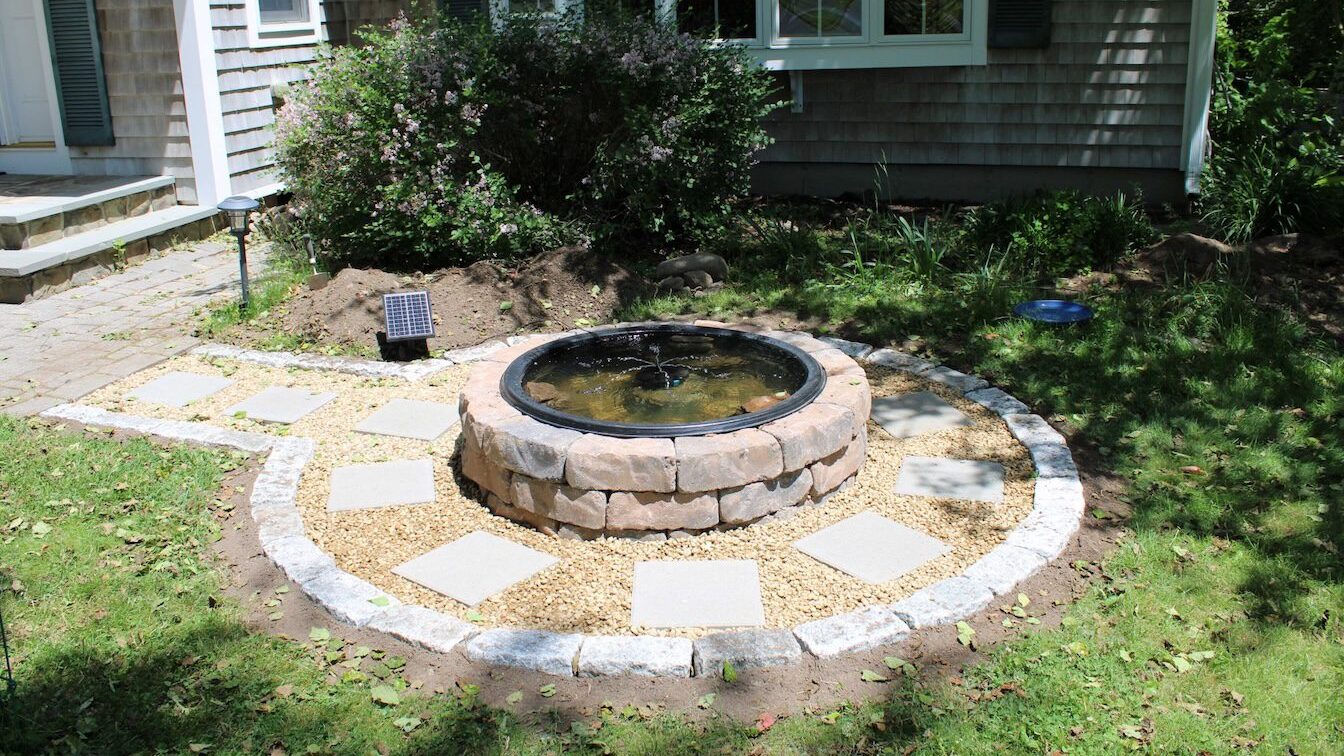
- Keep sharing inspiring Before and After Photos (some highlights below)
- We’ve been thrilled to see all the work that was accomplished in your gardens. See how varied our journeys to support birds are. Everyone who submits at least one photo is entered to win binoculars or native plant books in December.
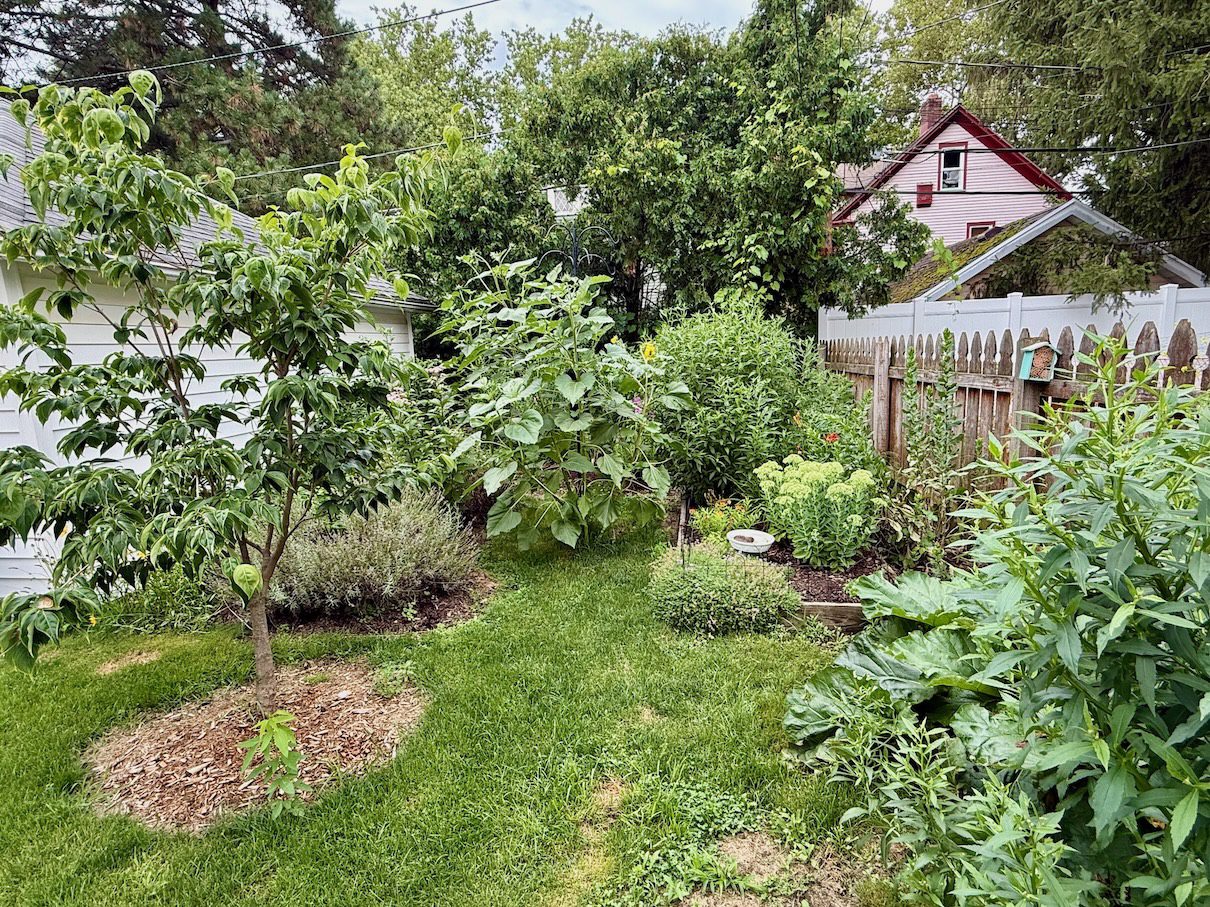


- Explore preliminary results from 2025 efforts — We accomplished a lot in one year.
- Please consider participating in the 2026 survey that will be going out at the end of the month!
- October Big Day is on Saturday, October 10. Share your birds during this 24 hour global event.
- If you missed Dudley Edmondson’s webinar about birds in the garden during migration, you can rewatch it here.
- Leave your garden bounty in place for birds and overwintering wildlife.
- If you missed Max Ferlauto’s webinar on leaving leaves, you can rewatch it here.
- Join HomeGrown National Park’s free screening of The Extraordinary Caterpillar and a star-studded panel discussion! You must Register by October 14 to get free access.

Garden Wind-Down
- Save or scatter seeds from your drying seed heads. You can save seeds for starting in the spring.
- See this article to learn more.
- Add new native trees, shrubs or perennials while the soil is warm.
- Move any plants to better spots, if necessary.
- Dig pots into the soil or insulate, if necessary.
Garden Wind-Up
- In warmer climates, prepare new garden beds for when the rain returns and temperatures cool.
- Remove an invasive plant (or more) to make way for new additions.
- Identify bloom and resource gaps in your garden and add something new!
- Aim to have resources available year-round.
Keep Monitoring Birds
- Continue to share your birds with our Garden for Birds eBird Project all winter long.
- OR, monitor birds with Project FeederWatch (PFW) – a fun participatory science project focused on birds in the winter.


Bird-friendly Tips
As the above map depicts, birds are still in active migration. Continue to do the following to keep birds safe on their annual fall flights to their winter habitats:
- Keep unnecessary lights off at night.
- Make windows visible to birds.
- Consider adding a year-round water feature.
- As the temperatures cool, consider bird-friendly coffee for your fall/winter beverages. Farmers that engage in bird-friendly coffee production keep migrating birds safer in their wintering grounds.
- See this short video to understand more about the importance of bird-friendly, shade-grown coffee.
- Sign-up to receive migration alerts!
- The Cornell Lab has the tools to email people in the United States (Canada is coming) when birds are likely moving through your area.
Featured Plant & Bird
Common Name: Goldenrod (many different species)
Scientific Name: Solidago
Native to: These plants can be found through North America.
Plant characteristics: Medium to tall perennial that produces yellow flowers in late summer/early fall.
Growing conditions: Different species prefer different conditions. Use the link above to choose your state or province and narrow the search by the growing conditions. Many species of goldenrod are not aggressive and will play nice in gardens.
Benefits to Birds & Biodiversity: One of the latest flowering perennials, along with asters, that provide critical late-season resources for bees and butterflies, plus foraging for migrating birds hunting insects as they move south. Seeds are eaten by a variety of songbirds throughout the winter. Contrary to common belief, goldenrod generally does not cause seasonal allergies, but rather blooms at the same time as ragweed, a common pollen allergen.

Additional Resources
- Trying to get your community to leave the leaves? These resources may help.
- Review our resources pages for topics of interest from the beginning gardener to experienced.
- Webinar on the ecology of creating habitat at home — a review of what we are doing for birds.
- Webinar on building a native plant community in your neighborhood.
Stay Connected
By subscribing to stay connected to Garden for Birds, you agree to receive communications from the Cornell Lab. You may unsubscribe from the communications at any time.